
Sweetbay Magnolia Tree Live Plant – 3 Quart Pot Starter, 12-24″ Tall
Original price was: 101.99 $.76.99 $Current price is: 76.99 $.
Bring home the enchanting sweetbay magnolia tree, a beautiful magnolia virginiana live plant. Known for its delightful fragrance and graceful form, this starter plant is ready to thrive in your garden. Ideal for moist soils and hardy in USDA zones 5-10.
Estimated arrival
Oct 16
Oct 21 - Oct 23
Oct 23 - Oct 28
See our Shipping Policy.
Get in touch with us via email, and our team will review your concerns.
Our Alive & Thrive Guarantee covers issues with your plants within the first 30 days. Read our Refund & Returns Policy.
-
USDA Hardiness Zone
USDA zones 5-10 -
Soil Type
Moist, acidic, well-draining soil -
Sunlight Exposure
Full sun to partial shade -
Expected Planting Period
Early spring or fall
Overview
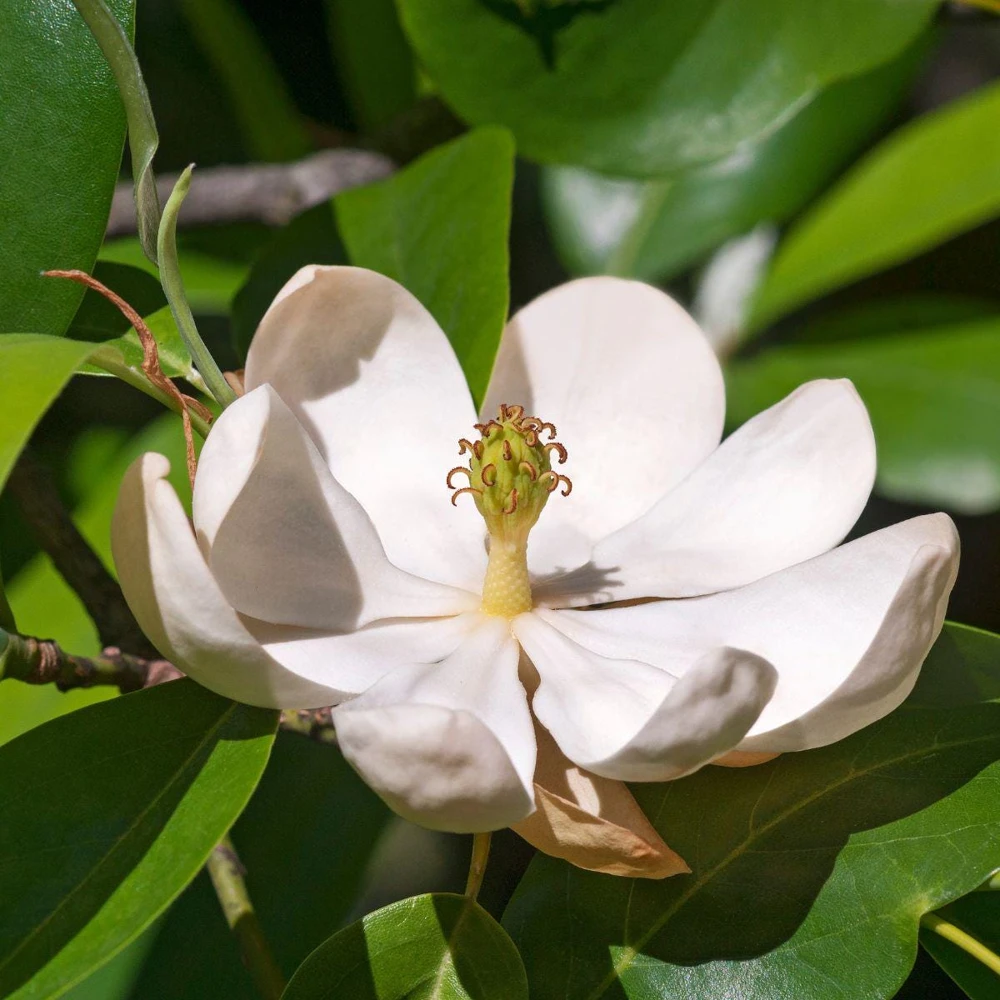
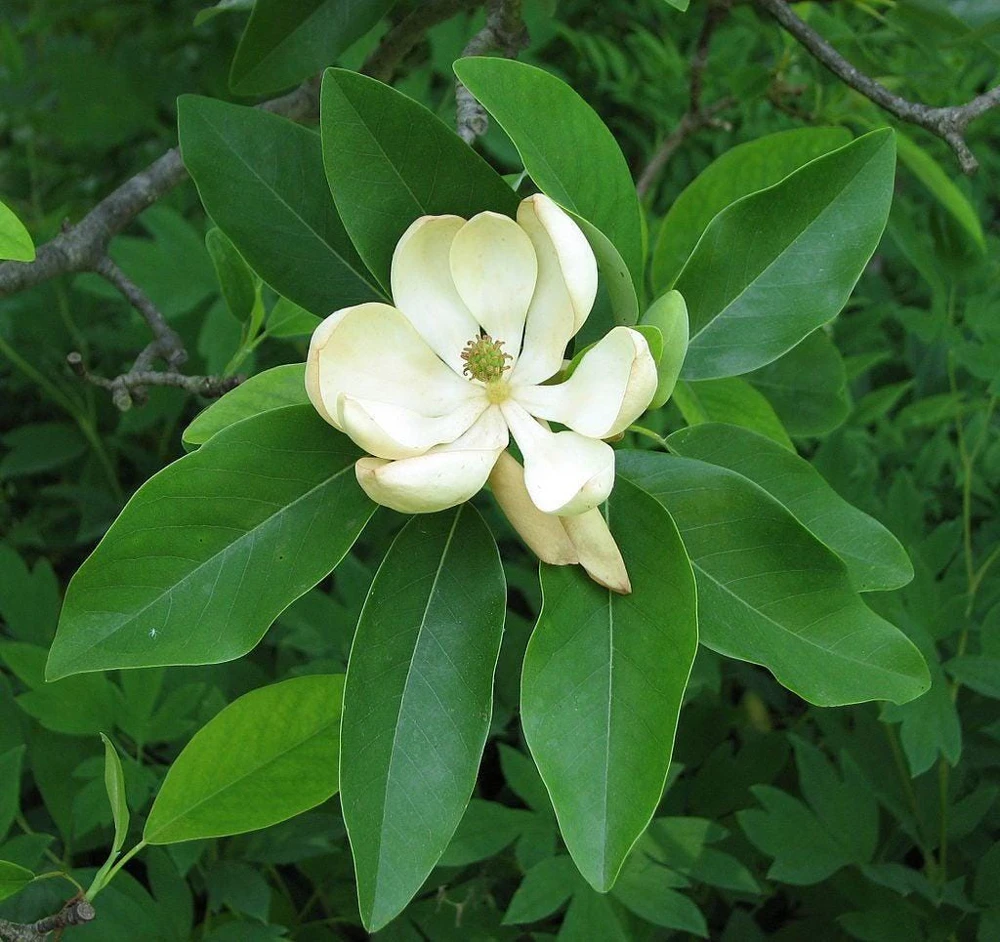
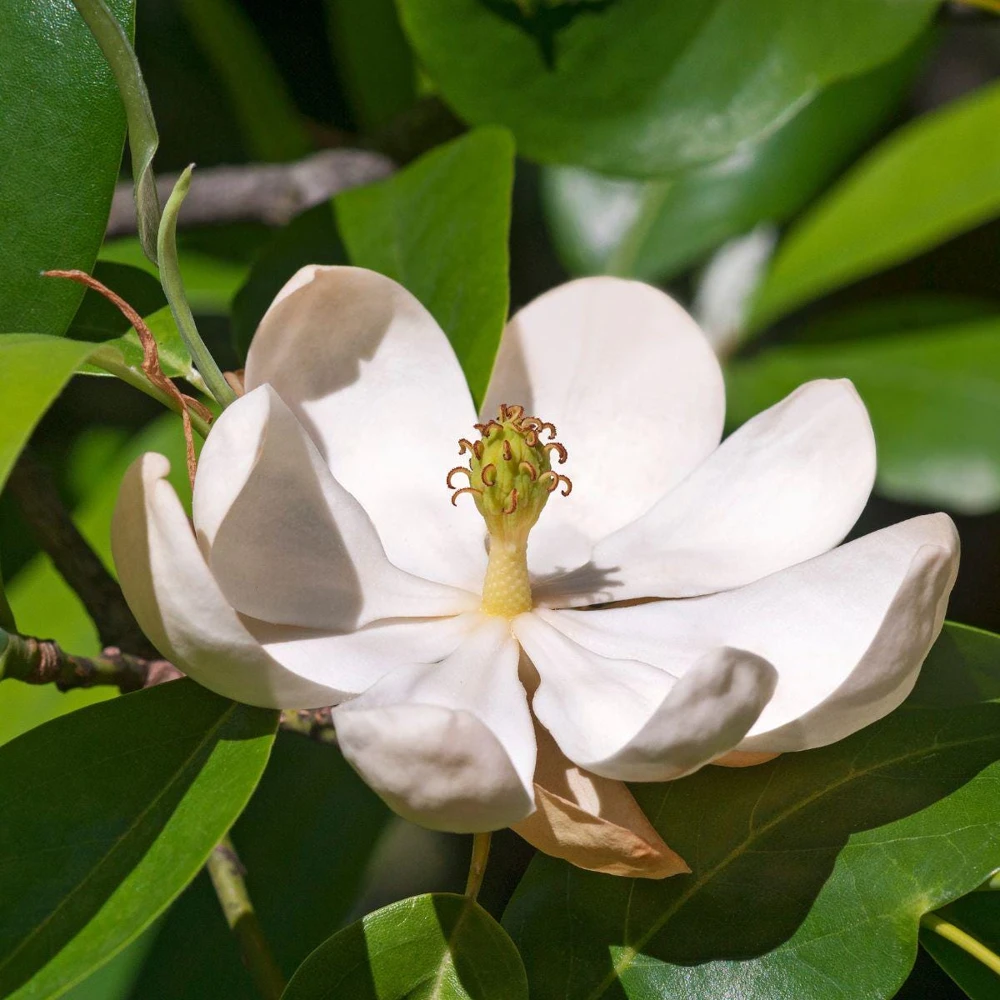
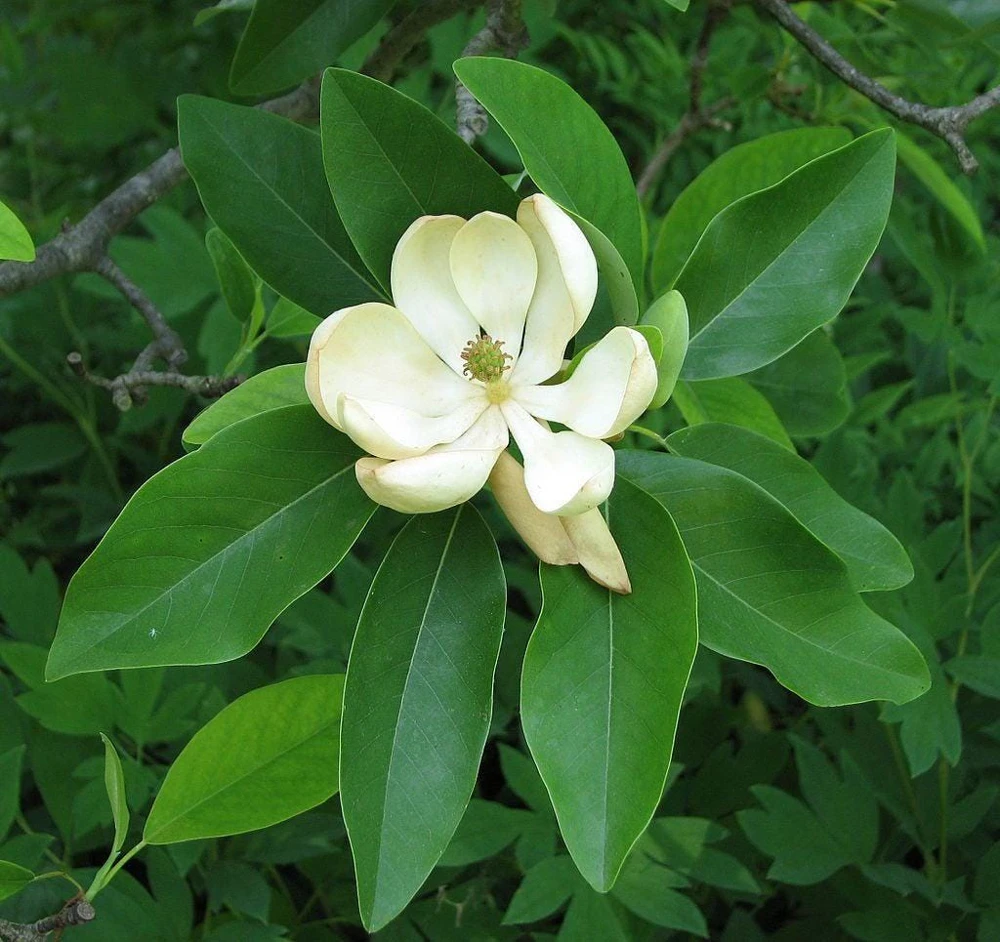
Introduce a touch of natural elegance to your landscape with the sweetbay magnolia tree. This exquisite magnolia virginiana live plant is celebrated for its highly fragrant, creamy-white flowers that bloom from late spring into summer, filling the air with a sweet, lemony scent. Known scientifically as Magnolia virginiana, the sweetbay magnolia is a versatile and graceful semi-evergreen tree that can adapt to various growing conditions, particularly thriving in moist to wet soils. It’s an excellent choice for garden enthusiasts looking for a resilient and beautiful specimen that offers year-round interest. This starter plant, shipped as a bare root specimen, provides an ideal foundation for establishing a robust and healthy tree in your yard, promising a stunning display of blossoms and attractive foliage.
The sweetbay magnolia’s unique characteristic of being semi-evergreen means its foliage persists through milder winters, offering greenery when many other trees are bare. In colder climates, it may behave as a deciduous tree, shedding its leaves in fall. Its slender branches and attractive bark add to its charm, making it a focal point in any garden design. Whether you’re aiming for a naturalized look, a specimen tree, or part of a mixed border, the sweetbay magnolia tree offers both aesthetic appeal and ecological benefits, attracting pollinators with its alluring blossoms.
Key Benefits
The sweetbay magnolia tree offers numerous advantages for any gardener, blending beauty with resilience and adaptability. Its distinctive features make it a standout choice for various landscape applications:
- Highly Fragrant Flowers: Enjoy the intoxicating, sweet, and lemony scent of its creamy-white blossoms, which add a delightful aroma to your garden during its long blooming season. This makes it a perfect choice for planting near patios or windows.
- Semi-Evergreen Foliage: Provides year-round interest with its attractive green leaves. In warmer climates, it remains evergreen, while in cooler zones, it may be semi-evergreen or deciduous, offering seasonal variation.
- Adaptability to Moist Soils: Unlike many trees, the magnolia virginiana live plant thrives in consistently moist to wet soil conditions, making it an excellent option for rain gardens, pond edges, or areas with poor drainage.
- Attractive Wildlife Habitat: Its flowers attract pollinators such as bees and butterflies, while its red seeds are a food source for birds, contributing to local biodiversity.
- Versatile Landscape Use: Can be grown as a large shrub or a small tree, suitable for specimen planting, naturalized areas, or as part of a mixed border. Its graceful form adds architectural interest.
- Hardy & Resilient: Known for its robust nature and ability to withstand a range of conditions, making it a reliable addition to gardens in USDA zones 5 through 10.
- Low Maintenance: Once established, this fragrant magnolia tree requires minimal care, making it an ideal choice for both experienced and novice gardeners.
Plant Care & Growing Tips
Caring for your sweetbay magnolia tree is relatively straightforward, ensuring it thrives and produces its beautiful, fragrant blooms. This semi-evergreen magnolia prefers a location with full sun to partial shade. In hotter climates, some afternoon shade can protect the foliage from scorching. Aim for at least 4-6 hours of direct sunlight per day for optimal flowering. While adaptable, it truly excels in moist to wet, acidic soils. Ensure the planting site has good drainage, even if it retains moisture, to prevent root rot. Incorporating organic matter into the soil at planting time can greatly improve its structure and nutrient content.
Consistent watering is crucial, especially during the first few growing seasons after planting. Keep the soil consistently moist but not waterlogged. Once established, the sweetbay magnolia is more tolerant of varying moisture levels but will perform best with regular hydration, particularly during dry spells. Fertilize in early spring with a balanced, slow-release granular fertilizer formulated for acid-loving plants. Follow the product instructions for application rates. Pruning is generally minimal; focus on removing any dead, damaged, or crossing branches to maintain a healthy structure. You can also prune to shape the tree or maintain a more shrub-like form. This sweetbay magnolia care routine will help your plant flourish.
The sweetbay magnolia is hardy in USDA zones 5 through 10. In colder zones, ensure it’s protected from harsh winter winds, and be aware that it may drop its leaves. Pests and diseases are generally not a significant concern for this resilient tree, though occasional issues like leaf spots or scale can occur. Good air circulation and proper watering practices can help prevent most problems. With these growing tips, your fragrant magnolia tree will become a cherished part of your landscape, offering beauty and fragrance for many years.
Size & Details
This offering includes three sweetbay magnolia tree starter plants, each measuring approximately 12-24 inches tall at the time of shipment. These young trees are provided as bare root specimens, carefully prepared for transport to ensure their health upon arrival. Bare root plants are an economical and effective way to establish new trees, allowing the roots to quickly adapt to their new environment. Each plant is grown in a quart pot before being prepared for bare root shipping, indicating a well-developed root system ready for transplanting.
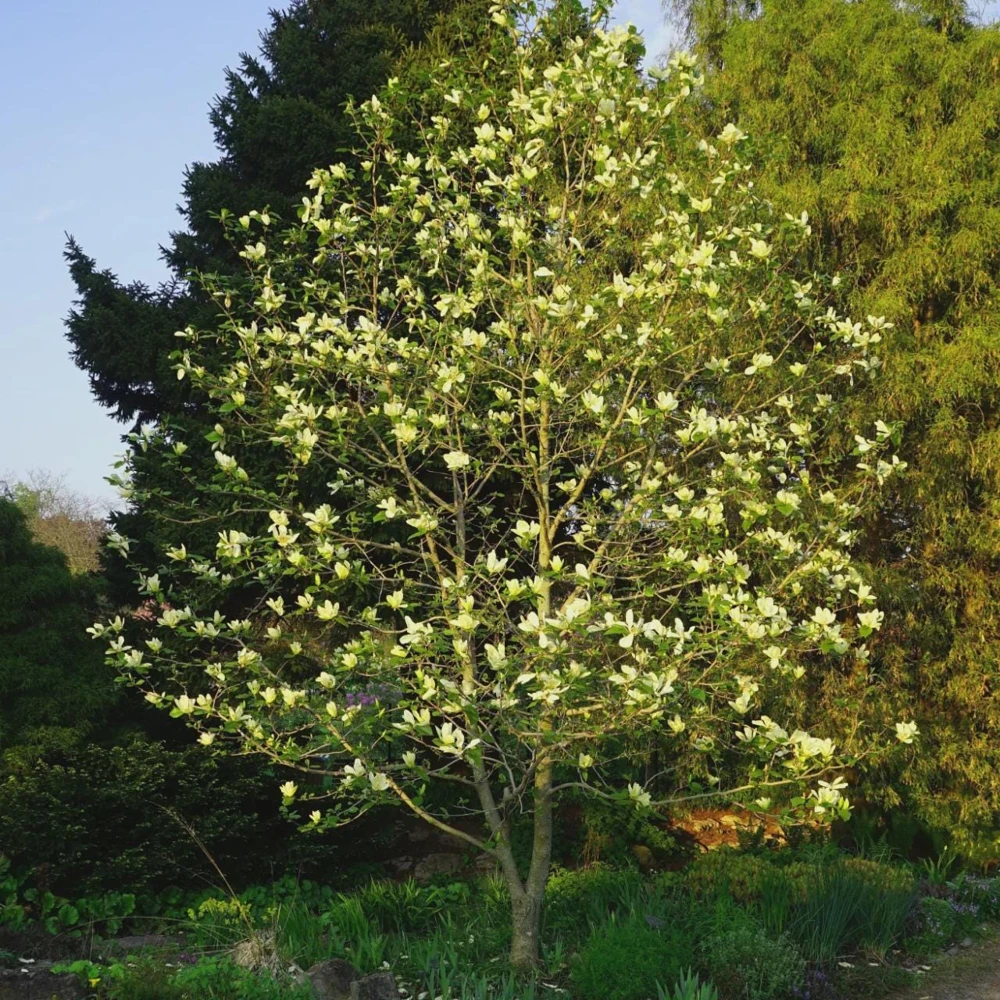
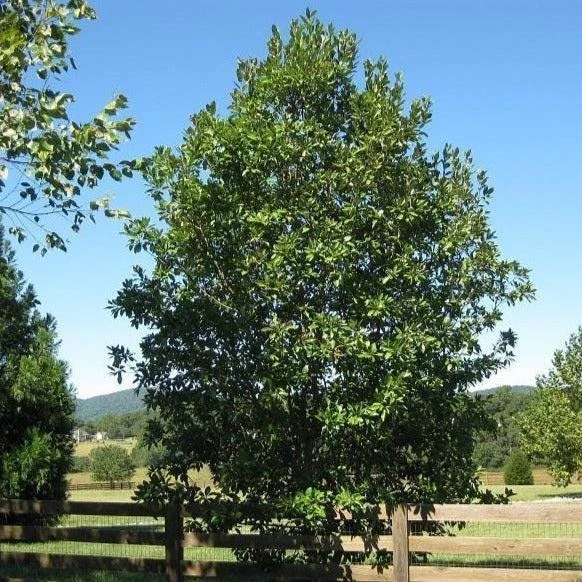
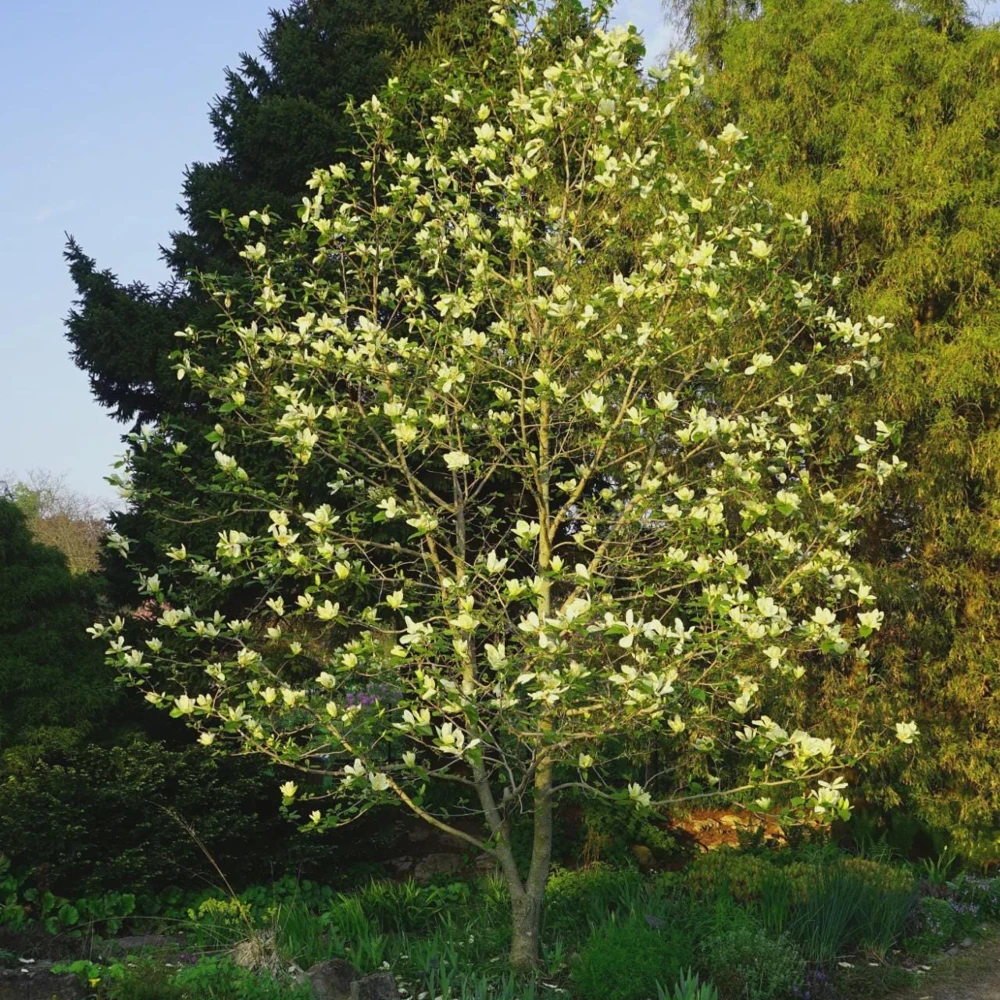
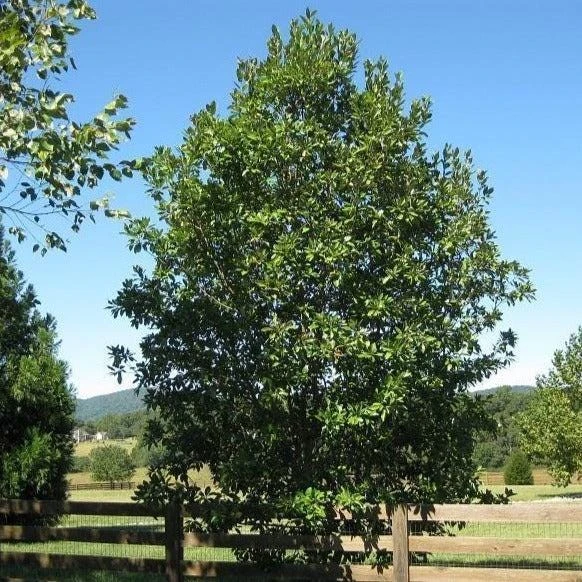
The magnolia virginiana live plant typically grows into a small to medium-sized tree, reaching heights of 10-20 feet and a similar spread, though it can grow taller in ideal conditions. Its growth rate is moderate, allowing you to enjoy its benefits within a few years. Expect these starter plants to establish quickly and begin showing significant growth in their first full season. With proper sweetbay magnolia care, these trees will mature into graceful specimens, providing fragrant blooms and attractive foliage for decades.
Frequently Asked Questions
- Q: How big will the sweetbay magnolia tree get? A: The sweetbay magnolia tree typically grows to a height of 10-20 feet and a similar spread, though it can reach up to 30 feet in optimal conditions. It can be grown as a large shrub or a small tree, depending on pruning.
- Q: What condition will the plants arrive in? A: These are magnolia virginiana live plant starter trees, shipped bare root. They are carefully packaged to ensure their health during transit, and their roots will be ready for immediate planting upon arrival.
- Q: Is this an indoor or outdoor plant? A: The sweetbay magnolia tree is an outdoor plant, hardy in USDA zones 5 through 10. It requires significant space to grow and is not suitable for indoor cultivation.
- Q: How much sunlight does a sweetbay magnolia need? A: This fragrant magnolia tree thrives in full sun to partial shade, meaning it prefers at least 4-6 hours of direct sunlight daily. In very hot climates, some afternoon shade is beneficial.
- Q: Is the sweetbay magnolia easy to care for? A: Yes, once established, the semi-evergreen magnolia is relatively low maintenance. Its primary needs are consistent moisture and well-draining, acidic soil.
- Q: When is the best time to plant a sweetbay magnolia? A: The best time to plant bare root sweetbay magnolias is in early spring or fall when temperatures are moderate, allowing the roots to establish before extreme heat or cold.
- Q: Will it survive winter in my zone? A: The sweetbay magnolia tree is hardy in USDA zones 5-10. In zone 5, it may behave more like a deciduous plant, losing its leaves, but it should survive with proper winter protection.
- Q: What type of soil does the sweetbay magnolia prefer? A: This plant prefers moist to wet, acidic soils with good drainage. It is known for its tolerance to various soil types but performs best in conditions that mimic its natural wetland habitats.
Be the first to review “Sweetbay Magnolia Tree Live Plant – 3 Quart Pot Starter, 12-24″ Tall”
Related products


You May Like

Hardneck vs. Softneck Garlic: Which Should You Grow?
Have you ever stood in front of a seed catalog in mid-September, staring at dozens [...]
Oct

When to Plant Music Garlic: Ultimate US Fall Guide
Have you ever spent your fall weekend placing carefully chosen garlic cloves into rich, dark [...]
1 Comment
Oct

5 Best Bulbs for Fall Planting: Brighten Your Garden This Spring
Are you dreaming of a garden full of vibrant colors in the spring? The key [...]
Aug

10 Houseplants That Will Thrive in Your Kitchen
Are you tired of your kitchen feeling dull and lifeless? Want to add a little [...]
1 Comment
Aug
Reviews
There are no reviews yet.