
3 Alachua Muscadine Grape Starter Plugs – Vitis rotundifolia Live Plant
Original price was: 93.99 $.68.99 $Current price is: 68.99 $.
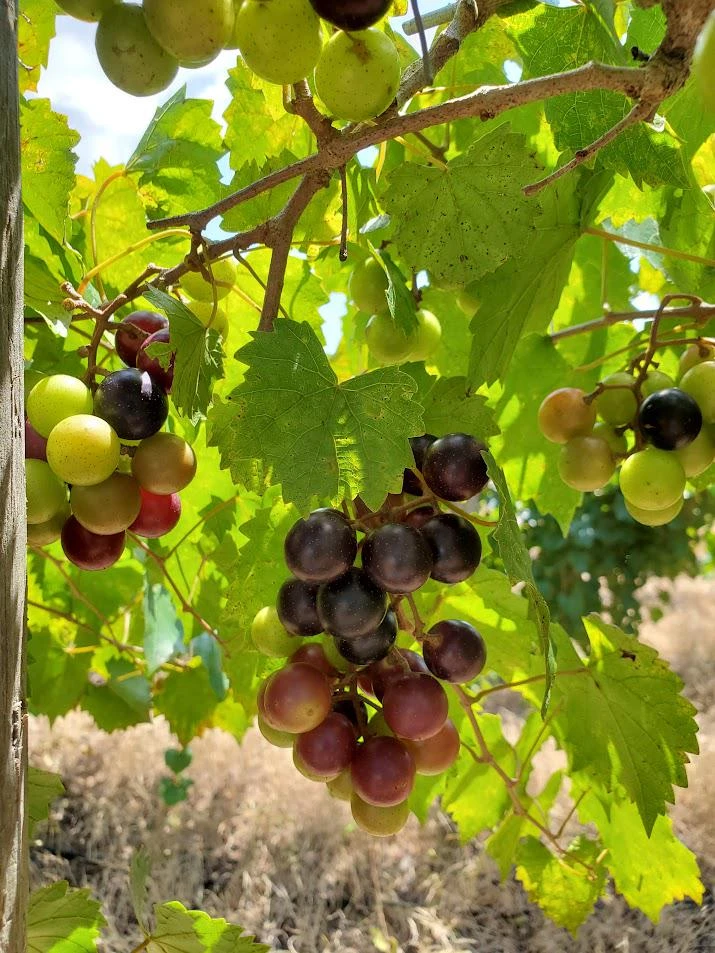
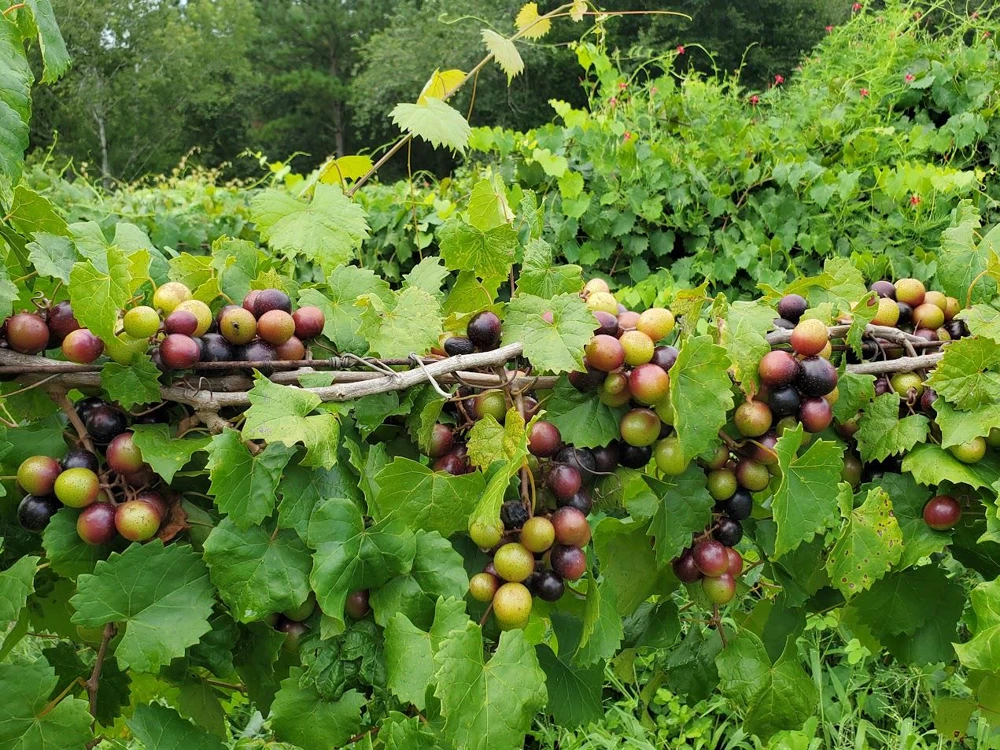
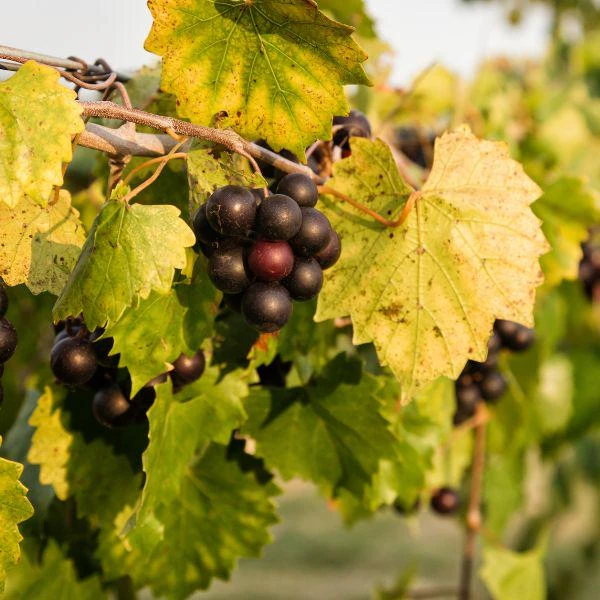
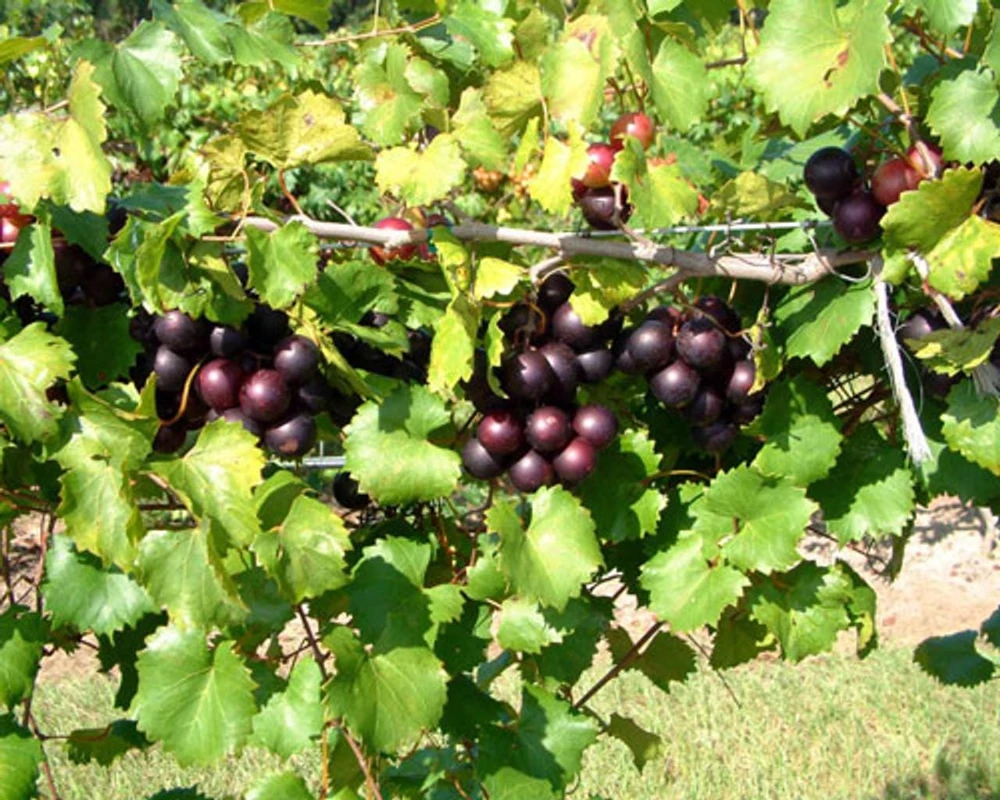
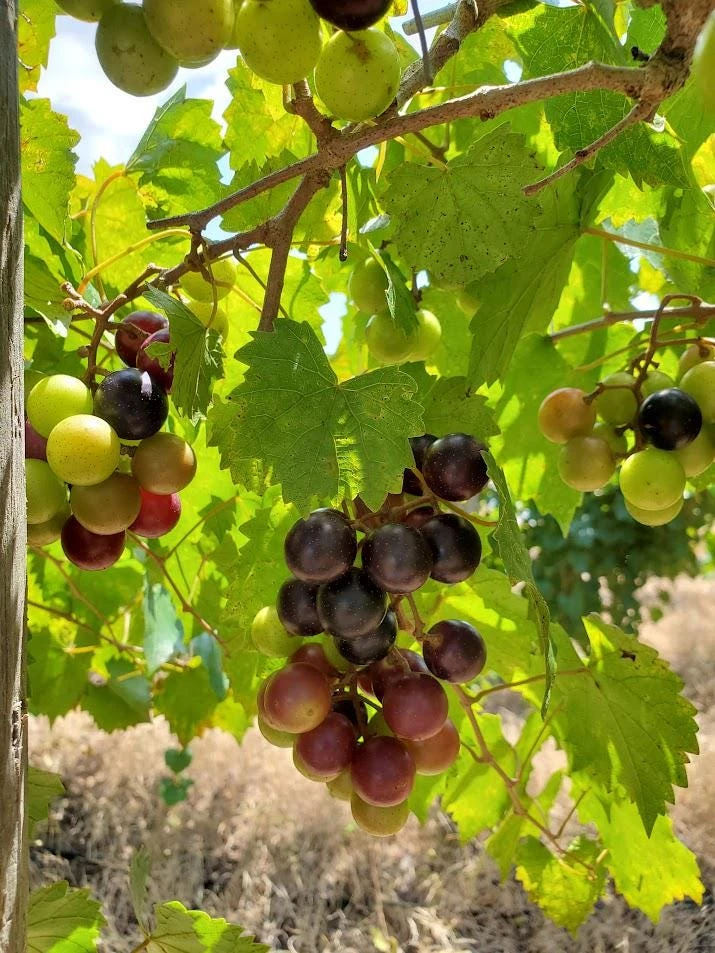
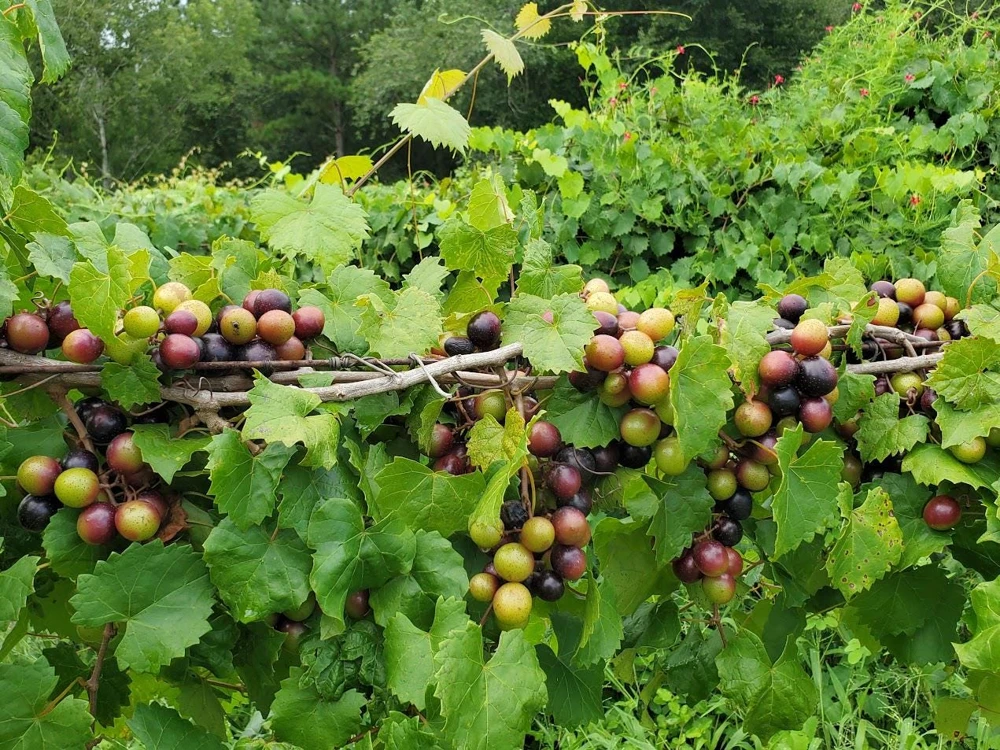
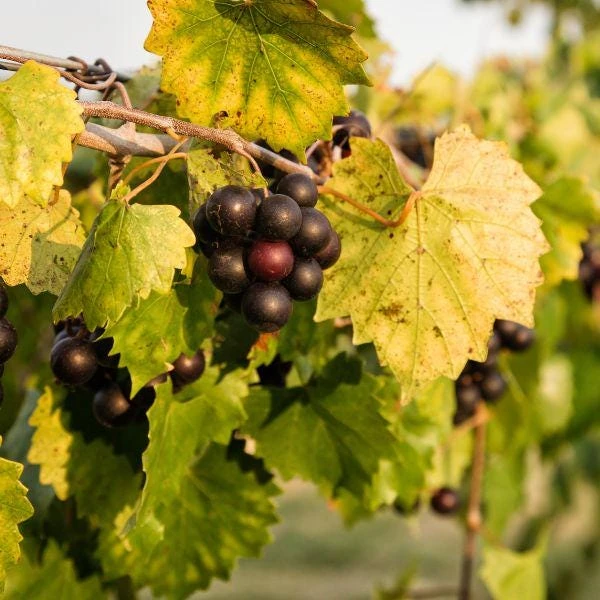
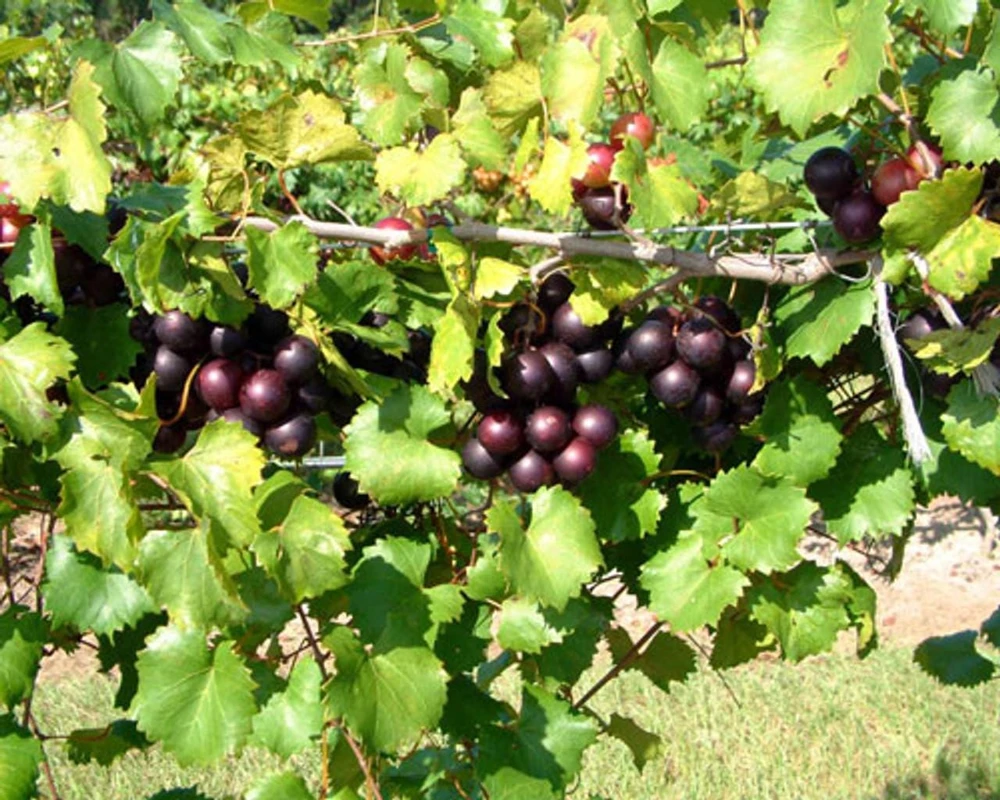
Cultivate your own flavorful harvest with these Alachua muscadine grape starter plugs. Known for their bold, spicy-sweet black grapes, these vigorous Vitis rotundifolia ‘Alachua’ plants are self-fertile and disease-resistant, ideal for home gardeners in the Southern US.
Estimated arrival
Oct 17
Oct 22 - Oct 24
Oct 24 - Oct 29
See our Shipping Policy.
Get in touch with us via email, and our team will review your concerns.
Our Alive & Thrive Guarantee covers issues with your plants within the first 30 days. Read our Refund & Returns Policy.
-
USDA Hardiness Zone
7-10 -
Soil Type
Well-draining, slightly acidic (pH 5.5-6.5) -
Sunlight Exposure
Full sun (6-8+ hours daily) -
Expected Planting Period
Late winter to early spring
Overview
Embark on a rewarding gardening journey with the Alachua muscadine grape starter plugs. This offering includes three healthy starter plugs of the ‘Alachua’ muscadine grape, a specific cultivar of Vitis rotundifolia. Renowned for its vigorous growth and exceptional fruit quality, the ‘Alachua’ is a self-fertile black muscadine variety that produces grapes with a distinctive bold, spicy-sweet flavor. Developed in Florida, this particular muscadine is perfectly adapted to the warm, humid conditions of the Southeastern United States, making it an excellent choice for home gardens in USDA Zones 7–10. These live plants are known for their reliable performance, disease resistance, and relatively low maintenance requirements, allowing both novice and experienced gardeners to enjoy a bountiful harvest of fresh, delicious muscadine grapes.
The ‘Alachua’ muscadine grape is a robust climbing vine that can transform a trellis, arbor, or fence into a productive and attractive feature in your landscape. As a self-fertile variety, you only need one plant to produce fruit, simplifying the planting process for those with limited space or who prefer a straightforward approach to fruit cultivation. These Vitis rotundifolia Alachua starter plugs provide a strong foundation for establishing a thriving grape vine that will yield sweet, juicy grapes for years to come.
Key Benefits
Growing your own Alachua muscadine grape starter plugs offers numerous advantages, from fresh fruit to a beautiful landscape addition. These vines are not only productive but also resilient, providing a rewarding experience for any gardener.
- Delicious, Nutrient-Rich Fruit: Enjoy a plentiful supply of bold, spicy-sweet black muscadine grapes right from your garden. These grapes are excellent for fresh eating, making jams, jellies, juices, or even wine, offering a versatile harvest. Muscadines are also known for their high antioxidant content.
- Self-Fertile & Vigorous Growth: The ‘Alachua’ is a self-fertile variety, meaning you only need one plant to produce fruit, eliminating the need for cross-pollination. It’s a vigorous grower, quickly establishing itself and providing substantial yields.
- Disease Resistance: Developed for resilience, these muscadine vines exhibit good resistance to many common grape diseases, reducing the need for chemical treatments and making them a healthier, more sustainable choice for your garden.
- Low Maintenance: Once established, the ‘Alachua’ muscadine is relatively low-maintenance, thriving with minimal intervention. Its heat tolerance and adaptability to Southern climates contribute to its ease of care.
- Heat & Humidity Tolerant: Specifically bred for the Southeastern US, this muscadine thrives in warm, humid conditions, making it an ideal choice for regions where other grape varieties might struggle.
- Attractive Landscape Feature: Beyond its fruit production, the muscadine vine can serve as an attractive ornamental plant, providing lush green foliage and visual interest when trained on a trellis, arbor, or fence.
- Perfect for Home Gardens: Its reliable performance and ease of care make it an excellent choice for home gardeners looking to grow muscadine grapes without extensive horticultural experience.
Plant Care & Growing Tips
To ensure your Alachua muscadine grape starter plugs flourish, proper care is essential. Muscadines are generally resilient, but understanding their specific needs will lead to a more successful harvest. Begin by selecting a site that receives full sun, meaning at least 6-8 hours of direct sunlight per day. Good air circulation is also crucial to prevent fungal issues. Plant your bare root starter plugs in well-draining soil with a pH between 5.5 and 6.5. Amend heavy clay soils with organic matter to improve drainage. When planting, ensure the crown of the plant is at soil level, and water thoroughly.
Watering is critical, especially during the first year of establishment and during dry spells. Aim for consistent moisture, but avoid waterlogging, as muscadines dislike ‘wet feet’. Once established, they are more drought-tolerant but will benefit from deep watering during prolonged dry periods. Fertilize in early spring with a balanced fertilizer, gradually increasing the amount as the vine matures. Pruning is vital for fruit production and vine health. In late winter, prune back last season’s growth to 2-3 buds per spur, removing any dead or diseased wood. Training the vine on a strong trellis or arbor is also essential to support its vigorous growth and facilitate harvesting. Understanding how to best grow muscadine grapes will lead to a bountiful yield.
The ‘Alachua’ muscadine is known for its disease resistance, but it’s always wise to monitor for common pests or diseases. Good air circulation and proper sanitation can prevent many problems. This variety thrives in USDA Zones 7–10, making it heat-tolerant and well-suited for Southern climates. Protecting young plants from late spring frosts is advisable in the cooler parts of its hardiness range. With consistent care, your self-fertile grape vine will reward you with an abundance of delicious fruit.
Size & Details
This offering includes three individual Alachua muscadine grape starter plugs. These are young, bare root plants, meaning they are shipped without soil or a pot, allowing for easier transplanting and establishment in your garden. While specific dimensions can vary slightly, starter plugs are typically compact, ready to develop a robust root system once planted. The ‘Alachua’ muscadine is a vigorous vine that, once mature, can reach lengths of 10-20 feet or more, depending on pruning and training. Expect a moderate to fast growth rate, with fruit production typically beginning 2-3 years after planting. The mature grapes are black, round to oval, and known for their excellent flavor profile. This Vitis rotundifolia Alachua variety is a reliable choice for long-term fruit production.
Frequently Asked Questions
- Q: How big do these Alachua muscadine grape starter plugs get? A: As starter plugs, they are small and ready for planting. Once established, the ‘Alachua’ muscadine vine is vigorous and can grow to lengths of 10-20 feet or more, depending on how it’s trained and pruned.
- Q: Is this an indoor or outdoor plant? A: The ‘Alachua’ muscadine grape is an outdoor plant, specifically suited for growing in USDA Zones 7–10. It requires significant sunlight and space to thrive.
- Q: How much sunlight does it need? A: This muscadine grape requires full sun exposure, meaning at least 6-8 hours of direct sunlight daily for optimal growth and fruit production.
- Q: Is this plant easy to care for? Is it good for beginners? A: Yes, the ‘Alachua’ muscadine is considered relatively low-maintenance and disease-resistant, making it a good choice for both experienced and beginner gardeners who wish to grow muscadine grapes.
- Q: What condition will the plants arrive in? A: The plants will arrive as bare root starter plugs, meaning they are shipped without soil or a pot. This is a common and effective method for shipping young grape vines.
- Q: When is the best time to plant these muscadine grapes? A: The best time to plant bare root muscadine grapes is typically in late winter or early spring, after the last hard frost and before new growth begins.
- Q: Will it survive winter in my zone? What’s the minimum temperature? A: The ‘Alachua’ muscadine is hardy in USDA Zones 7–10. This means it can tolerate winter temperatures down to approximately 0°F to 10°F (-18°C to -12°C) in Zone 7.
- Q: Do I need more than one plant to get fruit? A: No, the ‘Alachua’ muscadine is a self-fertile variety, so you only need one plant to produce fruit. However, planting multiple vines can increase your overall yield.
- Q: What are the best uses for Alachua muscadine grapes? A: These black muscadine grapes are excellent for fresh eating, making delicious jams, jellies, juices, and even homemade wine. Their spicy-sweet flavor is quite versatile.
- Q: How long until I can expect fruit from my self-fertile grape vine? A: Typically, you can expect your ‘Alachua’ muscadine vine to start producing fruit within 2-3 years after planting, with increasing yields as the vine matures.
Be the first to review “3 Alachua Muscadine Grape Starter Plugs – Vitis rotundifolia Live Plant”
Related products


You May Like

Hardneck vs. Softneck Garlic: Which Should You Grow?
Have you ever stood in front of a seed catalog in mid-September, staring at dozens [...]
Oct

When to Plant Music Garlic: Ultimate US Fall Guide
Have you ever spent your fall weekend placing carefully chosen garlic cloves into rich, dark [...]
1 Comment
Oct

5 Best Bulbs for Fall Planting: Brighten Your Garden This Spring
Are you dreaming of a garden full of vibrant colors in the spring? The key [...]
Aug

10 Houseplants That Will Thrive in Your Kitchen
Are you tired of your kitchen feeling dull and lifeless? Want to add a little [...]
1 Comment
Aug
Reviews
There are no reviews yet.