
Pomegranate Punica Granatum Live Plant – Edible Fruit Tree Starter – Zones 7-11
Original price was: 73.99 $.48.99 $Current price is: 48.99 $.
Cultivate your own delicious and nutritious fruit with this pomegranate live plant. This Punica granatum tree starter grows into a versatile shrub or small tree, producing beautiful orange-red flowers and large, reddish-brown fruits. Ideal for zones 7-11, it’s a wonderful addition to any garden or patio.
Estimated arrival
Oct 17
Oct 22 - Oct 24
Oct 24 - Oct 29
See our Shipping Policy.
Get in touch with us via email, and our team will review your concerns.
Our Alive & Thrive Guarantee covers issues with your plants within the first 30 days. Read our Refund & Returns Policy.
-
USDA Hardiness Zone
USDA Zones 7-11 -
Soil Type
Well-draining soil -
Sunlight Exposure
Full sun -
Expected Planting Period
Spring to early summer
Overview
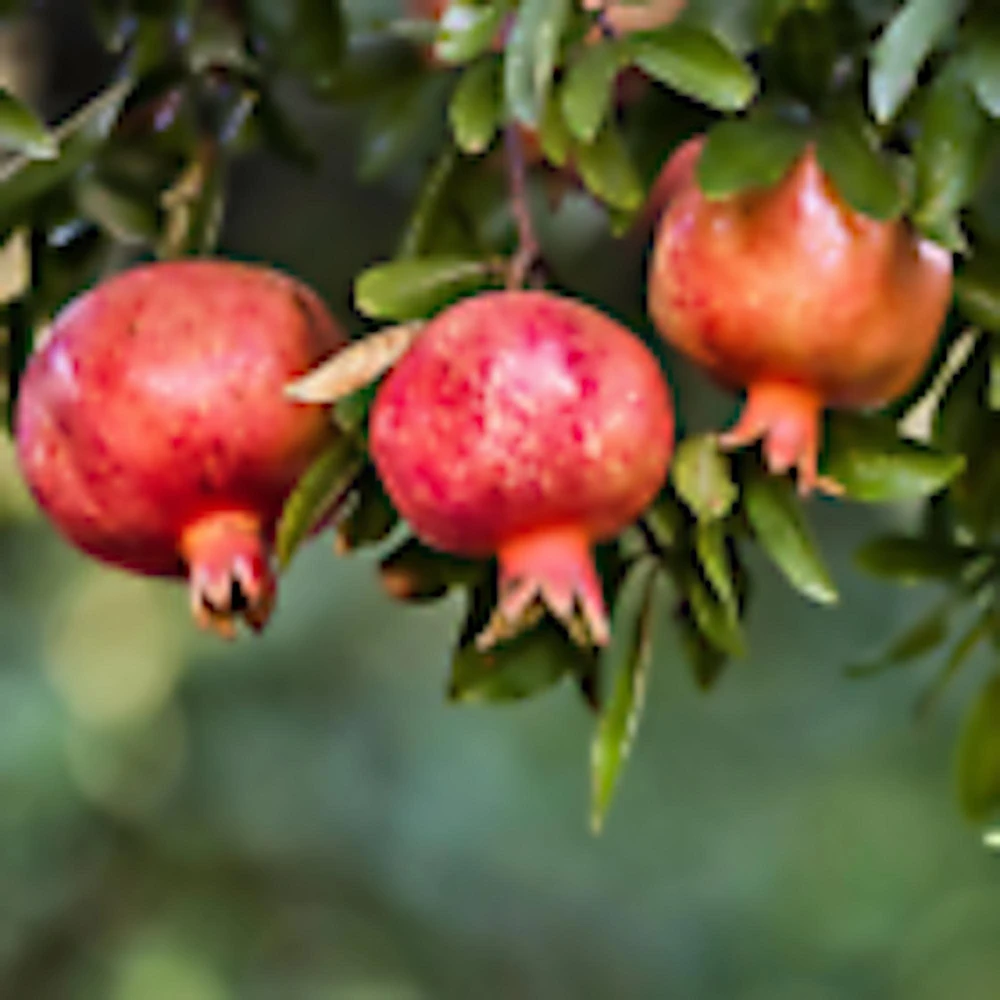
Bring the ancient beauty and delicious bounty of the Mediterranean to your home with this pomegranate live plant. Known botanically as Punica granatum, this wonderful edible fruit tree starter is perfect for gardeners looking to cultivate their own healthy produce. The pomegranate, often considered to originate from Persia, has been cherished for its juicy, antioxidant-rich fruits for centuries. This versatile plant can grow as a deciduous shrub or a small tree, reaching heights of 12 to 15 feet. Its upright, fountain-like branches are adorned with large, showy orange-red flowers during summer, which are known to attract hummingbirds. By early autumn, these blossoms give way to impressive reddish-brown fruits, making it a truly rewarding plant to grow. Whether you’re an experienced horticulturist or just starting your journey to grow pomegranate, this plant offers both ornamental beauty and a bountiful harvest.
This particular variety of Punica granatum tree is frequently utilized commercially for its juice, celebrated for being a great source of vitamins and powerful antioxidants. Beyond its fruit production, the pomegranate is incredibly adaptable, serving as a striking shrub, a small shade tree, or even trained as an elegant espalier. Its rich history and nutritional value make it a compelling choice for any edible landscape. Embrace the joy of fresh, home-grown pomegranates with this robust and beautiful plant.
Key Benefits
Growing your own pomegranate live plant offers a multitude of benefits, from its aesthetic appeal to its delicious and healthy fruit production. This remarkable plant is a joy to cultivate and provides numerous advantages for any garden or home:
- Delicious Edible Fruit: Enjoy a consistent harvest of large, reddish-brown pomegranates, perfect for fresh eating, juicing, or culinary creations. Each fruit is packed with vitamins and antioxidants.
- Ornamental Value: The upright, fountain-like growth habit and vibrant orange-red summer flowers add significant beauty to your garden, attracting pollinators like hummingbirds.
- Versatile Landscaping: Can be grown as a multi-stemmed shrub, a small tree, or espaliered against a wall, offering flexibility in garden design. It’s a great choice for those who want to grow pomegranate in various settings.
- Heat and Humidity Tolerant: This resilient plant thrives in warm climates, making it an excellent choice for regions with hot summers and high humidity.
- Nutrient-Rich Harvest: Pomegranates are renowned for their health benefits, being a good source of vitamins and powerful antioxidants, contributing to a healthy diet.
- Adaptable to Various Soils: While preferring well-drained soil, the Punica granatum tree is adaptable to many soil types, making it easier to establish in diverse garden environments.
- Long-Lived Perennial: With proper pomegranate plant care, this perennial will provide years of beauty and fruit, becoming a lasting feature in your landscape.
Plant Care & Growing Tips
Proper pomegranate plant care is essential to ensure a healthy and productive pomegranate live plant. These robust plants are relatively easy to grow once established, but a few key practices will help them thrive. Pomegranates require full sun exposure to produce the best fruit, meaning at least 6-8 hours of direct sunlight daily. Plant your Punica granatum tree in a location that receives ample sunlight and has well-drained soil. While adaptable to many soil types, loamy, sandy soils are ideal. Avoid heavy clay soils that retain too much moisture, as this can lead to root rot. Ensure good drainage to prevent waterlogging.
Watering is crucial, especially during establishment and hot, dry periods. Pomegranates need regular weekly watering, and even more frequently during extreme heat. While they are tolerant of heat and humidity, consistent moisture helps in fruit development. Fertilize in early spring with a balanced slow-release fertilizer designed for fruiting plants. Pruning should be done in late winter or early spring to remove dead or crossing branches and to shape the plant. Pomegranates are hardy in USDA Zones 7-11, tolerating temperatures down to about 10-15°F (-12 to -9°C). In colder zones, they can be grown in containers and brought indoors during winter or treated as annuals.
Watch for common pests like aphids or whiteflies, which can be managed with horticultural oil or insecticidal soap. Fungal diseases are less common but can occur in overly wet conditions. Providing adequate air circulation and proper watering can prevent most issues. With consistent care, your pomegranate live plant will reward you with beautiful blooms and an abundance of delicious fruit, making it well worth the effort to grow pomegranate.
Size & Details
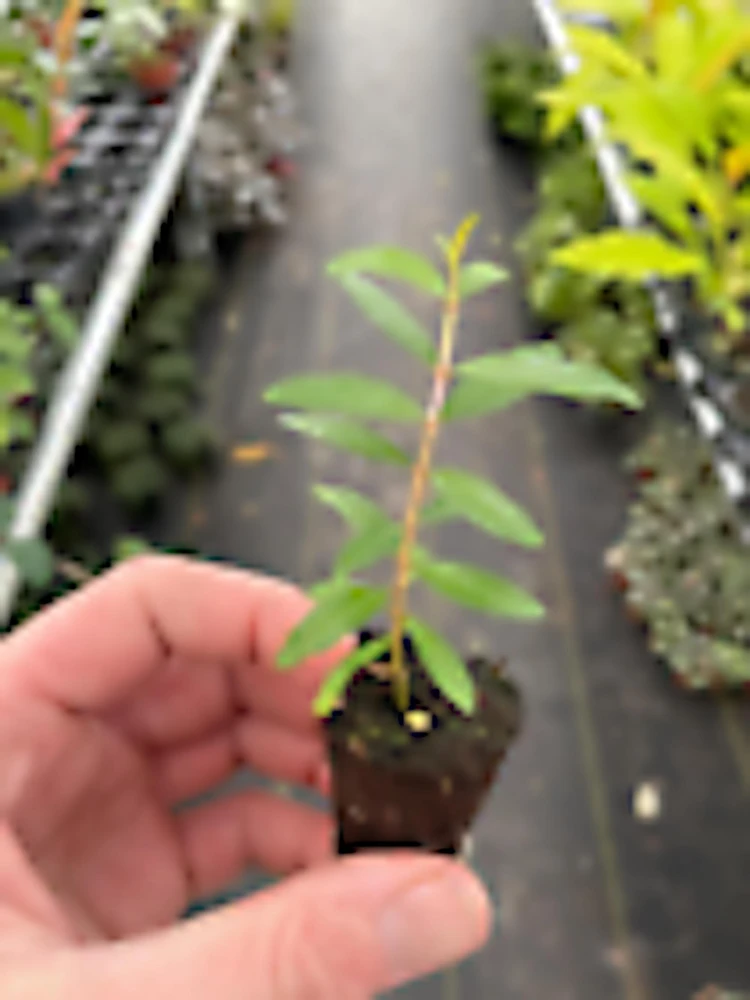
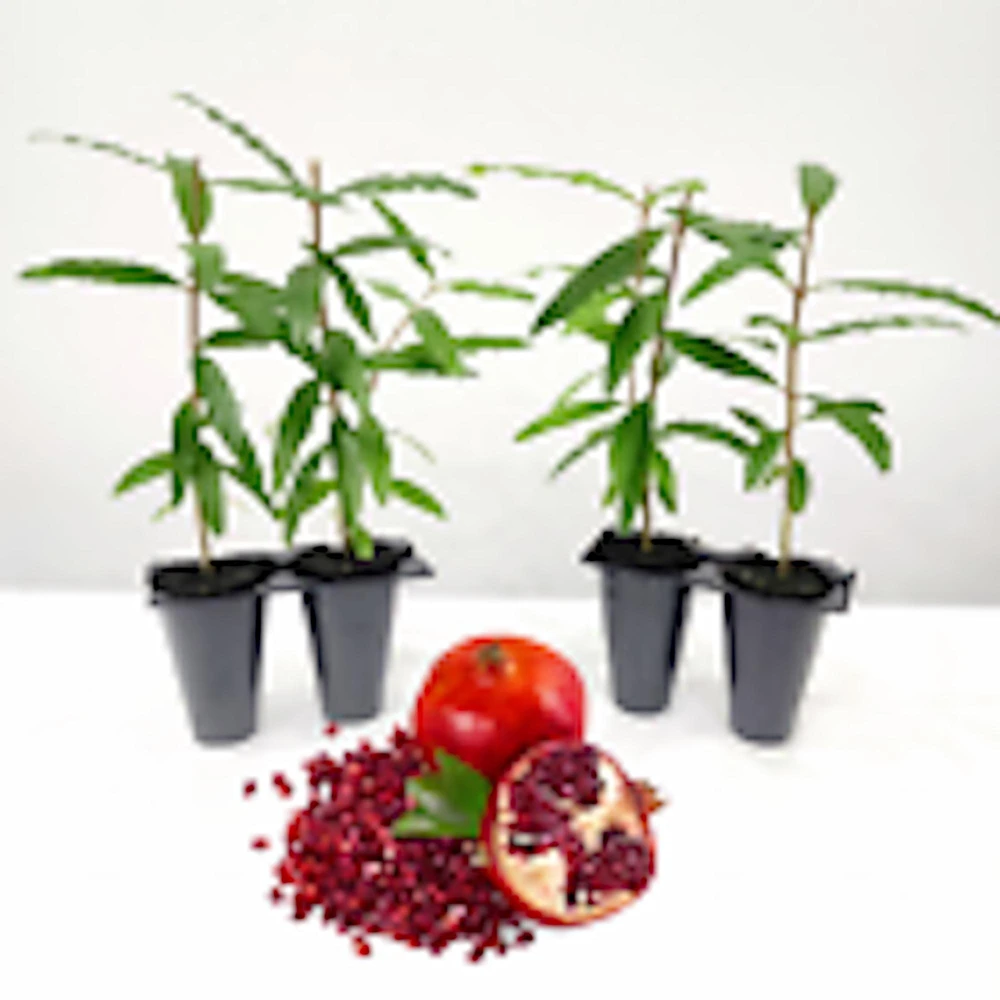
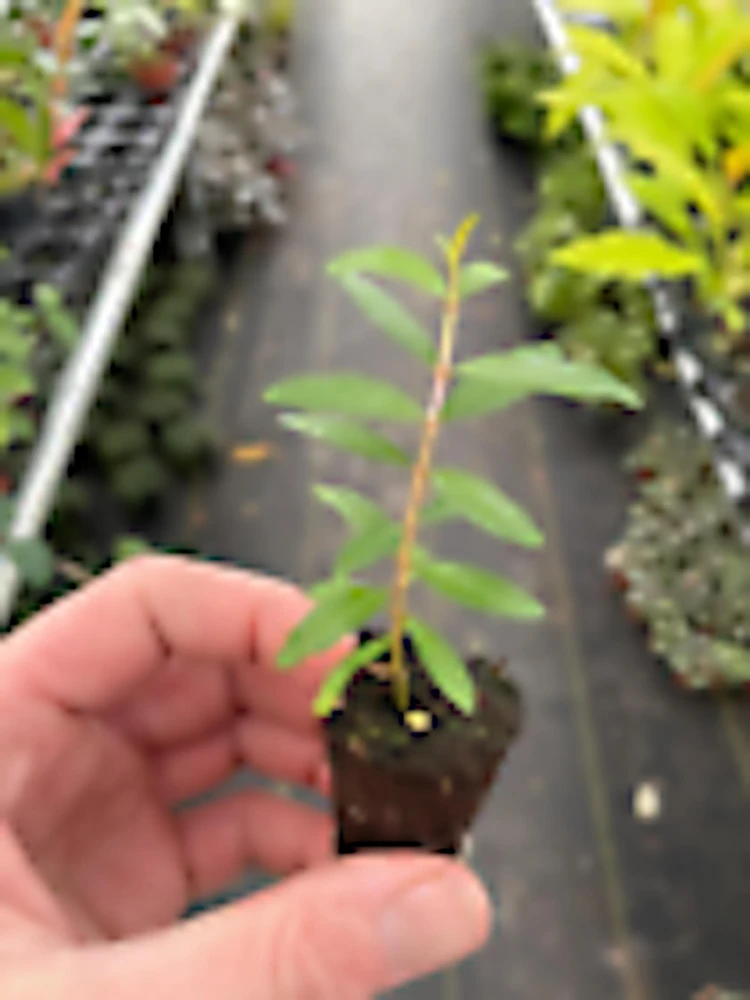
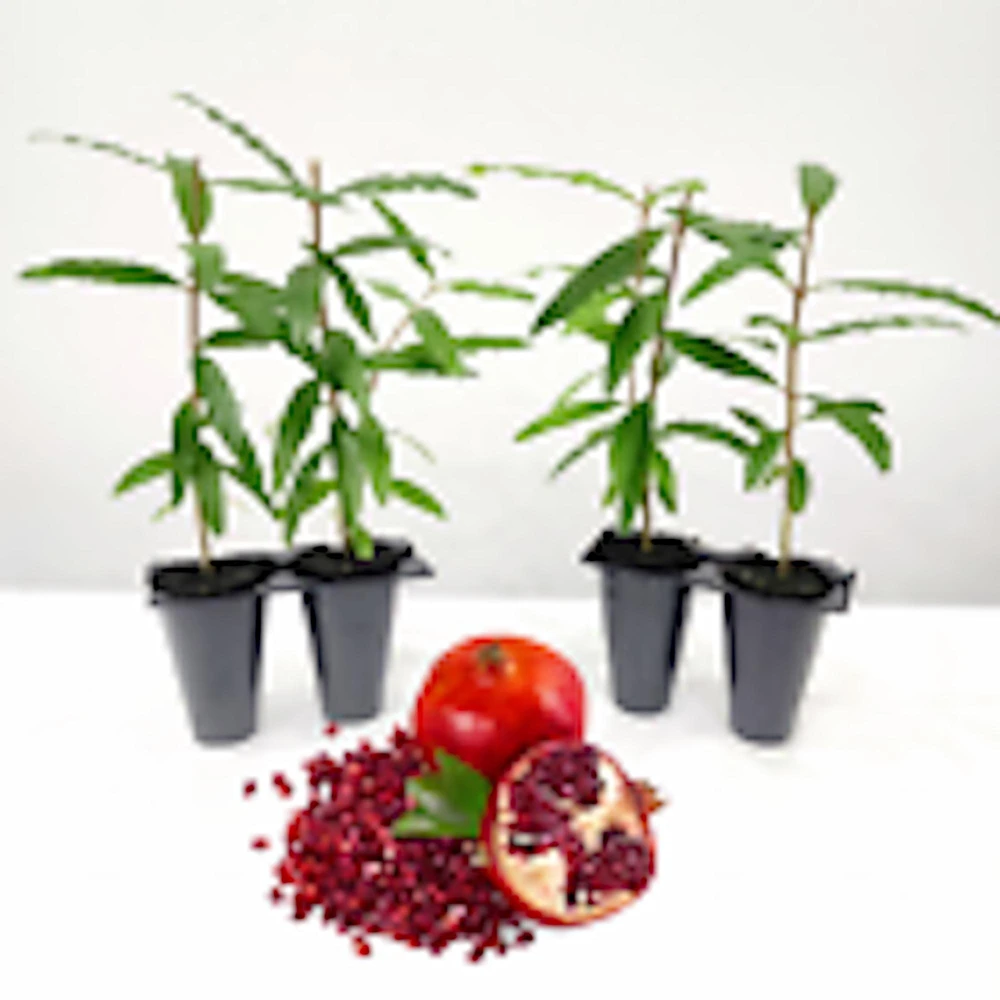
This pomegranate live plant is provided as a starter plant, ready for transplanting into your garden or a larger container. When mature, the Punica granatum tree can reach an average growth rate, developing an upright to weeping habit up to 10 feet tall, and potentially 12-15 feet in ideal conditions. The mature spread can be similar, forming a dense shrub or small tree. It is adaptable to many types of soils, thriving particularly well in USDA Hardiness Zones 7-11. Expect summer blooms of vibrant orange-red flowers, followed by the development of large, reddish-brown fruits in the autumn. The plant is shipped as a live, healthy starter, carefully packaged to ensure its safe arrival, ready for you to begin your journey to grow pomegranate.
Frequently Asked Questions
- Q: How big does this pomegranate plant get? A: This pomegranate live plant typically grows into a shrub or small tree reaching 10 to 15 feet tall with a similar spread when mature, depending on growing conditions and pruning.
- Q: Is this an indoor or outdoor plant? A: The Punica granatum tree is primarily an outdoor plant, thriving in full sun in USDA Zones 7-11. In colder climates, it can be grown in large containers and overwintered indoors.
- Q: How much sunlight does it need? A: Pomegranates require full sun, meaning at least 6-8 hours of direct sunlight per day, to produce the best fruit and maintain vigorous growth.
- Q: Is this plant easy to care for? A: Yes, with proper care, including adequate sunlight and well-drained soil, the pomegranate live plant is considered relatively easy to care for and is quite drought-tolerant once established.
- Q: Can I use the pomegranates for juice? A: Absolutely! This variety is often used commercially for its juice, which is rich in vitamins and antioxidants, making it perfect for home juicing.
- Q: How long until it produces fruit? A: Pomegranate plants typically begin to produce fruit within 2-3 years after planting, with increasing yields as the plant matures.
- Q: What condition will it arrive in? A: Your pomegranate live plant will arrive as a healthy starter plant, carefully packaged to ensure it reaches you in excellent condition, ready for planting.
- Q: What’s the best time to plant a pomegranate? A: The best time to plant is in spring after the last frost, allowing the plant ample time to establish before the heat of summer or the cold of winter.
- Q: Will it survive winter in my zone? A: This pomegranate is hardy in USDA Zones 7-11. If you are in a colder zone, consider growing it in a pot and moving it indoors during winter to protect it from freezing temperatures.
- Q: What kind of soil is best for growing pomegranate? A: Pomegranates prefer well-drained soil, but they are adaptable to many soil types, including sandy or loamy soils. Good drainage is key to preventing root issues for your Punica granatum tree.
Be the first to review “Pomegranate Punica Granatum Live Plant – Edible Fruit Tree Starter – Zones 7-11”
Related products


You May Like

Hardneck vs. Softneck Garlic: Which Should You Grow?
Have you ever stood in front of a seed catalog in mid-September, staring at dozens [...]
Oct

When to Plant Music Garlic: Ultimate US Fall Guide
Have you ever spent your fall weekend placing carefully chosen garlic cloves into rich, dark [...]
1 Comment
Oct

5 Best Bulbs for Fall Planting: Brighten Your Garden This Spring
Are you dreaming of a garden full of vibrant colors in the spring? The key [...]
Aug

10 Houseplants That Will Thrive in Your Kitchen
Are you tired of your kitchen feeling dull and lifeless? Want to add a little [...]
1 Comment
Aug
Reviews
There are no reviews yet.