
Cascade Delight Red Raspberry Live Plant Starter Plug – Disease Resistant
Original price was: 69.99 $.44.99 $Current price is: 44.99 $.
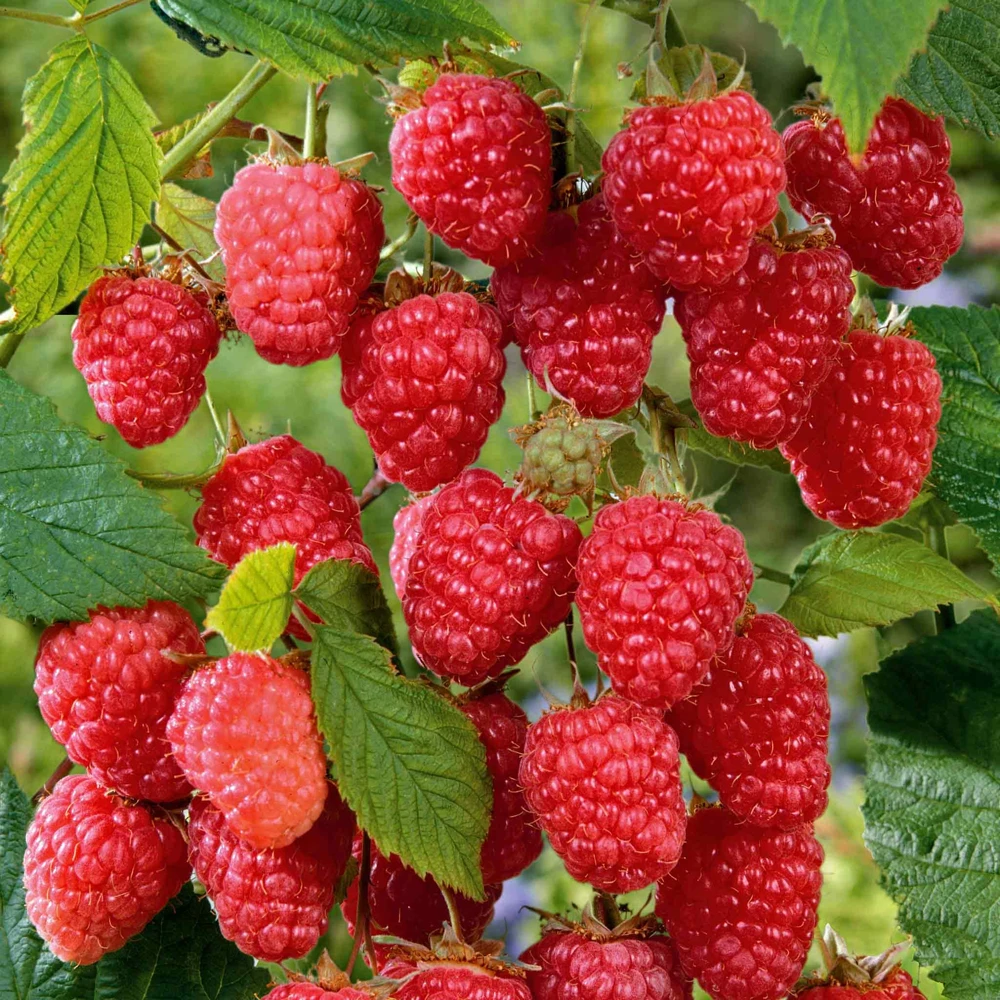
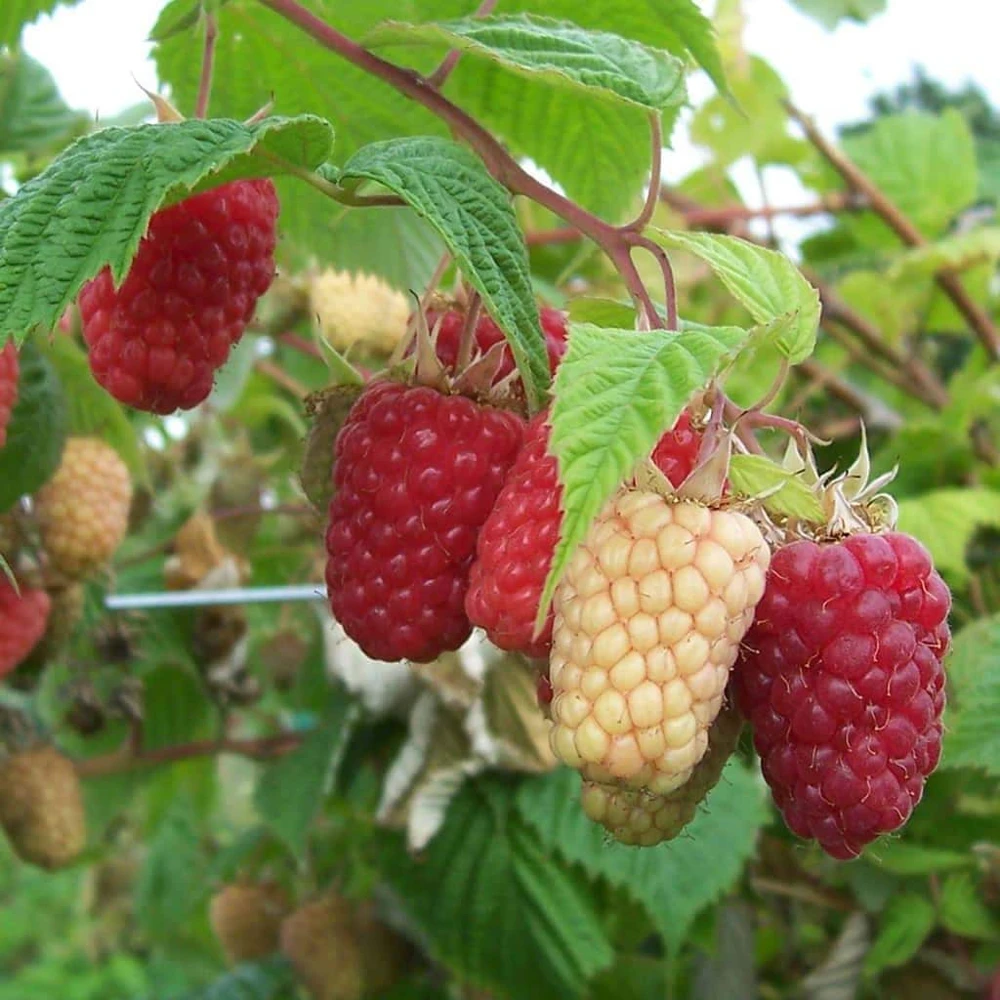
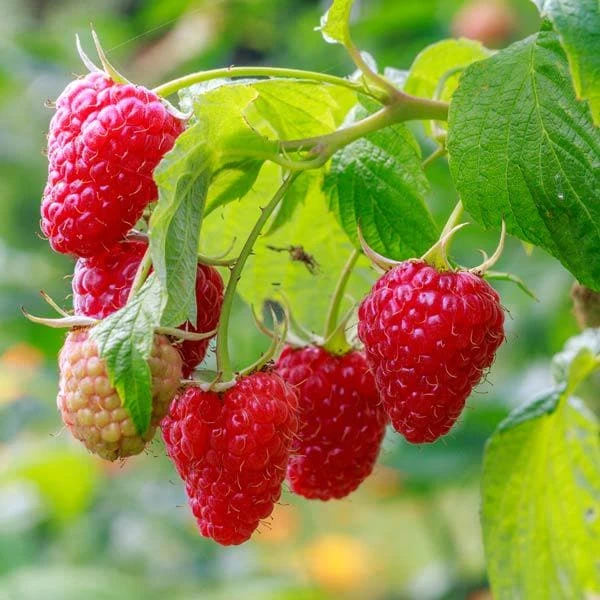
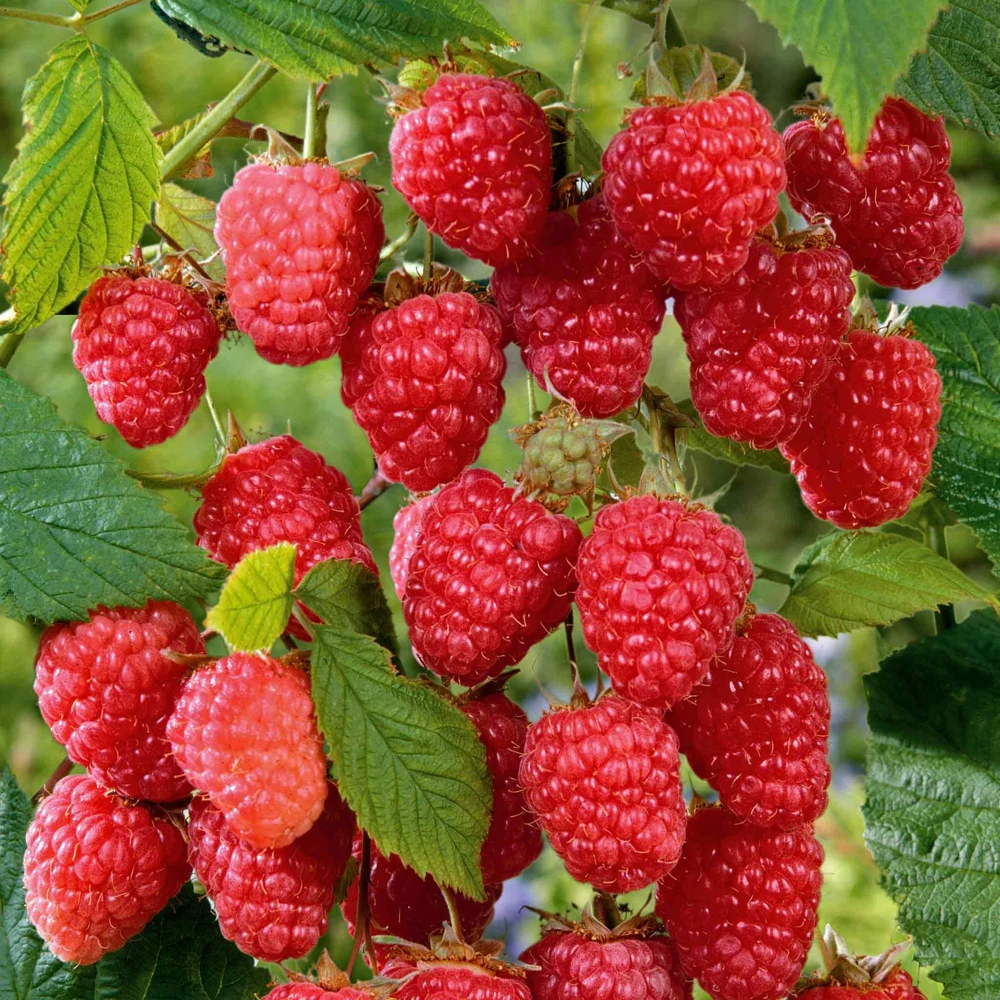
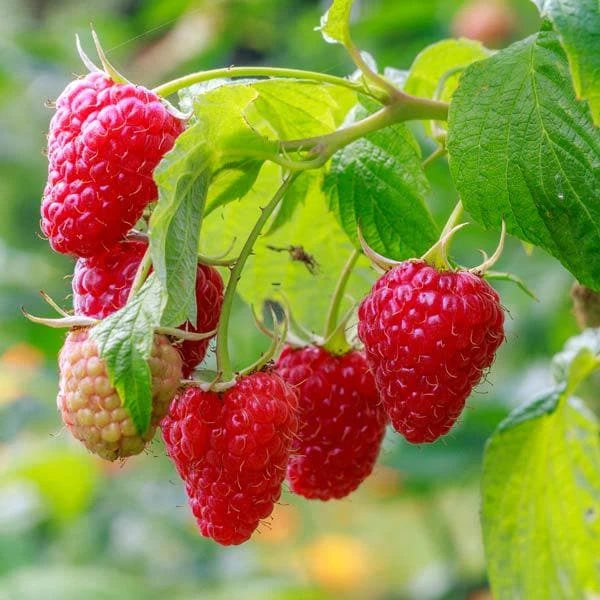
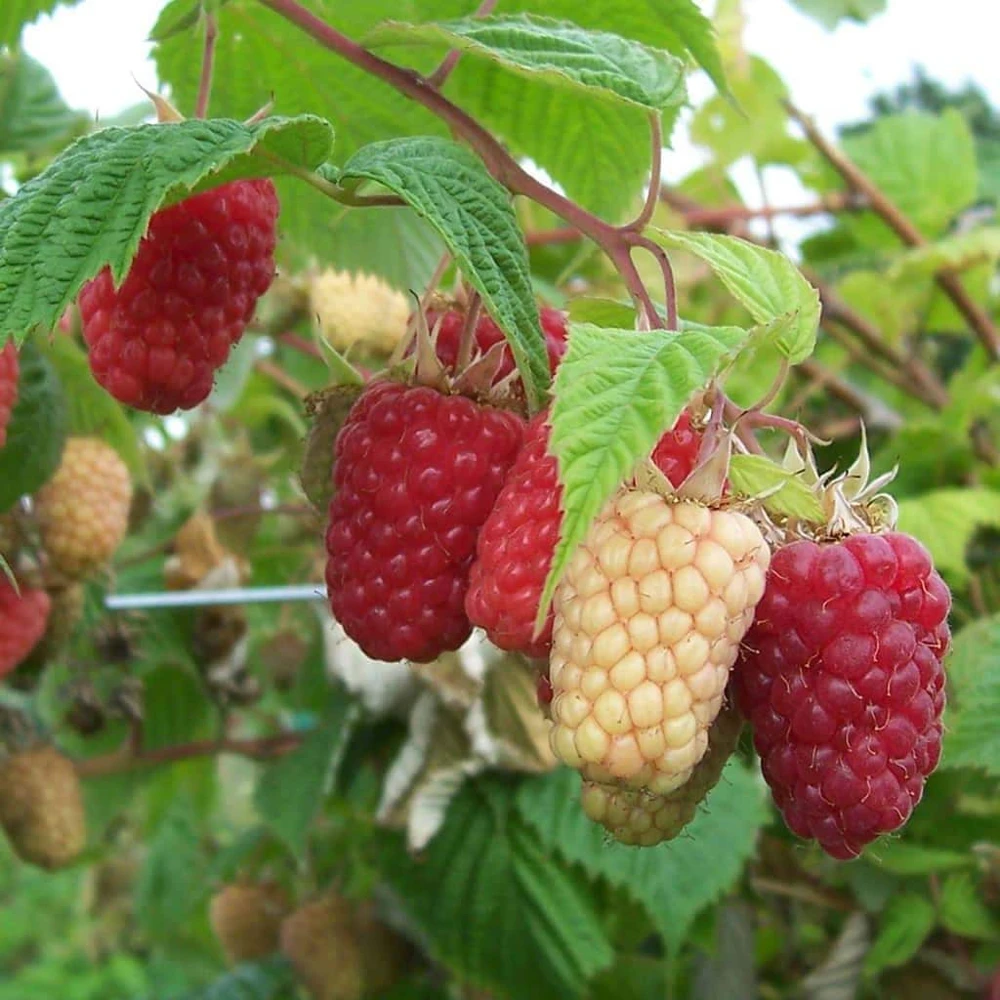
Cultivate your own sweet and firm berries with a cascade delight red raspberry starter plug. This highly productive summer-fruiting variety is known for its large fruit and strong resistance to root rot, making it an excellent choice for a wide range of growing conditions. Enjoy a nearly thornless experience with this robust disease resistant raspberry plant, ideal for USDA Zones 4-9.
Estimated arrival
Oct 16
Oct 21 - Oct 23
Oct 23 - Oct 28
See our Shipping Policy.
Get in touch with us via email, and our team will review your concerns.
Our Alive & Thrive Guarantee covers issues with your plants within the first 30 days. Read our Refund & Returns Policy.
-
USDA Hardiness Zone
4-9 -
Soil Type
Well-draining, fertile, slightly acidic (pH 6.0-6.8) -
Sunlight Exposure
Full sun (6-8 hours direct light) -
Expected Planting Period
Early spring to fall
Overview
Embark on a rewarding gardening journey with the cascade delight red raspberry, a premium choice for fruit enthusiasts and home gardeners alike. This offering is for a live starter plug of the ‘Cascade Delight’ variety, scientifically known as Rubus idaeus. Renowned for its exceptional qualities, the ‘Cascade Delight’ raspberry is a highly productive, summer-fruiting plant that consistently delivers an abundant harvest of superior berries. Gardeners appreciate this variety not only for its delicious fruit but also for its robust nature and ease of cultivation. Whether you’re an experienced grower or new to fruit gardening, this cascade delight red raspberry starter plug provides a fantastic foundation for a thriving raspberry patch.
The ‘Cascade Delight’ stands out due to its remarkably large, intensely sweet, and notably firm berries, which are perfect for fresh eating, baking, jams, and freezing. Beyond its culinary attributes, this particular rubus idaeus cascade delight cultivar boasts strong resistance to root rot, a common challenge for raspberry growers, especially in areas with heavier or wetter soils. This inherent resilience simplifies care and increases the likelihood of a successful harvest. Furthermore, while not entirely thornless, the ‘Cascade Delight’ is often described as a nearly thornless raspberry, featuring few and relatively small spines, which makes harvesting a much more pleasant experience.
Key Benefits
Choosing the ‘Cascade Delight’ raspberry for your garden offers a multitude of advantages, ensuring a bountiful and enjoyable growing experience. This variety is celebrated for its exceptional characteristics that contribute to its popularity:
- High Productivity: Expect an abundant yield of delicious berries each summer. The ‘Cascade Delight’ is known for its generous fruiting, providing plenty of raspberries for all your culinary needs.
- Superior Berry Quality: Enjoy exceptionally large, sweet, and firm red berries. These characteristics make them ideal for fresh consumption, as well as for processing into preserves, desserts, or freezing for later use. The firmness also means they hold up well after picking.
- Disease Resistance: Benefit from the plant’s strong resistance to root rot. This makes the cascade delight red raspberry a resilient choice, particularly suitable for gardens with less than ideal drainage or higher moisture levels, ensuring a healthier plant and consistent yields.
- Adaptable Growing: Hardy in USDA Grow Zones 4 through 8-9, this raspberry plant is versatile and can thrive in a broad range of climates, making it accessible to many gardeners across the United States.
- Easier Harvesting: While not completely spine-free, this variety is often referred to as a nearly thornless raspberry due to its few and relatively small thorns. This feature significantly enhances the comfort and ease of harvesting your ripe berries.
- Vigorous Growth: The ‘Cascade Delight’ establishes itself well and grows vigorously, quickly developing into a productive plant that will reward you with fruit season after season.
- Excellent for Fresh Eating & Preserving: The exceptional flavor and texture of these berries make them perfect for eating straight off the cane, or for transforming into delicious jams, jellies, pies, and other treats. Its firm nature is also beneficial for freezing.
Plant Care & Growing Tips
Cultivating a thriving cascade delight red raspberry patch is straightforward with the right care. These plants flourish in locations that receive ample sunlight. Aim for at least 6-8 hours of direct sunlight per day for optimal fruit production. While they can tolerate partial shade, fruit yield and quality may decrease. For best results, choose a site with good air circulation to minimize fungal issues. The ‘Cascade Delight’ is hardy in USDA Grow Zones 4 through 8-9, making it a versatile choice for many climates. In colder zones, ensure adequate winter protection, such as mulching the base of the plant.
Soil conditions are crucial for a healthy disease resistant raspberry plant. ‘Cascade Delight’ prefers well-draining, fertile soil with a slightly acidic pH (6.0-6.8). While it exhibits strong resistance to root rot, especially in heavier or wetter soils, improving soil structure with organic matter like compost before planting is always beneficial. This will enhance drainage and provide essential nutrients. Water your raspberry plants regularly, especially during dry spells and when the fruit is developing. The soil should remain consistently moist but never waterlogged. Deep watering encourages a strong root system. Fertilize in early spring with a balanced slow-release fertilizer or a compost tea to support vigorous growth and fruit development.
Pruning is essential for maintaining plant health and maximizing yields. As a summer-fruiting (floricane) raspberry, ‘Cascade Delight’ produces fruit on canes that grew the previous year. After harvest, prune out the canes that have fruited, cutting them back to the ground. This encourages new growth for the following season. Keep an eye out for common raspberry pests like aphids and borers, and diseases such as cane blight, although the rubus idaeus cascade delight is particularly resistant to root rot. Good garden hygiene, proper spacing, and adequate air circulation are your best defenses against most problems. Supporting your raspberry canes with a trellis or wires will help manage their growth and keep the berries off the ground.
Size & Details
This offering is for one cascade delight red raspberry starter plug. A starter plug is a young, actively growing plant that has already established a healthy root system, providing a robust beginning for your garden. These plants are typically shipped bare root, meaning they are carefully removed from their growing medium with the roots protected for transit, ready for immediate planting upon arrival. While exact dimensions can vary based on growth stage and time of year, a starter plug is generally a compact plant designed for easy transplanting.
Once established, the ‘Cascade Delight’ raspberry typically grows to a height of 4-6 feet with a similar spread, forming a productive patch. It has a moderate growth rate, establishing itself well in the first year and beginning to produce fruit in its second year. Expected time to maturity for significant fruit production is usually 1-2 years from planting the starter plug. This summer fruiting raspberry will produce a single, generous crop of berries in mid-summer. Ensure you provide adequate spacing, approximately 2-3 feet between plants, to allow for proper air circulation and growth.
Frequently Asked Questions
- Q: How big does this raspberry plant get? A: The cascade delight red raspberry typically grows to a mature height of 4-6 feet and can spread similarly, forming a productive patch. Proper spacing and pruning will help manage its size and encourage better fruit production.
- Q: Is this an indoor or outdoor plant? A: The ‘Cascade Delight’ raspberry is an outdoor plant, best suited for garden beds or large containers where it can receive full sun and develop its extensive root system. It thrives in USDA Grow Zones 4-9.
- Q: How much sunlight does it need? A: For optimal fruit production and plant health, your disease resistant raspberry plant requires at least 6-8 hours of direct sunlight per day. A full sun location is highly recommended.
- Q: Is this plant easy to care for? A: Yes, the ‘Cascade Delight’ is considered relatively easy to care for, especially due to its strong root rot resistance. Regular watering, annual pruning, and adequate sunlight are the main requirements for a successful harvest.
- Q: What condition will it arrive in? A: Your rubus idaeus cascade delight starter plug will be shipped bare root, carefully packaged to ensure its roots remain healthy during transit. It will be ready for planting upon arrival.
- Q: When is the best time to plant this raspberry? A: The best time to plant your ‘Cascade Delight’ raspberry starter plug is in early spring after the last frost, or in the fall before the ground freezes. This allows the plant to establish its roots before extreme temperatures.
- Q: Will it survive winter in my zone? A: The ‘Cascade Delight’ raspberry is hardy in USDA Grow Zones 4 through 8-9. If you are in zone 4 or 5, providing winter protection like mulching the base of the plant can help ensure its survival through colder temperatures.
- Q: Is this a thornless variety? A: While not completely thornless, the ‘Cascade Delight’ is often referred to as a nearly thornless raspberry. It has fewer and smaller spines compared to many other raspberry varieties, making harvesting more comfortable.
- Q: How long until it produces fruit? A: You can typically expect your summer fruiting raspberry plant to start producing a significant crop of berries in its second year after planting. Some light fruiting may occur in the first year.
- Q: What makes this raspberry disease resistant? A: The ‘Cascade Delight’ raspberry is specifically bred for strong resistance to root rot, a common disease that affects many raspberry varieties, especially in wetter soil conditions. This makes it a more resilient and reliable choice for growers.
Be the first to review “Cascade Delight Red Raspberry Live Plant Starter Plug – Disease Resistant”
Related products


You May Like

Hardneck vs. Softneck Garlic: Which Should You Grow?
Have you ever stood in front of a seed catalog in mid-September, staring at dozens [...]
Oct

When to Plant Music Garlic: Ultimate US Fall Guide
Have you ever spent your fall weekend placing carefully chosen garlic cloves into rich, dark [...]
1 Comment
Oct

5 Best Bulbs for Fall Planting: Brighten Your Garden This Spring
Are you dreaming of a garden full of vibrant colors in the spring? The key [...]
Aug

10 Houseplants That Will Thrive in Your Kitchen
Are you tired of your kitchen feeling dull and lifeless? Want to add a little [...]
1 Comment
Aug
Reviews
There are no reviews yet.