
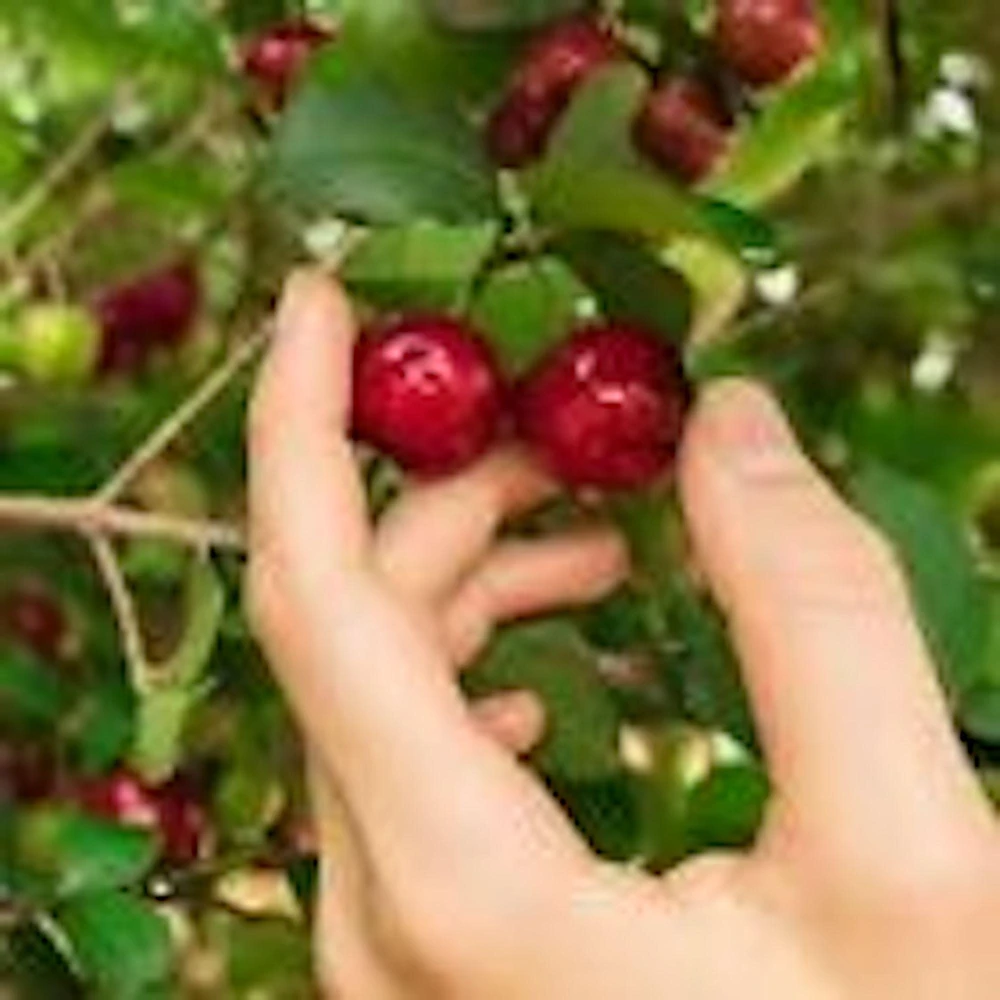
Barbados Cherry Tree Live Starter Plant – Malpighia Emarginata Fruit Tree
Original price was: 69.99 $.44.99 $Current price is: 44.99 $.
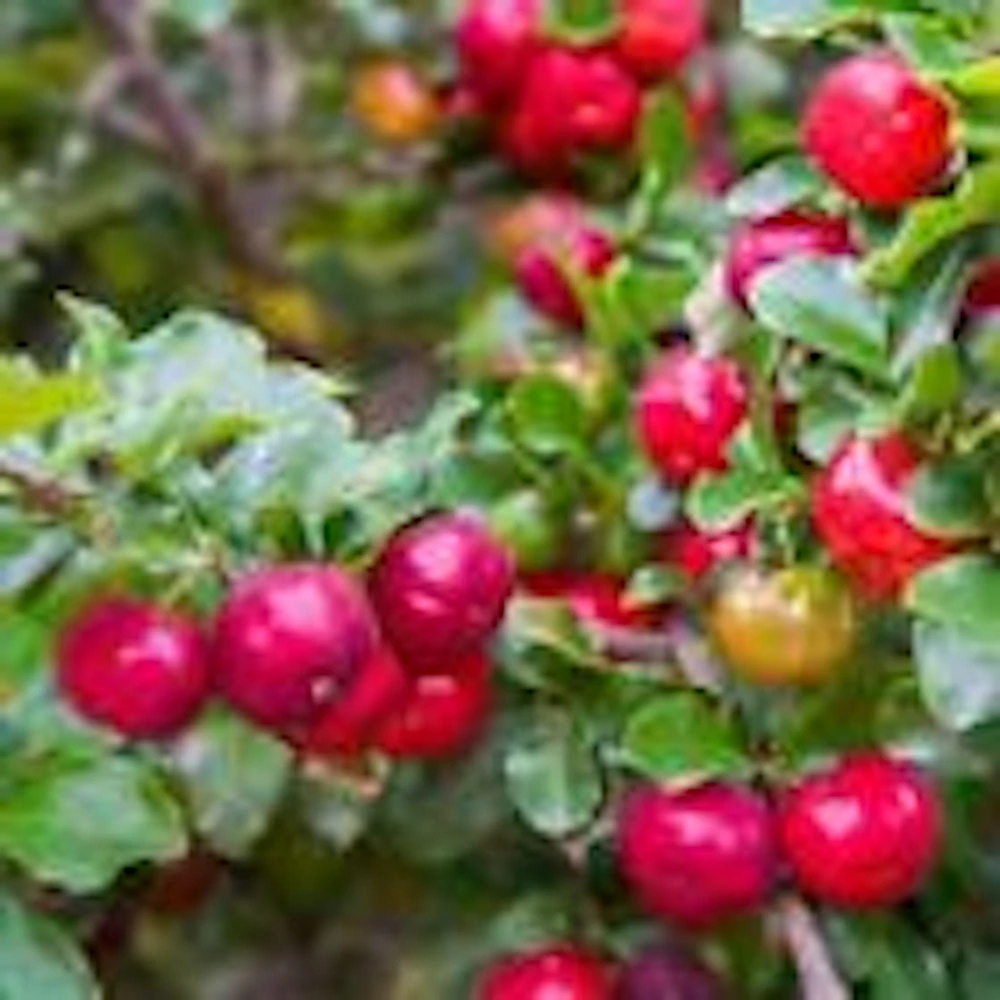
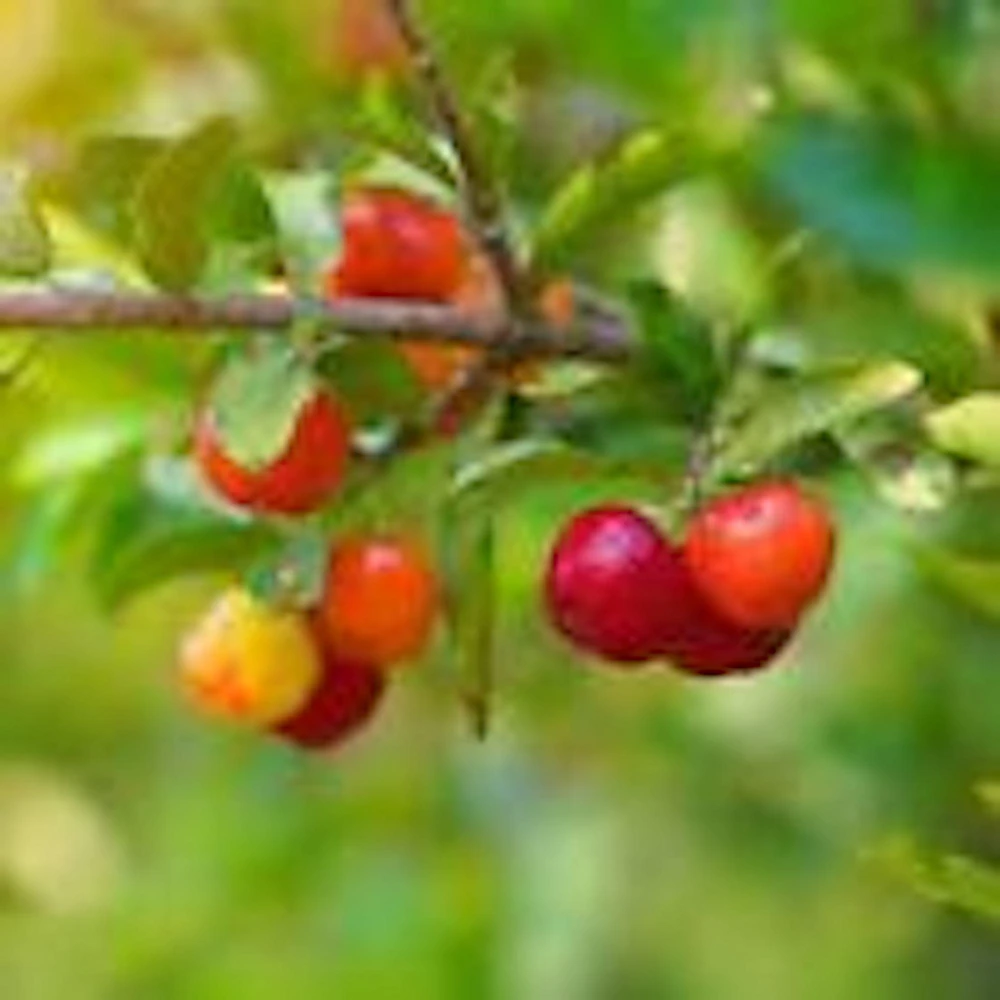
Cultivate your own delicious fruit with this Barbados Cherry live plant (Malpighia Emarginata). This tropical fruit tree is a fast-growing, attractive addition to any garden, producing vitamin-rich cherries from spring through fall. Ideal for warm climates and can be maintained as a shrub.
Estimated arrival
Oct 17
Oct 22 - Oct 24
Oct 24 - Oct 29
See our Shipping Policy.
Get in touch with us via email, and our team will review your concerns.
Our Alive & Thrive Guarantee covers issues with your plants within the first 30 days. Read our Refund & Returns Policy.
-
USDA Hardiness Zone
USDA zones 9-11 -
Soil Type
Well-draining, rich in organic matter -
Sunlight Exposure
Full sun -
Expected Planting Period
Year-round in tropical climates; Spring to early summer in other suitable zones
Overview
Discover the joy of growing your own nutrient-rich fruit with the Barbados Cherry live plant, scientifically known as Malpighia Emarginata. This delightful tropical fruit tree, also commonly referred to as Acerola Cherry, is a fantastic choice for gardeners in warm climates, especially those looking to add an exotic touch to their backyard orchard. Native to the West Indies, this small, attractive, and fast-growing tree typically reaches a mature height of about 12 feet, though it can be easily pruned and kept as a bushy shrub. The Malpighia Emarginata tree is cherished not only for its prolific fruit production but also for its ornamental value, boasting vibrant pink flowers and thick, bright green evergreen leaves. It’s an excellent option for those interested in a low-maintenance yet highly rewarding fruit-bearing plant.
The Barbados Cherry is renowned for its high vitamin C content, making its fruit a superfood straight from your garden. Whether you’re a seasoned gardener or just starting your homesteading journey, this tropical fruit tree offers a bountiful harvest and a beautiful landscape element. Its ability to bloom and fruit for extended periods, sometimes year-round in optimal conditions, ensures a continuous supply of fresh cherries. This live starter plant provides a strong foundation for a thriving tree that will bring both beauty and delicious, healthy fruit to your home for many years.
Key Benefits
Adding a Barbados Cherry live plant to your garden brings a multitude of benefits, from its attractive appearance to its healthful fruit production. This versatile plant is a true asset for any gardener seeking both aesthetic appeal and practical yield.
- Abundant & Nutritious Fruit: Enjoy a continuous supply of vitamin C-rich cherries from May through November, and often year-round in warmer regions. The fruit is perfect for fresh eating, juices, jams, and jellies.
- Attractive Ornamental Plant: With its thick, bright green evergreen leaves and small, bright pink, five-petaled flowers, the Malpighia Emarginata tree adds significant visual appeal to any garden or patio.
- Fast Growing & Manageable Size: This tree grows quickly and can reach up to 12 feet, but it responds well to pruning, allowing you to maintain it as a smaller shrub or dwarf tree to suit your space.
- Tropical & Resilient: Thrives in warm, tropical climates, making it a robust choice for South Florida and similar regions. It’s well-suited to handle various conditions once established.
- Pollinator Friendly: The charming pinkish-lavender flowers attract bees and other pollinators, contributing to a healthy garden ecosystem.
- Homesteading & Self-Sufficiency: Perfect for homesteaders looking to grow their own food, providing a reliable source of fresh, healthy fruit.
- Easy to Grow: While it is a tropical plant, the Barbados Cherry live plant is relatively low-maintenance once established, making it suitable for gardeners of varying experience levels.
Plant Care & Growing Tips
Proper care is essential for a thriving Barbados Cherry live plant. This tropical beauty enjoys warmth and sunshine. For optimal growth and fruit production, plant your Malpighia Emarginata tree in a location where it receives full sun, ideally 6-8 hours of direct sunlight per day. While it can tolerate some partial shade, abundant sunshine promotes more prolific flowering and fruiting. Water regularly, especially during dry periods and when the plant is young. The soil should be kept consistently moist but well-draining to prevent root rot. Allowing the top inch or two of soil to dry out slightly between waterings is a good practice.
The Barbados Cherry prefers a slightly acidic to neutral soil (pH 6.0-7.0) that is rich in organic matter and offers excellent drainage. Amend heavy clay soils with compost or sand to improve aeration. Fertilize your tropical fruit tree with a balanced slow-release fertilizer designed for fruit trees, typically in spring and mid-summer. Follow package directions for application rates. Pruning can be done to maintain shape, size, and encourage bushier growth. Remove any dead or diseased branches. Be aware that the fuzz on young stems and leaves can be irritating, so wear gloves when handling, especially during harvest. Understanding acerola plant care will ensure a healthy, productive tree.
This plant is best suited for USDA hardiness zones 9-11, where it can be grown outdoors year-round. In cooler climates, it can be grown in a large container and brought indoors during winter or treated as an annual. Protect from frost, as it is not cold-hardy. Regular pest and disease monitoring will help keep your plant healthy. Generally, Barbados Cherry is quite resilient, but occasional issues with aphids or scale can be managed with organic insecticidal soaps. Consistent care will lead to a successful and productive growing Barbados cherry experience.
Size & Details
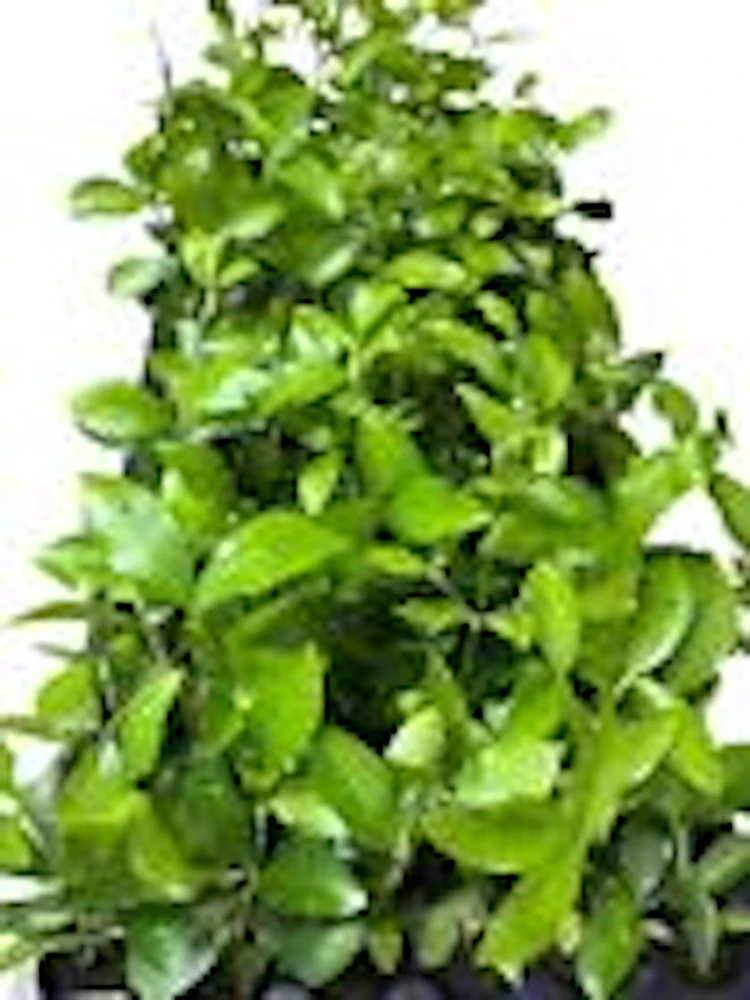
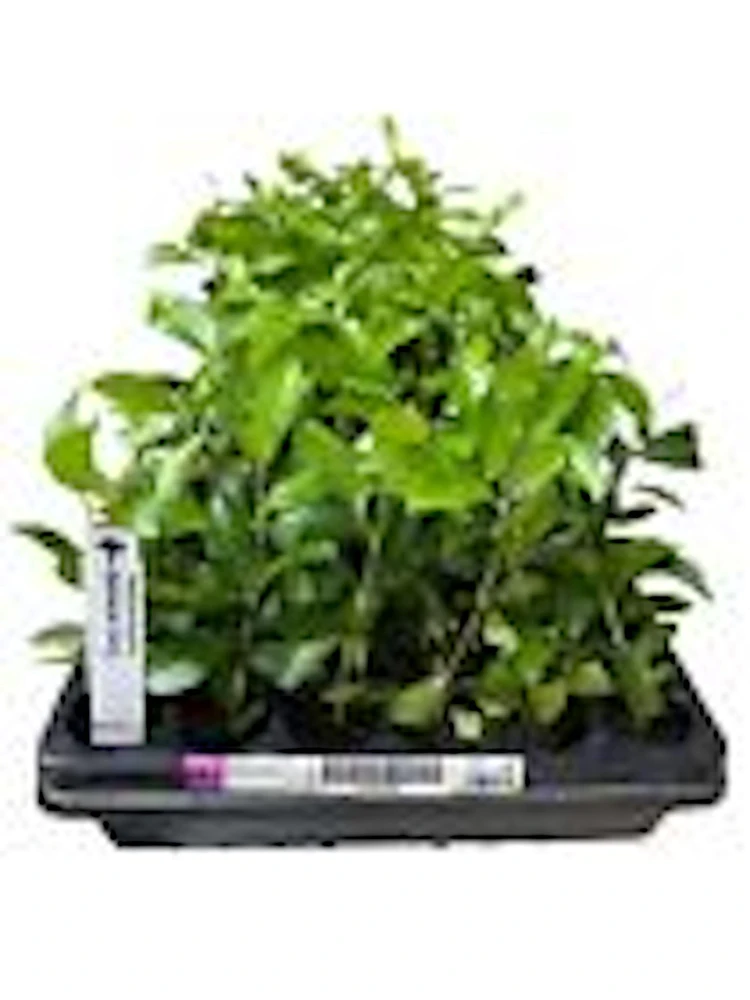
This offering is for a Barbados Cherry live plant, provided as a starter plant, ready to be transplanted into your garden or a larger pot. The plant’s exact size will vary depending on its growth stage, but it is typically a healthy young specimen with a robust root system. The Malpighia Emarginata tree is known for its fast growth rate, meaning your starter plant will quickly establish itself and begin to grow. Mature plants can reach heights of up to 12 feet (3.5 meters) with a spread of similar dimensions, forming a large, bushy shrub or small tree. However, its flexible growth habit allows it to be kept much smaller with regular pruning, making it suitable for various garden sizes or even large patio containers.
Expected fruiting begins typically within 1-2 years from a well-established starter plant, with harvest seasons primarily from May to November, extending year-round in ideal tropical conditions. The plant ships securely, often in a nursery pot or with its root ball carefully packaged to ensure safe arrival and minimal transplant shock. This tropical fruit tree is a long-lived perennial, promising many years of delicious fruit and ornamental beauty. Prepare to provide ample space for its root system to expand if planting directly into the ground, or choose a large container for potted cultivation to accommodate its vigorous growth.
Frequently Asked Questions
- Q: How big does this plant get? A: The Barbados Cherry live plant can grow up to 12 feet tall and wide if left unpruned. It can also be maintained as a smaller shrub or dwarf tree through regular trimming.
- Q: Is this an indoor or outdoor plant? A: This is primarily an outdoor plant for tropical and subtropical climates (USDA zones 9-11). In cooler regions, it can be grown in a container and brought indoors during winter.
- Q: How much sunlight does it need? A: The Malpighia Emarginata tree thrives in full sun, requiring at least 6-8 hours of direct sunlight daily for best fruit production. It can tolerate some partial shade.
- Q: Is this plant easy to care for? A: Yes, once established, the Barbados Cherry live plant is relatively low-maintenance. It requires consistent watering, good drainage, and occasional fertilization.
- Q: What condition will it arrive in? A: Your starter plant will arrive as a healthy, live specimen with a well-developed root system, carefully packaged to ensure its safety during transit.
- Q: How long until it blooms and fruits? A: With proper acerola plant care, a starter plant typically begins to bloom and fruit within 1-2 years after planting. Flowering can occur from April to October, with fruiting from May to November, and sometimes year-round.
- Q: What’s the minimum temperature this plant can tolerate? A: The Barbados Cherry is a tropical plant and is not frost-hardy. It requires protection when temperatures drop below freezing, making it best suited for warm climates or container growing indoors during winter.
- Q: Do I need to wear gloves when handling this plant? A: Yes, it is recommended to wear gloves, especially when the plant is young, as fine fuzz on the stems and leaves can cause skin irritation for some individuals.
- Q: Can I grow this in a pot? A: Absolutely! The tropical fruit tree can be successfully grown in a large container, which is ideal for regions outside its preferred hardiness zones, allowing you to move it indoors during colder months.
- Q: What are the best uses for the Barbados Cherry fruit? A: The fruit is excellent for eating fresh due to its high vitamin C content. It’s also popular for making juices, jams, jellies, and other culinary delights.
Be the first to review “Barbados Cherry Tree Live Starter Plant – Malpighia Emarginata Fruit Tree”
Related products


You May Like

Hardneck vs. Softneck Garlic: Which Should You Grow?
Have you ever stood in front of a seed catalog in mid-September, staring at dozens [...]
Oct

When to Plant Music Garlic: Ultimate US Fall Guide
Have you ever spent your fall weekend placing carefully chosen garlic cloves into rich, dark [...]
1 Comment
Oct

5 Best Bulbs for Fall Planting: Brighten Your Garden This Spring
Are you dreaming of a garden full of vibrant colors in the spring? The key [...]
Aug

10 Houseplants That Will Thrive in Your Kitchen
Are you tired of your kitchen feeling dull and lifeless? Want to add a little [...]
1 Comment
Aug
Reviews
There are no reviews yet.