
Parfianka Pomegranate Tree Starter Plant – Punica granatum ‘Parfianka’
Original price was: 113.99 $.88.99 $Current price is: 88.99 $.
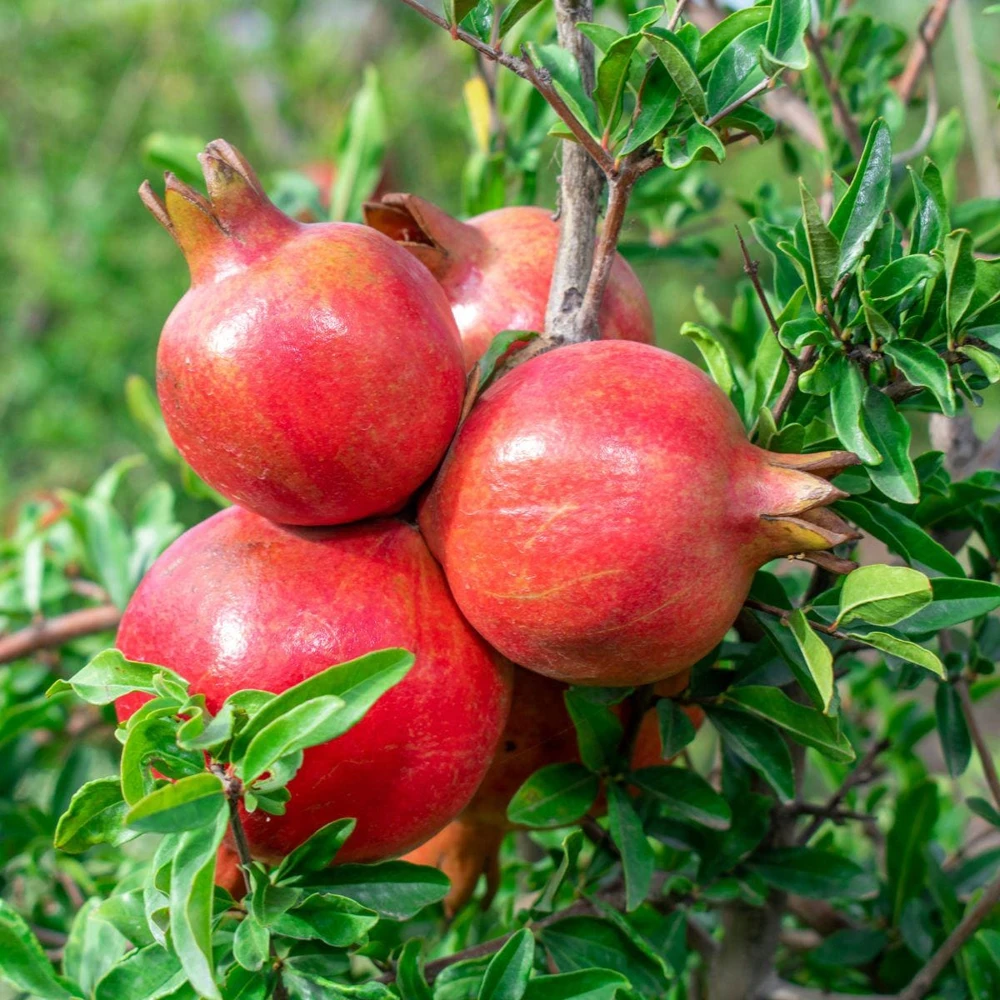
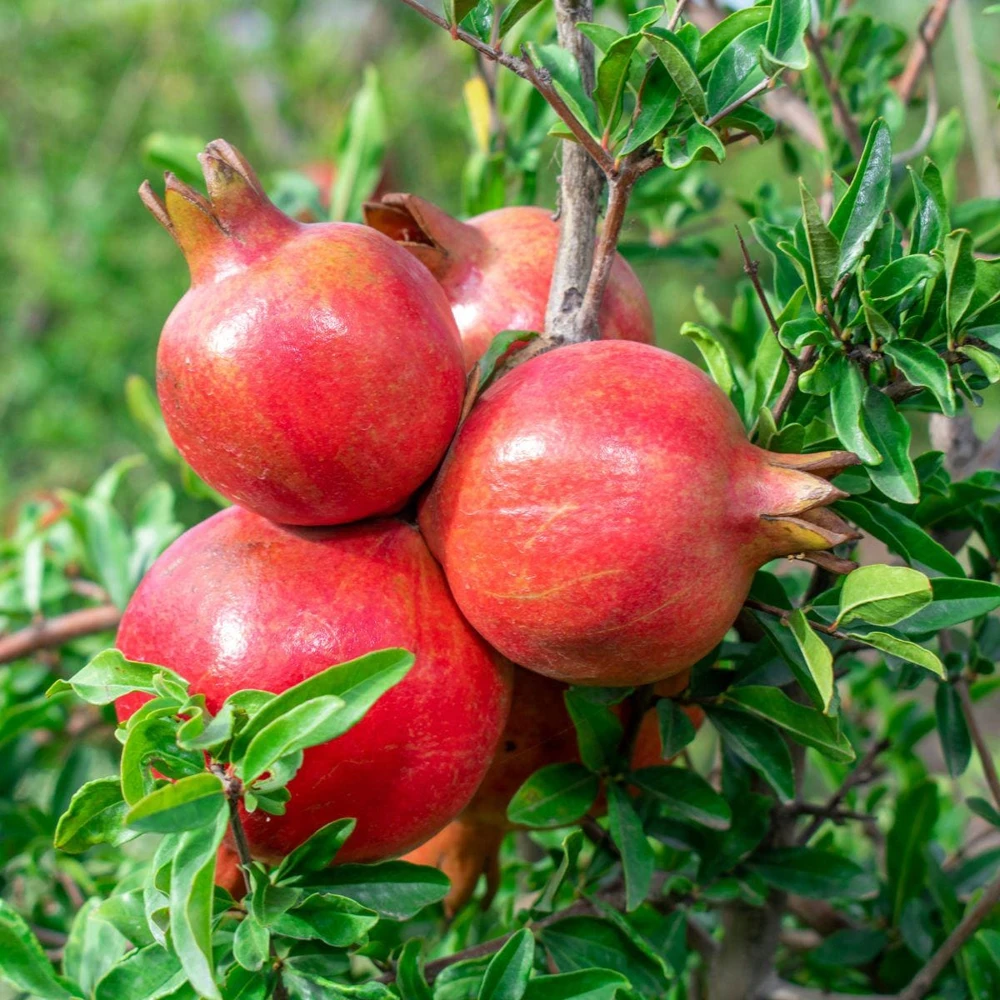
Cultivate your own delicious fruit with the Parfianka pomegranate tree, a compact and self-pollinating variety. Known for its exceptional flavor and high fruit production, this deciduous plant yields sweet fruit with soft seeds and minimal tartness, perfect for any garden.
Estimated arrival
Oct 16
Oct 21 - Oct 23
Oct 23 - Oct 28
See our Shipping Policy.
Get in touch with us via email, and our team will review your concerns.
Our Alive & Thrive Guarantee covers issues with your plants within the first 30 days. Read our Refund & Returns Policy.
-
USDA Hardiness Zone
USDA zones 7-10 -
Soil Type
Well-draining, slightly acidic to alkaline soil -
Sunlight Exposure
Full sun -
Expected Planting Period
Late winter to early spring
Overview
Introduce a taste of the exotic to your garden with the Parfianka pomegranate tree (Punica granatum ‘Parfianka’). This remarkable deciduous tree is celebrated for its compact growth habit and self-pollinating nature, making it an excellent choice for home gardeners with varying space constraints. Originating from Turkmenistan and introduced by Dr. Gregory Levin, the ‘Parfianka’ cultivar consistently receives high ratings for its superior fruit quality. Its pomegranates are renowned for their exceptional sweetness, minimal tartness, and delightfully soft seeds, offering a truly enjoyable eating experience. This pomegranate starter plant provides an easy way to begin growing your own fresh, flavorful fruit.
The ‘Parfianka’ variety is a robust and productive choice, ensuring a rewarding harvest for years to come. Whether you’re an experienced horticulturist or a budding gardener, this tree offers a unique opportunity to grow a highly-rated fruit known for its delicious characteristics. Its adaptability and high yield make it a standout among pomegranate cultivars, promising both aesthetic appeal and a bountiful supply of delectable fruit.
Key Benefits
The Parfianka pomegranate tree offers a multitude of benefits for the discerning gardener, combining ease of care with exceptional fruit quality. Here are some of the standout advantages:
- Exceptional Flavor Profile: Enjoy pomegranates that are consistently rated for their superb sweetness and minimal tartness, making them a delicious treat straight from the tree or in various culinary applications.
- Soft Seed Variety: Unlike many pomegranates, ‘Parfianka’ boasts soft seeds, which significantly enhances the eating experience by eliminating the need to spit out hard arils. This feature makes the sweet pomegranate fruit particularly enjoyable.
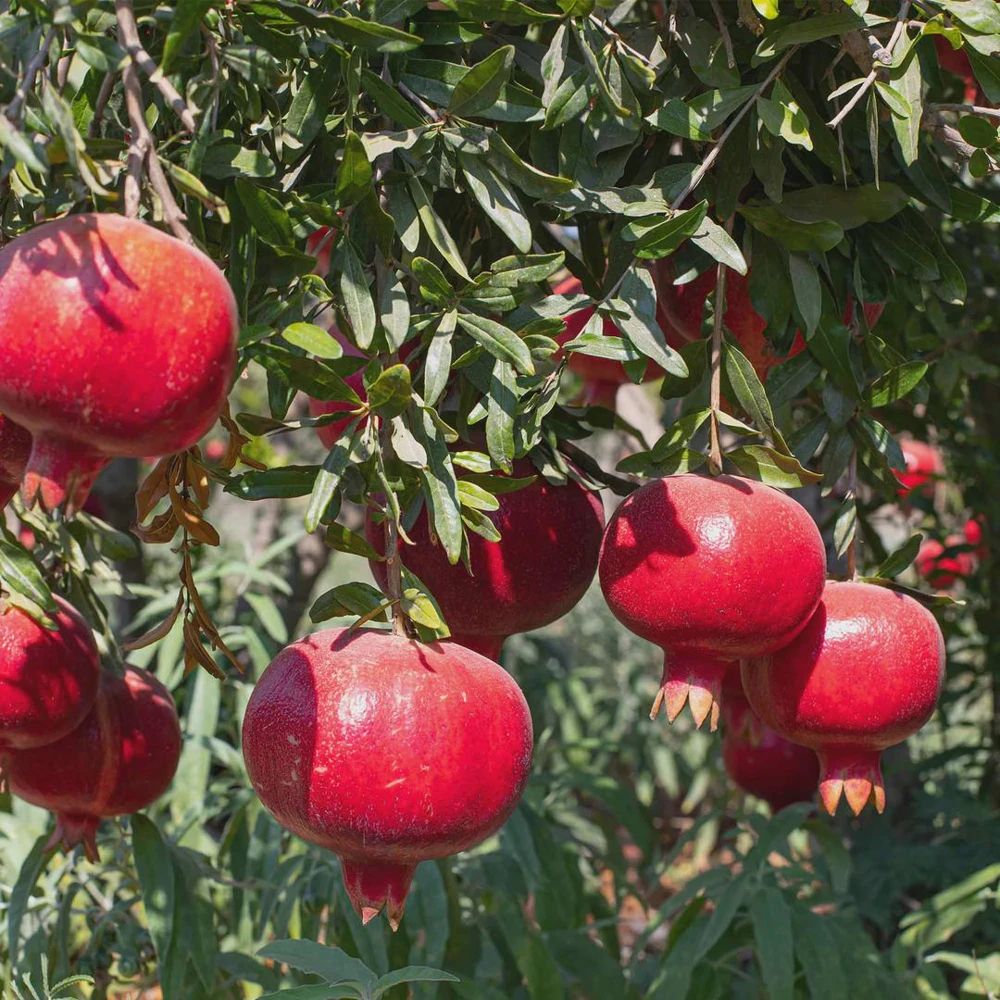
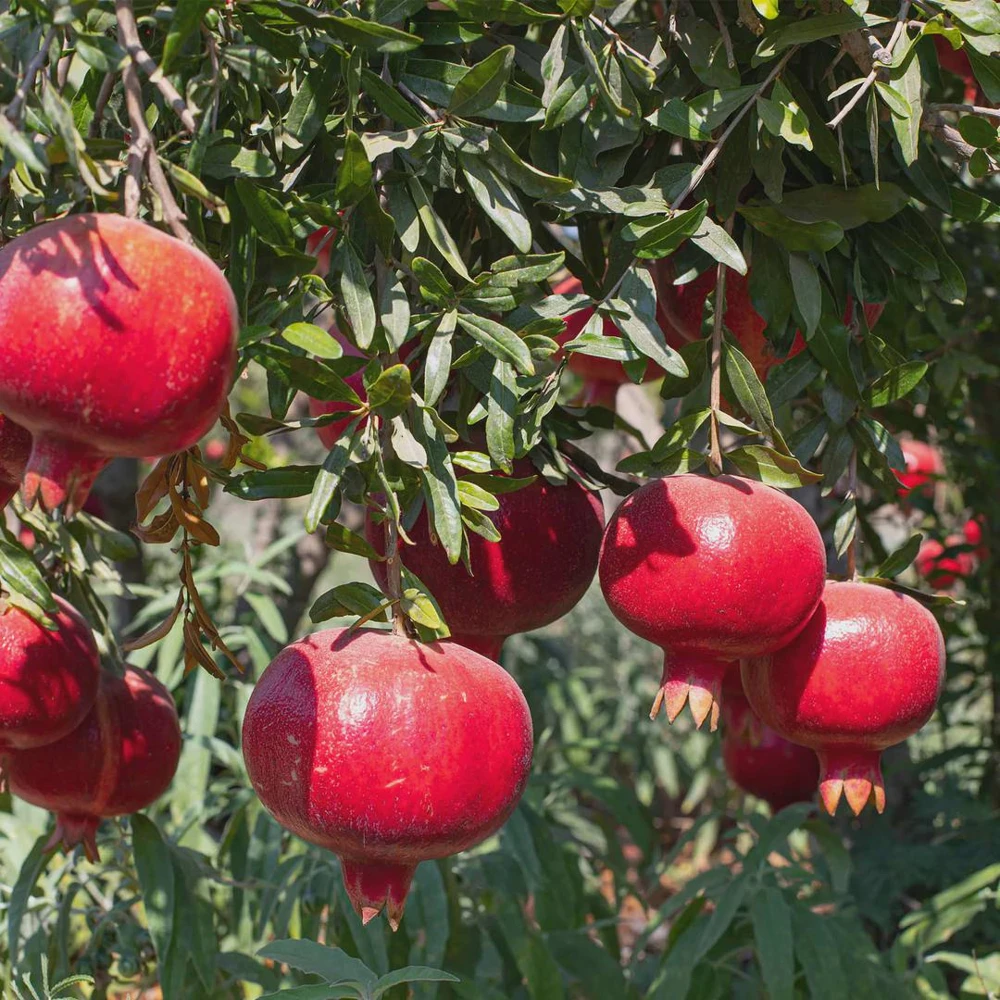
- High Fruit Production: This cultivar is known for its prolific bearing, providing an abundant harvest of juicy pomegranates season after season, ensuring you have plenty of fruit for fresh consumption, juices, or preserves.
- Self-Pollinating Nature: The ‘Parfianka’ pomegranate is self-fertile, meaning you only need one tree to produce fruit. This simplifies the planting process and is ideal for smaller gardens or limited spaces.
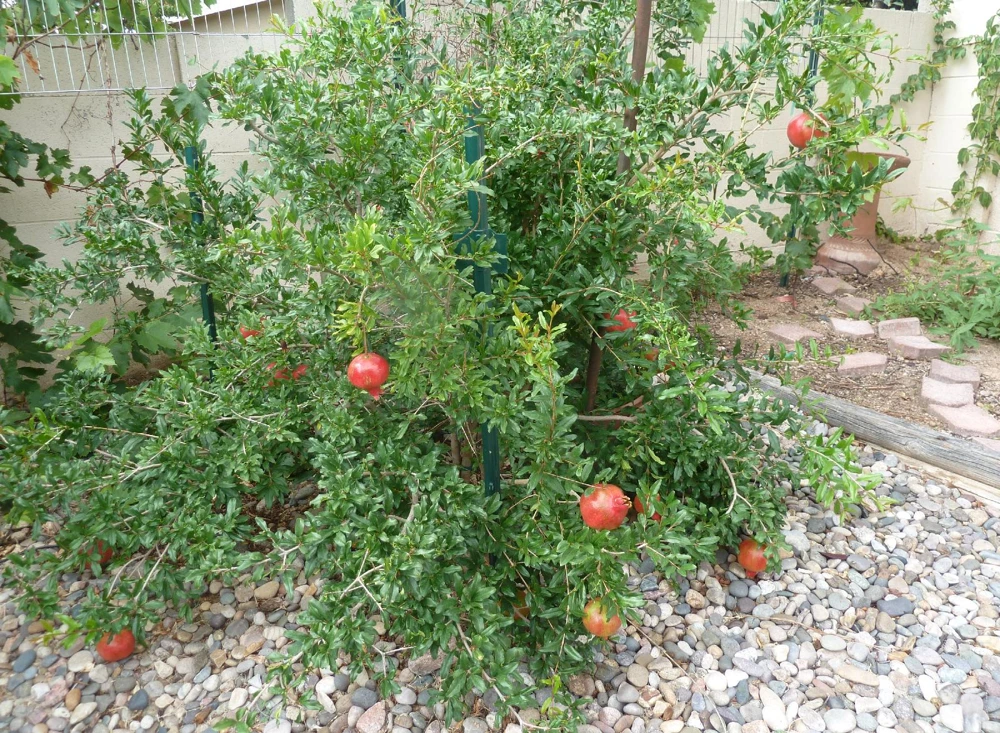
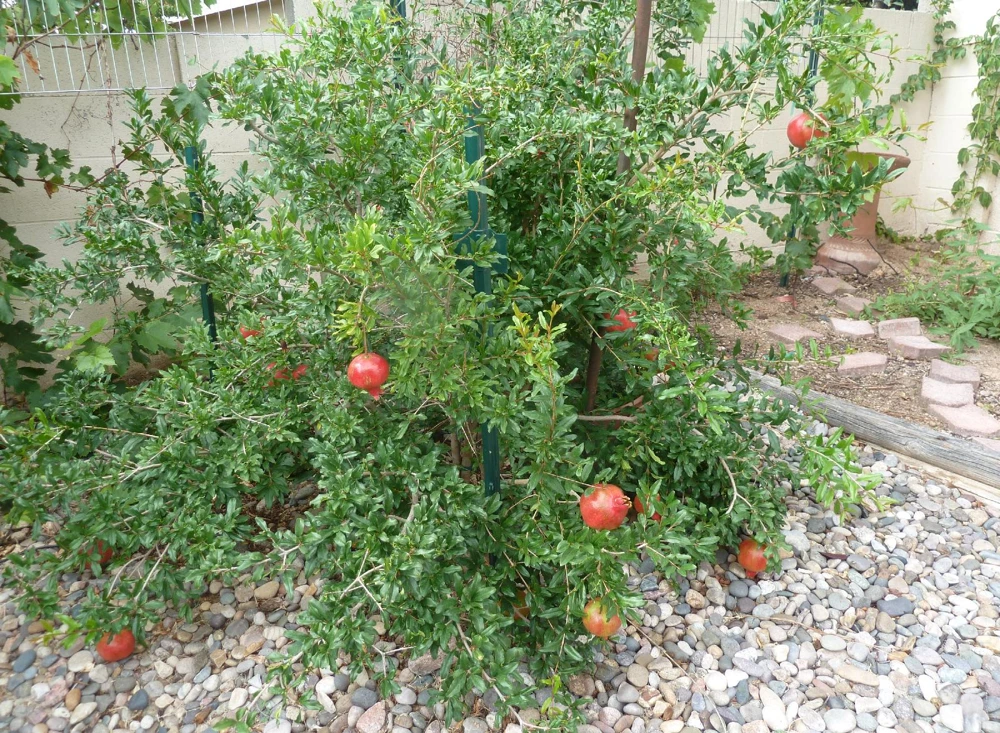
- Compact Growth Habit: As a compact deciduous tree, it fits well into various garden designs, including smaller yards or even large containers, making it versatile for different growing environments.
- Disease Resistance: Generally robust, the ‘Parfianka’ variety exhibits good resistance to common pests and diseases, contributing to easier maintenance and healthier plant growth.
- Ornamental Value: Beyond its fruit, the tree provides attractive foliage and vibrant flowers, adding an ornamental touch to your landscape before the fruit even develops.
Plant Care & Growing Tips
Caring for your Parfianka pomegranate tree is relatively straightforward, ensuring a healthy and productive plant. Pomegranates thrive in full sun, requiring at least 6-8 hours of direct sunlight daily to produce the best fruit. In hotter climates, some afternoon shade can be beneficial to prevent scorching. They are quite tolerant of various soil conditions but prefer well-draining soil. A slightly acidic to alkaline pH (6.0-7.5) is ideal. When planting, amend heavy clay soils with organic matter to improve drainage, or sandy soils to improve water retention.
Watering is crucial, especially during the establishment phase and fruit development. Water deeply and regularly, allowing the top few inches of soil to dry out between waterings. Avoid overwatering, as this can lead to root rot. Once established, pomegranates are fairly drought-tolerant but will produce better fruit with consistent moisture. Fertilize in early spring with a balanced slow-release fertilizer, and again in mid-summer if needed, following product instructions. Pruning should be done in late winter or early spring to remove dead or crossing branches, shape the tree, and encourage new growth and fruit production. The growing pomegranate tree benefits from an open structure to allow air circulation and sunlight penetration.
Punica granatum ‘Parfianka’ is generally hardy and resilient. It can tolerate a range of temperatures but is best suited for USDA Zones 7-10. In colder regions, consider growing it in a large container that can be moved indoors during winter. Protect young trees from hard freezes. Watch out for common pests like aphids or whiteflies, which can usually be managed with horticultural oil or insecticidal soap. Proper spacing and good air circulation will help prevent fungal diseases. With appropriate care, your Punica granatum Parfianka will flourish and provide delicious fruit for many years.
Size & Details
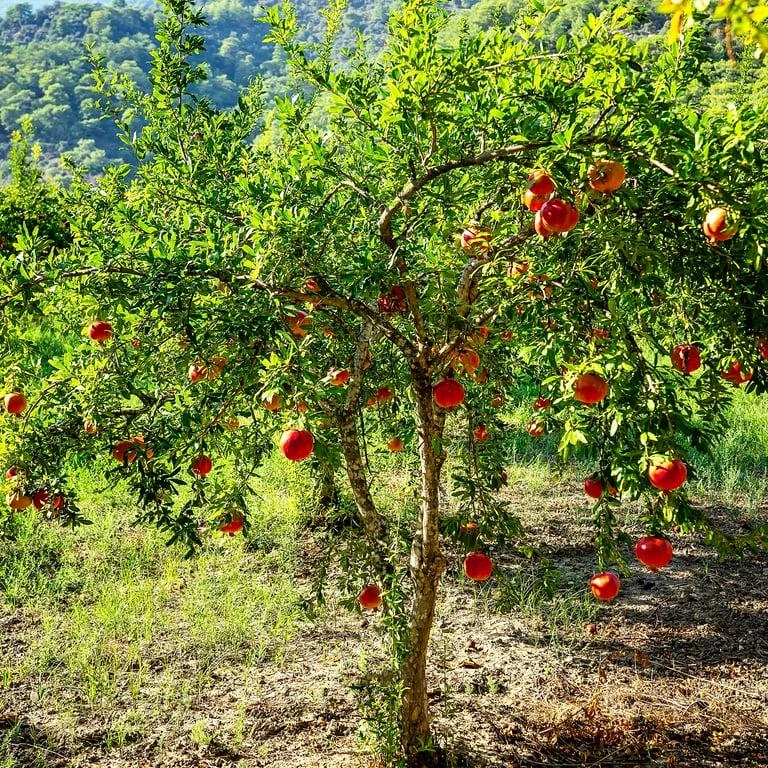
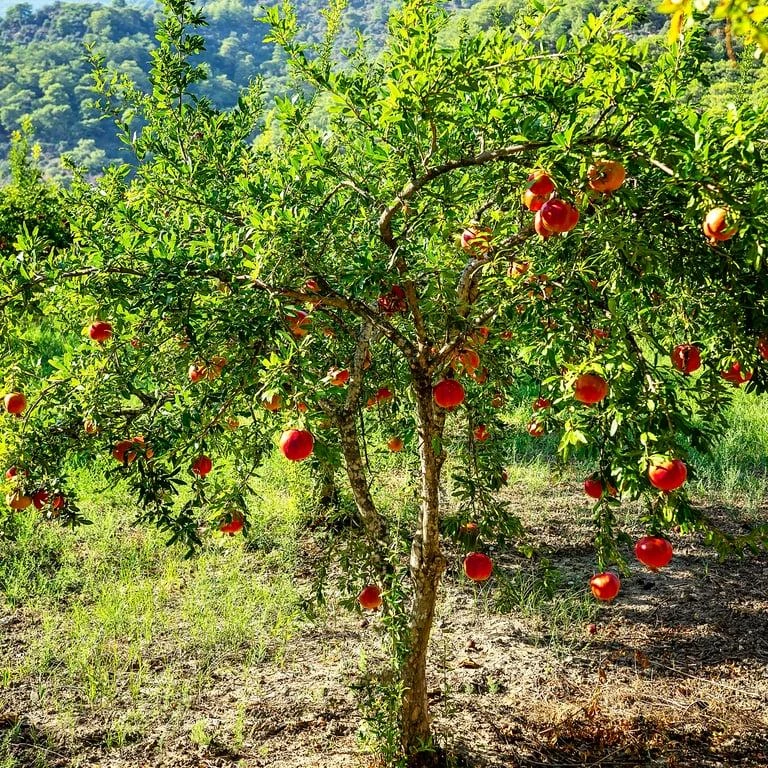
This offering is for a Parfianka pomegranate tree starter plant. These plants are typically shipped as bare root specimens, meaning they will arrive without soil or a pot, ready for immediate planting upon arrival. While specific dimensions can vary, starter plants are generally young, vigorous plants that are well-rooted and ready to establish quickly in your garden or a suitable container. The ‘Parfianka’ variety is known for its compact growth, eventually reaching a mature height of 10-15 feet with a similar spread, though it can be kept smaller with regular pruning. It has a moderate growth rate, and you can typically expect fruit production to begin within 2-3 years after planting under optimal conditions. This pomegranate starter plant provides a robust foundation for a productive fruit tree.
Frequently Asked Questions
- Q: How big does this plant get? A: The Parfianka pomegranate tree is a compact variety, typically growing 10-15 feet tall and wide at maturity. Its size can be managed with pruning to fit smaller spaces or large containers.
- Q: Is this an indoor or outdoor plant? A: The ‘Parfianka’ pomegranate is primarily an outdoor plant, thriving in full sun. In colder climates (below USDA Zone 7), it can be grown in a large container and moved indoors during winter months.
- Q: How much sunlight does it need? A: For optimal fruit production and health, this tree requires at least 6-8 hours of direct sunlight per day. Full sun exposure is key for developing the sweetest fruit.
- Q: Is this plant easy to care for? A: Yes, the growing pomegranate tree is relatively easy to care for once established. It’s drought-tolerant and adaptable to various soil types, making it a good choice for both experienced and novice gardeners.
- Q: What condition will it arrive in? A: Your pomegranate starter plant will typically arrive as a bare root specimen, meaning it will be shipped without soil or a pot. This ensures easier and safer transit for the plant.
- Q: When is the best time to plant a Parfianka pomegranate? A: The best time to plant bare root pomegranate trees is in late winter or early spring, after the danger of hard frosts has passed but before new growth begins.
- Q: Will it survive winter in my zone? A: The ‘Parfianka’ pomegranate is hardy in USDA Zones 7-10. If you are in a colder zone, consider providing winter protection or growing it in a container that can be brought indoors.
- Q: What makes the ‘Parfianka’ variety special? A: The ‘Parfianka’ is highly prized for its exceptionally sweet fruit with minimal tartness and, most notably, its soft seeds, which make the sweet pomegranate fruit very enjoyable to eat.
- Q: Can I grow this plant in a pot? A: Yes, due to its compact nature, the Punica granatum Parfianka can be successfully grown in a large container, especially beneficial for those in colder climates or with limited garden space.
- Q: How long until it produces fruit? A: Under ideal growing conditions, you can typically expect your ‘Parfianka’ pomegranate tree to start producing fruit within 2-3 years after planting.
Be the first to review “Parfianka Pomegranate Tree Starter Plant – Punica granatum ‘Parfianka’”
Related products


You May Like

Hardneck vs. Softneck Garlic: Which Should You Grow?
Have you ever stood in front of a seed catalog in mid-September, staring at dozens [...]
Oct

When to Plant Music Garlic: Ultimate US Fall Guide
Have you ever spent your fall weekend placing carefully chosen garlic cloves into rich, dark [...]
1 Comment
Oct

5 Best Bulbs for Fall Planting: Brighten Your Garden This Spring
Are you dreaming of a garden full of vibrant colors in the spring? The key [...]
Aug

10 Houseplants That Will Thrive in Your Kitchen
Are you tired of your kitchen feeling dull and lifeless? Want to add a little [...]
1 Comment
Aug
Reviews
There are no reviews yet.