
Apricot Tree Prunus armeniaca Starter Plant – 12-24in Fruit Tree
Original price was: 138.99 $.113.99 $Current price is: 113.99 $.
Cultivate your own orchard with this apricot tree live plant, a Prunus armeniaca fruit tree starter. Standing 12-24 inches tall, it promises beautiful spring blooms and sweet, juicy fruit. Perfect for home gardeners seeking a rewarding fruiting tree. Learn how to grow apricot tree and enjoy fresh harvests.
Estimated arrival
Oct 16
Oct 21 - Oct 23
Oct 23 - Oct 28
See our Shipping Policy.
Get in touch with us via email, and our team will review your concerns.
Our Alive & Thrive Guarantee covers issues with your plants within the first 30 days. Read our Refund & Returns Policy.
-
USDA Hardiness Zone
USDA Zones 5-8 -
Soil Type
Well-draining, loamy soil -
Sunlight Exposure
Full sun (6-8+ hours daily) -
Expected Planting Period
Late winter to early spring
Overview
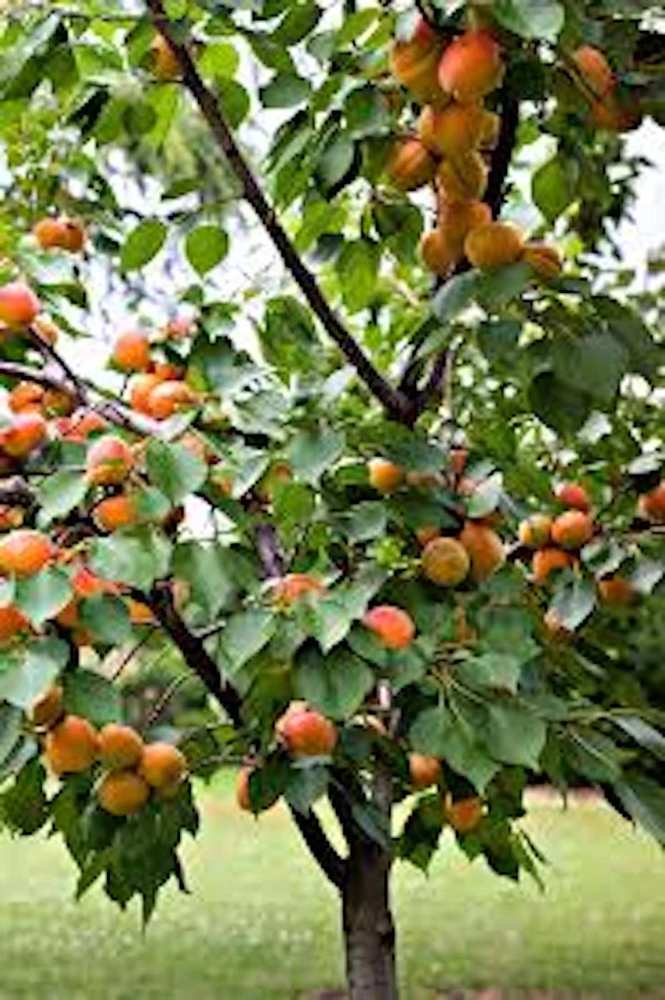
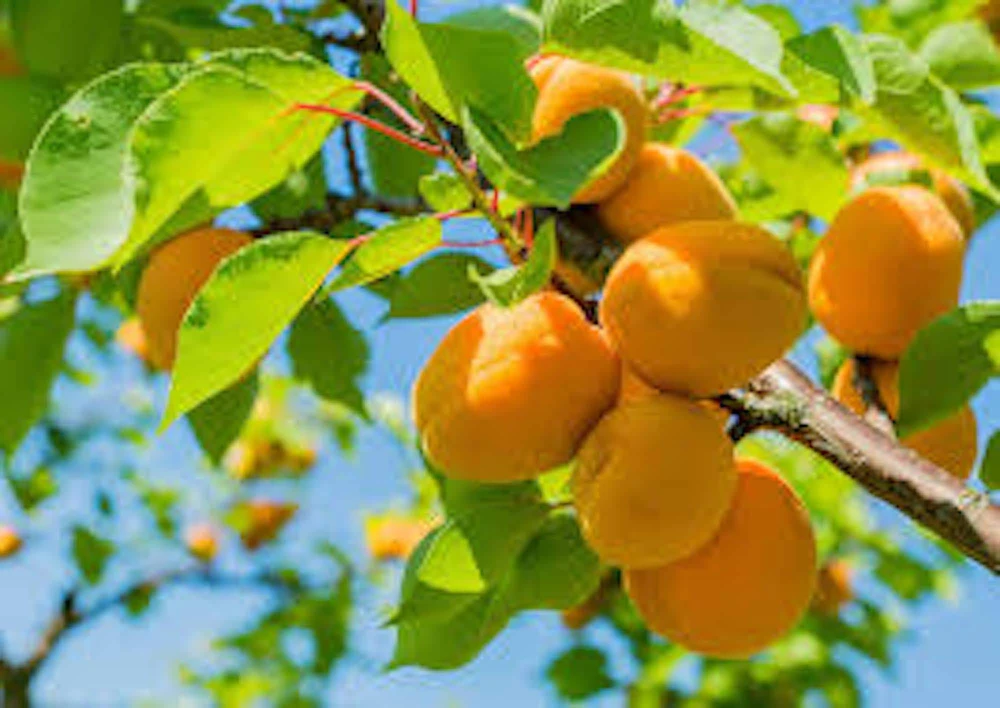
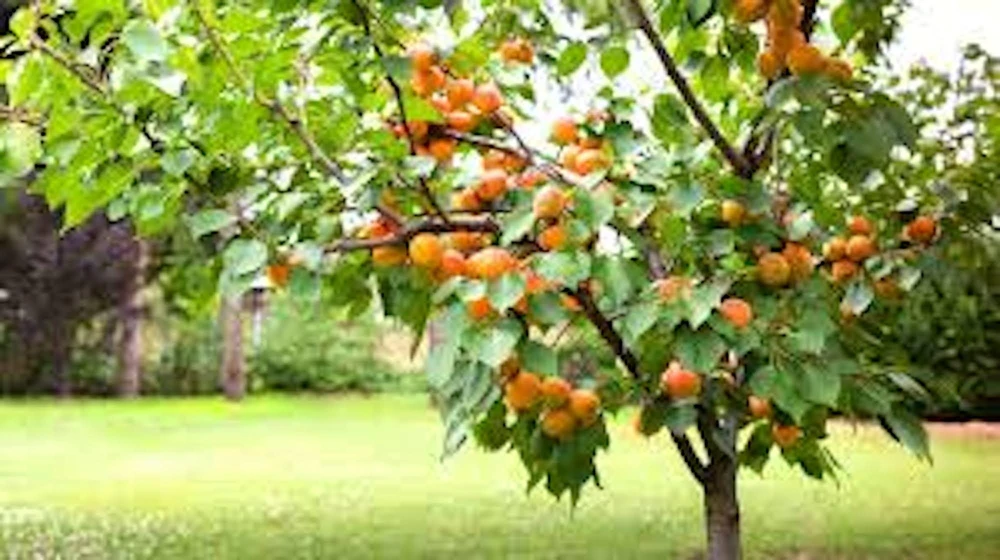
Bring the joy of homegrown fruit to your garden with this vibrant apricot tree live plant. Scientifically known as Prunus armeniaca, this deciduous tree is a true delight, offering a stunning display of white or pink blossoms in early spring before developing its signature yellow-orange, sweet fruits. This starter plant, typically 12-24 inches tall, is an excellent choice for anyone looking to establish a productive and beautiful fruit tree. The Prunus armeniaca fruit tree is celebrated not only for its delicious harvest but also for its ornamental value, making it a fantastic addition to any landscape. While it can reach heights of 15-40 feet, its spreading canopy provides a lovely shade, and many varieties can be maintained at smaller sizes, making it suitable for various garden spaces. Growing your own apricots allows you to enjoy fresh, organic fruit straight from your backyard, a truly rewarding experience for any gardener.
This particular offering is for a starter plant, providing you with a healthy foundation to cultivate a thriving fruit-bearing tree. The distinct oval-shaped leaves with serrated edges and reddish stems add to its aesthetic appeal throughout the growing season. Whether you’re an experienced horticulturist or just starting to learn how to grow apricot tree, this plant offers a wonderful opportunity to connect with nature and enjoy the fruits of your labor. With proper care, this apricot tree live plant will mature into a robust producer, yielding an abundance of delicious apricots for years to come.
Key Benefits
The apricot tree live plant offers a multitude of benefits, from its aesthetic charm to its delectable fruit. Investing in this tree means enjoying both beauty and bounty in your garden.
- Delicious Homegrown Fruit: Enjoy fresh, sweet, and juicy yellow-orange apricots directly from your garden. Homegrown fruit often tastes superior to store-bought varieties and ensures you know exactly how it was grown.
- Beautiful Spring Blooms: Before the fruit appears, the tree adorns itself with exquisite white or pink flowers in early spring, creating a stunning visual display that enhances your landscape’s beauty and signals the arrival of warmer weather.
- Ornamental Value: Beyond its fruit and flowers, the Prunus armeniaca fruit tree provides an attractive spreading canopy and unique foliage with serrated leaves and reddish stems, adding year-round interest to your yard.
- Rewarding Gardening Experience: Cultivating your own fruit tree is incredibly satisfying. Watching your apricot tree live plant grow from a small starter to a fruit-bearing specimen is a fulfilling journey for any gardener.
- Versatile Landscape Addition: While capable of growing into a sizable tree, many apricot varieties can be pruned and managed to fit smaller garden spaces, or even grown as a dwarf apricot tree, making them adaptable to various yard sizes.
- Attracts Pollinators: The early spring blossoms are a valuable nectar source for bees and other pollinators, contributing to local biodiversity and ensuring better fruit set.
Plant Care & Growing Tips
Caring for your apricot tree live plant is essential for a bountiful harvest. Apricot trees generally prefer a sunny location with well-draining soil. They thrive in full sun, meaning at least 6-8 hours of direct sunlight per day is ideal for optimal fruit production and overall tree health. When considering apricot plant care, soil composition is crucial; a loamy, well-draining soil with a neutral pH (6.0-7.0) is best. Avoid heavy clay soils that retain too much moisture, as this can lead to root rot. If your soil is heavy, amend it with organic matter like compost or aged manure to improve drainage and fertility.
Watering should be consistent, especially during dry periods and when the tree is young. Aim for deep watering sessions, allowing the top few inches of soil to dry out between waterings. Mature trees are more drought-tolerant but will benefit from supplemental watering during extended dry spells. Fertilize your Prunus armeniaca fruit tree annually in early spring before new growth begins, using a balanced slow-release fertilizer or one formulated for fruit trees. Pruning is vital for apricot trees; prune in late winter or early spring to shape the tree, remove dead or diseased branches, and encourage better air circulation and fruit production. For those interested in a smaller footprint, understanding how to grow apricot tree in a compact form, such as a dwarf apricot tree, involves specific pruning techniques to manage its size effectively.
Apricot trees are generally hardy in USDA Zones 5-8, though specific varieties may have different tolerances. They require a certain number of chilling hours (periods of cold temperatures below 45°F/7°C) during winter to produce fruit. Protect young trees from extreme cold with mulching around the base and possibly wrapping the trunk in burlap during harsh winters. Keep an eye out for common pests like aphids and borers, and diseases such as brown rot and powdery mildew. Good air circulation through proper pruning and prompt removal of fallen fruit and leaves can help prevent many issues. Consistent apricot plant care will ensure your tree remains healthy and productive for many seasons.
Size & Details
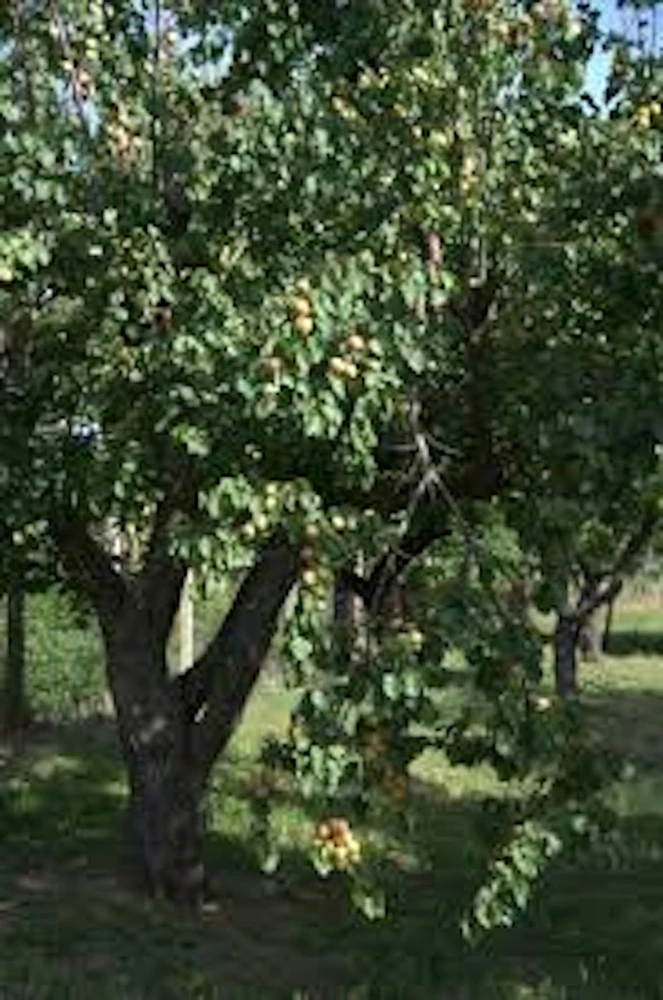
This offering is for a healthy apricot tree live plant, typically ranging from 12 to 24 inches in height upon arrival. These are starter plants, perfect for establishing in your garden or a larger container. Apricot trees, or Prunus armeniaca, are known for their moderate growth rate, and with proper care, this young tree will quickly establish itself. While mature trees can reach a height of 15-40 feet with a spreading canopy, regular pruning can maintain them at a more manageable size, especially if you’re aiming for a dwarf apricot tree effect.
The plant ships as a bare root specimen, meaning it will arrive without soil or a pot, ready for immediate planting. This method ensures that the plant experiences minimal transplant shock and allows for easier shipping. The size of the plant makes it easy to handle and plant, giving it the best start in its new home. Expect the first significant fruit production to begin within 3-5 years after planting, though some trees may produce earlier or later depending on growing conditions and variety. This Prunus armeniaca fruit tree is a long-term investment, providing beauty and delicious fruit for many years to come.
Frequently Asked Questions
- Q: How big does this apricot tree get? A: This is a starter plant, typically 12-24 inches tall. With proper care, a mature apricot tree live plant can reach 15-40 feet, but its size can be managed with pruning, especially if you prefer a dwarf apricot tree.
- Q: Is this an indoor or outdoor plant? A: The Prunus armeniaca fruit tree is an outdoor plant. It requires full sun and specific chilling hours in winter to produce fruit, making it unsuitable for long-term indoor cultivation.
- Q: How much sunlight does it need? A: Apricot trees thrive in full sun, requiring at least 6-8 hours of direct sunlight daily for optimal growth and fruit production.
- Q: Is this plant easy to care for? A: While not as low-maintenance as some ornamental plants, apricot plant care is manageable for most gardeners. It requires consistent watering, annual fertilization, and proper pruning.
- Q: What condition will it arrive in? A: This apricot tree live plant ships bare root, meaning it will arrive without soil or a pot. This is a common and effective method for shipping deciduous trees.
- Q: When is the best time to plant an apricot tree? A: Bare root apricot trees are best planted in late winter or early spring, after the last hard frost but before new growth fully emerges.
- Q: Will it survive winter in my zone? A: Apricot trees generally perform well in USDA Hardiness Zones 5-8. Check your specific zone to ensure it aligns with the tree’s cold hardiness requirements for successful overwintering.
- Q: How long until it produces fruit? A: You can typically expect your Prunus armeniaca fruit tree to begin producing fruit within 3-5 years after planting, though this can vary based on growing conditions and variety.
- Q: What kind of soil does an apricot tree need? A: Apricot trees prefer well-draining, loamy soil with a neutral pH. Good drainage is crucial to prevent root issues.
- Q: Can I grow this apricot tree in a container? A: While possible, a large container (25+ gallons) is needed for long-term growth. Container-grown trees may require more frequent watering and feeding, and a dwarf apricot tree variety is often preferred for pots.
Be the first to review “Apricot Tree Prunus armeniaca Starter Plant – 12-24in Fruit Tree”
Related products


Trees
Guava Tree Live Plant Pink Tropical Fruit 4-10in Tall Well Rooted for Gardening USDA Zones 9-11
You May Like

Hardneck vs. Softneck Garlic: Which Should You Grow?
Have you ever stood in front of a seed catalog in mid-September, staring at dozens [...]
Oct

When to Plant Music Garlic: Ultimate US Fall Guide
Have you ever spent your fall weekend placing carefully chosen garlic cloves into rich, dark [...]
1 Comment
Oct

5 Best Bulbs for Fall Planting: Brighten Your Garden This Spring
Are you dreaming of a garden full of vibrant colors in the spring? The key [...]
Aug

10 Houseplants That Will Thrive in Your Kitchen
Are you tired of your kitchen feeling dull and lifeless? Want to add a little [...]
1 Comment
Aug
Reviews
There are no reviews yet.