
White Walnut Tree Live Plant (Juglans cinerea) – 12-24in Tall, Quart Pot
Original price was: 74.99 $.49.99 $Current price is: 49.99 $.
Bring home a white walnut tree (Butternut), a unique deciduous nut tree with silvery-gray bark and elongated, lemon-shaped nuts. This Juglans cinerea live plant ships bare root when dormant, ready to establish in your landscape. Grows 12-24 inches tall in a quart pot.
Estimated arrival
Oct 16
Oct 21 - Oct 23
Oct 23 - Oct 28
See our Shipping Policy.
Get in touch with us via email, and our team will review your concerns.
Our Alive & Thrive Guarantee covers issues with your plants within the first 30 days. Read our Refund & Returns Policy.
-
USDA Hardiness Zone
USDA Zones 3-7 -
Soil Type
Deep, fertile, well-drained loamy soil -
Sunlight Exposure
Full sun -
Expected Planting Period
Early spring or late fall
Overview
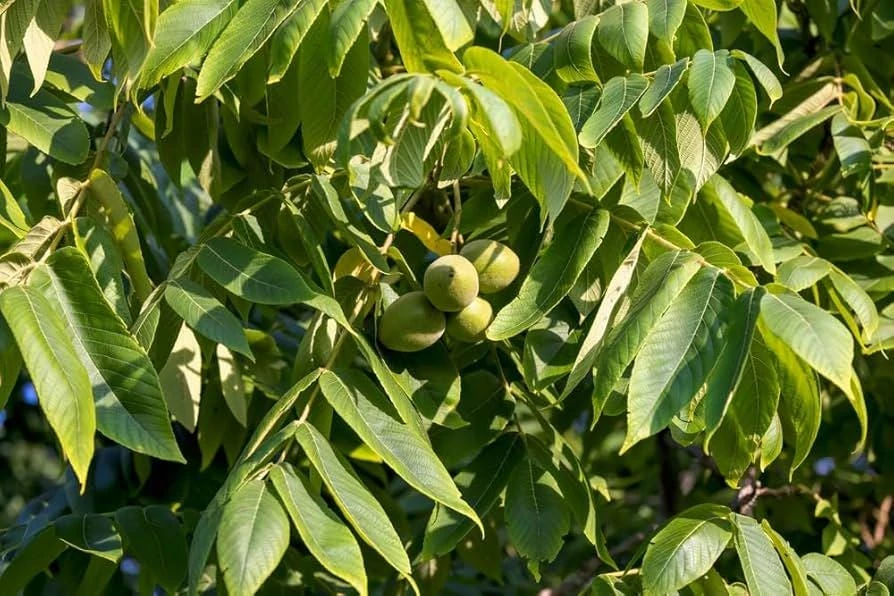
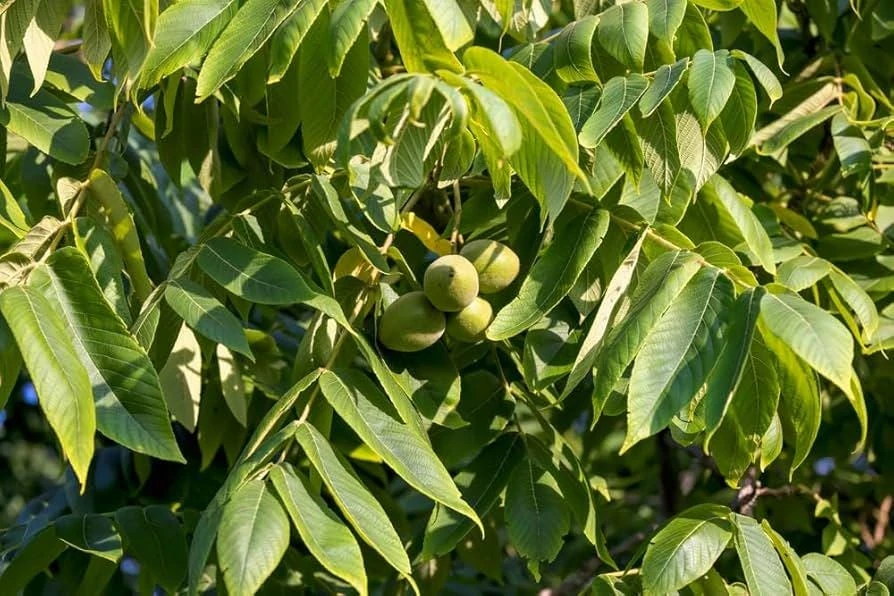
Introduce a distinctive addition to your landscape with the white walnut tree, commonly known as the Butternut (Juglans cinerea). This slow-growing deciduous nut tree is native to eastern North America, offering both aesthetic appeal and delicious, uniquely flavored nuts. Unlike its more common relative, the black walnut, the butternut tree is distinguished by its striking silvery-gray bark, its distinctive “mustache” leaf scars, and its elongated, lemon-shaped nuts. This Juglans cinerea live plant is a fantastic choice for gardeners seeking a resilient and productive nut-bearing tree. When you choose to grow white walnut, you’re investing in a valuable and beautiful part of nature that will provide enjoyment for years to come. Our trees are carefully cultivated to ensure a strong start in your garden, arriving ready for planting.
The white walnut tree is a fascinating species, known for its valuable timber and the distinct flavor of its nuts, which are often used in baking and confectionery. Its adaptability to various soil types and its natural resistance to certain pests make it a robust choice for many home gardeners. This deciduous nut tree will add significant character to your property, providing shade, wildlife habitat, and a harvest of delicious nuts. Embrace the opportunity to cultivate a piece of North American botanical heritage in your own backyard with this exceptional plant.
Key Benefits
The white walnut tree offers a multitude of benefits, making it an excellent choice for both edible landscaping and ornamental purposes. Its unique characteristics contribute significantly to any garden or homestead:
- Unique Nut Production: Enjoy the distinctive, rich, buttery flavor of the elongated, lemon-shaped nuts, perfect for baking, snacking, or culinary experimentation. The nuts are a prized delicacy, offering a different profile than other walnuts.
- Attractive Silvery-Gray Bark: The striking bark provides year-round visual interest, especially in winter, setting it apart from other nut trees and enhancing the aesthetic appeal of your landscape. This feature makes the butternut tree a standout.
- Wildlife Attraction: The nuts provide a valuable food source for local wildlife, including squirrels and other small mammals, contributing to biodiversity in your garden. Planting a Juglans cinerea live plant helps support local ecosystems.
- Native Species: As a native to eastern North America, it is well-adapted to regional climates and ecosystems, often requiring less intervention once established compared to non-native species. This makes it an ideal choice if you want to grow white walnut.
- Valuable Timber: Beyond its nuts, the wood of the white walnut tree is highly regarded for its fine grain and workability, making it valuable for woodworking projects, though it is a slow-growing tree.
- Shade and Structure: As a mature deciduous nut tree, it provides excellent shade during warmer months, creating a comfortable outdoor living space and reducing energy costs for nearby structures.
- Low Maintenance Once Established: Once mature, these trees are relatively low-maintenance, requiring minimal care beyond basic pruning and occasional feeding.
Plant Care & Growing Tips
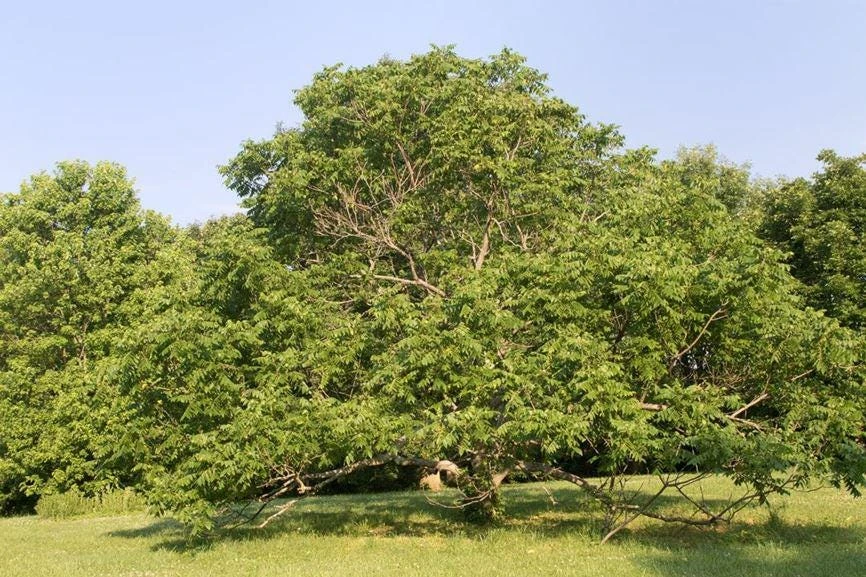
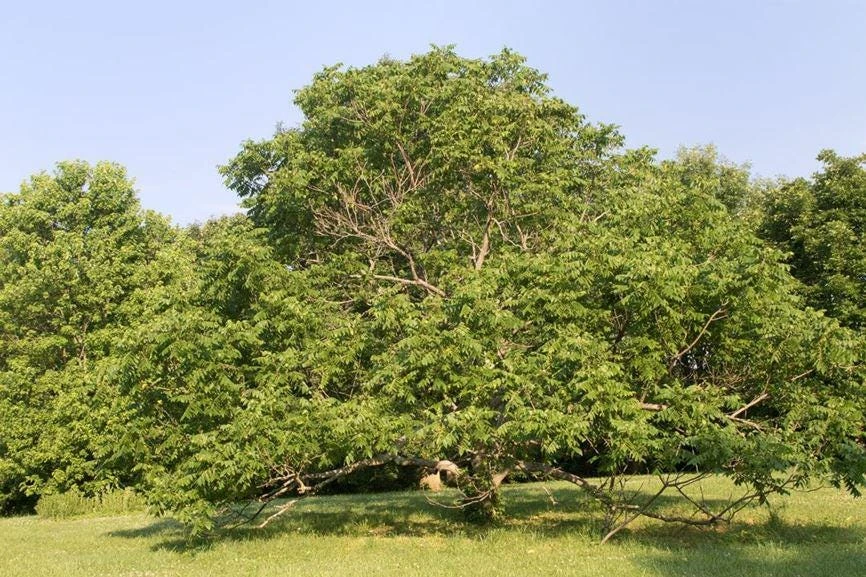
Caring for your white walnut tree (Butternut) involves understanding its specific needs to ensure healthy growth and robust nut production. These trees thrive in full sun, meaning they need at least 6 hours of direct sunlight per day. While they can tolerate some partial shade, optimal growth and nut yield will occur in sunnier locations. Ensure the planting site has adequate space, as a mature butternut tree can grow quite large, developing a wide canopy. Proper air circulation is also important to prevent fungal issues. When you grow white walnut, selecting the right location is paramount.
The Juglans cinerea live plant prefers deep, fertile, well-drained loamy soils. It can tolerate a range of soil types, but heavy clay or extremely sandy soils should be amended. Good drainage is crucial to prevent root rot. Water regularly during the first few growing seasons to help establish a strong root system, especially during dry periods. Once established, the white walnut tree is relatively drought-tolerant. Fertilize annually in early spring with a balanced slow-release fertilizer designed for trees, or incorporate compost around the base. Pruning should be done in late winter or early spring while the tree is dormant to remove any dead, diseased, or crossing branches, and to shape the tree for structural integrity. This deciduous nut tree is hardy in USDA zones 3-7.
Monitor your white walnut tree for common pests and diseases, although it is generally a hardy species. The most significant threat is Butternut Canker, a fungal disease. Choose resistant varieties if available and practice good sanitation. Ensure the tree receives adequate water during fruit development for larger, healthier nuts. Protecting young trees from deer and other wildlife may also be necessary. With proper care, your white walnut tree will flourish, providing beauty and bountiful harvests for many years.
Size & Details
This offering is for one white walnut tree (Juglans cinerea), measuring approximately 12-24 inches tall. It is shipped as a bare root plant when dormant, ensuring it arrives in optimal condition for successful transplanting into your garden. The tree is grown in a quart pot before being prepared for bare root shipping, indicating a well-developed root system ready for establishment. The butternut tree is a slow-growing species, typically adding 1-2 feet of height per year in ideal conditions, eventually reaching heights of 40-60 feet with a similar spread.
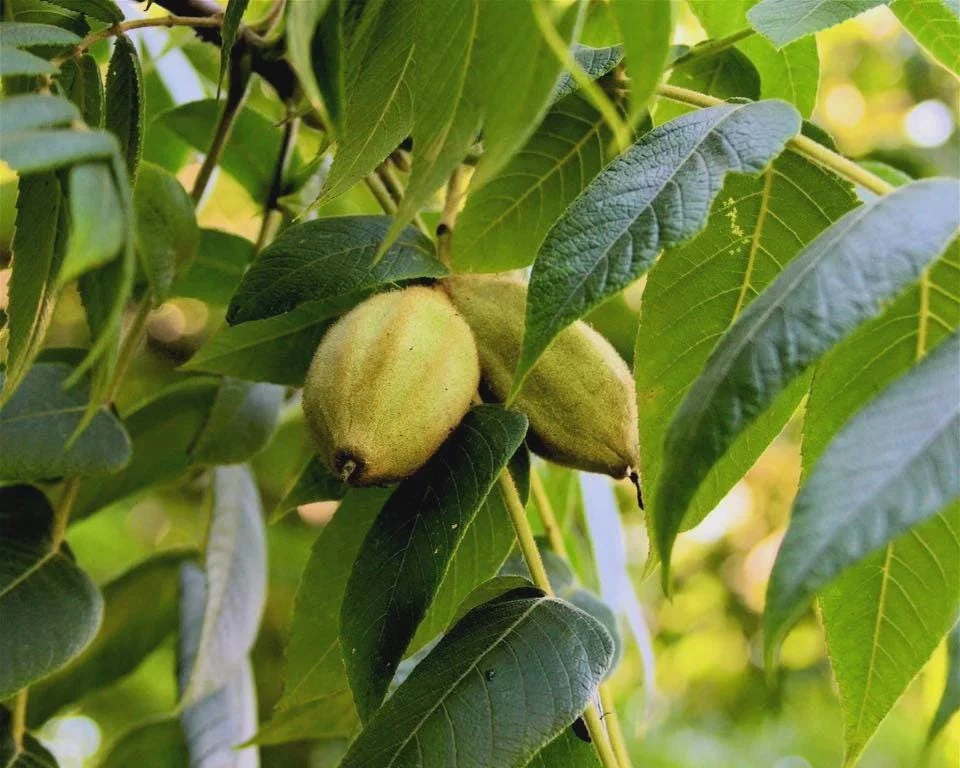
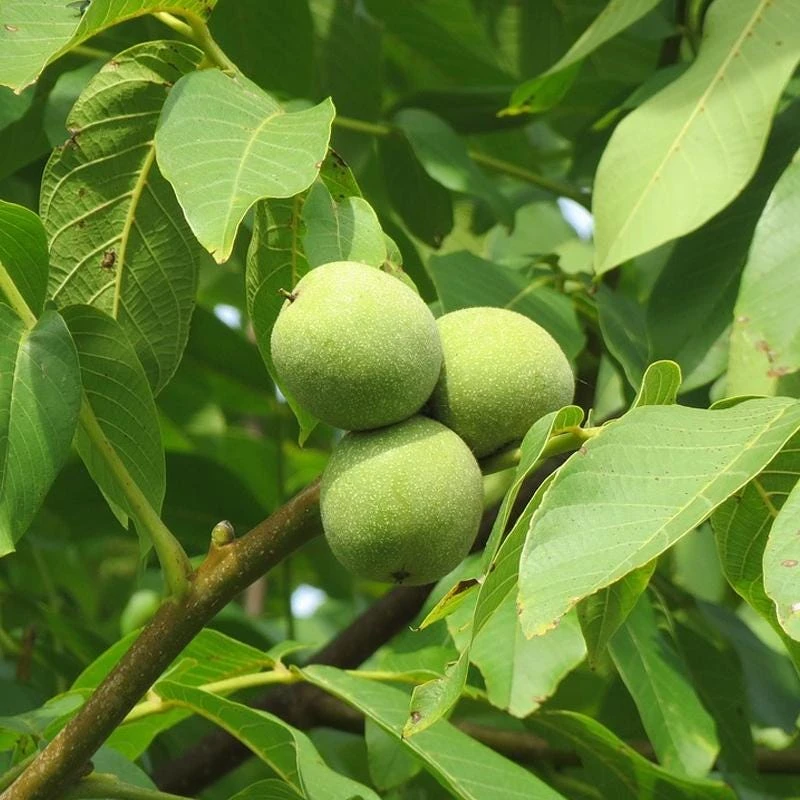
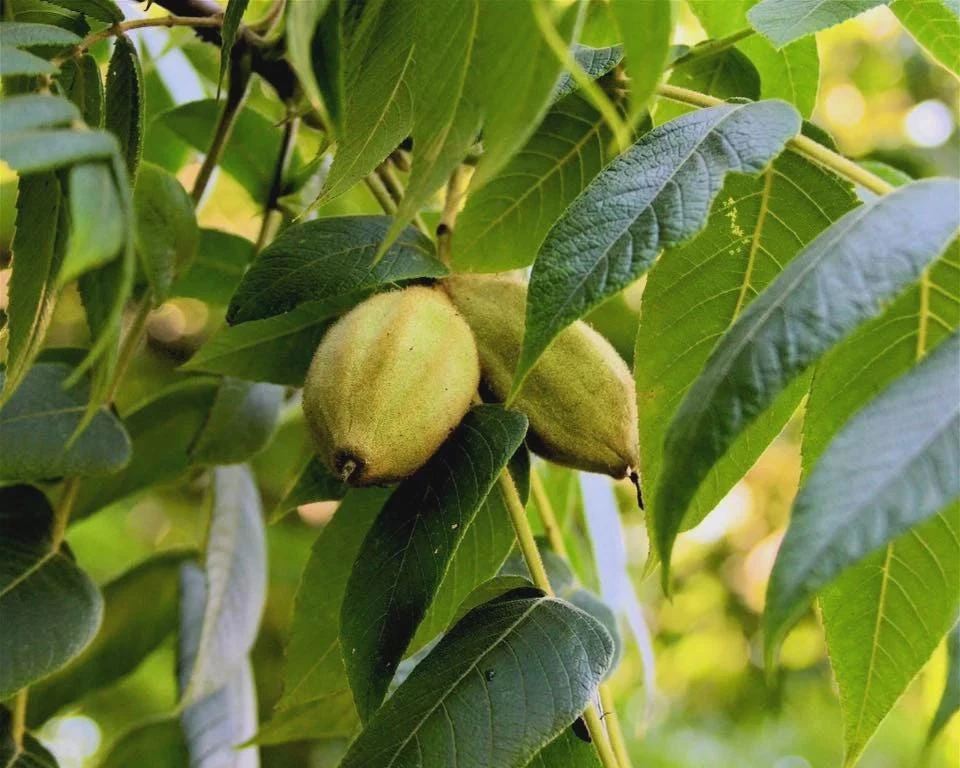
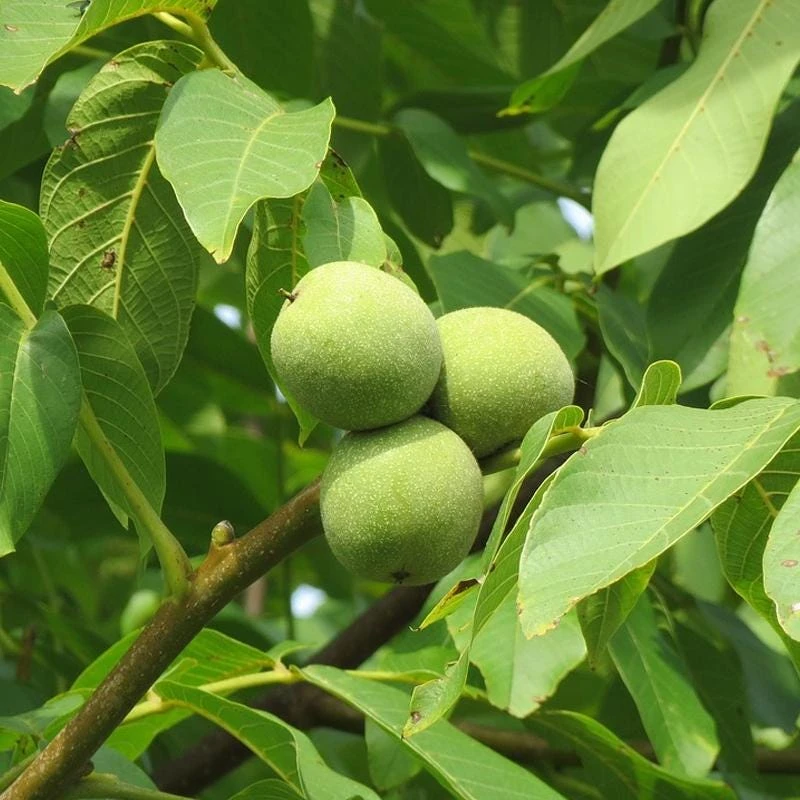
The nuts of the Juglans cinerea live plant are oblong and pointed, about 2 inches long, encased in a greenish-brown, sticky husk covered in fine hairs. Unlike the round black walnut, the butternut is barrel or lemon-shaped. Expect your tree to begin producing nuts within 5-10 years, with production increasing as the tree matures. This deciduous nut tree will develop its characteristic silvery-gray bark and distinctive leaf scars over time, adding unique texture and interest to your landscape. Planting this tree is a long-term investment in your property’s ecological and edible value.
Frequently Asked Questions
- Q: How big does this white walnut tree get? A: This white walnut tree typically grows to a height of 40-60 feet with a similar spread at maturity. The young plant you receive will be 12-24 inches tall, ready to establish and grow.
- Q: Is this an indoor or outdoor plant? A: The butternut tree is an outdoor plant, a large deciduous tree that requires ample space to grow and thrive in a garden or landscape setting.
- Q: How much sunlight does the Juglans cinerea live plant need? A: This tree requires full sun, meaning at least 6 hours of direct sunlight per day, for optimal growth and nut production.
- Q: Is this plant easy to care for? A: Once established, the white walnut tree is relatively low-maintenance. Initial care involves proper watering and site selection. It’s a robust deciduous nut tree.
- Q: What condition will it arrive in? A: Your Juglans cinerea live plant will ship bare root when dormant, carefully prepared to ensure it reaches you in the best possible condition for planting.
- Q: When is the best time to plant a butternut tree? A: The best time to plant a bare root butternut tree is in early spring, after the last hard frost, or in late fall after the leaves have dropped.
- Q: What type of soil does the white walnut tree prefer? A: It thrives in deep, fertile, well-drained loamy soils but can tolerate a range of soil types as long as drainage is good.
- Q: How long until it produces nuts? A: A white walnut tree typically begins to produce nuts within 5-10 years of planting, with increasing yields as it matures.
- Q: Will it survive winter in my zone? A: The butternut tree is hardy in USDA zones 3-7, meaning it is well-suited to survive cold winters in those regions.
- Q: Can the nuts be eaten? A: Yes, the nuts of the white walnut tree are edible and prized for their rich, buttery flavor, often used in baking and confections.
Be the first to review “White Walnut Tree Live Plant (Juglans cinerea) – 12-24in Tall, Quart Pot”
Related products


You May Like

Hardneck vs. Softneck Garlic: Which Should You Grow?
Have you ever stood in front of a seed catalog in mid-September, staring at dozens [...]
Oct

When to Plant Music Garlic: Ultimate US Fall Guide
Have you ever spent your fall weekend placing carefully chosen garlic cloves into rich, dark [...]
1 Comment
Oct

5 Best Bulbs for Fall Planting: Brighten Your Garden This Spring
Are you dreaming of a garden full of vibrant colors in the spring? The key [...]
Aug

10 Houseplants That Will Thrive in Your Kitchen
Are you tired of your kitchen feeling dull and lifeless? Want to add a little [...]
1 Comment
Aug
Reviews
There are no reviews yet.