
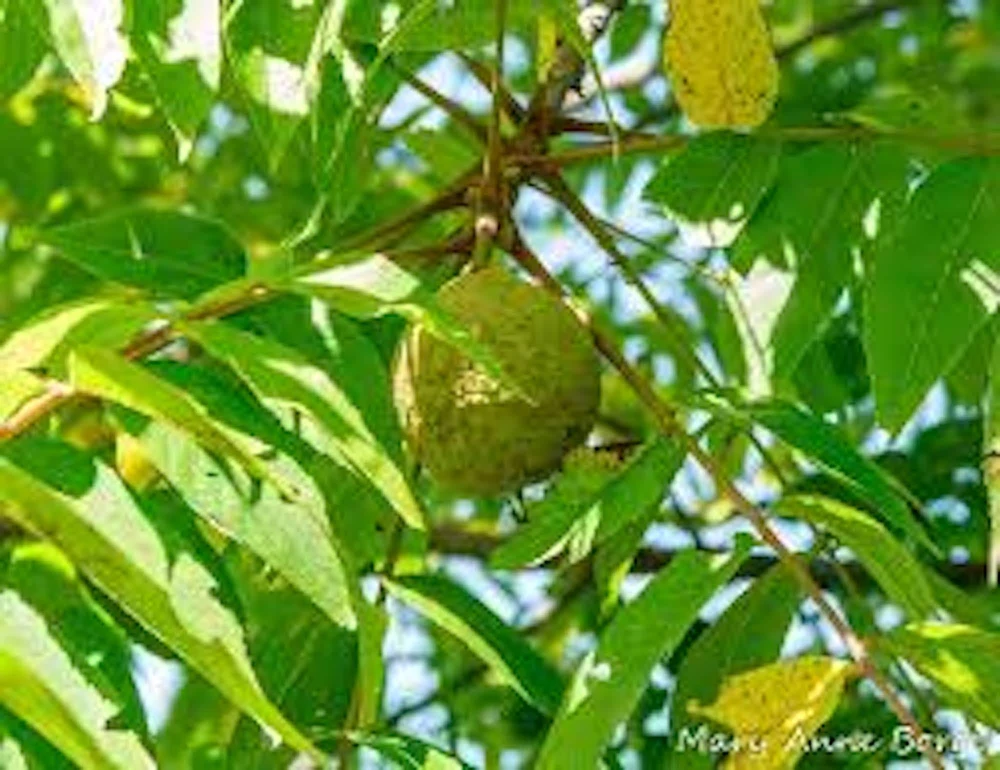
3 Black Walnut Tree Seedlings | Live Plants | 12-24in Tall | Quart Pot | Zones 4-9
Original price was: 101.99 $.76.99 $Current price is: 76.99 $.
Cultivate your landscape with these black walnut tree seedlings. You receive 3 robust juglans nigra live plants, each measuring 12-24 inches tall and grown in a quart pot. Ideal for establishing a long-term tree, these are perfect for zones 4-9, offering both beauty and potential nut production.
Estimated arrival
Oct 17
Oct 22 - Oct 24
Oct 24 - Oct 29
See our Shipping Policy.
Get in touch with us via email, and our team will review your concerns.
Our Alive & Thrive Guarantee covers issues with your plants within the first 30 days. Read our Refund & Returns Policy.
-
USDA Hardiness Zone
4-9 -
Soil Type
Well-drained, moist soil -
Sunlight Exposure
Full sun -
Expected Planting Period
Spring or Fall
Overview
Embark on a rewarding gardening journey with our premium black walnut tree seedlings. This offering includes three healthy juglans nigra live plants, each standing between 12-24 inches tall and nurtured in a convenient quart pot. The Black Walnut (Juglans nigra), also known as the eastern black walnut or american walnut tree, is a majestic and highly valued native North American tree, renowned for its strong, beautiful timber and delicious nuts. These young trees are ready to be planted in your garden or property, providing both ecological benefits and potential future harvests. Black walnut trees are an excellent choice for those looking to add significant, long-term value and natural beauty to their outdoor space, growing into impressive specimens over time.
These seedlings are carefully cultivated to ensure a strong start, preparing them for successful transplantation and growth. With their deep taproots, they establish themselves firmly, contributing to soil stability and providing habitat for local wildlife. The Black Walnut is a self-pollinating species, meaning a single tree can produce nuts, though planting multiple trees can enhance overall yield. Whether you’re a seasoned arborist or a budding gardener, these seedlings offer an exciting opportunity to cultivate a piece of natural heritage.
Key Benefits
Growing a black walnut tree offers a multitude of benefits, from environmental advantages to potential economic value. These trees are not just a beautiful addition to your landscape but also a long-term investment in nature’s bounty and sustainability.
- Valuable Timber: Black walnut is highly prized for its dark, strong, and beautiful wood, making it one of the most valuable timber trees in North America. Planting these seedlings is a long-term investment in future timber resources.
- Edible Nuts: Once mature, the tree produces delicious and nutritious black walnuts, which can be harvested for culinary use, baking, or snacking. These nuts are a rich source of protein and healthy fats.
- Wildlife Support: The nuts provide a vital food source for various wildlife, including squirrels, deer, and birds, contributing to local ecosystem health. The tree’s canopy also offers shade and shelter.
- Shade & Landscape Value: A mature black walnut tree seedlings develops a broad, attractive crown, providing excellent shade during warm months and enhancing the aesthetic appeal of any large garden or property.
- Soil Improvement: Black walnut trees have deep taproots that help improve soil structure and prevent erosion. They also bring up nutrients from deep within the soil, benefiting surrounding vegetation (though some plants are sensitive to juglone).
- Long Lifespan: These trees are known for their longevity, often living for over 100 years, making them a generational asset for your property.
- Carbon Sequestration: Like all trees, black walnuts play a crucial role in absorbing carbon dioxide from the atmosphere, helping to combat climate change.
Plant Care & Growing Tips
Caring for your black walnut tree seedlings is straightforward, especially when planted in the right conditions. These resilient trees thrive with proper attention to their environmental needs, ensuring they grow into robust, productive specimens. To successfully grow black walnut trees, consider their specific requirements for sunlight, soil, and water.
Black walnuts prefer full sun exposure, meaning at least 6 hours of direct sunlight per day. They are native to eastern North America and flourish in well-drained, moist soils. Avoid planting them in shaded areas or overly saturated ground, as this can hinder their growth and overall health. The ideal pH for black walnut is slightly acidic to neutral (6.0-7.0). When planting, dig a hole twice as wide as the root ball and just as deep. Ensure the top of the root ball is level with the ground surface. Backfill with native soil, gently tamping down to remove air pockets, and water thoroughly.
These trees are hardy in USDA Zones 4-9. During their establishment phase, especially the first year, consistent watering is crucial. Keep the soil consistently moist but not waterlogged. Once established, black walnuts are relatively drought-tolerant. Fertilization is generally not required in nutrient-rich soils, but a balanced, slow-release fertilizer can be applied in early spring if soil tests indicate deficiencies. Pruning should focus on removing dead, damaged, or crossing branches, ideally in late winter or early spring before new growth begins. Be aware that black walnuts produce juglone, a natural herbicide that can inhibit the growth of certain sensitive plants nearby, a characteristic important for planning your landscape.
Size & Details
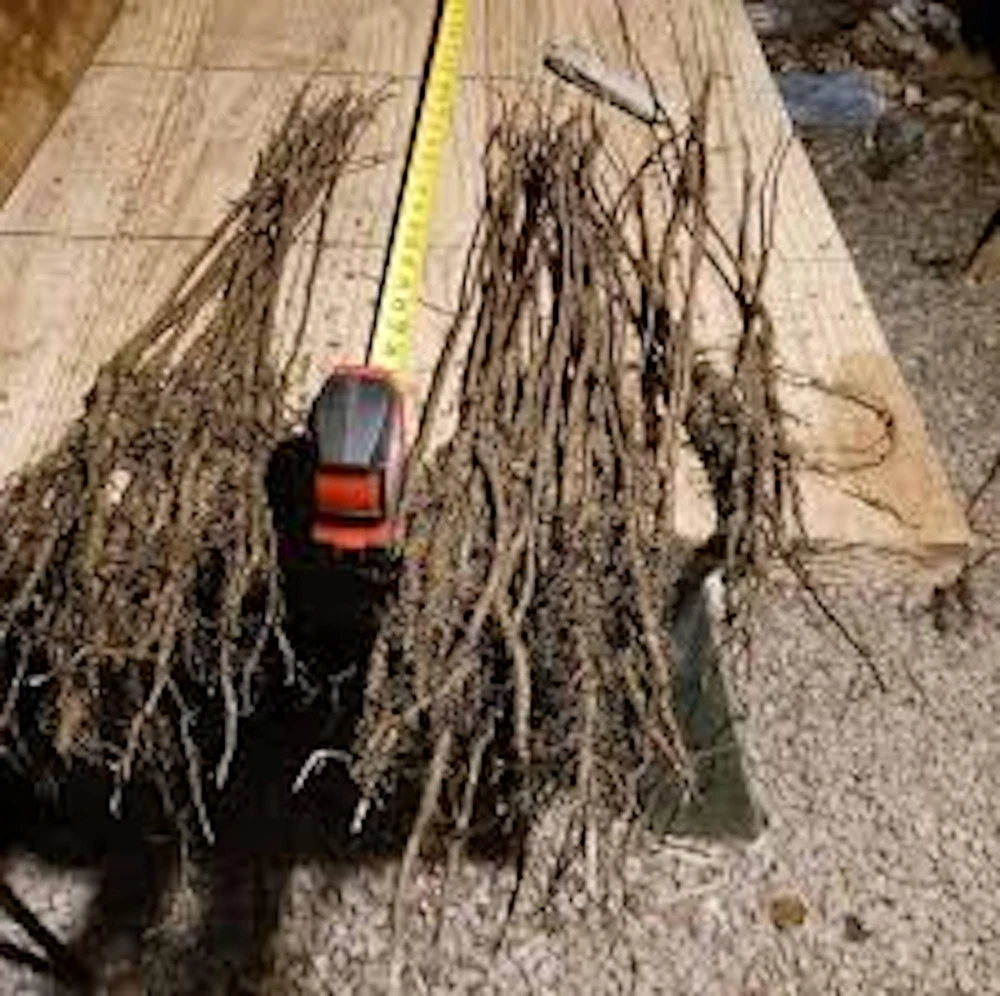
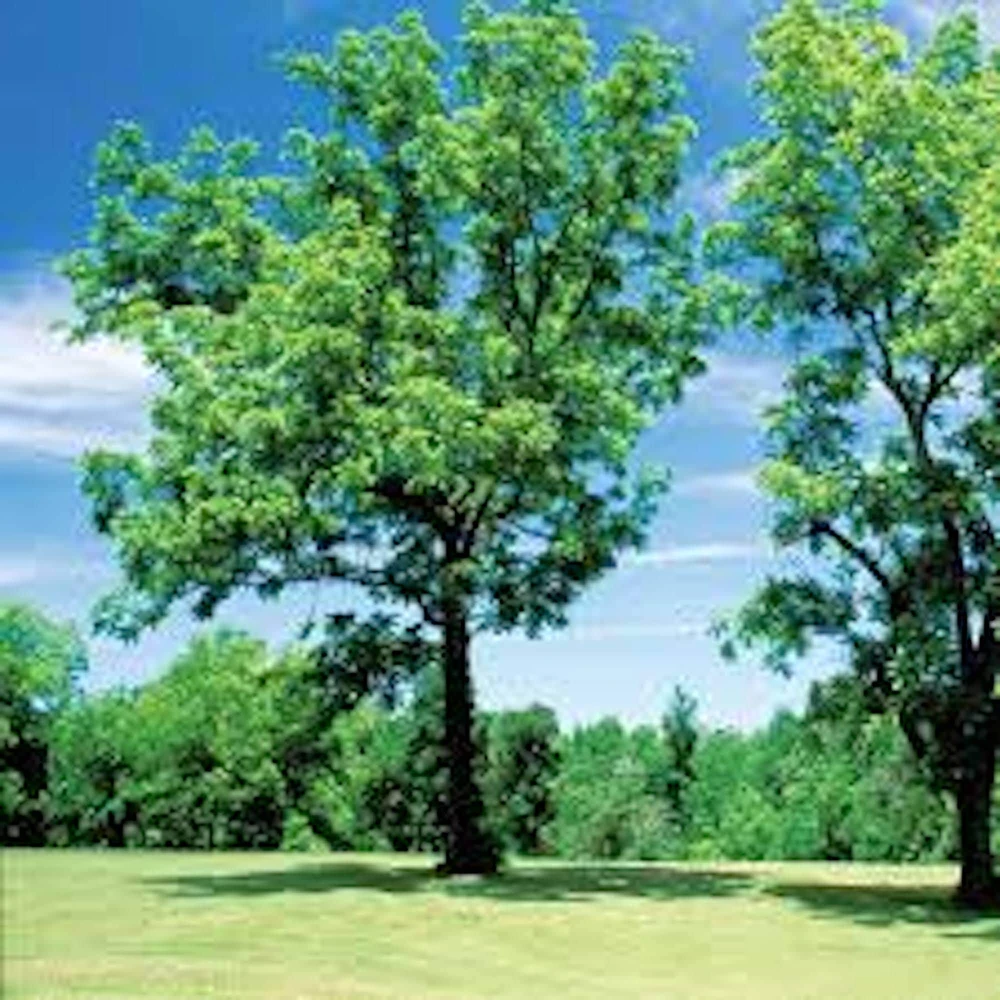
This offering includes three live black walnut tree seedlings. Each seedling stands approximately 12-24 inches tall, measured from the base of the pot to the top of the plant. They are shipped in quart-sized nursery pots, providing a healthy root system for transplanting. While the trees may ship bare root when dormant, they are typically shipped in their pots during the growing season to ensure optimal health upon arrival. The juglans nigra live plants have a moderate to fast growth rate, especially in ideal conditions, and will quickly establish themselves. A mature eastern black walnut typically reaches 70-100 feet in height and nearly as wide, developing an oval or round crown. They are self-pollinating and have a deep taproot system, which helps anchor them securely.
Frequently Asked Questions
- Q: How big will these black walnut tree seedlings get? A: These seedlings are currently 12-24 inches tall. A mature american walnut tree can reach an impressive height of 70-100 feet (21-30 meters) with a similar spread, forming a large, stately tree.
- Q: Is this an indoor or outdoor plant? A: The black walnut tree seedlings are intended for outdoor planting. They are large deciduous trees that require significant space and direct sunlight to thrive and reach their full potential.
- Q: How much sunlight do black walnut trees need? A: Black walnuts prefer full sun, meaning they should receive at least 6 hours of direct sunlight per day. They do not perform well in shaded areas.
- Q: What type of soil is best for growing black walnut tree seedlings? A: These trees thrive in well-drained, moist soils. They are adaptable but prefer loamy soils with a slightly acidic to neutral pH. Good drainage is crucial to prevent root rot.
- Q: When is the best time to plant these seedlings? A: The best time to plant juglans nigra live plants is typically in the spring or fall when temperatures are moderate. This allows the roots to establish before extreme heat or cold.
- Q: Are these black walnut trees self-pollinating? A: Yes, the Black Walnut (Juglans nigra) is self-pollinating, meaning a single tree can produce nuts. However, planting multiple trees can often lead to a higher yield of nuts.
- Q: Will these trees produce nuts? A: Yes, once mature, typically after 10-15 years, your eastern black walnut trees will begin to produce edible black walnuts. Production increases as the tree ages.
- Q: What is the USDA hardiness zone for black walnuts? A: Black walnut trees are hardy in USDA Zones 4-9, making them suitable for a wide range of climates across the United States.
- Q: Are there any plants that cannot grow near a black walnut tree? A: Yes, black walnuts produce a chemical called juglone, which can be toxic to certain plants like tomatoes, blueberries, and apples. Research compatible plants when planning your garden.
- Q: What condition will the seedlings arrive in? A: During the dormant season, trees may ship bare root. During the growing season, they will ship in their quart pots to ensure maximum health and vitality upon arrival.
Be the first to review “3 Black Walnut Tree Seedlings | Live Plants | 12-24in Tall | Quart Pot | Zones 4-9”
Related products


You May Like

Hardneck vs. Softneck Garlic: Which Should You Grow?
Have you ever stood in front of a seed catalog in mid-September, staring at dozens [...]
Oct

When to Plant Music Garlic: Ultimate US Fall Guide
Have you ever spent your fall weekend placing carefully chosen garlic cloves into rich, dark [...]
1 Comment
Oct

5 Best Bulbs for Fall Planting: Brighten Your Garden This Spring
Are you dreaming of a garden full of vibrant colors in the spring? The key [...]
Aug

10 Houseplants That Will Thrive in Your Kitchen
Are you tired of your kitchen feeling dull and lifeless? Want to add a little [...]
1 Comment
Aug
Reviews
There are no reviews yet.