
3 Ostrich Fern Bare Root Fiddlehead Plants – Matteuccia Struthiopteris Perennial Wildflower
Original price was: 67.99 $.42.99 $Current price is: 42.99 $.
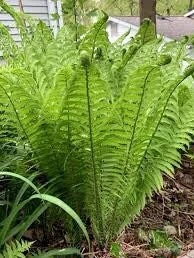
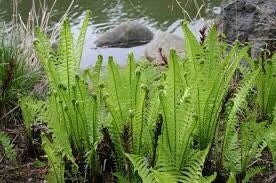
Cultivate a beautiful, lush landscape with these 3 Ostrich Fern bare root plants. Known for their distinctive fiddleheads and vibrant green foliage, these perennial fern varieties are perfect for creating a naturalistic, woodland feel in shady garden areas. Establish a thriving, low-maintenance display that returns year after year.
Estimated arrival
Oct 17
Oct 22 - Oct 24
Oct 24 - Oct 29
See our Shipping Policy.
Get in touch with us via email, and our team will review your concerns.
Our Alive & Thrive Guarantee covers issues with your plants within the first 30 days. Read our Refund & Returns Policy.
-
USDA Hardiness Zone
USDA Zones 2-7 -
Soil Type
Rich, well-draining, high in organic matter -
Sunlight Exposure
Partial to full shade -
Expected Planting Period
Early spring or fall
Overview
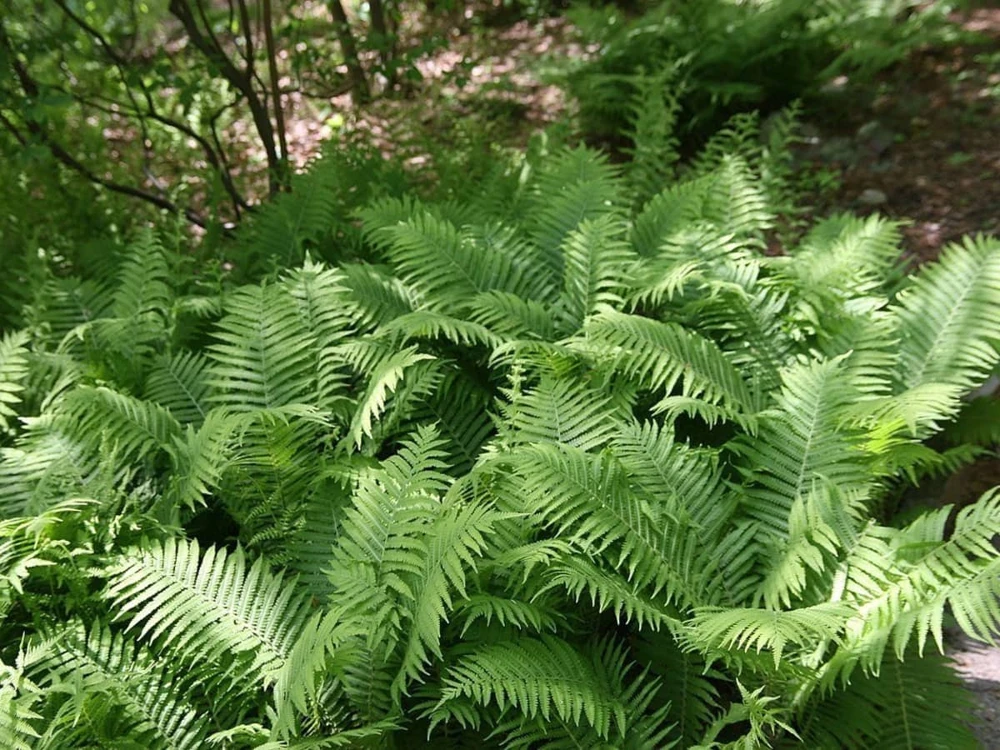
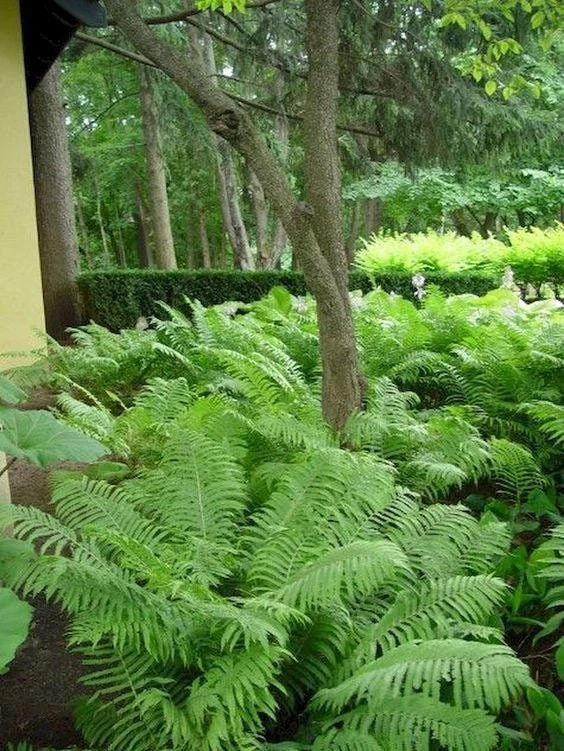
Introduce the captivating beauty of the woodland into your garden with our 3 Ostrich Fern bare root plants. These fascinating perennials, scientifically known as Matteuccia Struthiopteris, are celebrated for their striking, vase-shaped growth habit and the emergence of edible fiddleheads in spring. As a robust and elegant perennial fern, the Ostrich Fern is an ideal choice for naturalizing shaded areas, creating lush borders, or adding texture to woodland gardens. These bare roots are carefully harvested to ensure a healthy start, promising vigorous growth and a stunning display of vibrant green fronds that can reach impressive heights, transforming any dim corner into a verdant oasis.
The Ostrich Fern is a true garden classic, prized for its architectural form and adaptability. Unlike many flowering plants, its allure lies in its magnificent foliage, which provides consistent beauty throughout the growing season. The unique coiled fiddleheads, which give the plant its common name, are a spring delicacy and a visual delight. Planting these bare roots offers a cost-effective and efficient way to establish a thriving fern colony, ensuring your garden benefits from their enduring charm and easy-care nature for years to come.
Key Benefits
The Ostrich Fern bare root offers numerous advantages for any garden enthusiast looking to add structure, texture, and natural beauty to their landscape. Its robust nature and distinctive appearance make it a standout choice:
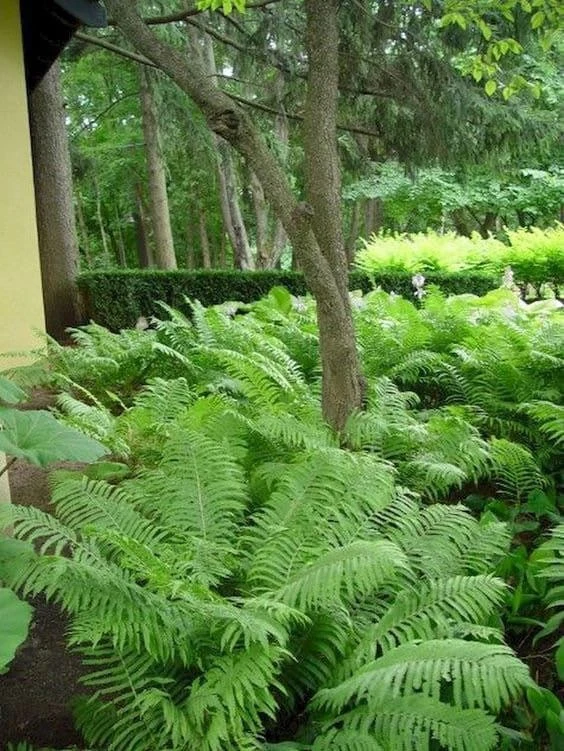
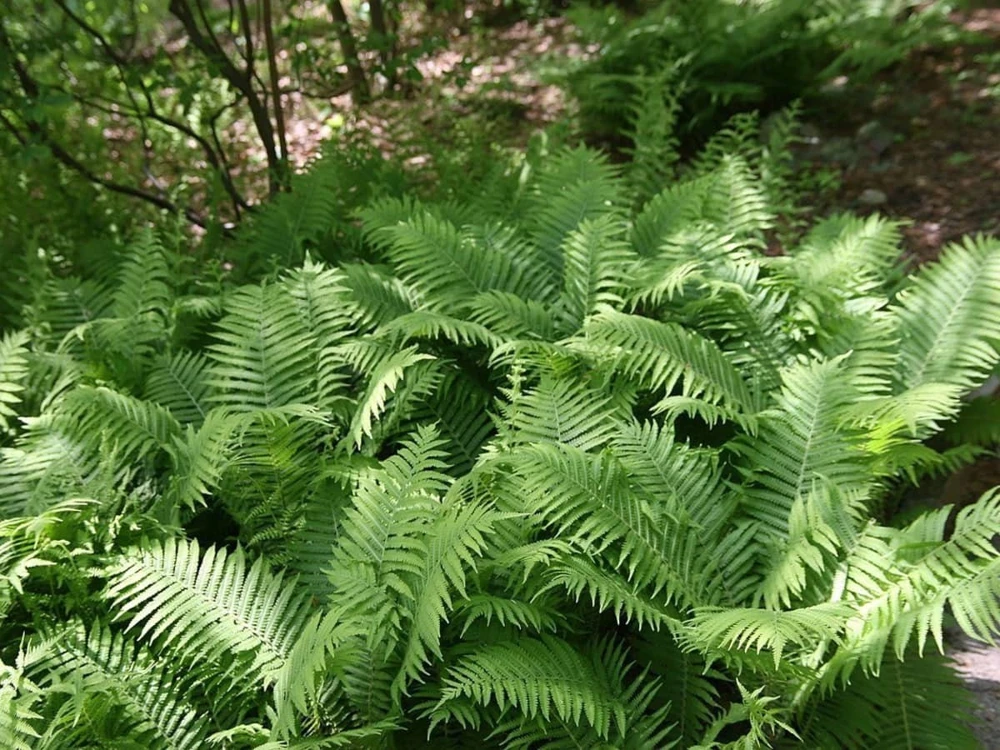
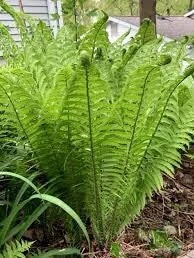
- Stunning Foliage: The Ostrich Fern produces tall, elegant fronds that form a graceful, vase-like shape, adding dramatic vertical interest and lush green color to shady garden areas. Its vibrant green hue provides a refreshing contrast to other garden elements.
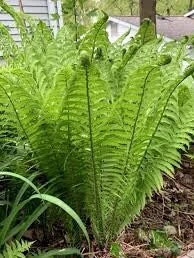
- Unique Fiddleheads: In early spring, these ferns produce edible fiddleheads, which are a culinary treat. Beyond their taste, their tightly coiled form adds a unique textural and visual element to the awakening spring garden, making them a point of interest.
- Exceptional Hardiness: As a resilient perennial fern, the Ostrich Fern is incredibly cold-hardy, thriving in a wide range of USDA zones. It reliably returns year after year, providing consistent beauty with minimal effort, making it a sustainable choice for your landscape.
- Shade Tolerance: Perfectly suited for those challenging shaded spots where other plants struggle, the Ostrich Fern flourishes in partial to full shade, brightening up dimly lit areas and creating a serene, woodland atmosphere.
- Low Maintenance: Once established, this Matteuccia Struthiopteris plant requires very little care. It’s relatively pest and disease resistant and doesn’t demand constant attention, making it an excellent option for busy gardeners or those new to fern cultivation.
- Naturalizing Qualities: The Ostrich Fern spreads gently by rhizomes, forming colonies over time. This makes it an excellent choice for naturalizing large areas, creating dense groundcover, or establishing a beautiful shade garden plants display.
- Deer Resistant: Generally, deer tend to avoid Ostrich Ferns, offering a reliable option for gardens in areas prone to wildlife browsing, ensuring your beautiful foliage remains intact.
Plant Care & Growing Tips
Caring for your Ostrich Fern bare root plants is straightforward, making them a rewarding addition to any garden. These ferns thrive in conditions that mimic their natural woodland habitat. For optimal growth, ensure they receive adequate moisture and protection from harsh sunlight. When planting, dig a hole large enough to accommodate the bare root spread, ensuring the crown is just at soil level. Gently backfill with soil, firming it around the roots, and water thoroughly to settle the soil and eliminate air pockets. Initial watering is crucial for establishment.
Sunlight Requirements: Ostrich Ferns prefer partial to full shade. While they can tolerate a few hours of morning sun, direct afternoon sun can scorch their fronds, especially in warmer climates. Ideal locations include under deciduous trees, on the north side of buildings, or in consistently shaded garden beds. Providing consistent shade will help maintain their lush green color and prevent stress.
Watering Schedule and Soil Moisture: These ferns love consistently moist soil. Water regularly, especially during dry spells and in their first growing season. The soil should never be allowed to dry out completely. However, ensure good drainage to prevent waterlogging, which can lead to root rot. A layer of mulch can help retain soil moisture and keep the roots cool.
Soil Type and Drainage: The Ostrich Fern thrives in rich, well-draining soil that is high in organic matter. Amend heavy clay soils with compost or peat moss to improve drainage and fertility. A slightly acidic to neutral pH (6.0-7.0) is ideal for this perennial fern. Good drainage is paramount to prevent disease and promote healthy root development.
Temperature Range and USDA Hardiness Zone: Ostrich Ferns are incredibly hardy, suitable for USDA Zones 2-7. They are well-adapted to cold winters and temperate summers. They perform best in cooler climates and may struggle in regions with prolonged heat and humidity. Protection from harsh winter winds can also be beneficial in the coldest zones.
Fertilization: Generally, Ostrich Ferns are not heavy feeders. If planted in rich, organic soil, they may not require additional fertilization. If your soil is poor, a light application of a balanced, slow-release granular fertilizer in early spring can be beneficial. Avoid over-fertilizing, as this can lead to leggy growth and potential burn. Understanding fiddlehead fern care is essential for robust growth.
Common Problems and Solutions: Ostrich Ferns are relatively pest and disease resistant. The most common issues arise from improper watering or sun exposure. Yellowing fronds can indicate too much sun or insufficient water, while wilting might suggest too little water or poor drainage. Ensure proper site selection and consistent moisture for a healthy Matteuccia Struthiopteris plant.
Size & Details
Each order provides 3 Ostrich Fern bare root plants, ready for transplanting into your garden. These bare roots are mature enough to establish quickly, and while they arrive without foliage to facilitate healthy shipping, they are primed for vigorous growth. The absence of foliage at shipment allows the plant to focus its energy on root development, leading to a stronger, more resilient plant once established. In optimal conditions, mature Ostrich Ferns can reach impressive heights of 3 to 6 feet, with a spread of 2 to 3 feet, creating a significant presence in your shade garden plants. The fronds emerge in spring, with the distinctive fiddleheads appearing first, followed by the lush green foliage. These ferns have a moderate to fast growth rate, quickly filling in their allotted space and providing a beautiful, long-lasting display. You can expect to see significant growth and the emergence of fiddleheads in the first season after planting, with the plant reaching its full mature size within a few years.
Frequently Asked Questions
- Q: How big does this plant get? A: The Ostrich Fern bare root can grow quite large, typically reaching heights of 3 to 6 feet tall with a spread of 2 to 3 feet once mature. Its elegant, vase-shaped fronds create a significant presence in the garden.
- Q: Is this an indoor or outdoor plant? A: The Ostrich Fern is primarily an outdoor plant, thriving in shaded garden environments. It is a hardy perennial well-suited for temperate climates and is not typically grown as an indoor houseplant.
- Q: How much sunlight does it need? A: This perennial fern prefers partial to full shade. It should be protected from direct afternoon sun, which can scorch its fronds. Morning sun is generally tolerated, especially in cooler regions.
- Q: Is this plant easy to care for? A: Yes, Ostrich Ferns are considered low-maintenance once established. They require consistently moist soil and shade but are otherwise quite resilient and resistant to most pests and diseases, making fiddlehead fern care relatively simple.
- Q: What condition will it arrive in? A: You will receive 3 Ostrich Fern bare root plants. They are shipped without foliage, as this allows the plant to conserve energy for root development and ensures a healthier transplant. New growth will emerge after planting.
- Q: When is the best time to plant Ostrich Fern bare roots? A: The ideal time to plant Ostrich Fern bare roots is in early spring or fall. This allows the roots to establish before the stress of summer heat or deep winter cold.
- Q: Will it survive winter in my zone? A: Yes, the Matteuccia Struthiopteris plant is very cold-hardy, thriving in USDA Zones 2-7. It will die back to the ground in winter and re-emerge vigorously in spring.
- Q: Can I really eat the fiddleheads? A: Yes, the fiddleheads of the Ostrich Fern are edible and considered a delicacy. They should be harvested when tightly coiled and cooked thoroughly before consumption. Proper fiddlehead fern care includes knowing when and how to harvest.
- Q: How quickly will my Ostrich Fern grow? A: Ostrich Ferns have a moderate to fast growth rate. You can expect to see new fronds emerging in the first spring after planting, with the plant reaching a significant size within a few years if conditions are favorable for these shade garden plants.
- Q: What kind of soil is best for Ostrich Ferns? A: They prefer rich, well-draining soil that is high in organic matter. Amending with compost or peat moss is beneficial for optimal growth of your Matteuccia Struthiopteris plant.
Be the first to review “3 Ostrich Fern Bare Root Fiddlehead Plants – Matteuccia Struthiopteris Perennial Wildflower”
Related products


You May Like

Hardneck vs. Softneck Garlic: Which Should You Grow?
Have you ever stood in front of a seed catalog in mid-September, staring at dozens [...]
Oct

When to Plant Music Garlic: Ultimate US Fall Guide
Have you ever spent your fall weekend placing carefully chosen garlic cloves into rich, dark [...]
1 Comment
Oct

5 Best Bulbs for Fall Planting: Brighten Your Garden This Spring
Are you dreaming of a garden full of vibrant colors in the spring? The key [...]
Aug

10 Houseplants That Will Thrive in Your Kitchen
Are you tired of your kitchen feeling dull and lifeless? Want to add a little [...]
1 Comment
Aug
Reviews
There are no reviews yet.