
5 American Plum Tree Live Plants – 12-24″ Tall Starter Plants (Quart Pot) Outdoor
Original price was: 129.99 $.104.99 $Current price is: 104.99 $.
Cultivate American Plum Tree live plants, known for their versatility and ecological benefits. These 12-24 inch tall starter plants (Prunus americana) thrive in USDA Zones 3-8, providing showy spring flowers and valuable fruit for wildlife. Perfect for creating a native landscape.
Estimated arrival
Oct 16
Oct 21 - Oct 23
Oct 23 - Oct 28
See our Shipping Policy.
Get in touch with us via email, and our team will review your concerns.
Our Alive & Thrive Guarantee covers issues with your plants within the first 30 days. Read our Refund & Returns Policy.
-
USDA Hardiness Zone
USDA Hardiness Zones 3 to 8 -
Soil Type
Well-draining soil -
Sunlight Exposure
Full sun -
Expected Planting Period
Spring or Fall
Overview
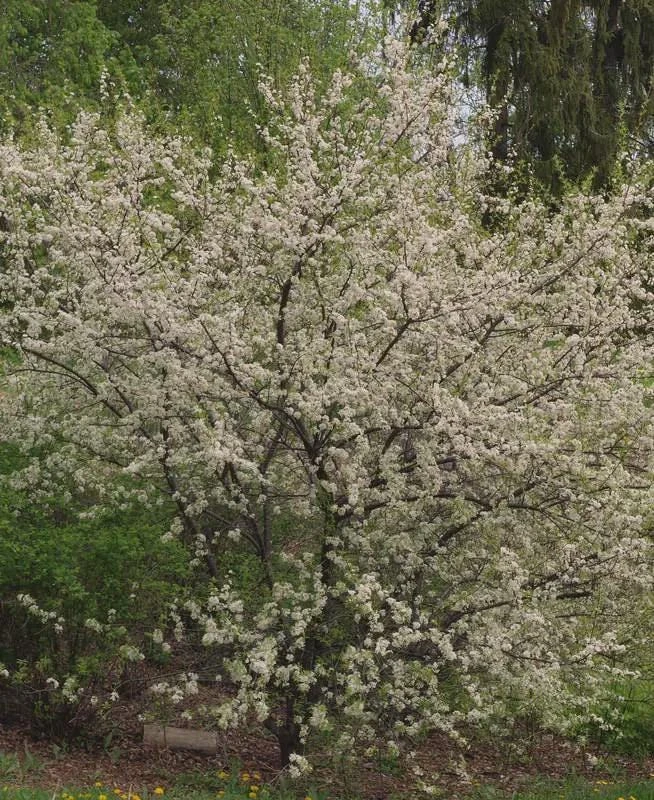
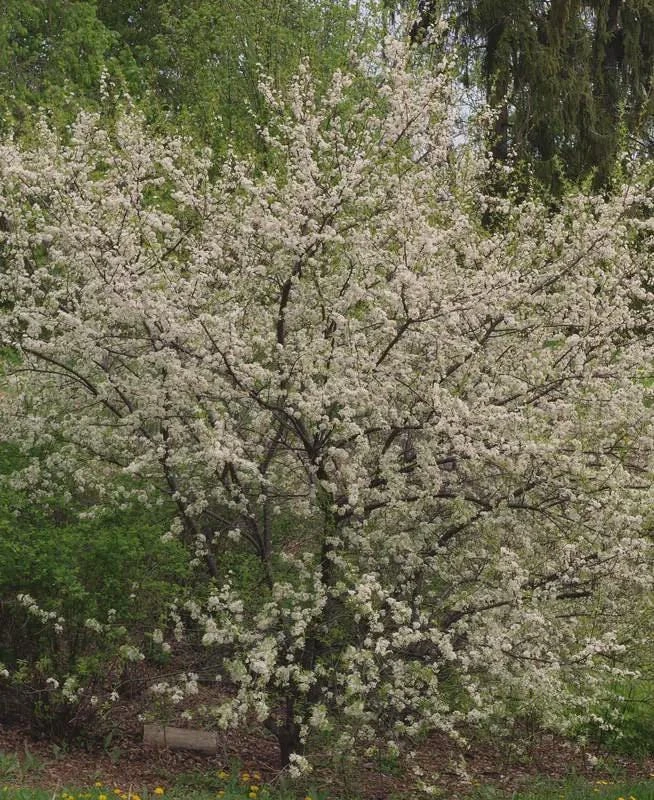
Bring the beauty and ecological value of the American Plum Tree to your landscape with this set of 5 starter plants. Scientifically known as Prunus americana, this versatile native North American species is a small tree or large shrub that offers a multitude of benefits. Renowned for its showy white flowers in spring, delicious fruit, and significant value to local wildlife, the American Plum Tree is a fantastic addition to any garden or naturalized area. These starter plants, typically 12-24 inches tall, are ready to establish and grow into magnificent specimens, providing year-round interest and ecological support.
The Prunus americana is a tough and adaptable plant, widely distributed throughout the eastern and central US, making it a reliable choice for various climates. It can be cultivated as a single-trunk tree or allowed to form a multi-stemmed, thicket-forming shrub, offering flexibility in your planting design. Its robust nature and attractive features make it a popular choice for gardeners seeking a low-maintenance yet rewarding native plum tree.
Key Benefits
Choosing the American Plum Tree for your garden comes with numerous advantages, enhancing both the aesthetics and biodiversity of your space. These benefits make it an excellent investment for sustainable landscaping:
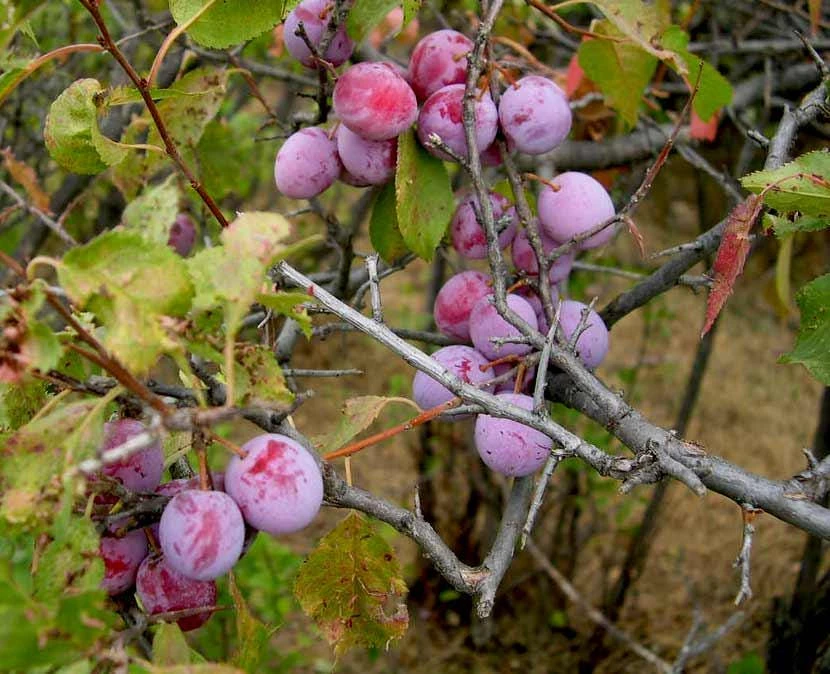
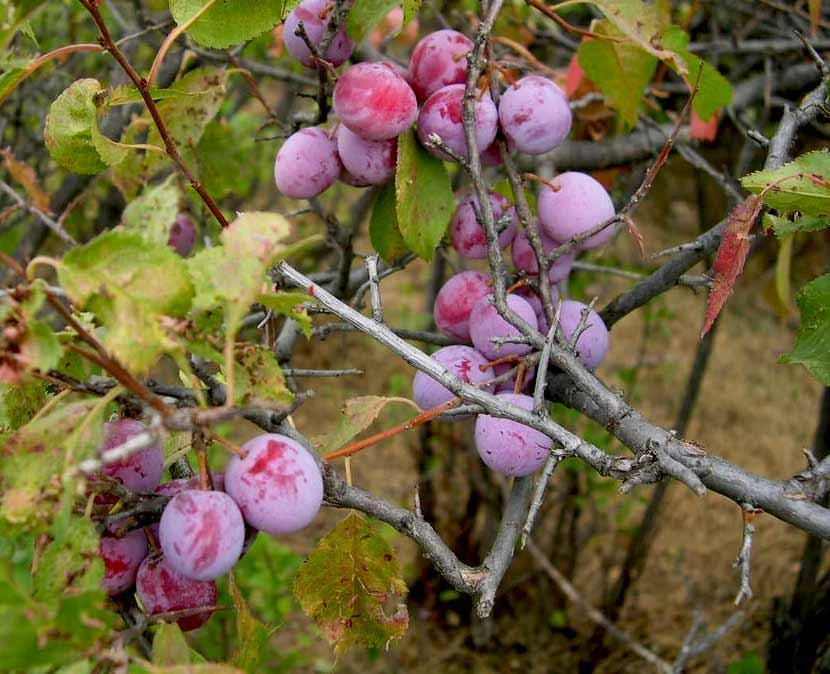
- Ecological Impact: This native plum tree is an invaluable resource for wildlife, providing nectar for pollinators with its showy spring flowers and food for birds and mammals with its fruit. Planting an American Plum Tree supports local ecosystems.
- Edible Fruit Production: Enjoy delicious, tart plums perfect for fresh eating, jams, jellies, and preserves. The fruit ripens in late summer, offering a seasonal treat from your own backyard.
- Adaptability & Hardiness: Thriving in USDA Hardiness Zones 3 to 8, Prunus americana is incredibly cold hardy fruit tree and tolerant of a wide range of soil conditions and environmental stressors, making it suitable for many regions.
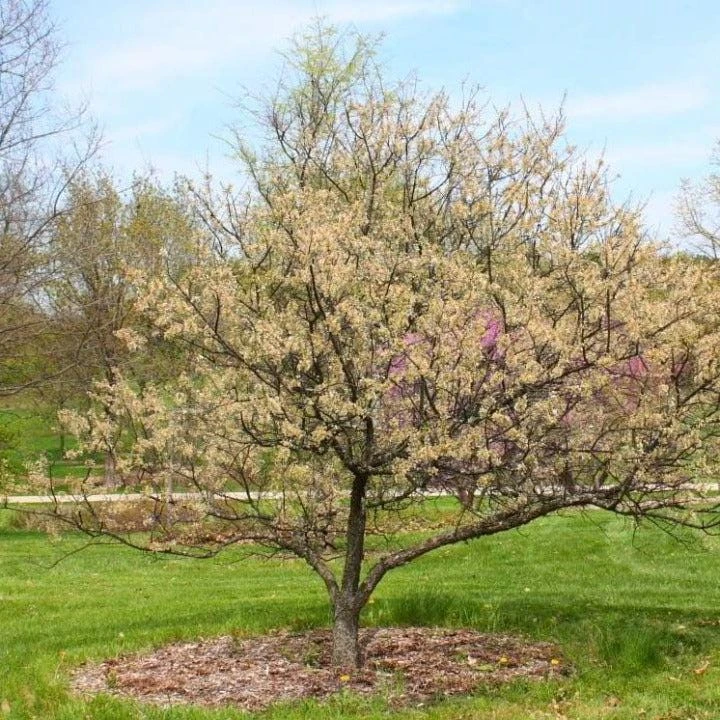
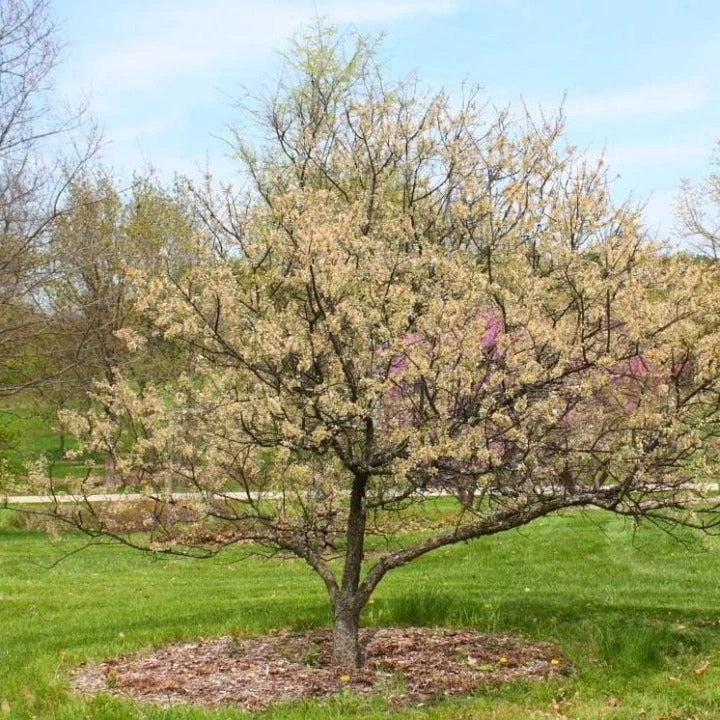
- Attractive Ornamental Features: Beyond its fruit, the American Plum offers beautiful white flowers in spring, creating a stunning visual display. Its spreading crown provides ample shade and an attractive form.
- Versatile Growth Habit: Whether you prefer a single-trunk tree or a multi-stemmed, thicket-forming shrub for privacy or erosion control, this plant adapts to your desired form.
- Low Maintenance: Once established, this native plum tree requires minimal care, making it an ideal choice for busy gardeners or those looking for a hands-off approach.
- Drought Tolerance: Its tough nature means it can withstand periods of drought, contributing to its reputation as a resilient and reliable landscape plant.
Plant Care & Growing Tips
Caring for your American Plum Tree is relatively straightforward, thanks to its adaptable nature. These starter plants will establish quickly with proper initial care. For optimal growth and fruit production, understanding its basic needs is crucial. This tough Prunus americana can be a long-lived and productive addition to your property.
Sunlight and Location: The American Plum Tree thrives in full sun, meaning it requires at least 6-8 hours of direct sunlight per day. While it can tolerate partial shade, fruit production may be reduced. Choose a location with good air circulation to minimize disease risk. It is found naturally in woodlands and along roadsides, indicating its preference for open, sunny spots.
Soil and Watering: This tree is adaptable to a variety of soil types, including sandy, loamy, and clay soils, as long as they are well-draining. It prefers a slightly acidic to neutral pH. Water regularly during the first year after planting to help establish a strong root system, especially during dry spells. Once established, it is fairly drought-tolerant but will benefit from occasional deep watering during prolonged dry periods. Ensure the soil does not remain waterlogged, as this can lead to root rot.
Temperature and Hardiness: The American Plum Tree is remarkably cold hardy fruit tree, performing well in USDA Hardiness Zones 3 to 8. This wide range makes it suitable for a large portion of the United States. It is tolerant of both cold winters and hot summers. Minimal protection is needed for mature trees, but young starter plants can benefit from mulching around the base to insulate roots during extreme cold.
Fertilization and Pruning: Fertilize young trees in early spring with a balanced, slow-release fertilizer designed for fruit trees. Mature trees generally do not require heavy fertilization unless soil tests indicate a deficiency. Pruning should be done in late winter or early spring while the tree is dormant. Focus on removing dead, damaged, or crossing branches, and thin out overcrowded areas to improve air circulation and sunlight penetration, which can enhance fruit quality. This also helps maintain the desired shape, whether as a single-trunk tree or a thicket-forming shrub.
Size & Details
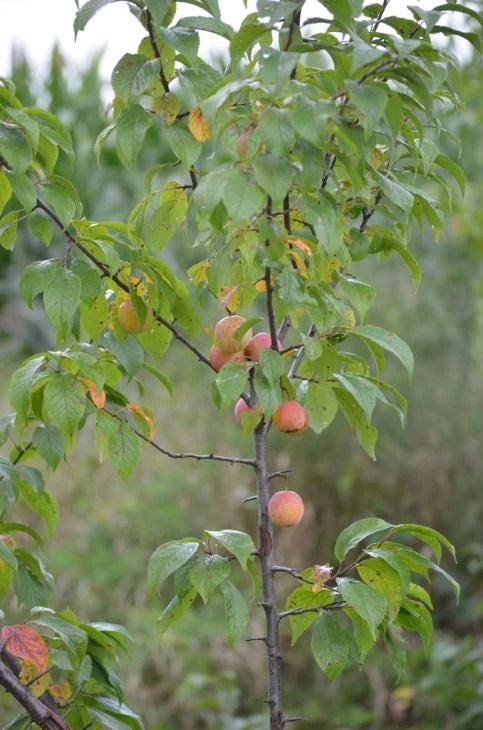
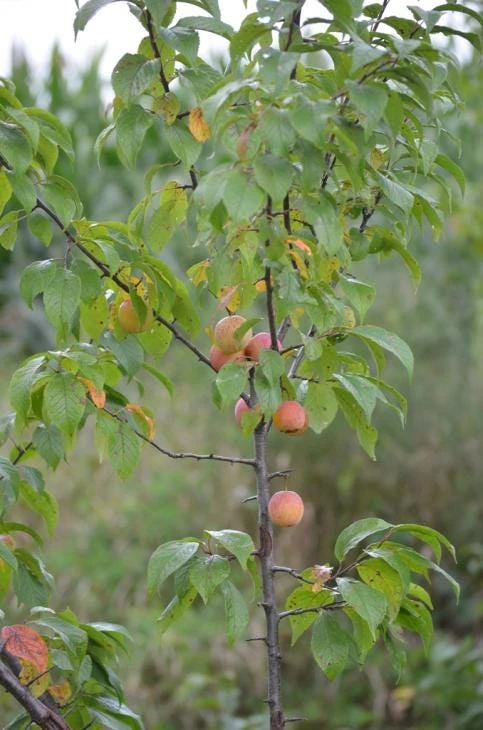
This offering includes five American Plum Tree starter plants, each typically measuring 12-24 inches in height at the time of shipment. These young trees are grown in quart pots, providing a healthy root ball ready for transplanting into your garden. The Prunus americana can reach a mature height of 15 to 25 feet with an equally broad, spreading crown, offering significant shade and presence in the landscape. Its growth rate is moderate, allowing you to enjoy its benefits within a few years.
The trees are shipped as live plants, carefully packaged to ensure their safe arrival. Expect them to establish quickly in suitable conditions. The fruit, which develops from the beautiful spring flowers, typically ripens from July to September, depending on your climate zone. These plants are ideal for creating a naturalized area, a hedge, or as individual specimen trees. They are a valuable addition for anyone looking to incorporate a wildlife friendly tree into their property.
Frequently Asked Questions
- Q: How big do these American Plum Tree starter plants get? A: These starter plants are 12-24 inches tall upon arrival. Mature American Plum Trees typically grow 15 to 25 feet tall with an equally broad, spreading crown.
- Q: Is this an indoor or outdoor plant? A: The American Plum Tree (Prunus americana) is an outdoor plant, best suited for planting in gardens, pastures, or along roadsides. It is not suitable for indoor cultivation.
- Q: How much sunlight does the American Plum Tree need? A: For optimal growth and fruit production, the American Plum Tree requires full sun, meaning at least 6-8 hours of direct sunlight per day.
- Q: What condition will the plants arrive in? A: The plants are shipped as live, healthy starter plants in quart pots, carefully packaged to ensure they arrive in good condition, ready for planting.
- Q: Can I eat the fruit from the American Plum Tree? A: Yes, the fruit of the native plum tree is edible and commonly used for fresh eating, jams, jellies, and preserves. It has a tart, sweet flavor.
- Q: When is the best time to plant these American Plum Trees? A: The best time to plant these starter trees is typically in spring or fall, allowing them to establish their root systems before extreme temperatures.
- Q: Will the American Plum Tree survive winter in my zone? A: Yes, the American Plum Tree is a very cold hardy fruit tree, thriving in USDA Hardiness Zones 3 to 8, making it suitable for a wide range of winter climates.
- Q: Is this tree suitable for attracting wildlife? A: Absolutely! The American Plum Tree is known as a wildlife friendly tree, providing nectar for pollinators with its flowers and fruit for birds and mammals, making it excellent for biodiversity.
- Q: What kind of soil does this tree prefer? A: It is adaptable to various soil types, including sandy, loamy, and clay, as long as the soil is well-draining. It prefers a slightly acidic to neutral pH.
- Q: Do these trees have thorns? A: Yes, the branches of the Prunus americana often have sharp, thorny spines, which is a natural characteristic of the species.
Be the first to review “5 American Plum Tree Live Plants – 12-24″ Tall Starter Plants (Quart Pot) Outdoor”
Related products


You May Like

Hardneck vs. Softneck Garlic: Which Should You Grow?
Have you ever stood in front of a seed catalog in mid-September, staring at dozens [...]
Oct

When to Plant Music Garlic: Ultimate US Fall Guide
Have you ever spent your fall weekend placing carefully chosen garlic cloves into rich, dark [...]
1 Comment
Oct

5 Best Bulbs for Fall Planting: Brighten Your Garden This Spring
Are you dreaming of a garden full of vibrant colors in the spring? The key [...]
Aug

10 Houseplants That Will Thrive in Your Kitchen
Are you tired of your kitchen feeling dull and lifeless? Want to add a little [...]
1 Comment
Aug
Reviews
There are no reviews yet.