
10 Butterfly Weed Bare Root Plants – Asclepias Tuberosa Milkweed for Pollinators
Original price was: 120.99 $.95.99 $Current price is: 95.99 $.
Attract monarch butterflies and other pollinators with this pack of 10 Butterfly Weed bare root plants. Also known as Asclepias Tuberosa or Milkweed plant, these native wildflowers are easy to grow and vital for local ecosystems. Perfect for creating a vibrant, wildlife-friendly garden.
Estimated arrival
Oct 17
Oct 22 - Oct 24
Oct 24 - Oct 29
See our Shipping Policy.
Get in touch with us via email, and our team will review your concerns.
Our Alive & Thrive Guarantee covers issues with your plants within the first 30 days. Read our Refund & Returns Policy.
-
USDA Hardiness Zone
USDA zones 3-9 -
Soil Type
Well-draining, sandy or gravelly soil -
Sunlight Exposure
Full sun (6-8+ hours daily) -
Expected Planting Period
Spring to early fall
Overview
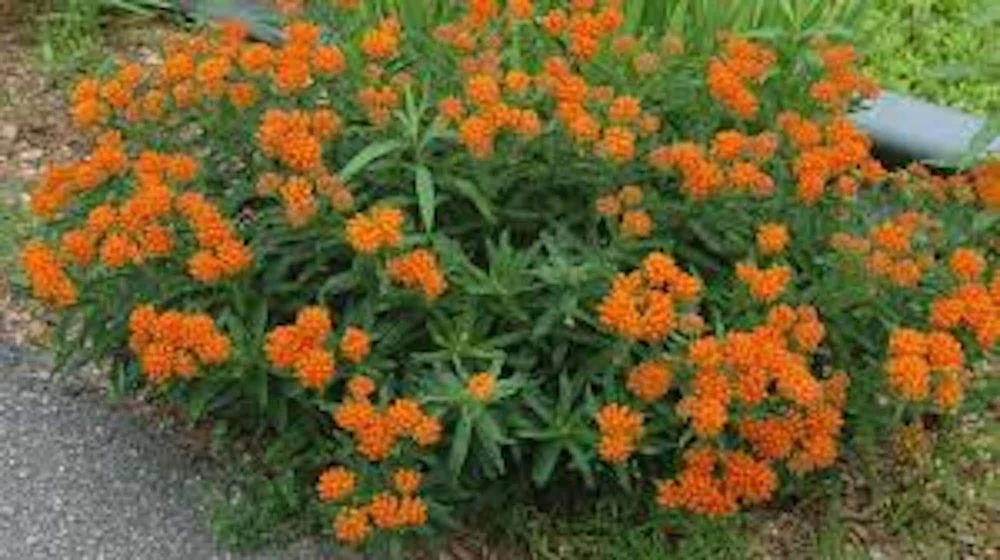
Welcome a vibrant array of pollinators to your garden with our 10 Butterfly Weed bare root plants. This offering provides ten healthy, ready-to-plant bare roots of Asclepias Tuberosa, commonly known as Butterfly Weed or Milkweed plant. As a crucial host plant for monarch butterfly caterpillars and a nectar source for many other pollinators, this native wildflower is an essential addition to any eco-conscious landscape. These organically grown roots are harvested per order to ensure maximum freshness and viability upon arrival, making them ideal for establishing a thriving, low-maintenance garden that supports local wildlife. Each order includes comprehensive planting instructions to guide you in creating the perfect environment for these beautiful and beneficial plants, ensuring your butterfly weed bare root plants flourish.
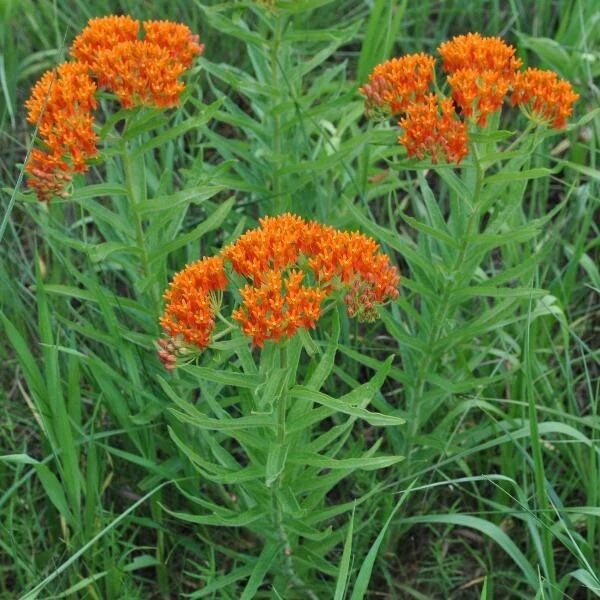
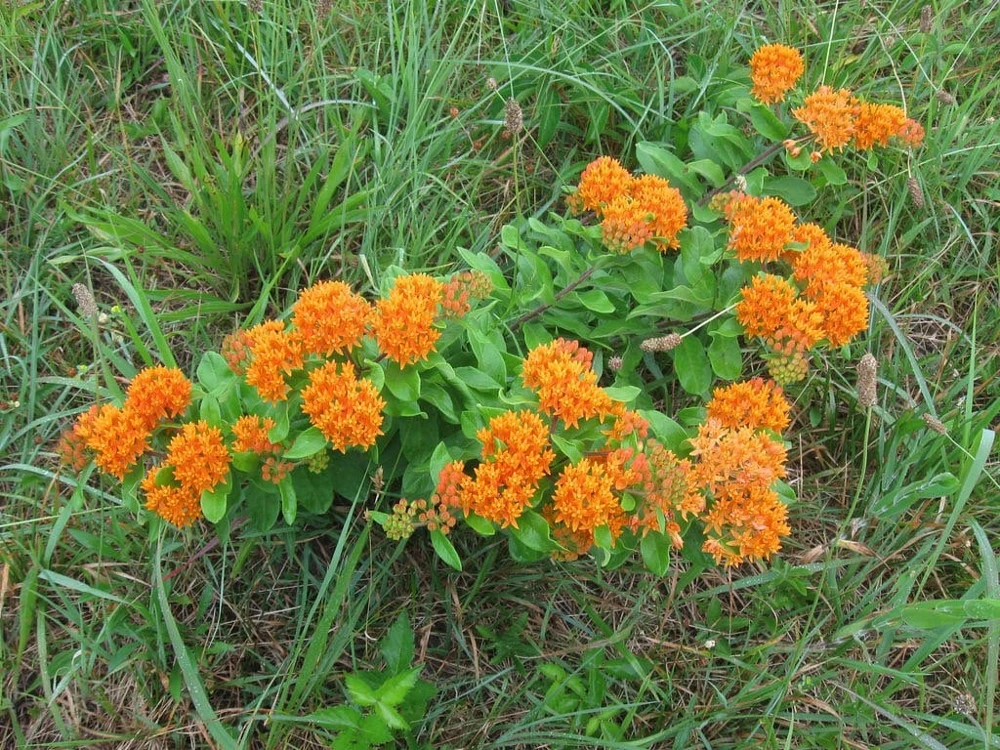
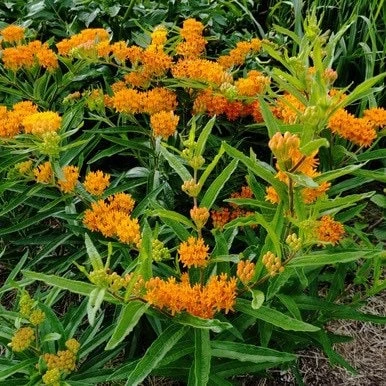
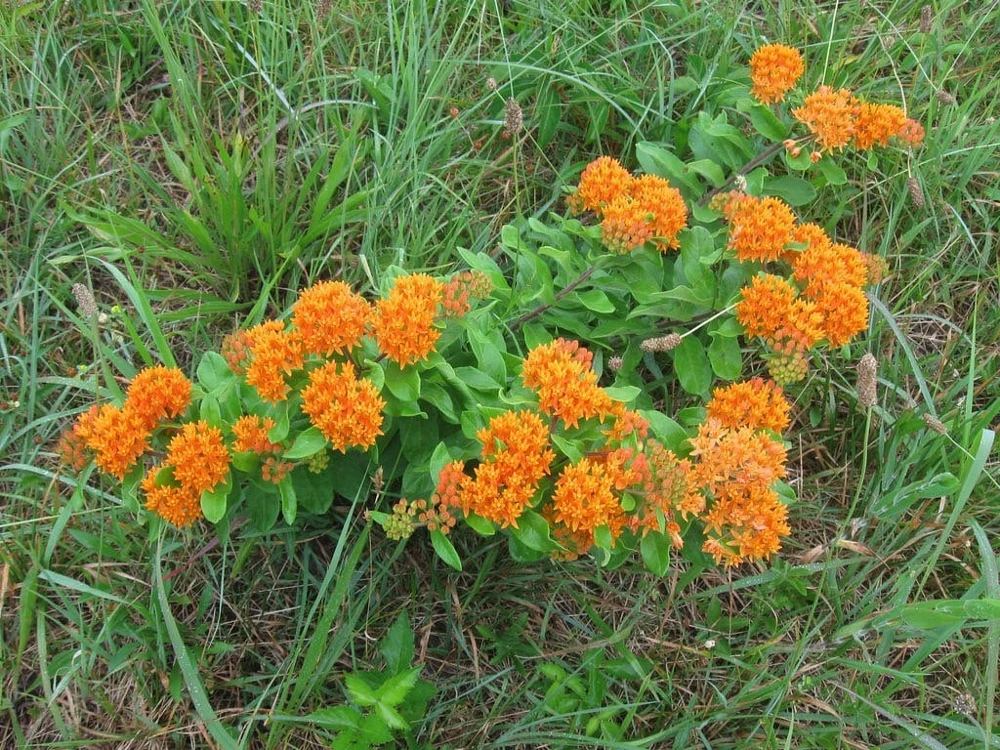
Asclepias Tuberosa is celebrated for its brilliant orange flowers that bloom from early summer to fall, providing a continuous food source for butterflies. Unlike some other milkweed varieties, Butterfly Weed does not have milky sap, making it uniquely appealing. Its deep taproot makes it drought-tolerant once established and allows it to return year after year, offering reliable beauty and ecological benefits. Whether you’re starting a new pollinator garden or enhancing an existing one, these bare roots offer an economical and effective way to introduce this vital native wildflower into your outdoor space, contributing to biodiversity and natural beauty.
Key Benefits
Planting butterfly weed bare root plants offers numerous advantages for both your garden and the environment. These plants are not only visually stunning but also play a critical role in supporting local ecosystems.
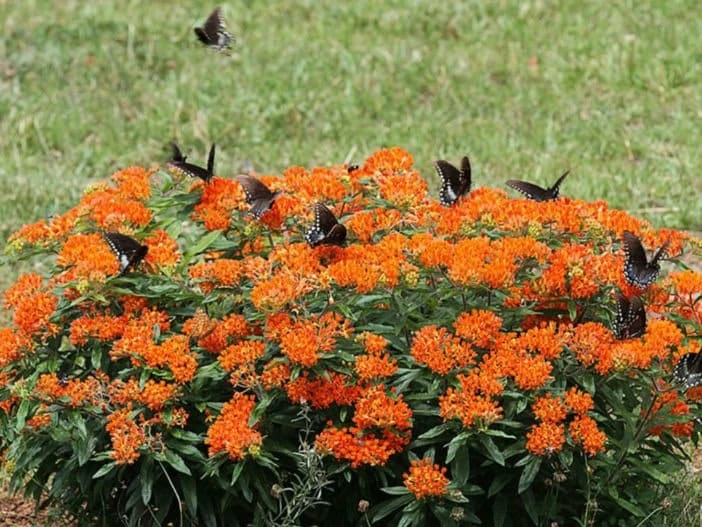
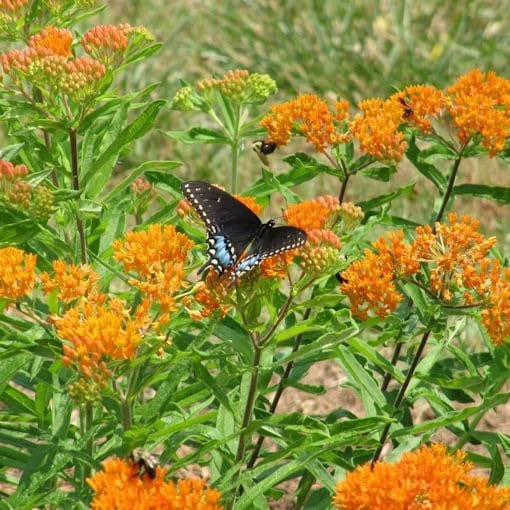
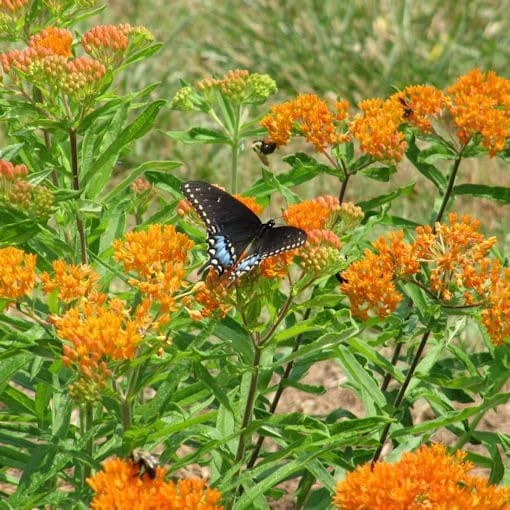
- Pollinator Magnet: The bright orange flowers of Asclepias Tuberosa are highly attractive to a wide variety of pollinators, including monarch butterflies, other butterfly species, bees, and hummingbirds, making your garden a lively hub of activity.
- Monarch Host Plant: These plants are the sole food source for monarch butterfly caterpillars, directly contributing to the conservation of this iconic species by providing essential habitat and sustenance.
- Drought Tolerant: Once established, Butterfly Weed develops a deep taproot, making it highly resistant to drought conditions and requiring minimal watering, which is perfect for water-wise gardening.
- Low Maintenance: This hardy native wildflower thrives in a variety of conditions and requires very little care once planted, making it an excellent choice for busy gardeners or those new to gardening.
- Long Blooming Season: Enjoy a prolonged display of vibrant orange blooms from early summer through fall, providing continuous color and nectar for pollinators over several months.
- Deer Resistant: Butterfly Weed is generally unpalatable to deer, offering a natural solution for gardeners in areas prone to deer browsing.
- Ecologically Beneficial: By planting this milkweed plant, you are actively supporting local biodiversity and contributing to the health of your regional ecosystem. The historical name pleurisy root also highlights its traditional medicinal uses, adding to its rich heritage.
Plant Care & Growing Tips
Successfully growing your 10 Butterfly Weed bare root plants is straightforward with the right approach. These resilient plants prefer full sun, meaning they need at least 6-8 hours of direct sunlight per day to thrive and produce abundant blooms. Choose a location in your garden that receives ample sun exposure. For optimal growth, ensure the soil is well-draining. Butterfly Weed does not tolerate soggy conditions, so sandy or gravelly soils are ideal. If your soil is heavy clay, consider amending it with sand or compost to improve drainage.
When planting your Asclepias Tuberosa bare roots, dig a hole large enough to accommodate the roots without bending them. Place the root with the crown (where the stem meets the root) at soil level, then backfill with soil and gently firm it around the roots. Water thoroughly after planting to settle the soil. During the first growing season, keep the soil consistently moist but not waterlogged to help the plant establish its root system. Once established, the milkweed plant is very drought-tolerant and will only need occasional watering during prolonged dry spells. Fertilization is generally not necessary, as these native wildflowers are adapted to poorer soils.
Butterfly Weed is hardy in USDA zones 3-9, making it suitable for a wide range of climates. It’s best to plant in spring after the last frost or in early fall. Deadheading spent flowers can encourage more blooms and prevent self-seeding if desired. While generally pest-resistant, keep an eye out for aphids, which can be easily managed with a strong spray of water or insecticidal soap. Providing the right conditions will ensure your native wildflower thrives and becomes a cherished part of your garden for years to come. The deep roots of pleurisy root plants are quite robust, ensuring they come back strong each year.
Size & Details
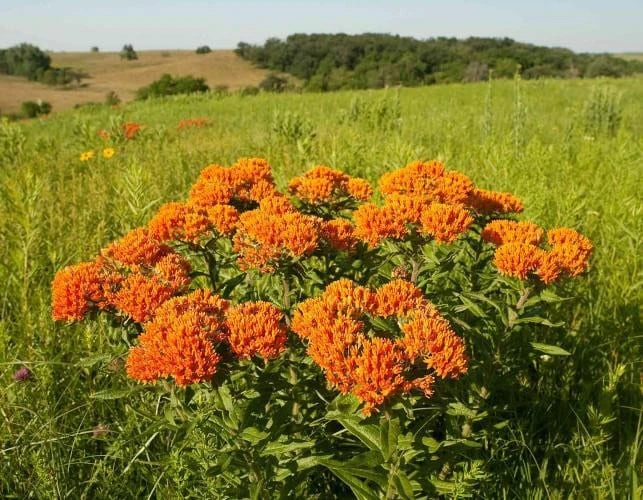
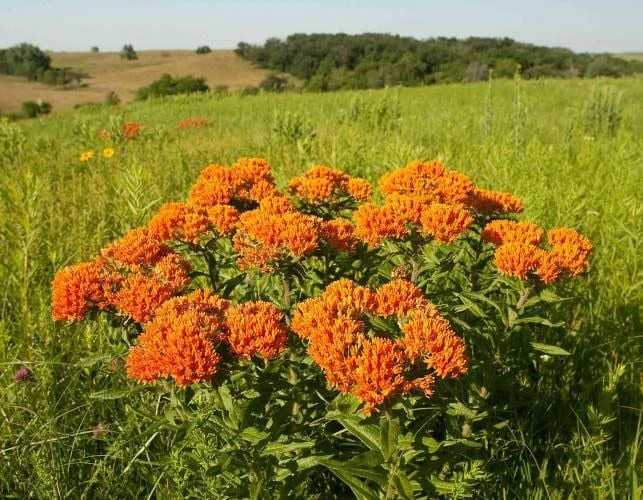
This product includes 10 Butterfly Weed bare root plants, ready for immediate planting. Each bare root is carefully harvested and prepared to ensure it arrives in optimal condition, providing a strong foundation for healthy growth. These bare roots are typically dormant and will begin to sprout once planted in suitable conditions. Once established, Asclepias Tuberosa plants can grow to a height of 1 to 3 feet (30-90 cm) with a similar spread, forming a bushy, upright perennial. The growth rate is moderate, with plants typically blooming in their first or second year after planting.
The mature size of this milkweed plant makes it versatile for various garden applications, including perennial borders, meadows, rock gardens, and pollinator gardens. They are shipped without soil or pots, which minimizes transplant shock and allows for easy handling and planting. With proper care, these native wildflower roots will develop into robust plants that reliably return each season, offering their vibrant orange flowers and crucial support for monarch butterflies and other beneficial insects. The common name, pleurisy root, also speaks to its strong root system.
Frequently Asked Questions
- Q: How big does this plant get? A: Once mature, the butterfly weed bare root plants will grow into robust plants typically reaching 1 to 3 feet (30-90 cm) in height and a similar spread, forming a bushy perennial.
- Q: Is this an indoor or outdoor plant? A: Asclepias Tuberosa is an outdoor plant. It is a native wildflower that thrives in full sun conditions in garden beds, meadows, and naturalized areas.
- Q: How much sunlight does it need? A: This milkweed plant requires full sun, meaning at least 6 to 8 hours of direct sunlight per day, to produce the best blooms and maintain healthy growth.
- Q: Is this plant easy to care for? A: Yes, butterfly weed bare root plants are considered low-maintenance once established. They are drought-tolerant and generally resistant to pests and diseases, making them excellent for beginners.
- Q: What condition will it arrive in? A: You will receive 10 Butterfly Weed bare root plants. These are dormant roots, shipped without soil, and are harvested fresh to ensure they are in good condition for planting.
- Q: How long until it blooms? A: Most Asclepias Tuberosa plants grown from bare roots will begin to bloom in their first or second growing season, typically from early summer through fall.
- Q: Will it survive winter in my zone? A: Butterfly Weed is a hardy perennial and is suitable for USDA Hardiness Zones 3-9, meaning it will reliably return each year in most temperate climates.
- Q: What is the best time to plant these bare roots? A: The ideal times to plant butterfly weed bare root are in the spring after the last frost, or in the early fall before the ground freezes, allowing them time to establish.
- Q: Can I use this plant for medicinal purposes, as suggested by ‘pleurisy root’? A: While historically known as pleurisy root for traditional medicinal uses, it is important to note that this plant should not be ingested without expert guidance. Consult a healthcare professional before using any plant for medicinal purposes.
- Q: Is this plant crucial for monarch butterflies? A: Absolutely. Butterfly Weed bare root (Asclepias Tuberosa) is a critical host plant for monarch butterfly caterpillars, making it essential for their life cycle and conservation efforts.
Be the first to review “10 Butterfly Weed Bare Root Plants – Asclepias Tuberosa Milkweed for Pollinators”
Related products


Flower Bulbs
Set of 10 Red Trillium Bulbs – Trillium erectum – Perennial Wildflower for Shade Gardens


You May Like

Hardneck vs. Softneck Garlic: Which Should You Grow?
Have you ever stood in front of a seed catalog in mid-September, staring at dozens [...]
Oct

When to Plant Music Garlic: Ultimate US Fall Guide
Have you ever spent your fall weekend placing carefully chosen garlic cloves into rich, dark [...]
1 Comment
Oct

5 Best Bulbs for Fall Planting: Brighten Your Garden This Spring
Are you dreaming of a garden full of vibrant colors in the spring? The key [...]
Aug

10 Houseplants That Will Thrive in Your Kitchen
Are you tired of your kitchen feeling dull and lifeless? Want to add a little [...]
1 Comment
Aug
Reviews
There are no reviews yet.