
Northern Catalpa Tree – Catalpa speciosa Live Plant, 12-24in Bare Root Starter
Original price was: 74.99 $.49.99 $Current price is: 49.99 $.
Cultivate a striking landscape with the Northern Catalpa Tree (Catalpa speciosa). This 12-24 inch bare root starter plant grows into a large deciduous tree, featuring beautiful white flowers and distinctive bean-like pods. Ideal for gardeners seeking a fast-growing, ornamental tree.
Estimated arrival
Oct 17
Oct 22 - Oct 24
Oct 24 - Oct 29
See our Shipping Policy.
Get in touch with us via email, and our team will review your concerns.
Our Alive & Thrive Guarantee covers issues with your plants within the first 30 days. Read our Refund & Returns Policy.
-
USDA Hardiness Zone
USDA Zones 4-8 -
Soil Type
Well-draining, moist, fertile soil -
Sunlight Exposure
Full sun to partial shade -
Expected Planting Period
Early spring or late fall
Overview
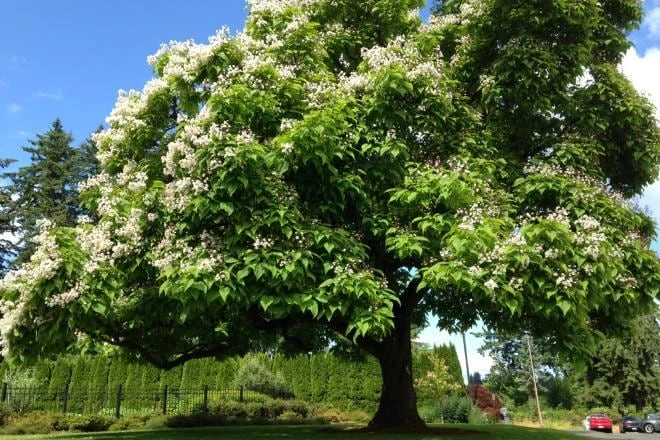
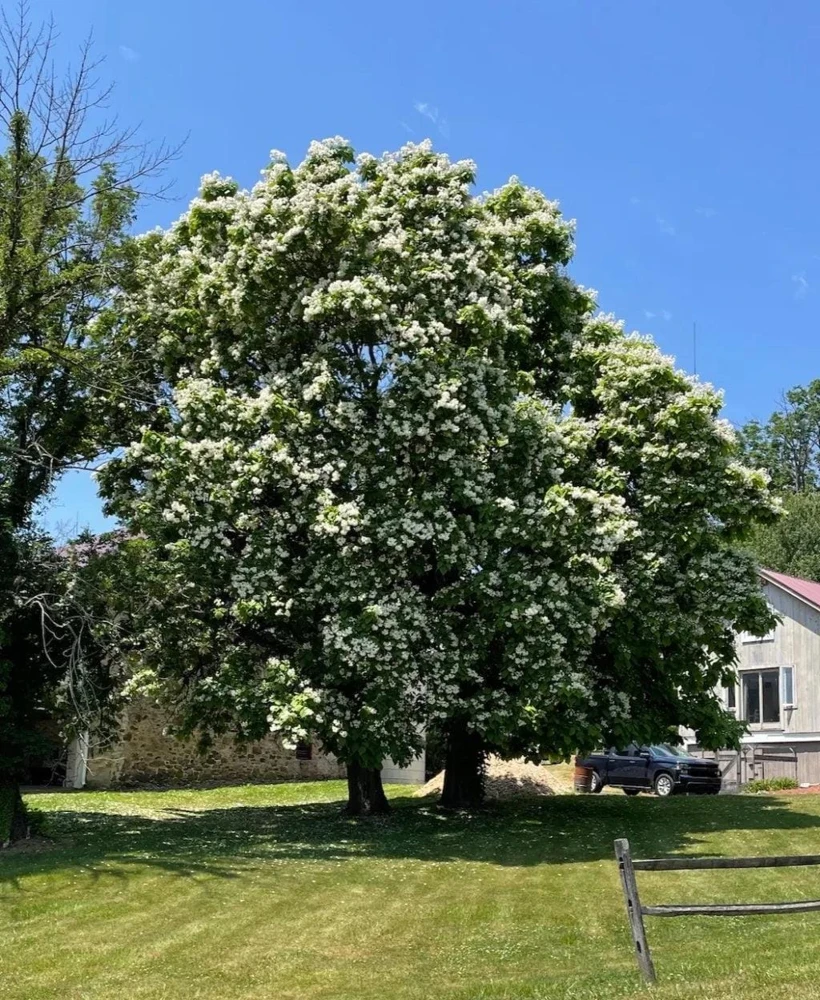
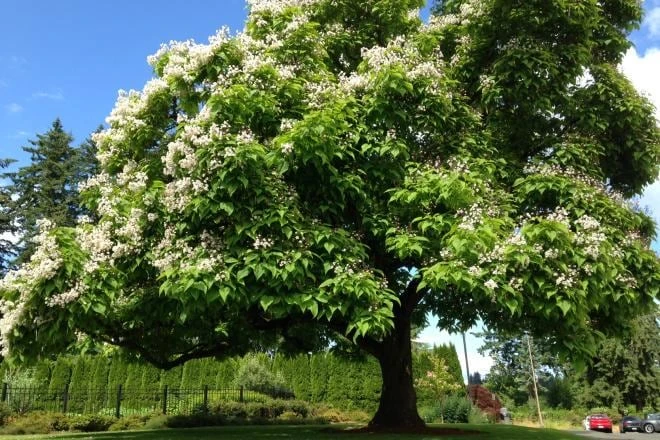
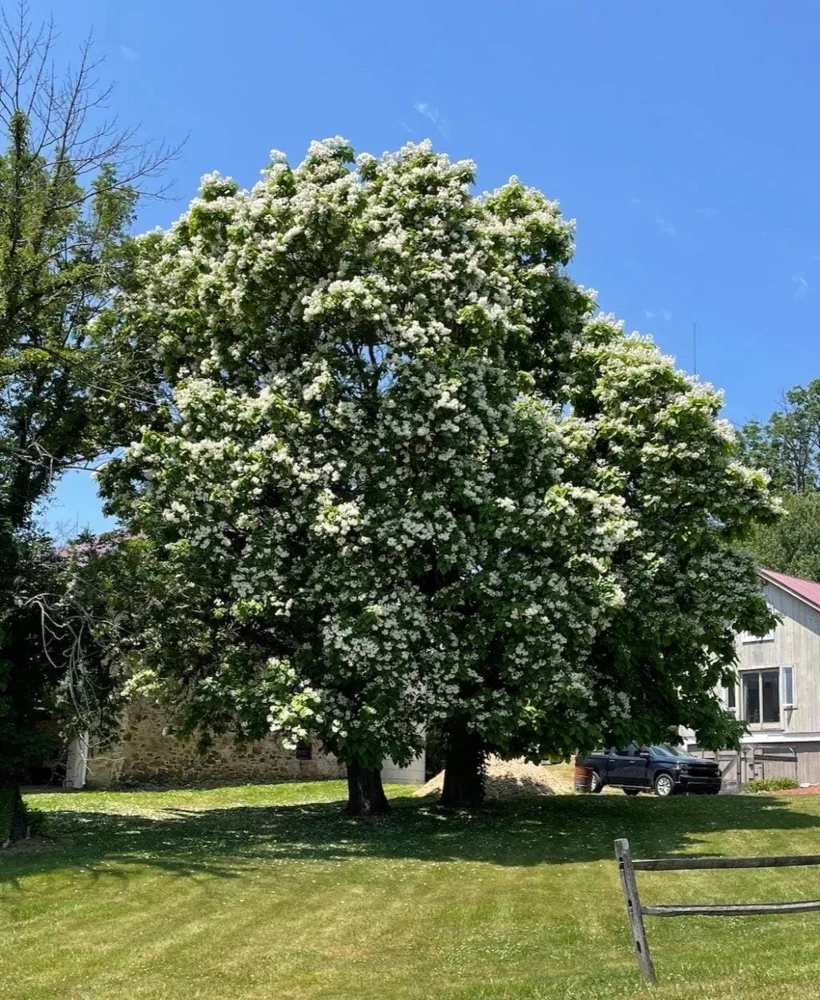
Introduce a majestic focal point to your garden with the northern catalpa tree. Also known by its botanical name, Catalpa speciosa, this impressive deciduous tree is celebrated for its rapid growth and stunning ornamental features. Originating from the central United States, the northern catalpa tree is a robust and resilient species that can reach heights of 40 to 70 feet, with a spread of 20 to 40 feet, making it an excellent choice for larger landscapes. Each starter plant ships as a 12-24 inch bare root specimen, ready for planting and establishment. Its common names, such as the cigar tree, hardy catalpa, or western catalpa, reflect its unique characteristics and widespread recognition. Gardeners looking for a tree that provides both aesthetic appeal and environmental benefits will find the catalpa speciosa plant an outstanding addition.
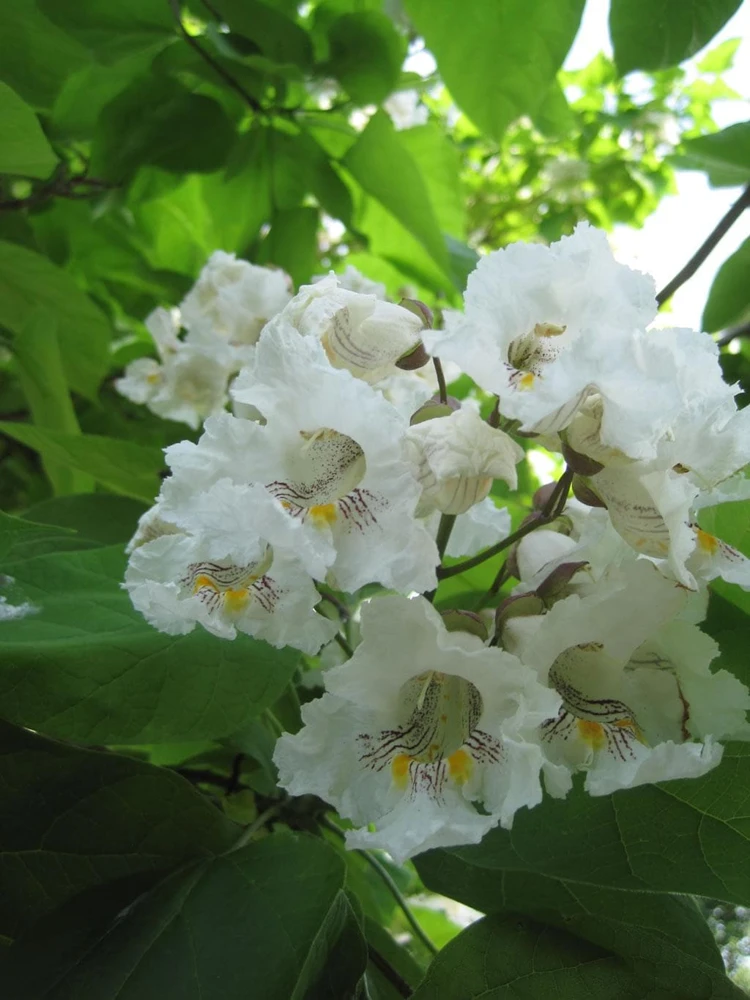
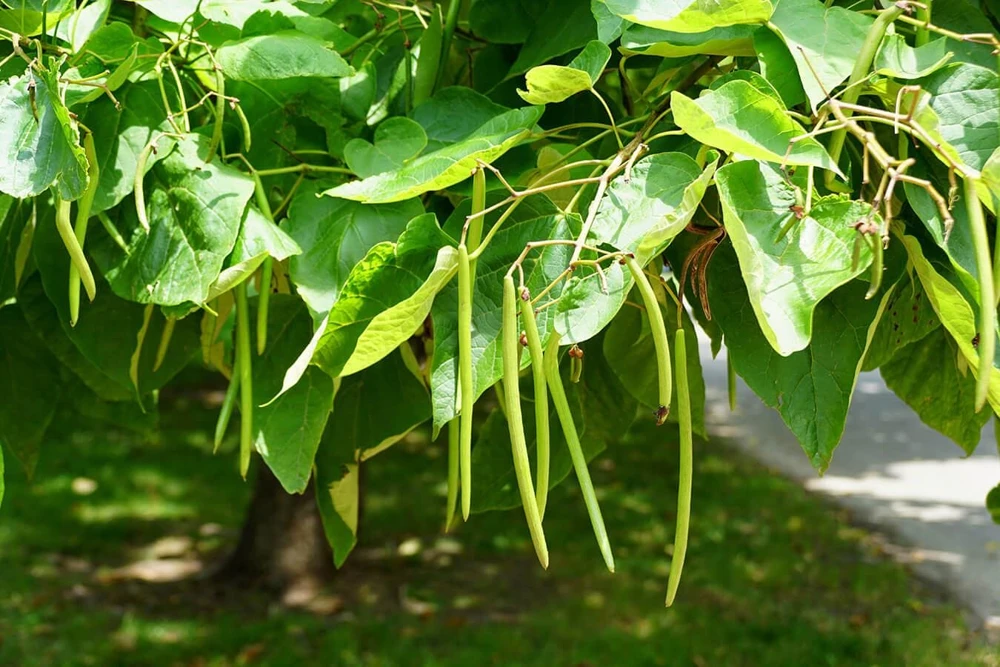
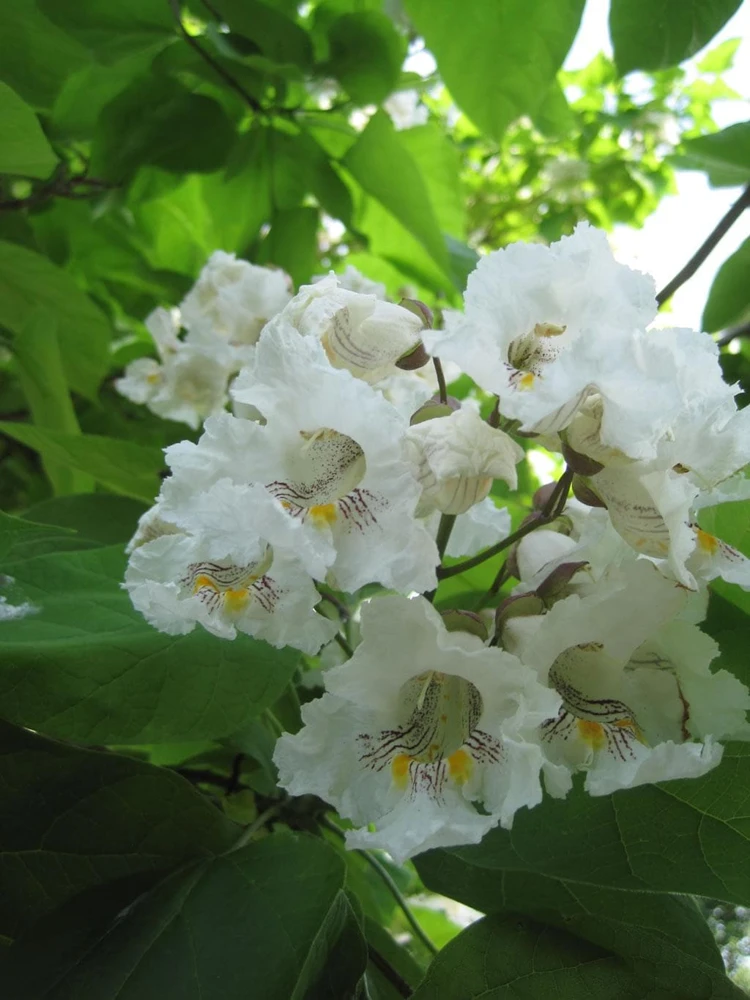
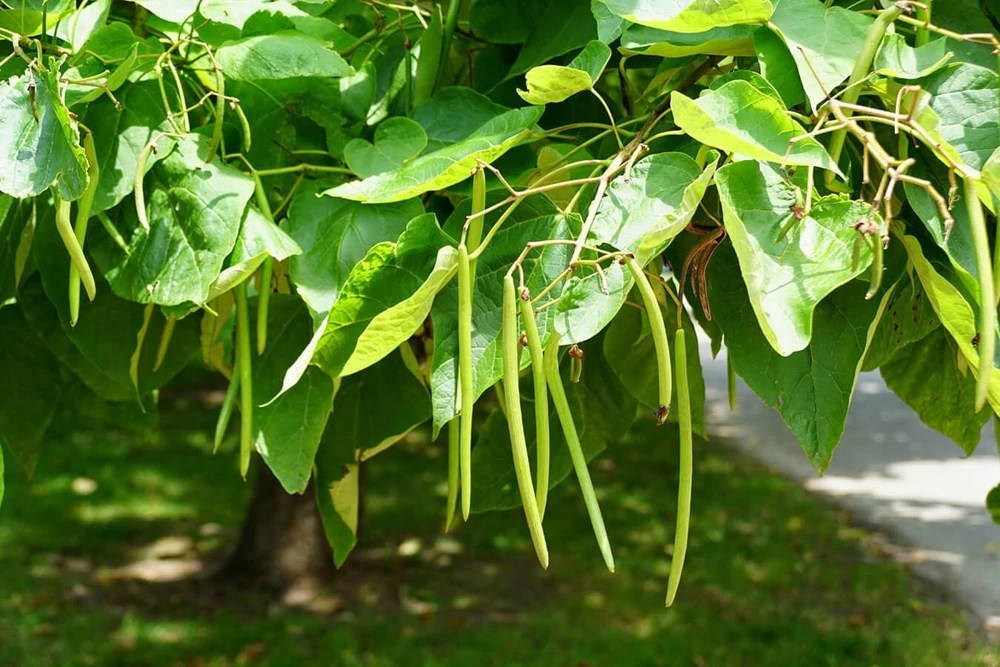
The northern catalpa tree is particularly admired for its spectacular floral display. In late spring to early summer, it produces large, upright clusters of fragrant, bell-shaped white flowers. These exquisite blooms are adorned with delicate yellow stripes and purple spots, creating a captivating visual contrast. Following the flowering period, the tree develops long, slender, bean-like seed pods that persist through the winter, adding an interesting textural element to the dormant landscape. This starter plant offers an opportunity to grow a mature specimen that will provide shade, beauty, and habitat for local wildlife for many years to come. Planting a cigar tree live plant allows you to witness its transformation from a modest bare root to a grand, flowering tree.
Key Benefits
The northern catalpa tree offers numerous advantages for any landscape, combining aesthetic appeal with ecological value. Here are some of the key benefits:
- Stunning Ornamental Value: The tree’s large, showy white flowers with distinctive yellow and purple markings create a dramatic display in late spring to early summer, making it a highly attractive specimen tree. The unique bean-like seed pods that follow add interest throughout the fall and winter.
- Rapid Growth Rate: Known for its fast growth, the northern catalpa tree quickly establishes itself and provides significant shade and visual impact in a relatively short period, making it ideal for new landscapes or areas requiring quick coverage.
- Adaptability and Hardiness: This hardy species (hardy catalpa care is relatively straightforward) is adaptable to a wide range of soil conditions and can tolerate urban environments, making it a versatile choice for various planting locations. It is resilient in many climates.
- Erosion Control: Due to its extensive root system, the catalpa speciosa plant is effective in stabilizing soil and preventing erosion, particularly on slopes or in areas prone to runoff.
- Wildlife Attraction: The flowers attract pollinators like bees, and the foliage provides shelter for birds and other small wildlife, contributing to local biodiversity. The large leaves also offer excellent shade, enhancing comfort during warmer months.
- Low Maintenance: Once established, the northern catalpa tree requires minimal care, making it a suitable option for gardeners looking for a beautiful tree without extensive upkeep.
- Unique Winter Interest: The persistent, long seed pods provide unique visual appeal during the winter months, adding structure and intrigue to the dormant garden when other plants have lost their foliage. This contributes to the overall aesthetic of a western catalpa landscaping project.
Plant Care & Growing Tips
Caring for your northern catalpa tree is generally straightforward, making it a rewarding addition to many landscapes. This species thrives in full sun to partial shade, meaning it prefers at least 6 hours of direct sunlight per day but can tolerate some afternoon shade, especially in hotter climates. Adequate sunlight ensures robust growth and abundant flowering. When planting your 12-24 inch bare root starter, select a site with well-draining soil. While adaptable to various soil types, including clay, sand, and loam, it performs best in moist, fertile conditions. Amend heavy clay soils with organic matter to improve drainage and aeration, which is crucial for the establishment of the catalpa speciosa plant.
Watering is critical during the establishment phase for your young northern catalpa tree. For the first year or two after planting, ensure the soil remains consistently moist but not waterlogged. Deep watering once or twice a week, depending on rainfall and temperature, is usually sufficient. Once established, the tree becomes more drought-tolerant, requiring less frequent watering, though supplemental irrigation during prolonged dry spells will benefit its health and vigor. The hardy catalpa care regimen should include mulching around the base of the tree to help retain soil moisture, suppress weeds, and regulate soil temperature. Apply a 2-4 inch layer of organic mulch, keeping it a few inches away from the trunk to prevent rot.
Fertilization is typically not necessary for established northern catalpa trees growing in fertile soil. However, if your soil is poor or the tree shows signs of nutrient deficiency (e.g., yellowing leaves), a balanced, slow-release fertilizer can be applied in early spring. Follow the product instructions carefully to avoid over-fertilization. Pruning should focus on removing dead, damaged, or crossing branches to maintain a strong structure and healthy canopy. This is usually best done in late winter or early spring before new growth emerges. The cigar tree live plant is generally resistant to most pests and diseases, but occasional issues like leaf spots or catalpa sphinx moth caterpillars may occur. Monitor your tree regularly and address any problems promptly with appropriate organic or chemical treatments. This detailed approach will ensure your western catalpa landscaping efforts result in a healthy, thriving tree.
Size & Details
This offering is for one northern catalpa tree, provided as a bare root starter plant. Each specimen measures between 12 and 24 inches in height upon arrival, ensuring a strong foundation for future growth. Bare root plants are typically shipped without soil or a pot, allowing for easier transplanting and establishment. The catalpa speciosa plant is known for its impressive mature size, typically reaching heights of 40 to 70 feet with a spread of 20 to 40 feet. Its fast growth rate means you can expect significant development within a few years, quickly providing shade and ornamental beauty to your landscape. The long, bean-like seed pods add unique winter interest, persisting well into the colder months.
When fully mature, the northern catalpa tree will develop a broad, rounded canopy, making it an excellent choice for shade or as a specimen tree. It typically begins to bloom in late spring to early summer, producing its characteristic white, bell-shaped flowers. The tree is hardy in USDA zones 4-8, indicating its resilience across a wide range of climates. Proper initial planting and consistent watering during the first growing season are crucial for the successful establishment of this young cigar tree live plant. While it ships as a bare root, with appropriate care, it will quickly develop a robust root system and begin its journey to becoming a magnificent mature tree, a proud centerpiece of any western catalpa landscaping design.
Frequently Asked Questions
- Q: How big does this northern catalpa tree get? A: The northern catalpa tree (Catalpa speciosa) is a large deciduous tree that typically grows 40 to 70 feet tall with a spread of 20 to 40 feet at maturity. Its fast growth rate means it will quickly reach a substantial size.
- Q: What size is the plant when it arrives? A: This offering is for a northern catalpa tree starter plant that measures 12-24 inches in height. It ships as a bare root specimen, meaning it will arrive without soil or a pot.
- Q: Is this an indoor or outdoor plant? A: The northern catalpa tree is an outdoor plant, best suited for planting directly in the ground in a garden or landscape setting. It is not suitable for long-term indoor cultivation.
- Q: How much sunlight does it need? A: The catalpa speciosa plant thrives in full sun to partial shade, ideally receiving at least 6 hours of direct sunlight per day for optimal growth and flowering.
- Q: Is this plant easy to care for? A: Yes, once established, the northern catalpa tree is relatively low-maintenance. It is known for its hardiness and adaptability, making hardy catalpa care manageable for most gardeners.
- Q: What condition will it arrive in? A: The plant will arrive as a 12-24 inch bare root starter. This means it will not be in a pot or soil, but its roots will be carefully packaged to ensure freshness during transit.
- Q: When is the best time to plant a northern catalpa tree? A: The best time to plant bare root northern catalpa trees is typically in early spring, after the last frost, or in late fall after the leaves have dropped. This allows the roots to establish before extreme temperatures.
- Q: Will it survive winter in my zone? A: The northern catalpa tree is hardy in USDA zones 4 through 8, meaning it can tolerate winter temperatures down to -30°F (-34°C) in zone 4. Check your local USDA zone to ensure suitability.
- Q: What kind of soil does the catalpa speciosa plant prefer? A: While adaptable to many soil types, the catalpa speciosa plant prefers well-draining, moist, and fertile soil. It can tolerate clay and sandy soils but benefits from organic matter amendments.
- Q: What makes the cigar tree live plant unique? A: The cigar tree live plant is unique for its large, showy white flowers with distinctive markings, rapid growth, and the long, bean-like seed pods that resemble cigars, providing visual interest through winter. It’s a wonderful choice for western catalpa landscaping.
Be the first to review “Northern Catalpa Tree – Catalpa speciosa Live Plant, 12-24in Bare Root Starter”
Related products


You May Like

Hardneck vs. Softneck Garlic: Which Should You Grow?
Have you ever stood in front of a seed catalog in mid-September, staring at dozens [...]
Oct

When to Plant Music Garlic: Ultimate US Fall Guide
Have you ever spent your fall weekend placing carefully chosen garlic cloves into rich, dark [...]
1 Comment
Oct

5 Best Bulbs for Fall Planting: Brighten Your Garden This Spring
Are you dreaming of a garden full of vibrant colors in the spring? The key [...]
Aug

10 Houseplants That Will Thrive in Your Kitchen
Are you tired of your kitchen feeling dull and lifeless? Want to add a little [...]
1 Comment
Aug
Reviews
There are no reviews yet.