
Purpleleaf Sand Cherry Shrub – 12-24″ Live Plant (Quart Pot) Outdoor
Original price was: 101.99 $.76.99 $Current price is: 76.99 $.
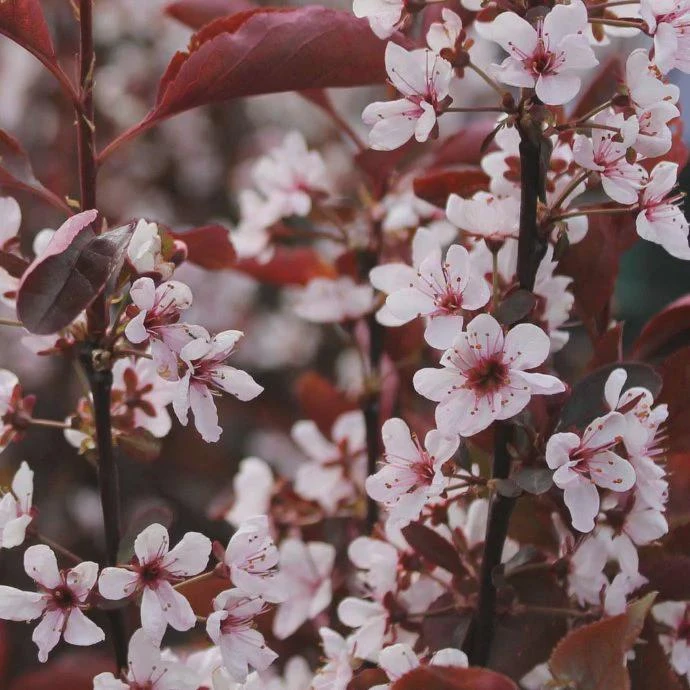
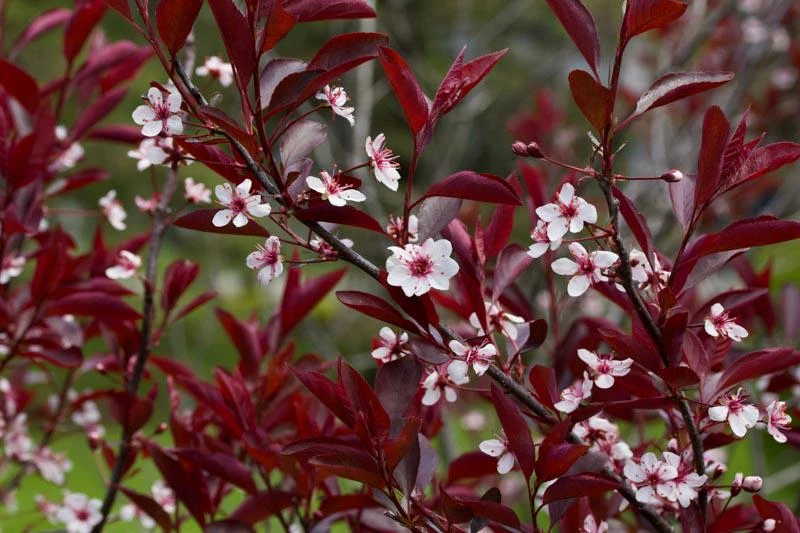
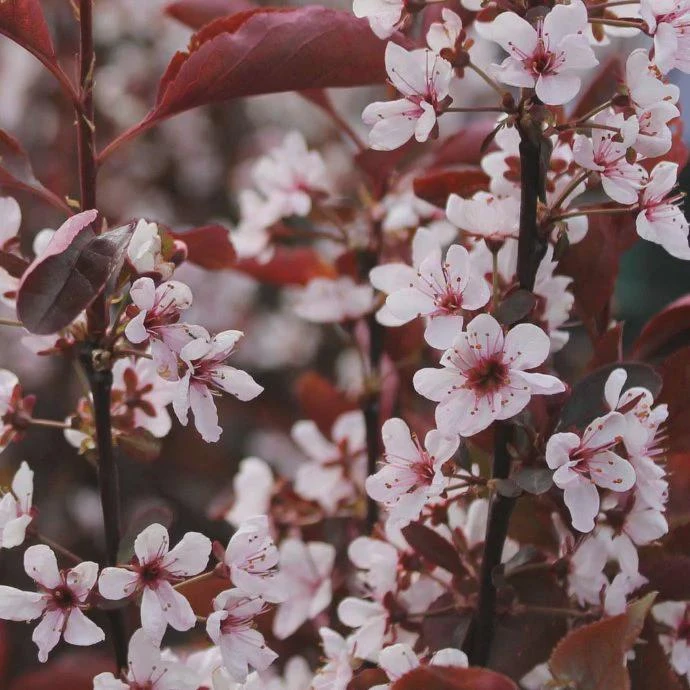
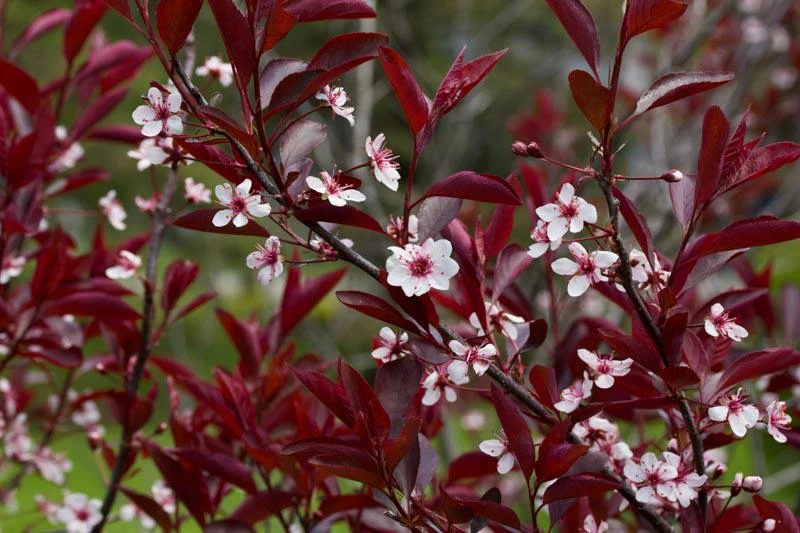
Add stunning color to your garden with the purpleleaf sand cherry live plant. This beautiful hybrid shrub features vibrant reddish-purple foliage and delicate pink flowers, ideal for creating visual interest in any landscape. Arrives as a 12-24 inch tall starter plant in a quart pot.
Estimated arrival
Oct 17
Oct 22 - Oct 24
Oct 24 - Oct 29
See our Shipping Policy.
Get in touch with us via email, and our team will review your concerns.
Our Alive & Thrive Guarantee covers issues with your plants within the first 30 days. Read our Refund & Returns Policy.
-
USDA Hardiness Zone
USDA zones 2-8 -
Soil Type
Well-draining, fertile loam -
Sunlight Exposure
Full sun -
Expected Planting Period
Spring to early summer
Overview
Introduce a striking focal point to your garden with the purpleleaf sand cherry live plant. This exceptional ornamental shrub, scientifically known as Prunus cistena shrub, is celebrated for its dynamic reddish-purple foliage that maintains its rich color throughout the growing season. A hybrid deciduous plant, it offers year-round visual appeal, transforming from early spring blooms to summer’s vibrant leaves and small, dark fruits. While typically grown as a shrub, the purpleleaf sand cherry can also be trained into an elegant small tree form, making it a versatile choice for various landscape designs. Its fast-growing nature and hardiness make it a popular selection for gardeners looking to add unique color and texture to their outdoor spaces.
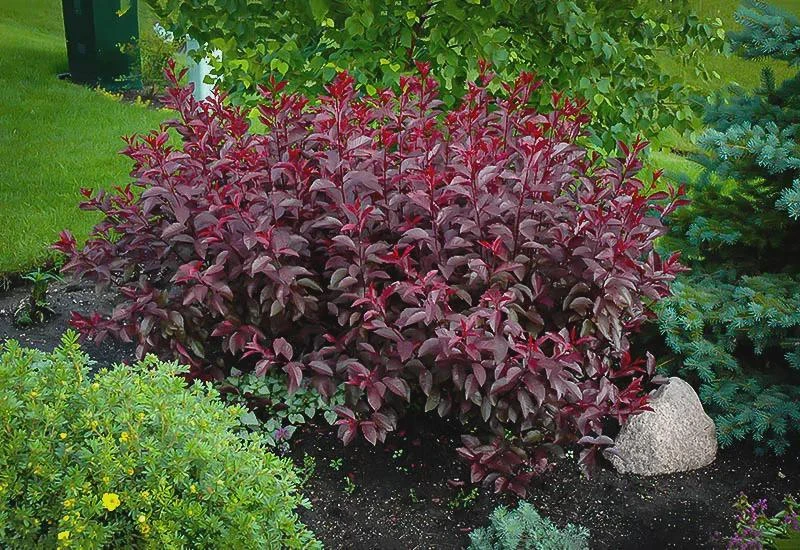
The purpleleaf sand cherry live plant is not just a feast for the eyes; it’s also a robust and adaptable specimen. Its unique coloration provides excellent contrast against green foliage, making it perfect for mixed borders, foundation plantings, or as a standalone specimen. This plant is known for its resilience and ease of care, thriving in a range of conditions once established. Whether you’re an experienced gardener or just starting, the purpleleaf sand cherry offers a rewarding growing experience with its consistent beauty and minimal demands.
Key Benefits
The purpleleaf sand cherry live plant brings numerous advantages to any garden, making it a highly desirable choice for its aesthetic and practical qualities. Its vibrant appearance and easy maintenance contribute to its widespread appeal.
- Stunning Foliage Color: Enjoy vibrant reddish-purple leaves that hold their striking color from spring through fall, providing continuous visual interest and dramatic contrast in your landscape. This unique coloration is a hallmark of the Prunus cistena shrub.
- Charming Spring Blooms: In early spring, before the leaves fully emerge, the plant produces delicate, fragrant pale pink to white flowers, adding an elegant touch and signaling the arrival of warmer weather.
- Attracts Wildlife: The small, dark purple fruits that follow the flowers are a natural food source, attracting various bird species to your garden, enhancing biodiversity and natural beauty.
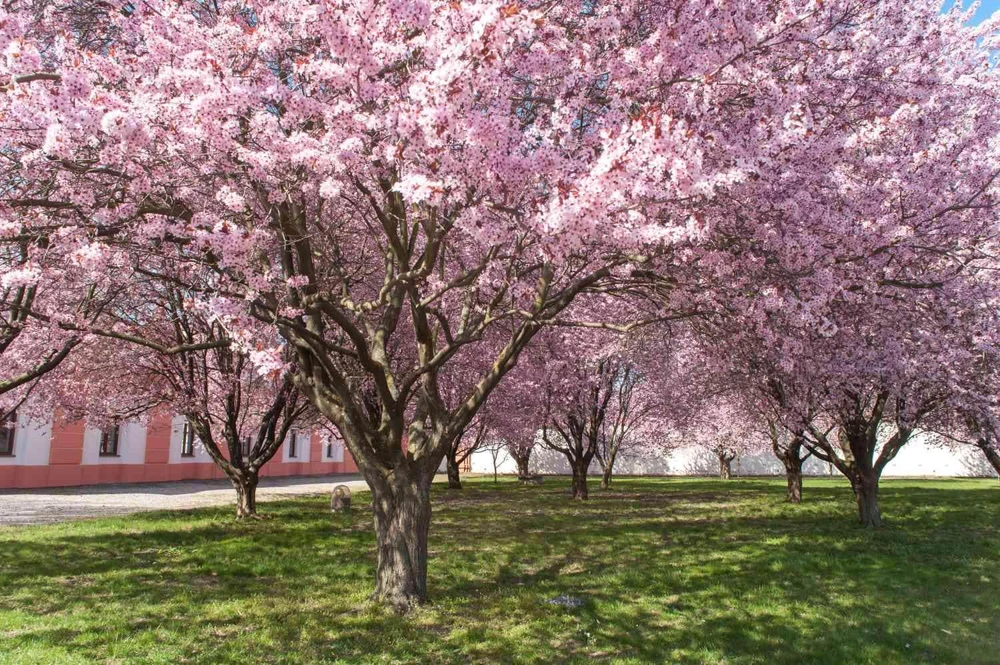
- Versatile Growth Habit: While typically grown as a shrub, it can be easily trained into a small tree form, offering flexibility in landscape design and allowing you to achieve different aesthetic goals. This adaptability makes it a truly versatile purple sand cherry tree.
- Hardy and Resilient: Suitable for USDA zones 2-8, this plant is known for its hardiness and ability to withstand a wide range of climates, making it a reliable choice for many regions.
- Fast Growing: With a relatively fast growth rate, you won’t have to wait long to enjoy the full beauty and impact of this ornamental plant in your garden.
- Low Maintenance: Once established, the hardy purpleleaf sand cherry requires minimal care, making it an excellent option for gardeners seeking high impact with low effort.
Plant Care & Growing Tips
Caring for your purpleleaf sand cherry live plant is straightforward, ensuring it thrives and displays its beautiful foliage and flowers year after year. Understanding its basic needs for sunlight, water, and soil will help you cultivate a robust and healthy specimen. This plant is generally forgiving, making it a great choice for various skill levels.
For optimal growth, the Prunus cistena shrub requires full sun exposure, meaning at least 6-8 hours of direct sunlight daily. This is crucial for maintaining the deep purple color of its leaves; in partial shade, the foliage may appear greener. When it comes to watering, consistent moisture is key, especially during its establishment period. Water regularly to keep the soil evenly moist but not waterlogged. Once established, it can tolerate some drought but will perform best with continued regular watering, particularly during dry spells. Avoid overhead watering to reduce the risk of fungal diseases. The ideal soil type is well-draining, fertile loam with a slightly acidic to neutral pH. If your soil is heavy clay, amending it with organic matter like compost can significantly improve drainage and aeration.
The purpleleaf sand cherry live plant is hardy in USDA zones 2-8. It can withstand cold winters but may require some protection in the coldest zones, such as a layer of mulch around the base to insulate the roots. Fertilization is generally not heavily required; a balanced, slow-release fertilizer in early spring can promote vigorous growth. Pruning should be done in late winter or early spring before new growth begins. Remove any dead, damaged, or crossing branches to maintain a healthy structure and shape. You can also prune to shape it as a shrub or to encourage a small purple sand cherry tree form. Watch out for common issues like aphids and borers, and address them promptly with appropriate organic or chemical controls. Proper air circulation and sanitation can also help prevent fungal issues.
Size & Details
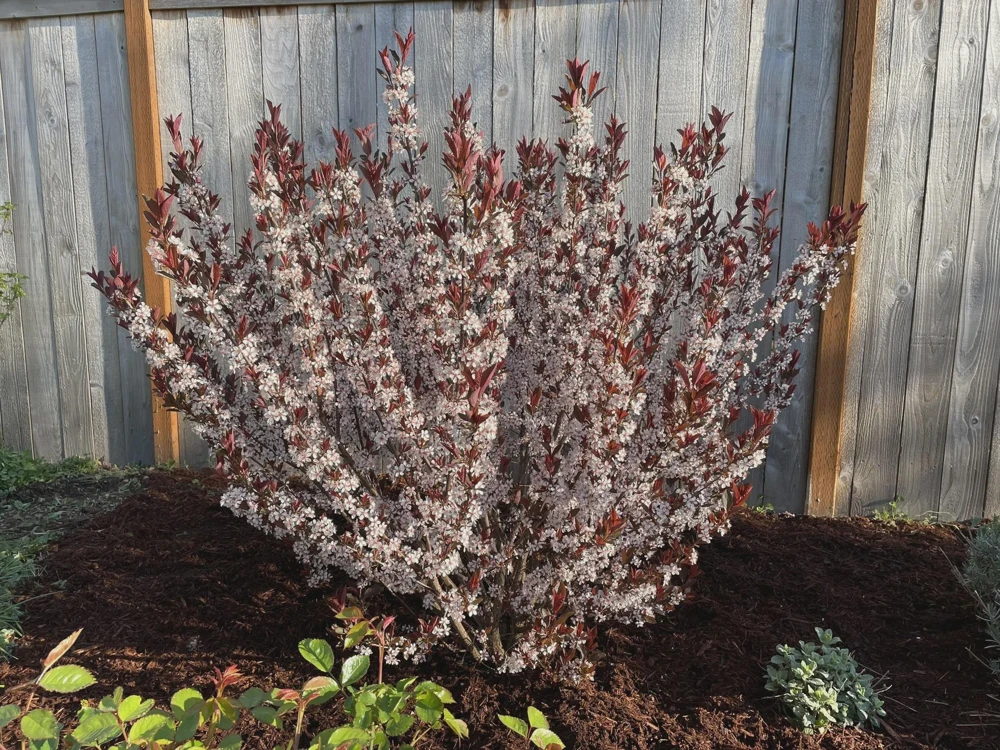
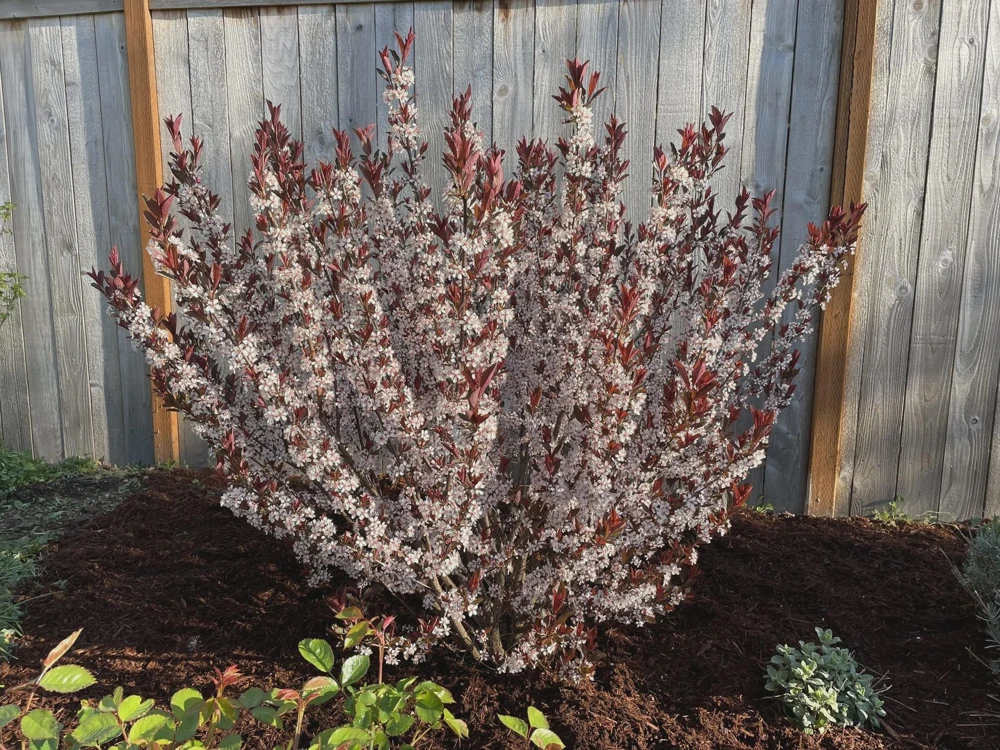
This offering includes three purpleleaf sand cherry live plant specimens, each carefully nurtured to ensure healthy growth in your garden. The plants arrive as starter plants, typically measuring between 12-24 inches in height, with a minimum height of 12-18 inches, providing a substantial foundation for immediate landscape impact. Each plant is provided in a quart-sized pot, offering a well-developed root system ready for transplanting. While these plants are shipped bare root to minimize stress during transit, they are robust and quick to establish once planted in their new home. The hardy purpleleaf sand cherry is a fast-growing species, and you can expect it to reach a mature height of 6-10 feet and a width of 5-8 feet within a few years, creating a significant presence in your outdoor space.
The purpleleaf sand cherry is a versatile plant that can be grown as a multi-stemmed shrub or trained into a single-trunk small tree, depending on your landscaping vision. Its growth rate is considered fast, allowing you to enjoy its full ornamental value relatively quickly. The plants are ready for immediate planting upon arrival, ideally during the spring or fall seasons for best establishment. With proper care, these plants will quickly develop into the vibrant ornamental purple plant you desire, enhancing your garden with their distinctive color and form.
Frequently Asked Questions
- Q: How big does this plant get? A: The purpleleaf sand cherry live plant typically reaches a mature height of 6-10 feet and a spread of 5-8 feet, though it can be pruned to maintain a smaller size or shaped into a small tree.
- Q: What size pot does it come in? A: These starter plants are shipped in quart-sized pots, providing a healthy root system for successful transplanting into your garden.
- Q: Is this an indoor or outdoor plant? A: The Prunus cistena shrub is an outdoor plant, best suited for garden landscapes where it can receive ample sunlight and space to grow.
- Q: How much sunlight does it need? A: For the best reddish-purple foliage color, the purpleleaf sand cherry requires full sun, meaning at least 6-8 hours of direct sunlight per day.
- Q: Is this plant easy to care for? A: Yes, the hardy purpleleaf sand cherry is considered relatively easy to care for once established, requiring consistent watering and occasional pruning.
- Q: What condition will it arrive in? A: The plants are shipped bare root to ensure their health during transit and are ready for immediate planting upon arrival.
- Q: Can it be trained as a tree? A: Yes, while typically a shrub, the purple sand cherry tree can be trained to grow with a single trunk, creating a small ornamental tree form.
- Q: How long until it blooms? A: The purpleleaf sand cherry typically blooms in early spring, often before the leaves fully emerge, usually within the first year or two after planting.
- Q: Will it survive winter in my zone? A: This plant is very hardy and suitable for USDA zones 2-8, making it resilient in a wide range of winter climates.
- Q: What is the best soil for this plant? A: It thrives in well-draining, fertile loam with a slightly acidic to neutral pH. Amending heavy clay soils with organic matter is recommended.
Be the first to review “Purpleleaf Sand Cherry Shrub – 12-24″ Live Plant (Quart Pot) Outdoor”
Related products


You May Like

Hardneck vs. Softneck Garlic: Which Should You Grow?
Have you ever stood in front of a seed catalog in mid-September, staring at dozens [...]
Oct

When to Plant Music Garlic: Ultimate US Fall Guide
Have you ever spent your fall weekend placing carefully chosen garlic cloves into rich, dark [...]
1 Comment
Oct

5 Best Bulbs for Fall Planting: Brighten Your Garden This Spring
Are you dreaming of a garden full of vibrant colors in the spring? The key [...]
Aug

10 Houseplants That Will Thrive in Your Kitchen
Are you tired of your kitchen feeling dull and lifeless? Want to add a little [...]
1 Comment
Aug
Reviews
There are no reviews yet.