
Lattarula Fig Tree Starter Plug – Italian Honey Fig Live Plant
Original price was: 69.99 $.44.99 $Current price is: 44.99 $.
Cultivate your own sweet harvest with the Lattarula fig tree, also known as the Italian Honey fig plant. This cold-hardy, self-pollinating live plant is perfect for growing in-ground or in containers, yielding delicious amber-fleshed figs.
Estimated arrival
Oct 16
Oct 21 - Oct 23
Oct 23 - Oct 28
See our Shipping Policy.
Get in touch with us via email, and our team will review your concerns.
Our Alive & Thrive Guarantee covers issues with your plants within the first 30 days. Read our Refund & Returns Policy.
-
USDA Hardiness Zone
7-10 -
Soil Type
Well-draining loamy soil -
Sunlight Exposure
Full sun -
Expected Planting Period
Early spring to early summer
Overview
Bring the taste of Italy to your garden with the Lattarula fig tree, a highly sought-after variety known for its exceptional sweetness and robust growth. Also affectionately called the Italian Honey fig plant, this specific cultivar, Ficus carica ‘Lattarula’, is a cold-hardy and self-pollinating specimen, making it an ideal choice for both novice and experienced gardeners. Originating from Italy, this fig tree thrives in various climates and is prized for its prolific production of delectable fruit. Each starter plug offers a strong foundation for a healthy, fruit-bearing tree, promising a rewarding gardening experience.
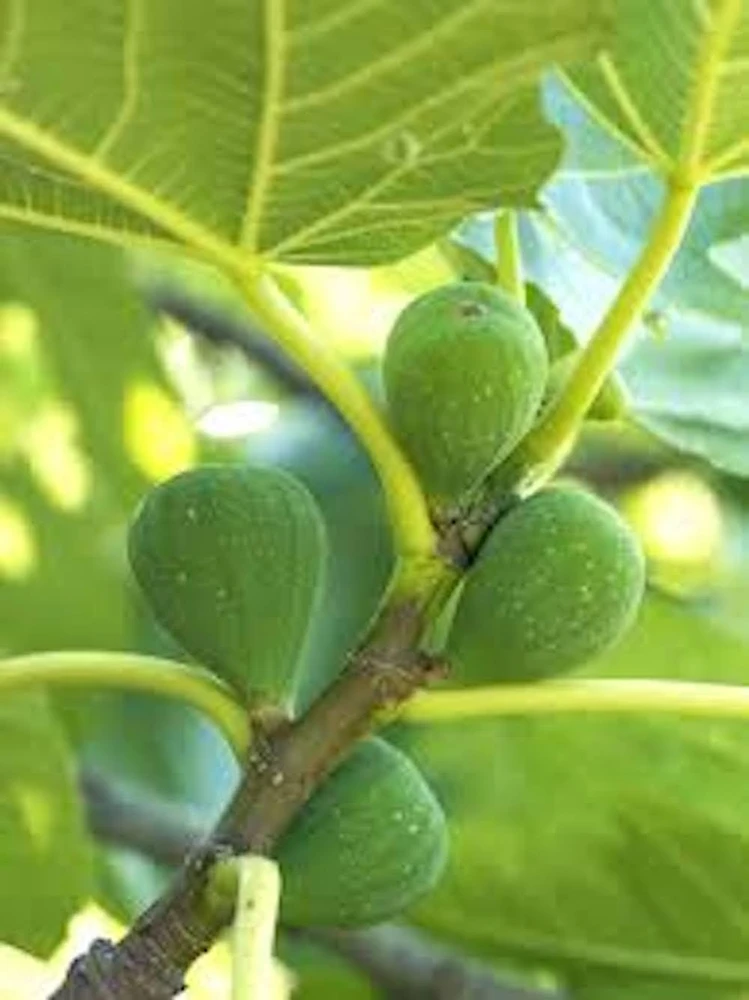
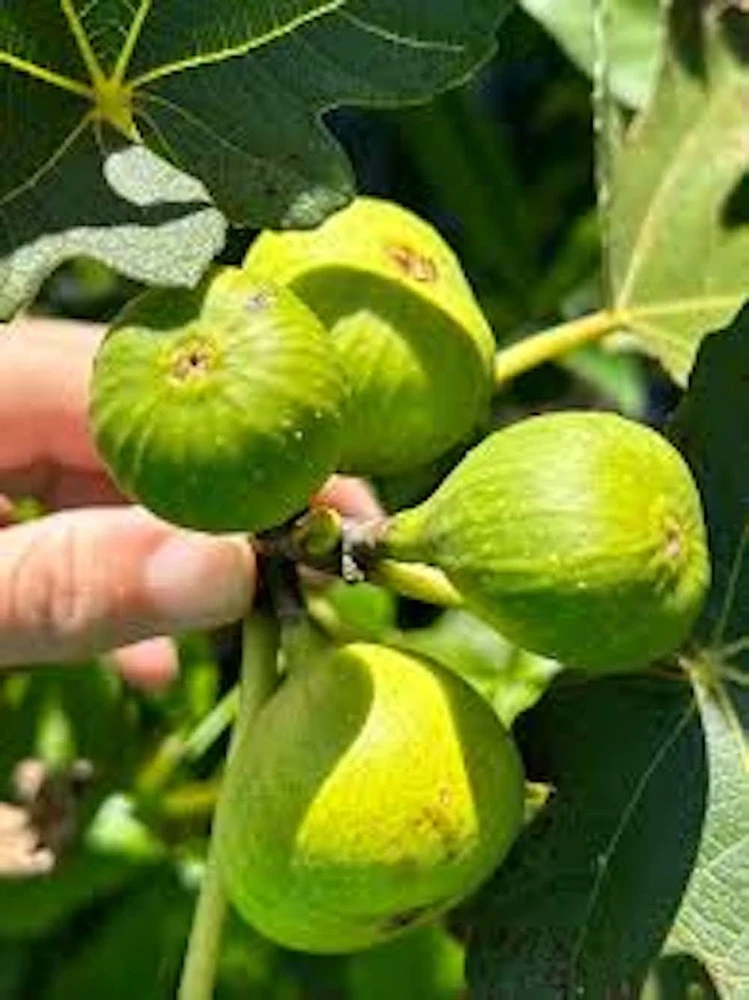
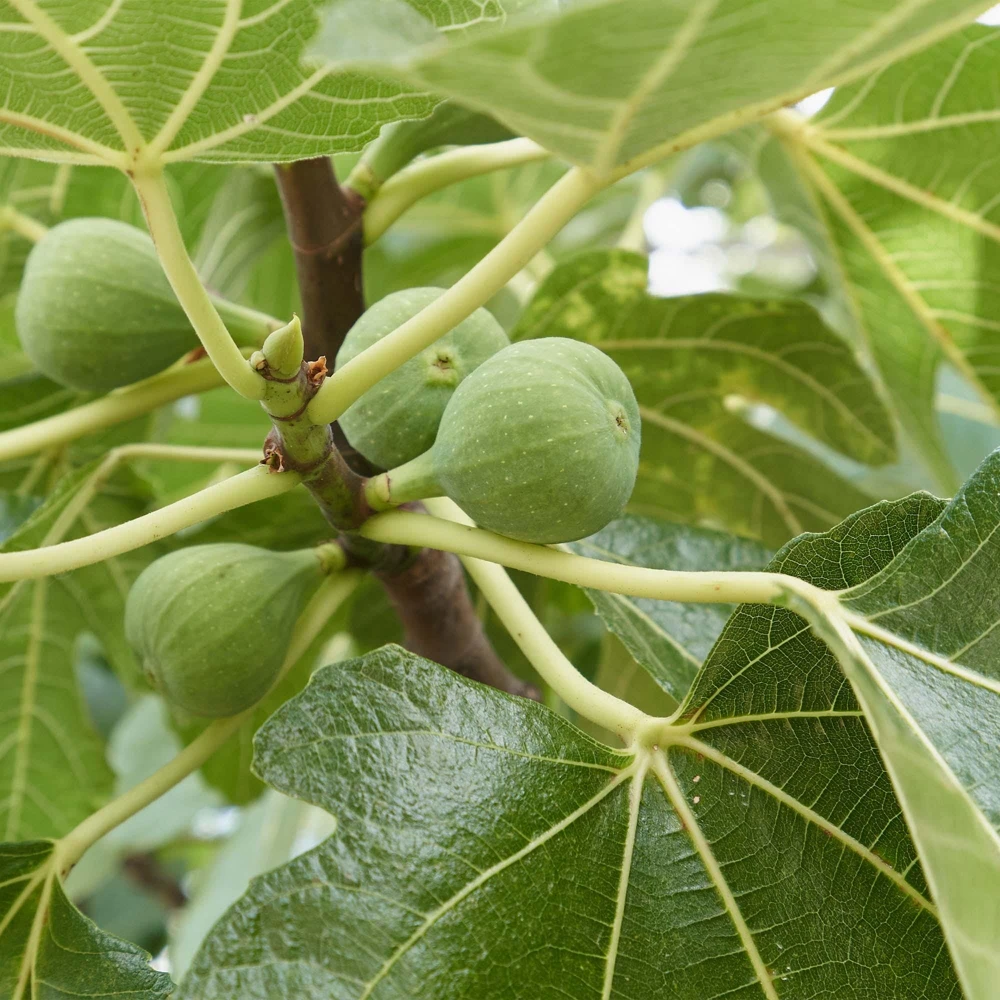
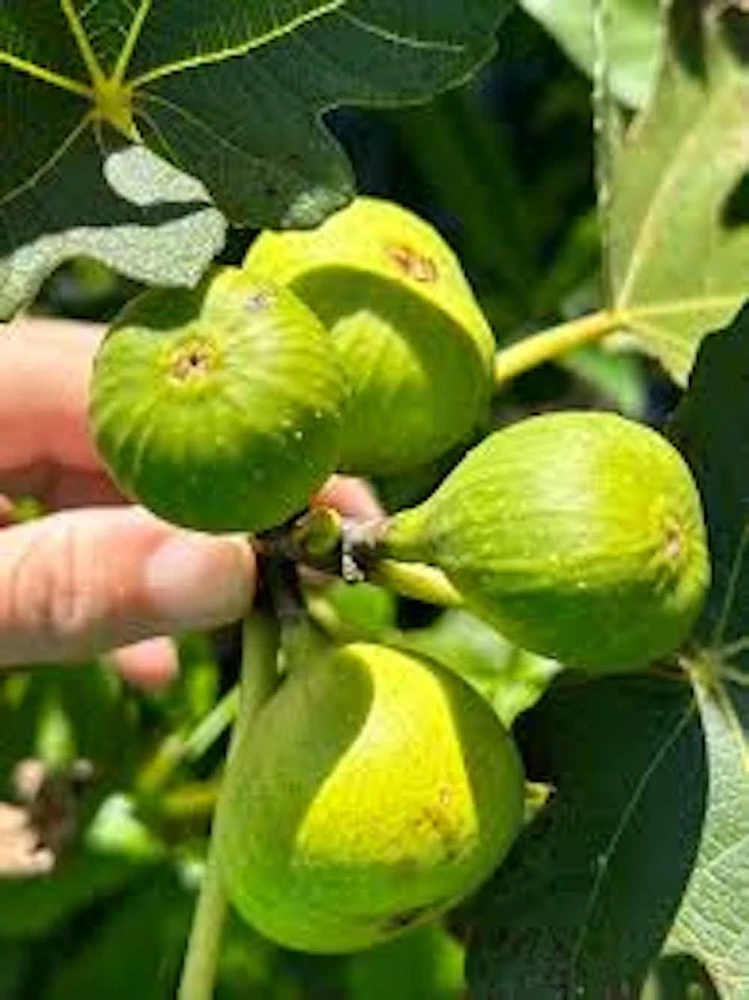
The Lattarula fig tree is celebrated for its unique flavor profile. Its fruit features a greenish-yellow skin and a rich, amber-colored flesh that bursts with a honey-like sweetness. This makes it a perfect choice for fresh eating, preserves, or baking. Whether you have a spacious backyard or a cozy patio, this versatile fig can be grown successfully in the ground or in a container, allowing you to enjoy fresh figs almost anywhere. Its adaptability and delicious yield make the Ficus carica Lattarula a must-have for any fruit enthusiast.
Key Benefits
The Lattarula fig tree offers numerous advantages to the home gardener, blending ornamental appeal with bountiful harvests. Its ease of care and delicious fruit make it a highly desirable addition.
- Delicious, Sweet Fruit: Enjoy a continuous supply of sweet, amber-fleshed figs with a distinct honey-like flavor. Perfect for fresh consumption, jams, or desserts. The fruit of the Lattarula fig tree is truly a culinary delight.
- Cold-Hardy & Resilient: This variety is known for its impressive cold tolerance, making it suitable for a wider range of climates compared to other fig types. It’s a robust and reliable choice for many regions.
- Self-Pollinating: The Italian Honey fig plant does not require another fig tree for pollination, ensuring fruit production even if you only have space for one tree. This simplifies the growing process significantly.
- Versatile Growing Options: Grow this fig tree directly in your garden soil or keep it as a charming container plant on your patio or balcony. Its adaptability makes it suitable for various garden sizes and styles.
- Prolific Producer: Once established, the Ficus carica Lattarula is known for its generous yields, providing an abundance of figs season after season. You’ll have plenty to share and enjoy.
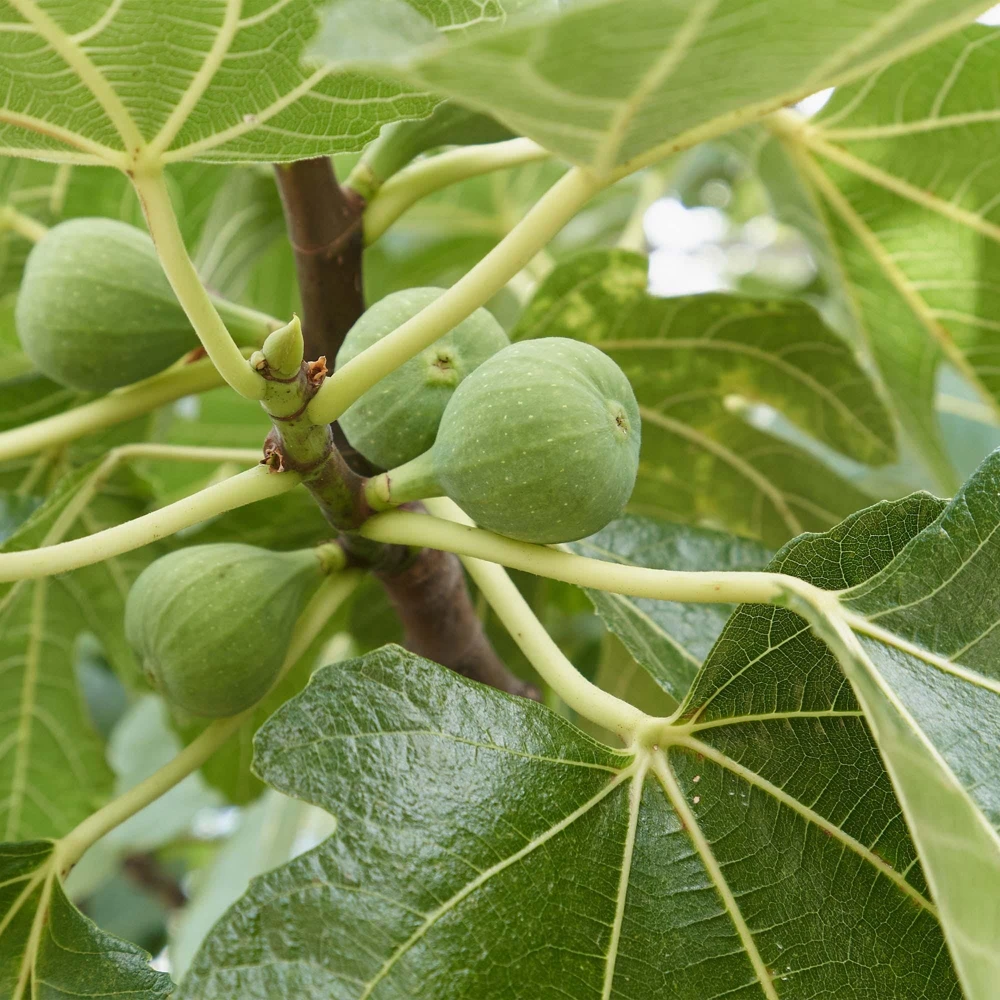
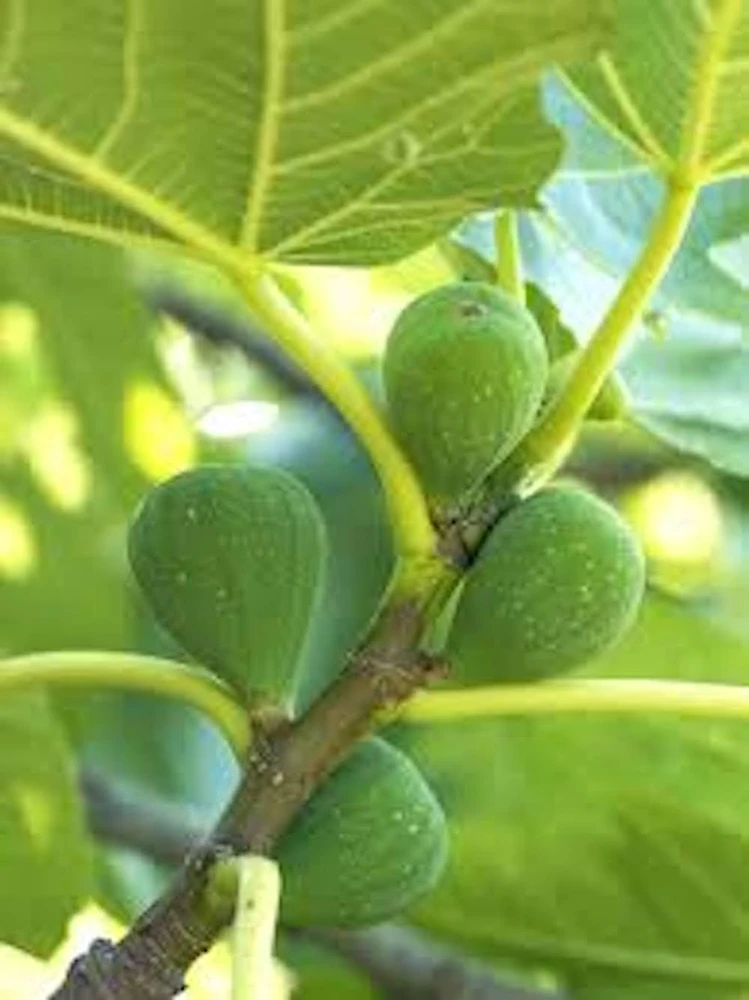
- Attractive Foliage: Beyond its fruit, the Lattarula fig tree boasts attractive, lobed green leaves, adding an ornamental touch to your landscape or container display.
Plant Care & Growing Tips
Caring for your Lattarula fig tree is relatively straightforward, ensuring a healthy plant and a plentiful harvest. Understanding its specific needs for sunlight, water, and soil will lead to the best results. This cold hardy fig is quite forgiving, but optimal conditions encourage the sweetest fruit.
Sunlight Requirements: The Lattarula fig tree thrives in full sun, meaning it needs at least 6-8 hours of direct sunlight per day. For container-grown plants, choose a location that receives ample morning sun and some afternoon shade in extremely hot climates to prevent scorching. In-ground plants should be placed in the sunniest part of your garden. Adequate sunlight is crucial for fruit development and ripening.
Watering Schedule: Young fig trees, especially starter plugs, require consistent moisture. Water regularly, especially during dry spells, keeping the soil consistently moist but not waterlogged. Once established, fig trees are somewhat drought-tolerant, but regular watering during fruit production will lead to larger, juicier figs. Allow the top inch or two of soil to dry out slightly between waterings for container plants. Ensure good drainage to prevent root rot.
Soil Type & Drainage: Figs prefer well-draining soil with a pH between 6.0 and 7.0. A loamy soil enriched with organic matter is ideal. For container growing, use a high-quality potting mix designed for fruit trees or general-purpose plants, ensuring it drains freely. Amending heavy clay soils with compost and sand can improve drainage. Good drainage is paramount to prevent fungal diseases and promote healthy root growth for your self pollinating fig.
Temperature Range & USDA Hardiness Zone: The Lattarula fig tree is suitable for USDA hardiness zones 7-10. In colder zones (7-8), protection during winter may be necessary, especially for young plants. This can involve mulching heavily around the base or bringing container plants indoors to a cool, unheated space. Established trees can withstand winter temperatures down to around 10-15°F (-12 to -9°C).
Fertilization: Fertilize your fig tree in early spring before new growth begins, and again in mid-summer, especially if growing in containers. Use a balanced fertilizer (e.g., 8-8-8 or 10-10-10) or one formulated for fruit trees. Follow package instructions for application rates. Avoid over-fertilizing, which can lead to excessive leaf growth at the expense of fruit production. The Ficus carica Lattarula benefits from consistent, moderate feeding.
Pruning: Prune your Lattarula fig tree in late winter or early spring while it is dormant. Remove any dead, diseased, or crossing branches. You can also prune to maintain a desirable size and shape, and to encourage more fruit production on new wood. For container plants, regular pruning helps manage size and promotes air circulation.
Size & Details
This offering is for a Lattarula fig tree starter plug, providing a robust young plant ready for transplanting. Each plug is carefully cultivated to ensure a strong root system, giving your fig tree the best possible start. The plants ship bare root, without a pot, to minimize shipping stress and allow for easier acclimation to your chosen growing medium. Upon arrival, prompt planting is recommended.
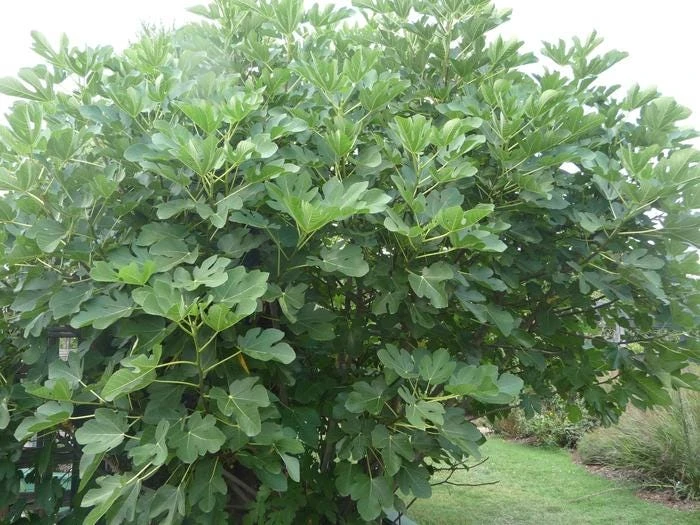
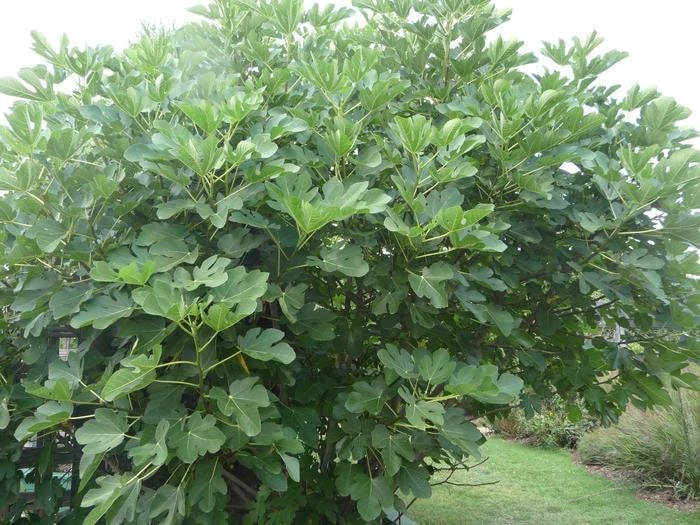
Mature Italian Honey fig plant trees can reach heights of 10-20 feet when grown in-ground, with a similar spread, depending on pruning. When grown in containers, their size can be managed significantly, typically staying between 6-10 feet tall. Figs generally begin producing fruit within 2-3 years of planting, with increasing yields as the tree matures. The growth rate is moderate, allowing for steady development into a productive fruit tree.
Frequently Asked Questions
- Q: How big does this Lattarula fig tree get? A: When planted in the ground, a mature Lattarula fig tree can reach 10-20 feet tall and wide. If grown in a container, its size can be kept smaller, typically 6-10 feet, through regular pruning.
- Q: Is this an indoor or outdoor plant? A: The Italian Honey fig plant is primarily an outdoor plant suitable for USDA zones 7-10. In colder zones, it can be grown in containers and brought indoors during winter months to protect it from frost.
- Q: How much sunlight does the Ficus carica Lattarula need? A: This fig tree requires full sun, meaning at least 6-8 hours of direct sunlight daily, for optimal growth and fruit production. More sun generally leads to sweeter fruit.
- Q: Is this plant easy to care for? A: Yes, the Lattarula fig tree is considered relatively easy to care for, especially once established. It’s a great choice for gardeners looking for a low-maintenance fruit tree.
- Q: What condition will the Lattarula fig tree starter plug arrive in? A: The starter plug will arrive bare root, meaning it will not be in a pot and its roots will be carefully packaged to retain moisture during transit. This method ensures the plant’s health and reduces shipping costs.
- Q: When is the best time to plant a cold hardy fig? A: The best time to plant a cold hardy fig is in early spring after the last danger of frost has passed, or in early fall in warmer climates. This allows the plant to establish its roots before extreme temperatures.
- Q: Will this self pollinating fig produce fruit on its own? A: Yes, the Lattarula fig tree is a self pollinating fig variety, meaning it does not require another fig tree for cross-pollination to produce fruit. You can get a harvest from a single tree.
- Q: What are the best uses for the fruit of the Italian Honey fig plant? A: The sweet, honey-flavored fruit of the Italian Honey fig plant is excellent for fresh eating, making jams, preserves, dried figs, or incorporating into various desserts and savory dishes.
- Q: What kind of soil is best for the Ficus carica Lattarula? A: This fig thrives in well-draining soil with a pH between 6.0 and 7.0. A loamy soil enriched with organic matter is ideal. For containers, use a good quality potting mix with excellent drainage.
- Q: How long until my Lattarula fig tree starts producing fruit? A: You can typically expect your Lattarula fig tree to start producing fruit within 2 to 3 years after planting, with yields increasing as the tree matures.
Be the first to review “Lattarula Fig Tree Starter Plug – Italian Honey Fig Live Plant”
Related products


You May Like

Hardneck vs. Softneck Garlic: Which Should You Grow?
Have you ever stood in front of a seed catalog in mid-September, staring at dozens [...]
Oct

When to Plant Music Garlic: Ultimate US Fall Guide
Have you ever spent your fall weekend placing carefully chosen garlic cloves into rich, dark [...]
1 Comment
Oct

5 Best Bulbs for Fall Planting: Brighten Your Garden This Spring
Are you dreaming of a garden full of vibrant colors in the spring? The key [...]
Aug

10 Houseplants That Will Thrive in Your Kitchen
Are you tired of your kitchen feeling dull and lifeless? Want to add a little [...]
1 Comment
Aug
Reviews
There are no reviews yet.