
Salavatski Russian Pomegranate Tree Live Plant – Cold Hardy Punica granatum
Original price was: 71.99 $.46.99 $Current price is: 46.99 $.
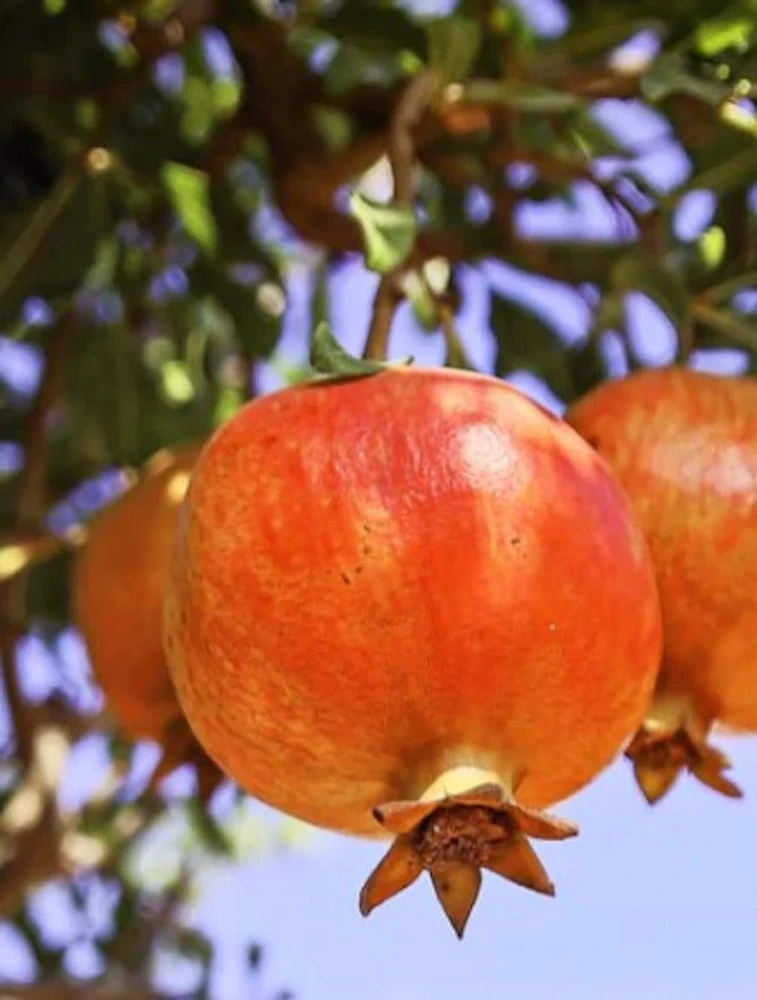
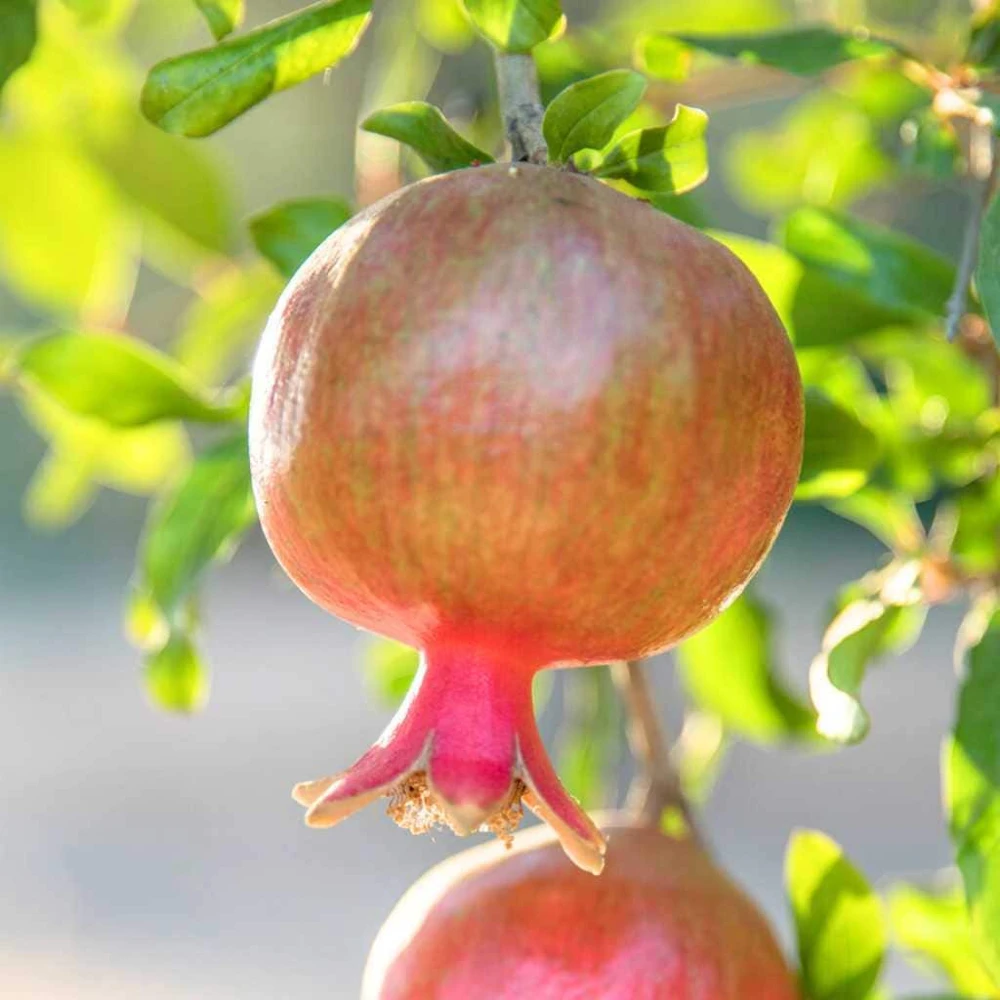
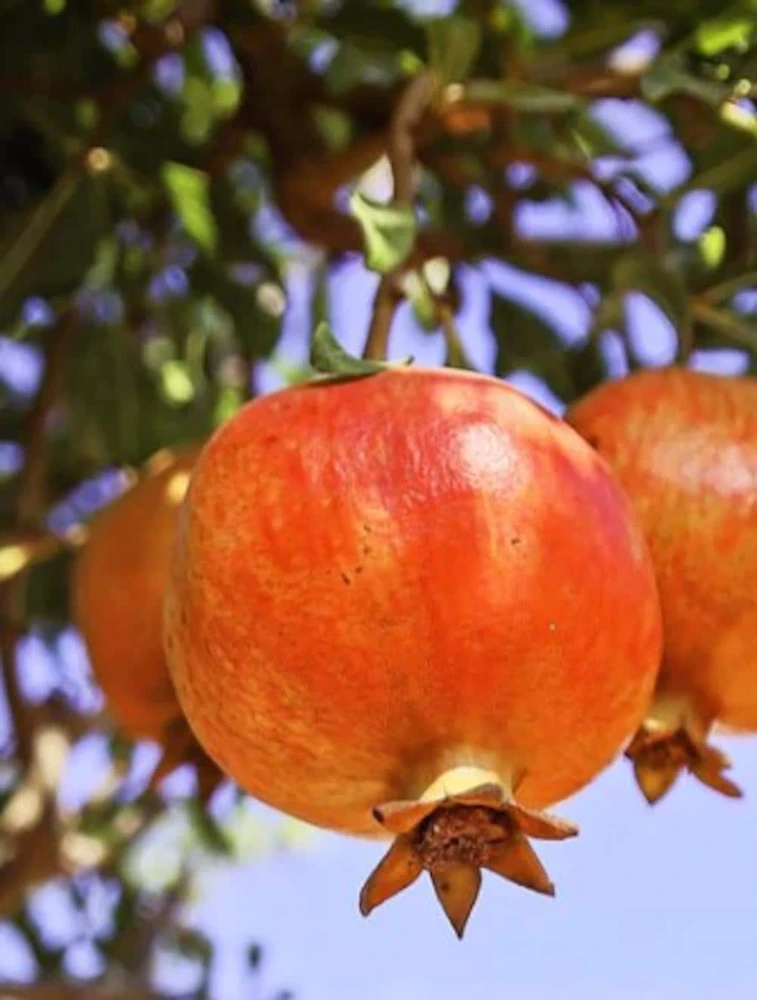
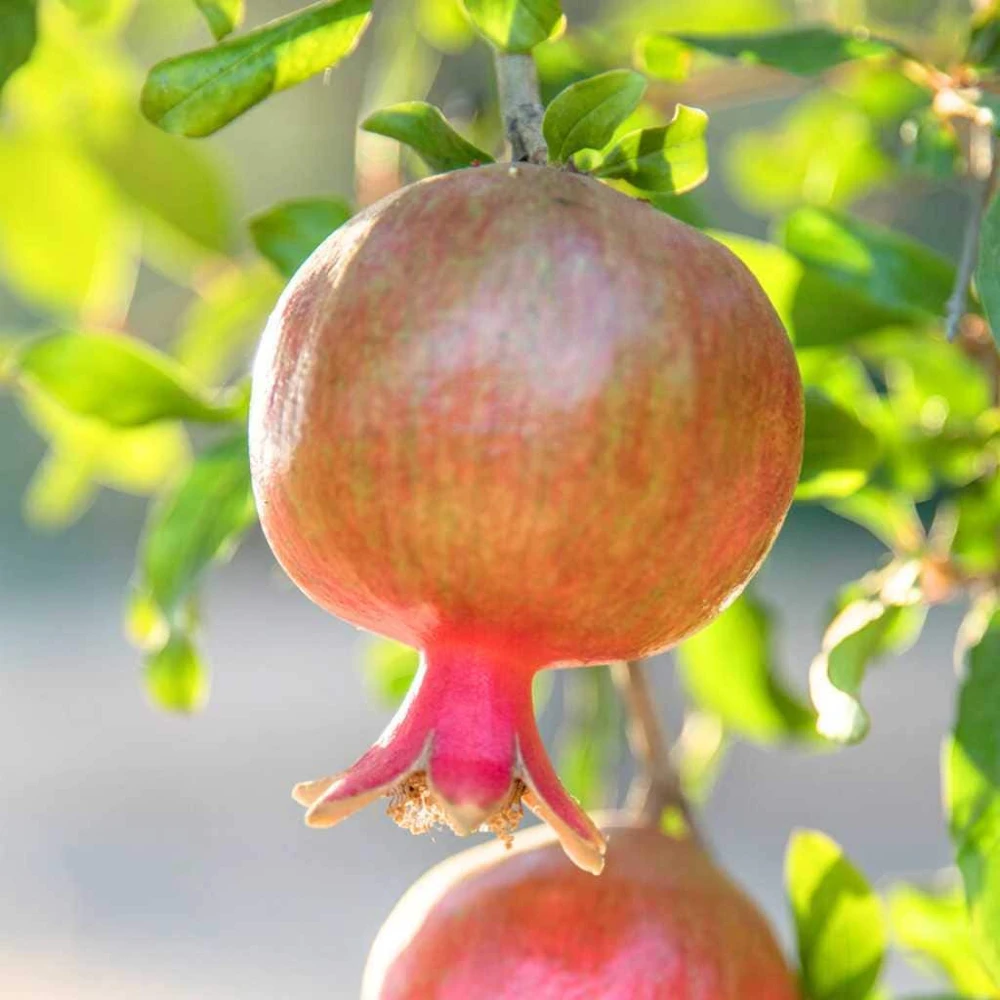
Cultivate your own flavorful fruit with the Salavatski Russian Pomegranate Tree. This vigorous and highly cold-tolerant live plant (Punica granatum ‘Salavatski’) thrives in USDA zones 6-9, making growing pomegranate in cold climates a reality. Enjoy large, delicious pomegranates from your own garden.
Estimated arrival
Oct 16
Oct 21 - Oct 23
Oct 23 - Oct 28
See our Shipping Policy.
Get in touch with us via email, and our team will review your concerns.
Our Alive & Thrive Guarantee covers issues with your plants within the first 30 days. Read our Refund & Returns Policy.
-
USDA Hardiness Zone
USDA zones 6-9 -
Soil Type
Well-draining soil, loamy -
Sunlight Exposure
Full sun (6-8 hours daily) -
Expected Planting Period
Late winter to early spring
Overview
Bring the exotic beauty and delicious fruit of the Salavatski Russian Pomegranate Tree to your garden. This exceptional variety, scientifically known as Punica granatum ‘Salavatski’, is a highly sought-after live plant renowned for its remarkable cold tolerance and vigorous growth habit. Originating from Afghanistan and specifically bred for hardiness, it stands out as a prime choice for gardeners in regions experiencing fluctuating temperatures. Unlike many pomegranate varieties that require warmer climates, the ‘Salavatski’ can withstand temperatures as low as 5°F and potentially even below 0°F with proper protection, making cold hardy pomegranate cultivation achievable in a wider range of USDA zones.
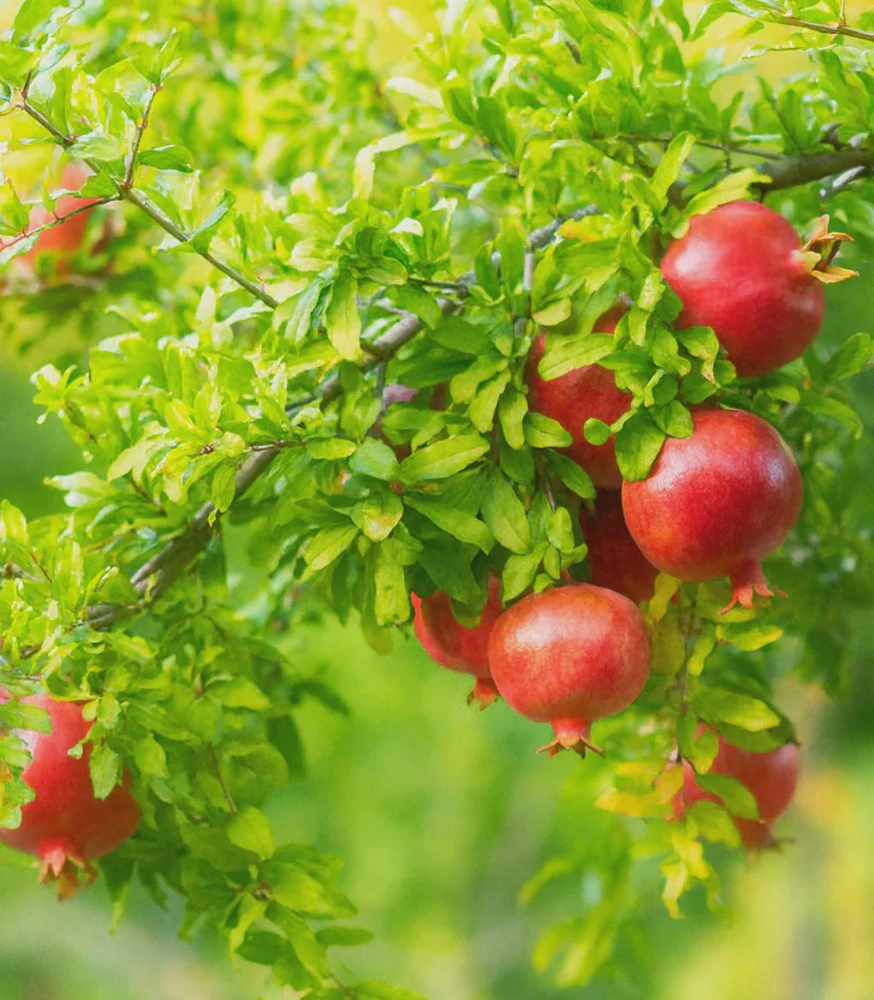
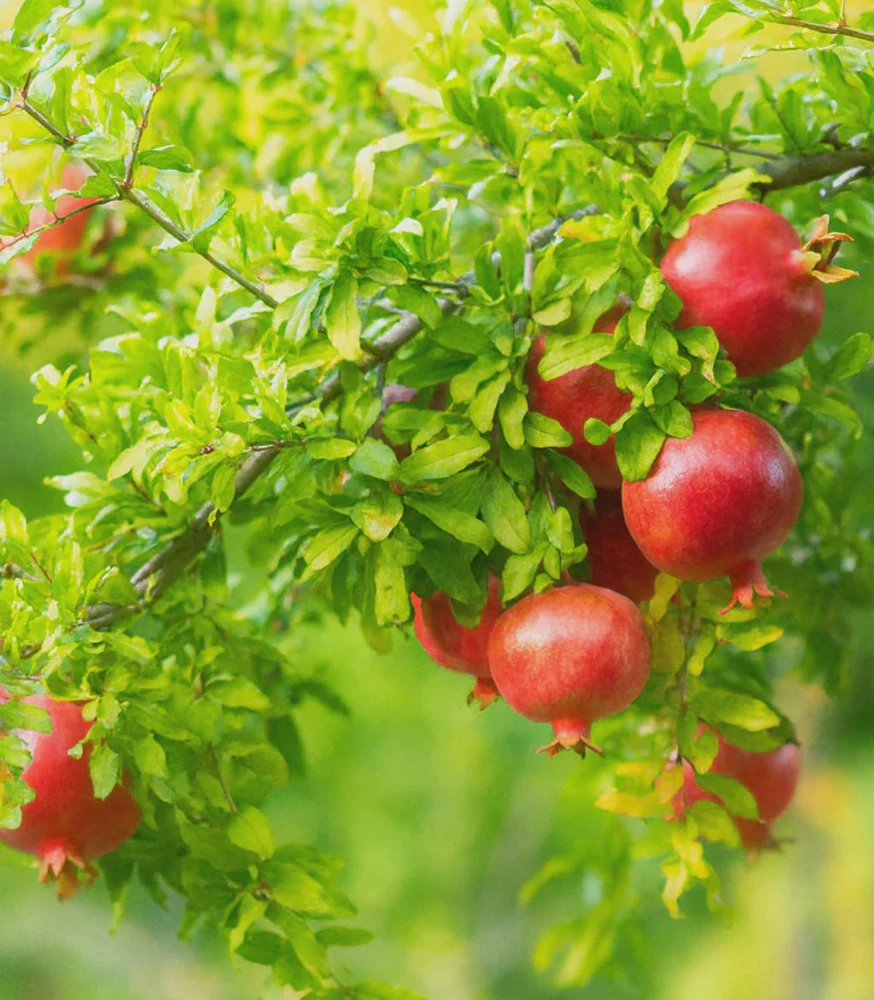
The ‘Salavatski’ pomegranate is not just hardy; it’s also a prolific producer of large, flavorful fruits. These pomegranates are perfect for juicing, eating fresh, or adding a vibrant touch to culinary dishes. This particular offering is a starter plant, providing you with a robust foundation to grow a thriving fruit-bearing tree. Its adaptability and delicious yield make it an excellent addition to any edible landscape or home orchard, especially for those looking for a resilient and rewarding fruit tree.
Key Benefits
The Salavatski Russian Pomegranate Tree offers a multitude of advantages for the home gardener, blending ornamental appeal with practical fruit production. This variety is truly a gem for those seeking a resilient and productive fruit tree.
- Exceptional Cold Hardiness: This variety is specifically bred to withstand significantly colder temperatures than most pomegranates, thriving in USDA zones 6-9. It can survive temperatures as low as 5°F, and with some protection, even below 0°F, broadening the possibilities for growing pomegranate in cold climates.
- Vigorous Growth Habit: The ‘Salavatski’ pomegranate is a robust and fast-growing tree, establishing itself quickly and reaching fruit-bearing maturity efficiently. Its strong growth makes it a reliable choice for long-term garden enjoyment.
- Delicious, Large Fruit Production: Enjoy an abundant harvest of large, flavorful pomegranates. These fruits are perfect for fresh eating, juicing, making syrups, or incorporating into various recipes, offering a unique and healthy addition to your diet.
- Adaptable to Various Climates: Originally from a region with significant temperature fluctuations, this plant is well-adapted to a range of environmental conditions, ensuring consistent performance even when temperatures vary.
- Low Maintenance Once Established: After its initial establishment phase, the Salavatski Russian Pomegranate Tree proves to be relatively low-maintenance, requiring less intensive care compared to some other fruit trees. This makes it an ideal choice for busy gardeners.
- Ornamental Value: Beyond its fruit, the tree offers attractive foliage and vibrant orange-red flowers in spring, adding significant ornamental value to your landscape. It creates a beautiful focal point in any garden setting.
- Health Benefits of Pomegranates: Pomegranates are rich in antioxidants and vitamins, offering numerous health benefits. Cultivating your own ensures a fresh and organic supply of this superfood.
Plant Care & Growing Tips
Caring for your Salavatski Russian Pomegranate Tree is straightforward, especially given its inherent hardiness. To ensure optimal growth and abundant fruit production, understanding its basic needs is crucial. This variety, Punica granatum Salavatski, prefers a location with ample sunlight. Plant your tree in an area that receives at least 6-8 hours of direct sunlight daily. While it can tolerate some partial shade, full sun will result in better fruiting and overall plant health. For colder regions within its USDA zone 6-9 range, consider a sheltered spot or providing winter protection, such as mulching heavily around the base or wrapping younger trees.
When it comes to watering, young pomegranate trees require consistent moisture to establish a strong root system. Water deeply and regularly, especially during dry spells, ensuring the soil remains evenly moist but not waterlogged. Once established, the cold hardy pomegranate is quite drought-tolerant, though consistent watering during fruit development will lead to larger, juicier pomegranates. Good drainage is paramount; pomegranates do not like wet feet. A well-draining soil mix is ideal, and amending heavy clay soils with organic matter can significantly improve drainage. Fertilize in early spring with a balanced slow-release fertilizer formulated for fruit trees, following package instructions.
Pruning is best done in late winter or early spring while the tree is dormant. Remove any dead, damaged, or crossing branches to maintain good air circulation and shape. Pomegranates can be grown as a multi-stemmed shrub or trained into a single-trunk tree. Monitoring for common pests and diseases is always a good practice, though ‘Salavatski’ is generally quite resilient. With these care tips, your pomegranate tree care will be minimal, allowing you to enjoy years of delicious fruit.
Size & Details
This offering is for one Salavatski Russian Pomegranate Tree starter plant. The plant typically arrives as a bare root specimen, meaning it will not be in a pot and its roots will be carefully packaged to retain moisture during transit. This method allows for easier shipping and often encourages quicker establishment once planted in your garden. The exact size of the starter plant will vary but is generally suitable for immediate planting.
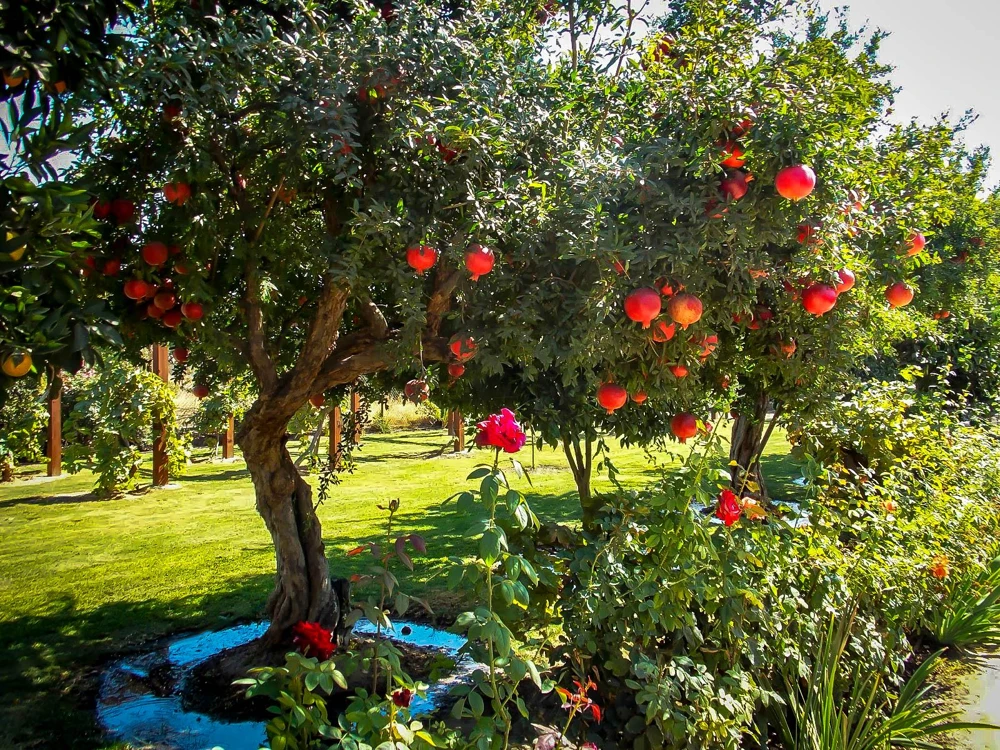
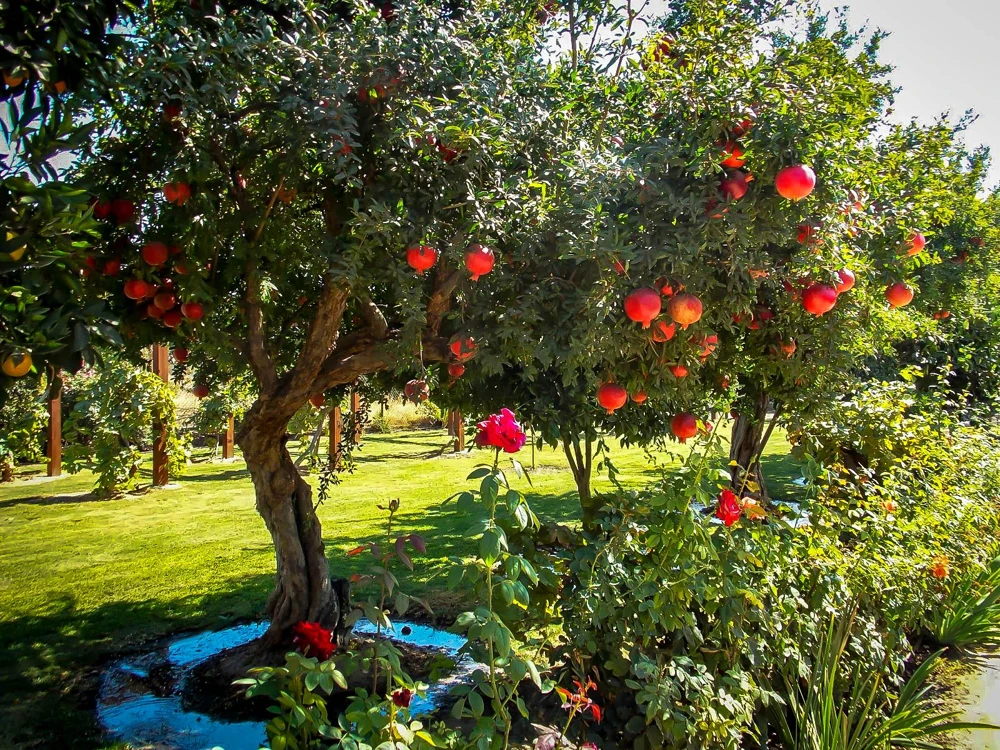
Once established, the Punica granatum Salavatski can grow to an average height of 10-15 feet, with a similar spread, depending on pruning and growing conditions. It exhibits a moderate to fast growth rate, allowing you to see significant development within a few seasons. Expect your tree to begin fruiting within 2-3 years of planting, with increasing yields as it matures. This variety is known for its vigor, making it a reliable choice for a productive and beautiful addition to your landscape.
Frequently Asked Questions
- Q: How big does this plant get? A: The Salavatski Russian Pomegranate Tree typically grows to a height of 10-15 feet and can have a similar spread, depending on how it’s pruned and its growing conditions. It can be maintained as a shrub or trained as a small tree.
- Q: Is this an indoor or outdoor plant? A: This is primarily an outdoor plant, especially known for its exceptional cold hardiness, making it suitable for outdoor cultivation in USDA zones 6-9. While it can be grown in a large container and moved indoors in colder climates, it performs best outdoors.
- Q: How much sunlight does it need? A: The ‘Salavatski’ pomegranate thrives in full sun, requiring at least 6-8 hours of direct sunlight daily for optimal growth and fruit production. More sun generally leads to better fruit yield and quality.
- Q: Is this plant easy to care for? A: Yes, the Salavatski Russian Pomegranate Tree is considered relatively easy to care for, especially once established. Its cold-hardy nature and drought tolerance contribute to its low-maintenance profile, making pomegranate tree care manageable for most gardeners.
- Q: What condition will it arrive in? A: The plant will typically arrive as a bare root specimen, meaning it will be shipped without soil or a pot, with its roots carefully protected to ensure freshness during transit. This is a common and effective method for shipping fruit trees.
- Q: How long until it blooms and fruits? A: You can generally expect your ‘Salavatski’ pomegranate tree to begin blooming and producing fruit within 2-3 years after planting. The yield will increase as the tree matures and establishes itself in your garden.
- Q: Will it survive winter in my zone? A: This cold hardy pomegranate is specifically bred for resilience and is suitable for USDA zones 6-9. It can survive temperatures as low as 5°F and potentially below 0°F with adequate winter protection.
- Q: What is the best soil for this pomegranate tree? A: The ‘Salavatski’ pomegranate prefers well-draining soil. While it can tolerate various soil types, a loamy soil with good organic matter content is ideal. Ensure the planting site does not retain excess water.
- Q: Can I grow this variety in a container? A: Yes, you can grow the Punica granatum Salavatski in a large container, especially if you are in a colder zone (below USDA zone 6) and wish to move it indoors during winter. Ensure the container is large enough to accommodate its root system and has excellent drainage.
- Q: When is the best time to plant this tree? A: The best time to plant a bare root Salavatski Russian Pomegranate Tree is typically in late winter or early spring, before new growth begins. This allows the roots to establish before the stress of summer heat.
Be the first to review “Salavatski Russian Pomegranate Tree Live Plant – Cold Hardy Punica granatum”
Related products


You May Like

Hardneck vs. Softneck Garlic: Which Should You Grow?
Have you ever stood in front of a seed catalog in mid-September, staring at dozens [...]
Oct

When to Plant Music Garlic: Ultimate US Fall Guide
Have you ever spent your fall weekend placing carefully chosen garlic cloves into rich, dark [...]
1 Comment
Oct

5 Best Bulbs for Fall Planting: Brighten Your Garden This Spring
Are you dreaming of a garden full of vibrant colors in the spring? The key [...]
Aug

10 Houseplants That Will Thrive in Your Kitchen
Are you tired of your kitchen feeling dull and lifeless? Want to add a little [...]
1 Comment
Aug
Reviews
There are no reviews yet.