
Spice Bush Live Plant – Lindera benzoin – 8-18″ Starter Shrub, Quart Pot
Original price was: 74.99 $.49.99 $Current price is: 49.99 $.
Bring home a beautiful spice bush live plant (Lindera benzoin), an aromatic deciduous shrub perfect for any garden. This 8-18″ starter plant, shipped in a quart pot, is a native, pollinator-friendly addition that thrives in partial shade and moist, well-drained soil. Enhance your landscape with the charm of a northern spicebush shrub.
Estimated arrival
Oct 17
Oct 22 - Oct 24
Oct 24 - Oct 29
See our Shipping Policy.
Get in touch with us via email, and our team will review your concerns.
Our Alive & Thrive Guarantee covers issues with your plants within the first 30 days. Read our Refund & Returns Policy.
-
USDA Hardiness Zone
USDA Zones 4-9 -
Soil Type
Moist, well-draining, rich organic soil -
Sunlight Exposure
Partial shade -
Expected Planting Period
Spring or Fall
Overview
Introduce a touch of native North American charm to your garden with the spice bush live plant (Lindera benzoin). This aromatic deciduous shrub, also known as northern spicebush shrub, is a remarkable addition to any landscape, providing year-round interest. Known for its pleasant fragrance, vibrant fall foliage, and early spring flowers, the spice bush is a favorite among pollinators and wildlife. Our 8-18″ starter plants are carefully cultivated and shipped in a quart pot, ready to establish themselves in your garden. This easy-to-grow plant adapts well to various conditions, making it an excellent choice for both novice and experienced gardeners seeking a low-maintenance, high-impact native species.
The lindera benzoin plant is highly valued not only for its aesthetic appeal but also for its ecological benefits. It serves as a host plant for the spicebush swallowtail butterfly and provides food and shelter for other beneficial insects and birds. Its adaptability to partial shade and moist conditions makes it ideal for woodland gardens, naturalized areas, or as a foundational planting. Embrace sustainable gardening practices by incorporating this resilient and beautiful native shrub into your outdoor space, creating a haven for local flora and fauna.
Key Benefits
Adding a spice bush live plant to your garden offers a multitude of advantages, enhancing both its beauty and biodiversity. This versatile shrub is celebrated for its ease of care, ecological contributions, and sensory delights, making it a truly rewarding choice for any gardener.
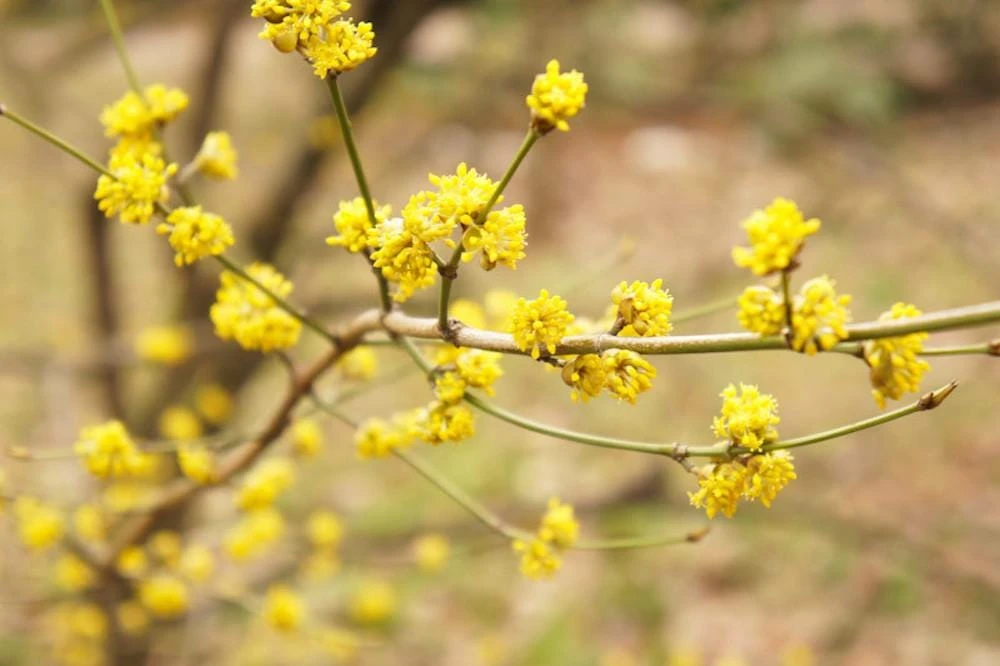
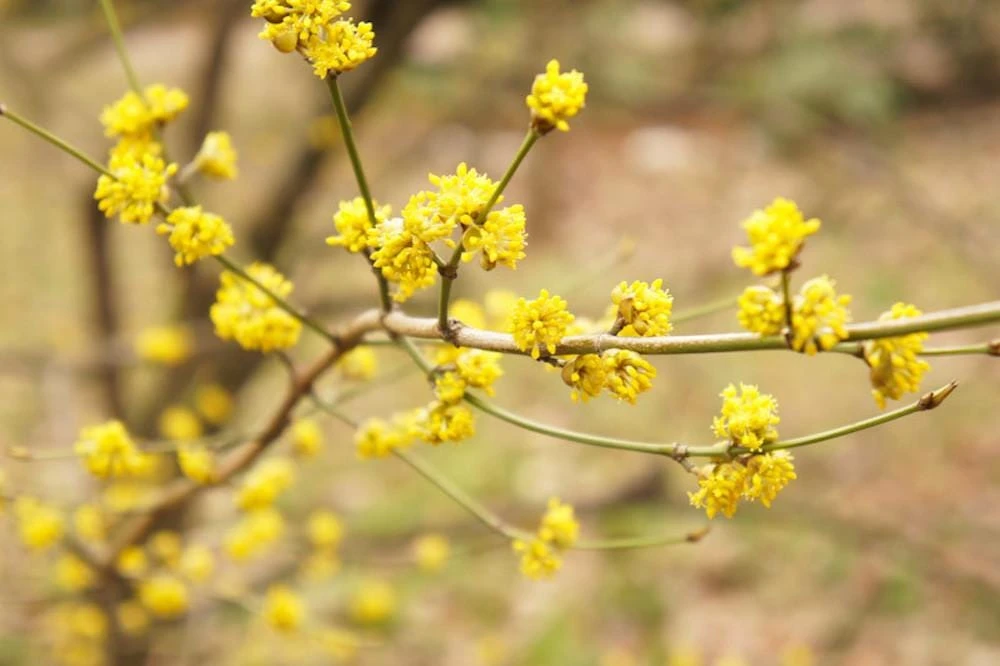
- Pollinator Magnet: The spice bush live plant is a critical early spring food source for various pollinators, including bees and butterflies, supporting local ecosystems. Its small, yellowish flowers emerge before the leaves, providing essential nectar when other food sources are scarce.
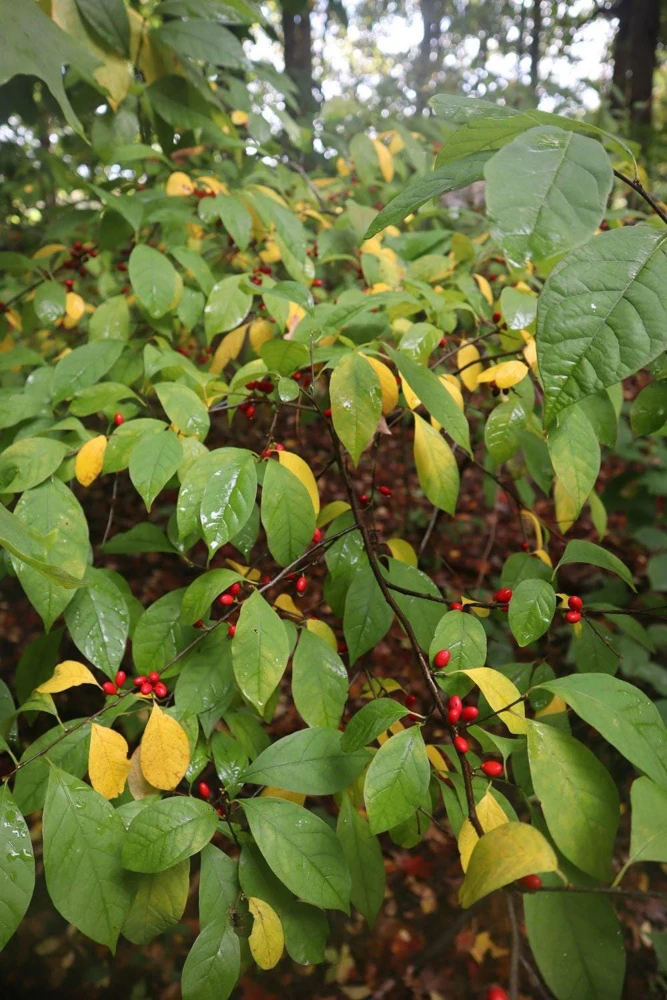
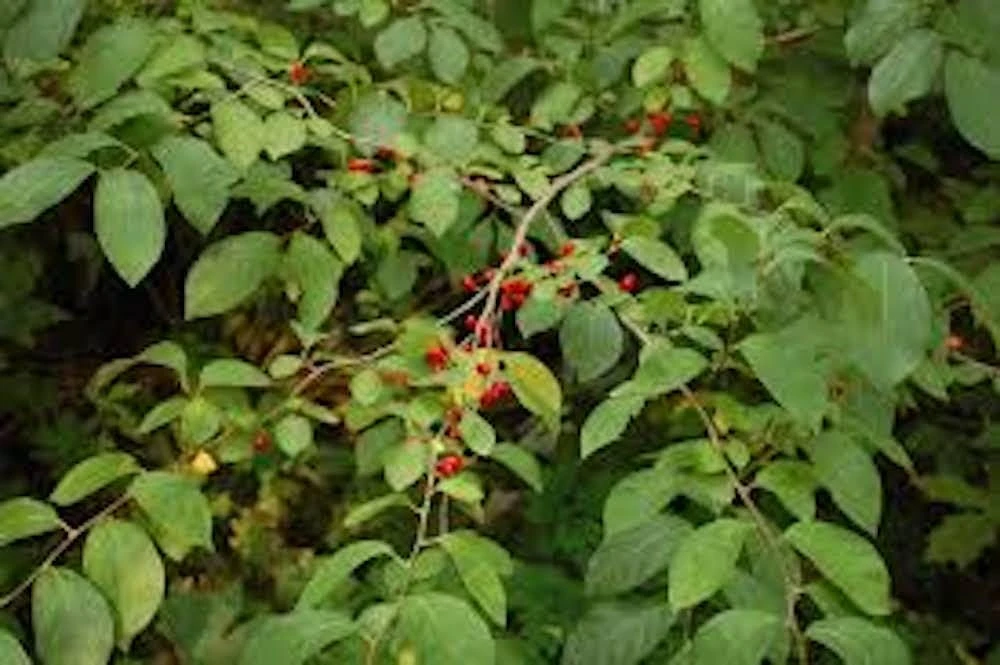
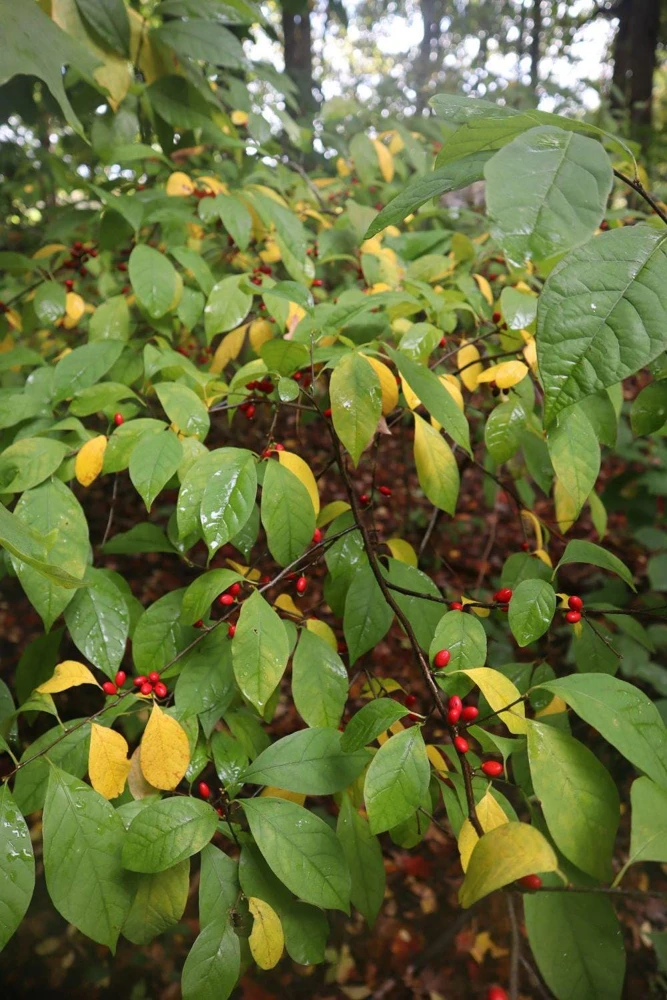
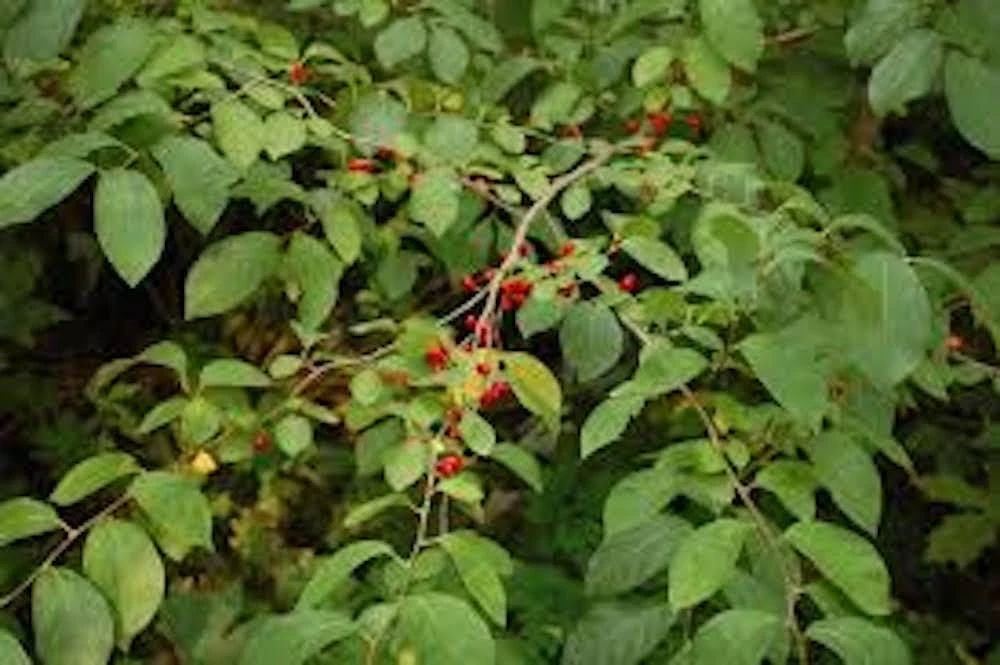
- Wildlife Habitat: Beyond pollinators, the plant’s berries are a valuable food source for numerous bird species in the fall, and its leaves host the beautiful spicebush swallowtail butterfly caterpillars. This makes it an invaluable asset for creating a wildlife-friendly garden.
- Aromatic Foliage: All parts of the lindera benzoin plant, particularly the leaves and twigs, release a delightful, spicy fragrance when crushed. This natural aroma adds a unique sensory experience to your garden, especially during walks or when tending to your plants.
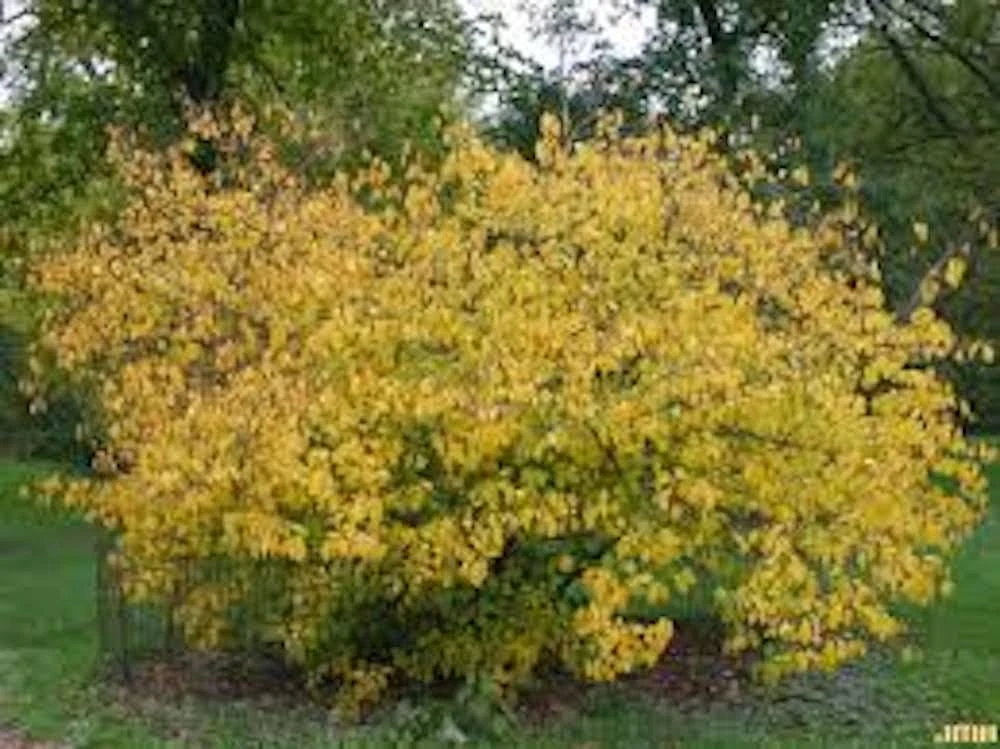
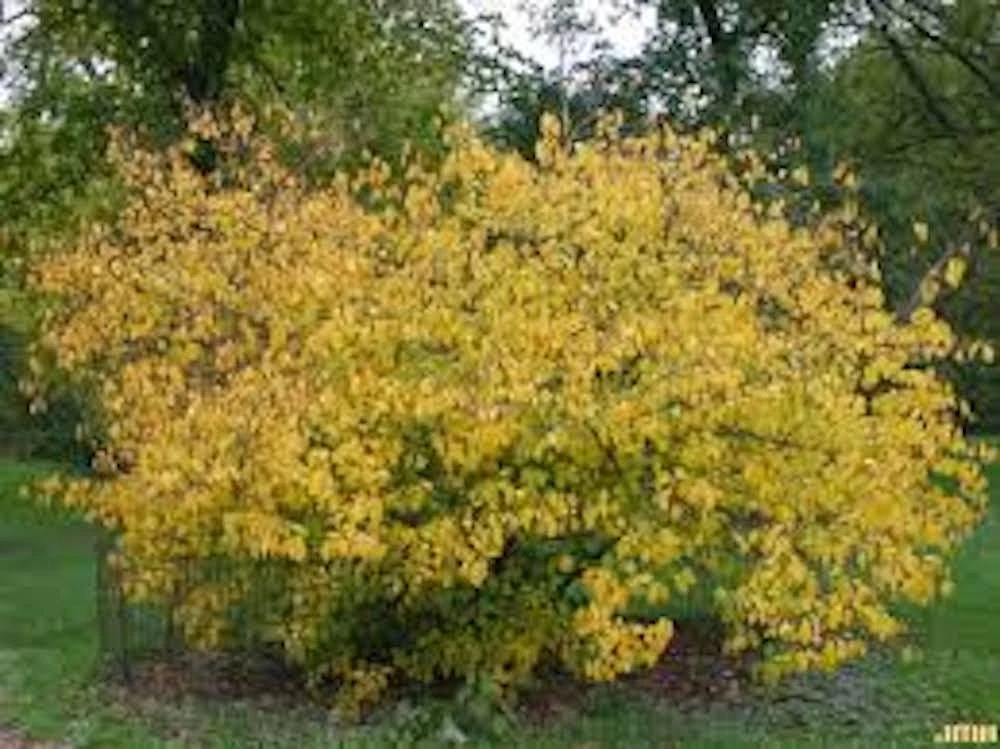
- Stunning Fall Color: While often overlooked, the spice bush provides a spectacular display of golden-yellow fall foliage, adding a brilliant splash of color to your autumn landscape. This vibrant transformation ensures visual interest throughout multiple seasons.
- Easy to Grow & Low Maintenance: This native shrub is remarkably resilient and adaptable. Once established, it requires minimal care, thriving in a range of soil types and light conditions, particularly partial shade. This makes spicebush plant care straightforward and rewarding.
- Native Resilience: Being native to eastern and central North America, the northern spicebush shrub is well-adapted to local climates and soil conditions, making it naturally resistant to many pests and diseases. This reduces the need for chemical interventions and promotes a healthier garden environment.
Plant Care & Growing Tips
Caring for your spice bush live plant is a straightforward process, thanks to its native resilience and adaptability. To ensure your shrub thrives, understanding its basic needs for sunlight, water, and soil is crucial. The lindera benzoin plant prefers a location with partial shade, meaning it should receive about 2-6 hours of direct sunlight per day, ideally in the morning, with protection from harsh afternoon sun. While it can tolerate full sun in cooler climates or if consistently moist, partial shade helps prevent leaf scorch and maintains soil moisture. In deeply shaded areas, flowering and berry production may be reduced.
When it comes to watering, the spice bush prefers consistently moist, but not waterlogged, soil. During its establishment period (the first year after planting), water regularly to keep the soil evenly damp. Once established, it is relatively drought-tolerant but will benefit from supplemental watering during prolonged dry spells, especially in warmer climates. The ideal soil type is rich, organic, and well-drained. It can tolerate a range of pH levels but generally prefers slightly acidic to neutral soil. Amending heavy clay soils with compost before planting will improve drainage and aeration, crucial for healthy root development. The spicebush plant care routine is minimal, typically only requiring occasional pruning to maintain shape or remove dead/damaged branches.
The northern spicebush shrub is generally hardy in USDA zones 4-9. It is quite cold-tolerant and rarely suffers from winter damage in its established range. Fertilization is usually not necessary if planted in rich, organic soil. However, if your soil is poor, a balanced slow-release granular fertilizer applied in early spring can be beneficial. Pests and diseases are rarely a significant issue for this native plant, but always monitor for any unusual changes. Proper site selection and consistent initial care will set your spice bush live plant up for long-term success and a beautiful display in your garden, attracting a variety of wildlife and enhancing its natural beauty.
Size & Details
This offering is for one spice bush live plant, specifically a starter shrub, shipped in a quart-sized pot. The plant you receive will typically measure between 8-18 inches in height from the base of the pot to the tip of the foliage. This size is ideal for planting, allowing the shrub to establish quickly in its new environment. The lindera benzoin plant is a deciduous shrub, meaning it will drop its leaves in the fall and winter, and may ship bare root during these dormant seasons, which is a completely normal and healthy state for transplanting.
Upon maturity, the northern spicebush shrub can reach an average height and spread of 6-12 feet, creating a dense, rounded form. Its growth rate is moderate, allowing you to enjoy its benefits within a few growing seasons. The plant produces small, yellow-green flowers in early spring, followed by bright red berries in late summer to fall, adding seasonal interest. This resilient shrub is an excellent choice for a variety of landscape applications, from woodland gardens to naturalized areas, and its mature size makes it a suitable specimen plant or part of a mixed border.
Frequently Asked Questions
- Q: How big does this spice bush live plant get? A: This starter plant is 8-18 inches tall. At maturity, a northern spicebush shrub can reach an average height and spread of 6-12 feet, forming a dense, rounded shrub.
- Q: What size pot does it come in? A: The spice bush live plant is shipped in a quart-sized pot, providing a healthy root system for successful transplanting into your garden.
- Q: Is this an indoor or outdoor plant? A: The lindera benzoin plant is an outdoor deciduous shrub. It is not suitable for long-term indoor cultivation and requires outdoor conditions to thrive and complete its natural life cycle.
- Q: How much sunlight does it need? A: Spice bush thrives in partial shade, receiving 2-6 hours of direct sunlight, ideally morning sun. It can tolerate full sun with consistent moisture or full shade, though flowering and berry production may be reduced in deep shade.
- Q: Is this plant easy to care for? A: Yes, spicebush plant care is generally considered easy. It is a low-maintenance native shrub that, once established, requires minimal attention, making it suitable for gardeners of all experience levels.
- Q: What condition will it arrive in? A: Your spice bush live plant will arrive as a healthy starter plant in a quart pot. During fall and winter, it ships bare root, which is a normal and healthy state for dormant deciduous plants.
- Q: When is the best time to plant a spice bush? A: The best time to plant a northern spicebush shrub is in spring or fall, when temperatures are mild. This allows the plant to establish its root system before extreme weather conditions.
- Q: Will it survive winter in my zone? A: The lindera benzoin plant is hardy in USDA Zones 4-9, meaning it is well-adapted to survive cold winters within this range.
- Q: Is the spice bush attractive to pollinators? A: Absolutely! The spice bush live plant is highly valued for its early spring flowers, which provide crucial nectar for bees and other pollinators, and its leaves serve as a host for the spicebush swallowtail butterfly.
- Q: Does it produce berries? A: Yes, female spice bush live plants produce bright red berries in late summer to fall, which are an important food source for birds. Both male and female plants are needed for berry production.
Be the first to review “Spice Bush Live Plant – Lindera benzoin – 8-18″ Starter Shrub, Quart Pot”
Related products


You May Like

Hardneck vs. Softneck Garlic: Which Should You Grow?
Have you ever stood in front of a seed catalog in mid-September, staring at dozens [...]
Oct

When to Plant Music Garlic: Ultimate US Fall Guide
Have you ever spent your fall weekend placing carefully chosen garlic cloves into rich, dark [...]
1 Comment
Oct

5 Best Bulbs for Fall Planting: Brighten Your Garden This Spring
Are you dreaming of a garden full of vibrant colors in the spring? The key [...]
Aug

10 Houseplants That Will Thrive in Your Kitchen
Are you tired of your kitchen feeling dull and lifeless? Want to add a little [...]
1 Comment
Aug
Reviews
There are no reviews yet.