
Bald Cypress Tree Live Plant – 12-24in Tall Taxodium distichum Outdoor Landscape Tree
Original price was: 221.99 $.196.99 $Current price is: 196.99 $.
Add a stunning and resilient bald cypress tree to your landscape. This 12-24 inch taxodium distichum live plant is perfect for outdoor planting, offering beautiful feathery foliage that changes with the seasons. Known for thriving in various conditions, it’s an excellent choice for a distinctive garden feature.
Estimated arrival
Oct 17
Oct 22 - Oct 24
Oct 24 - Oct 29
See our Shipping Policy.
Get in touch with us via email, and our team will review your concerns.
Our Alive & Thrive Guarantee covers issues with your plants within the first 30 days. Read our Refund & Returns Policy.
-
USDA Hardiness Zone
USDA Zones 4-10 -
Soil Type
Moist, acidic, sandy or silty loam; adaptable to various soil types -
Sunlight Exposure
Full sun to partial shade -
Expected Planting Period
Spring or Fall
Overview
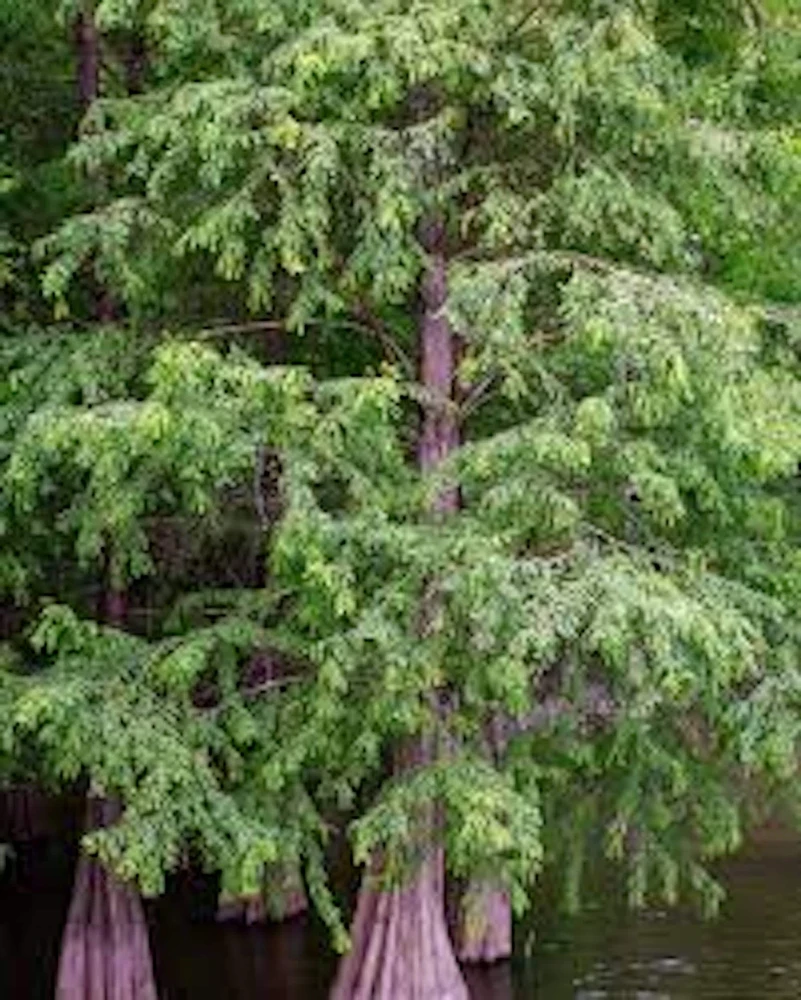
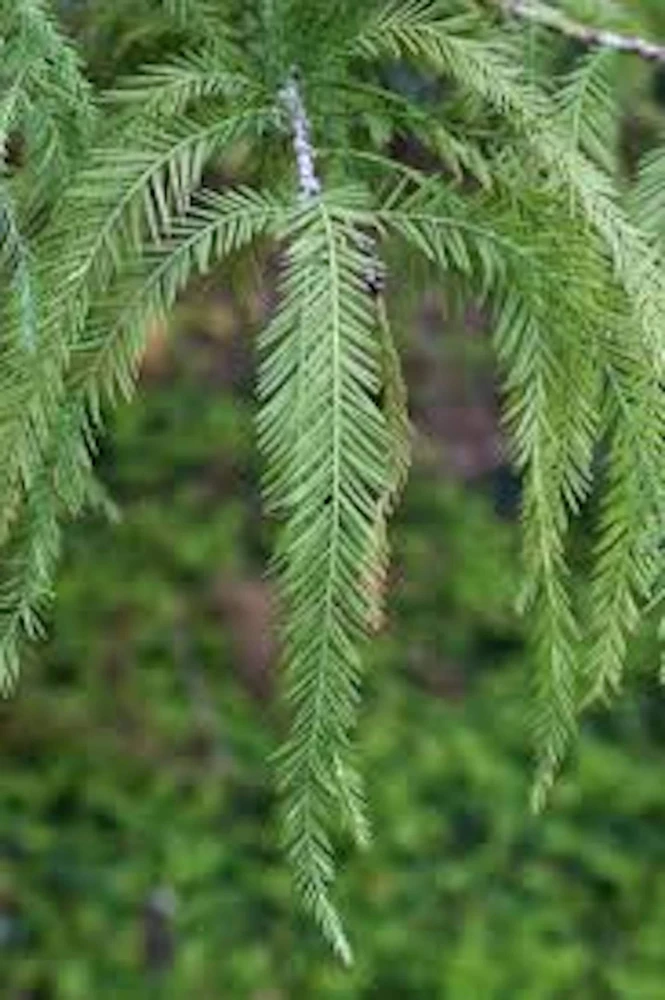
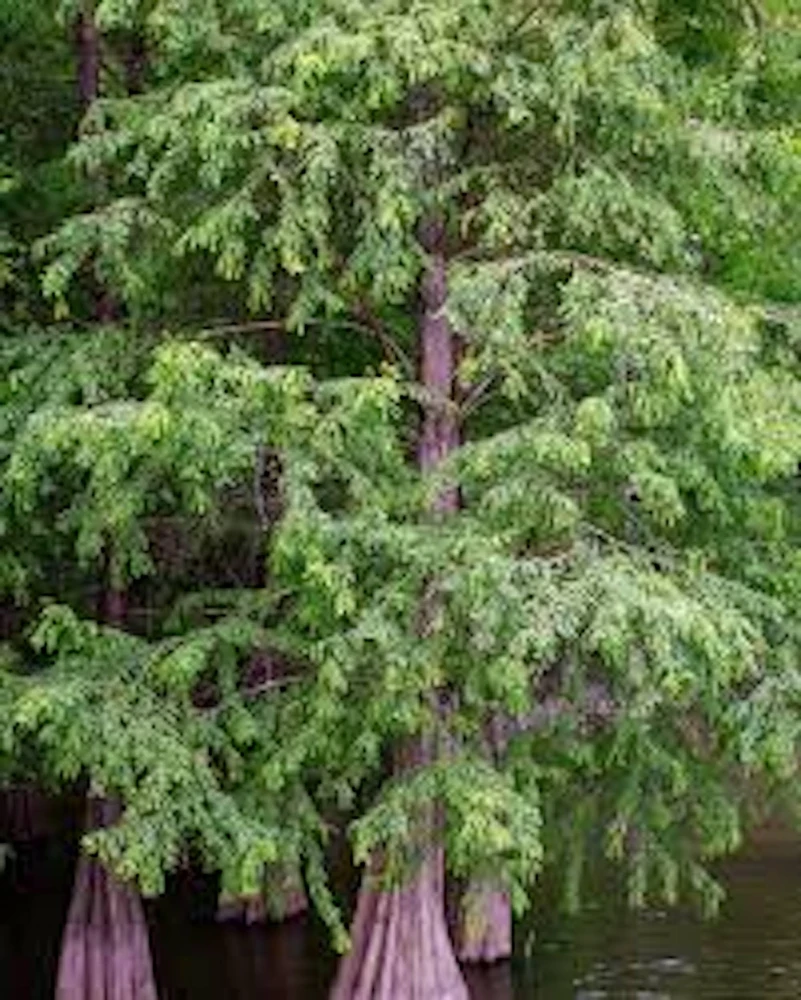
Welcome a magnificent bald cypress tree into your garden. This impressive deciduous conifer, scientifically known as Taxodium distichum, is celebrated for its unique beauty and adaptability. Unlike most conifers, the bald cypress tree sheds its needles in the fall, offering a spectacular display of russet and coppery-bronze hues before going dormant. Native to the southeastern United States, this resilient species is renowned for its ability to thrive in a wide range of environments, from wet, swampy areas to drier upland soils, making it an incredibly versatile choice for many landscapes. Our 12-24 inch live plant provides a strong start for establishing this iconic and long-lived tree in your outdoor space, promising years of natural elegance and shade.
The bald cypress tree is not only beautiful but also a robust and low-maintenance addition to your property. Its distinctive pyramidal shape in youth matures into a more rounded, spreading crown, providing ample shade and a strong architectural presence. Whether you’re looking to create a naturalized wetland area, a striking specimen tree, or a stately avenue planting, the taxodium distichum is an exceptional selection that will enhance the aesthetic and ecological value of your landscape. This particular offering is a 12-24 inch tall live plant, ready to be established in its new home.
Key Benefits
Investing in a bald cypress tree brings numerous advantages to your garden and outdoor living space. This remarkable tree offers both aesthetic appeal and environmental benefits, making it a truly valuable addition.
- Striking Seasonal Beauty: Enjoy the vibrant green, feathery foliage throughout spring and summer, transitioning to brilliant russet, orange, and coppery-bronze in the fall before its needles drop. This seasonal color change provides continuous visual interest.
- Exceptional Adaptability: The bald cypress tree thrives in a wide range of soil conditions, from consistently wet to occasionally dry, making it suitable for various landscape designs and challenging sites. It’s a truly resilient choice.
- Long-Lived & Stately Presence: Known for its longevity and impressive size, a mature taxodium distichum becomes a magnificent specimen, providing significant shade and a grand focal point in any large garden or park setting.
- Low Maintenance: Once established, the bald cypress tree requires minimal care, making it an excellent option for gardeners seeking a beautiful yet undemanding tree. Its natural resistance to many pests and diseases further simplifies its upkeep.
- Wildlife Habitat: The dense canopy and strong structure provide shelter and nesting sites for various bird species, while its seeds offer a food source for local wildlife, contributing to biodiversity in your yard.
- Erosion Control: In wetter areas, the extensive root system of the bald cypress tree, including its distinctive ‘knees’ (though these are not always present in drier conditions), can help stabilize soil and prevent erosion.
- Air Purification: Like all trees, the bald cypress tree contributes to cleaner air by absorbing carbon dioxide and releasing oxygen, enhancing the overall quality of your environment.
Plant Care & Growing Tips
Caring for your new bald cypress tree is relatively straightforward, thanks to its resilient nature. For optimal growth, choose a location that receives full sun, meaning at least 6 hours of direct sunlight per day. While it tolerates partial shade, full sun encourages the best form and strongest growth. The taxodium distichum is highly adaptable to various soil types, but it prefers moist, acidic, sandy, or silty loams. Good drainage is beneficial, although it is famously tolerant of prolonged periods of standing water. When planting, dig a hole twice as wide as the root ball and just as deep. Carefully place the tree, ensuring the top of the root ball is level with the surrounding soil. Backfill with native soil, tamping gently to remove air pockets.
Watering is crucial during the establishment period. For the first year or two after planting, ensure the soil remains consistently moist, especially during dry spells. Deep watering once or twice a week is generally more effective than frequent shallow watering. Once established, the bald cypress tree becomes quite drought-tolerant, though it will appreciate supplemental watering during extended dry periods. Fertilization is typically not necessary for established trees in good soil, but young trees can benefit from a balanced, slow-release fertilizer in early spring. Pruning is rarely required beyond removing any dead, damaged, or crossing branches to maintain a strong structure. This resilient tree is hardy in USDA Zones 4-10, making it suitable for a wide range of climates. Understanding bald cypress care will ensure your tree thrives for decades.
Size & Details
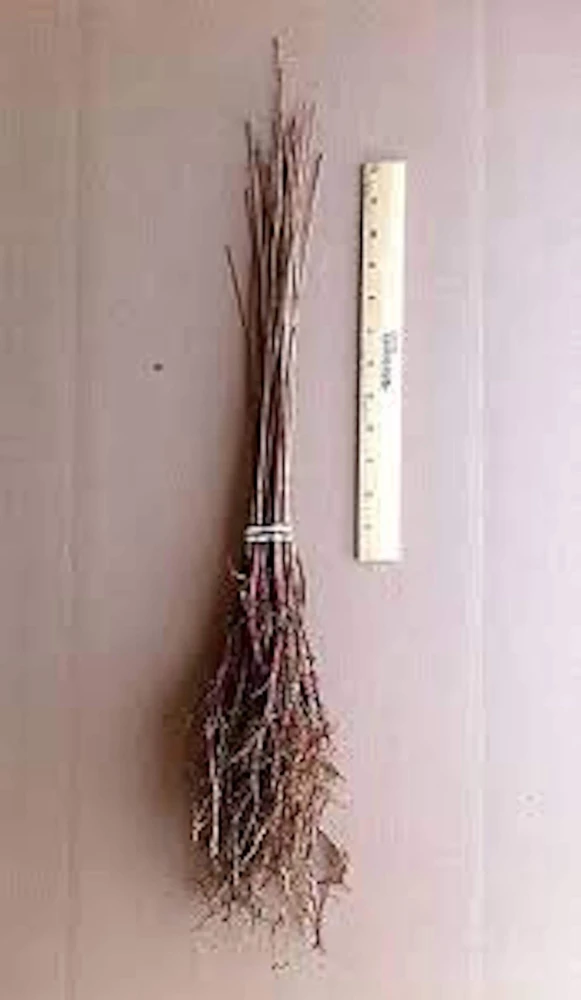
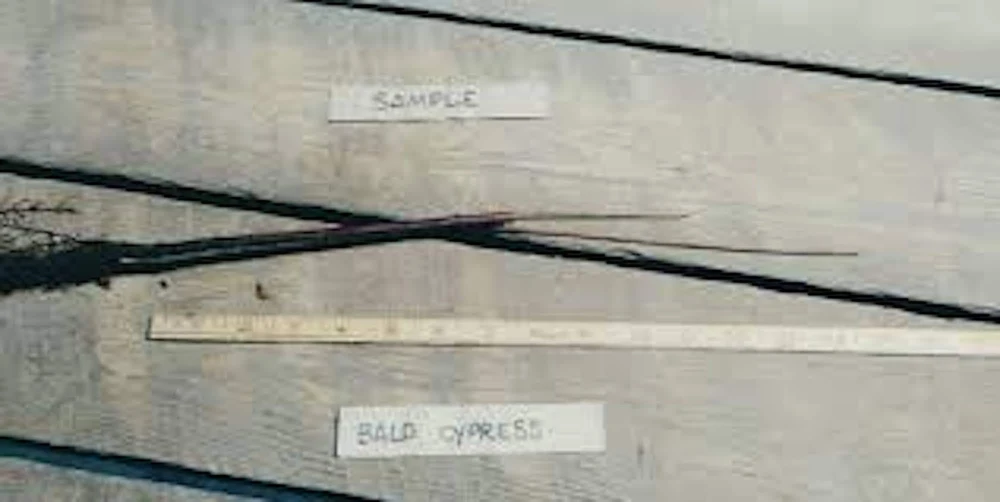
This offering is for one bald cypress tree live plant, measuring approximately 12-24 inches tall from the base of the root system to the tip of the highest stem. The tree may ship bare root when dormant, typically in late fall through early spring, to ensure its health during transit. During the growing season, it will ship in a quart pot, providing a healthy root ball for successful planting. The young tree will have a slender central leader and developing lateral branches, characteristic of its early growth habit. The growth rate of the taxodium distichum is moderate to fast, typically adding 12-24 inches per year under ideal conditions, eventually reaching heights of 50-70 feet with a spread of 20-30 feet at maturity. Expect this landscape tree to begin establishing quickly and show noticeable growth within its first few seasons.
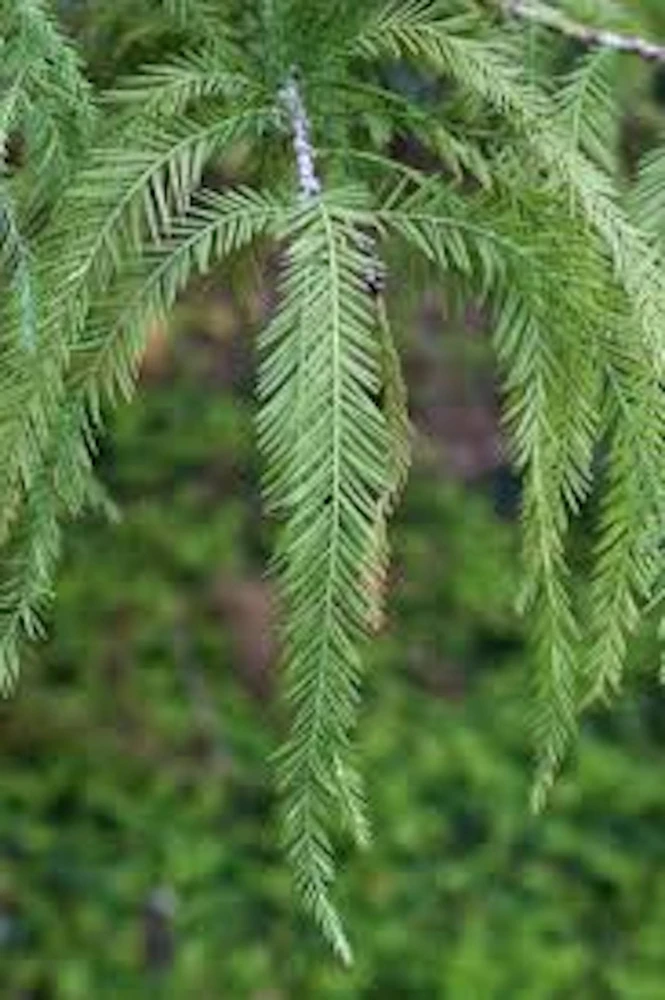
This particular specimen provides an excellent foundation for creating a lasting feature in your garden. Its size makes it manageable for planting while being robust enough to withstand typical environmental conditions. The feathery, green needles will emerge in spring, providing a lush appearance throughout the warmer months. As a deciduous conifer, it will drop these needles in the fall after a spectacular display of color, signaling its winter dormancy. This bald cypress tree is a long-term investment, providing decades of beauty and environmental benefits.
Frequently Asked Questions
- Q: How big does this bald cypress tree get at maturity? A: A mature bald cypress tree can typically reach heights of 50-70 feet with a spread of 20-30 feet, though some specimens can grow even larger. Its distinctive pyramidal shape will broaden with age.
- Q: Is this an indoor or outdoor plant? A: The bald cypress tree (Taxodium distichum) is an outdoor landscape tree. It requires ample space to grow and thrives in full sun conditions.
- Q: How much sunlight does a bald cypress tree need? A: For optimal growth and health, a bald cypress tree prefers full sun, meaning at least 6 hours of direct sunlight per day. It can tolerate partial shade but may not grow as vigorously.
- Q: Is this plant easy to care for? A: Yes, once established, the bald cypress tree is considered a low-maintenance tree. It’s adaptable to various soil conditions and is relatively resistant to pests and diseases, making bald cypress care straightforward.
- Q: What condition will the tree arrive in? A: The tree will ship bare root when dormant (typically fall to early spring) and in a quart pot during the growing season. It will be carefully packaged to ensure it arrives healthy and ready for planting.
- Q: When is the best time to plant a taxodium distichum? A: The best time to plant a taxodium distichum is in the spring or fall when temperatures are moderate. This allows the tree to establish its root system before extreme heat or cold.
- Q: Will a bald cypress tree survive winter in my zone? A: The bald cypress tree is very cold hardy and thrives in USDA Zones 4-10, making it suitable for a wide range of climates across the United States.
- Q: Does the bald cypress tree really lose its needles? A: Yes, despite being a conifer, the bald cypress tree is deciduous, meaning it sheds its needles each fall after they turn a beautiful coppery-bronze color. This is a natural part of its life cycle.
- Q: What kind of soil does a bald cypress tree prefer? A: While highly adaptable, the bald cypress tree prefers moist, acidic, sandy, or silty loams. It is particularly known for thriving in wet, swampy conditions but also tolerates drier soils once established.
- Q: Will this tree grow ‘knees’? A: The distinctive ‘knees’ (pneumatophores) of the bald cypress tree are typically formed when the tree grows in consistently wet or swampy conditions. In drier, upland soils, they may not develop or will be less pronounced.
Be the first to review “Bald Cypress Tree Live Plant – 12-24in Tall Taxodium distichum Outdoor Landscape Tree”
Related products


You May Like

Hardneck vs. Softneck Garlic: Which Should You Grow?
Have you ever stood in front of a seed catalog in mid-September, staring at dozens [...]
Oct

When to Plant Music Garlic: Ultimate US Fall Guide
Have you ever spent your fall weekend placing carefully chosen garlic cloves into rich, dark [...]
1 Comment
Oct

5 Best Bulbs for Fall Planting: Brighten Your Garden This Spring
Are you dreaming of a garden full of vibrant colors in the spring? The key [...]
Aug

10 Houseplants That Will Thrive in Your Kitchen
Are you tired of your kitchen feeling dull and lifeless? Want to add a little [...]
1 Comment
Aug
Reviews
There are no reviews yet.