
Sweet Mock Orange Live Plant – Philadelphus coronarius – 12-24″ Tall Starter Shrub
Original price was: 129.99 $.104.99 $Current price is: 104.99 $.
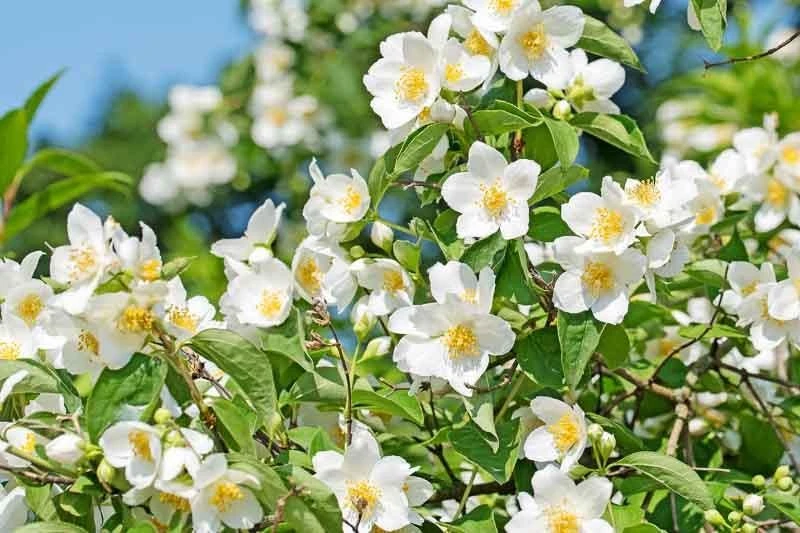
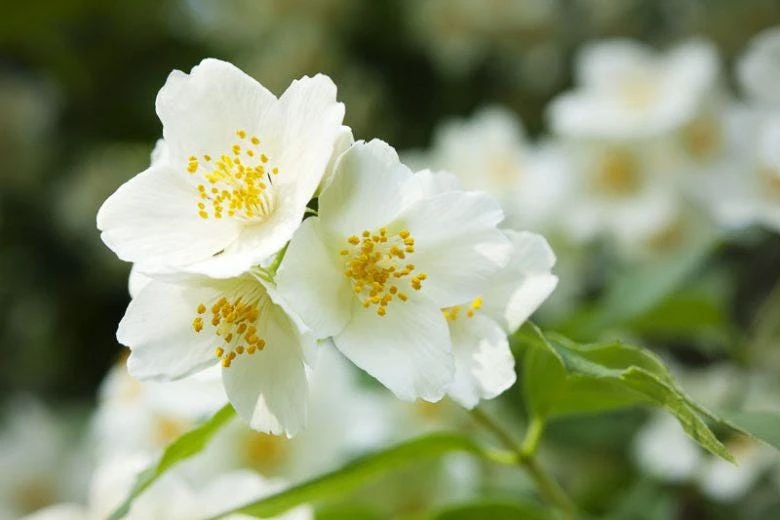
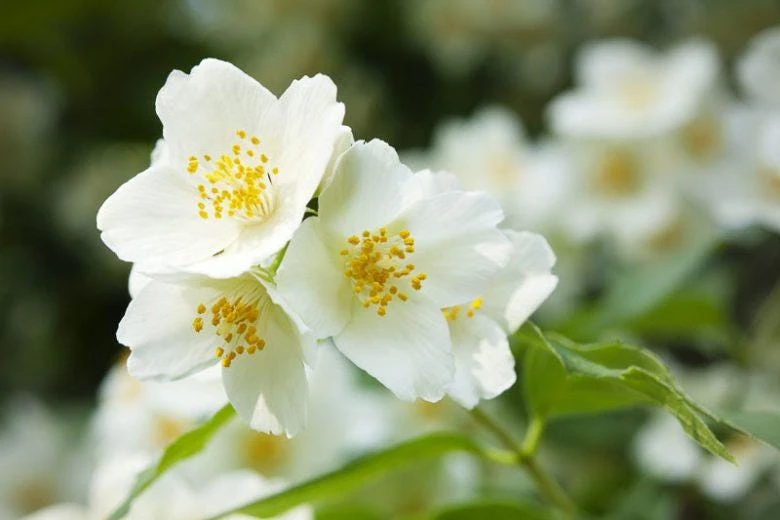
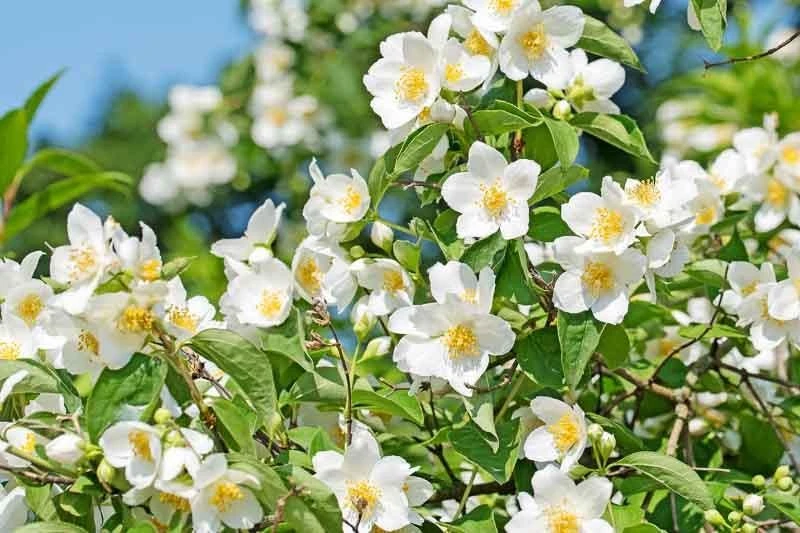
Bring classic fragrance to your garden with the sweet mock orange live plant. This deciduous shrub, Philadelphus coronarius, offers intensely fragrant white flowers, perfect for hedges, borders, or near patios. Enjoy the beauty and scent of this beloved garden favorite.
Estimated arrival
Oct 17
Oct 22 - Oct 24
Oct 24 - Oct 29
See our Shipping Policy.
Get in touch with us via email, and our team will review your concerns.
Our Alive & Thrive Guarantee covers issues with your plants within the first 30 days. Read our Refund & Returns Policy.
-
USDA Hardiness Zone
USDA Zones 4-8 -
Soil Type
Well-draining, rich in organic matter -
Sunlight Exposure
Full sun to partial shade -
Expected Planting Period
Early spring or fall
Overview
Transform your garden into a fragrant haven with the exquisite sweet mock orange live plant, scientifically known as Philadelphus coronarius. This classic deciduous shrub is celebrated for its abundant, intensely fragrant white flowers that burst forth in late spring to early summer, creating a truly sensory experience. The sweet mock orange live plant has graced gardens since the 16th century, a testament to its enduring beauty and robust nature. Its captivating scent and elegant blooms make it a cherished addition to any landscape, providing both visual appeal and an intoxicating aroma. Whether you’re looking to establish a privacy screen or enhance a cottage garden, this plant delivers timeless charm. This offering provides healthy starter plants, ready to establish in your outdoor space and begin their journey to maturity.
The Philadelphus coronarius shrub is a versatile and easy-to-grow specimen, making it suitable for both experienced gardeners and those new to horticulture. Its strong, upright growth habit allows it to serve multiple functions in the garden, from a focal point to a foundational planting. The abundant white flowers are not only beautiful but also attract pollinators, contributing to a vibrant garden ecosystem. Experience the joy of a fragrant garden with this magnificent and historical plant.
Key Benefits
The sweet mock orange live plant offers a multitude of benefits, making it an excellent choice for various garden designs and purposes. Its most notable feature is its intoxicating fragrance, which can perfume an entire area. Beyond its scent, this plant provides significant aesthetic and practical advantages:
- Intensely Fragrant Blooms: Enjoy a profusion of pure white flowers in late spring to early summer that release a powerful, sweet, and citrus-like fragrance, reminiscent of orange blossoms. This makes it perfect for planting near outdoor living spaces.
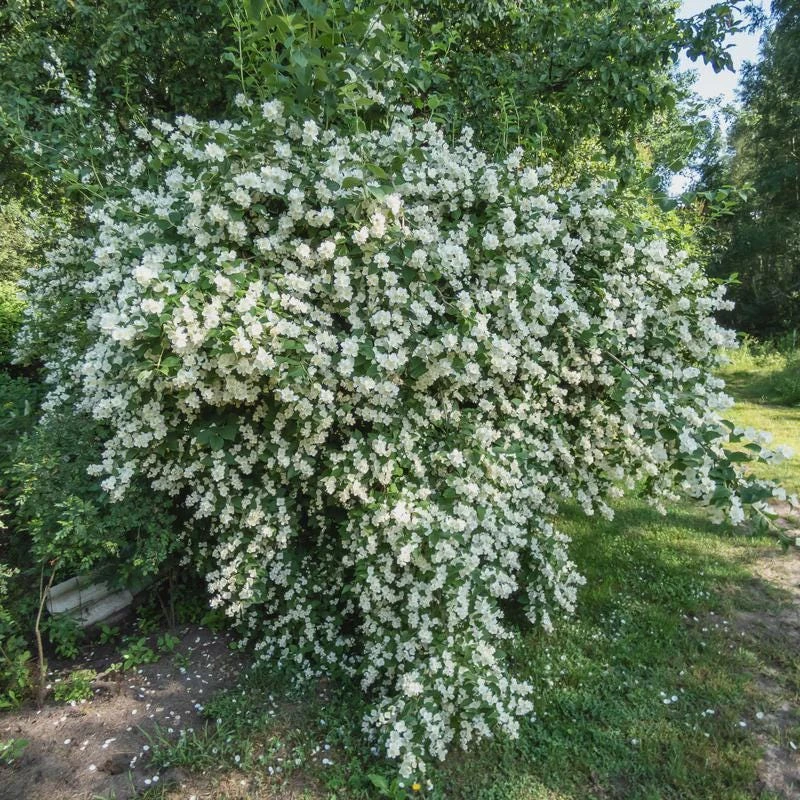
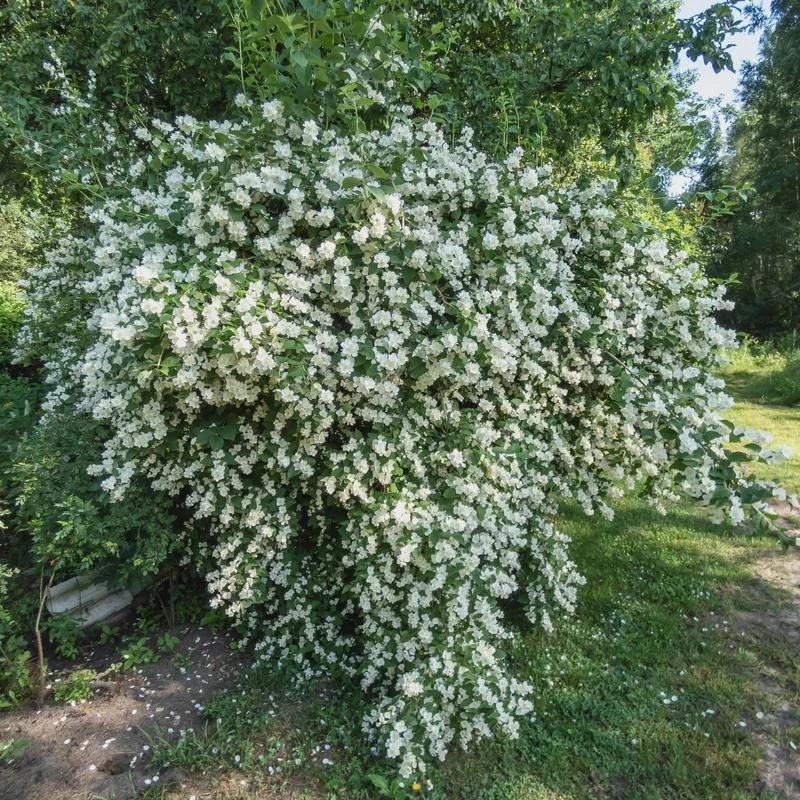
- Attractive Deciduous Shrub: The plant’s graceful arching branches and lush green foliage create an appealing structure even when not in bloom, providing year-round interest.
- Versatile Landscaping Use: Ideal for informal hedges, privacy screens, foundation plantings, cottage gardens, or as a striking specimen in a shrub border. Its adaptability makes it suitable for many garden styles.
- Historic Garden Favorite: With a long history in cultivation dating back to the 16th century, the fragrant mock orange plant brings a sense of tradition and timeless beauty to your landscape.
- Low Maintenance & Robust: Once established, this shrub is relatively easy to care for, tolerant of various soil conditions, and generally resistant to pests and diseases, making it a reliable garden performer.
- Pollinator Friendly: The bright white flowers attract beneficial pollinators like bees and butterflies, contributing to the health and biodiversity of your garden environment.
- Excellent for Cut Flowers: The beautiful and fragrant blooms can be cut and brought indoors to enjoy their lovely scent and classic appearance in floral arrangements.
Plant Care & Growing Tips
Caring for your sweet mock orange live plant is straightforward, ensuring years of beautiful blooms and fragrance. This robust shrub thrives with proper attention to its basic needs. It prefers a location with full sun to partial shade; ideally, it should receive at least 6 hours of direct sunlight daily for the best flowering, though it can tolerate some afternoon shade in hotter climates. Ensure good air circulation around the plant to prevent fungal issues. When considering where to plant your English dogwood plant, remember its mature size and choose a spot where it has room to grow without overcrowding.
Watering should be consistent, especially during the first year of establishment. Keep the soil consistently moist but not waterlogged. Once established, the Philadelphus coronarius shrub is moderately drought-tolerant but will perform best with regular watering during dry spells. It adapts to a wide range of soil types but prefers well-draining soil that is rich in organic matter. A slightly acidic to neutral pH (6.0-7.0) is ideal. Fertilize in early spring with a balanced, slow-release granular fertilizer formulated for flowering shrubs. Pruning is best done immediately after flowering to maintain shape and encourage new growth for the following year’s blooms. Remove any dead, damaged, or crossing branches, and thin out older stems to promote vigor. This helps maintain the plant’s health and ensures a continuous display of fragrant flowers. For specific guidance, refer to a comprehensive mock orange care guide.
Size & Details
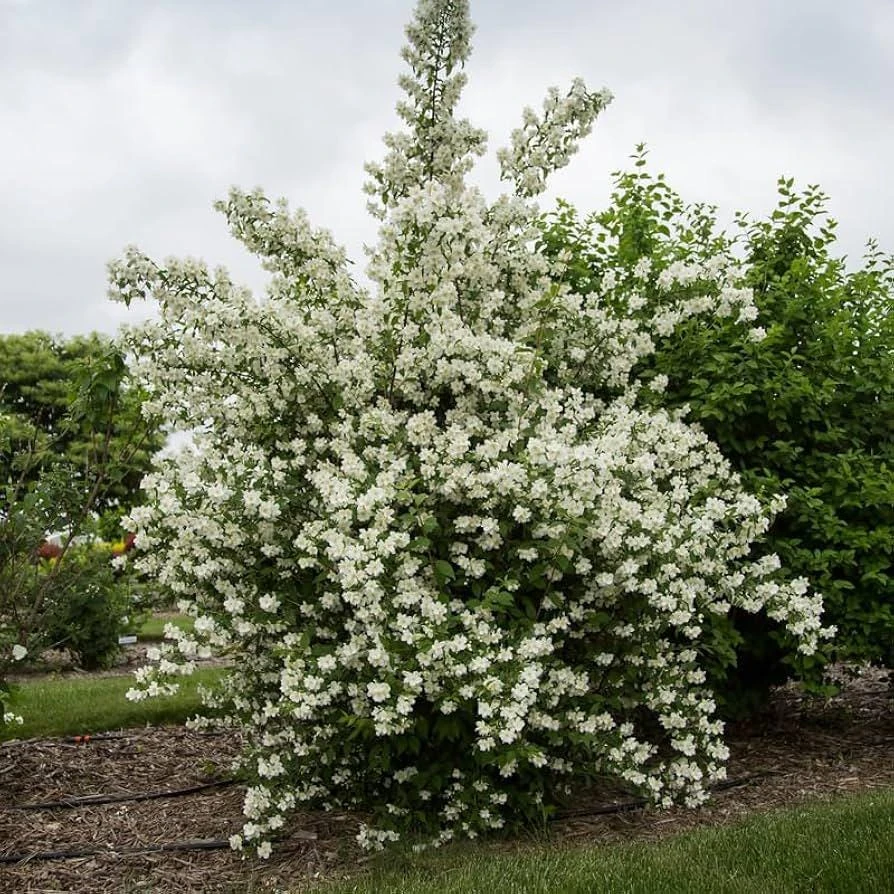
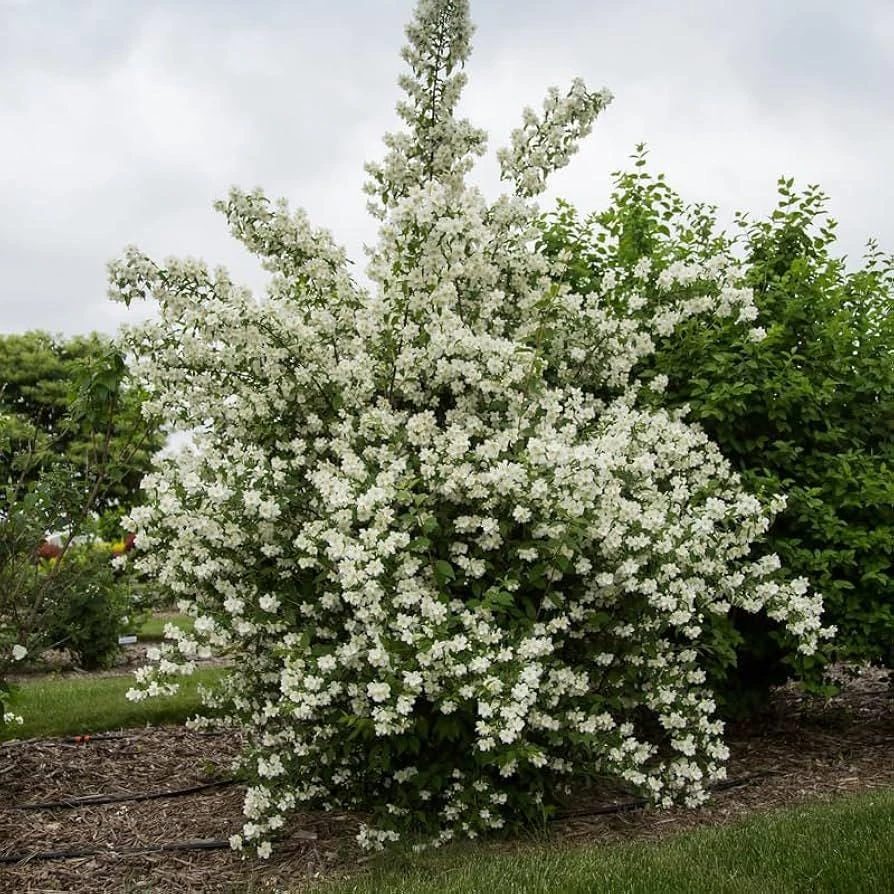
This offering includes healthy sweet mock orange live plant starters, typically ranging from 12 to 24 inches tall at the time of shipment. These plants are ready to be transplanted into your garden where they will quickly establish. Philadelphus coronarius is a moderately fast-growing deciduous shrub, generally reaching a mature height of 6 to 10 feet with a similar spread. The growth rate can vary depending on growing conditions and care, but you can expect noticeable growth within the first few seasons. These plants are typically shipped bare root, carefully packaged to ensure their health upon arrival, and will need to be planted promptly upon receipt.
The mature size of the fragrant mock orange plant makes it an excellent choice for creating substantial hedges or as a standalone specimen. Expect the first significant flush of fragrant white flowers in the spring following establishment, with increasing abundance each year. With proper care, your sweet mock orange live plant will develop into a magnificent, long-lasting feature in your garden, providing beauty and an unforgettable fragrance for many seasons.
Frequently Asked Questions
- Q: How big does this sweet mock orange live plant get? A: A: The sweet mock orange live plant typically grows to a mature height of 6 to 10 feet (1.8-3 meters) and can have a similar spread, forming a large, rounded shrub. Its size makes it ideal for hedges or as a prominent garden feature.
- Q: Is this an indoor or outdoor plant? A: The sweet mock orange live plant is primarily an outdoor plant. It is a deciduous shrub that requires outdoor conditions, including seasonal changes, to thrive and produce its characteristic fragrant blooms.
- Q: How much sunlight does the Philadelphus coronarius shrub need? A: This shrub prefers full sun to partial shade. For the most abundant flowering and strongest fragrance, aim for at least 6 hours of direct sunlight per day. It can tolerate some afternoon shade, especially in warmer climates.
- Q: Is this plant easy to care for? A: Yes, the sweet mock orange live plant is considered relatively easy to care for once established. It’s robust and adaptable, making it a good choice for gardeners of varying experience levels. Regular watering during dry periods and post-bloom pruning are key to its success.
- Q: What condition will the plant arrive in? A: These fragrant mock orange plant starters are typically shipped bare root, carefully packaged to protect them during transit. They will be dormant or semi-dormant depending on the season and should be planted as soon as possible after arrival.
- Q: When is the best time to plant a sweet mock orange live plant? A: The best time to plant a sweet mock orange live plant is in early spring or fall, when temperatures are moderate. This allows the plant to establish its root system before extreme heat or cold.
- Q: Will the English dogwood plant survive winter in my zone? A: Philadelphus coronarius is hardy in USDA zones 4-8. If you are within these zones, your plant should survive winter outdoors. In colder zones, it may require winter protection.
- Q: What kind of soil does this mock orange prefer? A: The sweet mock orange live plant is adaptable but thrives best in well-draining soil that is rich in organic matter. It tolerates a range of soil types from sandy to clay, as long as drainage is adequate.
- Q: How long until it blooms? A: You can typically expect your sweet mock orange live plant to start producing its fragrant white flowers in the spring following its first full growing season after planting, with blooms becoming more abundant as the plant matures.
- Q: Do I need a specific mock orange care guide for this plant? A: While general shrub care guides can be helpful, a specific mock orange care guide will provide tailored advice on pruning, feeding, and managing potential issues specific to Philadelphus coronarius, ensuring optimal health and bloom production.
Be the first to review “Sweet Mock Orange Live Plant – Philadelphus coronarius – 12-24″ Tall Starter Shrub”
Related products


You May Like

Hardneck vs. Softneck Garlic: Which Should You Grow?
Have you ever stood in front of a seed catalog in mid-September, staring at dozens [...]
Oct

When to Plant Music Garlic: Ultimate US Fall Guide
Have you ever spent your fall weekend placing carefully chosen garlic cloves into rich, dark [...]
1 Comment
Oct

5 Best Bulbs for Fall Planting: Brighten Your Garden This Spring
Are you dreaming of a garden full of vibrant colors in the spring? The key [...]
Aug

10 Houseplants That Will Thrive in Your Kitchen
Are you tired of your kitchen feeling dull and lifeless? Want to add a little [...]
1 Comment
Aug
Reviews
There are no reviews yet.