
3 Pignut Hickory Live Plant 12-24″ Tall Carya glabra (Quart Pot) Outdoor Tree
Original price was: 101.99 $.76.99 $Current price is: 76.99 $.
Cultivate the robust pignut hickory live plant (Carya glabra), a native hardwood tree known for its strong wood and beautiful fall color. These 12-24″ starter plants are shipped bare root, ready for planting to establish a long-lived landscape feature.
Estimated arrival
Oct 16
Oct 21 - Oct 23
Oct 23 - Oct 28
See our Shipping Policy.
Get in touch with us via email, and our team will review your concerns.
Our Alive & Thrive Guarantee covers issues with your plants within the first 30 days. Read our Refund & Returns Policy.
-
USDA Hardiness Zone
USDA Zones 4-9 -
Soil Type
Deep, moist, well-draining soil -
Sunlight Exposure
Full sun to partial shade -
Expected Planting Period
Early spring or fall
Overview
Introduce a piece of natural American heritage to your landscape with the pignut hickory live plant (Carya glabra). This remarkable hardwood tree is celebrated for its resilience, distinctive appearance, and ecological value. Native to the eastern United States and parts of southern Ontario, the pignut hickory is a long-lived and slow-growing species belonging to the walnut family (Juglandaceae). It’s an excellent choice for those looking to add a sturdy, low-maintenance, and visually appealing tree to their property. Our starter plants, measuring 12-24 inches, provide a great foundation for establishing these magnificent trees. The carya glabra tree is not just a beautiful addition; it’s an investment in the biodiversity and long-term health of your outdoor space, offering habitat and food for local wildlife.
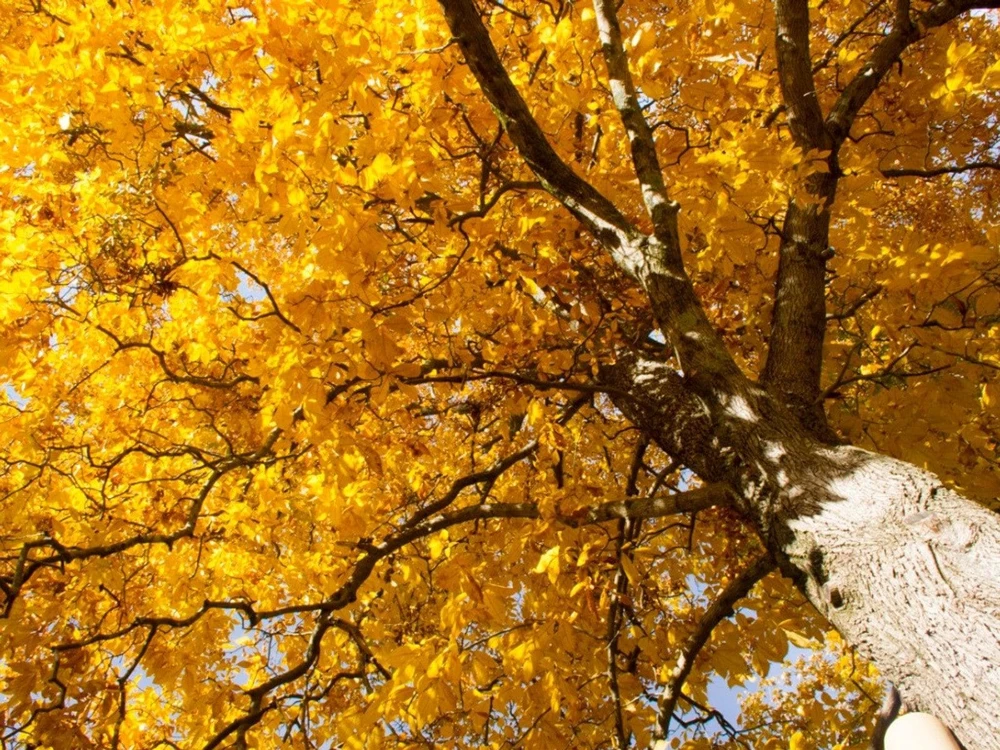
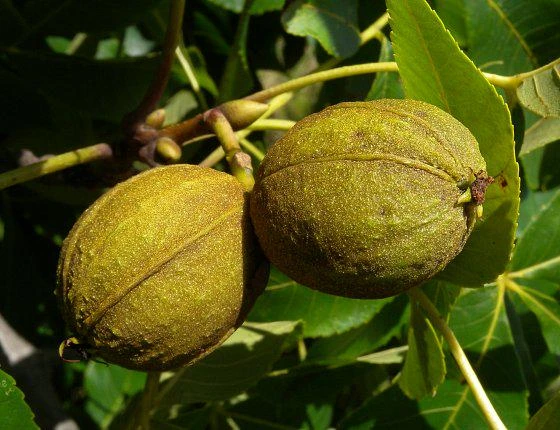
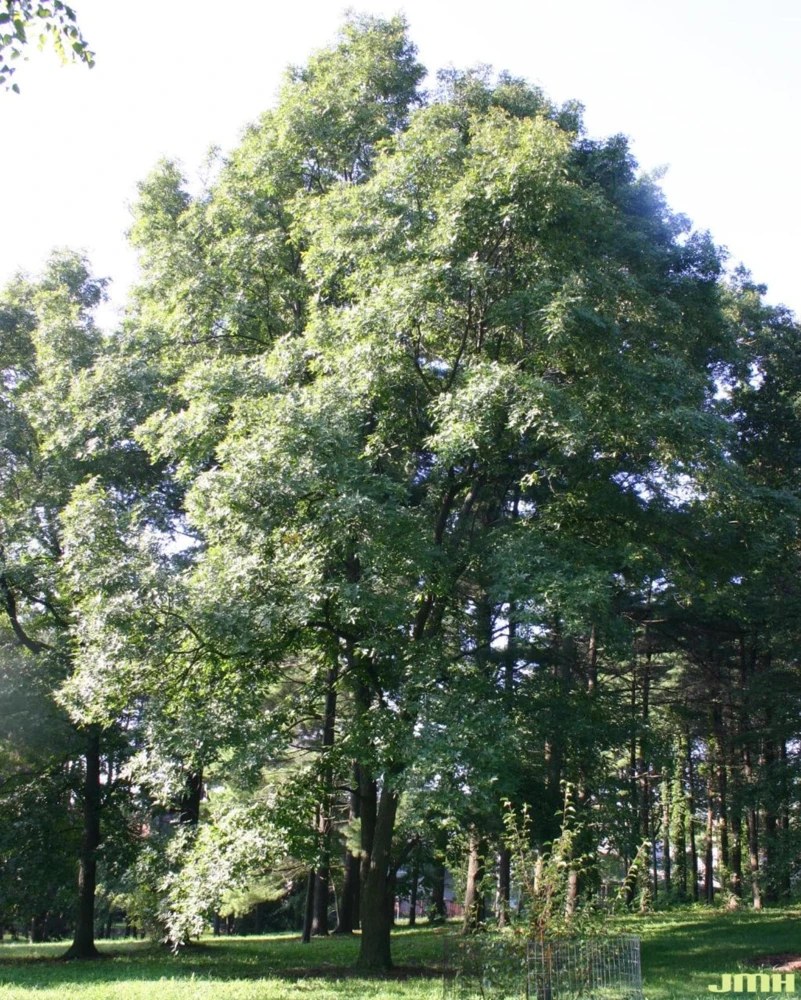
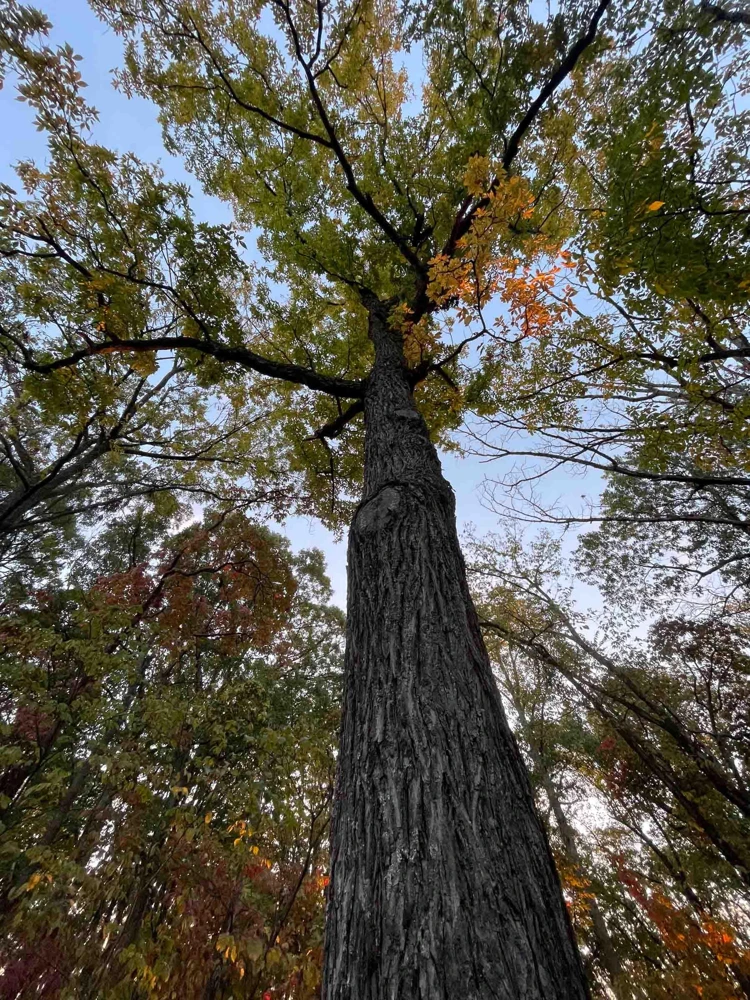
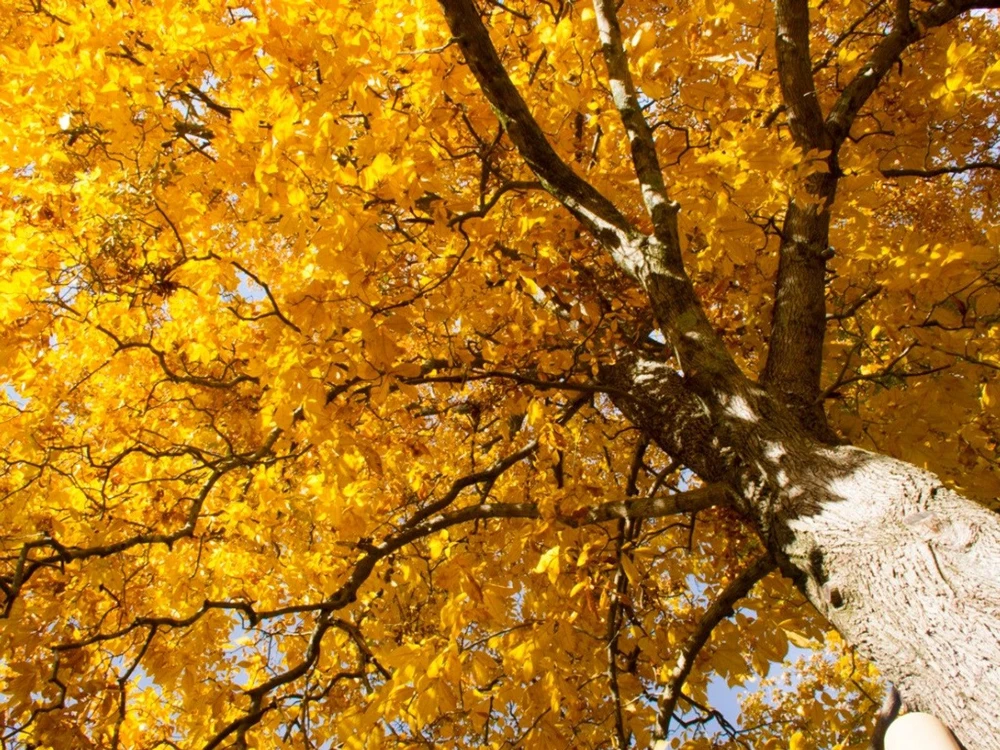
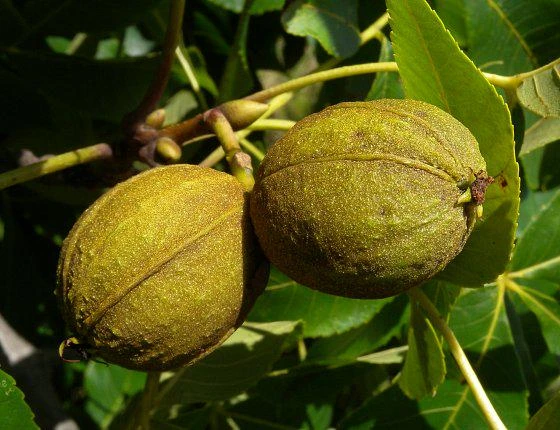
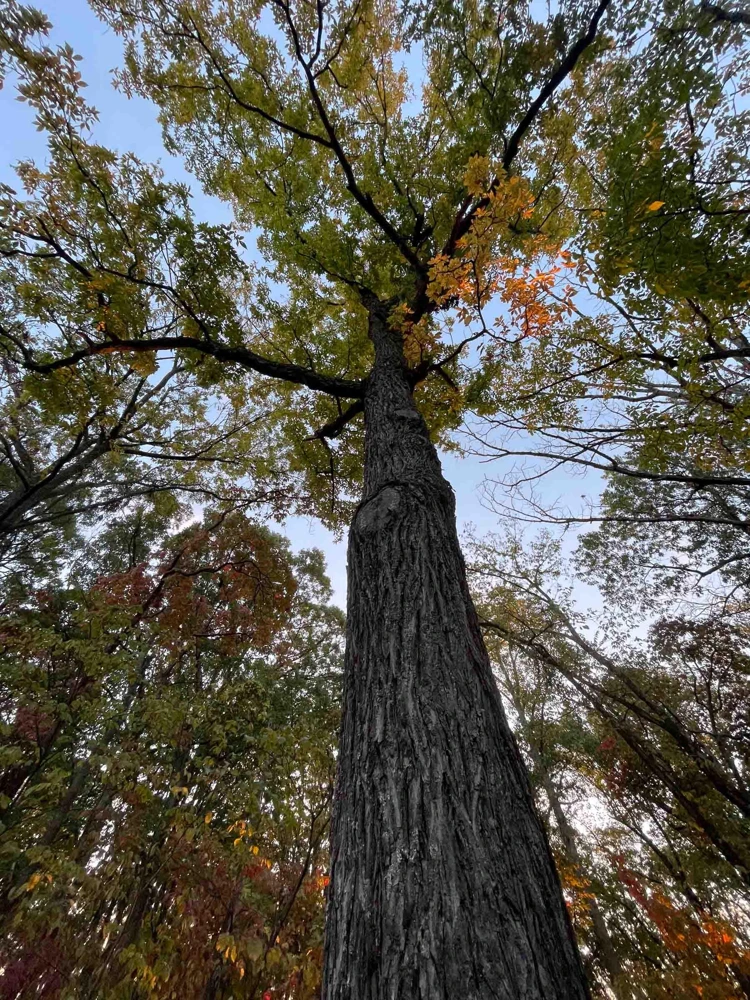
The pignut hickory live plant is characterized by its exceptionally tough wood, which has historically been valued for various uses. Beyond its practical applications, this tree boasts distinctive pear-shaped nuts, which, while smaller than other hickory varieties, contribute to its unique charm. Perhaps one of its most captivating features is its vibrant yellow fall foliage, transforming the landscape with a brilliant display of color. Mature trees can reach impressive heights of 50–80 feet, occasionally soaring up to 120 feet, with a spread of 25–40 feet, forming an elegant, narrow, oval crown. This makes it an ideal specimen for larger gardens, parks, or naturalized areas where its full grandeur can be appreciated.
Key Benefits
Adding a pignut hickory live plant to your garden offers a multitude of benefits, from enhancing aesthetic appeal to supporting local ecosystems. This native tree is a valuable asset for any landscape, providing both beauty and utility.
- Exceptional Hardiness: Pignut hickory is known for its robust nature and ability to withstand various environmental conditions, making it a reliable and long-lasting addition to your property. Its tough wood contributes to its overall resilience.
- Vibrant Fall Foliage: Enjoy a spectacular display of bright yellow leaves in autumn, providing a striking visual impact and adding seasonal interest to your garden or woodland area. This makes the carya glabra tree a focal point during the changing seasons.
- Wildlife Support: The pear-shaped nuts produced by the tree are a food source for various wildlife, including squirrels, deer, and other forest creatures, contributing to the local ecosystem’s health. This is a key aspect of growing hickory trees.
- Low Maintenance: Once established, the pignut hickory requires minimal care, making it an excellent choice for gardeners seeking a beautiful yet undemanding tree. It thrives with natural rainfall and doesn’t typically need extensive pruning.
- Ecological Value: As a native hardwood, this tree plays an important role in supporting native insect populations and providing shelter, enhancing the biodiversity of your landscape. Consider native hardwood trees for sustainable gardening.
- Long-Lived Specimen: Pignut hickory trees are known for their longevity, often living for many decades or even centuries, becoming a legacy tree for future generations to enjoy.
- Strong Wood: The incredibly tough wood of the pignut hickory has historical significance and practical applications, adding another layer of value to this magnificent species.
Plant Care & Growing Tips
Caring for your pignut hickory live plant is relatively straightforward, especially once it’s established. These trees are quite adaptable but will thrive best when provided with their preferred growing conditions. For optimal growth, ensure your pignut hickory receives full sun to partial shade, meaning at least 6 hours of direct sunlight per day. While it can tolerate some shade, more sun will lead to stronger growth and better nut production. The pignut hickory is accustomed to the varied climates of the eastern United States, making it a hardy choice for many regions.
When it comes to soil, the carya glabra tree prefers deep, moist, well-draining soils, though it can adapt to drier, rocky conditions. Avoid excessively wet or poorly drained areas, as this can lead to root issues. A slightly acidic to neutral pH (6.0-7.0) is ideal. Watering is crucial during the establishment phase; keep the soil consistently moist but not waterlogged for the first few years. Once mature, pignut hickory is quite drought-tolerant. Fertilization is generally not necessary for established trees in good soil, but young trees can benefit from a balanced, slow-release fertilizer in spring if growth appears slow. Ensure you are providing the best environment for growing hickory trees.
The pignut hickory is generally resistant to most pests and diseases, which contributes to its low-maintenance nature. Pruning is typically limited to removing dead, damaged, or crossing branches to maintain a strong structure. This is best done in late winter or early spring before new growth begins. Understanding pignut hickory care ensures your tree grows strong and healthy. These native hardwood trees are adapted to a wide range of climates, generally hardy in USDA Zones 4-9. Protecting young trees from deer browse can be beneficial in areas with high deer populations.
Size & Details
You will receive 3 pignut hickory live plant bare root starter trees, each measuring approximately 12-24 inches in height. These young trees are grown in quart-sized pots before being carefully prepared for bare-root shipping to ensure healthy transplanting. Shipping bare root minimizes shock and allows the plant to establish quickly in its new environment. The initial size of 12-24 inches provides a robust start for these slow-growing but long-lived trees. While initial growth might be modest, the pignut hickory is known for its eventual impressive stature.
Expected growth rates for the carya glabra tree are slow to moderate, typically adding 1-2 feet per year once established. Mature trees can reach heights of 50-80 feet with a canopy spread of 25-40 feet, forming a distinctive oval crown. These trees are deciduous, offering beautiful yellow fall foliage before shedding leaves for winter. The nuts typically begin to appear on mature trees, often after 10-15 years, providing a long-term benefit for wildlife. Proper planting and initial care are essential for the successful establishment of these native hardwood trees.
Frequently Asked Questions
- Q: How big does this plant get? A: The pignut hickory live plant can grow to an impressive height of 50-80 feet, with some specimens reaching up to 120 feet tall. It typically forms a narrow, oval crown with a spread of 25-40 feet at maturity.
- Q: What size pot does it come in? A: These are starter plants that originate from quart pots and are shipped bare root. This method ensures the plant is ready for direct planting into your garden or a larger container upon arrival.
- Q: Is this an indoor or outdoor plant? A: The pignut hickory (Carya glabra) is a native hardwood tree and is strictly an outdoor plant. It requires space to grow and is not suitable for indoor cultivation.
- Q: How much sunlight does it need? A: For optimal growth, the carya glabra tree thrives in full sun to partial shade, ideally receiving at least 6 hours of direct sunlight per day.
- Q: Is this plant easy to care for? A: Once established, the pignut hickory live plant is relatively low-maintenance. It is quite hardy and drought-tolerant, requiring minimal intervention beyond initial watering and occasional pruning.
- Q: What condition will it arrive in? A: Your pignut hickory plants will arrive as bare root starter trees, carefully packaged to ensure their health during transit. Instructions for planting will be provided.
- Q: When is the best time to plant? A: The best time for growing hickory trees is typically in early spring or fall when the weather is cooler and less stressful for young plants.
- Q: Will it survive winter in my zone? A: The pignut hickory is highly cold-hardy, thriving in USDA Plant Hardiness Zones 4 through 9, making it suitable for a wide range of climates across the US.
- Q: What are the main features of pignut hickory? A: Key features of the pignut hickory include its exceptionally tough wood, distinctive pear-shaped nuts, and vibrant yellow fall foliage, making it a valuable addition among native hardwood trees.
- Q: How long until it starts producing nuts? A: Pignut hickory trees typically begin producing nuts once they reach maturity, which can take anywhere from 10 to 15 years after planting.
Be the first to review “3 Pignut Hickory Live Plant 12-24″ Tall Carya glabra (Quart Pot) Outdoor Tree”
Related products


You May Like

Hardneck vs. Softneck Garlic: Which Should You Grow?
Have you ever stood in front of a seed catalog in mid-September, staring at dozens [...]
Oct

When to Plant Music Garlic: Ultimate US Fall Guide
Have you ever spent your fall weekend placing carefully chosen garlic cloves into rich, dark [...]
1 Comment
Oct

5 Best Bulbs for Fall Planting: Brighten Your Garden This Spring
Are you dreaming of a garden full of vibrant colors in the spring? The key [...]
Aug

10 Houseplants That Will Thrive in Your Kitchen
Are you tired of your kitchen feeling dull and lifeless? Want to add a little [...]
1 Comment
Aug
Reviews
There are no reviews yet.