
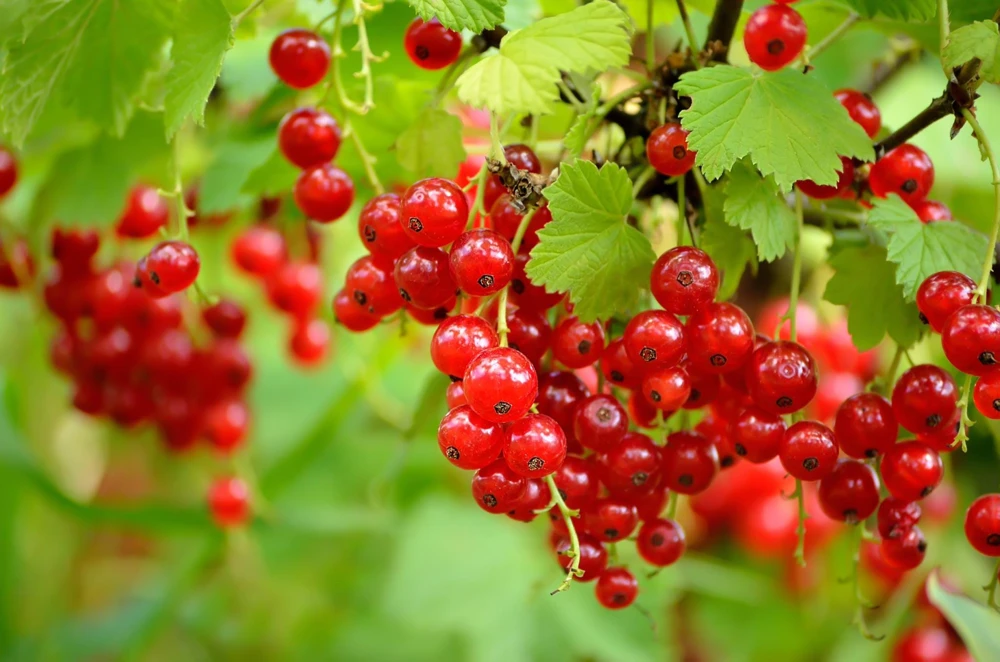
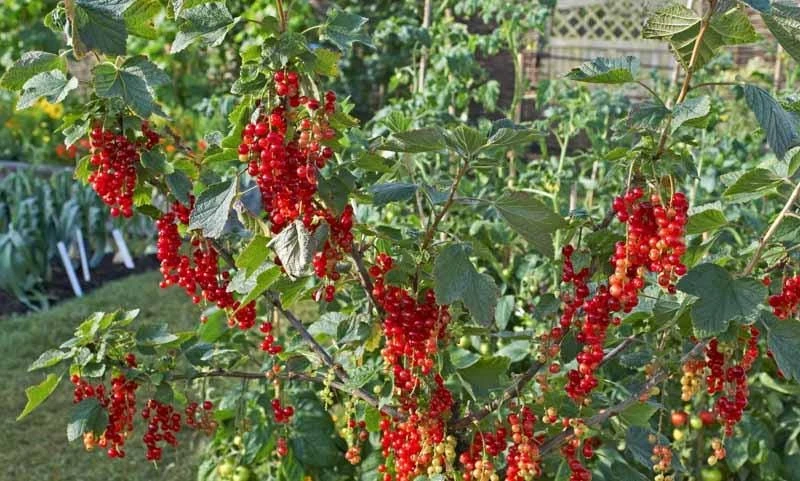
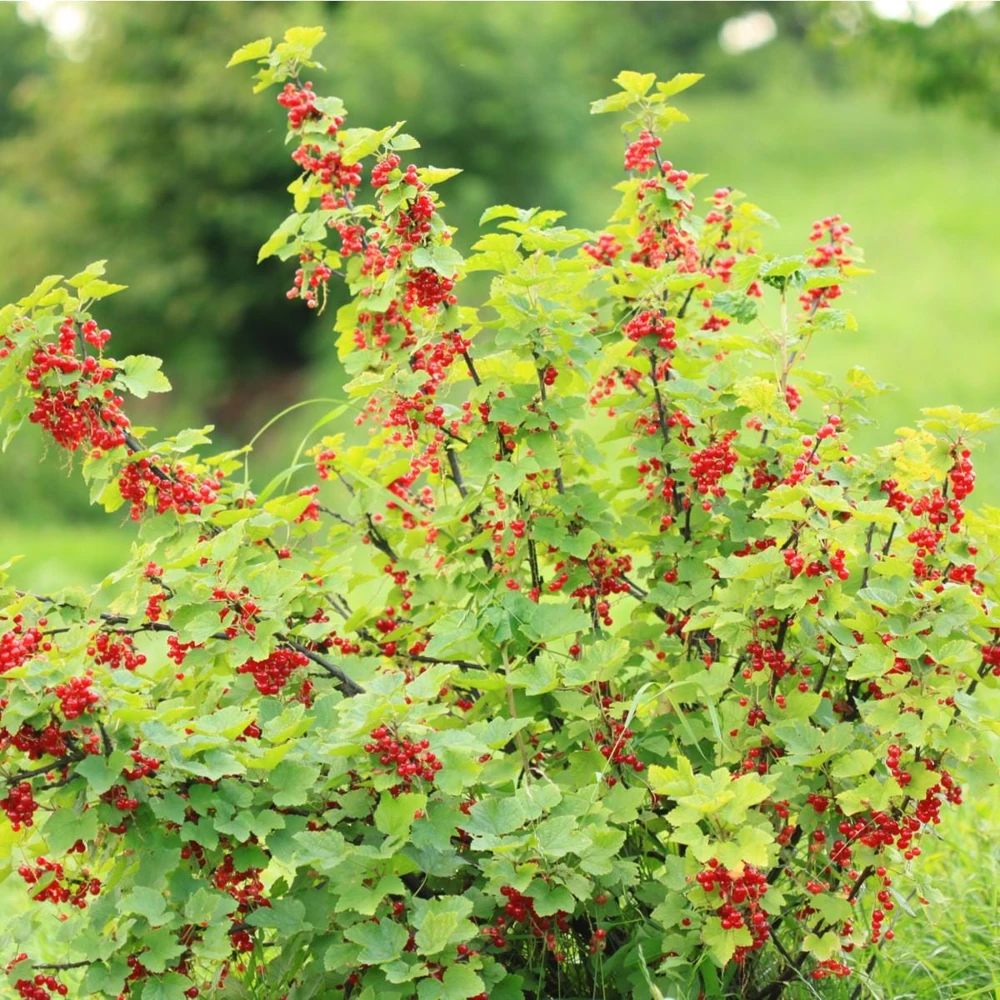
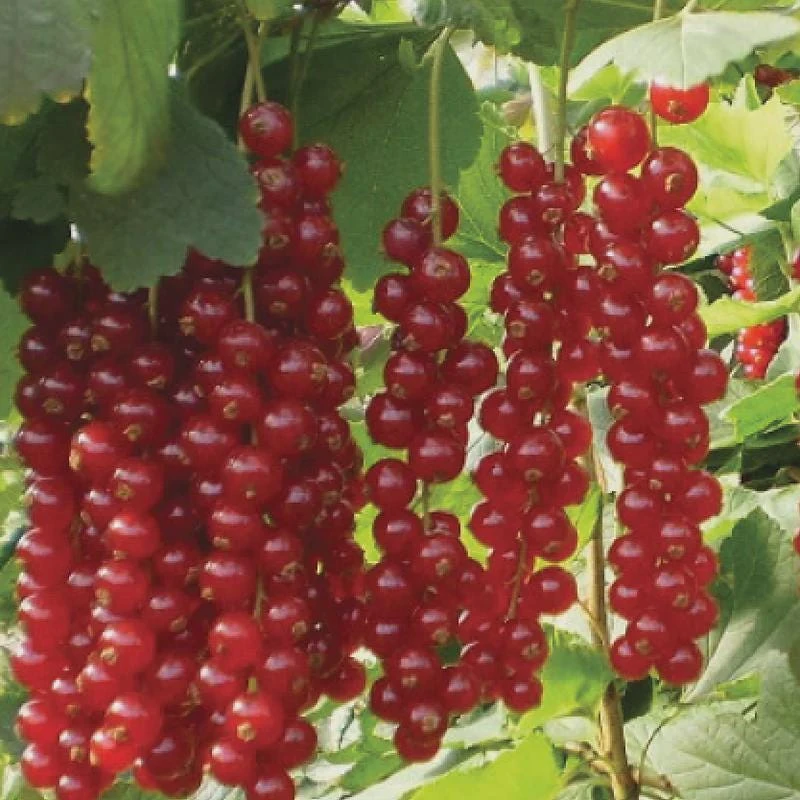
Red Currant Shrub Live Plant – Ribes rubrum 6-12″ Tall Bare Root
Original price was: 74.99 $.49.99 $Current price is: 49.99 $.
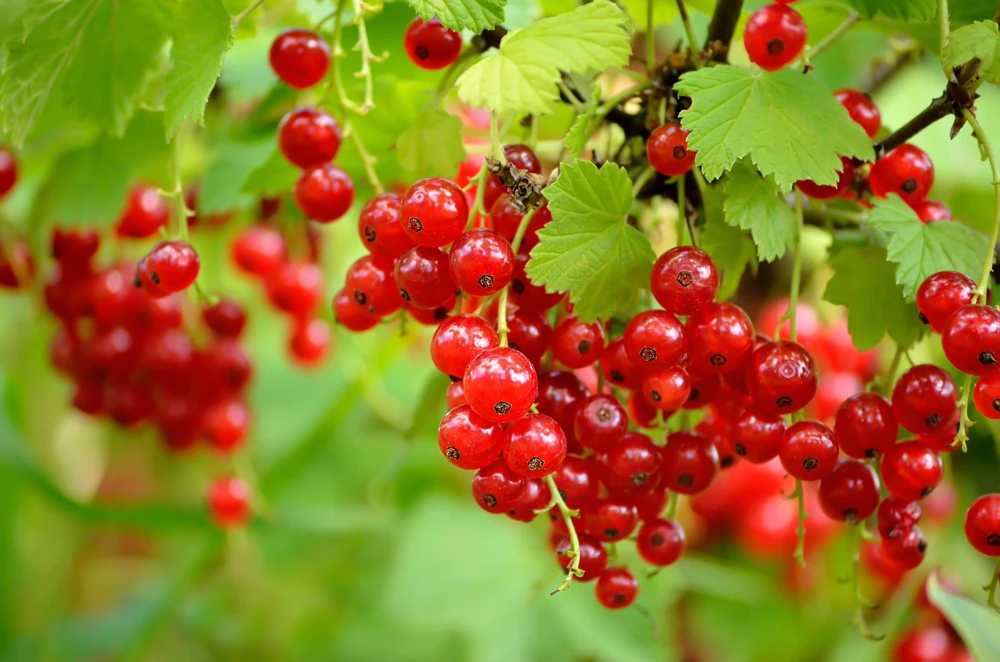
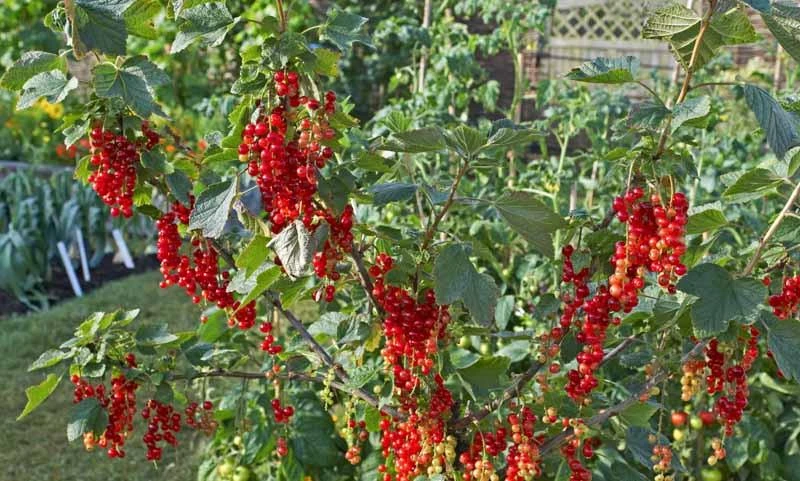
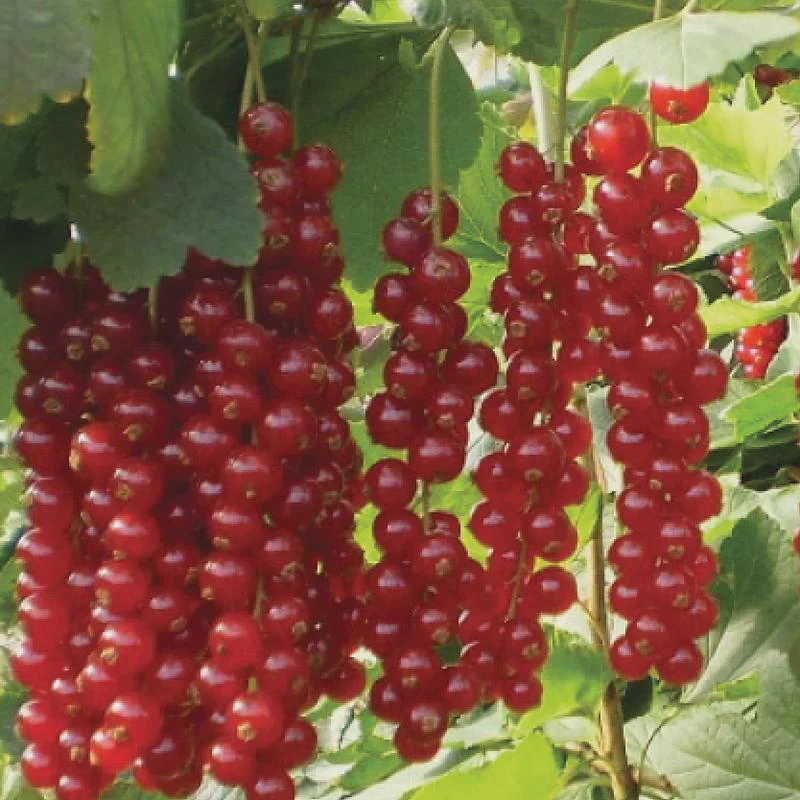
Cultivate your own harvest with a red currant shrub (Ribes rubrum). This hardy, deciduous plant produces beautiful chains of bright red, tart berries, ideal for jams, jellies, or fresh snacks. Ships as a Ribes rubrum plant, 6-12 inches tall, bare root.
Estimated arrival
Oct 17
Oct 22 - Oct 24
Oct 24 - Oct 29
See our Shipping Policy.
Get in touch with us via email, and our team will review your concerns.
Our Alive & Thrive Guarantee covers issues with your plants within the first 30 days. Read our Refund & Returns Policy.
-
USDA Hardiness Zone
USDA Zones 3-8 -
Soil Type
Well-draining, rich, slightly acidic to neutral soil -
Sunlight Exposure
Full sun to partial shade -
Expected Planting Period
Early spring or late fall
Overview
Introduce a delightful and productive addition to your garden with this red currant shrub. Known scientifically as Ribes rubrum, this hardy, deciduous plant is celebrated for its vibrant chains of bright red berries that ripen in early summer. Perfect for both ornamental appeal and culinary use, the red currant shrub thrives in a variety of climates and adds a burst of color and flavor to any landscape. This offering is for a live, Ribes rubrum plant, approximately 6-12 inches tall, shipped bare root and ready for planting in your garden or a suitable container.
Red currants are a classic fruit known for their tart flavor, making them excellent for pies, tarts, jams, jellies, and sauces. They are also a beautiful specimen plant, offering attractive foliage and charming berry clusters. This plant is a fantastic choice for gardeners looking to grow red currant berries with relative ease and enjoy the rewards of a homegrown harvest.
Key Benefits
Beyond its aesthetic appeal, the red currant shrub offers numerous advantages for the home gardener:
- Abundant Berry Production: Enjoy a prolific harvest of bright red berries each summer, perfect for a wide range of culinary applications, from fresh eating to preserves. Learning to grow red currant means a steady supply of delicious fruit.
- Ornamental Value: With its attractive green foliage and striking red berry clusters, the Ribes rubrum plant adds significant visual interest to garden beds, borders, or as a standalone specimen.
- Hardy and Resilient: This deciduous shrub is known for its robust nature, tolerating various soil conditions and cold temperatures, making it a reliable choice for many climates.
- Nutrient-Rich Fruit:Red currant berries are packed with vitamins, particularly Vitamin C, and antioxidants, offering health benefits along with their delightful taste.
- Low Maintenance: Once established, these shrubs require minimal care, making them suitable for both experienced and novice gardeners. Understanding red currant care is straightforward.
- Versatile Use: Plant in full sun to partial shade, in edible landscapes, as a hedge, or in containers. Its adaptability makes it a versatile choice for different garden designs.
Plant Care & Growing Tips
Proper red currant care is essential for a bountiful harvest and a healthy plant. These shrubs are relatively easy to grow once their basic needs are met. They prefer a location with full sun to partial shade; in hotter climates, morning sun and afternoon shade are ideal to protect the berries from scorching. Aim for at least 6 hours of direct sunlight daily for optimal fruit production.
Ribes rubrum plant thrives in well-drained soil that is rich in organic matter. A slightly acidic to neutral pH (6.0-7.0) is preferred. When planting your bare root shrub, dig a hole wide enough to accommodate the roots spread out, and deep enough so the crown is at soil level. Amend heavy clay soils with compost to improve drainage. Consistent moisture is crucial, especially during dry spells and when the berries are developing. Water deeply and regularly, but avoid waterlogging, which can lead to root rot. A layer of mulch around the base of the plant will help retain soil moisture and suppress weeds.
Fertilize in early spring with a balanced granular fertilizer or compost. Pruning is best done in late winter or early spring while the plant is dormant. Remove any dead, diseased, or crossing branches. Currants produce fruit on older wood, so aim to maintain a balance of 1-3-year-old stems for continuous production. The red currant shrub is generally hardy in USDA zones 3-8. Protect young plants from severe winter winds in colder regions. Watch out for common pests like aphids and currant borers, and diseases such as powdery mildew; address these issues promptly with appropriate organic or chemical treatments.
Size & Details
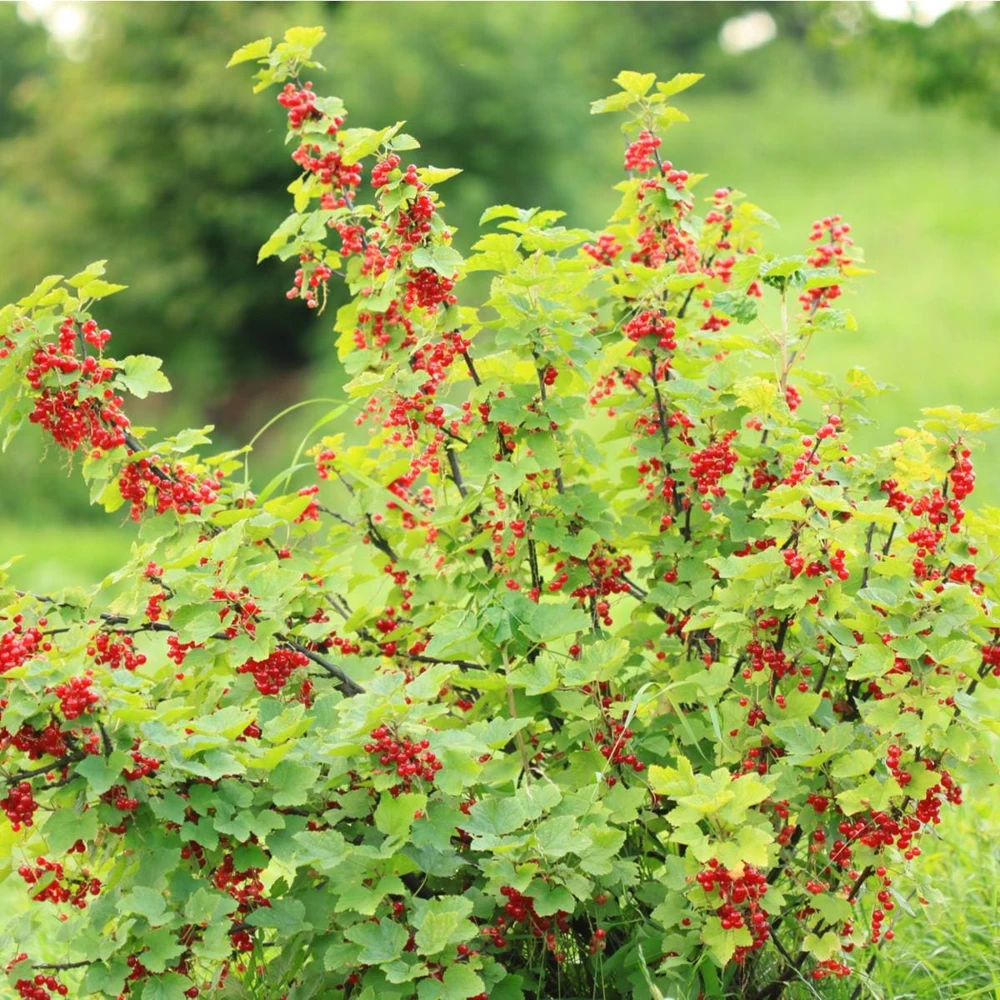
This offering includes one Ribes rubrum plant, approximately 6-12 inches tall, shipped bare root. Bare root plants are dormant and ship without soil or a pot, which reduces transplant shock and allows them to establish quickly in their new environment. Upon arrival, it is recommended to plant them as soon as possible. The red currant shrub typically grows to a mature size of 3 to 5 feet tall and wide, forming a compact, multi-stemmed bush. Growth rate is moderate, and you can expect your first significant berry production within 2-3 years of planting. With proper red currant care, these plants can remain productive for many years, offering a reliable source of delicious fruit.
Frequently Asked Questions
- Q: How big does this plant get? A: The red currant shrub typically grows to a mature size of 3 to 5 feet tall and wide, forming a compact and bushy plant. Its final size depends on growing conditions and pruning.
- Q: Is this an indoor or outdoor plant? A: Red currant (Ribes rubrum) is an outdoor plant, a hardy deciduous shrub that requires a period of winter dormancy to produce fruit. It is not suitable for long-term indoor cultivation.
- Q: How much sunlight does it need? A: For optimal fruit production and health, the red currant shrub prefers full sun to partial shade, ideally receiving at least 6 hours of direct sunlight per day. In hotter climates, afternoon shade is beneficial.
- Q: Is this plant easy to care for? A: Yes, once established, red currant plants are relatively low-maintenance. Basic red currant care involves regular watering, annual fertilization, and dormant season pruning. They are a good choice for beginner fruit growers.
- Q: What condition will it arrive in? A: This Ribes rubrum plant will arrive bare root, meaning it is dormant and shipped without soil or a pot. Its roots will be carefully packaged to retain moisture during transit, ready for immediate planting.
- Q: When is the best time to plant? A: Bare root red currant shrubs are best planted in early spring, as soon as the soil can be worked, or in late fall after the leaves have dropped. This allows the plant to establish its root system before the stress of summer heat or winter cold.
- Q: Can I use red currant berries in cooking? A: Absolutely! Red currant berries are highly prized for their tart flavor and are excellent for making jams, jellies, pies, tarts, sauces, and even wine. They can also be eaten fresh, though their tartness is often preferred cooked or sweetened.
- Q: Will it survive winter in my zone? A: The red currant shrub is very hardy and typically thrives in USDA Plant Hardiness Zones 3-8, tolerating cold winters well. If you are in a colder zone, ensure adequate winter protection.
- Q: What’s the minimum temperature it can tolerate? A: Red currants are quite cold-hardy, generally tolerating temperatures down to -30°F (-34°C) or even lower, depending on the specific cultivar and plant health.
- Q: How long until it produces berries? A: While a young red currant shrub might produce a small amount of fruit in its first year, you can expect a more significant and consistent harvest starting in its second or third year after planting.
Be the first to review “Red Currant Shrub Live Plant – Ribes rubrum 6-12″ Tall Bare Root”
Related products


You May Like

Hardneck vs. Softneck Garlic: Which Should You Grow?
Have you ever stood in front of a seed catalog in mid-September, staring at dozens [...]
Oct

When to Plant Music Garlic: Ultimate US Fall Guide
Have you ever spent your fall weekend placing carefully chosen garlic cloves into rich, dark [...]
1 Comment
Oct

5 Best Bulbs for Fall Planting: Brighten Your Garden This Spring
Are you dreaming of a garden full of vibrant colors in the spring? The key [...]
Aug

10 Houseplants That Will Thrive in Your Kitchen
Are you tired of your kitchen feeling dull and lifeless? Want to add a little [...]
1 Comment
Aug
Reviews
There are no reviews yet.