
5 Jack In The Pulpit Plants – Arisaema Triphyllum Native Wildflower Bare Root
Original price was: 70.99 $.45.99 $Current price is: 45.99 $.
Bring unique charm to your shaded garden with 5 Jack In The Pulpit Plants. These organically grown Arisaema Triphyllum bare root plants are a fascinating native wildflower, perfect for adding an intriguing touch to naturalized areas and woodland settings.
Estimated arrival
Oct 16
Oct 21 - Oct 23
Oct 23 - Oct 28
See our Shipping Policy.
Get in touch with us via email, and our team will review your concerns.
Our Alive & Thrive Guarantee covers issues with your plants within the first 30 days. Read our Refund & Returns Policy.
-
USDA Hardiness Zone
USDA Zones 3-9 -
Soil Type
Rich, well-draining, high in organic matter -
Sunlight Exposure
Partial to full shade -
Expected Planting Period
Early spring or fall
Overview
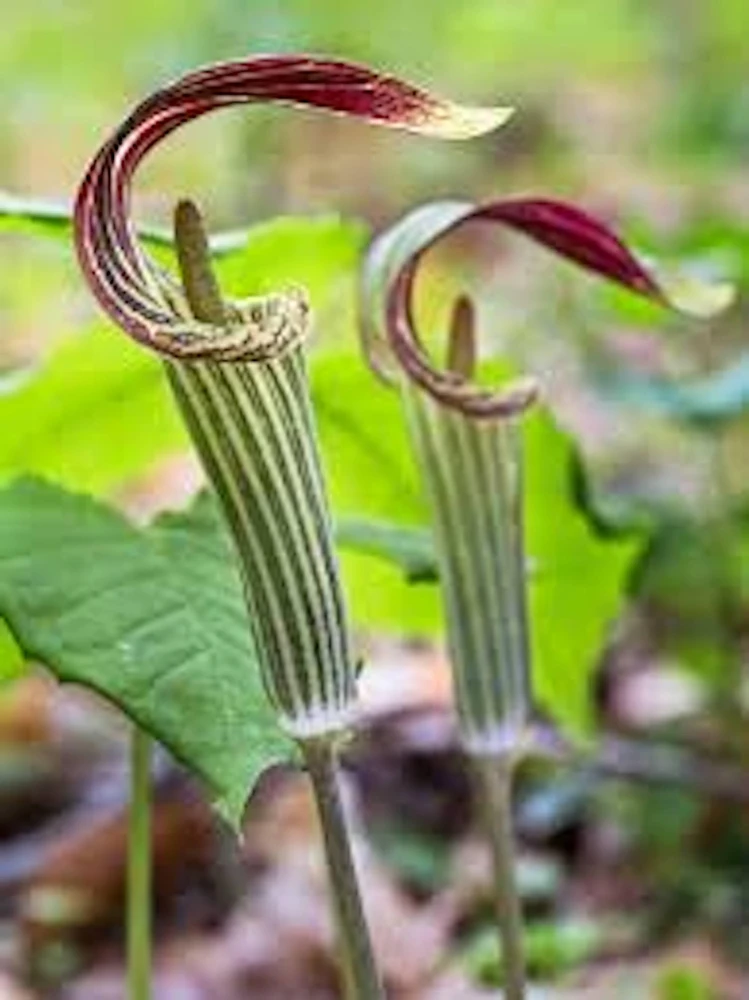
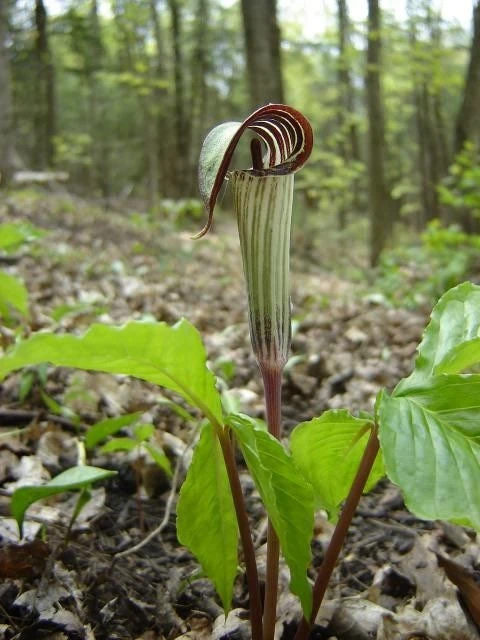
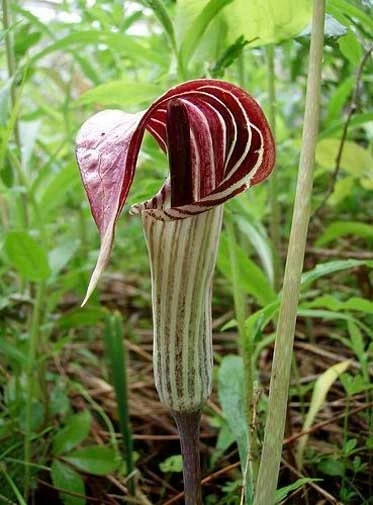
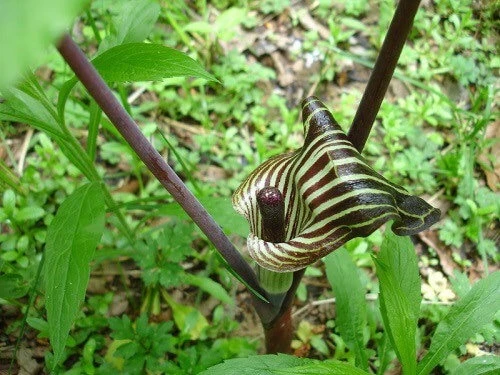
Introduce a truly unique and captivating specimen to your garden with these 5 Jack In The Pulpit Plants. Known scientifically as Arisaema Triphyllum, this remarkable perennial is a true native wildflower plants, celebrated for its distinctive hooded spathe that resembles a pulpit with a “jack” (spadix) inside. Each order provides five organically grown bare root plants, ready to establish themselves and bring an element of woodland wonder to your landscape. These fascinating plants are perfect for naturalizing in shaded areas, adding an architectural and intriguing focal point that will spark conversation and admiration. Their unusual form and vibrant green foliage make them a standout, offering a refreshing alternative to traditional garden flora.
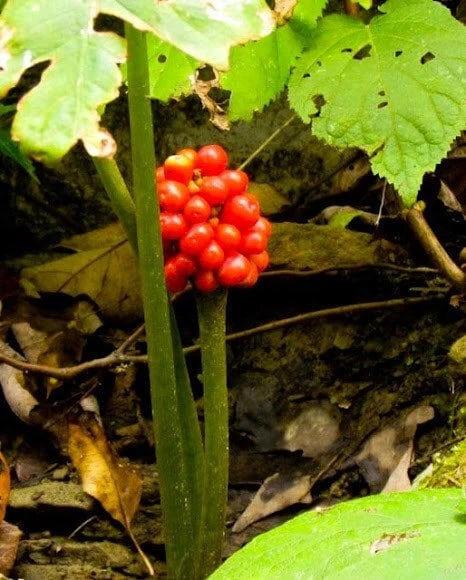
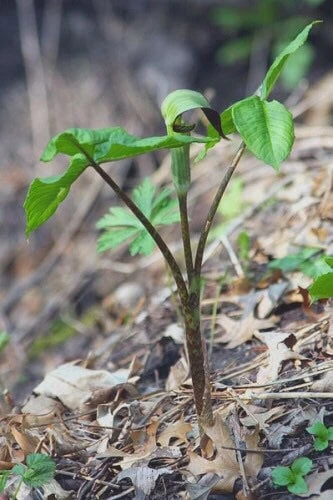
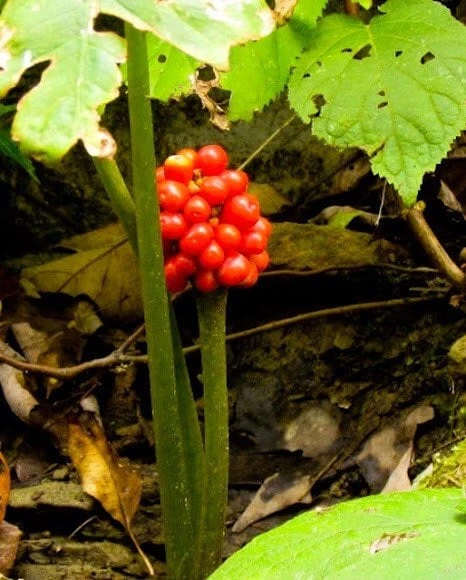
The Jack In The Pulpit plants are hardy and relatively low-maintenance, thriving in conditions that mimic their natural forest habitat. They emerge in spring, displaying their iconic bloom before developing attractive clusters of red berries in late summer and fall, providing continuous interest throughout the growing season. If you’re looking to create an authentic woodland garden or simply wish to incorporate a truly unique perennial, these Arisaema Triphyllum specimens are an excellent choice. They are sure to become a cherished part of your outdoor space, offering beauty and intrigue year after year.
Key Benefits
Integrating Jack In The Pulpit plants into your garden offers a range of aesthetic and ecological advantages, making them a superb choice for gardeners seeking both beauty and native appeal. These unique perennials provide exceptional visual interest and contribute positively to local ecosystems.
- Distinctive Appearance: The most striking feature of the Jack In The Pulpit plants is their unusual flower structure. The hooded spathe and central spadix create an architectural and intriguing form that stands out in any garden, drawing attention and sparking curiosity.
- Native Wildflower Status: As a native wildflower plants, Arisaema Triphyllum is perfectly adapted to local climates and ecosystems, requiring less intervention once established. It also supports local wildlife, including pollinators and birds, contributing to biodiversity.
- Shade Loving: Ideal for those challenging shaded areas where many plants struggle. Jack In The Pulpit thrives in partial to full shade, making it an excellent choice for woodland gardens, under deciduous trees, or on the north side of buildings.
- Low Maintenance: Once established, these plants are remarkably self-sufficient. They require minimal care, making them suitable for both experienced gardeners and those new to cultivating unique perennial plants.
- Seasonal Interest: From their unique spring blooms to their attractive foliage and bright red berries in late summer and fall, Arisaema Triphyllum provides continuous visual appeal throughout multiple seasons.
- Organically Grown: Our plants are cultivated organically, ensuring they are free from harmful pesticides and chemicals, making them a healthy and environmentally friendly addition to your garden.
- Excellent for Naturalizing: These plants are perfect for creating naturalized areas or enhancing a woodland garden. They spread gently over time, forming charming colonies that enhance the natural beauty of your landscape.
Plant Care & Growing Tips
Caring for your Jack In The Pulpit plants is relatively straightforward, especially when you understand their natural preferences. These native wildflower plants thrive in conditions that mimic their forest floor habitat. Proper attention to sunlight, soil, and moisture will ensure healthy growth and robust blooms.
Sunlight Requirements:Arisaema Triphyllum prefers partial to full shade. Too much direct sun can scorch their leaves, especially in warmer climates. An ideal location would be under deciduous trees where they receive dappled sunlight, or in an area that gets morning sun and afternoon shade. Avoid hot, intense afternoon sun entirely. These are excellent shade garden plants.
Watering Schedule and Soil Moisture: Jack In The Pulpit requires consistently moist soil, but never waterlogged. Regular watering is crucial, especially during dry spells or their active growing season in spring and early summer. The soil should feel damp to the touch, but not soggy. Reduce watering as the foliage begins to die back in late summer. Good drainage is essential to prevent rot.
Soil Type and Drainage: These plants thrive in rich, well-draining soil that is high in organic matter. A loamy, slightly acidic to neutral pH soil is ideal. Amend heavy clay soils with compost, leaf mold, or peat moss to improve drainage and fertility. If planting in containers, use a high-quality potting mix designed for shade-loving perennials. Ensure the planting site allows for adequate water runoff.
Temperature Range and USDA Hardiness Zone:Jack In The Pulpit plants are quite hardy, typically thriving in USDA Zones 3-9. They are tolerant of cold winters, as they are dormant during this period. They prefer temperate climates and can be sensitive to extreme heat, especially when combined with dry conditions. Ensure they are well-mulched in both winter and summer to regulate soil temperature and moisture.
Fertilization Schedule and Type: Generally, Arisaema Triphyllum does not require heavy fertilization if planted in rich, organic soil. An annual top-dressing of compost or leaf mold in early spring is usually sufficient to provide necessary nutrients. If your soil is poor, a balanced slow-release granular fertilizer applied once in spring can be beneficial. Avoid over-fertilizing, as this can lead to lush foliage but fewer blooms.
Common Problems and Solutions: Jack In The Pulpit is relatively pest and disease resistant. Slugs and snails can sometimes be an issue, especially in moist environments; use organic slug bait or physical barriers if necessary. Root rot can occur in poorly drained soils, so ensuring good drainage is paramount. If leaves yellow prematurely, it could indicate too much sun, too little water, or nutrient deficiency.
Size & Details
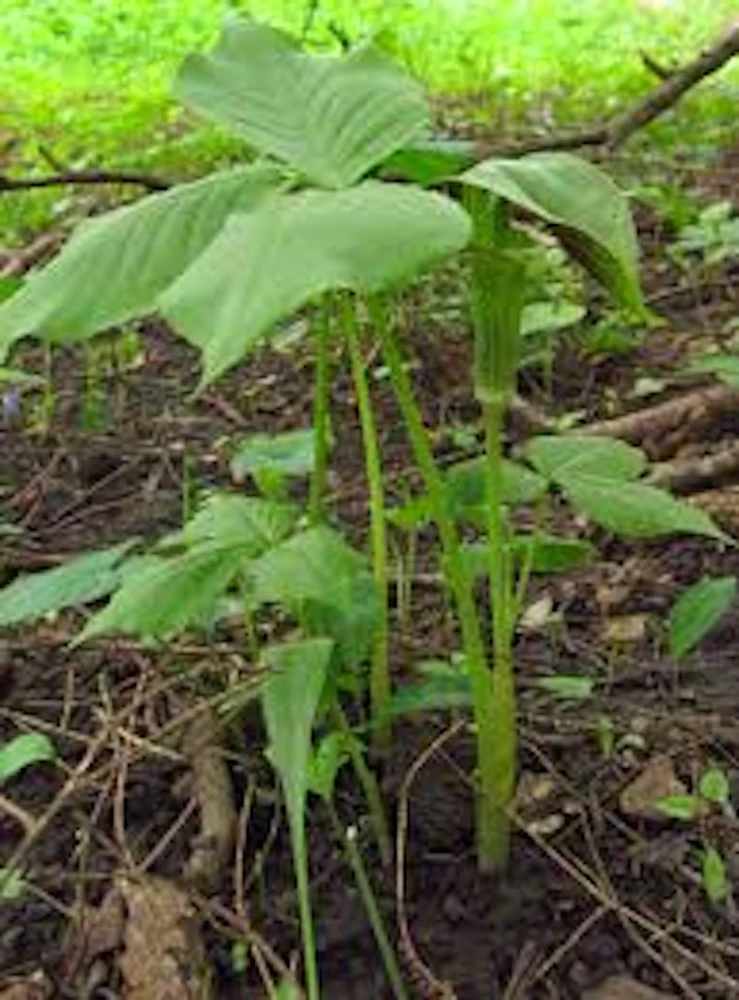
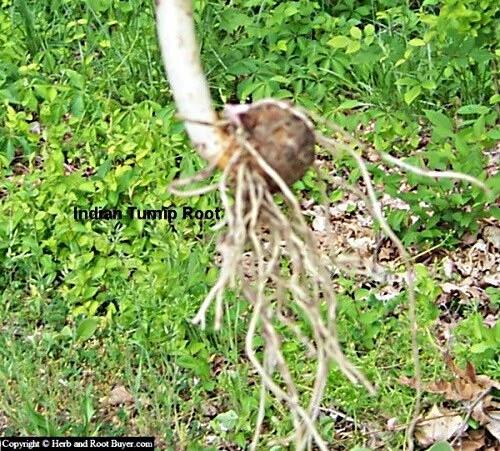
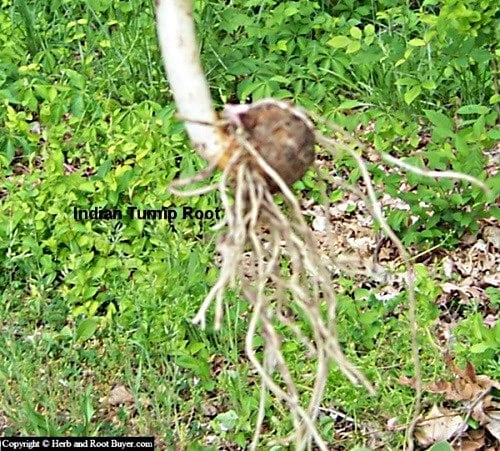
Each order includes 5 Jack In The Pulpit Plants, provided as bare root specimens. These bare roots are carefully harvested per order to ensure maximum freshness and viability upon arrival. As unique perennial plants, Jack In The Pulpit typically grows to a height of 1-2 feet (30-60 cm) with a similar spread, forming attractive clumps over time. The plant’s growth rate is moderate, establishing well in its first year and increasing in vigor thereafter. They will emerge in spring, with their distinctive blooms appearing from mid-spring to early summer, followed by green foliage that persists into late summer before developing bright red berries. The plants will arrive without foliage or a pot, ready for immediate planting according to the provided instructions. Expect them to establish their root system in the first season, with more robust top growth and flowering in subsequent years, contributing to your shade garden plants collection.
Frequently Asked Questions
- Q: How big do these Jack In The Pulpit plants get? A: Jack In The Pulpit plants typically grow to a height of 1 to 2 feet (30-60 cm) with a similar spread. They form attractive clumps over several years, adding significant presence to your garden.
- Q: Is this an indoor or outdoor plant? A: Arisaema Triphyllum is an outdoor plant, a native wildflower plants species that thrives in woodland and shaded garden settings. It is not suitable for indoor cultivation.
- Q: How much sunlight does it need? A: These plants prefer partial to full shade. They do best with dappled sunlight, similar to what they would receive on a forest floor. Avoid direct afternoon sun to prevent leaf scorch.
- Q: What condition will the plants arrive in? A: You will receive 5 Jack In The Pulpit plants as bare root specimens. They are harvested fresh per order and shipped without foliage or pots to ensure they arrive in good condition for planting.
- Q: Is this plant easy to care for? A: Yes, once established, Jack In The Pulpit is considered low-maintenance. Providing the right shaded, moist, and organically rich soil conditions is key for these unique perennial plants.
- Q: When is the best time to plant Jack In The Pulpit? A: The best time to plant bare root Jack In The Pulpit is in early spring or fall, allowing them to establish before extreme summer heat or winter cold.
- Q: Will it survive winter in my zone? A: Jack In The Pulpit plants are very hardy and typically thrive in USDA Zones 3-9. They are dormant during winter and will re-emerge in spring.
- Q: What kind of soil is best for these shade garden plants? A: They prefer rich, well-draining soil high in organic matter, such as compost or leaf mold. A slightly acidic to neutral pH is ideal for optimal growth.
- Q: What are the main features of these native wildflower plants? A: Their main features include their distinctive hooded, pulpit-like flower (spathe), their preference for shaded environments, and their ability to produce attractive red berries in late summer.
- Q: Do these Jack In The Pulpit plants attract pollinators? A: While not typically known for attracting a wide range of showy pollinators like some flowers, they do attract small insects that aid in their unique pollination process.
Be the first to review “5 Jack In The Pulpit Plants – Arisaema Triphyllum Native Wildflower Bare Root”
Related products


You May Like

Hardneck vs. Softneck Garlic: Which Should You Grow?
Have you ever stood in front of a seed catalog in mid-September, staring at dozens [...]
Oct

When to Plant Music Garlic: Ultimate US Fall Guide
Have you ever spent your fall weekend placing carefully chosen garlic cloves into rich, dark [...]
1 Comment
Oct

5 Best Bulbs for Fall Planting: Brighten Your Garden This Spring
Are you dreaming of a garden full of vibrant colors in the spring? The key [...]
Aug

10 Houseplants That Will Thrive in Your Kitchen
Are you tired of your kitchen feeling dull and lifeless? Want to add a little [...]
1 Comment
Aug
Reviews
There are no reviews yet.