
15 Organic Stinging Nettle Bare Root Plants – Urtica dioica Transplants
Original price was: 76.99 $.51.99 $Current price is: 51.99 $.
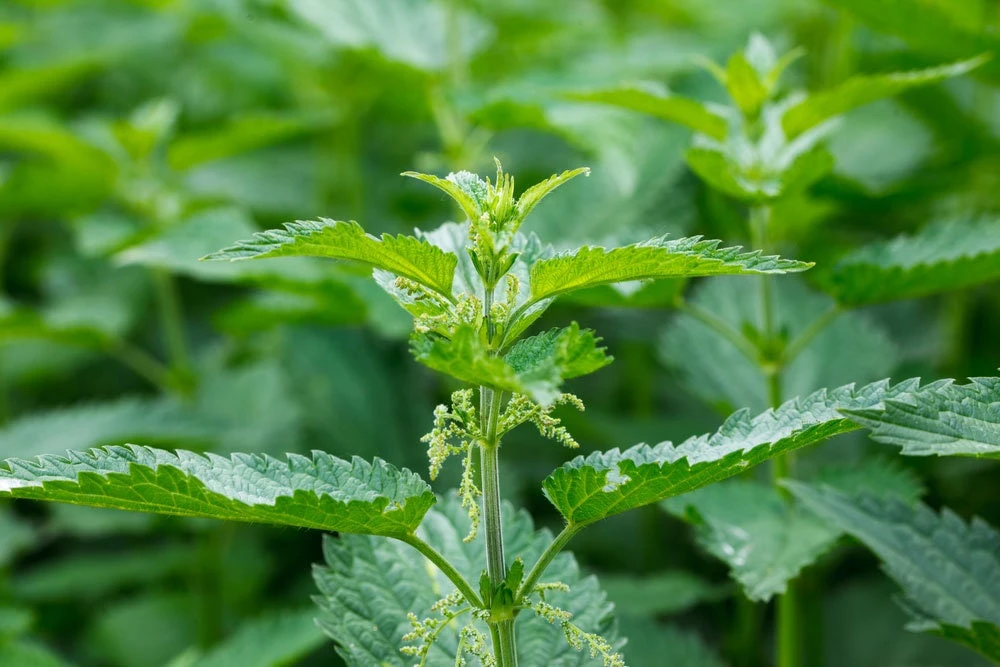
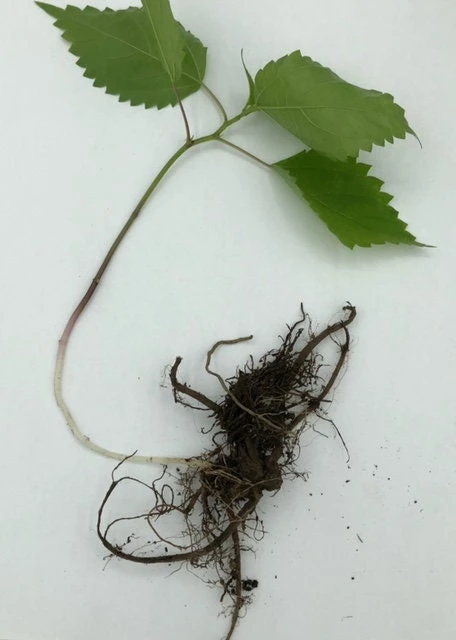
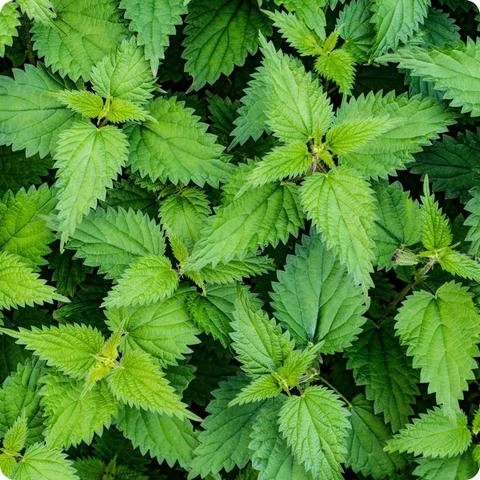
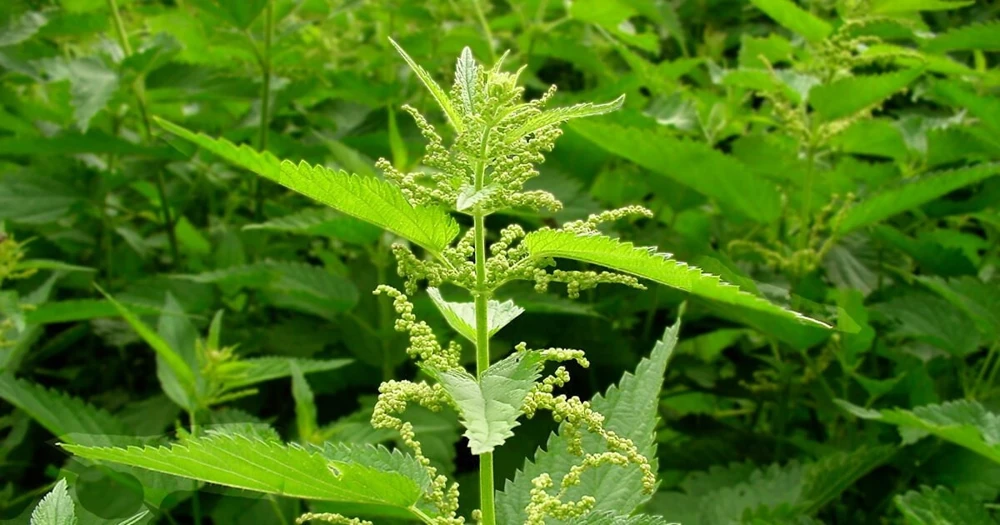
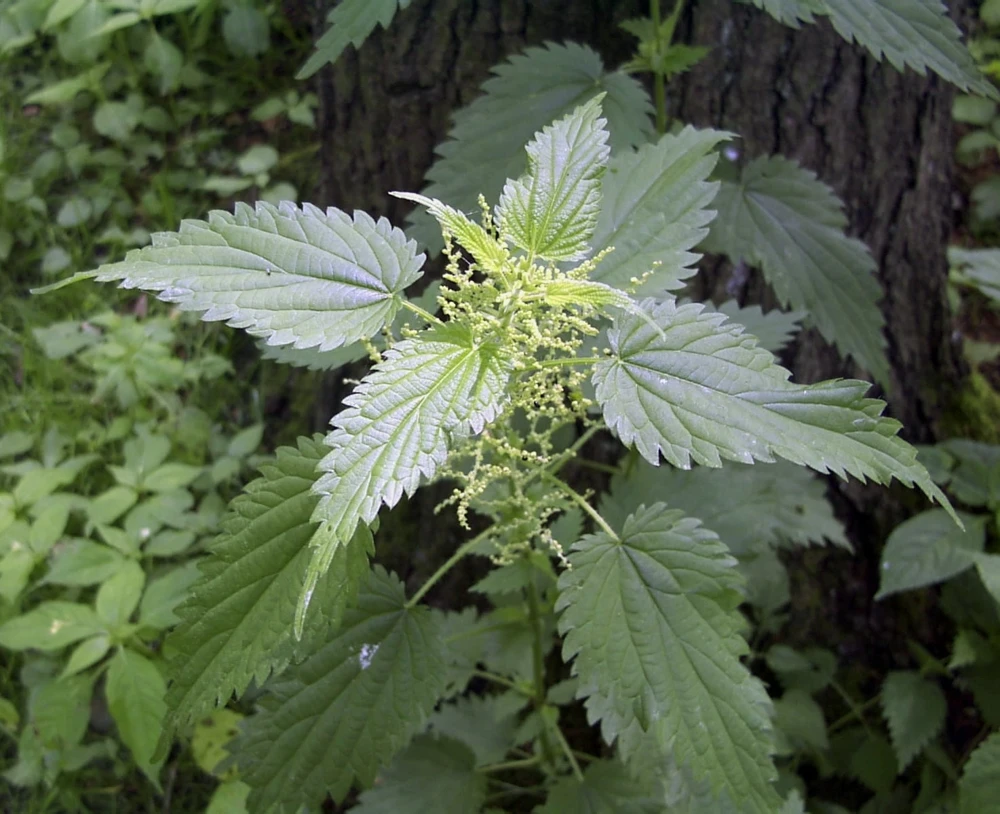
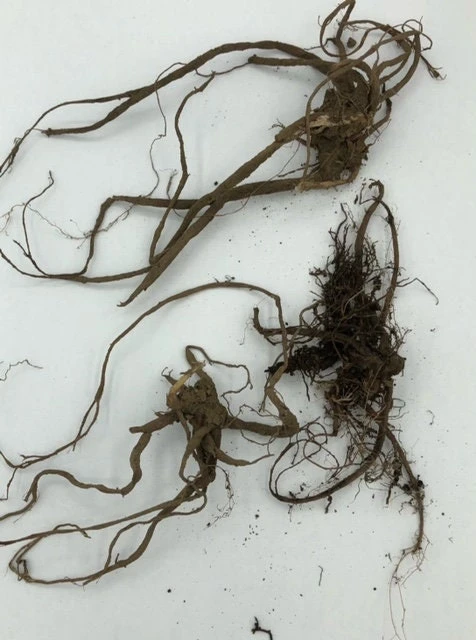
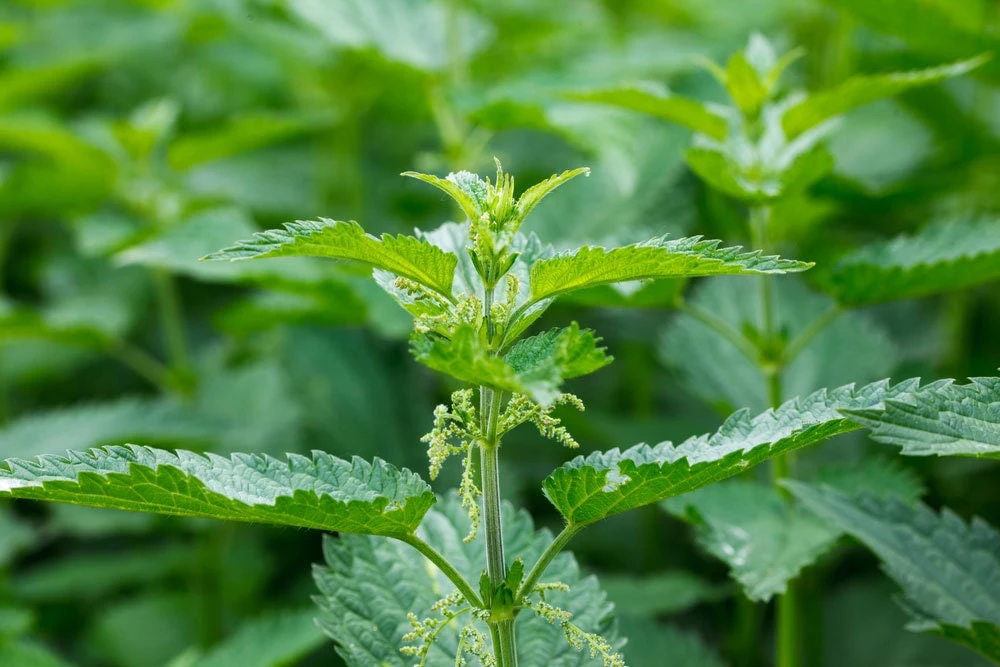
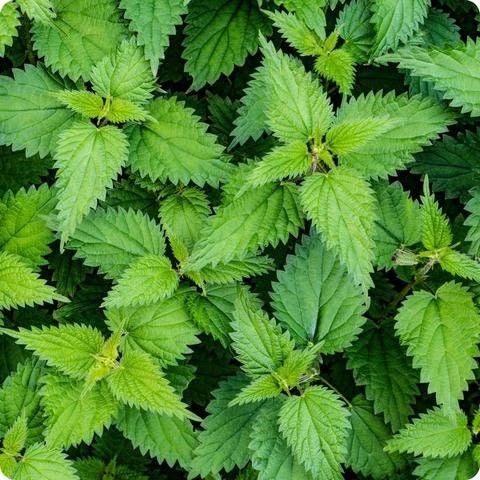
Receive 15 stinging nettle bare roots, organically grown for easy transplanting. These Urtica dioica plants are ideal for gardens, providing a versatile herb known for its culinary and traditional uses. Each order includes planting instructions to ensure successful growth of your organic nettle plants.
Estimated arrival
Oct 17
Oct 22 - Oct 24
Oct 24 - Oct 29
See our Shipping Policy.
Get in touch with us via email, and our team will review your concerns.
Our Alive & Thrive Guarantee covers issues with your plants within the first 30 days. Read our Refund & Returns Policy.
-
USDA Hardiness Zone
USDA zones 3-10 -
Soil Type
Moist, rich, well-draining soil -
Sunlight Exposure
Full sun to partial shade -
Expected Planting Period
Early spring or fall
Overview
Embark on a rewarding gardening journey with our premium selection of 15 stinging nettle bare roots. Each order provides a generous quantity of Urtica dioica plants, ready to be transplanted into your garden. Organically grown and carefully harvested, these bare roots are a fantastic way to introduce this versatile and beneficial herb to your landscape. Stinging nettle, scientifically known as Urtica dioica, is a well-regarded plant with a rich history of use in various cultures for its unique properties. Our commitment to organic growing practices ensures you receive healthy, vigorous roots, poised for successful establishment and growth in your garden. Whether you’re an experienced gardener or just starting, these organic nettle plants offer an easy and sustainable way to cultivate your own supply of this remarkable herb.
Growing your own stinging nettle bare roots allows you to experience the full lifecycle of this fascinating plant. From planting the bare roots to harvesting the mature leaves, you’ll gain a deeper appreciation for its natural resilience and numerous applications. We provide comprehensive planting instructions with every order, guiding you through the process of choosing the best location and conditions to help your Urtica dioica plants thrive. This ensures that even beginners can confidently grow stinging nettle and enjoy a bountiful harvest. The natural vigor of these organically grown roots means they establish quickly, providing you with a sustainable source of fresh nettle for years to come.
Key Benefits
Cultivating stinging nettle bare roots offers a multitude of advantages, making it a valuable addition to any garden. Beyond its distinctive appearance, Urtica dioica plants are celebrated for their various uses and ecological contributions. Here are some key benefits:
- Nutritional Value: Young stinging nettle leaves are packed with vitamins A, C, and K, as well as minerals like iron, calcium, and magnesium. They can be blanched or cooked to remove the sting and used in teas, soups, and other dishes, offering a healthy green boost.
- Traditional Uses: For centuries, medicinal nettle has been valued in traditional herbal practices for its potential to support overall well-being. Growing your own ensures a fresh supply for these purposes.
- Attracts Wildlife: Stinging nettle serves as a host plant for several butterfly species, including the Small Tortoiseshell and Peacock butterflies, contributing to local biodiversity. It also provides shelter for other beneficial insects.
- Soil Improvement: As a dynamic accumulator, nettle can draw nutrients from deep within the soil, making them available to other plants when its leaves decompose. This natural process helps improve soil fertility over time.
- Easy to Grow: These stinging nettle bare roots are remarkably resilient and adaptable, making them an excellent choice for gardeners of all skill levels. Once established, they require minimal intervention to thrive.
- Sustainable Source: By growing your own organic nettle plants, you ensure a continuous and chemical-free supply, reducing reliance on wild harvesting or store-bought options. This promotes sustainable gardening practices.
- Versatile Use: Beyond culinary and traditional applications, nettle can be used to make natural dyes, fibers, and even as an ingredient in organic garden fertilizers. The versatility of Urtica dioica plants is truly remarkable.
Plant Care & Growing Tips
Successfully cultivating your stinging nettle bare roots is straightforward with the right care. These resilient Urtica dioica plants are not particularly demanding, but providing optimal conditions will ensure vigorous growth and a healthy harvest. Stinging nettle thrives in a variety of environments, but prefers locations with ample moisture and rich, well-draining soil. When you grow stinging nettle, consider its natural habitat, which often includes damp woodlands and disturbed areas with fertile soil. Incorporating compost or other organic matter into your planting site will significantly benefit your plants, providing the necessary nutrients for robust development. The hardiness of medicinal nettle makes it a forgiving plant for many gardeners.
For sunlight exposure, stinging nettle can tolerate a range from full sun to partial shade. In hotter climates, some afternoon shade can prevent scorching of the leaves and help maintain soil moisture. Water your organic nettle plants regularly, especially during dry spells, to keep the soil consistently moist but not waterlogged. Good drainage is crucial to prevent root rot. Stinging nettle is generally hardy in USDA Zones 3-10, making it suitable for a wide range of climates. Fertilization is usually not heavily required if planted in rich soil, but a balanced organic fertilizer can be applied in spring to encourage lush growth. Keep an eye out for common garden pests, though nettle is often quite resistant. Harvesting young leaves frequently encourages new growth and helps manage the plant’s spread. Remember to wear gloves when handling mature nettle to avoid the characteristic sting.
Size & Details
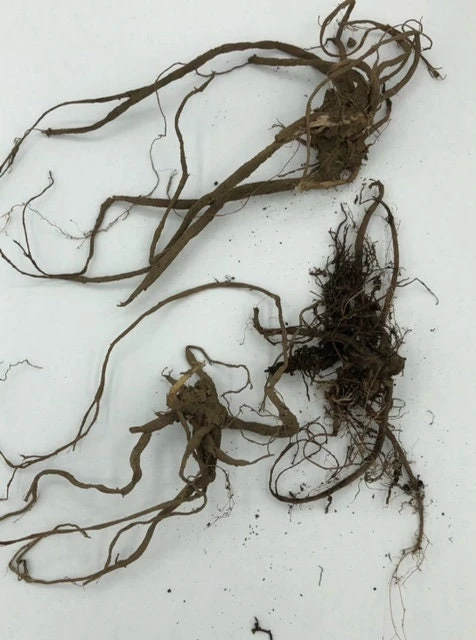
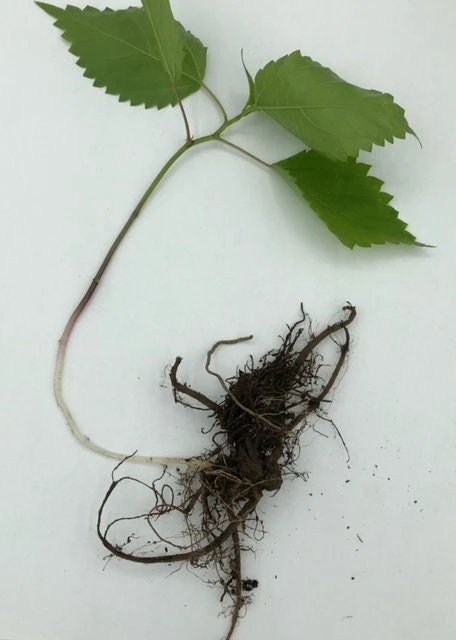
This offering includes 15 stinging nettle bare roots, providing a substantial quantity to establish a healthy patch in your garden. Each bare root is carefully selected and prepared for optimal transplanting success, ensuring you receive viable plant material ready to grow into thriving Urtica dioica plants. Stinging nettle typically grows to an average height of 2 to 4 feet (60-120 cm) tall, though some specimens can reach up to 6 feet under ideal conditions. The spread can be quite vigorous, as nettle tends to colonize areas through its rhizomatous root system. These bare roots are shipped without soil or leaves, allowing for safe and efficient transport and minimizing transplant shock. Once planted, you can expect new growth to emerge within a few weeks, with the plants reaching a harvestable size by late spring or early summer, depending on your planting time. The rapid growth rate makes it easy to grow stinging nettle and enjoy multiple harvests throughout the season.
Frequently Asked Questions
- Q: How big does this plant get? A: Stinging nettle bare roots typically grow into plants that reach an average height of 2 to 4 feet (60-120 cm), though they can sometimes grow taller under optimal conditions. Their spread can be quite extensive due to their rhizomatous nature.
- Q: What condition will the bare roots arrive in? A: Your 15 stinging nettle bare roots will arrive without soil or foliage, carefully packaged to ensure they are healthy and ready for planting. We harvest them per order for freshness.
- Q: Is this an indoor or outdoor plant? A: While Urtica dioica plants can be grown in containers, they are primarily outdoor plants that thrive in garden settings, preferring natural soil and ample space to grow and spread.
- Q: How much sunlight does it need? A: Stinging nettle is adaptable and can tolerate full sun to partial shade. In regions with intense summer heat, partial shade is often preferred to prevent leaf scorch.
- Q: Is this plant easy to care for? A: Yes, organic nettle plants are known for their resilience and ease of care. Once established, they require minimal maintenance, making them suitable for beginners and experienced gardeners alike.
- Q: When is the best time to plant these bare roots? A: The best time to plant stinging nettle bare roots is typically in early spring, after the last frost, or in the fall before the ground freezes. This allows them to establish before extreme weather.
- Q: Can I use the leaves for culinary purposes? A: Absolutely! Young stinging nettle leaves are highly nutritious and can be used in teas, soups, and other cooked dishes after being blanched or cooked to neutralize the sting. This is a popular reason to grow stinging nettle.
- Q: Will it survive winter in my zone? A: Stinging nettle is a hardy perennial and is generally suitable for USDA Zones 3-10. It will die back in winter in colder zones but will regrow vigorously from its roots in spring.
- Q: What type of soil do these medicinal nettle plants prefer? A: Stinging nettle prefers moist, rich, well-draining soil. Amending your garden soil with organic matter like compost will greatly benefit its growth.
- Q: What are some other uses for stinging nettle? A: Beyond culinary and traditional uses, Urtica dioica plants can be used to make natural dyes, fibers, and even as a nutrient-rich addition to compost or homemade liquid fertilizers for your garden.
Be the first to review “15 Organic Stinging Nettle Bare Root Plants – Urtica dioica Transplants”
Related products


You May Like

Hardneck vs. Softneck Garlic: Which Should You Grow?
Have you ever stood in front of a seed catalog in mid-September, staring at dozens [...]
Oct

When to Plant Music Garlic: Ultimate US Fall Guide
Have you ever spent your fall weekend placing carefully chosen garlic cloves into rich, dark [...]
1 Comment
Oct

5 Best Bulbs for Fall Planting: Brighten Your Garden This Spring
Are you dreaming of a garden full of vibrant colors in the spring? The key [...]
Aug

10 Houseplants That Will Thrive in Your Kitchen
Are you tired of your kitchen feeling dull and lifeless? Want to add a little [...]
1 Comment
Aug
Reviews
There are no reviews yet.