
Thornless Honeylocust Tree Live Plant 12-24″ Tall Gleditsia triacanthos inermis Quart Pot
Original price was: 129.99 $.104.99 $Current price is: 104.99 $.
Cultivate a resilient Thornless Honeylocust Tree with this 12-24 inch live starter plant. Known for its delicate foliage and adaptability, this Gleditsia triacanthos inermis is an excellent choice for a fast-growing shade tree in diverse urban and rural settings. It thrives in various soil conditions and tolerates drought and pollution.
Estimated arrival
Oct 16
Oct 21 - Oct 23
Oct 23 - Oct 28
See our Shipping Policy.
Get in touch with us via email, and our team will review your concerns.
Our Alive & Thrive Guarantee covers issues with your plants within the first 30 days. Read our Refund & Returns Policy.
-
USDA Hardiness Zone
USDA Zones 3-9 -
Soil Type
Adaptable to various well-draining soils (clay, sandy, loamy) -
Sunlight Exposure
Full sun -
Expected Planting Period
Early spring to fall
Overview
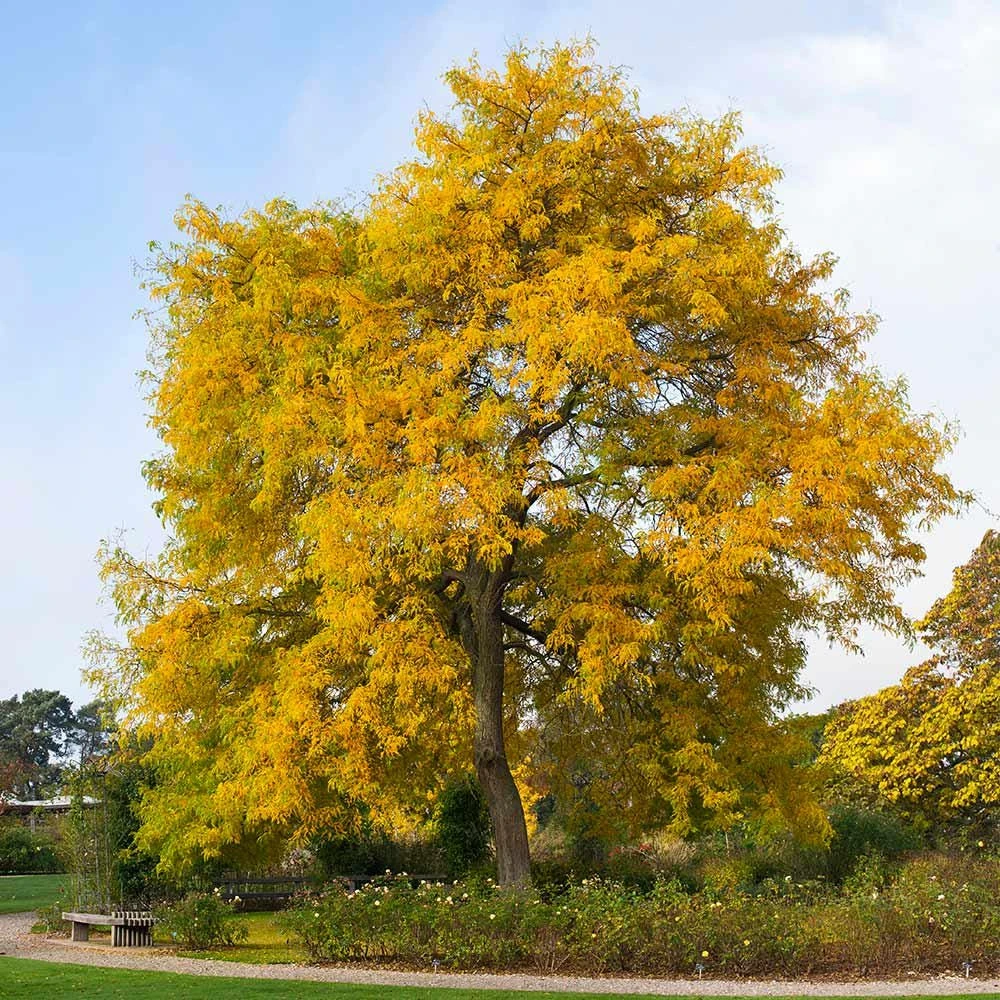
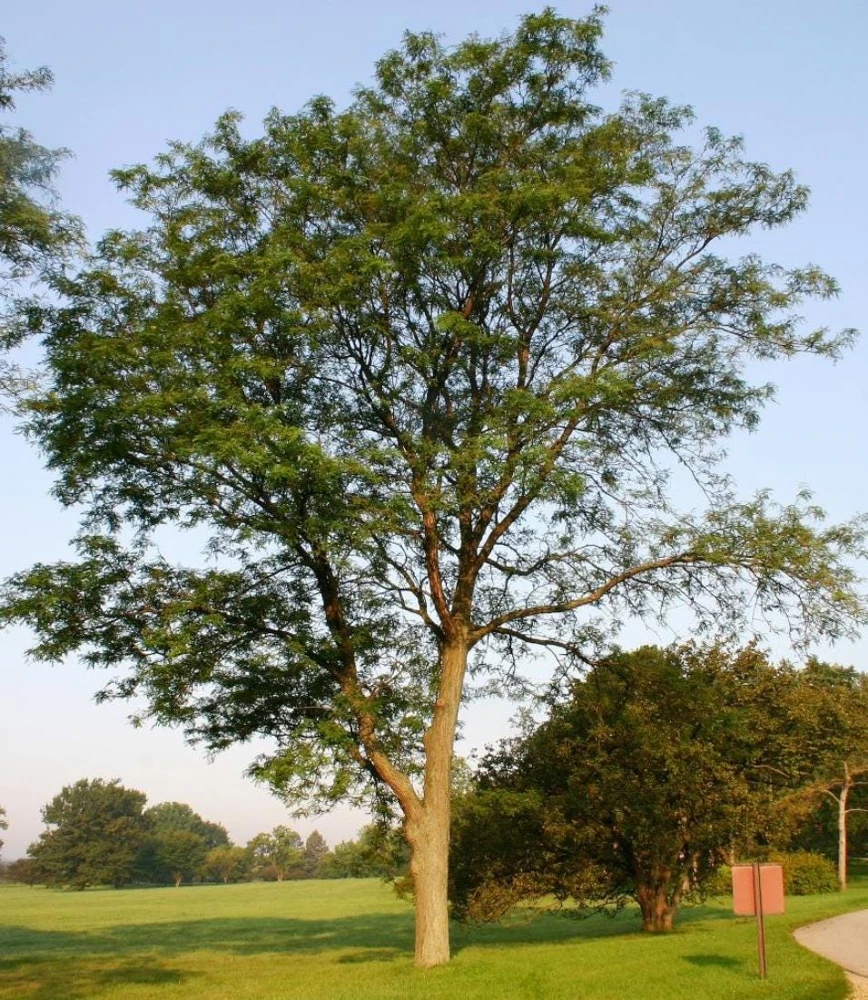
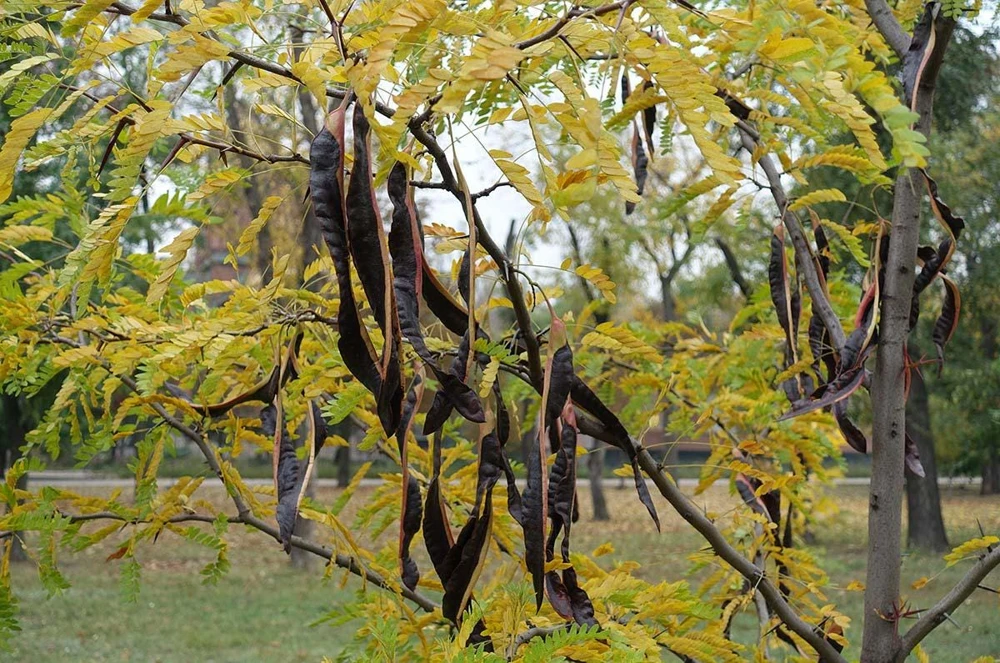
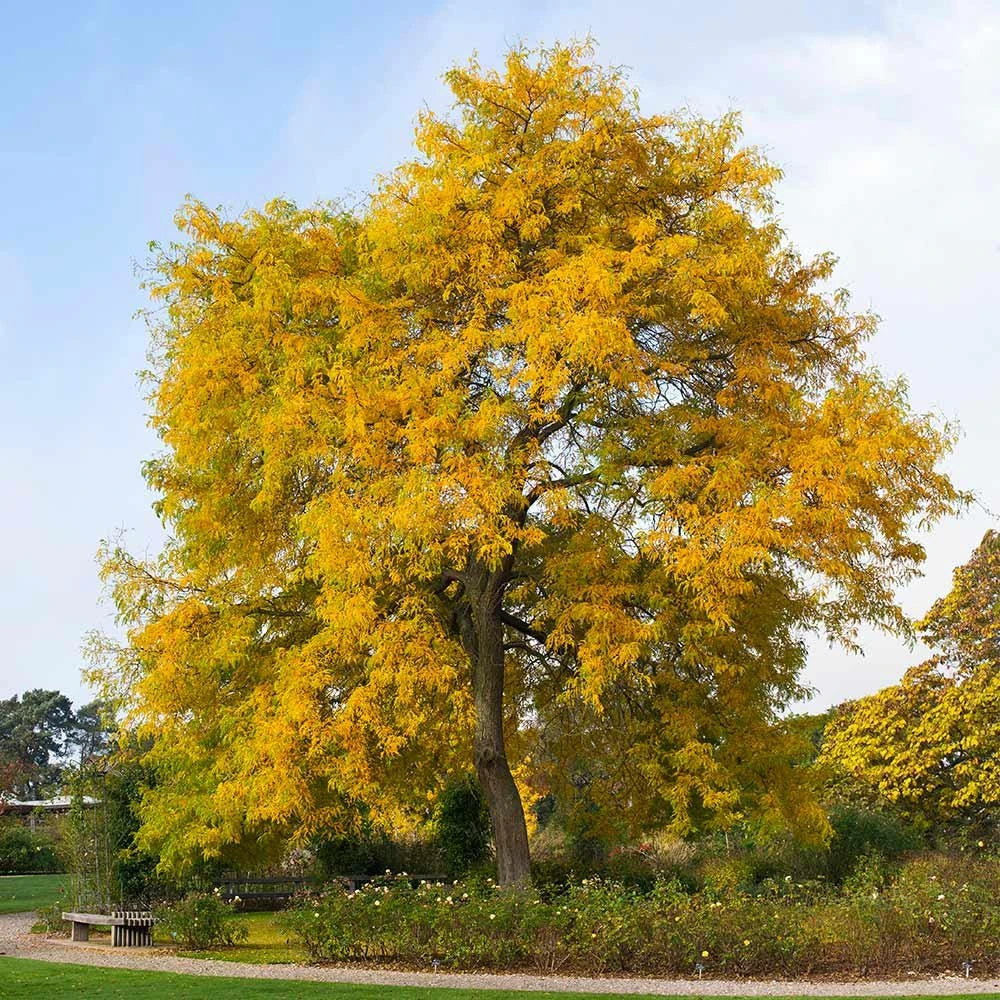
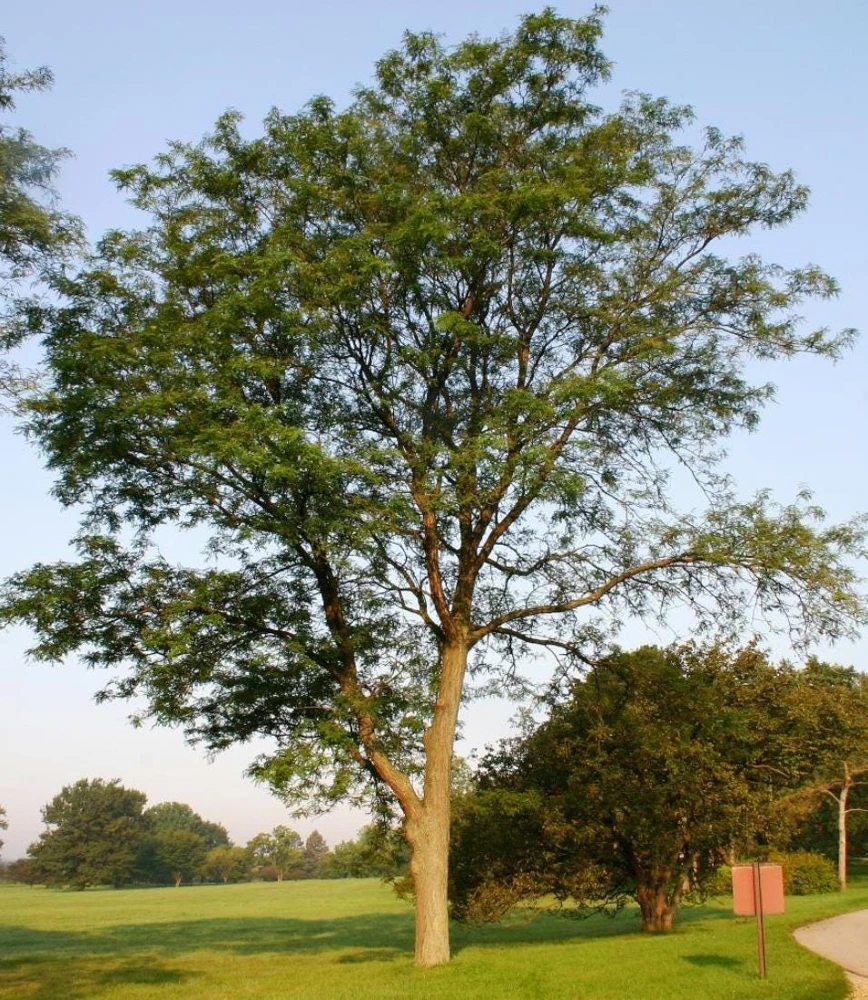
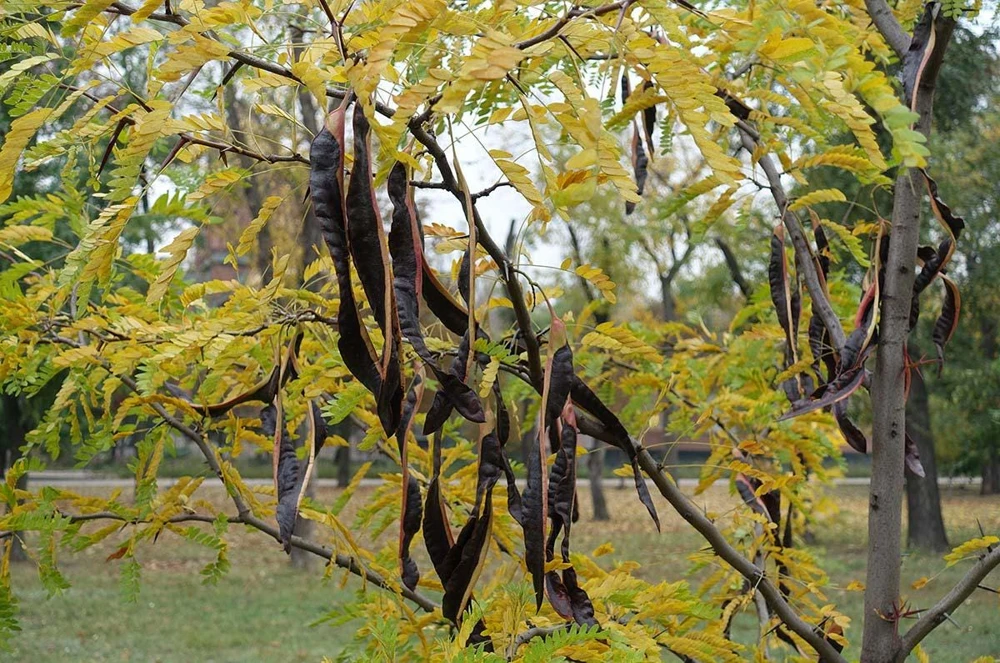
Introduce a magnificent shade provider to your landscape with the Thornless Honeylocust Tree. This offering includes a live starter plant, typically 12-24 inches tall, ready to establish itself in your garden. The Thornless Honeylocust Tree, scientifically known as Gleditsia triacanthos inermis, is a highly sought-after deciduous tree celebrated for its rapid growth rate and distinctive, fern-like foliage. Unlike its wild counterparts, this variety is thornless, making it a safer and more manageable choice for residential and public spaces. Its delicate leaves create a light, dappled shade, allowing grass and other plants to thrive beneath its canopy. This tree is an exceptional specimen for those seeking an elegant yet robust addition to their outdoor environment, promising years of beauty and ecological benefit.
The Gleditsia triacanthos inermis is renowned for its remarkable adaptability. It can withstand a broad spectrum of environmental challenges, including urban pollution, drought conditions, and varying soil types, from sandy to clayey. This resilience makes it an ideal candidate for challenging planting sites where other trees might struggle. As a fast-growing honeylocust, it quickly establishes itself, providing significant shade and contributing to the aesthetic appeal of your property in a relatively short period. Whether you’re planning a new landscape or enhancing an existing one, this starter plant offers a dependable and beautiful foundation for a thriving garden.
Key Benefits
The Thornless Honeylocust Tree provides numerous advantages for any landscape, combining aesthetic appeal with environmental resilience. Its unique characteristics make it a popular choice for gardeners and landscapers alike.
- Exceptional Shade Provider: Known for its rapid growth, this tree quickly develops a broad canopy that offers light, dappled shade, perfect for cooling outdoor spaces and allowing underplantings to flourish.
- High Adaptability: The Gleditsia triacanthos inermis is incredibly tolerant of diverse conditions, including drought, urban pollution, salt, and various soil types (clay, sandy, loamy), making it suitable for challenging environments.
- Thornless Variety: Unlike the species’ wild form, this specific cultivar lacks the large thorns, ensuring a safer and more pleasant experience for people and pets in your garden.
- Low Maintenance: Once established, the Thornless Honeylocust Tree requires minimal care, making it an excellent choice for busy gardeners or those seeking a beautiful, fuss-free addition to their landscape.
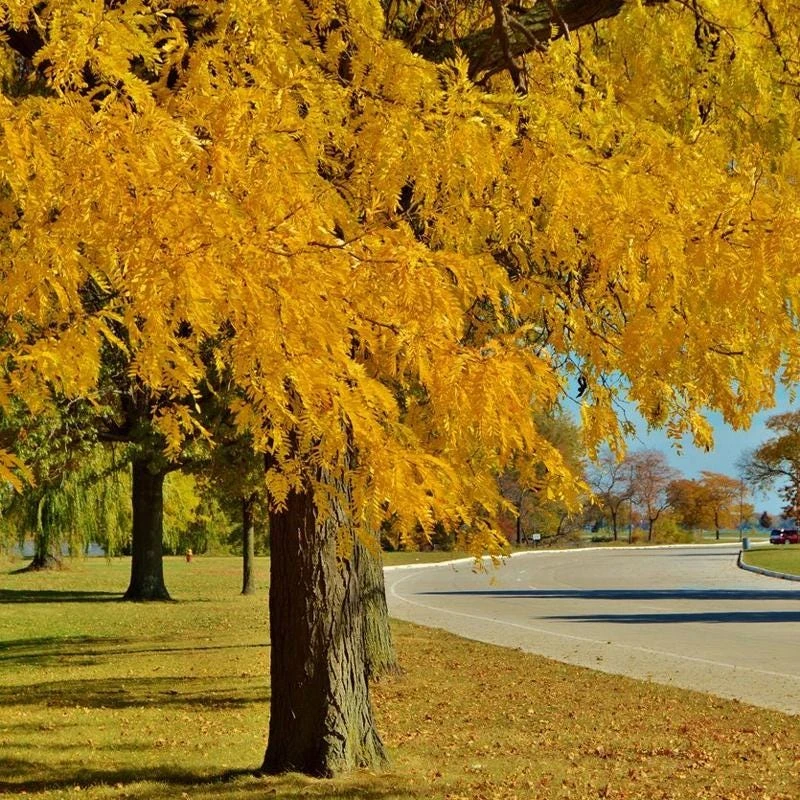
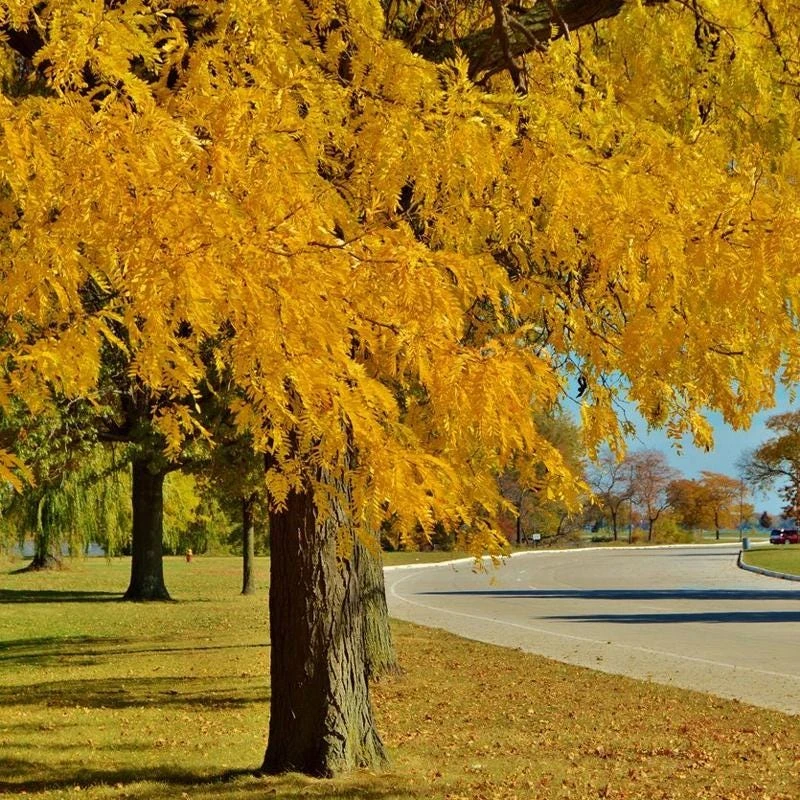
- Beautiful Fern-like Foliage: Its delicate, airy leaves provide an elegant texture and contribute to a sophisticated garden aesthetic, turning a vibrant yellow in the fall for seasonal interest.
- Erosion Control: Its extensive root system helps stabilize soil, making it beneficial for areas prone to erosion.
- Attracts Wildlife: While thornless, the tree still provides habitat and shelter for various birds and beneficial insects, enhancing biodiversity in your garden.
Plant Care & Growing Tips
Proper care ensures your Thornless Honeylocust Tree thrives and becomes a majestic focal point in your landscape. This adaptable tree is relatively easy to care for, making it suitable for both novice and experienced gardeners. For optimal growth, choose a location with full sun exposure, meaning at least six hours of direct sunlight per day. While it tolerates partial shade, full sun promotes the best growth and foliage development. The tree is highly adaptable to various soil types, including poor soil, but prefers well-draining conditions. Avoid consistently waterlogged soil, as this can lead to root rot. When planting, amend heavy clay soils with organic matter to improve drainage, or add compost to sandy soils to enhance water retention. This will give your Gleditsia triacanthos inermis the best start.
Watering is crucial during the establishment phase, typically the first year after planting. Water deeply and regularly, especially during dry spells, to encourage a strong root system. Once established, the Thornless Honeylocust Tree is quite drought-tolerant and will require less frequent watering, though supplemental watering during prolonged dry periods will be beneficial. Fertilization is generally not necessary in rich soils, but if your soil is poor, a balanced, slow-release granular fertilizer applied in early spring can boost growth. Pruning should be done in late winter or early spring to remove any dead, damaged, or crossing branches, and to shape the tree as desired. The tree is generally hardy in USDA zones 3-9, making it suitable for a wide range of climates. Monitor for common pests like spider mites or diseases like cankers, though serious problems are rare for this resilient species. Learning about honeylocust tree care will ensure a healthy and long-lived specimen.
Size & Details
This offering provides Thornless Honeylocust Tree live starter plants, typically ranging from 12 to 24 inches in height. These young trees are grown in quart pots, providing them with a sturdy root ball and a strong foundation for transplanting into your garden. The starter plant format ensures a healthy beginning, allowing the tree to acclimate to its new environment efficiently. Expect a fast growth rate once established, with the tree quickly adding several feet in height each year under ideal conditions. Mature Thornless Honeylocust Tree specimens can reach heights of 30-70 feet with a spread of 20-50 feet, developing an open, spreading canopy that provides ample shade. The delicate, bipinnately compound leaves emerge in spring, offering a fresh green hue throughout the summer before turning a beautiful golden-yellow in the fall.
The quart pot size is ideal for safe shipping and easy handling upon arrival, making the planting process straightforward. These plants are ready to be transplanted into a larger pot or directly into the ground, depending on your climate and gardening plans. While young, these trees exhibit the characteristic vigor of the species, promising to develop into robust and majestic shade trees. They are well-rooted and carefully packaged to ensure they arrive in excellent condition, ready for their new home. This adaptable shade tree will be a valuable long-term investment for your landscape.
Frequently Asked Questions
- Q: How big does this Thornless Honeylocust Tree get? A: A mature Thornless Honeylocust Tree can reach impressive heights of 30-70 feet with a spread of 20-50 feet, providing substantial shade. The starter plants offered are typically 12-24 inches tall.
- Q: What size pot does it come in? A: The Thornless Honeylocust Tree starter plant is shipped in a quart-sized pot, which provides a healthy root system for successful transplanting.
- Q: Is this an indoor or outdoor plant? A: The Thornless Honeylocust Tree is an outdoor plant, best suited for planting directly in the ground where it can grow to its full potential as a shade tree.
- Q: How much sunlight does it need? A: This tree thrives in full sun, requiring at least six hours of direct sunlight per day for optimal growth and health. It can tolerate partial shade but may not grow as vigorously.
- Q: Is this plant easy to care for? A: Yes, the Gleditsia triacanthos inermis is known for its low maintenance requirements once established. It’s an excellent choice for gardeners looking for a resilient and beautiful tree.
- Q: What condition will it arrive in? A: Your Thornless Honeylocust Tree starter plant will arrive carefully packaged, healthy, and ready for planting, ensuring a good start for your new tree.
- Q: When is the best time to plant this tree? A: The best time to plant a Thornless Honeylocust Tree is in early spring or fall, allowing it to establish its root system before extreme summer heat or winter cold.
- Q: Will it survive winter in my zone? A: This tree is hardy in USDA zones 3-9, making it highly tolerant of cold temperatures across a wide range of climates in the United States.
- Q: What kind of soil does the fast-growing honeylocust prefer? A: While highly adaptable to various soil types (sandy, clay, loamy), it prefers well-draining soil. It can even tolerate poor soil conditions and temporary flooding.
- Q: What are the main benefits of growing a Thornless Honeylocust Tree? A: Key benefits include its rapid growth, excellent shade provision, remarkable adaptability to urban conditions and poor soil, and its thornless nature, making it a safe and attractive landscape choice.
Be the first to review “Thornless Honeylocust Tree Live Plant 12-24″ Tall Gleditsia triacanthos inermis Quart Pot”
Related products


You May Like

Hardneck vs. Softneck Garlic: Which Should You Grow?
Have you ever stood in front of a seed catalog in mid-September, staring at dozens [...]
Oct

When to Plant Music Garlic: Ultimate US Fall Guide
Have you ever spent your fall weekend placing carefully chosen garlic cloves into rich, dark [...]
1 Comment
Oct

5 Best Bulbs for Fall Planting: Brighten Your Garden This Spring
Are you dreaming of a garden full of vibrant colors in the spring? The key [...]
Aug

10 Houseplants That Will Thrive in Your Kitchen
Are you tired of your kitchen feeling dull and lifeless? Want to add a little [...]
1 Comment
Aug
Reviews
There are no reviews yet.