
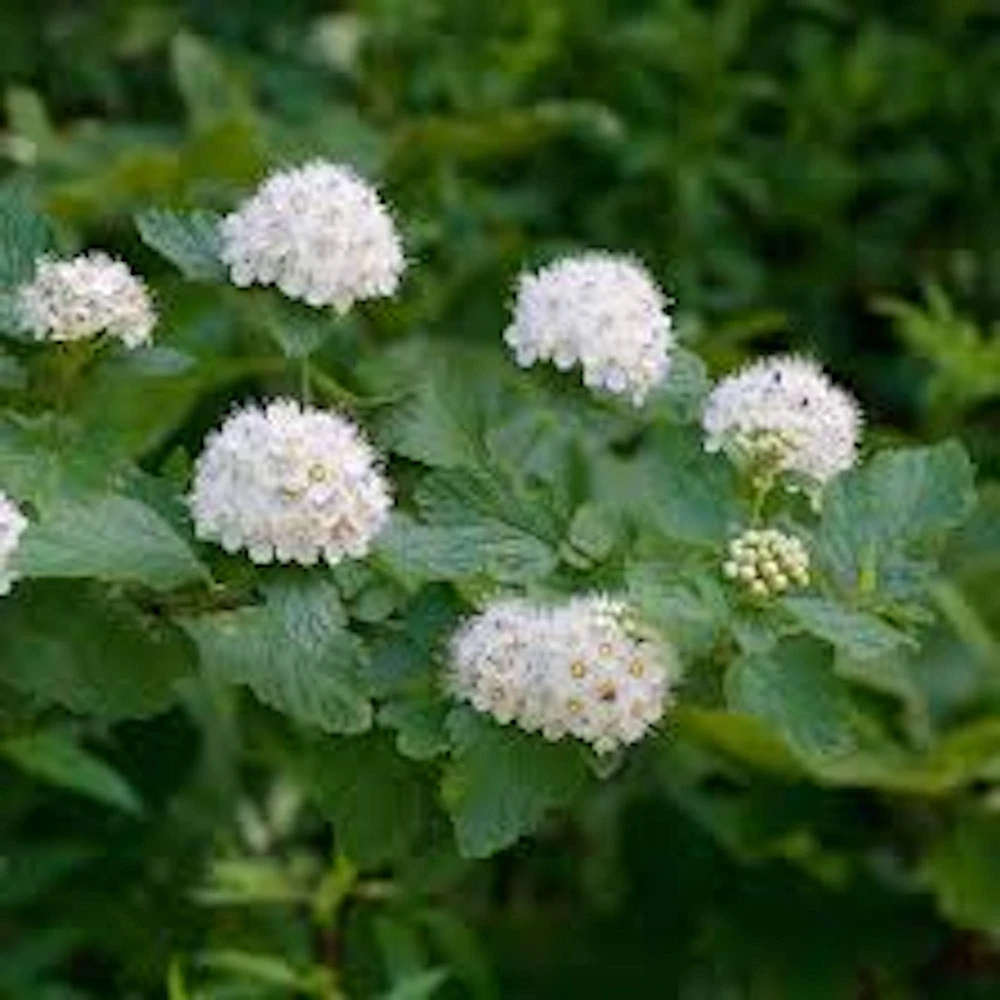
Ninebark Plant 12-24in Tall – Physocarpus opulifolius Hardy Deciduous Shrub Quart Pot Live
Original price was: 74.99 $.49.99 $Current price is: 49.99 $.
Bring unique texture and color to your garden with a ninebark plant. This 12-24 inch tall Physocarpus opulifolius is a versatile, hardy deciduous shrub known for its distinctive peeling bark and low maintenance. Ideal for various landscaping designs.
Estimated arrival
Oct 16
Oct 21 - Oct 23
Oct 23 - Oct 28
See our Shipping Policy.
Get in touch with us via email, and our team will review your concerns.
Our Alive & Thrive Guarantee covers issues with your plants within the first 30 days. Read our Refund & Returns Policy.
-
USDA Hardiness Zone
USDA Zones 3-7 -
Soil Type
Well-draining soil -
Sunlight Exposure
Full sun to partial shade -
Expected Planting Period
Spring to early fall
Overview
Introduce a touch of captivating natural beauty to your landscape with the remarkable ninebark plant. This offer is for one live Physocarpus opulifolius, a robust and attractive deciduous shrub, standing proudly at 12-24 inches tall and supplied in a quart pot. Known for its distinctive peeling bark, which reveals multiple layers of rich color, the Ninebark plant adds year-round visual interest. Its versatility and ease of care make it a favorite among gardeners, whether you’re a seasoned enthusiast or just starting out. This hardy shrub thrives in a variety of conditions, providing a stunning focal point or a beautiful backdrop in any garden setting.
The common name “Ninebark” perfectly describes its most striking feature: bark that peels away in strips, creating a multi-layered effect. This unique characteristic ensures that even in winter, when other plants might fade, the ninebark plant continues to provide textural appeal. Beyond its bark, this shrub boasts attractive foliage and often produces clusters of small, delicate flowers, followed by interesting seed heads. It’s an excellent choice for adding structure, color, and wildlife interest to your outdoor spaces, proving that a hardy deciduous shrub can be both beautiful and functional.
Key Benefits
The ninebark plant offers a multitude of advantages, making it an excellent addition to almost any garden. Its unique features and resilience contribute to a vibrant and low-maintenance landscape:
- Exceptional Year-Round Interest: The most notable benefit is its distinctive peeling bark, which provides textural interest throughout all seasons, especially striking in winter. This ensures your garden remains captivating even when other plants are dormant.
- Low Maintenance & Hardy: This Physocarpus opulifolius is incredibly resilient and requires minimal care once established. It tolerates a range of soil conditions and is generally pest and disease-resistant, making it perfect for busy gardeners.
- Versatile Landscaping: Its adaptable nature allows it to be used in various settings, from informal hedges and borders to specimen plantings or as part of a mixed shrub bed. It’s a fantastic choice for diverse landscaping shrubs.
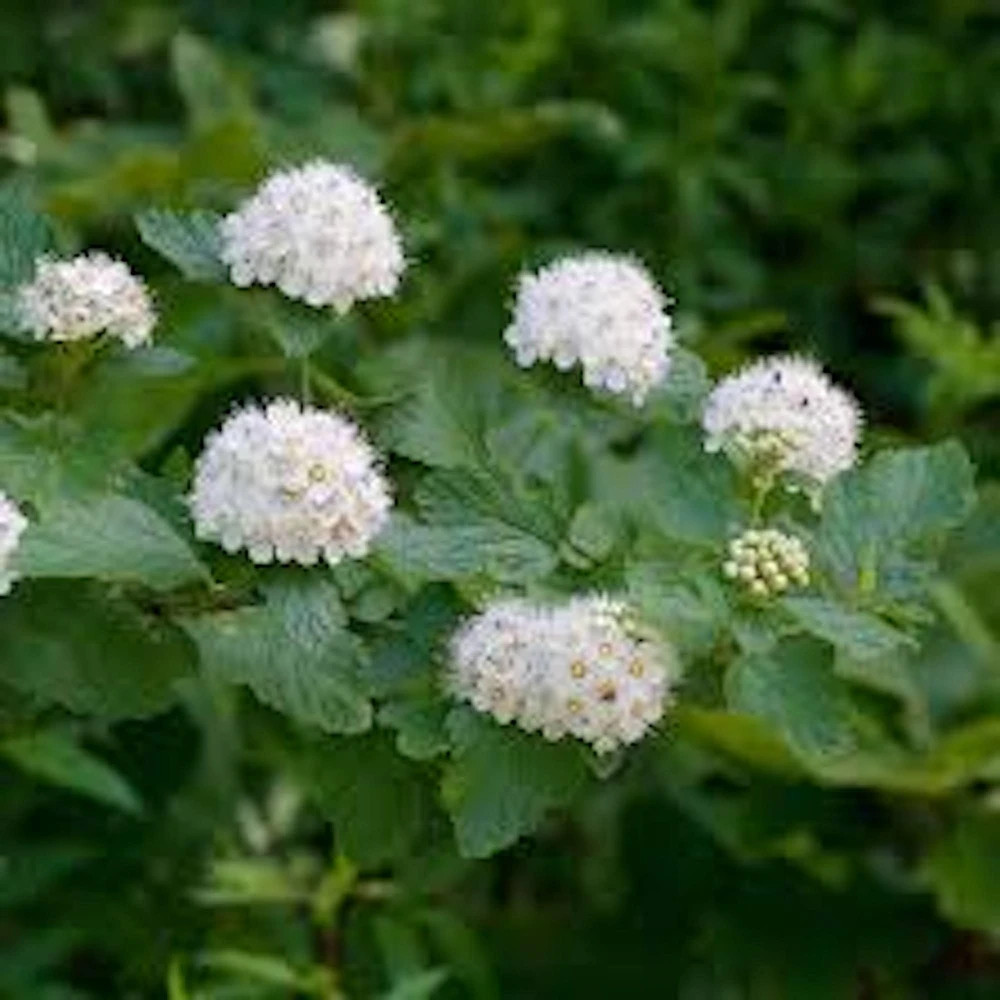
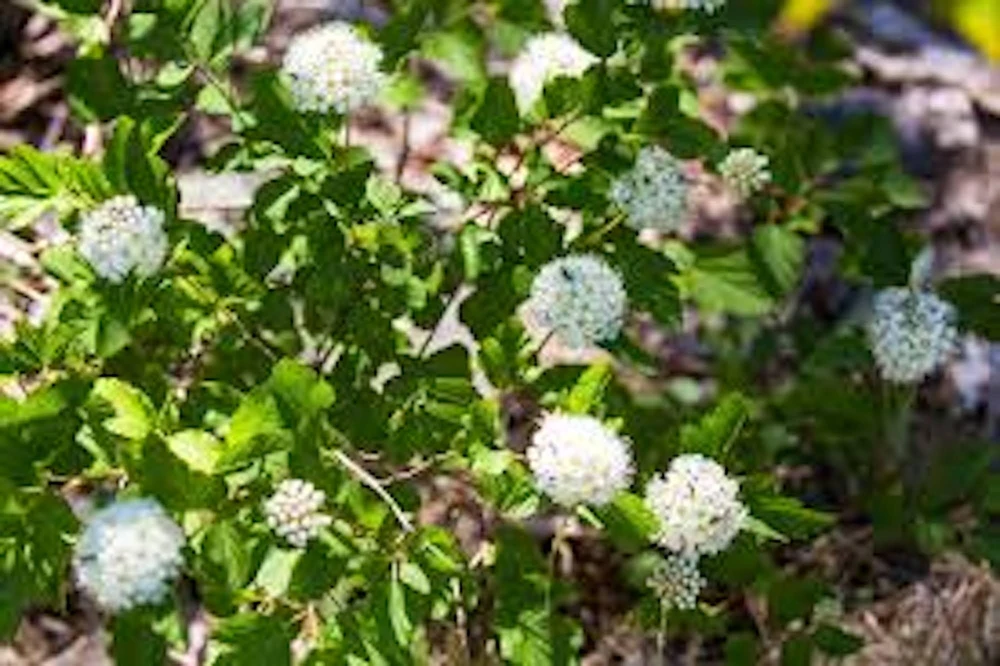
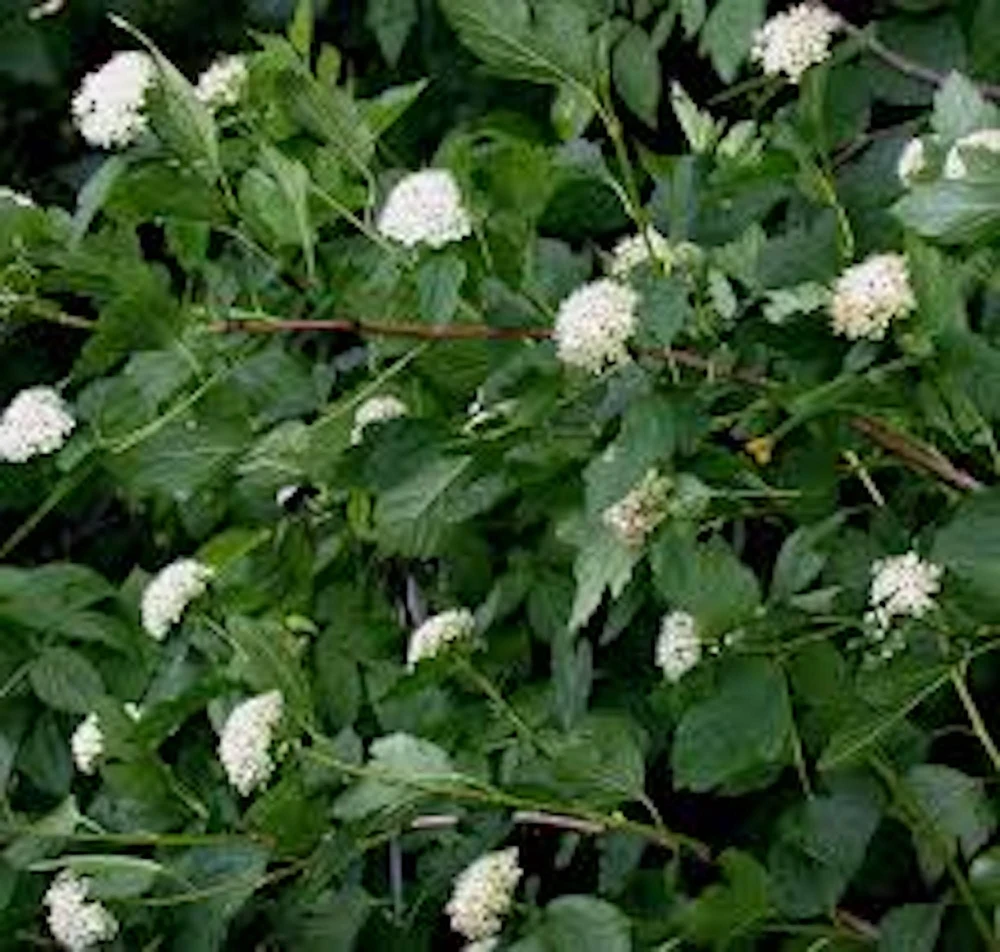
- Attractive Foliage & Flowers: Beyond its bark, the Ninebark boasts attractive lobed leaves that often emerge with a reddish or purple hue, maturing to green. It produces charming clusters of white or pinkish flowers in late spring to early summer, followed by ornamental red seed capsules.
- Wildlife Attractor: The flowers provide nectar for pollinators like bees, and the dense foliage offers shelter for birds, contributing to a healthy garden ecosystem.
- Drought Tolerant: Once mature, the ninebark plant is quite drought-tolerant, reducing the need for frequent watering, which is a great benefit in drier climates or during hot spells.
- Adaptable to Various Conditions: It can thrive in a wide range of light conditions, from full sun to partial shade, making it a flexible choice for different garden aspects.
Plant Care & Growing Tips
Caring for your ninebark plant is relatively straightforward, ensuring it flourishes and provides years of beauty. This Physocarpus opulifolius is known for its adaptability and resilience. For optimal growth, plant your Ninebark in a location that receives at least six hours of direct sunlight per day. While it can tolerate partial shade, full sun encourages the best foliage color and flowering. Good air circulation is also beneficial to prevent fungal issues. Ensure the planting hole is twice as wide as the root ball and just as deep, allowing the plant to settle comfortably without burying the crown too deeply.
The ninebark care routine is minimal once established. Ninebark plants prefer well-draining soil but are not overly particular about soil type, tolerating clay, sandy, or loamy conditions. They perform best in slightly acidic to neutral soil. Water regularly after planting, especially during dry spells, until the shrub is established. Once established, it is quite drought-tolerant, though consistent moisture will promote more vigorous growth. Fertilize in early spring with a balanced slow-release granular fertilizer, but avoid over-fertilizing, as this can lead to excessive leggy growth. Pruning is best done after flowering to maintain shape and size, and to remove any dead or damaged branches. You can also rejuvenate older shrubs by cutting them back hard in late winter.
This hardy deciduous shrub is generally tolerant of a wide range of temperatures and is hardy in USDA zones 3-7. It’s important to monitor for common garden pests like aphids or powdery mildew, though these are typically not severe problems for Ninebark. Proper spacing and good air circulation can help prevent fungal diseases. With these simple guidelines, your ninebark plant will thrive, showcasing its multi-layered bark, attractive foliage, and seasonal blooms.
Size & Details
This offering includes one live ninebark plant (Physocarpus opulifolius) that stands approximately 12-24 inches tall upon arrival. It is provided in a quart-sized nursery pot, ensuring a healthy root system and a smooth transition to your garden. The Ninebark is a moderate to fast-growing shrub, typically reaching a mature height and spread of 5-10 feet, depending on the cultivar and growing conditions. Its upright, arching habit creates a graceful silhouette in the landscape. When planting, consider its mature size to provide adequate space for growth.
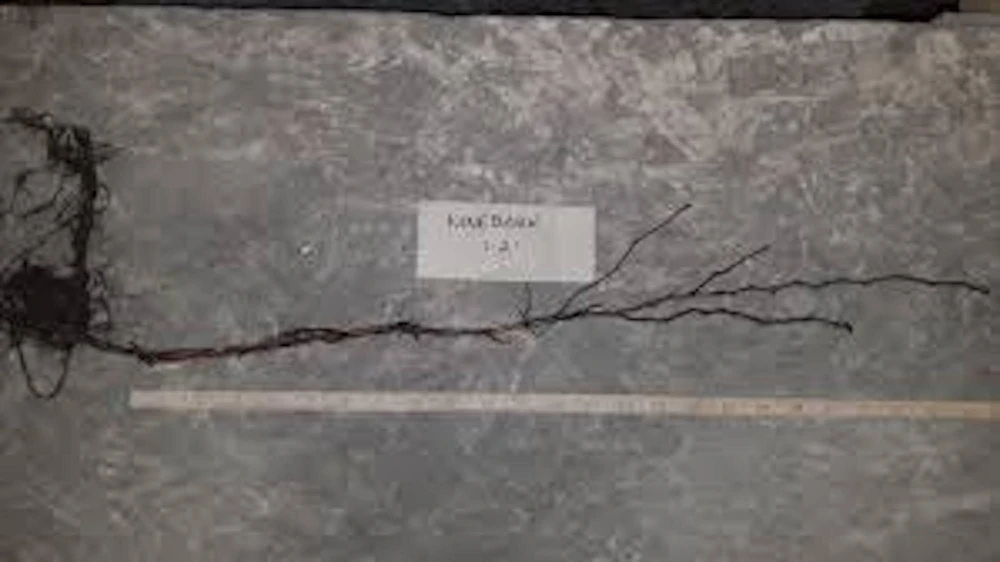
The plant will arrive ready for transplanting into your garden or a larger container. During the growing season, it will be shipped in its pot, while during fall and winter dormancy, it may be shipped bare root. Expect to see significant growth in its first few years, establishing its presence as a prominent landscaping shrub. Its unique peeling bark becomes more pronounced with age, adding to its character and visual appeal. This size makes it an ideal starter plant, allowing you to watch it mature and develop its full splendor in your chosen location.
Frequently Asked Questions
- Q: How big does this ninebark plant get at maturity? A: A: This hardy deciduous shrub typically grows to a mature height and spread of 5-10 feet, depending on the specific cultivar and growing conditions. Regular pruning can help manage its size and shape.
- Q: Is this an indoor or outdoor plant? A: The ninebark plant (Physocarpus opulifolius) is an outdoor plant, best suited for garden beds, borders, or as a specimen shrub in your landscape. It requires outdoor conditions to thrive.
- Q: How much sunlight does a ninebark plant need? A: For best results, the ninebark plant prefers full sun, meaning at least 6 hours of direct sunlight per day. It can tolerate partial shade, but may have less vibrant foliage color and fewer flowers.
- Q: Is this plant easy to care for? A: Yes, the ninebark care routine is considered very easy. It’s a low-maintenance, resilient shrub that tolerates a wide range of soil conditions and is generally pest and disease resistant, making it great for beginners.
- Q: What condition will it arrive in? A: During the growing season, your Ninebark will arrive as a live plant in a quart pot. In the fall and winter, when dormant, it may be shipped bare root, ready for planting.
- Q: When is the best time to plant a ninebark plant? A: The best time to plant this hardy deciduous shrub is in spring or early fall, allowing it ample time to establish its root system before extreme weather conditions.
- Q: What USDA hardiness zones is the Physocarpus opulifolius suitable for? A: This Physocarpus opulifolius is very hardy and is suitable for USDA Plant Hardiness Zones 3 through 7, tolerating a wide range of winter temperatures.
- Q: Can I use landscaping shrubs like Ninebark for a hedge? A: Absolutely! Its dense growth habit and moderate size make the ninebark plant an excellent choice for creating an informal hedge or privacy screen in your garden.
- Q: What kind of soil does the ninebark plant prefer? A: While adaptable, the ninebark plant thrives in well-draining soil. It can tolerate various soil types, including clay, sand, or loam, but consistently wet soil should be avoided.
- Q: Will the bark truly peel? A: Yes, the distinctive peeling bark is a key characteristic of the ninebark plant. As the plant matures, its bark naturally exfoliates in layers, revealing attractive reddish-brown inner bark, which gives the plant its name and unique winter interest.
Be the first to review “Ninebark Plant 12-24in Tall – Physocarpus opulifolius Hardy Deciduous Shrub Quart Pot Live”
Related products


You May Like

Hardneck vs. Softneck Garlic: Which Should You Grow?
Have you ever stood in front of a seed catalog in mid-September, staring at dozens [...]
Oct

When to Plant Music Garlic: Ultimate US Fall Guide
Have you ever spent your fall weekend placing carefully chosen garlic cloves into rich, dark [...]
1 Comment
Oct

5 Best Bulbs for Fall Planting: Brighten Your Garden This Spring
Are you dreaming of a garden full of vibrant colors in the spring? The key [...]
Aug

10 Houseplants That Will Thrive in Your Kitchen
Are you tired of your kitchen feeling dull and lifeless? Want to add a little [...]
1 Comment
Aug
Reviews
There are no reviews yet.