
3 Olympian Fig Tree Young Plants – Cold Hardy, Sweet Purple Fruit, 4-8 ft
Original price was: 102.99 $.77.99 $Current price is: 77.99 $.
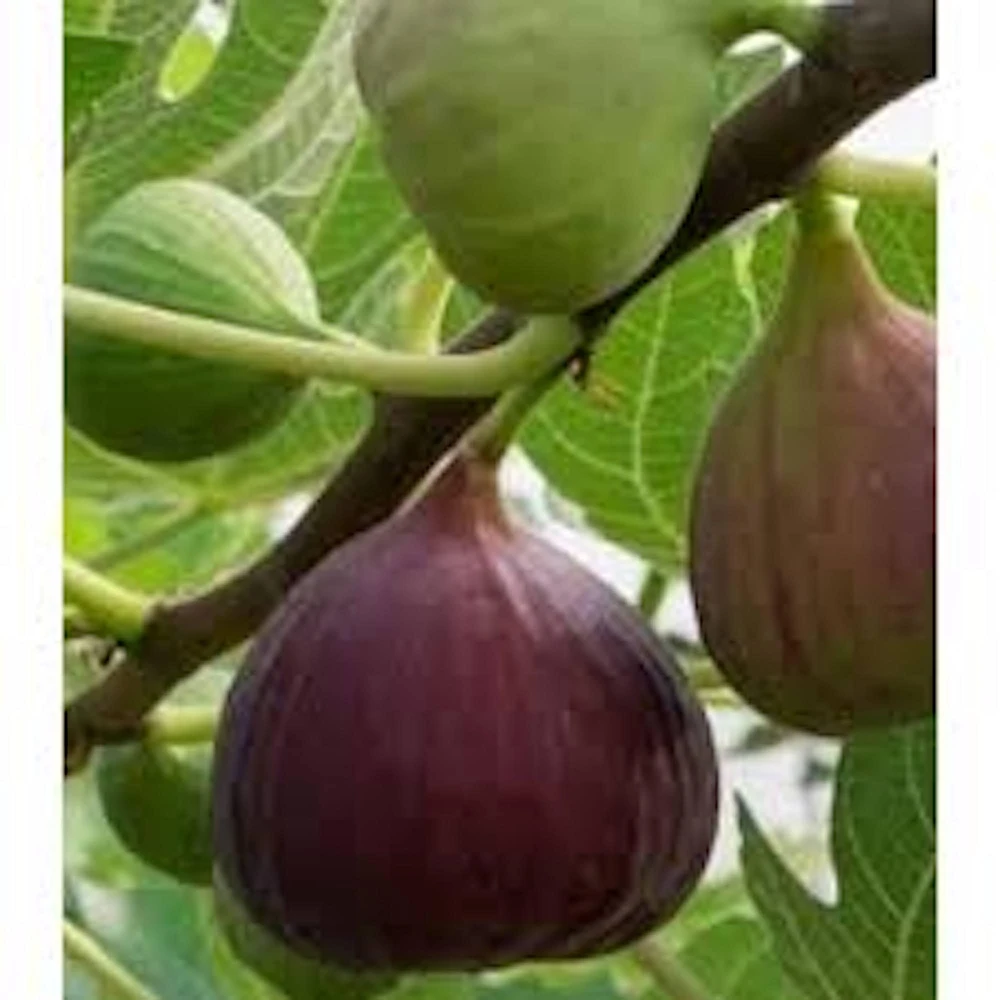
Cultivate your own orchard with this set of 3 Olympian fig tree young plants. Renowned for their exceptional cold hardiness and deliciously sweet purple fruit, these bare-root plants are perfect for home gardeners. Enjoy fresh figs from your garden.
Estimated arrival
Oct 16
Oct 21 - Oct 23
Oct 23 - Oct 28
See our Shipping Policy.
Get in touch with us via email, and our team will review your concerns.
Our Alive & Thrive Guarantee covers issues with your plants within the first 30 days. Read our Refund & Returns Policy.
-
USDA Hardiness Zone
6-10 -
Soil Type
Well-draining loam -
Sunlight Exposure
Full sun to partial sun -
Expected Planting Period
Late winter to early spring
Overview
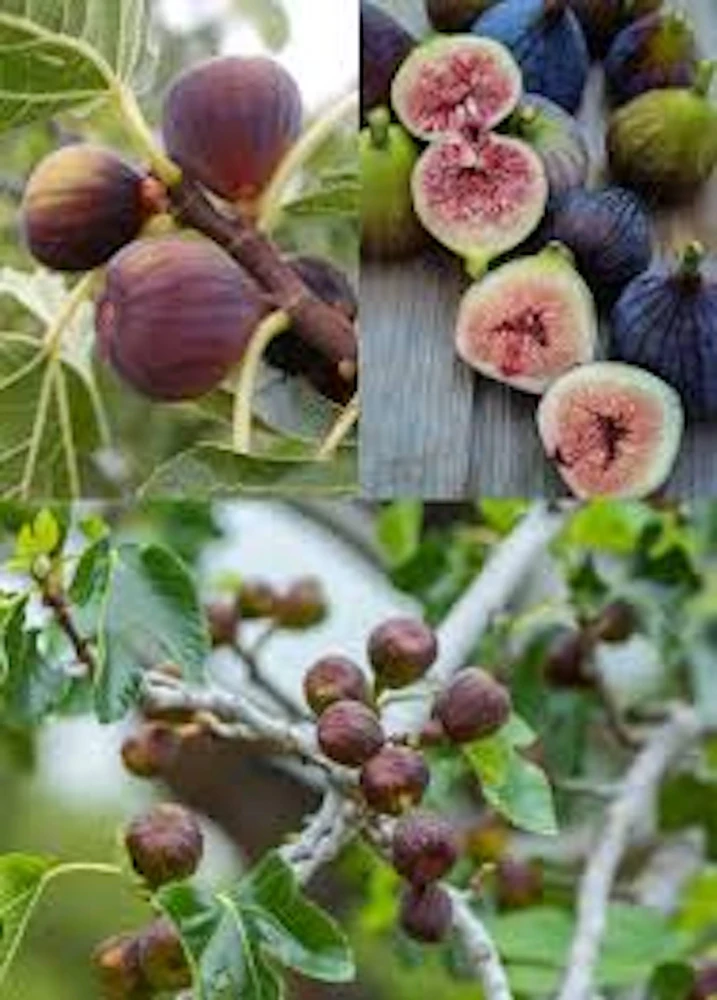
Introducing the Olympian fig tree young plant, a fantastic addition to any home garden seeking fresh, homegrown fruit. This offering includes three bare-root young fig trees, ready to establish themselves and provide abundant harvests. The Olympian fig is celebrated for its remarkable cold hardiness, making it a reliable choice for gardeners in a wider range of climates than many other fig varieties. Originating from the Pacific Northwest, this fig cultivar has proven its resilience and adaptability. Its sweet, purple-skinned fruit with a rich red to violet pulp is a true culinary delight, perfect for fresh eating, jams, or desserts. Growing your own cold hardy fig tree means enjoying organic, flavorful fruit right from your backyard.
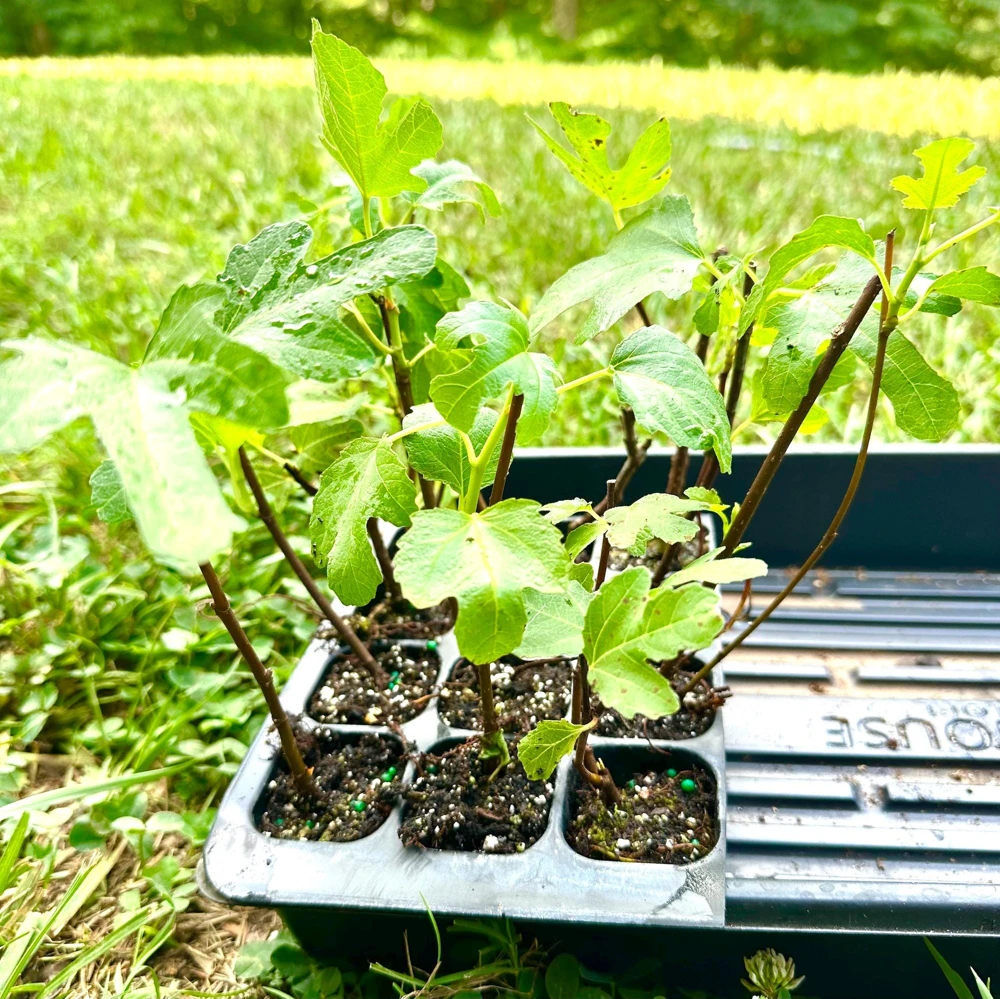
The Olympian fig is a self-pollinating variety, simplifying the growing process for beginners and experienced gardeners alike. These young plants arrive bare-root, a common and effective method for shipping deciduous fruit trees, ensuring they establish quickly once planted. With proper care, these fig trees will mature into productive specimens, offering not only delicious fruit but also an attractive presence in your landscape. Discover the joy of harvesting your own sweet fig fruit with these robust and high-performing Olympian fig trees.
Key Benefits
The Olympian fig tree young plant offers numerous advantages for the home gardener, blending ease of care with bountiful rewards. Here are some of the key benefits you can expect:
- Exceptional Cold Hardiness: This fig variety is notably resistant to cold, thriving in USDA Zones 6-10. This resilience allows gardeners in cooler climates to successfully grow figs where other varieties might fail, extending the joy of homegrown fruit.
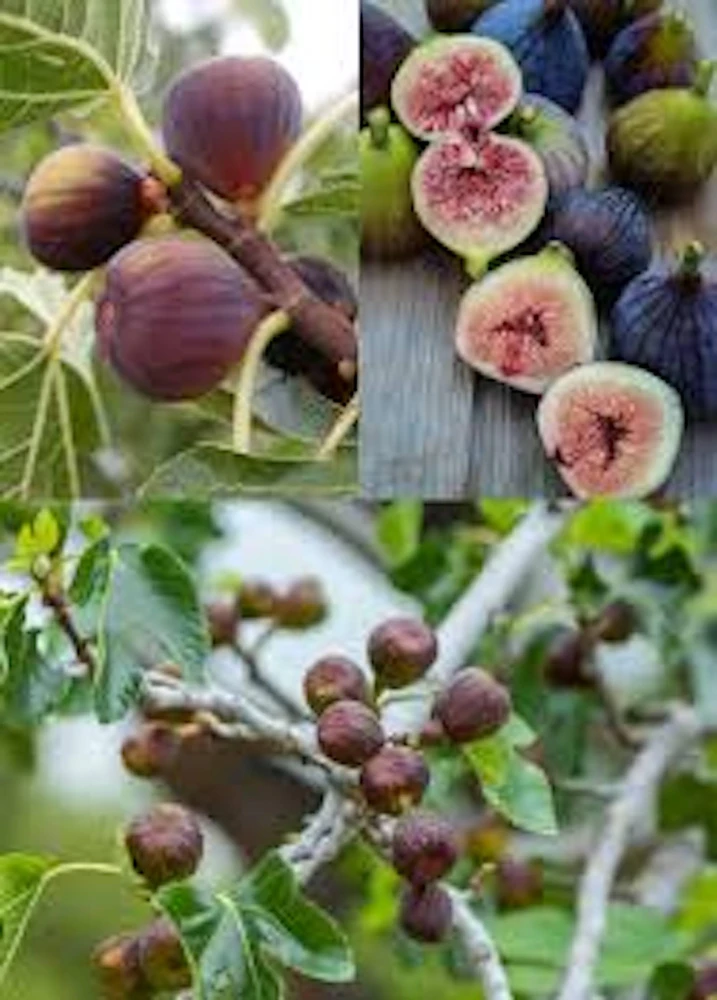
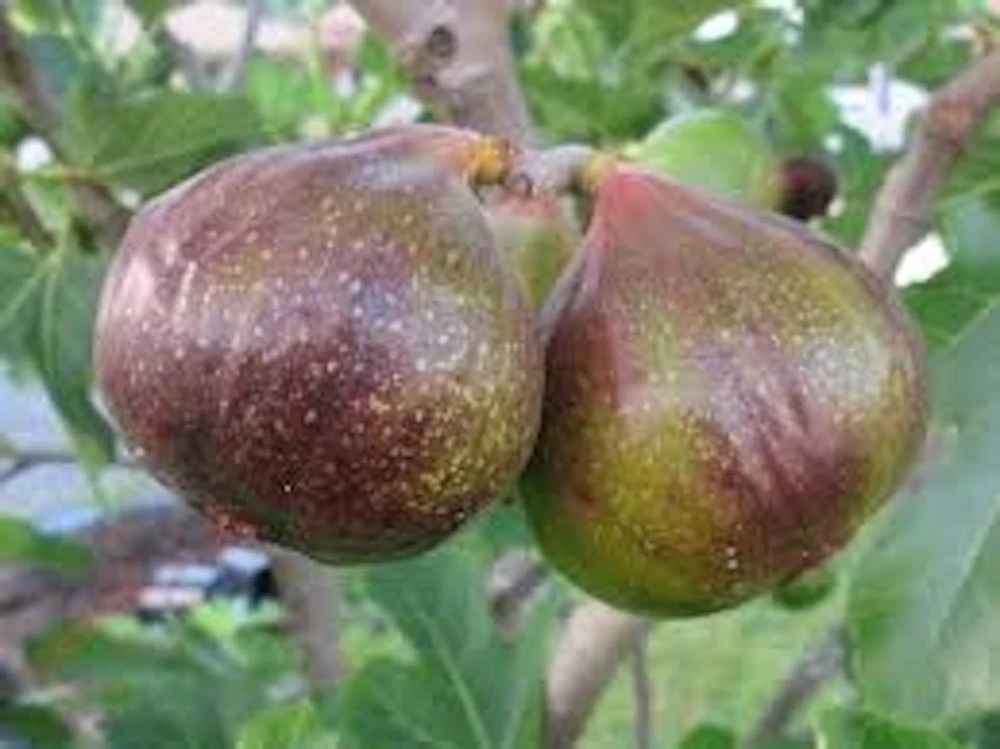
- Delicious Sweet Fruit: The Olympian fig produces exceptionally sweet, purple-skinned figs with a rich red to violet pulp. These flavorful fruits are ideal for fresh consumption, baking, preserving, or adding to salads.
- Reliable Productivity: Known for its consistent and abundant yields, the Olympian fig ensures a generous harvest season after season. This makes it a highly dependable choice for those looking to maximize their fruit production.
- Self-Pollinating: As a self-fertile tree, the Olympian fig does not require a second tree for pollination to produce fruit. This simplifies planting and ensures fruit set even if you only have space for one tree.
- Award-Winning Performance: Recognized with the Retailers’ Choice Award at the 2014 FarWest Show, the Olympian fig has a proven track record of excellence and gardener satisfaction.
- Low Maintenance: Once established, the cold hardy fig tree is relatively easy to care for, requiring minimal intervention beyond basic watering and occasional pruning. This makes it suitable for gardeners of all experience levels.
- Ornamental Value: Beyond its fruit, the fig tree offers attractive foliage and a pleasant form, adding a touch of Mediterranean charm to your garden or patio.
Plant Care & Growing Tips
Successful growing fig trees starts with understanding their basic needs. The Olympian fig tree young plant thrives with adequate sunlight, proper watering, and well-draining soil. Upon arrival, plant your bare-root fig trees as soon as possible. Dig a hole twice as wide as the root spread and just as deep. Fan out the roots and backfill with soil, ensuring the crown is at ground level. Water thoroughly after planting to settle the soil around the roots.
For sunlight, Olympian figs prefer a location with full sun, meaning at least 6-8 hours of direct sunlight per day. They can tolerate partial sun, but fruit production may be reduced. When it comes to watering, young fig trees require consistent moisture to establish. Water regularly, especially during dry spells, ensuring the soil remains evenly moist but not waterlogged. Once established, they are somewhat drought-tolerant but will produce better fruit with consistent hydration. The ideal soil type is well-draining loam with a slightly acidic to neutral pH (6.0-7.0). Amend heavy clay soils with organic matter to improve drainage, as figs do not tolerate wet feet. These fig trees are hardy in USDA Zones 6-10, capable of withstanding winter temperatures down to Zone 6 with some protection.
Fertilization should begin in the second year after planting. Use a balanced, all-purpose fertilizer in early spring as new growth emerges. Avoid over-fertilizing, as this can lead to excessive foliage growth at the expense of fruit. Pruning is essential for maintaining tree health, shape, and maximizing fruit production. Prune in late winter or early spring while the tree is dormant. Remove any dead, damaged, or crossing branches, and thin out overcrowded areas to improve air circulation and light penetration. Understanding fig tree care practices like these will ensure your Olympian fig thrives and yields delicious fruit for years to come.
Size & Details
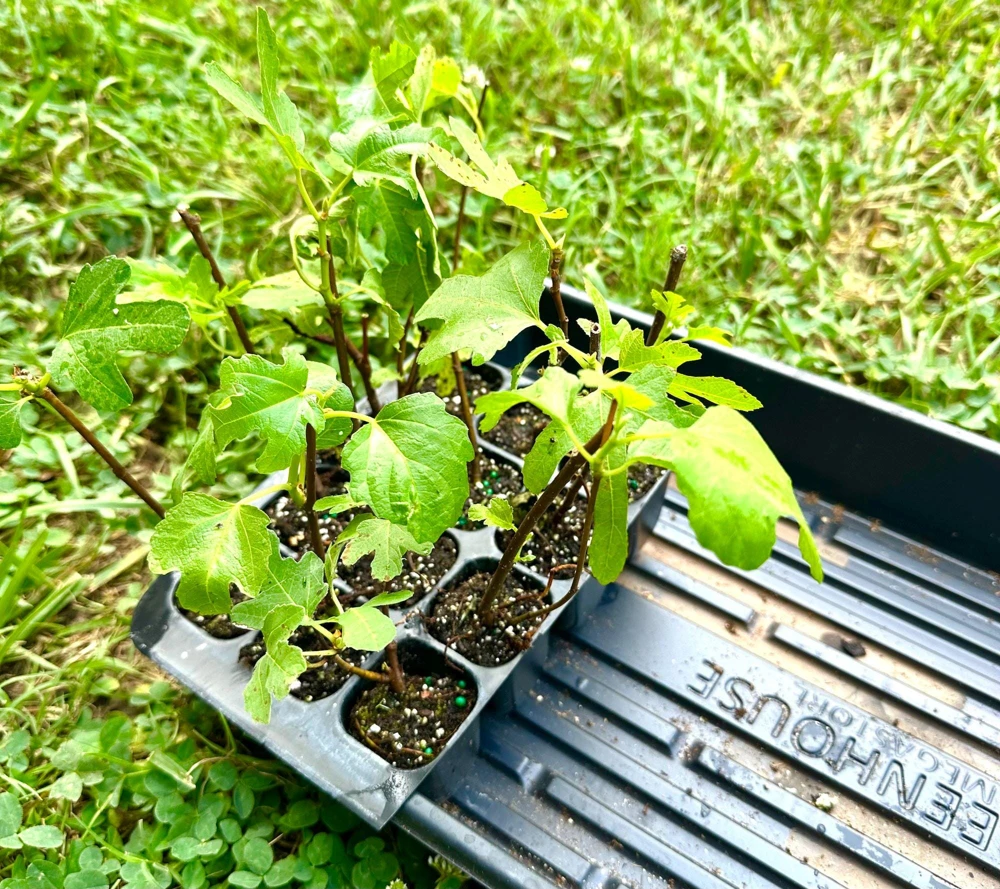
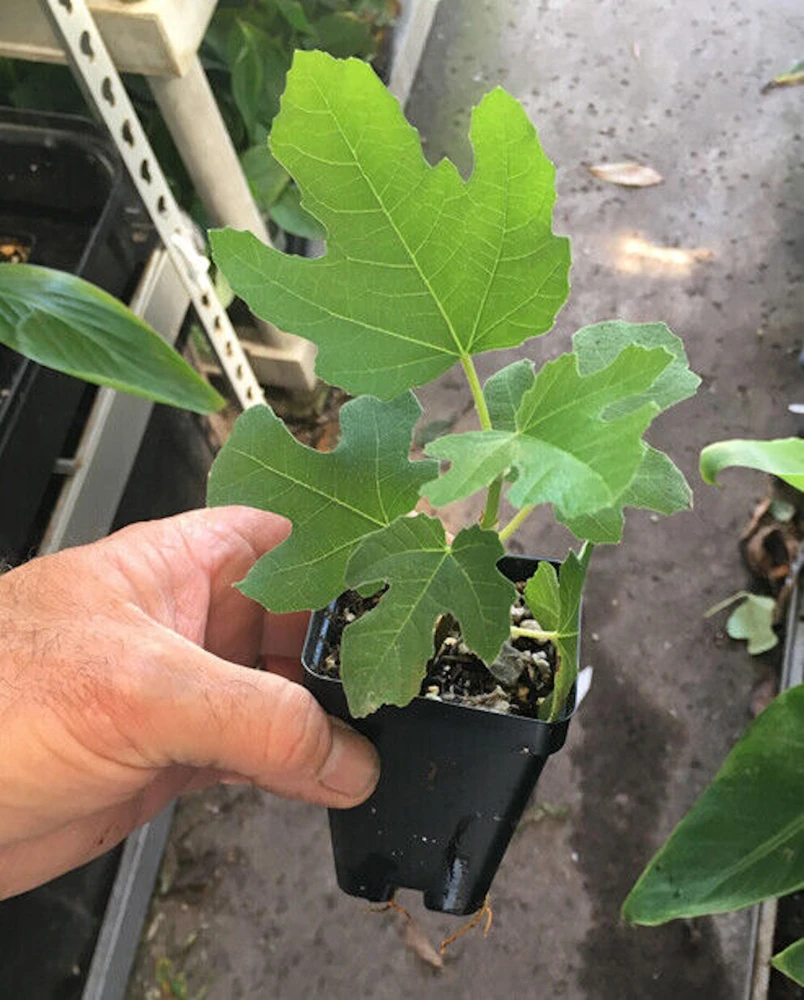
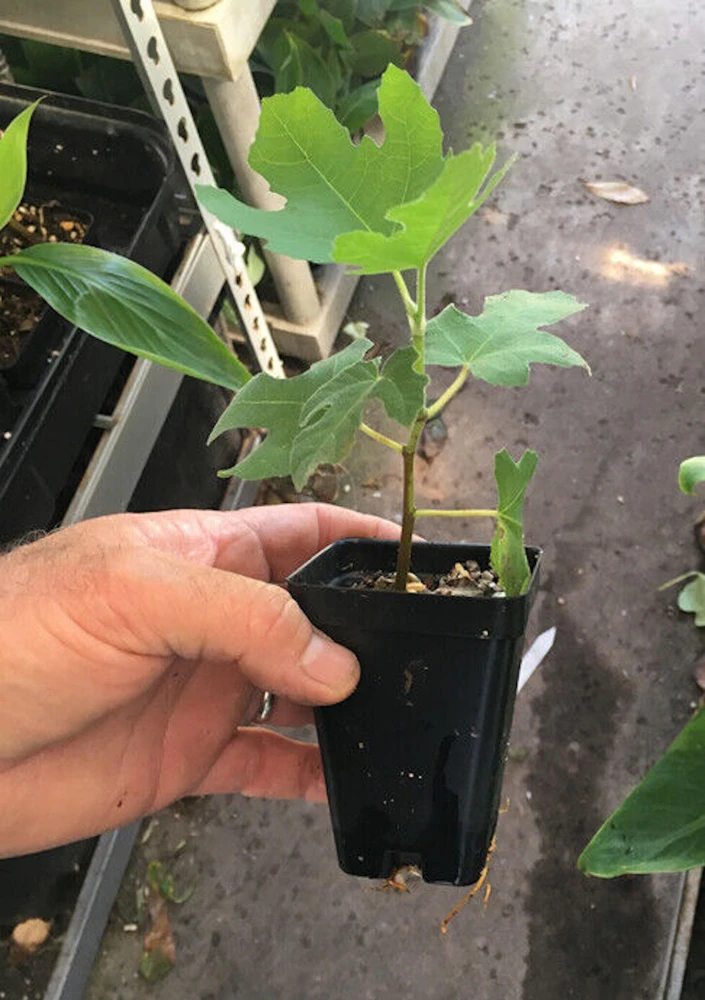
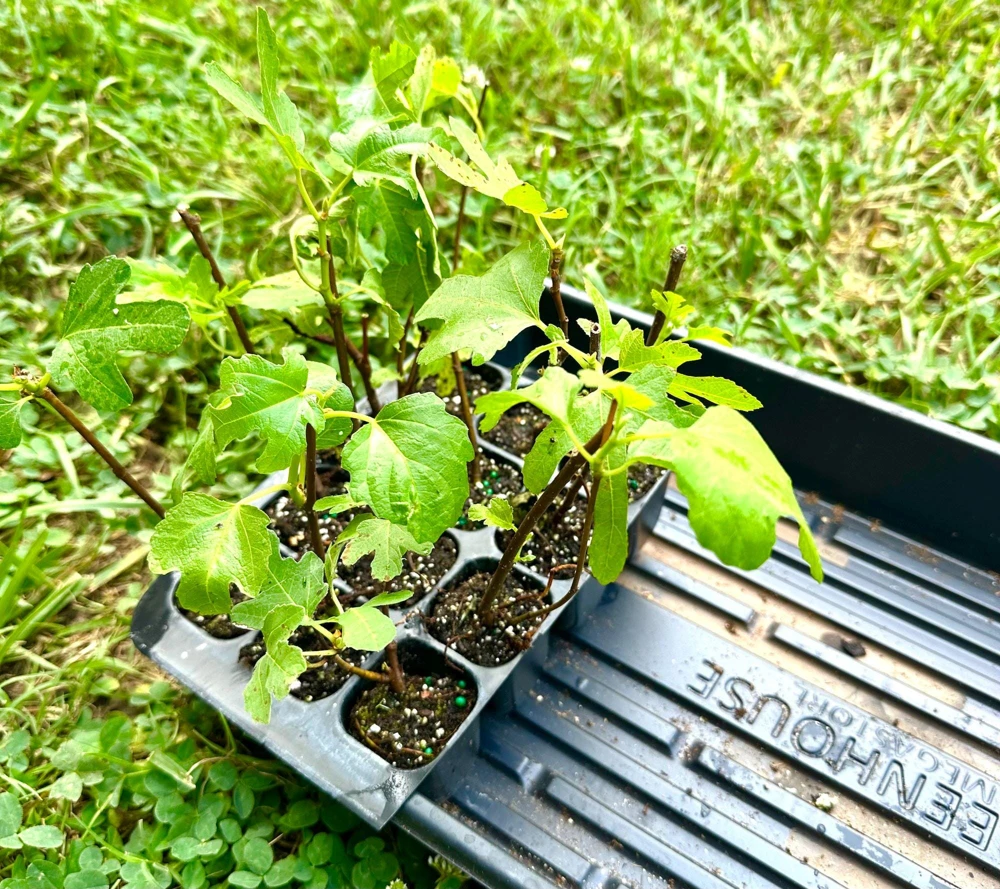
This offering includes three Olympian fig tree young plant specimens, shipped as bare-root plants, typically 12-24 inches in height upon arrival, ready for immediate planting. When mature, the Olympian fig tree can reach a height of 4-8 feet, making it a manageable size for most home gardens, and can also be grown in large containers. The growth rate is moderate, allowing for steady development into a fruit-bearing tree within a few years. These trees are known for their robust root systems, which contribute to their overall hardiness and ability to establish quickly in various soil conditions.
The Olympian fig is a highly adaptable variety, suitable for both in-ground planting and container culture, especially in colder zones where it can be brought indoors during winter. It is a self-pollinating variety, so you do not need multiple trees for fruit production. Expect your first significant harvest of sweet fig fruit within 2-3 years of planting, with yields increasing as the tree matures. Each young plant is carefully prepared for shipping to ensure it arrives in optimal condition, ready to grow into a productive and beautiful addition to your edible landscape.
Frequently Asked Questions
- Q: How big does this plant get? A: The Olympian fig tree young plant typically grows to a mature height of 4-8 feet. Its size makes it suitable for a variety of garden spaces, and it can also be maintained smaller with proper pruning.
- Q: Is this an indoor or outdoor plant? A: The Olympian fig is primarily an outdoor plant, highly valued for its cold hardiness in USDA Zones 6-10. In colder climates (Zone 6), it can be grown in containers and moved indoors during winter.
- Q: How much sunlight does it need? A: For optimal growth and fruit production, the cold hardy fig tree requires full sun, meaning at least 6-8 hours of direct sunlight per day. It can tolerate partial sun, but fruit yields may be lower.
- Q: Is this plant easy to care for? A: Yes, the Olympian fig is considered relatively easy to care for once established. Its resilience and self-pollinating nature make growing fig trees a rewarding experience for gardeners of all levels.
- Q: What condition will it arrive in? A: Your Olympian fig trees will arrive as bare-root young plants. This means they will be dormant, without soil or a pot, which is a standard and effective method for shipping deciduous fruit trees.
- Q: How long until it produces fruit? A: You can typically expect your first significant harvest of sweet fig fruit within 2-3 years after planting. Production will increase as the tree matures and establishes itself.
- Q: Will it survive winter in my zone? A: The Olympian fig is known for its excellent cold hardiness, thriving in USDA Zones 6-10. In Zone 6, some winter protection, especially for young plants, may be beneficial.
- Q: What is the best time to plant these fig trees? A: The ideal time to plant bare-root fig trees is in late winter or early spring, after the last frost and before new growth begins. This allows the roots to establish before the heat of summer.
- Q: Is this fig variety self-pollinating? A: Yes, the Olympian fig is a self-pollinating variety, meaning you only need one tree to get fruit. This simplifies the planting process and ensures a harvest without needing a companion tree.
- Q: What kind of soil does it prefer? A: The Olympian fig thrives in well-draining soil that is rich in organic matter. A slightly acidic to neutral pH (6.0-7.0) is ideal. Avoid heavy clay soils that retain too much moisture.
Be the first to review “3 Olympian Fig Tree Young Plants – Cold Hardy, Sweet Purple Fruit, 4-8 ft”
Related products


You May Like

Hardneck vs. Softneck Garlic: Which Should You Grow?
Have you ever stood in front of a seed catalog in mid-September, staring at dozens [...]
Oct

When to Plant Music Garlic: Ultimate US Fall Guide
Have you ever spent your fall weekend placing carefully chosen garlic cloves into rich, dark [...]
1 Comment
Oct

5 Best Bulbs for Fall Planting: Brighten Your Garden This Spring
Are you dreaming of a garden full of vibrant colors in the spring? The key [...]
Aug

10 Houseplants That Will Thrive in Your Kitchen
Are you tired of your kitchen feeling dull and lifeless? Want to add a little [...]
1 Comment
Aug
Reviews
There are no reviews yet.