
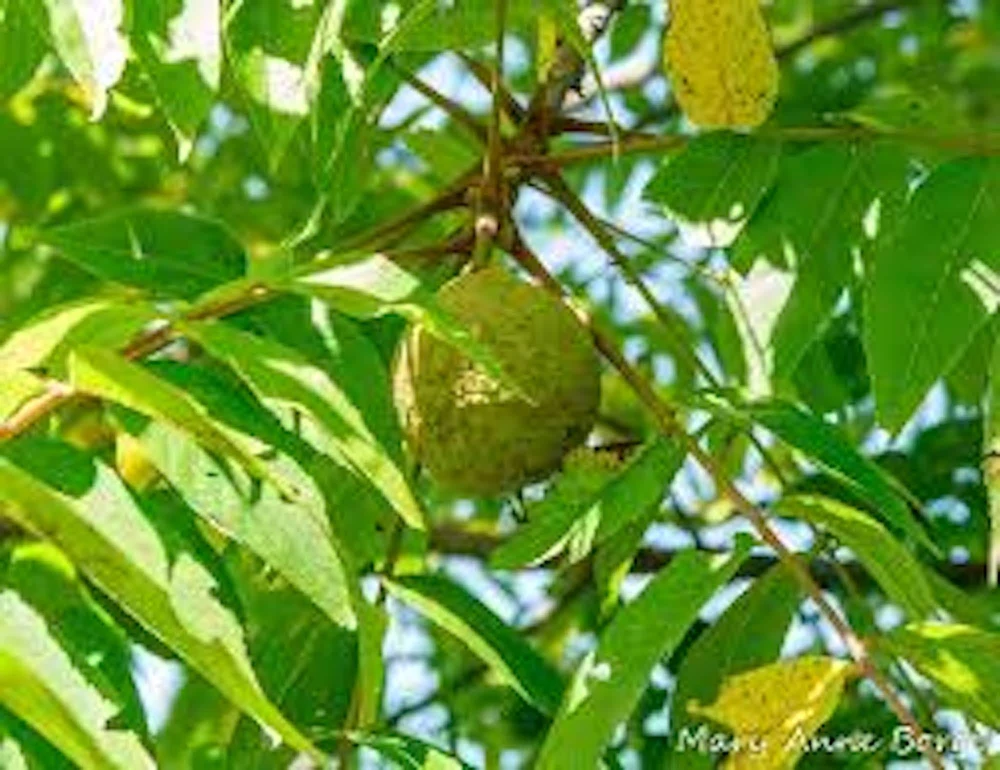
Black Walnut Tree Live Plant – Juglans nigra – 12-24in Tall Bare Root
Original price was: 74.99 $.49.99 $Current price is: 49.99 $.
Cultivate a majestic black walnut tree live plant (Juglans nigra) in your landscape. This 12-24 inch tall bare root specimen is ideal for zones 4-9, providing shade, timber, and edible nuts. A robust and self-pollinating American native.
Estimated arrival
Oct 16
Oct 21 - Oct 23
Oct 23 - Oct 28
See our Shipping Policy.
Get in touch with us via email, and our team will review your concerns.
Our Alive & Thrive Guarantee covers issues with your plants within the first 30 days. Read our Refund & Returns Policy.
-
USDA Hardiness Zone
4-9 -
Soil Type
Well-drained, moist loam -
Sunlight Exposure
Full sun -
Expected Planting Period
Early spring (bare root)
Overview
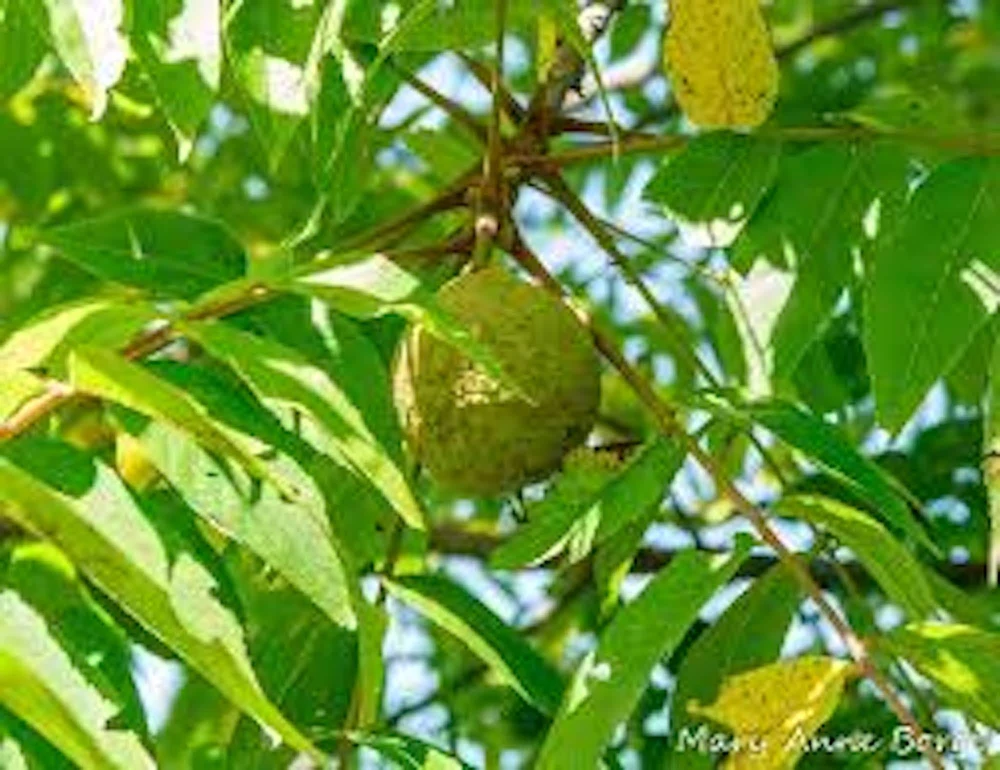
Bring the grandeur of a native American forest to your property with this black walnut tree live plant. Known botanically as Juglans nigra, this deciduous tree is a prized specimen for its high-quality timber, edible nuts, and impressive size. Our 12-24 inch tall bare root trees are ready to establish themselves in your garden, promising decades of growth and enjoyment. The juglans nigra tree is a self-pollinating species, meaning a single tree can produce nuts. With its deep taproot system, it’s a resilient and long-lived addition to any suitable landscape, offering both ecological benefits and significant aesthetic appeal.
The eastern black walnut tree is not just a source of delicious nuts; it’s also a fast-growing shade tree that can reach impressive heights. Its stately presence and robust nature make it a popular choice for large properties, farms, and naturalized areas. Whether you’re interested in harvesting walnuts, providing habitat for wildlife, or simply enjoying the beauty of a mature tree, this black walnut tree live plant offers a rewarding gardening experience.
Key Benefits
Investing in a black walnut tree live plant provides numerous advantages for your landscape and lifestyle. These trees are not only beautiful but also offer practical benefits that mature over time, making them a valuable long-term addition.
- Exceptional Timber Value: The wood of the american walnut tree is highly sought after for fine furniture, cabinetry, and flooring due to its rich color and durability, making it a valuable long-term investment.
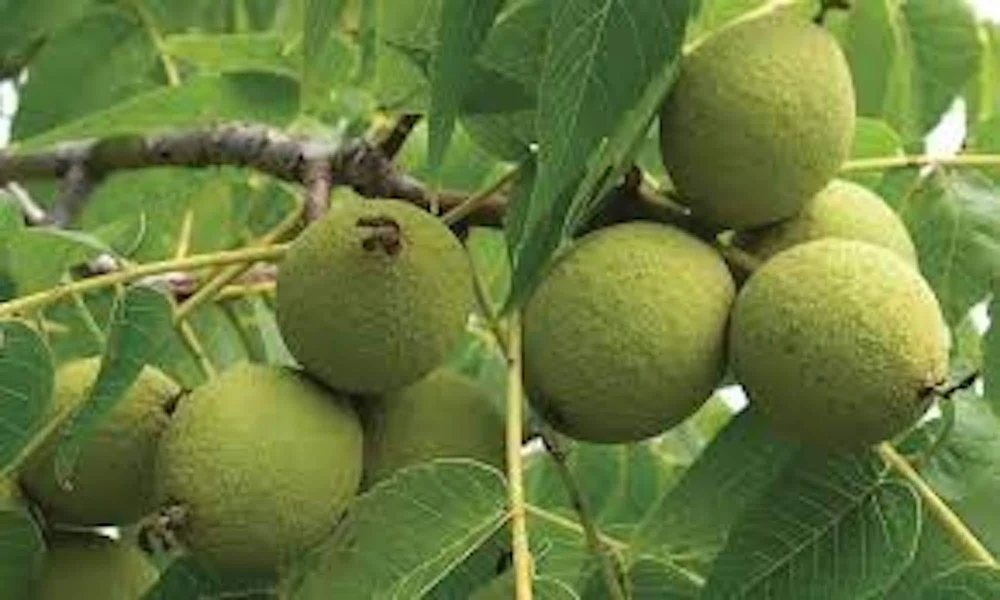
- Delicious Edible Nuts: Enjoy harvesting your own protein-rich black walnuts, perfect for baking, snacks, or culinary creations, adding a unique flavor profile to your dishes.
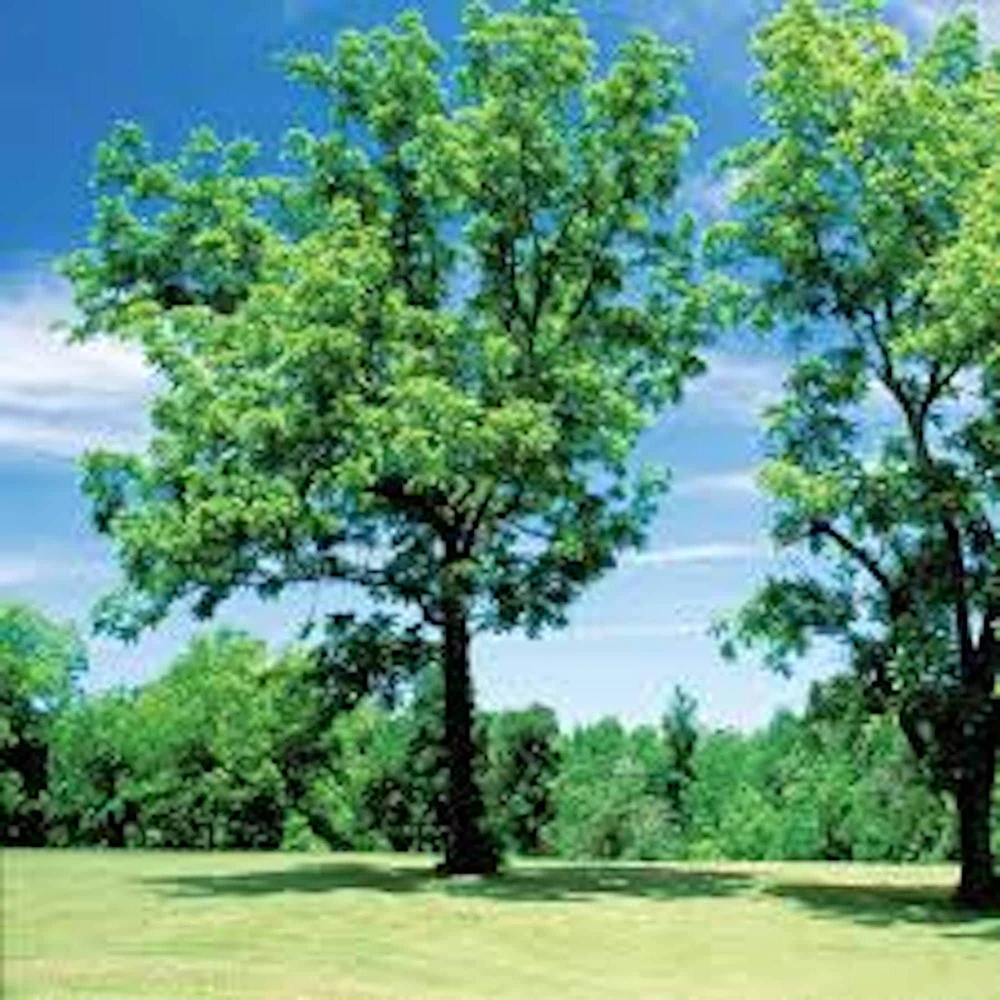
- Shade and Landscape Enhancement: As it matures, the black walnut tree live plant develops a broad, dense canopy, providing excellent shade during warm months and enhancing the aesthetic appeal of your property.
- Wildlife Habitat: The nuts provide a valuable food source for squirrels and other wildlife, contributing to the biodiversity of your garden ecosystem.
- Drought Tolerance: Once established, the black walnut is remarkably drought-tolerant, making it a resilient choice for various climates within its hardiness zones.
- Self-Pollinating: This species is self-fertile, meaning you only need one tree to produce nuts, simplifying the planting process and ensuring a harvest.
- Long Lifespan: Black walnut trees are known for their longevity, often living for over a century, providing enduring beauty and benefits for generations.
Plant Care & Growing Tips
Caring for your black walnut tree live plant is straightforward, especially when provided with the right conditions from the start. These trees thrive in specific environments that mimic their native habitats in eastern North America. For optimal growth, ensure your tree receives ample sunlight and is planted in well-draining soil.
Sunlight requirements: Black walnut trees prefer full sun, meaning at least 6-8 hours of direct sunlight per day. While they can tolerate some partial shade, their growth and nut production will be significantly reduced. Choose a planting location that is free from overhead obstructions and receives consistent sunlight throughout the day. Watering schedule: Young trees require consistent moisture, especially during their first few growing seasons. Water deeply 1-2 times per week, or more frequently during hot, dry periods, ensuring the soil remains consistently moist but not waterlogged. Once established, they are quite drought-tolerant due to their deep taproot. Soil type and drainage: The ideal soil for a juglans nigra tree is deep, fertile, well-drained loam. They do not perform well in heavy clay or sandy soils that drain too quickly. Ensure the planting site has good drainage to prevent root rot. Temperature range and USDA hardiness zone: Black walnuts are hardy in USDA Zones 4-9. They are tolerant of a wide range of temperatures but prefer climates with distinct seasons. Fertilization schedule: Fertilize young trees in spring with a balanced, slow-release fertilizer designed for trees and shrubs. Follow package instructions carefully. Established trees generally do not require regular fertilization if planted in fertile soil. Common problems and solutions: Black walnuts are generally robust, but can be susceptible to anthracnose, a fungal disease that causes leaf spots. Good air circulation and proper sanitation can help prevent this. The trees also produce juglone, a chemical that can inhibit the growth of certain sensitive plants; plan your garden accordingly.
Size & Details
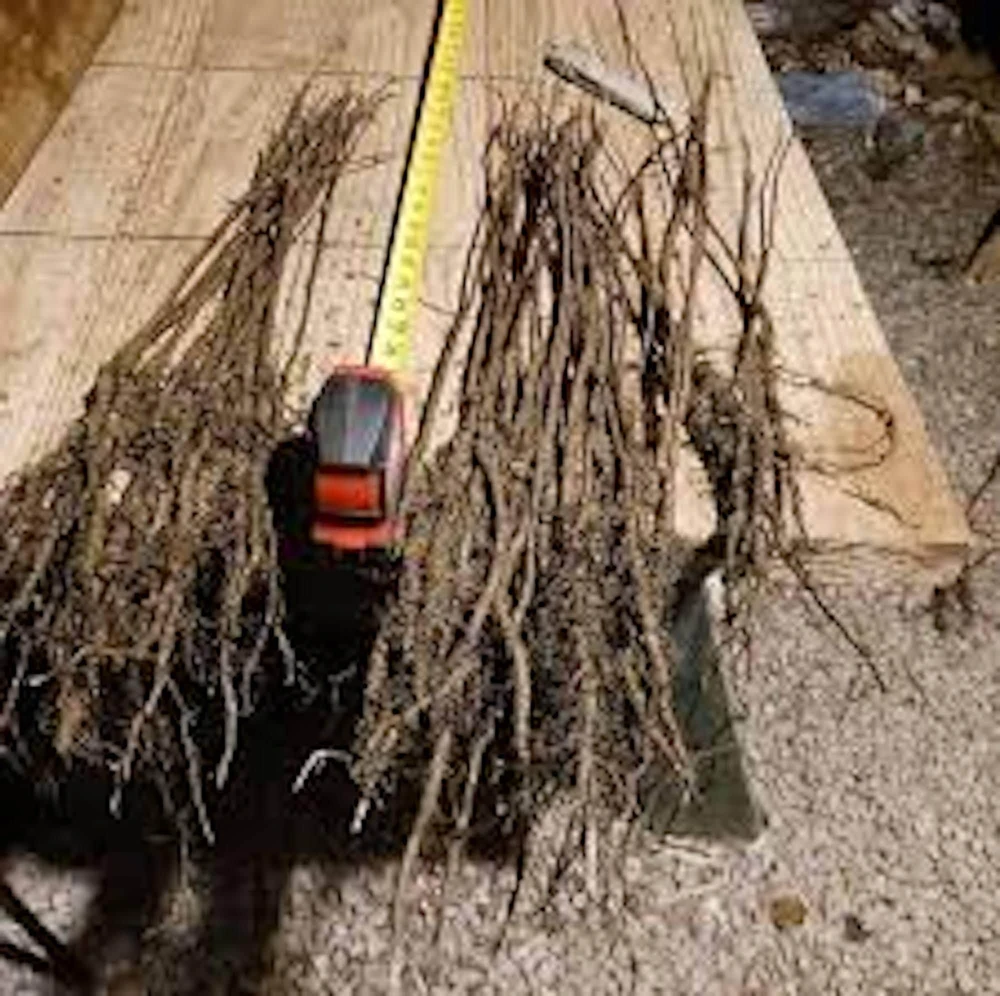
This offering is for one black walnut tree live plant, a bare root specimen measuring 12-24 inches in height. These trees are shipped without soil around their roots when dormant, which is the ideal time for transplanting and minimizes shock. Upon arrival, plant immediately or keep roots moist until planting. The mature height of a black walnut tree live plant typically ranges from 70-100 feet (21-30 meters), with a crown that can spread nearly as wide, forming an oval or round shape. They are known for their relatively fast growth rate, especially in their younger years, eventually developing a strong, deep taproot system. Expect your tree to begin producing nuts within 10-15 years, with significant harvests occurring as the tree matures further. The initial size allows for easy handling and establishment, providing a strong foundation for future growth and development into a magnificent mature tree.
Frequently Asked Questions
- Q: How big does this black walnut tree get? A: A mature black walnut tree live plant typically reaches an impressive height of 70-100 feet and can spread nearly as wide, forming a large, stately canopy that provides ample shade.
- Q: Is this an indoor or outdoor plant? A: The black walnut tree live plant is strictly an outdoor tree, requiring significant space and full sun exposure to thrive and reach its full potential.
- Q: How much sunlight does a black walnut tree need? A: These trees require full sun, meaning at least 6-8 hours of direct sunlight per day, for optimal growth and nut production.
- Q: Is this tree easy to care for? A: Once established, the juglans nigra tree is relatively low-maintenance. Young trees require consistent watering and protection, but mature trees are quite resilient.
- Q: What condition will the black walnut tree arrive in? A: This is a bare root tree, meaning it will arrive without soil around its roots, typically when dormant. This is a common and effective method for shipping deciduous trees.
- Q: When is the best time to plant a bare root black walnut tree? A: The best time to plant a bare root eastern black walnut tree is in early spring, after the last hard frost but before the tree begins to leaf out.
- Q: Will it survive winter in my zone? A: Yes, the black walnut tree live plant is hardy in USDA Zones 4-9, meaning it can tolerate winter temperatures within this range.
- Q: What kind of soil does a black walnut tree prefer? A: It thrives in deep, fertile, and well-draining loamy soils. Avoid heavy clay or very sandy soils.
- Q: Can I grow other plants near a black walnut tree? A: Black walnuts produce juglone, a chemical that can be toxic to certain plants. Research juglone-tolerant plants if you plan to garden near your tree.
- Q: How long until this black walnut tree produces nuts? A: While some trees may produce nuts sooner, you can generally expect a significant harvest from your american walnut tree around 10-15 years after planting.
Be the first to review “Black Walnut Tree Live Plant – Juglans nigra – 12-24in Tall Bare Root”
Related products


Trees
Guava Tree Live Plant Pink Tropical Fruit 4-10in Tall Well Rooted for Gardening USDA Zones 9-11
You May Like

Hardneck vs. Softneck Garlic: Which Should You Grow?
Have you ever stood in front of a seed catalog in mid-September, staring at dozens [...]
Oct

When to Plant Music Garlic: Ultimate US Fall Guide
Have you ever spent your fall weekend placing carefully chosen garlic cloves into rich, dark [...]
1 Comment
Oct

5 Best Bulbs for Fall Planting: Brighten Your Garden This Spring
Are you dreaming of a garden full of vibrant colors in the spring? The key [...]
Aug

10 Houseplants That Will Thrive in Your Kitchen
Are you tired of your kitchen feeling dull and lifeless? Want to add a little [...]
1 Comment
Aug
Reviews
There are no reviews yet.