
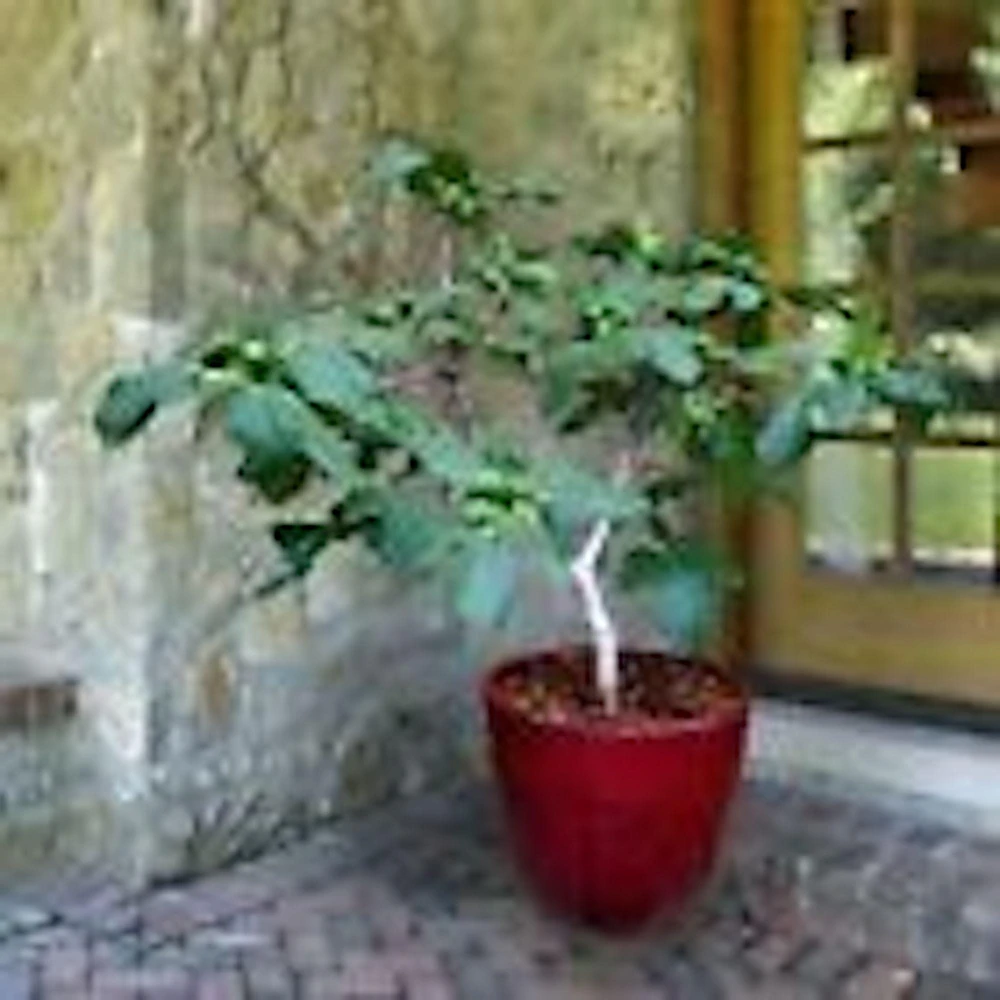
3 Dwarf Fig Tree Starter Plants – Self Fertile, Perennial, Container Friendly
Original price was: 99.99 $.74.99 $Current price is: 74.99 $.
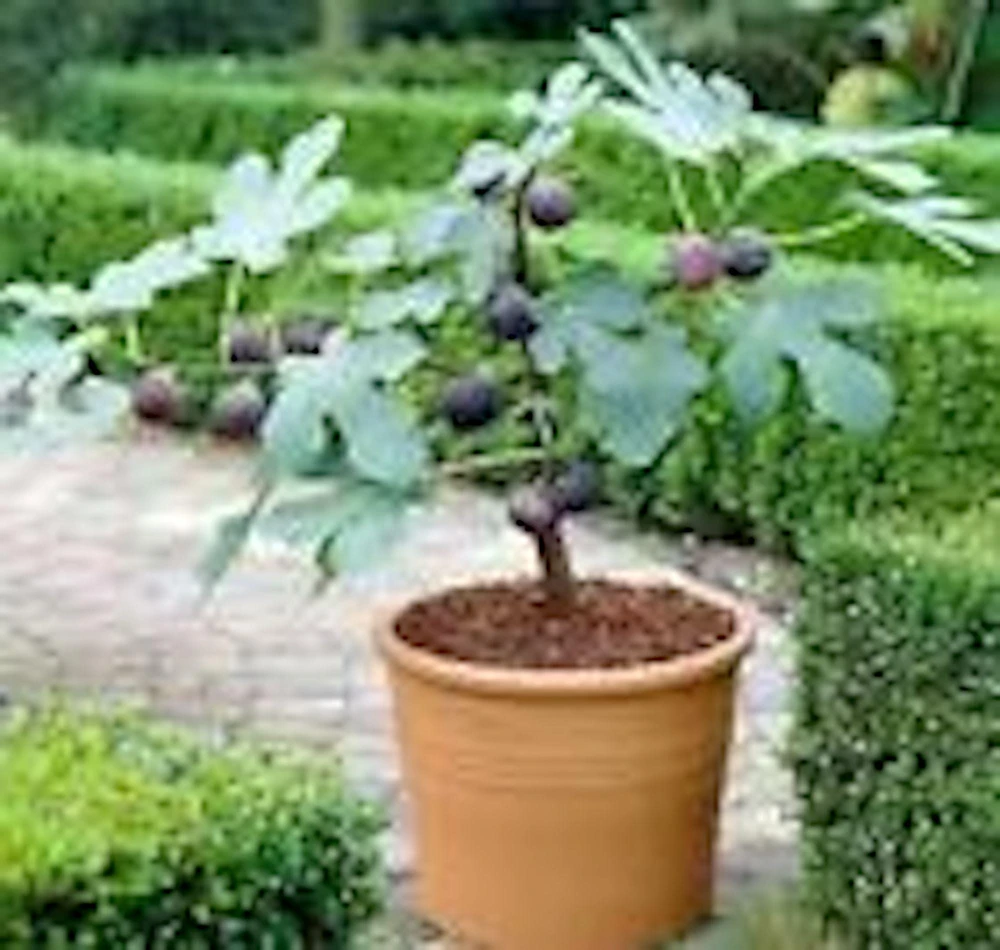
Cultivate your own delicious figs with these 3 dwarf fig tree starter plants. These self fertile fig tree varieties are perfect for container growing, offering prolific fruiting throughout the season. Enjoy sweet, deep brown figs from a compact, low-mounding plant, even as an indoor fig plant in cooler climates.
Estimated arrival
Oct 17
Oct 22 - Oct 24
Oct 24 - Oct 29
See our Shipping Policy.
Get in touch with us via email, and our team will review your concerns.
Our Alive & Thrive Guarantee covers issues with your plants within the first 30 days. Read our Refund & Returns Policy.
-
USDA Hardiness Zone
USDA zones 7-10 (outdoors), can be grown indoors in all zones -
Soil Type
Well-draining, rich potting mix -
Sunlight Exposure
Full sun (6-8+ hours daily) -
Expected Planting Period
Spring to early summer (year-round indoors)
Overview
Embark on a rewarding gardening journey with these 3 dwarf fig tree starter plants, a fantastic choice for both novice and experienced gardeners. This unique variety is celebrated for its ability to produce an abundance of fruit throughout the growing season, unlike traditional figs that may only fruit once or twice. Each plant is a self fertile fig tree, meaning you don’t need multiple plants for pollination, simplifying your growing efforts. These compact, low-mounding plants are perfect for those with limited space, making them an ideal container fig tree option for patios, balconies, or even indoors. Experience the joy of harvesting your own sweet, deep brown figs with reddish interiors, all from a plant that remains manageable in size.
The ‘Fignomenal’ variety is particularly noteworthy for its exceptional fruiting capabilities relative to its compact stature. These starter plants provide a robust foundation for establishing a thriving fig collection. Whether you’re looking to add an edible plant to your outdoor space or desire the unique charm of an indoor fig plant, these dwarf fig trees offer versatility and abundant yields. Their perennial nature ensures years of enjoyment and delicious harvests.
Key Benefits
These dwarf fig tree starter plants offer a multitude of benefits, making them a superb addition to any garden or indoor plant collection. Their unique characteristics contribute to a successful and enjoyable growing experience.
- Prolific and Extended Fruiting: Unlike many fig varieties, these plants fruit continuously throughout the growing season, providing a much longer harvest period. You’ll enjoy a steady supply of fresh figs for an extended duration.
- Self-Fertile Nature: Each self fertile fig tree can produce fruit independently, eliminating the need for cross-pollination. This is ideal for gardeners with limited space or those who prefer to grow a single plant.
- Compact, Dwarf Growth Habit: With a low-mounding habit, these fig trees typically grow to about 28 inches tall. This makes them perfectly suited as a container fig tree, allowing you to easily move them indoors or out as seasons change.
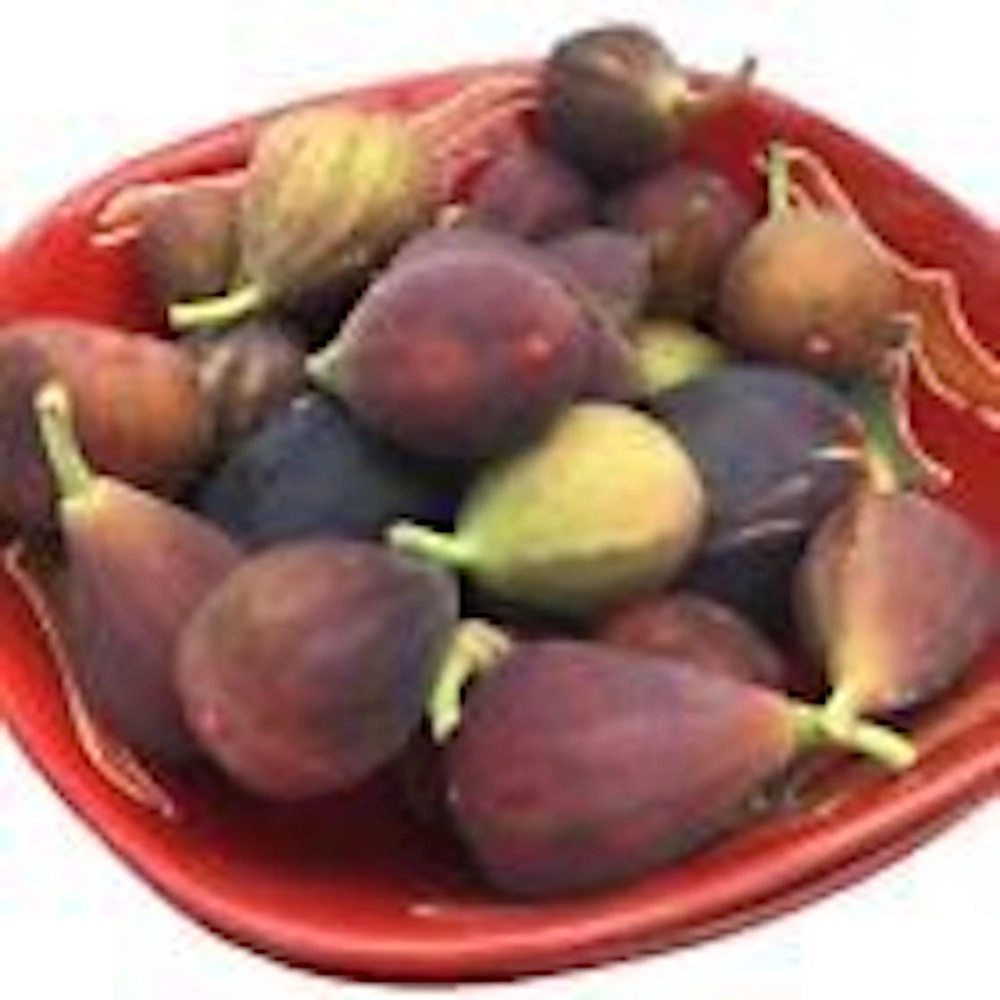
- Sweet, Delicious Fruit: The figs produced are medium-sized, featuring a deep brown skin and a wonderfully sweet, reddish interior. They are perfect for fresh eating, jams, or desserts.
- Versatile for Indoor/Outdoor Growing: These plants thrive outdoors in full sun during warmer months and can be brought indoors in northern zones, making them an excellent indoor fig plant for year-round enjoyment.
- Easy to Grow: Generally low-maintenance, these dwarf fig trees are relatively easy to care for, requiring consistent watering and full sun exposure to flourish.
- High Yield for Size: Despite their compact size, these ‘Fignomenal’ figs produce a surprisingly large amount of fruit, living up to their name with truly ‘fignomenal’ yields.
Plant Care & Growing Tips
To ensure your dwarf fig tree starter plants thrive and produce abundant fruit, proper care is essential. These resilient plants are relatively easy to maintain, but understanding their specific needs will lead to the best results. They prefer a sunny location, so ensure they receive at least 6-8 hours of direct sunlight daily. If growing as a container fig tree, choose a pot with good drainage and consider placing it on casters for easy relocation to follow the sun or bring indoors during colder months. The soil should be well-draining, and a good quality potting mix designed for edible plants or fruit trees is recommended.
Watering is crucial, especially for young starter plants and those in containers. Keep the soil consistently moist but never waterlogged. Check the soil moisture regularly by sticking your finger about an inch or two deep; if it feels dry, it’s time to water. During hot, dry periods, daily watering may be necessary. Fertilize your self fertile fig tree with a balanced, slow-release fertilizer during the growing season (spring and summer) to support robust growth and fruit production. Pruning can be done in late winter or early spring to maintain shape, remove dead branches, and encourage new growth.
These plants are quite adaptable, but protecting them from extreme cold is vital. If you live in a northern zone, bringing your indoor fig plant indoors before the first frost is recommended. Provide it with the brightest available light indoors, ideally near a south-facing window. Watch out for common pests like spider mites or scale insects, especially when growing indoors, and address them promptly with appropriate organic solutions. With consistent care, your fignomenal fig will reward you with delicious harvests for many years.
Size & Details
You will receive 3 dwarf fig tree starter plants, delivered as bare root starter plugs, ready for immediate planting. These ‘Fignomenal’ variety fig trees are specifically bred for their compact size and prolific fruiting. They exhibit a low-mounding habit, typically reaching a mature height of about 28 inches (approximately 71 cm) when grown in optimal conditions, making them an ideal container fig tree. Their compact nature allows them to fit comfortably in smaller spaces, such as patios, balconies, or even as an indoor fig plant.
These perennial plants are known for fruiting throughout the growing season, providing a continuous supply of medium-sized, deep brown figs with sweet, reddish interiors. While the exact time to first fruit can vary based on growing conditions and care, you can generally expect your young self fertile fig tree to begin producing within 1-2 years. They are shipped without a pot to minimize shipping costs and environmental impact, allowing you to plant them directly into your preferred container or garden bed upon arrival. Prepare your planting site or container with well-draining soil to give these starter plants the best possible beginning.
Frequently Asked Questions
- Q: How big do these dwarf fig tree starter plants get? A: These ‘Fignomenal’ dwarf fig tree starter plants typically grow to a compact height of about 28 inches (approximately 71 cm). Their low-mounding habit makes them ideal for smaller spaces and container gardening.
- Q: Are these fig trees self-fertile? A: Yes, these are self fertile fig tree varieties. You do not need multiple plants for cross-pollination to get fruit, making them a convenient choice for any gardener.
- Q: Can I grow this fig tree indoors? A: Absolutely! This variety is well-suited as an indoor fig plant, especially in northern zones where winters are harsh. Ensure it receives plenty of bright light near a window.
- Q: What condition will the plants arrive in? A: You will receive 3 ‘Fignomenal’ dwarf fig tree starter plants as bare root starter plugs. They are carefully packaged to ensure they arrive healthy and ready for planting.
- Q: How much sun does a fignomenal fig need? A: A fignomenal fig thrives in full sun, requiring at least 6-8 hours of direct sunlight per day to produce the best fruit yields. Provide the brightest possible light if growing indoors.
- Q: Is this variety good for container growing? A: Yes, its compact size and low-mounding habit make it an excellent container fig tree. This allows for easy movement and protection during colder months.
- Q: How often should I water my dwarf fig tree? A: Keep the soil consistently moist but not waterlogged. Check the top inch or two of soil, and water when it feels dry. Container plants may need more frequent watering, especially in warm weather.
- Q: When can I expect to get fruit from these starter plants? A: With proper care, your dwarf fig tree starter plants can begin producing fruit within 1-2 years. This variety is known for its prolific and extended fruiting season once established.
- Q: What kind of soil is best for these fig trees? A: Well-draining soil is crucial. A good quality potting mix for fruit trees or a garden soil amended with compost and perlite will provide the ideal growing medium for your self fertile fig tree.
- Q: Will this fig tree survive winter in my zone? A: If you live in USDA zones colder than typical fig hardiness (usually 8-10), it’s best to grow this as a container fig tree and bring it indoors during winter to protect it from frost.
Be the first to review “3 Dwarf Fig Tree Starter Plants – Self Fertile, Perennial, Container Friendly”
Related products


You May Like

Hardneck vs. Softneck Garlic: Which Should You Grow?
Have you ever stood in front of a seed catalog in mid-September, staring at dozens [...]
Oct

When to Plant Music Garlic: Ultimate US Fall Guide
Have you ever spent your fall weekend placing carefully chosen garlic cloves into rich, dark [...]
1 Comment
Oct

5 Best Bulbs for Fall Planting: Brighten Your Garden This Spring
Are you dreaming of a garden full of vibrant colors in the spring? The key [...]
Aug

10 Houseplants That Will Thrive in Your Kitchen
Are you tired of your kitchen feeling dull and lifeless? Want to add a little [...]
1 Comment
Aug
Reviews
There are no reviews yet.