
3 White Walnut Butternut Tree Live Plants – Juglans cinerea – 12-24in Tall (Quart Pot)
Original price was: 123.99 $.98.99 $Current price is: 98.99 $.
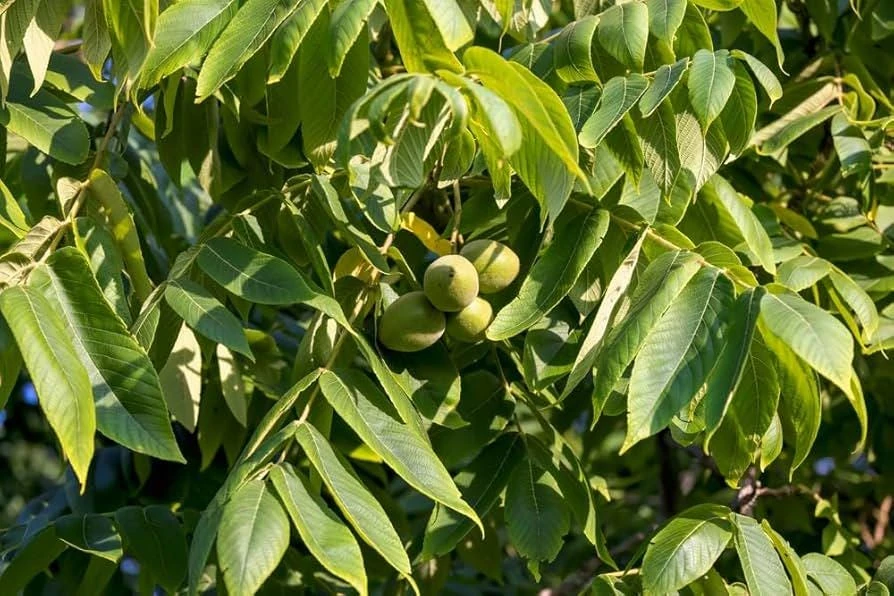
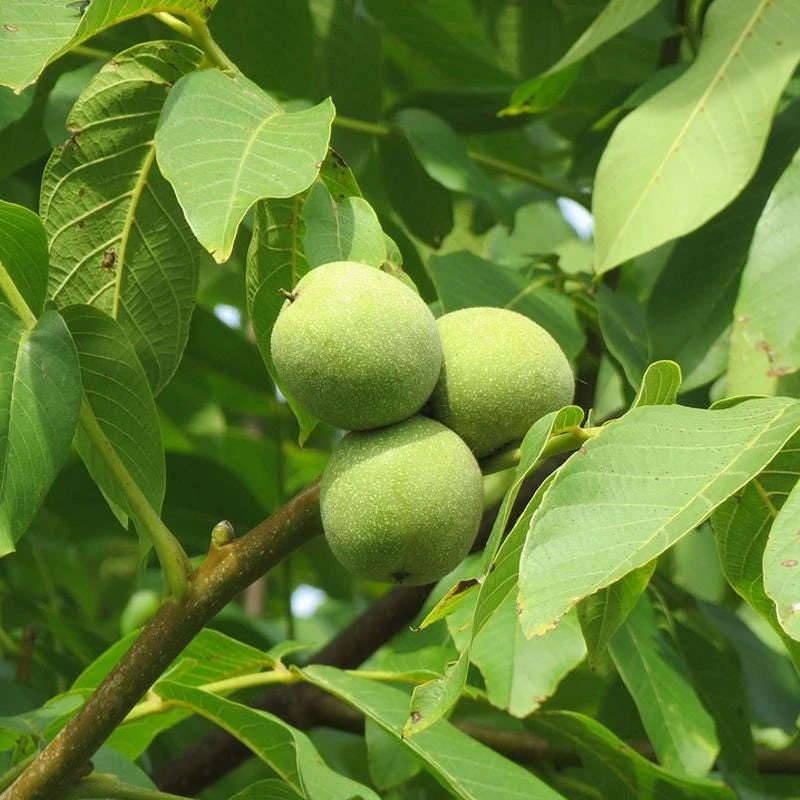
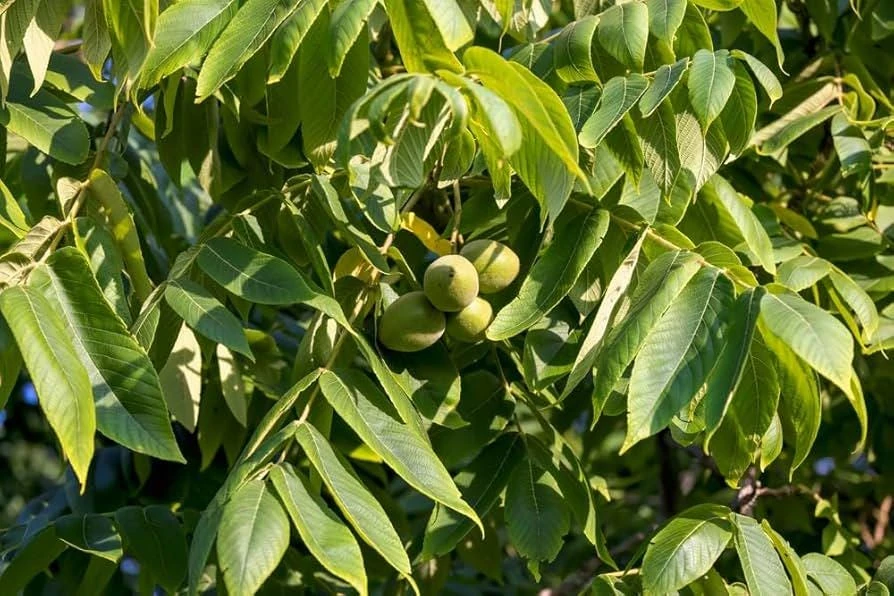
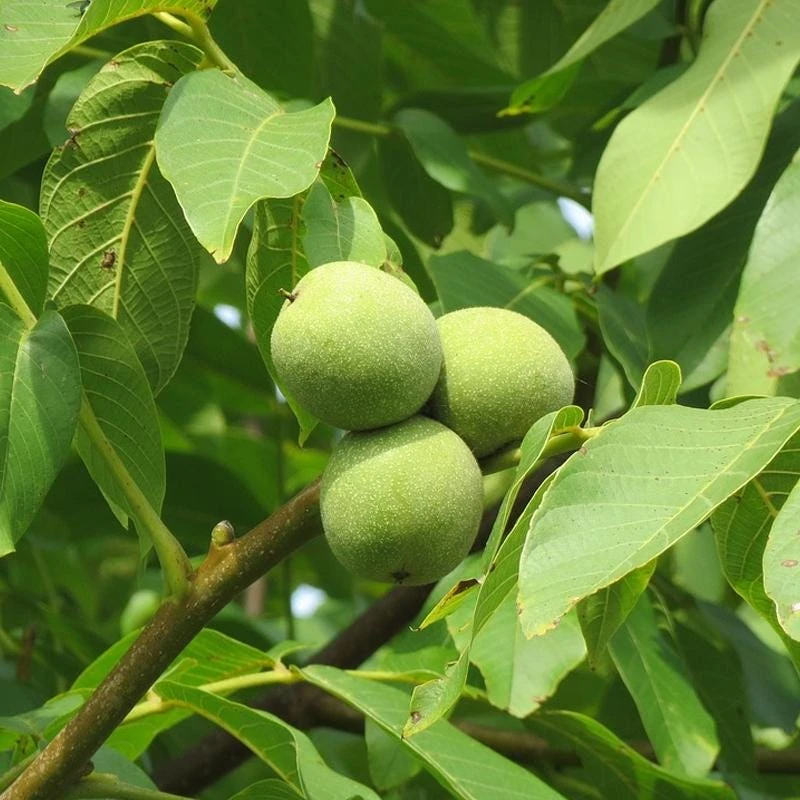
Cultivate your own white walnut live plant with this set of three Juglans cinerea tree specimens. Standing 12-24 inches tall in quart pots, these deciduous nut trees are perfect for adding unique character and delicious nuts to your landscape. Known for their distinctive bark and lemon-shaped fruits, they thrive in various outdoor settings.
Estimated arrival
Oct 16
Oct 21 - Oct 23
Oct 23 - Oct 28
See our Shipping Policy.
Get in touch with us via email, and our team will review your concerns.
Our Alive & Thrive Guarantee covers issues with your plants within the first 30 days. Read our Refund & Returns Policy.
-
USDA Hardiness Zone
3-7 -
Soil Type
Well-draining, fertile loam -
Sunlight Exposure
Full sun -
Expected Planting Period
Early spring to fall
Overview
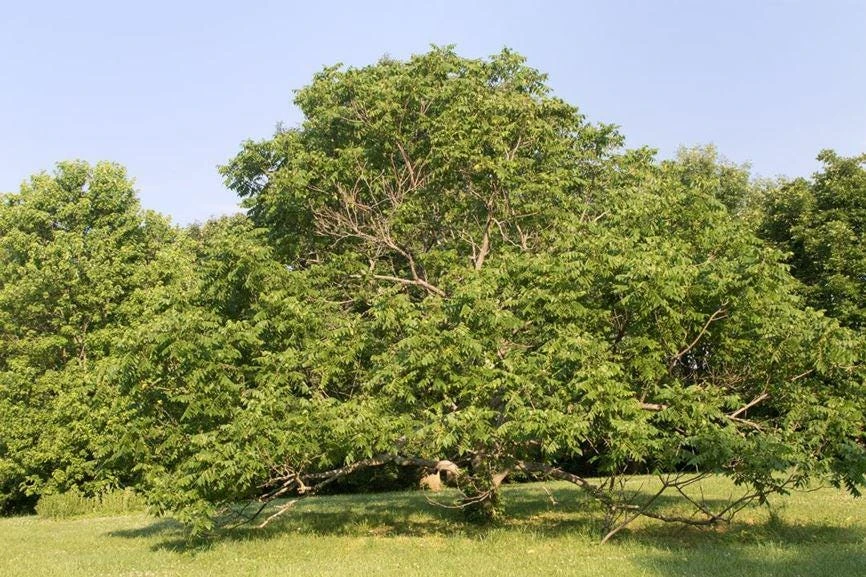
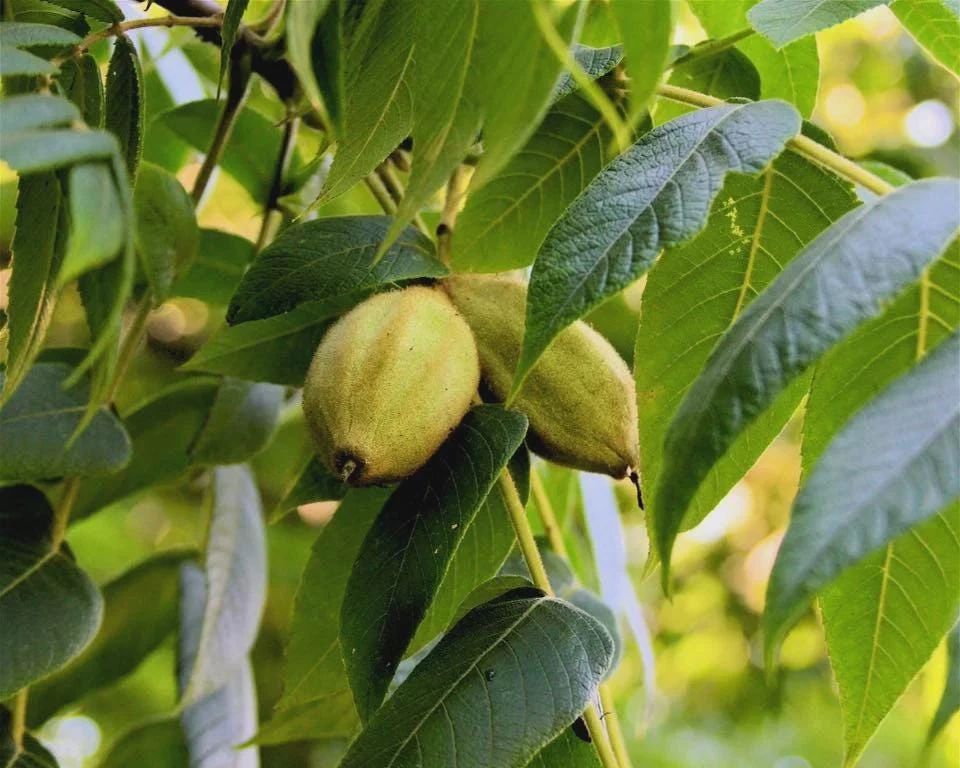
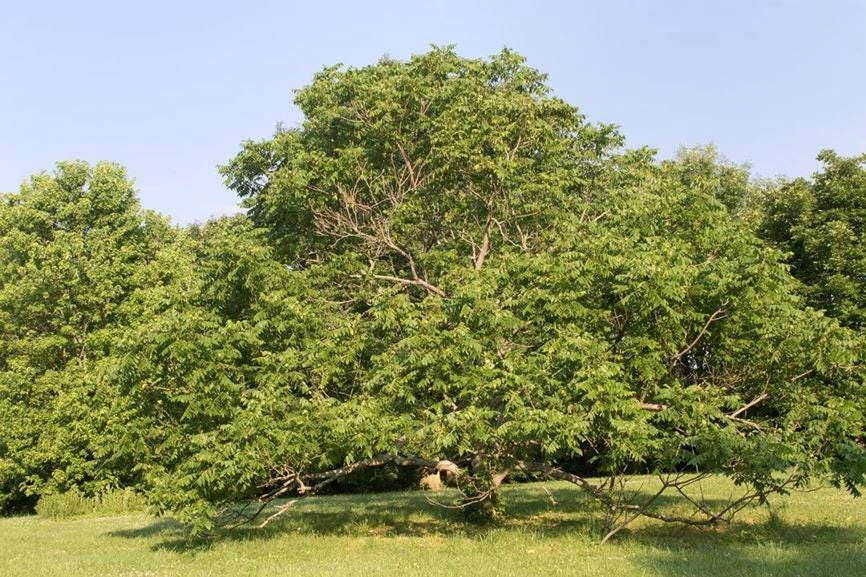
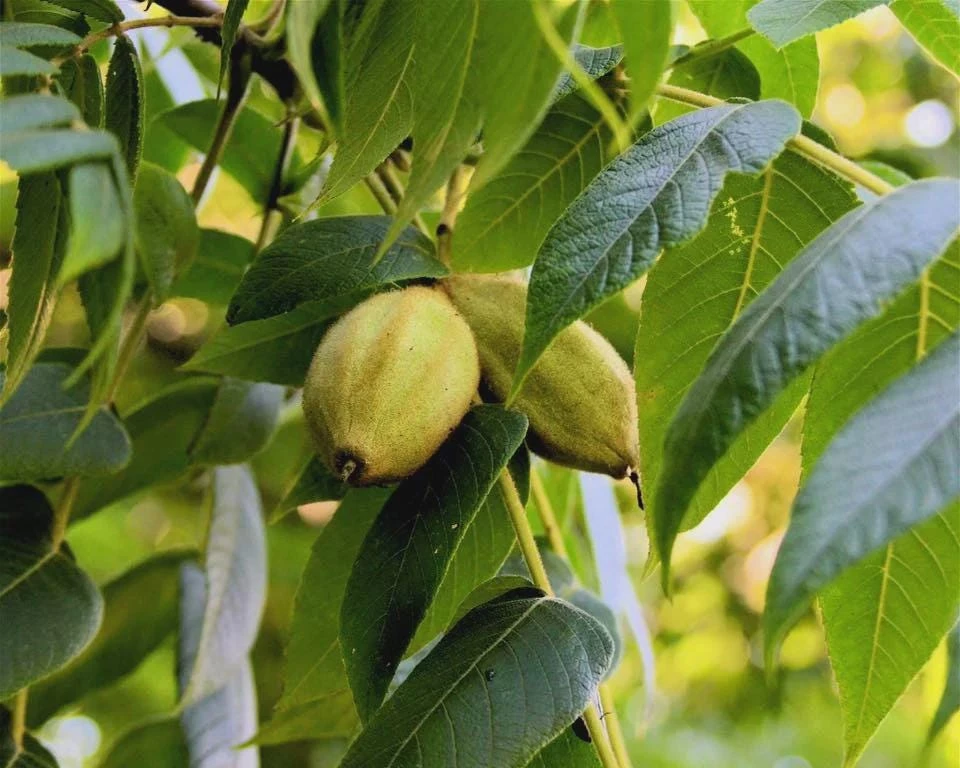
Embark on a rewarding journey of growing your own nut trees with this offering of three white walnut live plant specimens. Also widely known as the Butternut tree, or by its botanical name Juglans cinerea tree, these young deciduous trees measure between 12-24 inches tall and come in convenient quart pots, ready for planting. Native to eastern North America, the white walnut live plant is cherished for its unique characteristics, including its silvery-gray bark, distinctive leaf scars resembling a mustache, and its delicious, elongated, lemon-shaped nuts. Unlike the more common black walnut, the butternut’s fruit has a distinct shape and flavor profile, making it a sought-after addition for edible landscaping and native plant enthusiasts. This slow-growing tree offers both aesthetic appeal and a future harvest of tasty nuts, making it a valuable investment for any garden.
These young white walnut live plant trees are well-suited for a variety of landscapes, providing shade, wildlife habitat, and a source of unique nuts. Their robust nature and adaptability make them a great choice for both experienced gardeners and those new to growing nut trees. With proper care, these trees will establish themselves and flourish, bringing natural beauty and bounty to your outdoor space for years to come.
Key Benefits
Adding a white walnut live plant to your property offers numerous advantages, from ecological contributions to edible harvests. These trees are not just a pretty face; they provide a wealth of benefits that enhance any garden or homestead.
- Unique Nut Production: Enjoy the distinctive, rich flavor of elongated, lemon-shaped butternut nuts, a delicious alternative to common walnuts. These nuts are excellent for baking, snacks, or culinary uses.
- Striking Ornamental Value: The silvery-gray bark and unique ‘mustache’ leaf scars of the Juglans cinerea tree provide year-round visual interest, especially during the dormant season.
- Wildlife Attraction: Butternut trees provide food and habitat for various wildlife, including squirrels and birds, contributing to local biodiversity.
- Native Species: Planting native trees like the white walnut live plant supports local ecosystems and often requires less maintenance once established, as they are adapted to the regional climate.
- Shade Provider: As they mature, these deciduous trees develop a broad canopy, offering excellent shade during hot summer months, reducing cooling costs for nearby structures.
- Drought Tolerance: Once established, butternut trees exhibit good drought tolerance, making them a resilient choice for various climates.
- Long-Term Investment: A slow-growing, long-lived tree, the white walnut live plant is an investment that will provide beauty and nuts for generations.
Plant Care & Growing Tips
Proper care is essential for ensuring your white walnut live plant thrives and establishes a strong root system. Butternut trees are relatively low-maintenance once established, but a good start is crucial. They prefer full sun exposure, meaning at least 6-8 hours of direct sunlight per day. While they can tolerate some partial shade, optimal nut production and growth occur in full sun. When considering butternut tree care, ensuring adequate sunlight is paramount.
These trees prefer well-draining, fertile soil. A slightly acidic to neutral pH (6.0-7.0) is ideal. While they can adapt to various soil types, they do best in deep, moist loamy soils. Avoid planting in areas with poor drainage, as this can lead to root rot. Regular watering is important during the first few years after planting, especially during dry spells, to help the tree establish. Once mature, the Juglans cinerea tree is quite drought-tolerant. Fertilization is generally not necessary for established trees in good soil, but young trees can benefit from a balanced, slow-release fertilizer in early spring. Protect young trees from deer and other pests. The USDA hardiness zones for the butternut typically range from 3-7, indicating its ability to withstand cold winters.
Size & Details
This offering includes three white walnut live plant trees, each measuring between 12-24 inches in height. They are shipped in quart-sized pots, providing a healthy root ball for successful transplanting. The butternut tree, or Juglans cinerea tree, is a slow to medium-growing deciduous tree, eventually reaching heights of 40-60 feet with a similar spread, forming a broad, rounded crown. The nuts are typically oblong and pointed, about 2 inches long, encased in a greenish, sticky husk. Expect nut production to begin within 7-10 years, with significant harvests occurring after 15-20 years. These trees are shipped as young, actively growing specimens, ready to be planted directly into your garden or a larger container upon arrival. Understanding growing butternut tree requirements will help you plan for its mature size and ensure it has ample space to flourish.
Frequently Asked Questions
- Q: How big will these white walnut trees get? A: Your white walnut live plant trees, also known as Juglans cinerea tree, will eventually reach a mature height of 40-60 feet with a similar spread. They are slow to medium growers, so they will take several years to reach their full potential.
- Q: Is this an indoor or outdoor plant? A: The white walnut live plant is an outdoor deciduous tree and is not suitable for indoor cultivation. It requires ample space, full sun, and seasonal changes to thrive and produce nuts.
- Q: How much sunlight does a butternut tree need? A: For optimal growth and nut production, a butternut tree care regimen requires at least 6-8 hours of direct sunlight per day. While it can tolerate some partial shade, full sun is highly recommended.
- Q: When is the best time to plant these trees? A: The best time to plant your white walnut live plant is in early spring or fall, allowing the roots to establish before extreme summer heat or winter cold. Ensure the ground is not frozen when planting.
- Q: How long until these trees start producing nuts? A: You can typically expect your white walnut live plant to start producing nuts within 7-10 years after planting. Significant harvests often begin after 15-20 years.
- Q: Are these trees resistant to pests and diseases? A: While generally robust, butternut trees can be susceptible to certain diseases, notably butternut canker. Selecting healthy nursery stock and providing good cultural care, including proper spacing and air circulation, can help mitigate risks. Regular inspection is part of effective butternut tree care.
- Q: What USDA hardiness zones are suitable for growing butternut trees? A: Butternut trees are cold-hardy and thrive in USDA hardiness zones 3 through 7. This makes them suitable for a wide range of climates across North America.
- Q: What type of soil is best for growing butternut tree? A: Butternut trees prefer deep, moist, well-draining, fertile soil with a pH between 6.0 and 7.0. They do not tolerate poorly drained or waterlogged conditions.
- Q: How can I tell if my tree is a white walnut? A: Key features for white walnut identification include its silvery-gray bark, distinctive ‘mustache’ shaped leaf scars, and elongated, lemon-shaped nuts that are sticky when green. These characteristics differentiate it from the black walnut.
- Q: What condition will the trees arrive in? A: Your three white walnut live plant trees will arrive as healthy, actively growing specimens, carefully packaged in quart pots to ensure their safe journey and readiness for planting.
Be the first to review “3 White Walnut Butternut Tree Live Plants – Juglans cinerea – 12-24in Tall (Quart Pot)”
Related products


Trees
Guava Tree Live Plant Pink Tropical Fruit 4-10in Tall Well Rooted for Gardening USDA Zones 9-11


You May Like

Hardneck vs. Softneck Garlic: Which Should You Grow?
Have you ever stood in front of a seed catalog in mid-September, staring at dozens [...]
Oct

When to Plant Music Garlic: Ultimate US Fall Guide
Have you ever spent your fall weekend placing carefully chosen garlic cloves into rich, dark [...]
1 Comment
Oct

5 Best Bulbs for Fall Planting: Brighten Your Garden This Spring
Are you dreaming of a garden full of vibrant colors in the spring? The key [...]
Aug

10 Houseplants That Will Thrive in Your Kitchen
Are you tired of your kitchen feeling dull and lifeless? Want to add a little [...]
1 Comment
Aug
Reviews
There are no reviews yet.