
5 Blue Cohosh Bare Root Plants – Organic Perennial Wildflower – Caulophyllum Thalictroides
Original price was: 67.99 $.42.99 $Current price is: 42.99 $.
Introduce 5 Blue Cohosh bare root plants to your garden. These organic perennial wildflowers, known as Caulophyllum Thalictroides, thrive in shaded areas, adding natural beauty and attracting pollinators. Perfect for woodland gardens or naturalized settings.
Estimated arrival
Oct 16
Oct 21 - Oct 23
Oct 23 - Oct 28
See our Shipping Policy.
Get in touch with us via email, and our team will review your concerns.
Our Alive & Thrive Guarantee covers issues with your plants within the first 30 days. Read our Refund & Returns Policy.
-
USDA Hardiness Zone
USDA zones 3-8 -
Soil Type
Rich, moist, well-draining soil -
Sunlight Exposure
Partial to full shade -
Expected Planting Period
Early spring or fall
Overview
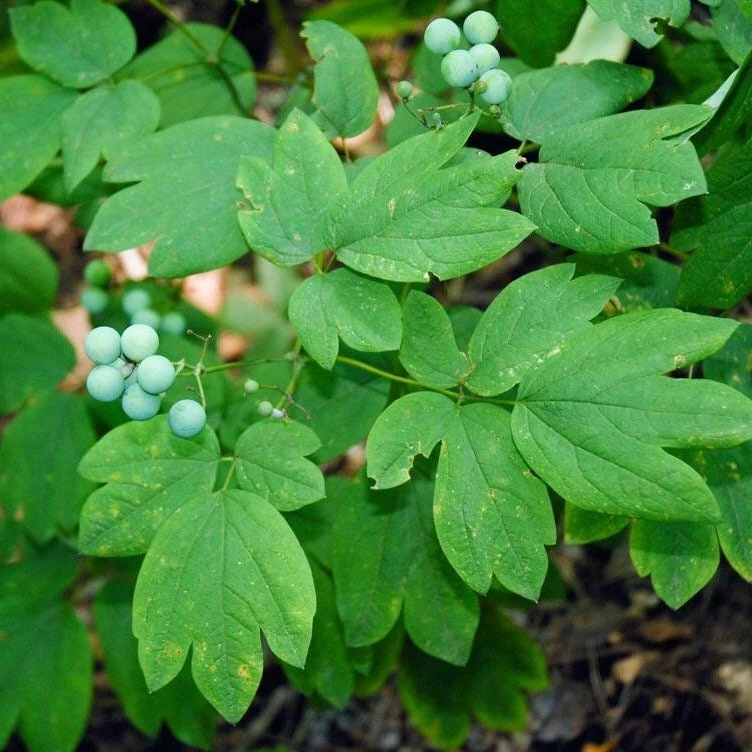
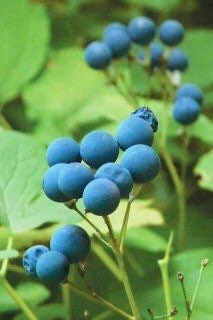
Transform your garden with this offering of 5 Blue Cohosh bare root plants. Each order provides five organically grown roots of Caulophyllum Thalictroides, a captivating native perennial wildflower renowned for its distinctive blue berries and delicate foliage. Blue Cohosh, also commonly known as Pappoose Root or Squaw Root, is a beautiful addition to any shade garden, woodland setting, or naturalized area. These bare root plants are an excellent choice for gardeners looking to establish a robust and natural ecosystem, contributing to local biodiversity. Grown with care and without synthetic pesticides or fertilizers, these organic specimens ensure a healthy start for your garden.
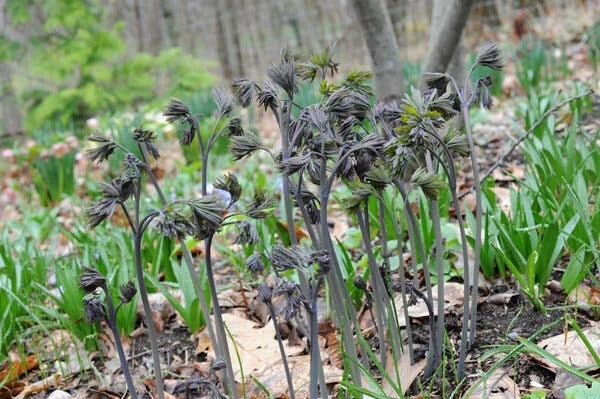
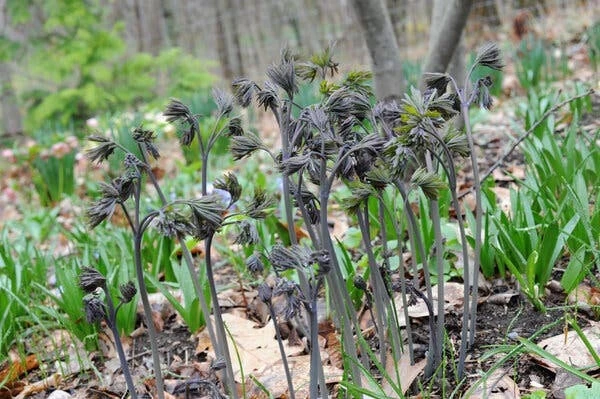
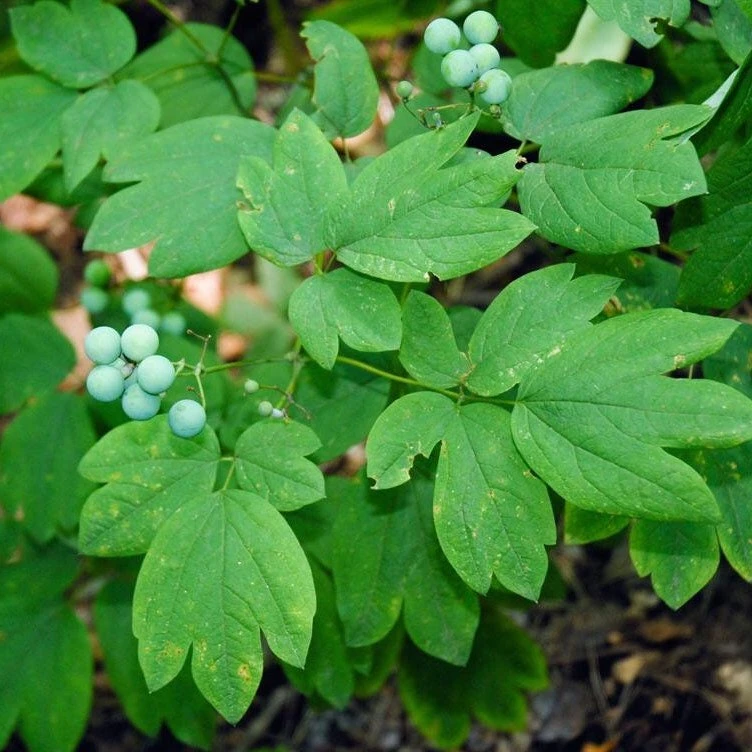
The unique charm of Blue Cohosh bare root lies in its early spring emergence, showcasing purplish-brown flowers before developing striking blue berries in late summer. This plant offers multi-season interest, from its emerging foliage to its unique seed pods, making it a valuable asset for continuous garden appeal. Its adaptability to various shade conditions and its low-maintenance nature make it a favored choice for both novice and experienced gardeners seeking a reliable perennial wildflower.
Opting for bare root plants, especially an organic blue cohosh, is an economical and environmentally friendly way to cultivate native flora. These roots are harvested and shipped fresh, ensuring they arrive ready for planting and establishment in your garden. With proper care, these plants will quickly settle into their new home, providing years of natural beauty and ecological benefit.
Key Benefits
Adding Blue Cohosh bare root plants to your landscape offers numerous advantages, enhancing both the aesthetic and ecological value of your garden:
- Native Habitat Support: As a native species, Caulophyllum Thalictroides provides crucial support for local ecosystems, offering food and shelter for native wildlife, particularly birds that feast on its attractive blue berries.
- Shade Garden Excellence: Thrives in shaded and woodland environments, making it an ideal plant for those challenging areas where many other flowering plants struggle to grow. It naturally complements other shade-loving perennials.
- Low Maintenance Perennial: Once established, Blue Cohosh requires minimal care, making it a perfect choice for gardeners who desire beauty without constant attention. It reliably returns year after year, expanding its presence.
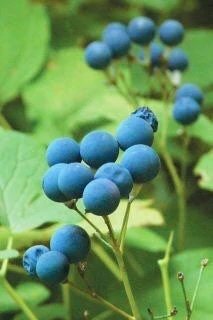
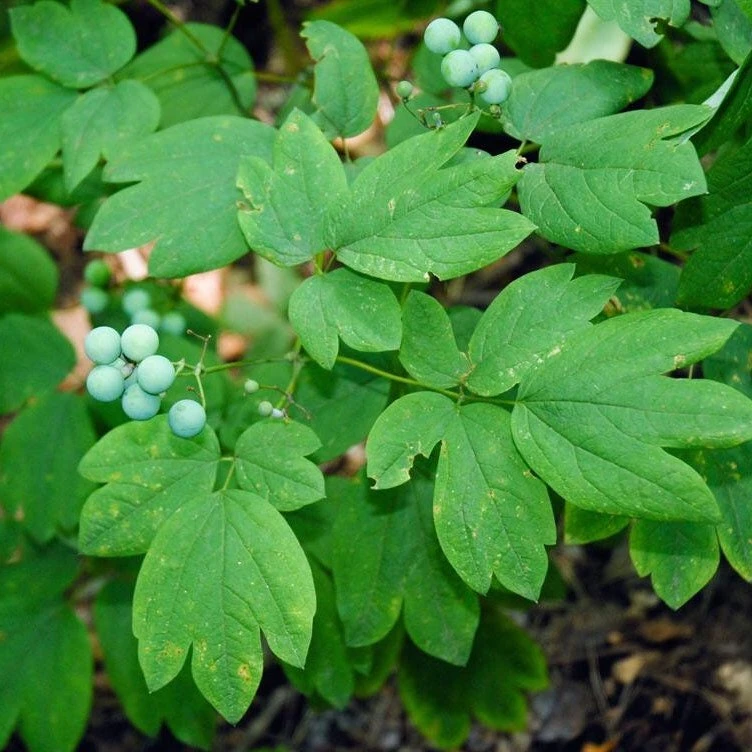
- Unique Ornamental Appeal: Features delicate, fern-like foliage in spring, followed by unique purplish-brown flowers and later, striking metallic blue berries, providing visual interest throughout multiple seasons.
- Organic and Sustainable Choice: These organic blue cohosh plants are grown without harmful chemicals, promoting a healthier garden environment for pollinators, wildlife, and your family.
- Erosion Control: Its fibrous root system can help stabilize soil on slopes or in areas prone to erosion, especially in shaded, naturalized settings.
- Early Season Interest: Emerges early in spring, offering one of the first signs of life and color in the woodland garden, a welcome sight after winter. This perennial wildflower offers beauty across seasons.
Plant Care & Growing Tips
Caring for your Blue Cohosh bare root plants is straightforward, especially when planted in their preferred conditions. These plants thrive in conditions mimicking their natural woodland habitat. Start by selecting a location that receives partial to full shade. While they can tolerate some morning sun, intense afternoon sun will scorch their delicate foliage. Aim for areas under deciduous trees where they can receive dappled light in spring and deep shade once the tree canopy leafs out.
The ideal soil for Caulophyllum Thalictroides is rich in organic matter, consistently moist but well-draining. Amend heavy clay soils with compost or leaf mold to improve drainage and fertility. Sandy soils will benefit from similar organic amendments to retain moisture. Maintain consistent soil moisture, especially during dry periods, but avoid waterlogging which can lead to root rot. A good layer of mulch, such as shredded leaves or wood chips, will help retain soil moisture, suppress weeds, and provide a slow release of nutrients as it breaks down. This also mimics the natural forest floor environment where this native shade plant thrives.
Blue Cohosh is generally hardy in USDA zones 3-8. It is a resilient plant that typically does not require much fertilization if planted in rich, organic soil. However, a light application of a balanced, slow-release organic fertilizer in early spring can encourage vigorous growth. Pests and diseases are rarely an issue for this robust perennial wildflower. Ensure good air circulation and avoid overhead watering to minimize any potential fungal problems. These plants are relatively deer resistant, which is an added bonus for gardens in areas with wildlife. Proper care will ensure your organic blue cohosh establishes well and flourishes for many years.
Size & Details
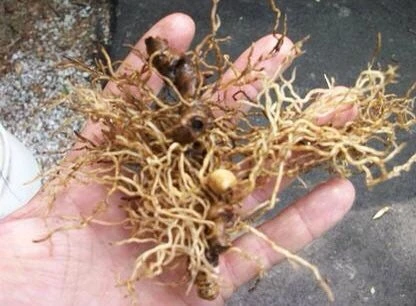
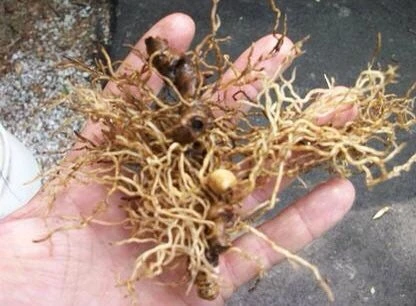
This offering includes 5 Blue Cohosh bare root plants, ready for immediate planting upon arrival. Each root is carefully harvested to ensure viability and health. As bare root specimens, they will arrive without foliage or soil, which is standard for this planting method, allowing for easy transport and robust establishment. Once planted, these roots will quickly begin to develop new shoots and foliage, typically emerging in early spring.
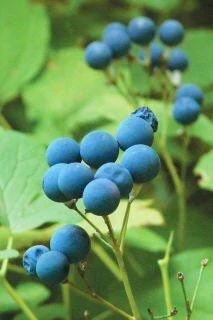
Mature Caulophyllum Thalictroides plants typically reach a height of 1 to 3 feet and spread about 1 to 2 feet wide, forming attractive clumps over time. The growth rate is moderate, with plants establishing well in their first year and expanding their presence in subsequent seasons. Expect the distinctive purplish-brown flowers to appear in early to mid-spring, followed by the striking, pea-sized blue berries in late summer through fall. These berries are a key identifying feature and provide late-season interest. These organic blue cohosh roots provide an excellent foundation for creating a natural and thriving woodland garden.
Frequently Asked Questions
- Q: How big do these Blue Cohosh plants get? A: Once mature, Blue Cohosh bare root plants typically reach a height of 1 to 3 feet and spread about 1 to 2 feet wide. Their size can vary slightly depending on growing conditions and age.
- Q: Is this an indoor or outdoor plant? A: Caulophyllum Thalictroides is an outdoor plant, ideally suited for woodland gardens, shaded borders, or naturalized areas where it can mimic its native habitat. It is not suitable for indoor cultivation.
- Q: How much sunlight does Blue Cohosh need? A: This native shade plant thrives in partial to full shade. It prefers dappled light in the morning and protection from intense afternoon sun, which can scorch its leaves.
- Q: What condition will the plants arrive in? A: You will receive 5 Blue Cohosh bare root plants. They will be dormant, without foliage or soil, which is the standard and most effective way to ship and plant this type of perennial.
- Q: Is Blue Cohosh easy to care for? A: Yes, once established in the correct conditions (shade and moist, well-draining soil), organic Blue Cohosh is a relatively low-maintenance perennial wildflower, making it a good choice for various gardeners.
- Q: When is the best time to plant these bare roots? A: The best time to plant Blue Cohosh bare root plants is in early spring or fall when the weather is cool and moist, allowing them to establish their root systems before extreme temperatures.
- Q: Will Blue Cohosh survive winter in my zone? A: Caulophyllum Thalictroides is hardy in USDA Zones 3-8, meaning it is well-adapted to survive cold winters and will reliably return each spring in these regions.
- Q: What kind of soil does Blue Cohosh prefer? A: Blue Cohosh bare root prefers rich, consistently moist, and well-draining soil. Amending with plenty of organic matter like compost or leaf mold is highly beneficial for optimal growth.
- Q: Do these plants attract pollinators? A: Yes, the early spring flowers of Caulophyllum Thalictroides attract early emerging pollinators, contributing to the biodiversity of your garden.
- Q: Are the blue berries edible? A: While visually striking, the blue berries of organic Blue Cohosh are generally considered mildly toxic and are not recommended for human consumption. They are primarily for ornamental appeal and wildlife.
Be the first to review “5 Blue Cohosh Bare Root Plants – Organic Perennial Wildflower – Caulophyllum Thalictroides”
Related products


You May Like

Hardneck vs. Softneck Garlic: Which Should You Grow?
Have you ever stood in front of a seed catalog in mid-September, staring at dozens [...]
Oct

When to Plant Music Garlic: Ultimate US Fall Guide
Have you ever spent your fall weekend placing carefully chosen garlic cloves into rich, dark [...]
1 Comment
Oct

5 Best Bulbs for Fall Planting: Brighten Your Garden This Spring
Are you dreaming of a garden full of vibrant colors in the spring? The key [...]
Aug

10 Houseplants That Will Thrive in Your Kitchen
Are you tired of your kitchen feeling dull and lifeless? Want to add a little [...]
1 Comment
Aug
Reviews
There are no reviews yet.