
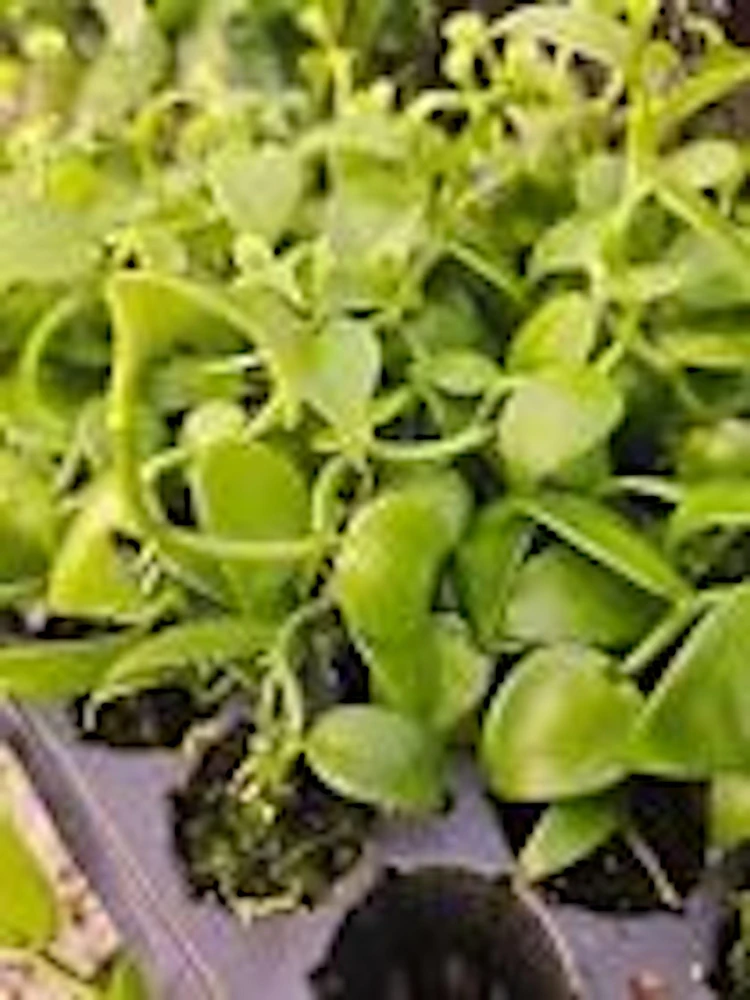
Vanilla Bean Orchid Plant (Vanilla planifolia) Live Vine – Tropical Vanilla Fruit Plant
Original price was: 94.99 $.69.99 $Current price is: 69.99 $.
Cultivate your own flavorful vanilla with this vanilla bean orchid plant. The vanilla planifolia live plant is a tropical vine known for its fragrant flowers and the pods used to make natural vanilla. Ideal for warm climates or indoor growing with proper care.
Estimated arrival
Oct 17
Oct 22 - Oct 24
Oct 24 - Oct 29
See our Shipping Policy.
Get in touch with us via email, and our team will review your concerns.
Our Alive & Thrive Guarantee covers issues with your plants within the first 30 days. Read our Refund & Returns Policy.
-
USDA Hardiness Zone
USDA zones 10-11 -
Soil Type
Rich, well-draining potting mix -
Sunlight Exposure
Bright indirect light -
Expected Planting Period
Year-round indoors; spring to summer outdoors in suitable zones
Overview
Embark on the rewarding journey of cultivating your own vanilla with the remarkable vanilla bean orchid plant. This exquisite live plant, scientifically known as Vanilla planifolia, is a tropical climbing orchid celebrated globally for producing the famous vanilla pods that are essential for flavoring. Originating from Mexico, this vigorous vine brings a touch of exotic beauty and culinary potential to your garden or indoor space. While it can reach impressive lengths of up to 30 feet in its natural habitat, it can be easily managed by training it on a support structure like a trellis or arbor, making it suitable for various growing environments. Growing a vanilla bean orchid plant is a unique and satisfying experience for any plant enthusiast looking to add a productive and beautiful specimen to their collection.
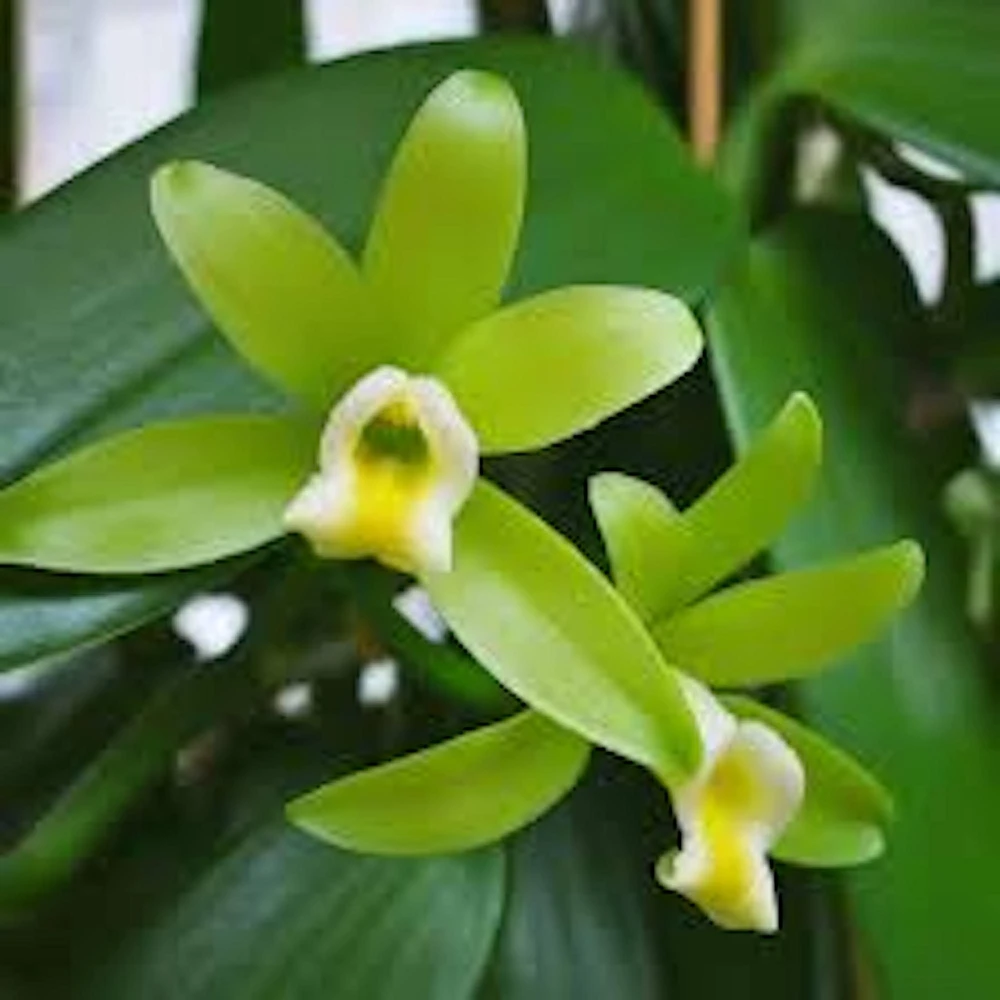
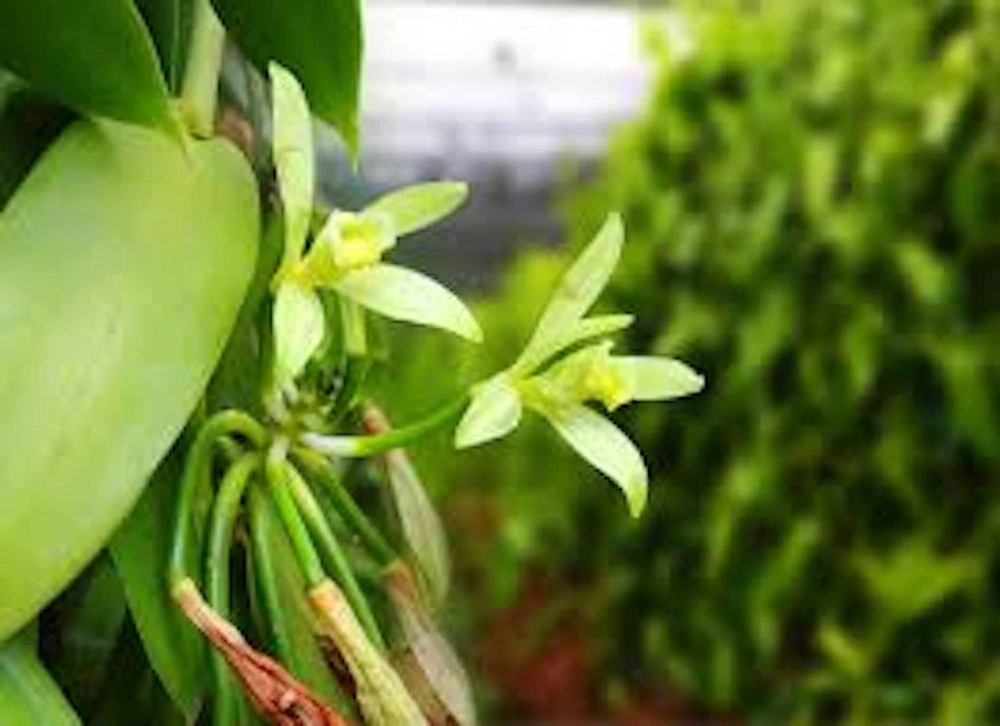
The vanilla planifolia live plant is not just a source of a beloved spice; it’s also an attractive ornamental. It features lush green foliage and, under the right conditions, produces beautiful, large, creamy-yellow flowers with a delicate, sweet fragrance. These flowers are the precursors to the highly prized vanilla pods. Understanding how to grow vanilla at home can be a fascinating endeavor, as it involves learning about its specific tropical requirements. This plant thrives in warm, humid conditions, making it an excellent choice for greenhouses or tropical climates, and a captivating challenge for indoor growers.
Key Benefits
Bringing a vanilla bean orchid plant into your home or garden offers a multitude of benefits, from its unique aesthetic appeal to the potential for harvesting your own vanilla. It’s a truly special addition that combines beauty with utility.
- Source of Natural Vanilla: The primary benefit is the potential to harvest your own vanilla pods, allowing you to enjoy the rich, authentic flavor of homegrown vanilla, an experience far superior to store-bought extracts.
- Exotic Ornamental Value: With its vigorous vining habit and attractive foliage, the vanilla bean orchid plant adds a distinctive tropical touch to any indoor or outdoor setting, creating a lush, green focal point.
- Fragrant Blooms: When it flowers, this plant produces beautiful, creamy-yellow blossoms that emit a lovely, sweet fragrance, enhancing the sensory experience of your growing space.
- Educational and Rewarding: Growing vanilla provides a deeply rewarding horticultural experience, teaching patience and the intricacies of tropical plant care, especially the fascinating process of hand-pollination.
- Air Purification: Like many houseplants, the foliage of the vanilla planifolia live plant can contribute to improving indoor air quality by absorbing common pollutants and releasing oxygen.
- Long-Term Productivity: Once established, a vanilla plant can produce pods for many seasons, offering a continuous supply of this precious spice for years to come.
- Unique Conversation Starter: Its unusual nature and the fascinating story behind vanilla production make this plant a fantastic conversation piece for visitors.
Plant Care & Growing Tips
Proper care is crucial for a thriving vanilla bean orchid plant. As a tropical species, it has specific needs that, when met, will ensure healthy growth and the potential for vanilla pod production. Understanding how to vanilla plant care is key to its success. This plant thrives in USDA hardiness zones 10-11, requiring warmth and protection from frost. If you’re looking to grow vanilla at home outside of these zones, it’s best grown as an indoor plant or in a greenhouse where temperatures can be consistently maintained above 60°F (15°C).
For sunlight, vanilla bean orchid plant prefers bright, indirect light. Direct, harsh sunlight can scorch its leaves. An east-facing window indoors or a shaded spot outdoors where it receives dappled light is ideal. When it comes to watering, keep the soil consistently moist but never waterlogged. Excellent drainage is paramount to prevent root rot. A rich, well-draining potting mix, often formulated for orchids or tropical plants, is recommended. High humidity is also critical for this tropical vine; consider misting regularly, using a humidity tray, or placing it near a humidifier, especially in drier indoor environments.
Fertilize your vanilla planifolia live plant during its active growing season (spring and summer) with a balanced, diluted liquid fertilizer every 2-4 weeks. Reduce feeding in fall and winter. Hand-pollination is often necessary for pod production, as the natural pollinators are not present outside its native habitat. This delicate process involves transferring pollen from the anther to the stigma of the short-lived flowers, typically in the morning. Be patient; it can take several years for a young plant to mature and begin producing flowers and subsequently, pods. However, the reward of harvesting your own vanilla makes the effort worthwhile.
Size & Details
This offering is for a live vanilla bean orchid plant (Vanilla planifolia), ready for you to establish in your preferred growing environment. As a vining orchid, its growth habit is to climb, and it can eventually reach lengths of up to 30 feet if given ample support and space. However, it is easily pruned and trained to remain a manageable size for home cultivation, whether on a trellis, moss pole, or other support structure. The plant will typically arrive in a nursery pot, with foliage already established, ready for transplanting.
While the exact size upon arrival may vary, these plants are typically young, healthy specimens ready to grow. Expect several years for the plant to reach maturity and begin flowering and producing pods, a characteristic trait of this unique orchid. The process of curing the vanilla pods after harvest is also a significant part of the experience, developing the rich, complex flavor that vanilla is known for. This plant offers a long-term gardening project with a delicious payoff.
Frequently Asked Questions
- Q: How big does this vanilla bean orchid plant get? A: The vanilla bean orchid plant is a vigorous vine that can grow up to 30 feet long in its natural habitat, but it can be easily managed and kept to a smaller size by training it on a support structure like a trellis.
- Q: Is this an indoor or outdoor plant? A: The vanilla planifolia live plant is a tropical plant that thrives outdoors in USDA zones 10-11. In cooler climates, it is best grown indoors as a houseplant or in a greenhouse to provide the necessary warmth and humidity.
- Q: How much sunlight does it need? A: This plant prefers bright, indirect light. Avoid direct, harsh sunlight which can scorch its leaves. A spot with dappled light or an east-facing window is often ideal.
- Q: Is this vanilla plant easy to care for? A: While not extremely difficult, caring for a vanilla bean orchid plant does require attention to its specific needs for warmth, humidity, and light. Hand-pollination is also often required for pod production, making it a rewarding challenge for dedicated growers.
- Q: What condition will the vanilla plant arrive in? A: Your vanilla plant will arrive as a healthy, live specimen, typically in a nursery pot, with established foliage, ready for you to acclimate and grow. We ensure careful packaging for safe transit.
- Q: How long until it produces vanilla pods? A: It can take several years, typically 3-5 years, for a young vanilla bean orchid plant to mature, flower, and begin producing pods. Patience is a virtue when growing your own vanilla!
- Q: What is the best way to grow vanilla at home for beginners? A: For beginners, start with a healthy live plant. Focus on providing consistent bright, indirect light, high humidity, and consistent moisture. Researching hand-pollination techniques will be key if you wish to harvest pods.
- Q: Does this plant need a lot of humidity? A: Yes, as a tropical orchid, high humidity is crucial for the health and growth of your vanilla planifolia live plant. Regular misting, a humidity tray, or a humidifier can help maintain optimal conditions, especially indoors.
- Q: Can I use the pods from this plant for cooking? A: Absolutely! Once your plant produces pods and they are harvested and properly cured, they can be used to make your own natural vanilla extract or directly in culinary applications for an unparalleled flavor.
- Q: What kind of soil does a tropical vanilla vine prefer? A: A well-draining, rich potting mix is essential. Many growers use an orchid-specific mix or a blend that includes orchid bark, perlite, and peat moss to ensure good aeration and drainage while retaining some moisture.
Be the first to review “Vanilla Bean Orchid Plant (Vanilla planifolia) Live Vine – Tropical Vanilla Fruit Plant”
Related products


You May Like

Hardneck vs. Softneck Garlic: Which Should You Grow?
Have you ever stood in front of a seed catalog in mid-September, staring at dozens [...]
Oct

When to Plant Music Garlic: Ultimate US Fall Guide
Have you ever spent your fall weekend placing carefully chosen garlic cloves into rich, dark [...]
1 Comment
Oct

5 Best Bulbs for Fall Planting: Brighten Your Garden This Spring
Are you dreaming of a garden full of vibrant colors in the spring? The key [...]
Aug

10 Houseplants That Will Thrive in Your Kitchen
Are you tired of your kitchen feeling dull and lifeless? Want to add a little [...]
1 Comment
Aug
Reviews
There are no reviews yet.