
Black Gum Tree Live Plant – 3 Nyssa sylvatica Starter Plants 12-24″ Tall
Original price was: 101.99 $.76.99 $Current price is: 76.99 $.
Introduce the beauty of the native black gum tree live plant (Nyssa sylvatica) to your garden. This resilient species offers brilliant multi-colored fall foliage and provides excellent value for local wildlife. You receive 3 hardy Nyssa sylvatica tree starter plants, 12-24 inches tall, ready for outdoor planting.
Estimated arrival
Oct 17
Oct 22 - Oct 24
Oct 24 - Oct 29
See our Shipping Policy.
Get in touch with us via email, and our team will review your concerns.
Our Alive & Thrive Guarantee covers issues with your plants within the first 30 days. Read our Refund & Returns Policy.
-
USDA Hardiness Zone
USDA zones 4-9 -
Soil Type
Adaptable, prefers acidic to neutral, well-draining soil -
Sunlight Exposure
Full sun to partial shade -
Expected Planting Period
Late winter to early spring
Overview
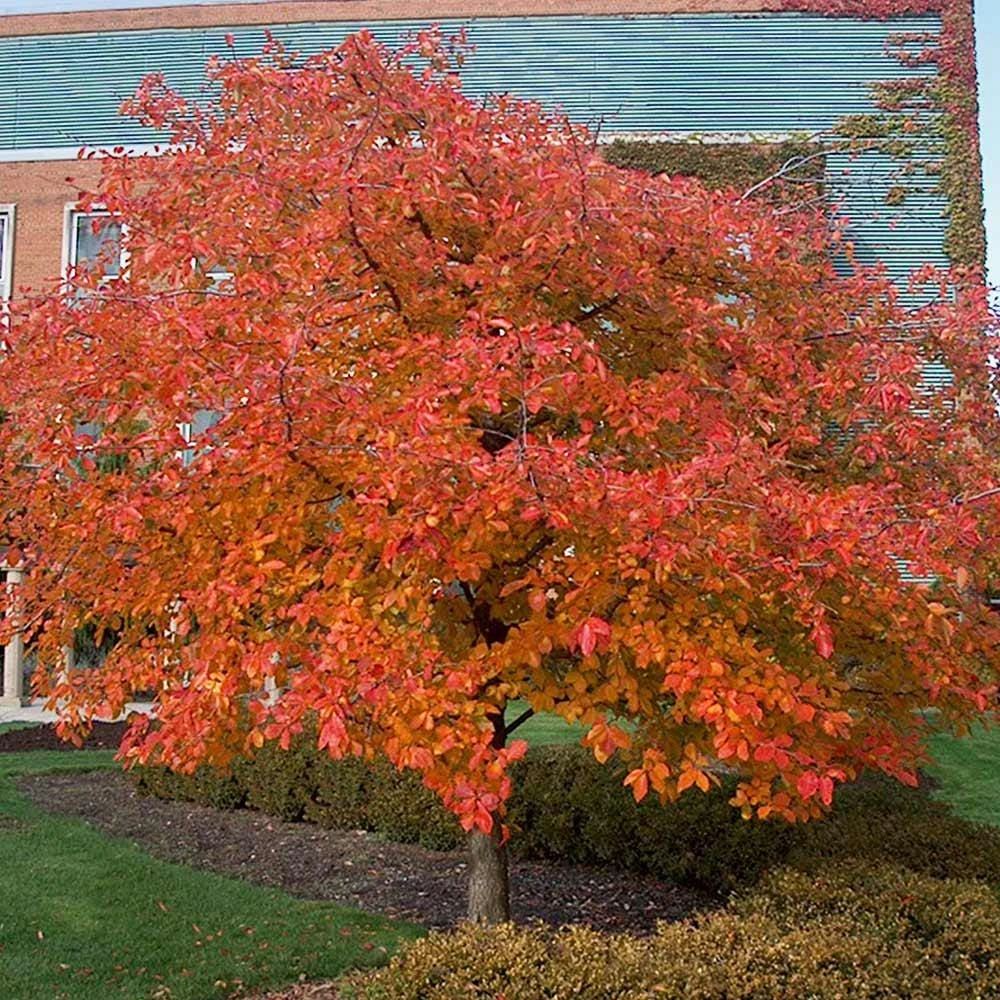
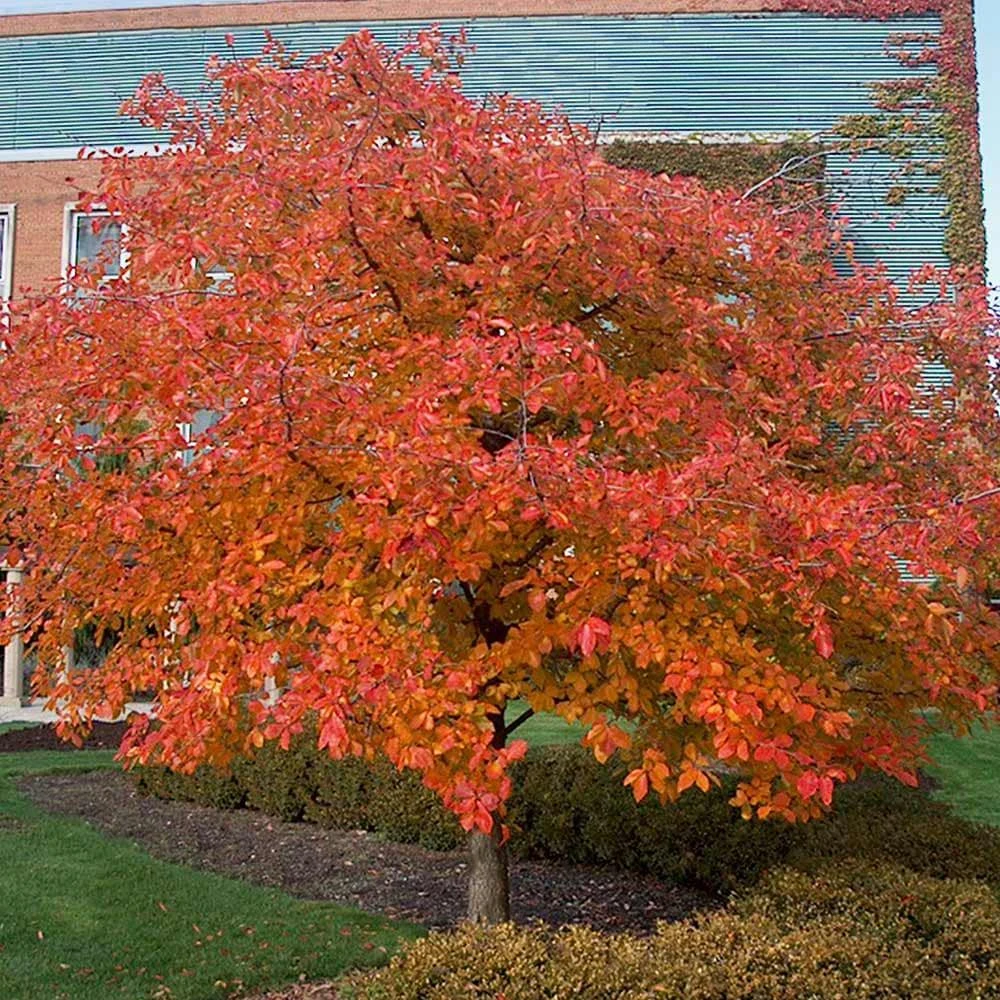
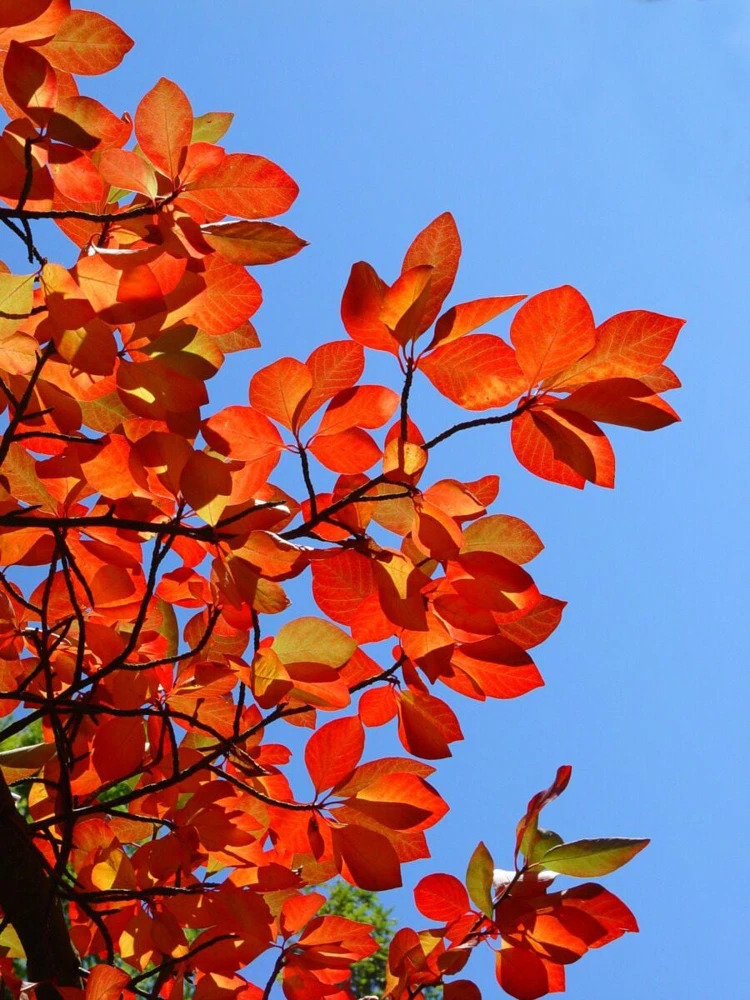
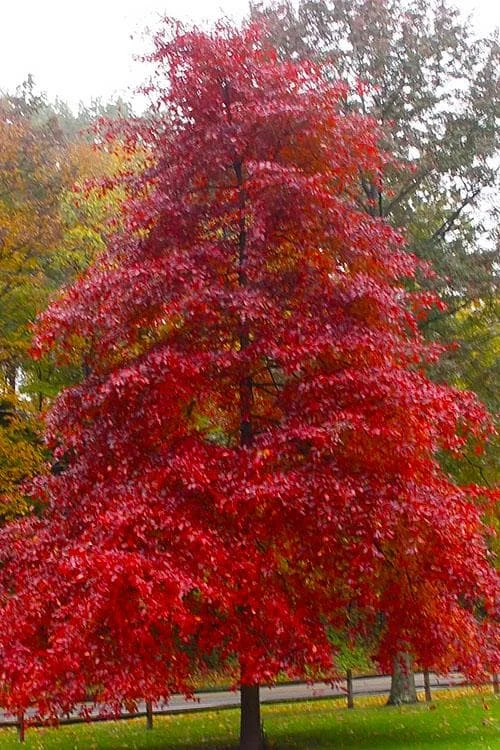
The black gum tree live plant, scientifically known as Nyssa sylvatica, is a truly remarkable native tree that will transform any landscape with its seasonal splendor. Also commonly referred to as black tupelo tree or sour gum tree, this deciduous species is celebrated for its breathtaking, multi-colored fall foliage that ranges from vibrant oranges and reds to deep purples. Beyond its stunning visual appeal, the black gum tree is a cornerstone for local ecosystems, providing essential food and shelter for various wildlife, including birds and pollinators. These 3 starter plants, each measuring 12-24 inches tall, are shipped as bare root specimens, ensuring they are ready to thrive in their new environment once established. Their adaptability to a range of soil conditions, from wet to dry, makes them a resilient and low-maintenance choice for gardeners seeking both beauty and ecological benefit.
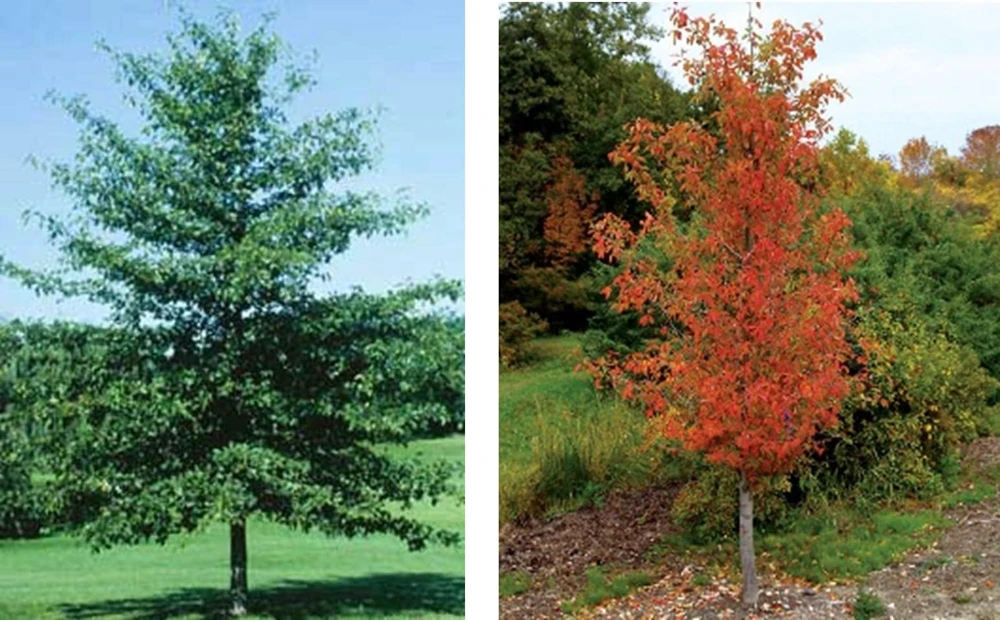
Cultivating a Nyssa sylvatica tree means investing in a resilient and long-lived addition to your property. Its attractive pyramidal to oval shape provides year-round interest, culminating in a spectacular display of autumn color. This native gem is an excellent choice for naturalizing areas, planting near water features, or as a specimen tree in your yard, promising a majestic presence for decades to come.
Key Benefits
Choosing the black gum tree live plant for your garden brings a multitude of advantages, enhancing both the aesthetic and ecological value of your outdoor space. Its exceptional characteristics make it a standout choice for any landscape project.
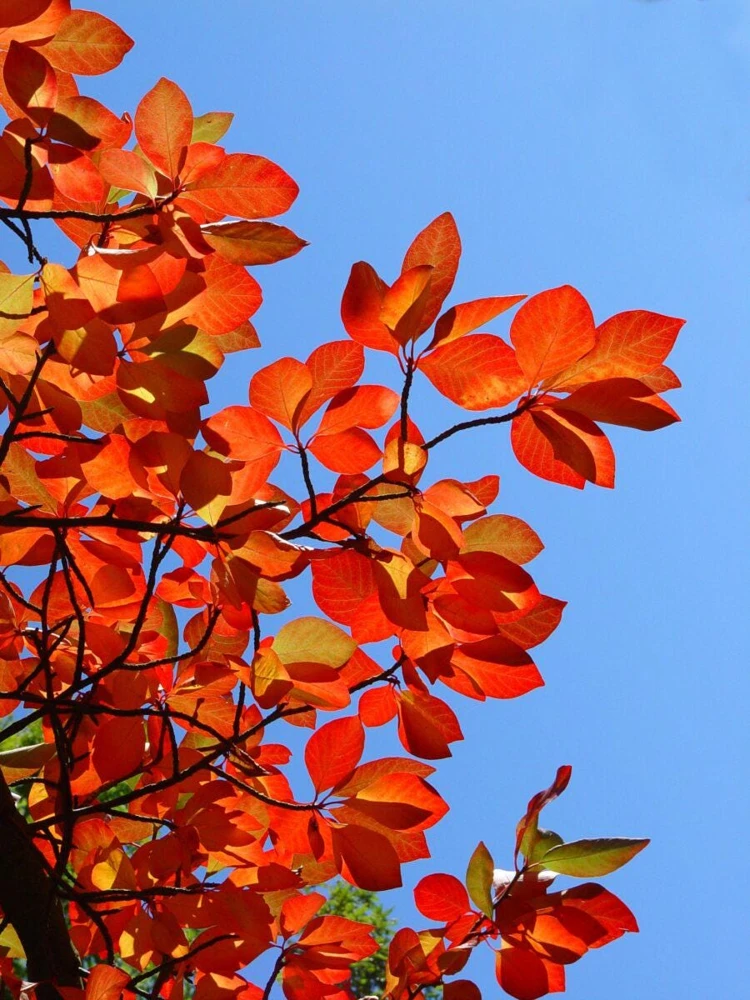
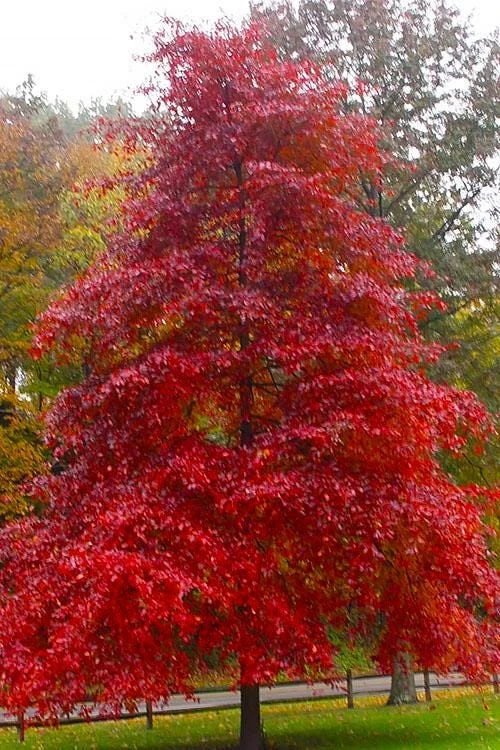
- Spectacular Fall Foliage: Experience a stunning display of color each autumn. The leaves of the black gum tree live plant turn brilliant shades of red, orange, purple, and yellow, providing an unparalleled visual spectacle that is often considered among the best of any native tree. This vibrant fall foliage tree will be the highlight of your landscape.
- Wildlife Attractor: This tree is a magnet for local wildlife. Its small, dark blue fruits, known as drupes, are a crucial food source for various bird species, while its flowers attract bees and other pollinators, supporting local biodiversity.
- Resilient and Adaptable: Once established, the Nyssa sylvatica tree is remarkably tolerant of a wide range of growing conditions. It can thrive in both wet, swampy soils and drier upland sites, making it a versatile choice for different parts of your garden. Its resilience contributes to its low-maintenance nature.
- Low Maintenance: After its initial establishment period, the black gum tree requires minimal care. It is generally resistant to most pests and diseases, reducing the need for extensive interventions and allowing you to enjoy its beauty with less effort.
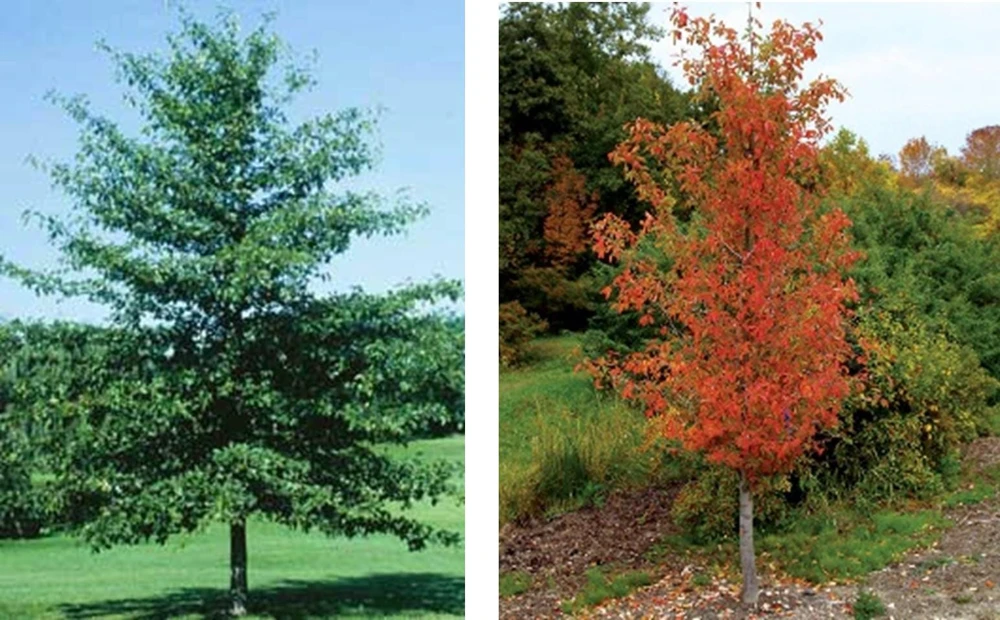
- Attractive Form: The tree develops a beautiful pyramidal to oval shape with horizontal branches, creating an elegant silhouette that provides architectural interest in the landscape, even in winter. Its mature bark is also quite striking, adding textural appeal.
- Native Species: As a native tree to North America, planting the black tupelo tree supports local ecosystems and contributes to the ecological health of your region, requiring less intervention than non-native species.
- Erosion Control: Its strong root system makes it an excellent choice for erosion control, particularly in areas with moist soil or along stream banks, helping to stabilize the ground.
Plant Care & Growing Tips
Caring for your black gum tree live plant is relatively straightforward, especially once it has established its root system. These trees are known for their resilience, but providing the right conditions from the start will ensure vigorous growth and a magnificent display. For optimal growth, ensure these Nyssa sylvatica tree specimens receive adequate sunlight and proper soil conditions.
Sunlight Requirements: The black gum tree live plant thrives in full sun to partial shade. For the most vibrant fall color, a location that receives at least 6 hours of direct sunlight per day is ideal. While it can tolerate some shade, too much shade may reduce the intensity of its autumn leaves. Choose a spot where it can bask in morning sun and potentially get some afternoon shade in hotter climates, though it generally handles full sun well across its hardiness zones.
Watering Schedule and Soil Moisture Preferences: During its first year, consistent moisture is crucial for the establishment of your bare root black gum tree live plant. Water deeply 2-3 times a week, ensuring the soil remains moist but not waterlogged. Once established, the black gum tree is quite adaptable and can tolerate both wet and dry conditions, making it a versatile choice. However, it will perform best in consistently moist, well-draining soil. Avoid prolonged periods of drought, especially during extreme heat, by providing supplemental watering.
Soil Type and Drainage Requirements: The black tupelo tree is not particular about soil type and can grow in clay, loam, or sandy soils. However, it prefers acidic to neutral soils (pH 5.0-7.0) that are rich in organic matter. Good drainage is important, particularly for young plants, though mature trees are quite tolerant of moist or even periodically wet conditions. Amending heavy clay soils with compost can improve drainage and aeration, while sandy soils will benefit from organic matter to retain moisture.
Temperature Range and USDA Hardiness Zone: The black gum tree live plant is hardy in USDA zones 4-9, making it suitable for a wide range of climates across the United States. It is quite tolerant of both cold winters and hot summers within these zones. Protecting young trees from extreme winter winds in colder zones can be beneficial, but mature trees are very robust.
Fertilization Schedule and Type: Generally, the sour gum tree does not require heavy fertilization. If your soil is poor, a balanced, slow-release granular fertilizer applied in early spring can promote healthy growth. Follow the manufacturer’s instructions for application rates. Avoid over-fertilizing, which can harm the tree. A layer of organic mulch around the base of the tree will also provide nutrients as it breaks down.
Common Problems and Solutions: The black gum tree live plant is remarkably resistant to most common pests and diseases, making it a relatively trouble-free choice. Occasional issues might include leaf spot or cankers, but these are rarely severe enough to threaten the tree’s health. Ensure good air circulation and avoid overhead watering to minimize fungal issues. If any problems arise, consult with a local arborist for specific treatment recommendations. Its strong constitution contributes to its reputation as a low-maintenance fall foliage tree.
Size & Details
This offering includes 3 individual black gum tree live plant specimens, each carefully nurtured to be a robust starter plant. Each tree stands approximately 12-24 inches tall upon arrival, providing a substantial foundation for growth in your landscape. These plants are shipped as bare root, which means they are dormant and without soil around their roots, a common and effective method for shipping deciduous trees that minimizes shock and facilitates establishment. This allows for easier planting and quicker adaptation to your garden’s soil conditions.
The Nyssa sylvatica tree is known for its moderate to fast growth rate, typically adding 1-2 feet per year once established. At maturity, a black tupelo tree can reach an impressive height of 30-50 feet with a spread of 20-30 feet, developing a stately pyramidal to oval crown. Its ultimate size makes it an excellent shade tree or a focal point in larger garden designs. Expect to see its vibrant fall foliage tree colors intensify as the tree matures, becoming more pronounced each year. Planting these 3 starter plants allows for a grouped effect or strategic placement across your property to maximize their visual impact and ecological benefits.
Frequently Asked Questions
- Q: How big will the black gum tree live plant get? A: A: The black gum tree live plant can grow to an impressive height of 30-50 feet with a spread of 20-30 feet at maturity. Its growth rate is moderate to fast, typically adding 1-2 feet per year once established.
- Q: Is this an indoor or outdoor plant? A: The Nyssa sylvatica tree is an outdoor plant, ideally suited for landscaping in USDA Zones 4-9. It requires significant space to grow to its mature size and thrives in natural outdoor environments.
- Q: How much sunlight does the black gum tree need? A: For the best growth and most vibrant fall color, the black gum tree live plant prefers full sun, meaning at least 6 hours of direct sunlight per day. It can tolerate partial shade, but the autumn foliage may be less intense.
- Q: Is this plant easy to care for? A: Yes, the black tupelo tree is considered a relatively low-maintenance tree once established. It is resilient, adaptable to various soil conditions, and generally resistant to most pests and diseases, making it a good choice for beginners and experienced gardeners alike.
- Q: What condition will the black gum tree live plant arrive in? A: These sour gum tree starter plants are shipped as bare root specimens. This means they are dormant and shipped without soil around their roots, which is a standard and effective method for shipping deciduous trees to ensure their health during transit and successful establishment.
- Q: When is the best time to plant a black gum tree? A: The best time to plant a bare root black gum tree live plant is in late winter or early spring, before new growth begins. This allows the tree to establish its root system before the stress of summer heat.
- Q: Will this fall foliage tree survive winter in my zone? A: The black gum tree live plant is hardy in USDA Zones 4-9. If you are within these zones, your tree should successfully survive winter conditions. It is well-adapted to both cold winters and hot summers within its hardiness range.
- Q: What type of soil does the black gum tree prefer? A: While adaptable to various soil types, the Nyssa sylvatica tree prefers acidic to neutral soils that are rich in organic matter and well-draining. It can tolerate both wet and dry conditions once established.
- Q: How long until the black gum tree starts showing its fall colors? A: Young black gum tree live plant specimens may show some fall color in their first few years, but the full spectacular display of vibrant reds, oranges, and purples typically becomes more pronounced and intense as the tree matures, usually within 3-5 years.
- Q: What’s the minimum temperature this tree can tolerate? A: As a USDA Zone 4 hardy tree, the black gum tree live plant can tolerate winter temperatures down to approximately -30 to -20 degrees Fahrenheit (-34 to -29 degrees Celsius) once it is mature and established.
Be the first to review “Black Gum Tree Live Plant – 3 Nyssa sylvatica Starter Plants 12-24″ Tall”
Related products


You May Like

Hardneck vs. Softneck Garlic: Which Should You Grow?
Have you ever stood in front of a seed catalog in mid-September, staring at dozens [...]
Oct

When to Plant Music Garlic: Ultimate US Fall Guide
Have you ever spent your fall weekend placing carefully chosen garlic cloves into rich, dark [...]
1 Comment
Oct

5 Best Bulbs for Fall Planting: Brighten Your Garden This Spring
Are you dreaming of a garden full of vibrant colors in the spring? The key [...]
Aug

10 Houseplants That Will Thrive in Your Kitchen
Are you tired of your kitchen feeling dull and lifeless? Want to add a little [...]
1 Comment
Aug
Reviews
There are no reviews yet.