
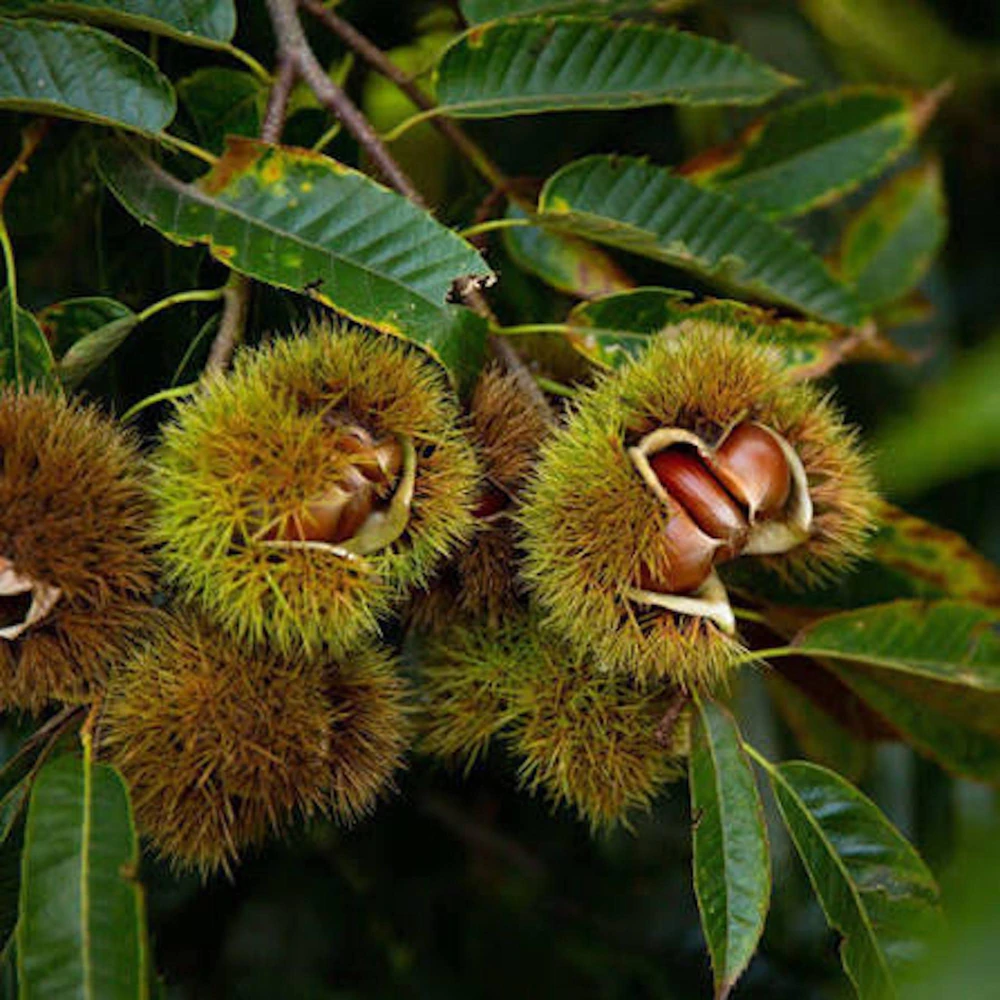
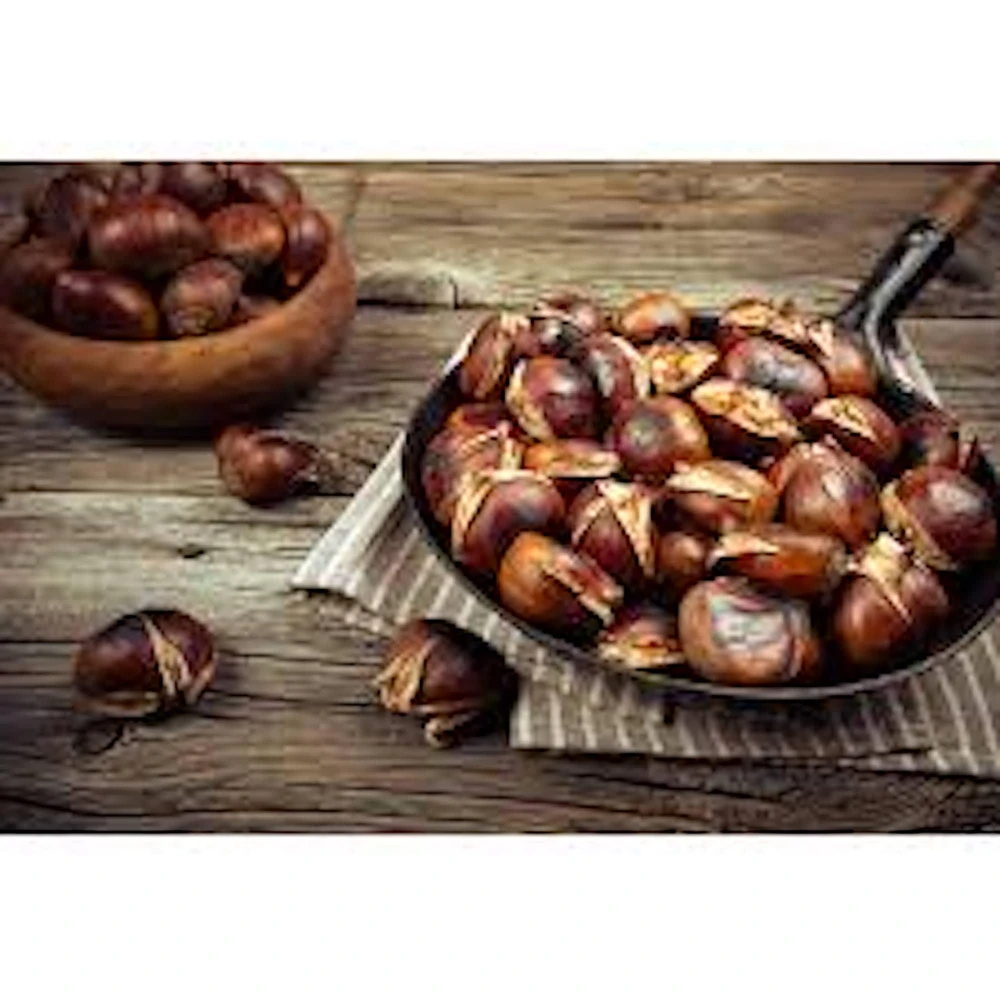
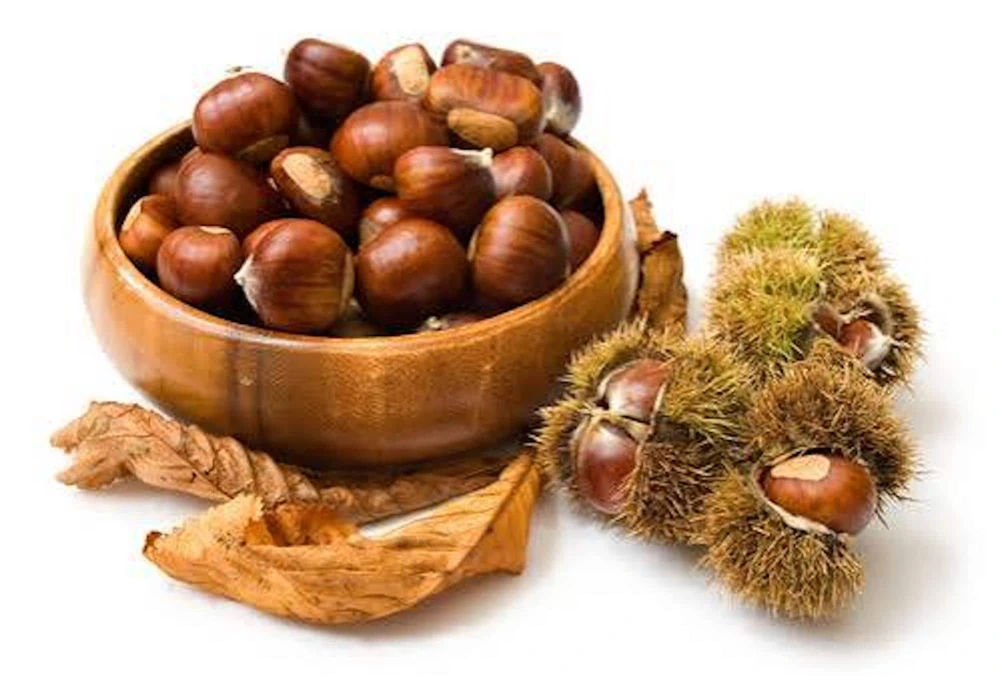
10 Bisalta Chestnut Seeds – Stratified Italian Chestnut Seeds for Planting
Original price was: 67.99 $.42.99 $Current price is: 42.99 $.
Cultivate robust chestnut trees with 10 Bisalta Chestnut Seeds, perfect for orchards or homesteads. These stratified Italian chestnut seeds offer exceptional vigor, cold-climate production, and superior storage life. Grow flavorful, easy-to-peel nuts with excellent disease resistance.
Estimated arrival
Oct 17
Oct 22 - Oct 24
Oct 24 - Oct 29
See our Shipping Policy.
Get in touch with us via email, and our team will review your concerns.
Our Alive & Thrive Guarantee covers issues with your plants within the first 30 days. Read our Refund & Returns Policy.
-
USDA Hardiness Zone
USDA zones 5-8 -
Soil Type
Well-draining, slightly acidic to neutral soil -
Sunlight Exposure
Full sun -
Expected Planting Period
Late winter to early spring
Overview
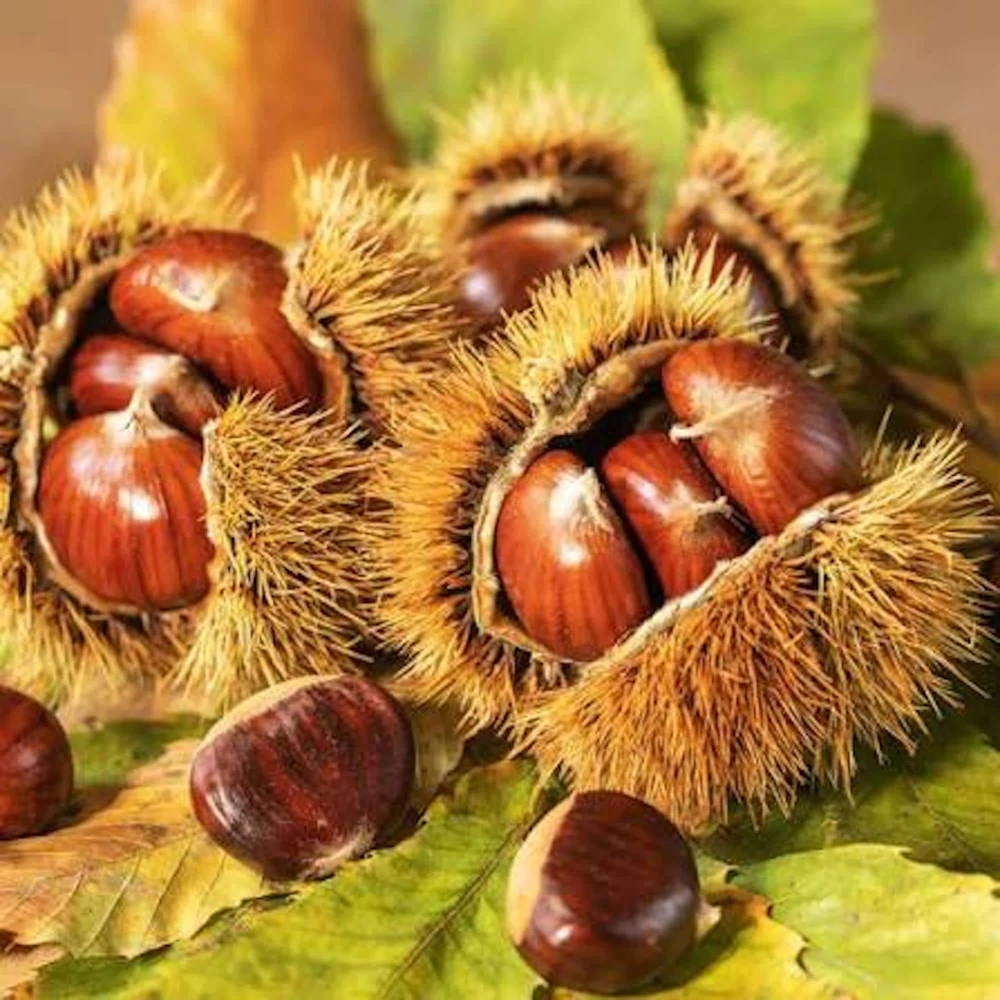
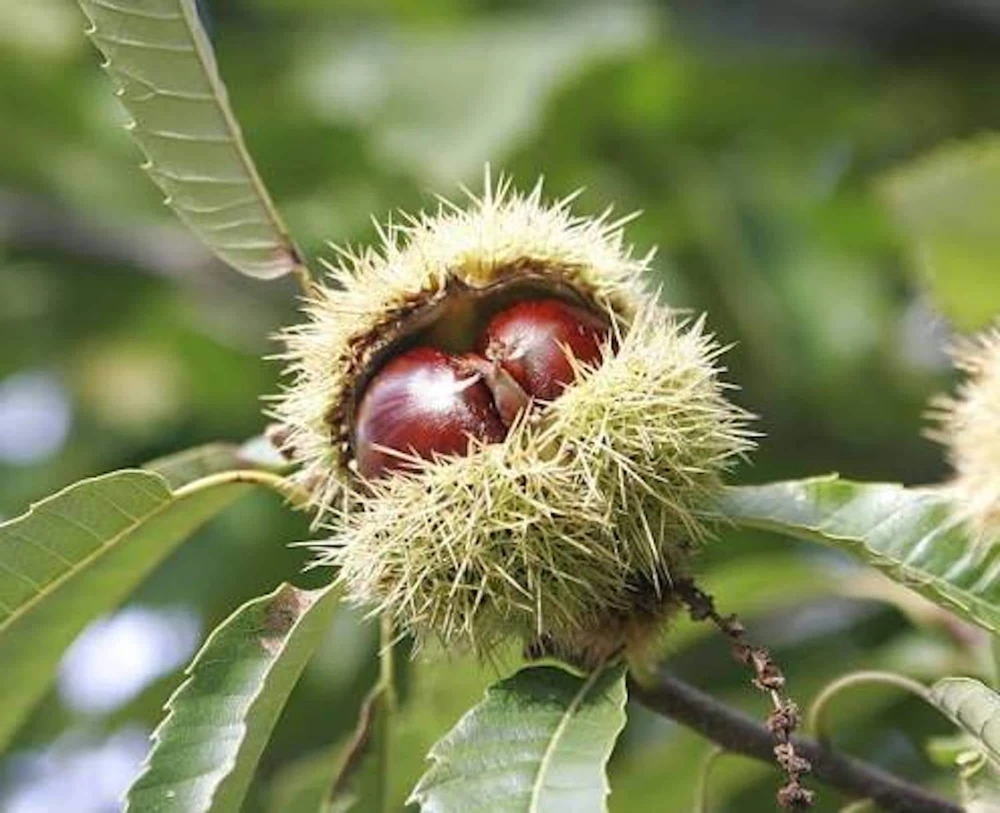
Embark on a rewarding journey of growing your own delicious chestnuts with our premium pack of 10 Bisalta Chestnut Seeds. These stratified Italian chestnut seeds (Castanea sativa x crenata) are renowned for bringing the rich heritage of the Italian countryside directly to your orchard or homestead. Originating from Italy, this highly prized European-Japanese hybrid is celebrated worldwide for its exceptional vigor, phenomenal cold-climate production, and outstanding storage life. If you are looking to grow high-yielding trees that produce large, incredibly flavorful, and easy-to-peel chestnuts, Bisalta is one of the absolute best varieties you can plant. Our stratified chestnut seeds are prepared for optimal germination, ensuring a higher success rate for your planting efforts.
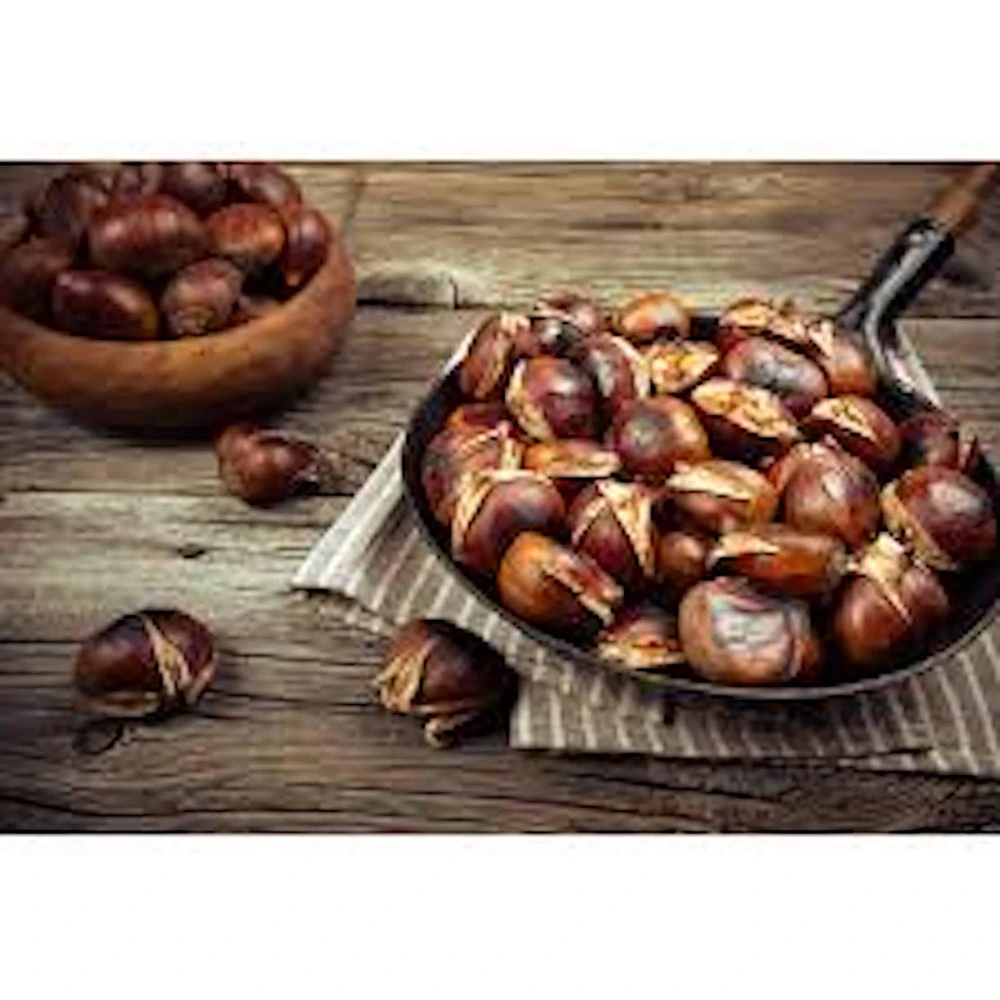
The Bisalta chestnut seeds are a fantastic choice for gardeners and farmers alike who wish to cultivate a resilient and productive chestnut tree. Known for their adaptability and hardiness, these seeds will develop into trees that can withstand cooler climates, making them suitable for a wide range of regions. Experience the satisfaction of harvesting your own gourmet-quality nuts, ideal for roasting, baking, or simply enjoying fresh. These italian chestnut seeds represent a commitment to quality and a passion for sustainable, home-grown produce.
Key Benefits
Choosing to grow chestnut trees from our Bisalta seeds offers a multitude of benefits, from their impressive yields to their delicious nuts. These seeds are an investment in a long-term, productive addition to your landscape.
- Incredible Cool-Climate Yields: The Bisalta variety is a legendary performer in cooler summer climates, often out-producing other commercial varieties like Colossal when grown in northern regions. This means more chestnuts for your effort, even in less-than-ideal warm conditions.
- Superior Storage Life: Highly regarded by growers as one of the best long-keeping, durable storage chestnuts available. You can enjoy your harvest for an extended period, making them perfect for personal consumption or market sales.
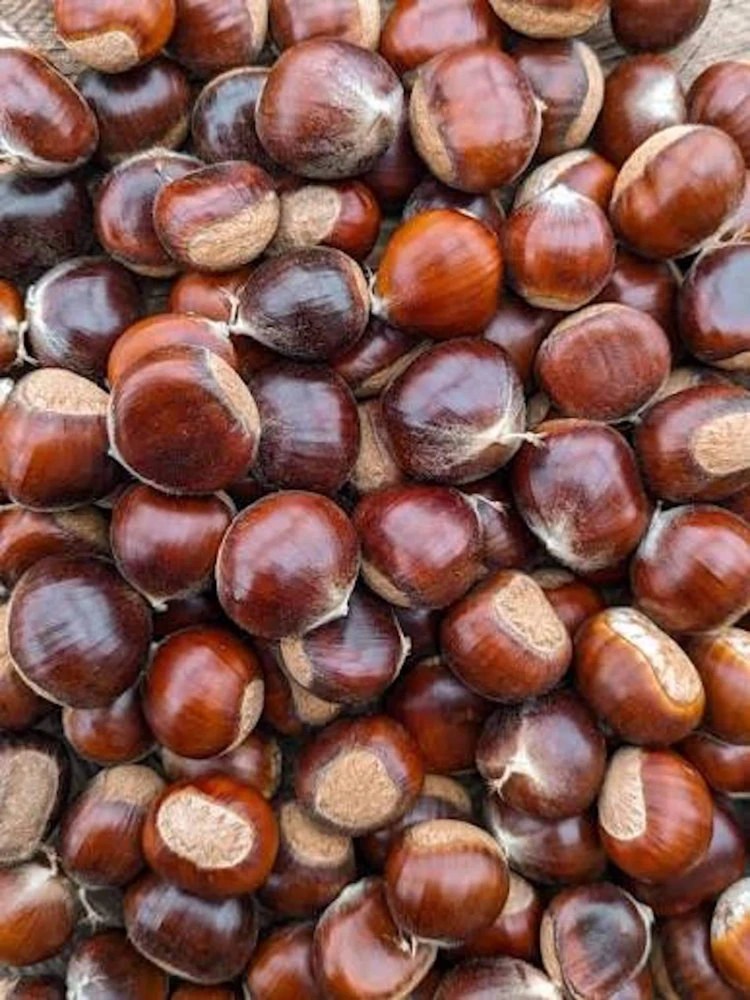
- Premium Gourmet Flavor: Produces medium-to-large, sweet, aromatic nuts that fall completely free of the prickly burr for effortless harvesting. The exceptional taste of these bisalta chestnut seeds grown nuts is a true culinary delight.
- Excellent Disease Resistance: Shows strong natural resistance to phytophthora root rot and robust resilience against chestnut blight, two common scourges of chestnut trees. This inherent hardiness makes them a more reliable and lower-maintenance choice for growers.
- European-Japanese Hybrid Vigor: The hybrid nature of Castanea sativa x crenata combines the best traits of both European and Japanese chestnuts, resulting in a vigorous, adaptable, and productive tree.
- Easy to Peel: The nuts are known for being easy to peel, saving you time and effort in preparation, whether for cooking or snacking.
- Sustainable & Rewarding: Planting these italian chestnut seeds allows you to contribute to biodiversity and enjoy a sustainable food source right from your backyard or farm.
Plant Care & Growing Tips
Successfully germinating and growing bisalta chestnut seeds requires attention to specific conditions. As stratified chestnut seeds, they have already undergone a cold stratification process, which mimics winter conditions and prepares them for germination. Upon arrival, keep the seeds cool and moist until planting. Plant them in late winter or early spring after the last hard frost, approximately 1-2 inches deep in well-draining soil. Ensure they are protected from rodents and other wildlife that may dig them up.
For optimal growth, chestnut trees thrive in full sun, requiring at least 6-8 hours of direct sunlight daily. They prefer slightly acidic to neutral soil (pH 5.5-7.0) that is well-drained and rich in organic matter. Avoid heavy clay soils that retain too much moisture, as this can lead to root rot. Regular watering is crucial, especially during dry periods and the tree’s establishment phase. Keep the soil consistently moist but not waterlogged. Once established, chestnut trees are relatively drought-tolerant but will benefit from supplemental watering during prolonged dry spells. Fertilize annually in spring with a balanced, slow-release fertilizer designed for trees, or use compost to enrich the soil. Pruning should focus on removing dead, damaged, or crossing branches to maintain good air circulation and tree structure. Monitor for pests and diseases, although the Bisalta variety is known for its excellent resistance to common chestnut ailments.
Size & Details
Each package contains 10 Bisalta Chestnut Seeds, carefully selected and stratified to promote successful germination. These are seeds, not live plants, and will require proper care and cultivation to grow into mature trees. Once established, chestnut trees can grow to impressive sizes, typically reaching heights of 30-60 feet with a similar spread, depending on growing conditions and pruning. The growth rate is moderate to fast, with trees often starting to produce nuts within 3-7 years, with full production achieved as they mature. The nuts themselves are medium to large, offering a substantial harvest from each tree. These italian chestnut seeds are ideal for planting in USDA zones 5-8, where they can thrive and produce abundantly. You will receive a packet of viable, ready-to-plant seeds, allowing you to start your chestnut orchard project with confidence.
Frequently Asked Questions
- Q: How big do these chestnut trees get? A: Chestnut trees grown from these seeds can reach impressive heights of 30-60 feet and similar spreads, depending on environmental conditions and care. They are large, majestic trees suitable for spacious properties or orchards.
- Q: Are these Bisalta Chestnut Seeds already stratified? A: Yes, these are stratified chestnut seeds, meaning they have undergone a cold treatment process to break dormancy and prepare them for germination. This significantly increases your success rate.
- Q: How much sunlight do Bisalta chestnut trees need? A: For optimal growth and nut production, chestnut trees require full sun, meaning at least 6-8 hours of direct sunlight per day. Plant them in an area that receives ample sunlight.
- Q: When is the best time to plant these Italian chestnut seeds? A: The best time to plant these italian chestnut seeds is in late winter or early spring, after the danger of the last hard frost has passed. This allows them to establish before the heat of summer.
- Q: Are these chestnut trees disease resistant? A: Yes, the Bisalta variety is well-regarded for its excellent natural resistance to common diseases like phytophthora root rot and chestnut blight, making them a robust choice for growers.
- Q: How long until the trees start producing nuts? A: With proper care, chestnut trees grown from these seeds can begin producing nuts within 3-7 years, with production increasing significantly as the trees mature.
- Q: What kind of soil is best for growing chestnut trees? A: Chestnut trees prefer well-draining, slightly acidic to neutral soil (pH 5.5-7.0) that is rich in organic matter. Avoid heavy, waterlogged clay soils.
- Q: Can I grow chestnut trees in colder climates? A: The Bisalta variety is known for its incredible cool-climate yields and hardiness, making it suitable for USDA zones 5-8. It performs exceptionally well in northern regions.
- Q: What is the benefit of a European-Japanese hybrid? A: The hybrid nature of Castanea sativa x crenata combines the best characteristics of both parent species, resulting in a tree with superior vigor, disease resistance, and adaptability.
- Q: Do I need more than one tree for pollination? A: While some chestnut varieties can be self-fertile, planting at least two genetically different chestnut trees is generally recommended to ensure good cross-pollination and a more abundant nut harvest.
Be the first to review “10 Bisalta Chestnut Seeds – Stratified Italian Chestnut Seeds for Planting”
Related products




Tree Seeds
Canino Olive Tree Seeds – 10 Pack Olea Europaea Canino for Edible Olives, Full Sun, Zones 9-11


You May Like

Hardneck vs. Softneck Garlic: Which Should You Grow?
Have you ever stood in front of a seed catalog in mid-September, staring at dozens [...]
Oct

When to Plant Music Garlic: Ultimate US Fall Guide
Have you ever spent your fall weekend placing carefully chosen garlic cloves into rich, dark [...]
1 Comment
Oct

5 Best Bulbs for Fall Planting: Brighten Your Garden This Spring
Are you dreaming of a garden full of vibrant colors in the spring? The key [...]
Aug

10 Houseplants That Will Thrive in Your Kitchen
Are you tired of your kitchen feeling dull and lifeless? Want to add a little [...]
1 Comment
Aug
Reviews
There are no reviews yet.