
Purple Rose of Sharon Hibiscus syriacus Live Plant – 12-24″ Tall Starter Plant
Original price was: 77.99 $.52.99 $Current price is: 52.99 $.
Bring vibrant color to your landscape with a purple Rose of Sharon live plant. This beautiful Hibiscus syriacus care is straightforward, making it an excellent choice for any gardener. Enjoy spectacular purple blooms from summer through fall with this hardy shrub.
Estimated arrival
Oct 16
Oct 21 - Oct 23
Oct 23 - Oct 28
See our Shipping Policy.
Get in touch with us via email, and our team will review your concerns.
Our Alive & Thrive Guarantee covers issues with your plants within the first 30 days. Read our Refund & Returns Policy.
-
USDA Hardiness Zone
USDA Zones 5-9 -
Soil Type
Moist, well-draining soil -
Sunlight Exposure
Full sun to partial shade -
Expected Planting Period
Spring to early summer
Overview
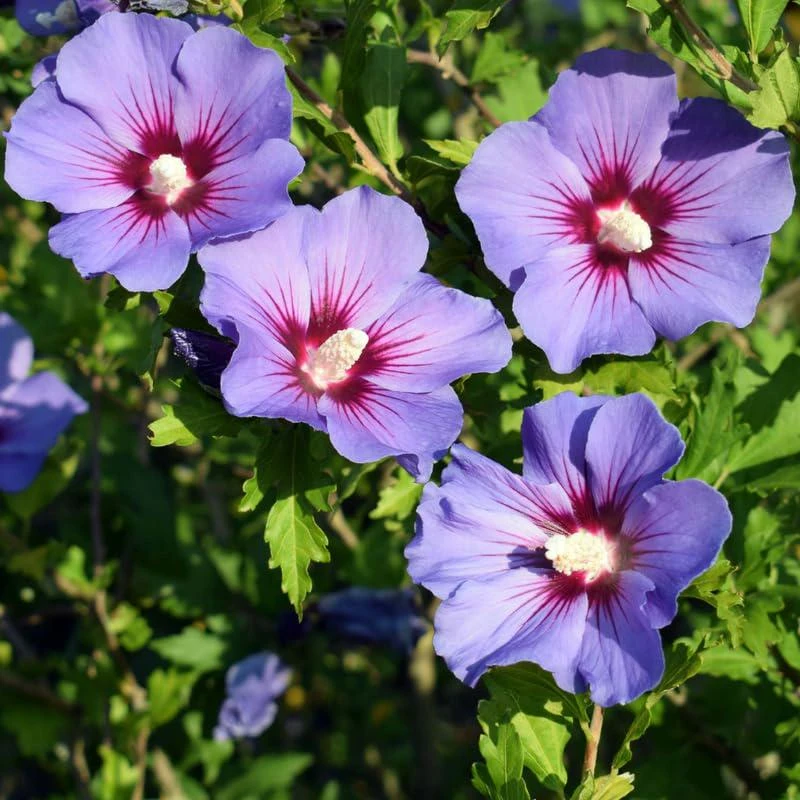
Introduce a touch of elegant charm and vibrant color to your garden with our purple Rose of Sharon live plant. This stunning shrub, scientifically known as Hibiscus syriacus, is a deciduous beauty renowned for its spectacular, large flowers that burst into bloom from summer through autumn. Often referred to as Althea, this hardy plant is a favorite among gardeners for its resilience and long-lasting floral display. Our starter plant, measuring 12-24 inches tall, provides a robust foundation for a thriving shrub that will bring joy to your outdoor space for years to come. The purple Rose of Sharon live plant is a versatile addition, perfect for creating colorful hedges, eye-catching specimen plants, or as a vibrant backdrop in mixed borders.
The Hibiscus syriacus is a low-maintenance, easy-to-grow plant that adapts well to various garden conditions, making it an ideal choice for both novice and experienced gardeners. Its striking purple flowers create a dramatic visual impact, attracting pollinators like butterflies and hummingbirds to your garden. This plant is shipped as a bare root starter plug, ensuring it establishes quickly in its new environment. With proper care, your purple Rose of Sharon live plant will develop into a magnificent shrub, offering continuous blooms and a lush, green presence throughout the growing season.
Key Benefits
The purple Rose of Sharon live plant offers a multitude of benefits, making it a highly desirable addition to any landscape. Its robust nature and stunning floral display contribute significantly to garden aesthetics and ecological health.
- Spectacular Summer to Fall Blooms: Enjoy a prolonged season of large, beautiful purple flowers that add continuous color and interest to your garden when many other plants have finished blooming.
- Attracts Pollinators: The vibrant flowers are a magnet for butterflies, hummingbirds, and bees, contributing to the biodiversity and health of your garden ecosystem.
- Low Maintenance & Easy Care: This hardy shrub requires minimal effort to thrive once established, making Hibiscus syriacus care simple and rewarding for gardeners of all skill levels.
- Versatile Landscaping: Can be used as a beautiful specimen plant, a colorful hedge, or incorporated into mixed borders, adding vertical interest and vibrant hues.
- Drought Tolerant: Once established, the purple Rose of Sharon live plant shows good tolerance to drier conditions, reducing the need for frequent watering.
- Hardy & Resilient: Known for its ability to withstand various weather conditions, including colder temperatures, making it a reliable choice for many USDA zones.
- Fast Growing: This shrub grows relatively quickly, allowing you to enjoy its full beauty and benefits in a shorter amount of time.
Plant Care & Growing Tips
Proper Hibiscus syriacus care ensures a healthy, floriferous plant that will grace your garden for many years. This hardy shrub is forgiving but thrives best with specific conditions. Plant your purple Rose of Sharon live plant in a location that receives full sun to partial shade. Full sun (at least 6 hours of direct sunlight per day) will encourage the most abundant flowering. While it tolerates some shade, too much will result in fewer blooms. Ensure the soil is moist and well-drained. Heavy clay soils should be amended with organic matter to improve drainage. The plant prefers a slightly acidic to neutral pH (6.0-7.0).
Water regularly, especially during dry spells and in its first year of establishment. Aim for consistently moist, but not waterlogged, soil. Once established, it becomes more drought-tolerant. Fertilize in early spring with a balanced, slow-release granular fertilizer formulated for flowering shrubs. Avoid excessive nitrogen, which can promote foliage growth at the expense of flowers. Pruning is best done in late winter or early spring before new growth begins. You can prune to maintain shape, control size, or remove dead or crossing branches. To encourage larger blooms, you can prune back the previous year’s growth by about one-third. This also helps with growing Rose of Sharon as a more compact plant.
The hardy hibiscus plant is generally pest and disease resistant. Occasionally, aphids or Japanese beetles may appear, but these can usually be managed with organic insecticidal soaps or by hand-picking. It is crucial to monitor for signs of stress, such as yellowing leaves or wilting, which often indicate improper watering or nutrient deficiencies. Understanding the specific needs for Althea shrub cultivation will ensure a vibrant and healthy display year after year.
Size & Details
This offering is for one purple Rose of Sharon live plant, measuring approximately 12-24 inches in height. It is shipped as a starter plug, providing a healthy root system ready for planting. These plants are deciduous, meaning they will lose their leaves in the fall and regrow them in the spring. The mature size of the hardy hibiscus plant typically ranges from 8 to 12 feet tall and 6 to 10 feet wide, forming an upright, vase-shaped shrub. Its growth rate is moderate, allowing it to establish quickly and begin producing its stunning blooms within a few seasons.
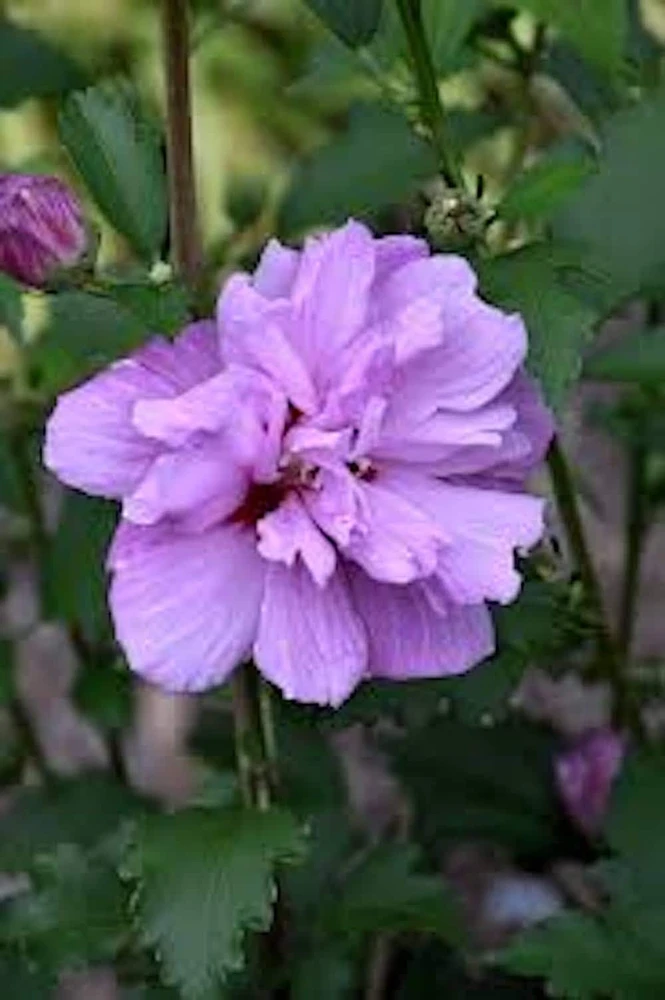
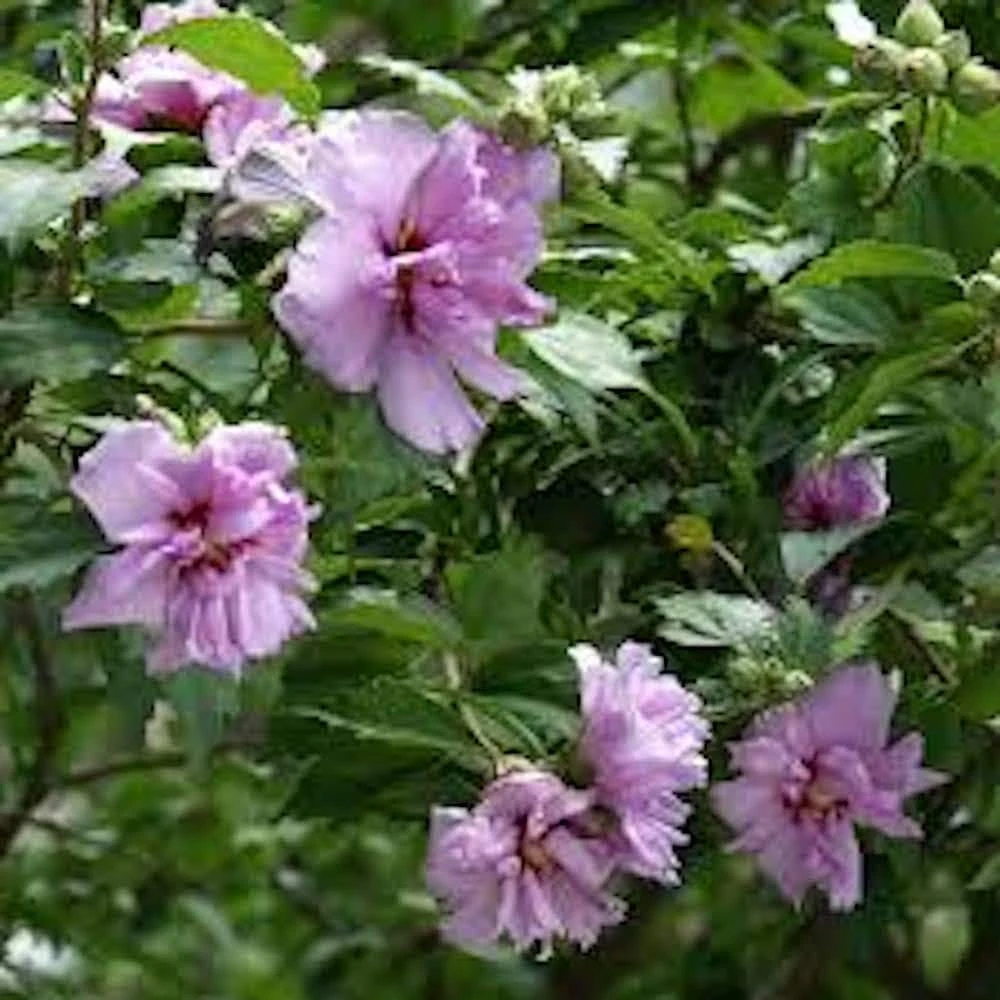
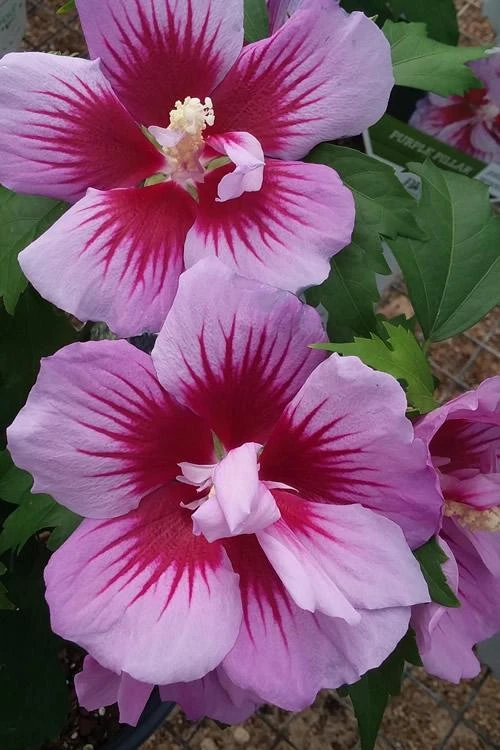
The plant is known for its prolific flowering from mid-summer through autumn, with individual blooms lasting for several days. Each flower is a beautiful shade of purple, often with a darker throat, adding depth and contrast to the garden. This Althea shrub is an excellent long-term investment for your landscape, offering consistent beauty and minimal fuss once established. It is ready to be planted directly into your garden or a larger container upon arrival, providing a strong start for its future growth.
Frequently Asked Questions
- Q: How big does this plant get? A: The purple Rose of Sharon live plant typically grows to a mature height of 8-12 feet and a width of 6-10 feet. Its size can be managed with annual pruning.
- Q: Is this an indoor or outdoor plant? A: The Rose of Sharon (Hibiscus syriacus) is primarily an outdoor shrub. It thrives in garden beds, as hedges, or in large outdoor containers.
- Q: How much sunlight does it need? A: For optimal flowering, this plant requires full sun (at least 6 hours of direct sunlight daily). It can tolerate partial shade, but blooms may be less abundant.
- Q: Is this plant easy to care for? A: Yes, Hibiscus syriacus care is considered easy. It’s a hardy and resilient shrub, making it suitable for gardeners of all experience levels, especially when you understand growing Rose of Sharon.
- Q: What condition will it arrive in? A: Your purple Rose of Sharon live plant will arrive as a 12-24 inch tall starter plug, typically bare root, ready for immediate planting.
- Q: How long until it blooms? A: With proper care, your plant may produce some blooms in its first year, but a more significant display can be expected in the second or third growing season.
- Q: What’s the best time to plant? A: Spring is generally the best time to plant, after the last frost, to allow the plant ample time to establish before winter.
- Q: Will it survive winter in my zone? A: The hardy hibiscus plant is typically hardy in USDA Zones 5-9. It is deciduous and will lose its leaves in colder climates, returning in spring.
- Q: What kind of soil does it prefer? A: It prefers moist, well-drained soil. Amending heavy clay soils with organic matter will improve drainage and overall plant health for this Althea shrub.
- Q: Is pruning necessary? A: Pruning is not strictly necessary for health but can help maintain shape, control size, and encourage larger blooms. It’s best done in late winter or early spring.
Be the first to review “Purple Rose of Sharon Hibiscus syriacus Live Plant – 12-24″ Tall Starter Plant”
Related products


You May Like

Hardneck vs. Softneck Garlic: Which Should You Grow?
Have you ever stood in front of a seed catalog in mid-September, staring at dozens [...]
Oct

When to Plant Music Garlic: Ultimate US Fall Guide
Have you ever spent your fall weekend placing carefully chosen garlic cloves into rich, dark [...]
1 Comment
Oct

5 Best Bulbs for Fall Planting: Brighten Your Garden This Spring
Are you dreaming of a garden full of vibrant colors in the spring? The key [...]
Aug

10 Houseplants That Will Thrive in Your Kitchen
Are you tired of your kitchen feeling dull and lifeless? Want to add a little [...]
1 Comment
Aug
Reviews
There are no reviews yet.