
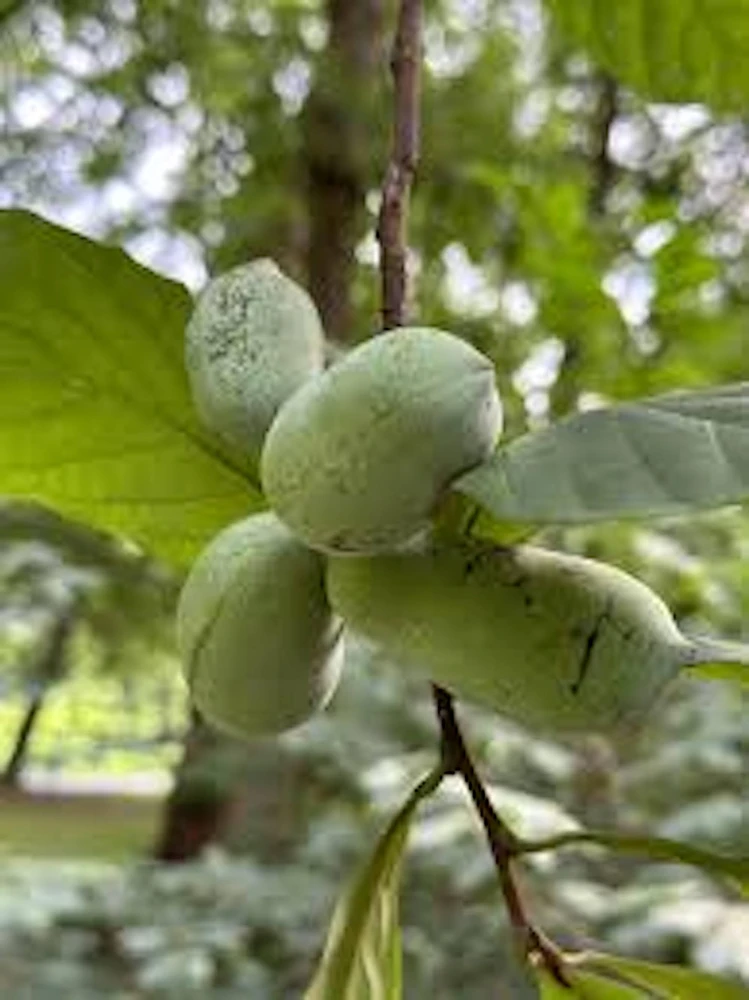
Pawpaw Tree Live Plant – Asimina triloba Native Fruit Tree – Quart Pot, 12-24in Tall
Original price was: 103.99 $.78.99 $Current price is: 78.99 $.
Bring the unique flavor of North America to your garden with this pawpaw tree live plant. The Asimina triloba is a native fruit tree prized for its sweet, custard-like fruit and vibrant foliage. Easy to grow and hardy in various climates, it’s a perfect addition for gardeners seeking an unusual yet delicious fruit-bearing specimen.
Estimated arrival
Oct 17
Oct 22 - Oct 24
Oct 24 - Oct 29
See our Shipping Policy.
Get in touch with us via email, and our team will review your concerns.
Our Alive & Thrive Guarantee covers issues with your plants within the first 30 days. Read our Refund & Returns Policy.
-
USDA Hardiness Zone
USDA zones 5-8 -
Soil Type
Well-drained, slightly acidic soil -
Sunlight Exposure
Full sun to partial shade -
Expected Planting Period
Early spring to early summer
Overview
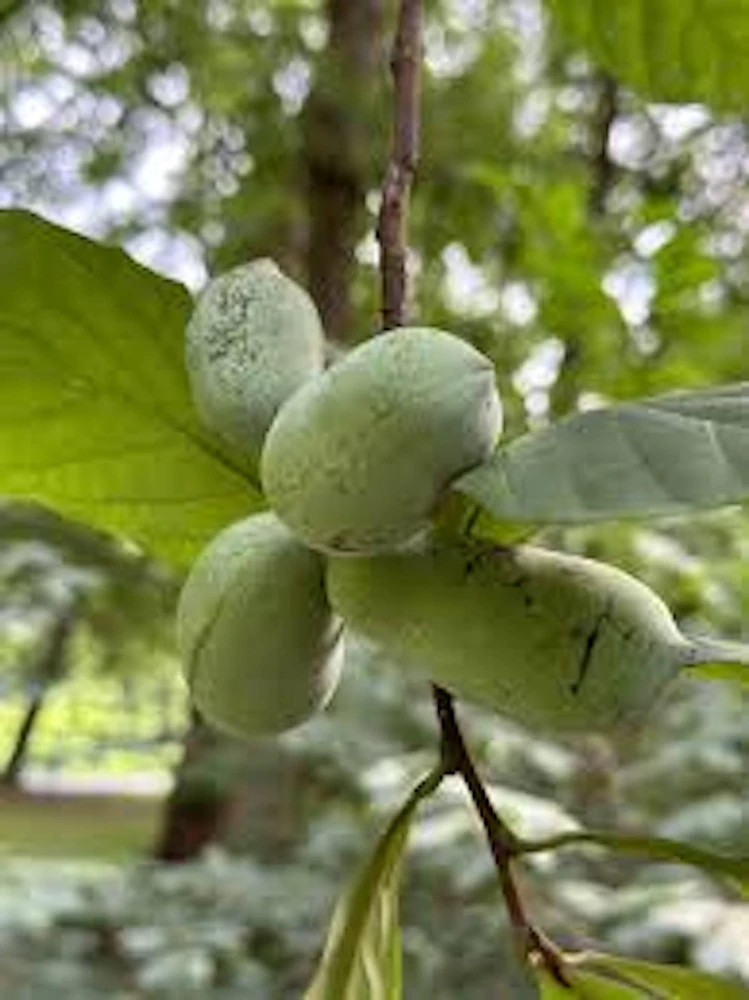
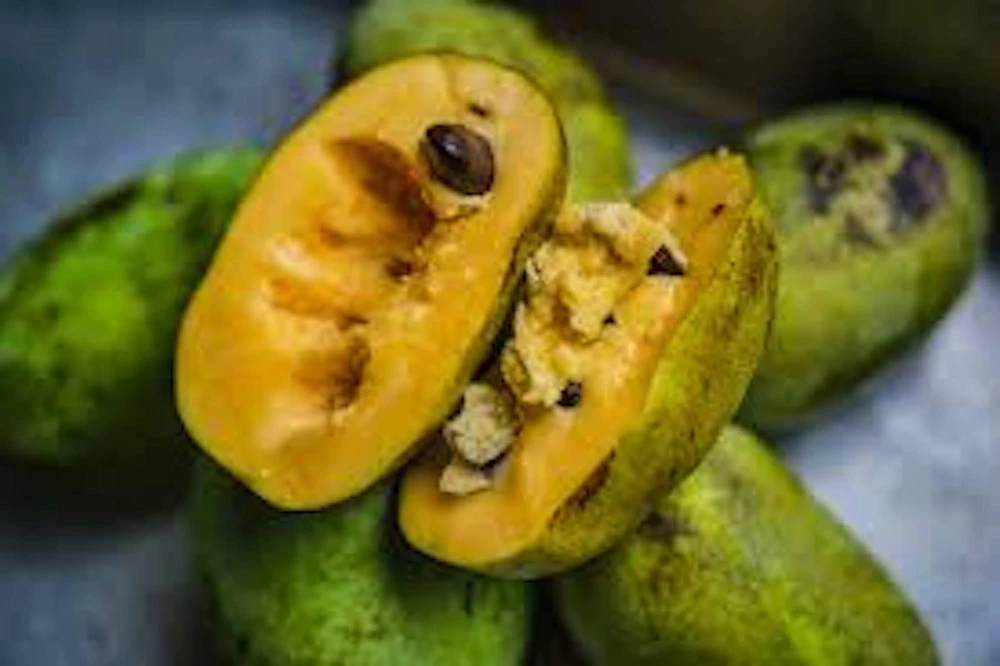
Discover the delightful taste of North America with the pawpaw tree live plant, scientifically known as Asimina triloba. This remarkable native fruit tree is celebrated for its large, tropical-like fruit, which boasts a sweet, creamy, custard-like flavor often compared to a blend of banana, mango, and pineapple. A true botanical treasure, the pawpaw tree offers not only unique culinary rewards but also vibrant foliage that enhances any landscape. Ideal for gardeners looking to grow pawpaw tree specimens, it brings an exotic flair with the resilience of a native species. Its unusual yet delicious fruit makes it a standout choice for those seeking to diversify their home orchard with a low-maintenance, high-reward plant.
The pawpaw tree is a fascinating addition to any garden, providing both aesthetic beauty and a bountiful harvest. It’s a fantastic conversation starter and a testament to the rich biodiversity of North America. When you grow pawpaw tree, you’re cultivating a piece of ecological heritage.
Key Benefits
Cultivating an asimina triloba fruit tree offers a multitude of benefits, from its unique produce to its environmental contributions. This plant is not just a fruit producer; it’s a vibrant, hardy specimen that enriches any garden setting.
- Unique Fruit Production: Enjoy the distinct, sweet, custard-like flavor of pawpaw fruits, a truly unique taste experience not found in common grocery stores. This native fruit tree provides a delicious and nutritious harvest.
- Low Maintenance & Hardy: Once established, the pawpaw tree requires minimal care, making it an excellent choice for both novice and experienced gardeners. It’s known for its robust nature and adaptability.
- Native & Environmentally Friendly: As a native North American species, it supports local ecosystems, provides food for wildlife, and contributes to biodiversity, making it an eco-conscious choice for your landscape.
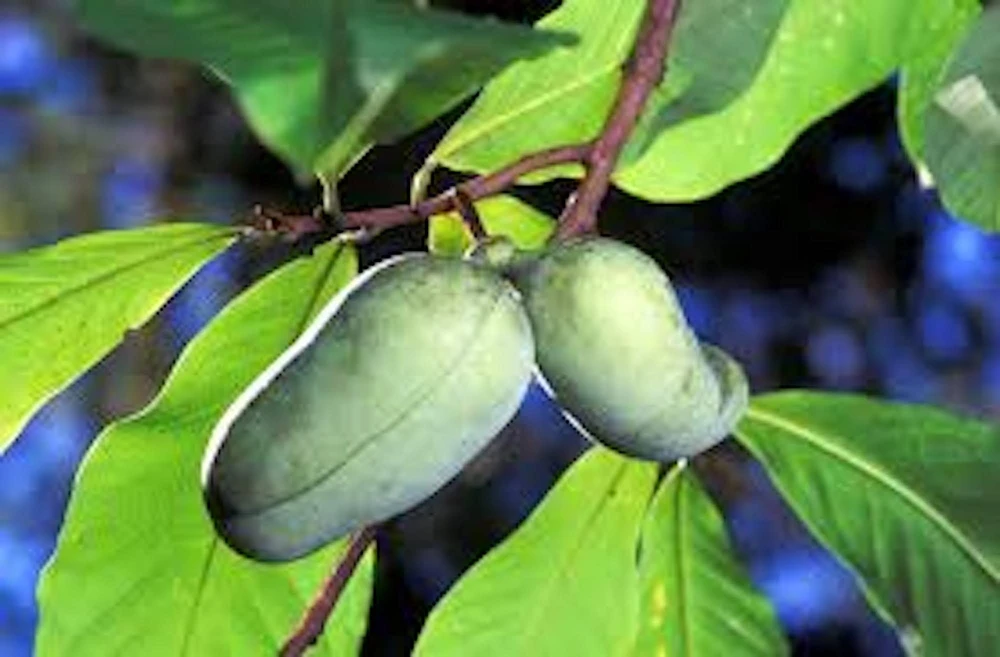
- Attractive Foliage: Beyond its fruit, the pawpaw tree boasts beautiful, large leaves that provide excellent shade and vibrant autumn color, adding aesthetic appeal to your garden.
- Nutritional Value: Pawpaw fruits are packed with vitamins, minerals, and antioxidants, offering a healthy and delicious addition to your diet.
- Pest and Disease Resistant: Generally, the pawpaw tree live plant is less susceptible to common pests and diseases compared to many other fruit trees, reducing the need for chemical interventions.
- Adaptable to Various Climates: Hardy in USDA zones 5-8, this tree can thrive in a wide range of temperate climates, making it accessible to many gardeners across the US.
Plant Care & Growing Tips
Proper pawpaw tree care is essential for a healthy and productive plant. While relatively low-maintenance, understanding its specific needs will ensure your asimina triloba fruit tree flourishes. Pawpaws prefer a location with full sun to partial shade. In hotter climates, some afternoon shade can be beneficial to protect the young trees from scorching. Aim for at least 6 hours of direct sunlight for optimal fruit production once established. Young trees, especially those recently planted, benefit from some shade during their first year or two.
The pawpaw tree thrives in well-drained, slightly acidic soil with a pH between 5.5 and 7.0. Amend heavy clay soils with organic matter like compost to improve drainage and aeration. Consistent moisture is crucial, particularly during the establishment phase and when the tree is fruiting. Water deeply and regularly, especially during dry spells, but avoid waterlogging, as this can lead to root rot. Mulching around the base of the tree with wood chips or shredded leaves can help retain soil moisture, regulate soil temperature, and suppress weeds, further simplifying your pawpaw tree care routine.
Fertilize your pawpaw tree in early spring with a balanced, slow-release fertilizer formulated for fruit trees. Follow the product instructions for application rates. Pruning is generally minimal, focusing on removing dead, damaged, or crossing branches to maintain good air circulation and shape. The pawpaw tree is remarkably resilient, but keeping an eye out for common garden pests and diseases will help ensure its health. If you are looking to grow pawpaw tree successfully, remember that patience is key as it can take a few years for the tree to begin fruiting.
Size & Details
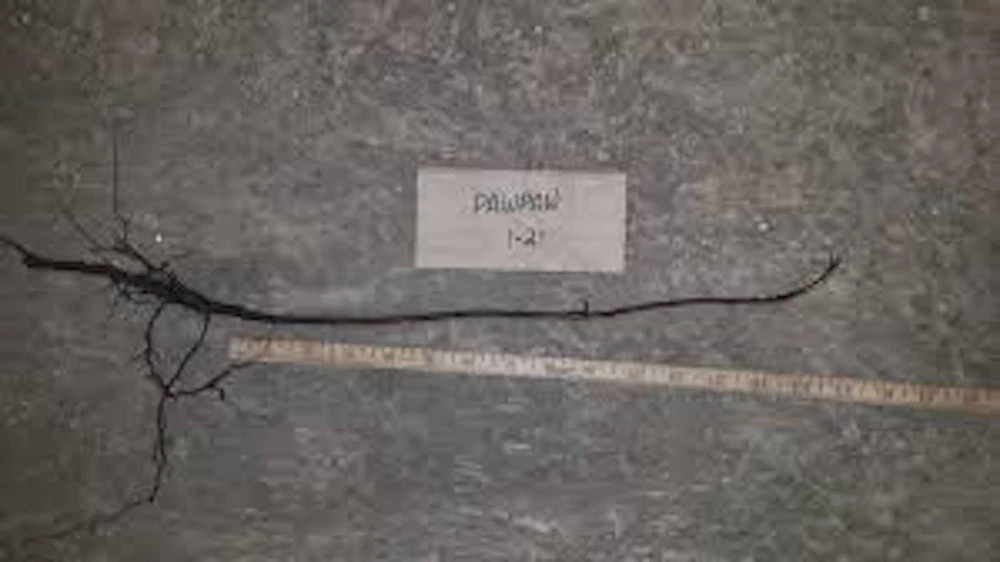
This offering includes one pawpaw tree live plant, typically shipped in a quart-sized pot, with a height ranging between 12-24 inches. These trees are carefully nurtured to ensure a healthy start in your garden. As a bare root plant, it is prepared for optimal transplanting success, allowing for quick establishment in its new home. The Asimina triloba is a moderate-growing tree, eventually reaching heights of 15-20 feet with a spread of 10-15 feet, forming a pyramidal shape when mature. Expect your asimina triloba fruit tree to begin fruiting within 3-5 years after planting, with peak production occurring after 7-10 years. This robust native fruit tree is a long-term investment, providing decades of delicious harvests.
Frequently Asked Questions
- Q: How big will the pawpaw tree get? A: The pawpaw tree live plant typically grows to a mature height of 15-20 feet with a spread of 10-15 feet, forming an attractive pyramidal shape. Its size makes it suitable for many home gardens and orchards.
- Q: Is this an indoor or outdoor plant? A: The pawpaw tree is an outdoor plant, a hardy native fruit tree that thrives in temperate climates. It requires outdoor conditions to grow and produce fruit.
- Q: How much sunlight does it need? A: For best fruit production, the asimina triloba fruit tree prefers full sun (at least 6 hours of direct sunlight) once established. Young trees can benefit from some partial shade during their first couple of years.
- Q: Is this plant easy to care for? A: Yes, pawpaw tree care is considered relatively easy once the tree is established. It requires consistent watering, well-drained soil, and minimal pruning, making it a good choice for gardeners of varying experience levels.
- Q: What condition will it arrive in? A: Your pawpaw tree live plant will arrive as a bare root specimen, carefully prepared for transplanting. This method ensures the plant is ready to establish quickly in your garden.
- Q: How long until it blooms and produces fruit? A: Pawpaw trees typically begin to bloom and produce fruit 3-5 years after planting. Full production can be expected after 7-10 years, offering a rewarding long-term harvest.
- Q: Will it survive winter in my zone? A: The pawpaw tree is hardy in USDA zones 5-8, meaning it can tolerate winter temperatures within these zones. It is well-adapted to temperate climates, making it an excellent native fruit tree for many regions.
- Q: What is the best time to plant a pawpaw tree? A: The best time to plant a pawpaw tree is in early spring, after the last frost, or in early fall. This allows the plant to establish its root system before extreme temperatures.
- Q: Do I need more than one pawpaw tree to get fruit? A: Most pawpaw varieties require cross-pollination from a different genetic pawpaw tree to produce fruit. Planting at least two genetically distinct pawpaw trees is highly recommended to ensure a good harvest.
- Q: What kind of soil does the pawpaw tree prefer? A: The asimina triloba fruit tree thrives in well-drained, slightly acidic soil (pH 5.5-7.0) rich in organic matter. Good drainage is crucial for healthy root development.
Be the first to review “Pawpaw Tree Live Plant – Asimina triloba Native Fruit Tree – Quart Pot, 12-24in Tall”
Related products


Trees
Guava Tree Live Plant Pink Tropical Fruit 4-10in Tall Well Rooted for Gardening USDA Zones 9-11

You May Like

Hardneck vs. Softneck Garlic: Which Should You Grow?
Have you ever stood in front of a seed catalog in mid-September, staring at dozens [...]
Oct

When to Plant Music Garlic: Ultimate US Fall Guide
Have you ever spent your fall weekend placing carefully chosen garlic cloves into rich, dark [...]
1 Comment
Oct

5 Best Bulbs for Fall Planting: Brighten Your Garden This Spring
Are you dreaming of a garden full of vibrant colors in the spring? The key [...]
Aug

10 Houseplants That Will Thrive in Your Kitchen
Are you tired of your kitchen feeling dull and lifeless? Want to add a little [...]
1 Comment
Aug
Reviews
There are no reviews yet.