
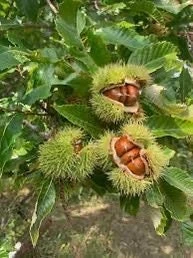
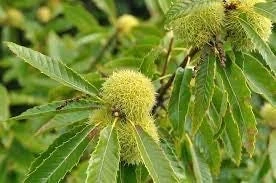
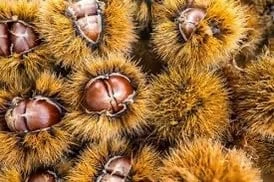
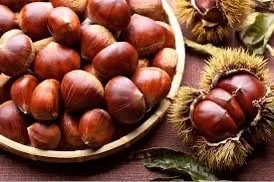
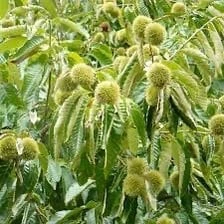
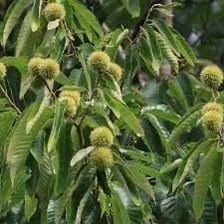
10 Dunstan Chestnut Tree Seeds – Blight Resistant American Hybrid for Planting
Original price was: 67.99 $.42.99 $Current price is: 42.99 $.
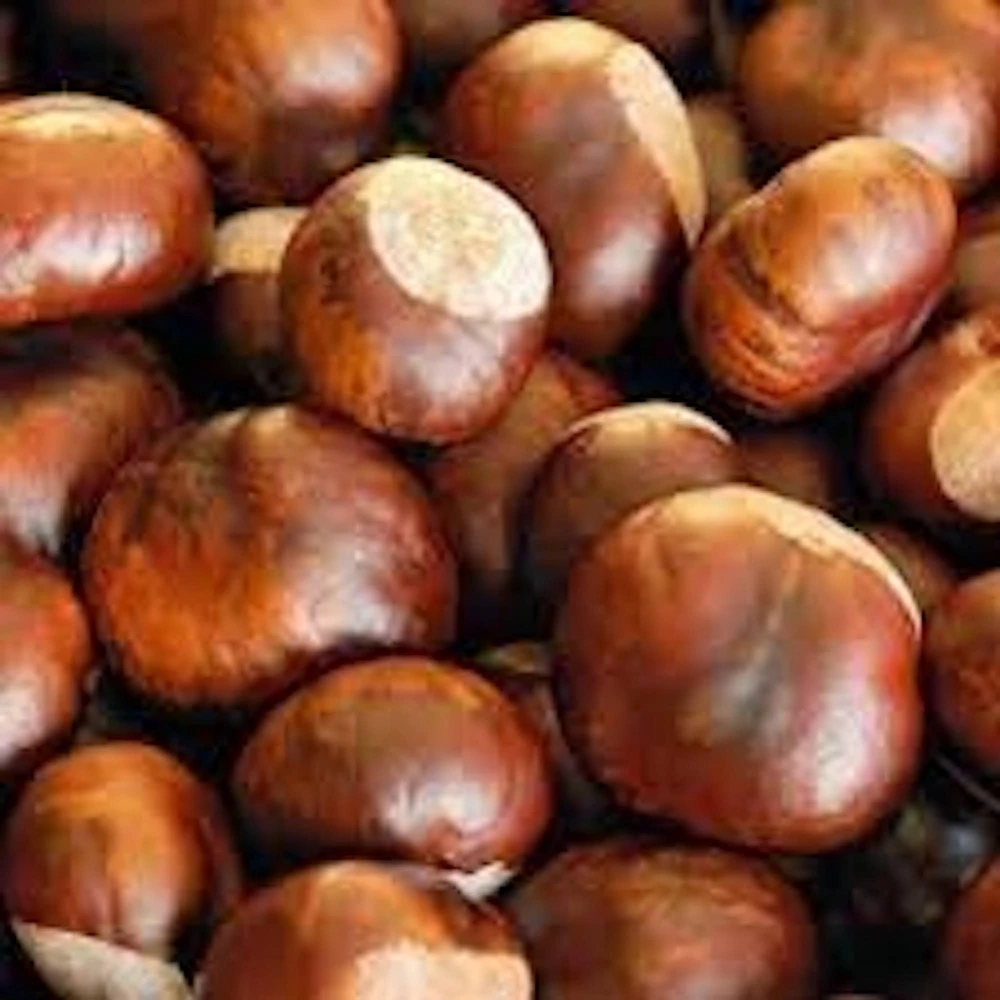
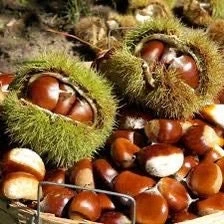
Cultivate robust and productive chestnut trees with these 10 Dunstan chestnut tree seeds. This blight resistant chestnut American hybrid strain is celebrated for its vigorous growth and delicious, large nuts, making it ideal for orchards or wildlife food plots.
Estimated arrival
Oct 17
Oct 22 - Oct 24
Oct 24 - Oct 29
See our Shipping Policy.
Get in touch with us via email, and our team will review your concerns.
Our Alive & Thrive Guarantee covers issues with your plants within the first 30 days. Read our Refund & Returns Policy.
-
USDA Hardiness Zone
USDA zones 5-9 -
Soil Type
Well-draining, slightly acidic to neutral soil -
Sunlight Exposure
Full sun -
Expected Planting Period
Late winter to early spring
Overview
Embark on a rewarding journey of growing your own nut trees with our premium Dunstan chestnut tree seeds. This offering includes 10 high-quality seeds from the renowned American hybrid ‘Dunstan’ strain, specifically developed to be a blight resistant chestnut. These exceptional chestnuts are not only celebrated for their ability to thrive where other American chestnuts succumb to blight but also for their robust growth and generous yields of large, sweet nuts. Perfect for establishing a new orchard, enhancing wildlife habitats, or simply enjoying the satisfaction of cultivating your own food source, these seeds provide the foundation for strong, long-lasting trees. The ‘Dunstan’ variety is a proven choice, known for its consistent performance and the beautiful trees it produces year after year.
These viable seeds are carefully prepared and stored to ensure optimal germination. Each seed carries the genetic resilience to grow into a productive tree, offering a sustainable and delicious food source for both humans and wildlife. Whether you are an experienced grower or new to planting trees, these chestnut seeds for planting are an excellent choice for anyone looking to add a valuable and resilient nut tree to their landscape.
Key Benefits
Our Dunstan chestnut tree seeds offer numerous advantages for growers and nature enthusiasts alike. These benefits extend from their inherent genetic strengths to the ecological contributions they make:
- Blight Resistance: The primary benefit of these seeds is their strong resistance to chestnut blight, a devastating disease that wiped out most native American chestnut populations. This ensures a higher success rate and longevity for your trees.
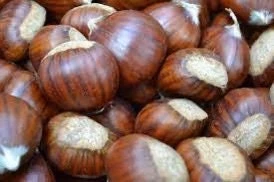
- High Yield & Quality Nuts: Dunstan chestnuts are known for producing abundant crops of large, sweet, and easily peeled nuts, making them excellent for culinary use and highly attractive to wildlife.
- Rapid Growth: These American hybrid chestnuts typically grow faster than pure American chestnuts, establishing strong root systems and reaching maturity sooner, allowing for quicker nut production.
- Wildlife Attractor: The nuts are a favorite food source for deer, turkeys, squirrels, and other wildlife, making these trees an excellent addition to food plots and conservation efforts.
- Ecological Restoration: By planting these blight-resistant varieties, you contribute to the re-establishment of a valuable native tree species, enhancing biodiversity and ecosystem health.
- Sustainable Food Source: Growing your own chestnut trees provides a sustainable and renewable source of nutritious nuts for years to come.
- Proven Strain: The ‘Dunstan’ strain has been rigorously tested and proven over many years to consistently produce healthy, productive trees, offering reliability and peace of mind to growers interested in growing chestnut trees.
Plant Care & Growing Tips
Successful cultivation of Dunstan chestnut tree seeds begins with proper stratification and planting. Upon arrival, your seeds will have undergone cold stratification, a crucial process that mimics natural winter conditions to break dormancy. Keep the seeds refrigerated in their peat moss until you are ready to plant. Choose a well-draining location with full sun exposure, ideally receiving at least 6-8 hours of direct sunlight daily. While chestnuts are adaptable, they prefer slightly acidic to neutral soil (pH 5.0-6.5) that is rich in organic matter and does not retain excessive moisture. Avoid heavy clay soils or areas prone to waterlogging, as this can lead to root rot. When planting, sow the seeds 1-2 inches deep, covering them with soil and mulching to retain moisture and suppress weeds.
Consistent moisture is vital for germination and initial growth, but avoid overwatering. The soil should be kept consistently moist but not saturated. Once seedlings emerge, provide regular watering, especially during dry spells in their first few years. Protect young seedlings from deer and other wildlife, which are often attracted to the tender new growth. Fertilize sparingly in the first year with a balanced, slow-release fertilizer, gradually increasing as the tree matures. Pruning is generally minimal, focusing on removing dead or diseased branches and shaping the tree for structural integrity. Monitoring for pests and diseases, though the ‘Dunstan’ is a blight resistant chestnut, is always a good practice to ensure the long-term health of your trees. Understanding how to grow healthy American hybrid chestnut trees will ensure a bountiful harvest.
Size & Details
This offering includes 10 Dunstan chestnut tree seeds, carefully selected and prepared for optimal planting. Each seed is ready for planting after receiving its necessary cold stratification. When mature, Dunstan chestnut trees are fast-growing and can reach heights of 30-50 feet with a spread of 20-30 feet, forming a stately, broad canopy. They typically begin producing nuts within 3-5 years after planting, with yields increasing significantly as the tree matures. The nuts themselves are large, sweet, and typically ripen in early to mid-fall. These seeds are shipped in peat moss to maintain ideal moisture levels and are ready to be planted directly into your prepared site or nursery pots. These chestnut seeds for planting offer the potential for significant growth and production.
Frequently Asked Questions
- Q: How big do Dunstan chestnut trees get? A: Mature Dunstan chestnut tree seeds can grow into trees reaching 30-50 feet tall with a spread of 20-30 feet, depending on growing conditions and climate. They are known for their relatively fast growth rate compared to other chestnut varieties.
- Q: Is this an indoor or outdoor plant? A: These are outdoor tree seeds. Dunstan chestnut trees require ample space and sunlight to grow into large, productive trees suitable for orchards, homesteads, or wildlife habitats. They are not suitable for indoor cultivation.
- Q: How much sunlight do these seeds need to grow? A: Once germinated, the young trees require full sun exposure, meaning at least 6-8 hours of direct sunlight per day, to thrive and produce a good crop of nuts.
- Q: Is this plant easy to care for? A: While initial care involves proper planting and protection from wildlife, Dunstan chestnuts are generally considered relatively low-maintenance once established, especially given their natural blight resistant chestnut qualities.
- Q: What condition will the seeds arrive in? A: Your American hybrid chestnut seeds will arrive in peat moss, having undergone cold stratification. They are ready to be stored in your refrigerator until you are ready to plant them to maintain dormancy.
- Q: How long until the trees produce nuts? A: Dunstan chestnut trees typically begin producing nuts within 3-5 years after planting, with production increasing significantly as the tree matures.
- Q: What is the best time to plant these seeds? A: The best time for chestnut seeds for planting is in late winter or early spring, after the danger of hard frost has passed, allowing them to emerge as temperatures rise.
- Q: Are Dunstan chestnuts good for wildlife? A: Yes, Dunstan chestnuts are highly prized by wildlife, especially deer, turkeys, and squirrels, making them an excellent choice for wildlife food plots and habitat improvement.
- Q: Do I need more than one tree for pollination? A: While Dunstan chestnuts are generally self-fertile, planting at least two trees can often result in better pollination and higher nut yields when you are growing chestnut trees.
- Q: What type of soil do Dunstan chestnuts prefer? A: They prefer well-draining, slightly acidic to neutral soil (pH 5.0-6.5) rich in organic matter. Avoid heavy clay or wet soils.
Be the first to review “10 Dunstan Chestnut Tree Seeds – Blight Resistant American Hybrid for Planting”
Related products


You May Like

Hardneck vs. Softneck Garlic: Which Should You Grow?
Have you ever stood in front of a seed catalog in mid-September, staring at dozens [...]
Oct

When to Plant Music Garlic: Ultimate US Fall Guide
Have you ever spent your fall weekend placing carefully chosen garlic cloves into rich, dark [...]
1 Comment
Oct

5 Best Bulbs for Fall Planting: Brighten Your Garden This Spring
Are you dreaming of a garden full of vibrant colors in the spring? The key [...]
Aug

10 Houseplants That Will Thrive in Your Kitchen
Are you tired of your kitchen feeling dull and lifeless? Want to add a little [...]
1 Comment
Aug
Reviews
There are no reviews yet.