
Issai Hardy Kiwi Live Plant – Self-Pollinating Fruit Starter Vine – Edible Fruit
Original price was: 67.99 $.42.99 $Current price is: 42.99 $.
Cultivate your own sweet, grape-sized fruit with the Issai Hardy Kiwi live plant. This self-pollinating kiwi vine is a compact, fast-growing deciduous climber, ideal for trellises and garden structures. Enjoy attractive foliage and abundant, smooth-skinned green fruits with minimal pruning.
Estimated arrival
Oct 17
Oct 22 - Oct 24
Oct 24 - Oct 29
See our Shipping Policy.
Get in touch with us via email, and our team will review your concerns.
Our Alive & Thrive Guarantee covers issues with your plants within the first 30 days. Read our Refund & Returns Policy.
-
USDA Hardiness Zone
3-8 -
Soil Type
Well-draining, loamy soil -
Sunlight Exposure
Full sun to partial shade -
Expected Planting Period
Spring to early summer
Overview
Bring the joy of home-grown fruit to your garden with the Issai Hardy Kiwi live plant. This remarkable vine, scientifically known as Actinidia arguta ‘Issai’, is a self-pollinating variety, meaning you only need one plant to produce a bountiful harvest of delicious, grape-sized fruits. Unlike traditional fuzzy kiwis, the ‘Issai’ produces smooth-skinned fruit that can be eaten directly off the vine, making it a convenient and delightful addition to any landscape. As a deciduous climbing vine, it offers attractive foliage throughout the growing season and transforms into a productive fruit-bearing plant. This particular variety is cherished for its compact growth habit and relatively low maintenance, making it suitable for a wide range of gardeners, from beginners to experienced enthusiasts.
The self-pollinating kiwi vine eliminates the need for a separate male and female plant, simplifying the cultivation process. Its vigorous yet manageable growth makes it an excellent choice for training on trellises, arbors, or fences, adding both ornamental beauty and edible rewards to your outdoor space. The ‘Issai’ hardy kiwi is known for its resilience and ability to thrive in various conditions, making it a reliable choice for temperate climates. Experience the satisfaction of harvesting your own fresh, sweet kiwi fruit right from your backyard with this exceptional plant.
Key Benefits
The Issai Hardy Kiwi live plant offers a multitude of benefits, making it a highly desirable addition to any garden or edible landscape. Its unique characteristics contribute to both aesthetic appeal and practical fruit production.
- Self-Pollinating Convenience: Enjoy abundant fruit production from a single plant, eliminating the need to purchase and plant separate male and female varieties. This simplifies planning and maximizes space efficiency in your garden.
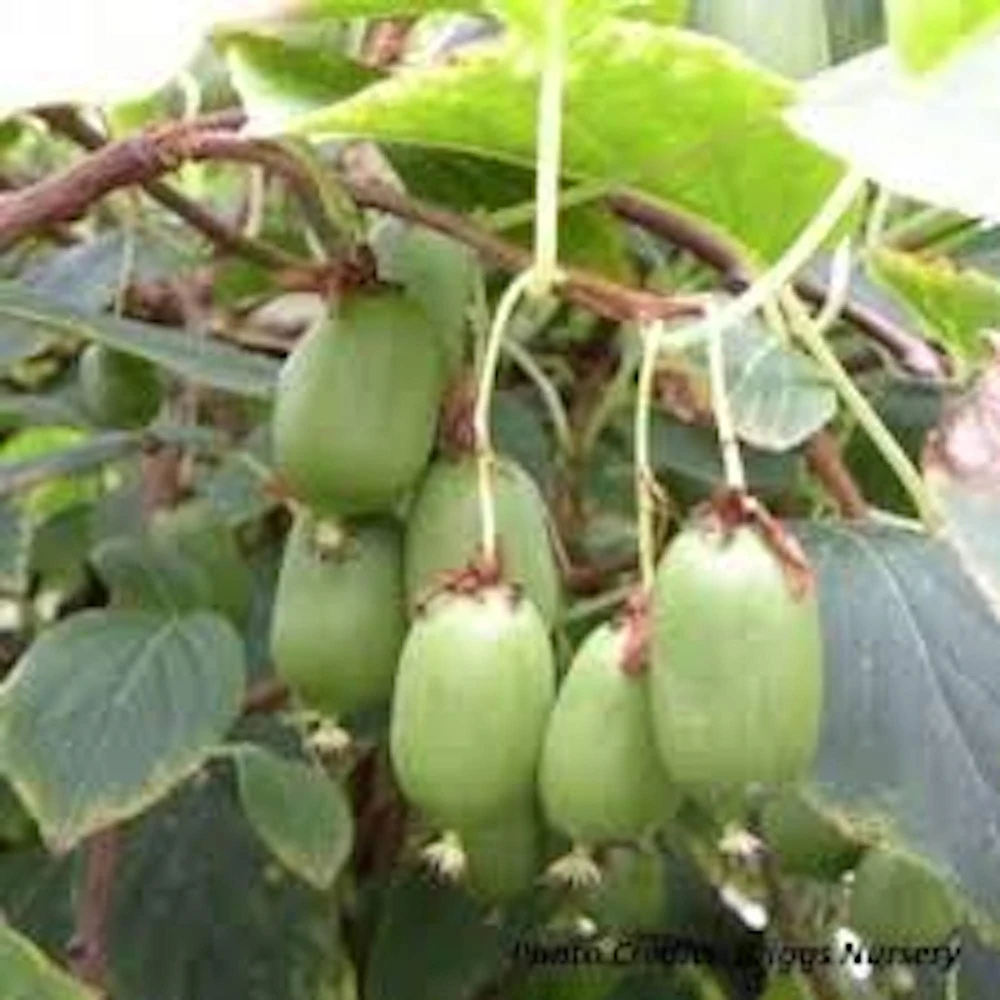
- Delicious Edible Fruit: Harvest small, sweet, grape-sized green kiwis with smooth, edible skin. These fruits are perfect for fresh eating, salads, desserts, or preserves, offering a refreshing taste experience.
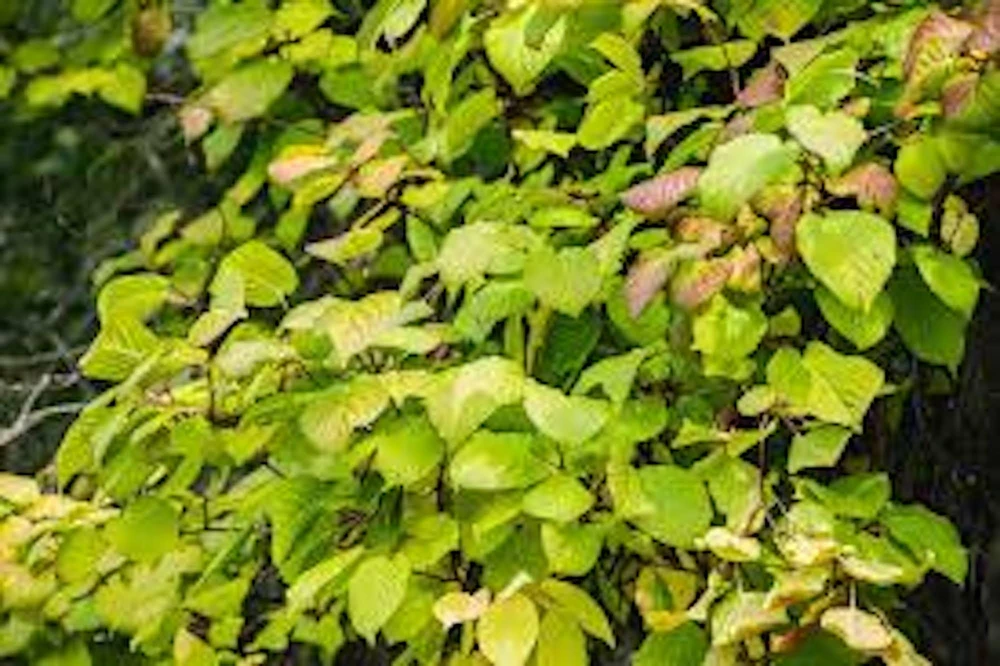
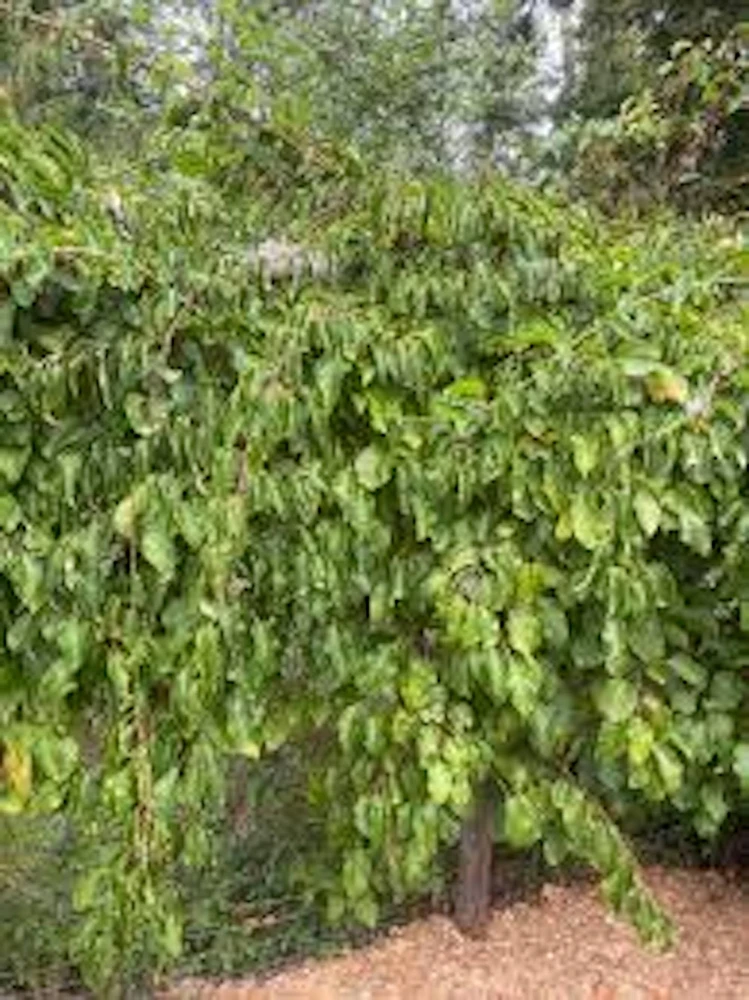
- Attractive Ornamental Vine: Beyond its fruit-bearing capabilities, the ‘Issai’ hardy kiwi provides beautiful deciduous foliage, making it an excellent choice for covering trellises, pergolas, or fences, adding lush greenery to your landscape.
- Compact & Manageable Growth: This variety is known for its more compact size, typically reaching 12-20 feet in height and 3-5 feet in width, requiring less pruning and management compared to larger kiwi species.
- Hardy & Resilient: Tolerant of urban conditions and generally recommended for USDA Grow Zones 3 through 8, this plant is robust and can withstand a range of environmental stressors, ensuring a successful growing experience.
- Fast-Growing: The hardy kiwi fruit starter quickly establishes itself and begins producing fruit, often within 2-3 years, allowing you to enjoy your harvest sooner.
- Low Maintenance: Once established, the ‘Issai’ hardy kiwi requires relatively low maintenance, making it an ideal choice for gardeners seeking productive plants without excessive effort.
Plant Care & Growing Tips
Caring for your Issai Hardy Kiwi live plant is straightforward, ensuring a healthy vine and a bountiful harvest. Understanding its specific needs for sunlight, water, and soil will contribute greatly to its success. This plant thrives in full sun to partial shade, meaning it prefers at least 6 hours of direct sunlight per day, but can tolerate some afternoon shade, especially in hotter climates. Adequate sunlight is crucial for fruit production. Ensure good air circulation around the plant to prevent fungal issues.
For watering, consistent moisture is key, especially during dry spells and when the plant is establishing. The soil should be kept evenly moist but never waterlogged, as this can lead to root rot. Well-draining soil is paramount for this hardy kiwi. A loamy soil rich in organic matter with a slightly acidic pH (6.0-6.5) is ideal. When planting, amend the soil with compost to improve drainage and fertility. The ‘Issai’ hardy kiwi is cold-hardy, generally recommended for USDA Grow Zones 3 through 8, making it suitable for many regions. Protect young plants from late spring frosts. Fertilize in early spring with a balanced, slow-release granular fertilizer formulated for fruit-bearing plants, following package directions. Pruning is best done in late winter or early spring while the plant is dormant to shape it and encourage fruiting wood. You’ll find that growing Issai kiwi is a rewarding experience with these simple care guidelines.
Support is essential for this climbing vine. Install a sturdy trellis, arbor, or fence at the time of planting to provide ample structure for the vine to climb and spread. Regular monitoring for pests and diseases is recommended, though the ‘Issai’ is generally quite resilient. Common issues are usually minor and can be addressed with organic pest control methods if necessary. With proper care, your Actinidia arguta Issai will flourish, providing years of delicious fruit.
Size & Details
The Issai Hardy Kiwi live plant is a compact and manageable deciduous climbing vine. When mature, it typically reaches a height of 12-20 feet and spreads 3-5 feet wide, making it a good choice for various garden sizes and support structures. This starter plant is shipped as a bare root specimen, which allows for easier transplanting and establishment. Bare root plants are dormant and ready to burst into growth once planted in their new home. The plant’s vigorous growth habit means it will quickly establish itself and begin to climb, providing an attractive green screen or cover.
Expect the ‘Issai’ hardy kiwi to begin bearing fruit within 2-3 years of planting, with production increasing each subsequent year. The fruit itself is small, about the size of a large grape, with smooth, green skin that is edible, eliminating the need for peeling. This compact nature and early fruiting make it an excellent choice for home gardeners looking to add a productive and ornamental fruit vine to their landscape without overwhelming their space.
Frequently Asked Questions
- Q: How big does the Issai Hardy Kiwi live plant get? A: This compact vine typically grows to a height of 12-20 feet and spreads 3-5 feet wide. It’s a manageable size for most home gardens and ideal for trellises or arbors.
- Q: Is this an indoor or outdoor plant? A: The Issai Hardy Kiwi is an outdoor plant, specifically a climbing vine that thrives in temperate climates and is recommended for USDA Grow Zones 3 through 8.
- Q: How much sunlight does it need? A: This plant prefers full sun to partial shade, ideally receiving at least 6 hours of direct sunlight per day for optimal fruit production.
- Q: Is this plant easy to care for? A: Yes, the ‘Issai’ hardy kiwi is considered relatively low-maintenance once established, especially compared to other fruit-bearing vines. It’s a great choice for beginners looking to try growing Issai kiwi.
- Q: What condition will it arrive in? A: Your hardy kiwi fruit starter will arrive as a bare root plant, meaning it is dormant and without soil or a pot. This is a common and effective way to ship deciduous plants.
- Q: How long until it produces fruit? A: You can typically expect your self-pollinating kiwi vine to begin producing fruit within 2-3 years of planting, with yields increasing as the plant matures.
- Q: Will it survive winter in my zone? A: The ‘Issai’ hardy kiwi is quite cold-hardy and is suitable for USDA Grow Zones 3 through 8, making it resilient in many winter climates.
- Q: What type of soil does the Actinidia arguta Issai prefer? A: It thrives in well-draining, fertile soil that is rich in organic matter, with a slightly acidic pH between 6.0 and 6.5.
- Q: Do I need more than one plant for fruit? A: No, the ‘Issai’ hardy kiwi is a self-pollinating kiwi vine, so a single plant is sufficient for fruit production.
- Q: Can I grow it in a container? A: While possible, growing this climbing vine in a container would require a very large pot and consistent attention to watering and feeding due to its size and growth habit. It generally performs best when planted directly in the ground.
Be the first to review “Issai Hardy Kiwi Live Plant – Self-Pollinating Fruit Starter Vine – Edible Fruit”
Related products


You May Like

Hardneck vs. Softneck Garlic: Which Should You Grow?
Have you ever stood in front of a seed catalog in mid-September, staring at dozens [...]
Oct

When to Plant Music Garlic: Ultimate US Fall Guide
Have you ever spent your fall weekend placing carefully chosen garlic cloves into rich, dark [...]
1 Comment
Oct

5 Best Bulbs for Fall Planting: Brighten Your Garden This Spring
Are you dreaming of a garden full of vibrant colors in the spring? The key [...]
Aug

10 Houseplants That Will Thrive in Your Kitchen
Are you tired of your kitchen feeling dull and lifeless? Want to add a little [...]
1 Comment
Aug
Reviews
There are no reviews yet.