
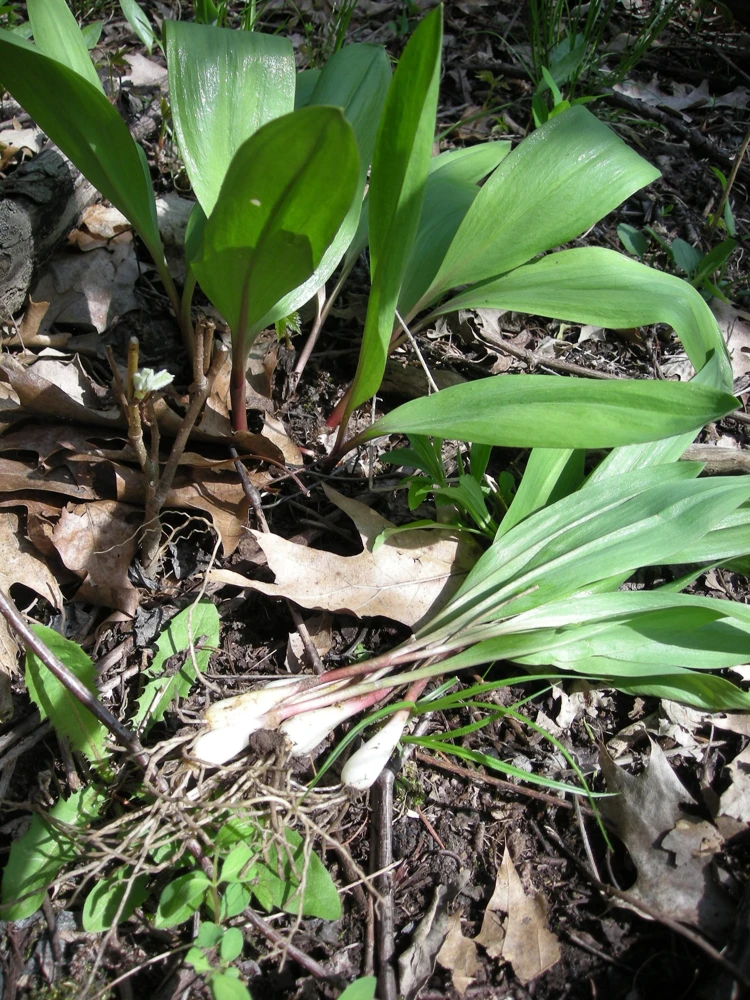
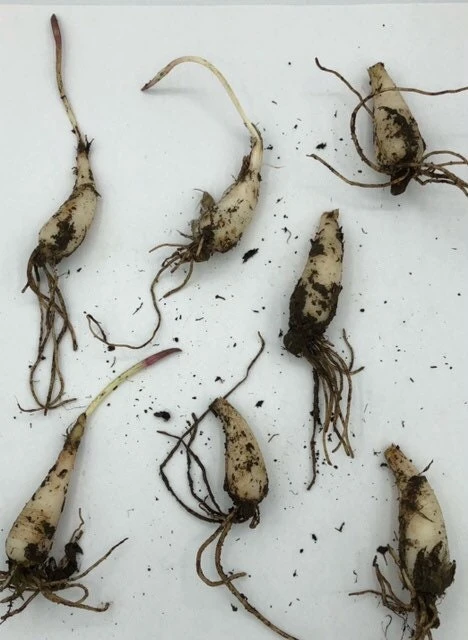
15 Wild Ramps Bulbs – Allium tricoccum Bare Root Wildflower Native Plants
Original price was: 79.99 $.54.99 $Current price is: 54.99 $.
Cultivate your own patch of culinary delight with 15 Wild Ramps Bulbs (Allium tricoccum). These bare root ramps are ready to plant and will establish well in shady, moist woodland environments. Perfect for foraging enthusiasts and native plant gardens.
Estimated arrival
Oct 17
Oct 22 - Oct 24
Oct 24 - Oct 29
See our Shipping Policy.
Get in touch with us via email, and our team will review your concerns.
Our Alive & Thrive Guarantee covers issues with your plants within the first 30 days. Read our Refund & Returns Policy.
-
USDA Hardiness Zone
USDA Zones 3-8 -
Soil Type
Rich, moist, well-draining, high organic matter -
Sunlight Exposure
Partial to full shade -
Expected Planting Period
Late summer to early fall, or early spring
Overview
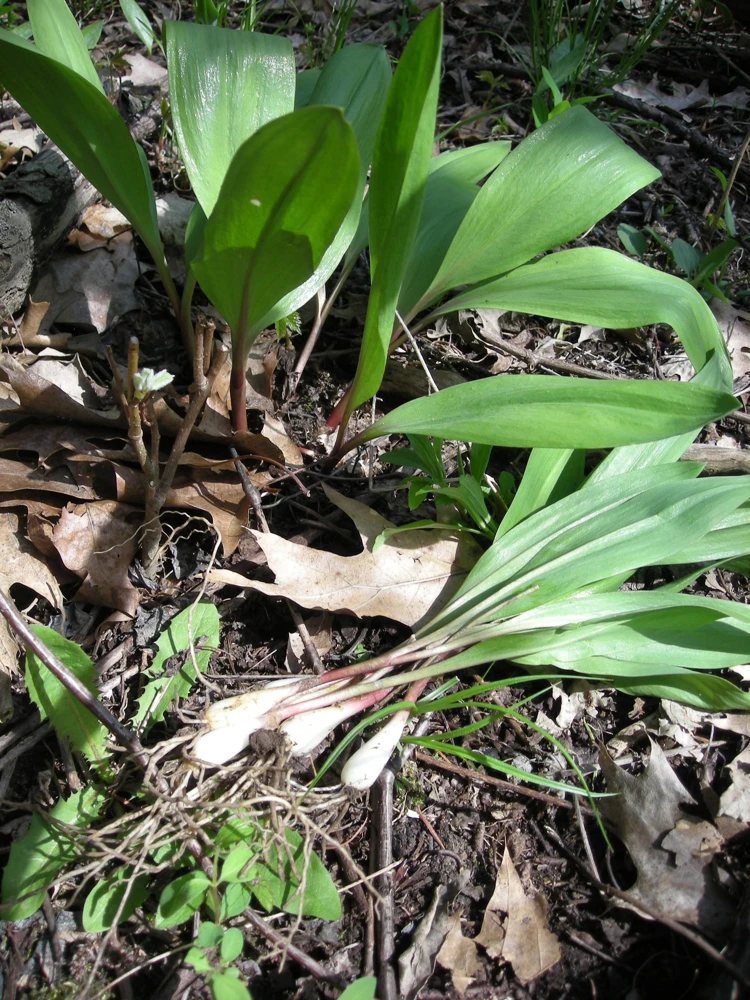
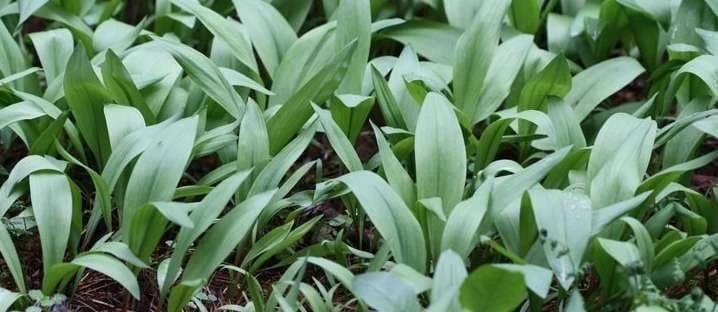
Bring the unique flavor of the forest to your garden with this offering of 15 Wild Ramps Bulbs. Also known as wild leeks or Allium tricoccum, these perennial wildflowers are highly prized by chefs and foragers alike for their distinctive garlic-onion flavor. You will receive 15 organically grown, bare root ramp bulbs, meticulously harvested per order to ensure optimal freshness and viability upon arrival. Planting instructions are included to guide you in establishing these delightful native plants in your own woodland or shaded garden space. Cultivating wild ramps bulbs is a rewarding experience, providing a sustainable source of this seasonal delicacy for years to come.
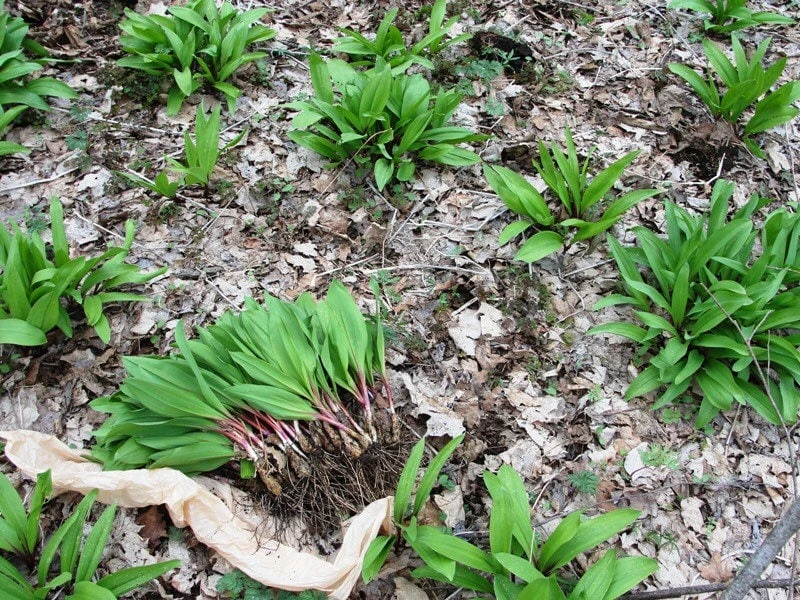
Allium tricoccum is a true harbinger of spring, emerging with broad, smooth leaves before most other woodland flora. These hardy bulbs are an excellent choice for naturalizing in suitable conditions, creating a beautiful and edible groundcover. Growing your own wild ramps bulbs allows you to enjoy their unique taste without impacting wild populations. They are a fantastic addition to any native plant collection or edible landscape, offering both ecological benefits and culinary rewards.
Key Benefits
Cultivating wild ramps bulbs offers a multitude of benefits, from culinary enjoyment to ecological enrichment. These unique plants are a valuable addition to many garden types:
- Exceptional Culinary Flavor: Ramps possess a distinct garlicky-onion taste, making them a highly sought-after ingredient for gourmet dishes, pestos, stir-fries, and more. Growing your own ensures a fresh supply.
- Native Woodland Plant: As a native wildflower, Allium tricoccum supports local ecosystems, providing early-season forage for pollinators and contributing to biodiversity in shaded garden areas.
- Easy to Naturalize: Once established in the right conditions, these bulbs will spread and multiply, creating a sustainable patch for annual harvesting without significant effort.
- Low Maintenance: After planting, bare root ramps require minimal care, thriving in their preferred woodland settings with little intervention. They are a resilient and self-sufficient plant.
- Sustainable Foraging: Growing your own ramps allows for responsible harvesting, reducing pressure on wild populations and ensuring future availability of this delicious plant. You can enjoy the unique flavor of wild leeks right from your backyard.
- Early Spring Delicacy: Ramps are among the first edible plants to emerge in spring, offering a fresh, vibrant flavor when other garden produce is still dormant.
- Aesthetic Appeal: The broad, green leaves of Allium tricoccum provide an attractive groundcover in shaded areas, adding a lush, natural look to your woodland garden.
Plant Care & Growing Tips
Successfully growing wild ramps bulbs requires understanding their natural woodland habitat. They thrive in conditions that mimic their native environment. For best results, choose a location with dappled to full shade, ideally under deciduous trees where they receive sunlight before the tree canopy fully leafs out. The soil should be rich in organic matter, consistently moist but well-draining, with a slightly acidic to neutral pH. Incorporating compost or leaf mold into your planting site will greatly benefit their establishment and growth. When you grow ramps, remember they prefer cooler temperatures.
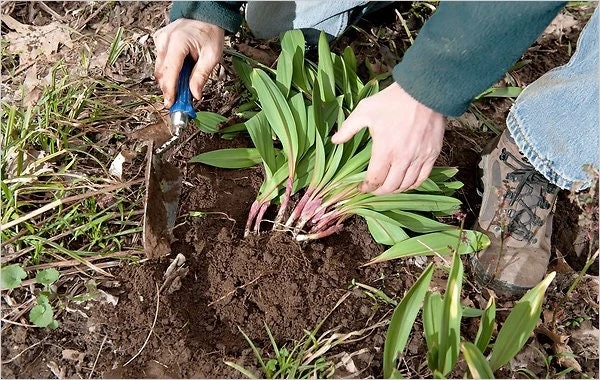
Plant your bare root ramps about 2-3 inches deep and 4-6 inches apart. Water thoroughly after planting to settle the soil around the bulbs. While established ramps are relatively drought-tolerant, consistent moisture during their active growing season (early spring) is crucial. Avoid waterlogging, as this can lead to bulb rot. Fertilization is generally not necessary in rich, organic soil, but a light application of a balanced, organic fertilizer in early spring can boost growth. Protect them from excessive foot traffic. These plants are cold hardy and can withstand winter temperatures in many regions, making them a reliable perennial. Understanding how to grow ramps properly ensures a bountiful harvest.
Once established, Allium tricoccum will go dormant by late spring or early summer as temperatures rise and tree canopies fill in. The leaves will yellow and disappear, leaving the bulbs to rest underground until the following spring. Avoid disturbing the soil in their dormant period. Pests are rarely an issue for ramps, and diseases are uncommon when proper drainage is maintained. For those looking to expand their patch, ramps can be propagated by dividing clumps in late summer or early fall when dormant, or by allowing them to self-seed. Learning how to grow ramps can be a fulfilling experience.
Size & Details
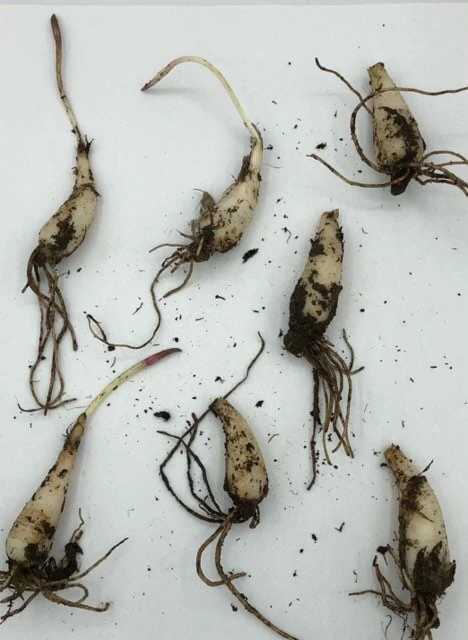
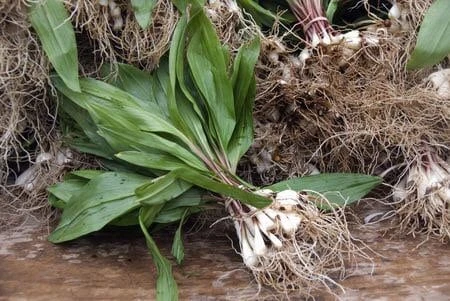
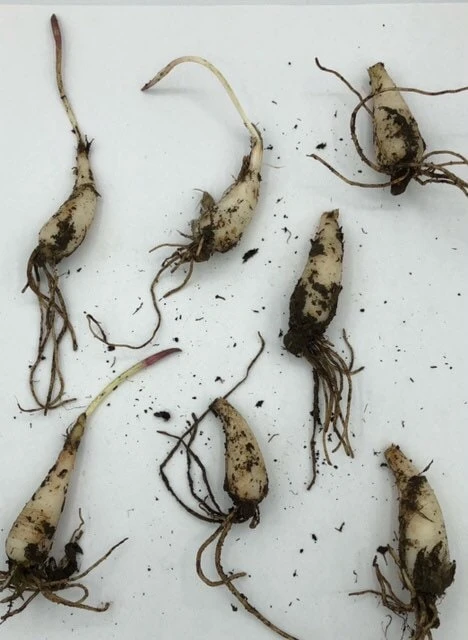
This offering includes 15 Wild Ramps Bulbs, provided as bare root specimens. Each bulb is harvested fresh per order to ensure maximum vitality upon arrival. Bare root plants are an economical and effective way to establish large patches of ramps, as they adapt quickly to their new environment. These bulbs are typically small, similar in size to a pearl onion, and are ready for immediate planting. When mature, wild ramps grow to be approximately 6-12 inches tall with broad, smooth leaves. They are slow to establish but long-lived once settled, providing a continuous harvest for many years. Expect the first leaves to emerge in early spring, with the plant going dormant by early summer.
Frequently Asked Questions
- Q: How big do these wild ramps bulbs get? A: The bulbs themselves are small, similar to a pearl onion, but once planted, the leaves of Allium tricoccum typically grow 6-12 inches tall. They will spread over time to form a patch.
- Q: Is this an indoor or outdoor plant? A: Wild ramps are primarily an outdoor woodland plant. They thrive in shaded garden environments that mimic their natural habitat. They are not suitable for indoor cultivation.
- Q: How much sunlight do wild ramps need? A: Ramps prefer dappled to full shade, especially during the warmer parts of the day. They do best under deciduous trees where they get early spring sun before the canopy fills in.
- Q: Is this plant easy to care for? Is it good for beginners? A: Once established in the correct environment, wild ramps bulbs are relatively low-maintenance. They are a good choice for beginners who can provide the specific shaded, moist, and organic-rich soil conditions they require.
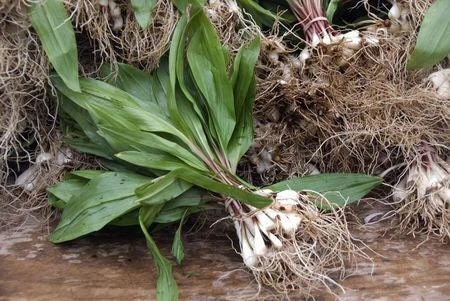
- Q: What condition will the bare root ramps arrive in? A: You will receive 15 Wild Ramps Bulbs as bare roots, freshly harvested per order. They will be free of soil and foliage, ready for planting upon arrival.
- Q: When is the best time to plant wild ramps bulbs? A: The ideal time to plant bare root ramps is in late summer or early fall, allowing them to establish roots before winter. They can also be planted in early spring as soon as the ground thaws.
- Q: Will these wild leeks survive winter in my zone? A: Yes, wild leeks (Allium tricoccum) are very cold hardy and are native to eastern North America, thriving in USDA Hardiness Zones 3-8. They are well-adapted to cold winters and will go dormant underground.
- Q: How long until I can harvest from my wild ramps bulbs? A: While you may get a small harvest the first year, it’s best to allow wild ramps bulbs to establish for 2-3 years before significant harvesting to ensure the patch can continue to thrive and spread.
- Q: Can I use these wild ramps in cooking? A: Absolutely! Wild ramps are highly prized for their unique garlic-onion flavor and are excellent in a variety of culinary applications, from pestos and stir-fries to roasted vegetables and soups.
- Q: What kind of soil is best for growing ramps? A: Ramps prefer rich, well-draining soil that is high in organic matter, such as leaf mold or compost. A slightly acidic to neutral pH is ideal for these woodland plants.
Be the first to review “15 Wild Ramps Bulbs – Allium tricoccum Bare Root Wildflower Native Plants”
Related products



Flower Bulbs
Set of 10 Red Trillium Bulbs – Trillium erectum – Perennial Wildflower for Shade Gardens


Flower Bulbs
Set of 5 Shooting Star Bulbs – Dodecatheon meadia – Native Wildflower for Shade Gardens


You May Like

Hardneck vs. Softneck Garlic: Which Should You Grow?
Have you ever stood in front of a seed catalog in mid-September, staring at dozens [...]
Oct

When to Plant Music Garlic: Ultimate US Fall Guide
Have you ever spent your fall weekend placing carefully chosen garlic cloves into rich, dark [...]
1 Comment
Oct

5 Best Bulbs for Fall Planting: Brighten Your Garden This Spring
Are you dreaming of a garden full of vibrant colors in the spring? The key [...]
Aug

10 Houseplants That Will Thrive in Your Kitchen
Are you tired of your kitchen feeling dull and lifeless? Want to add a little [...]
1 Comment
Aug
Reviews
There are no reviews yet.