
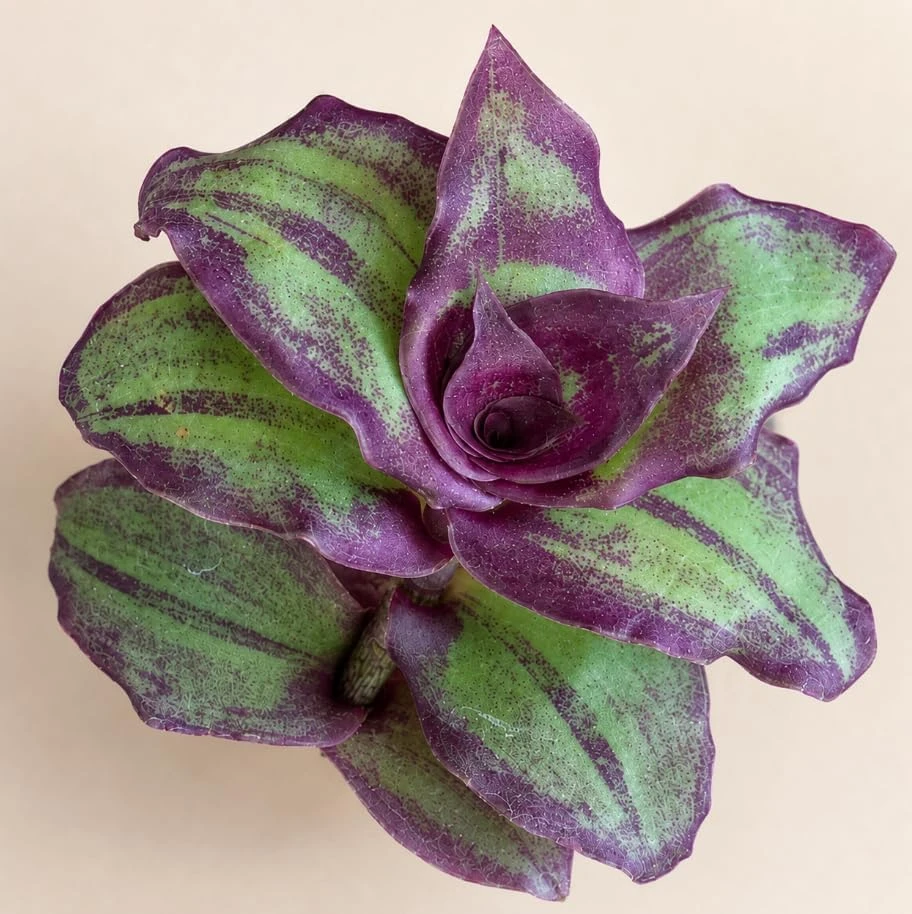
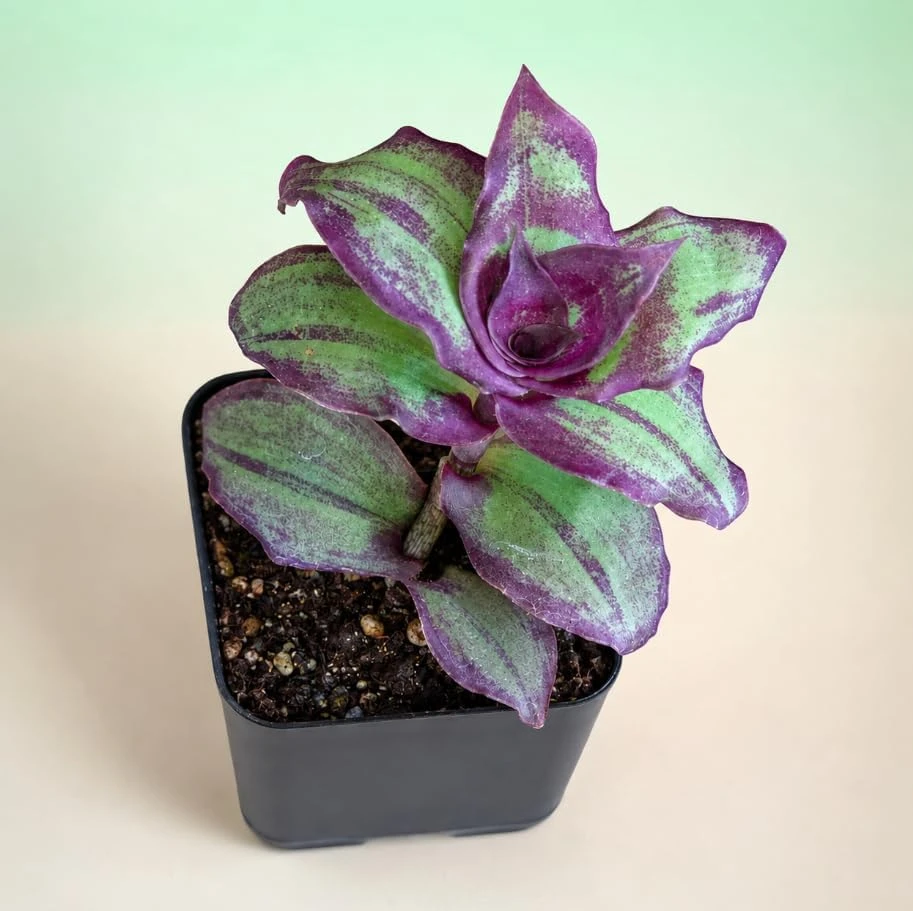
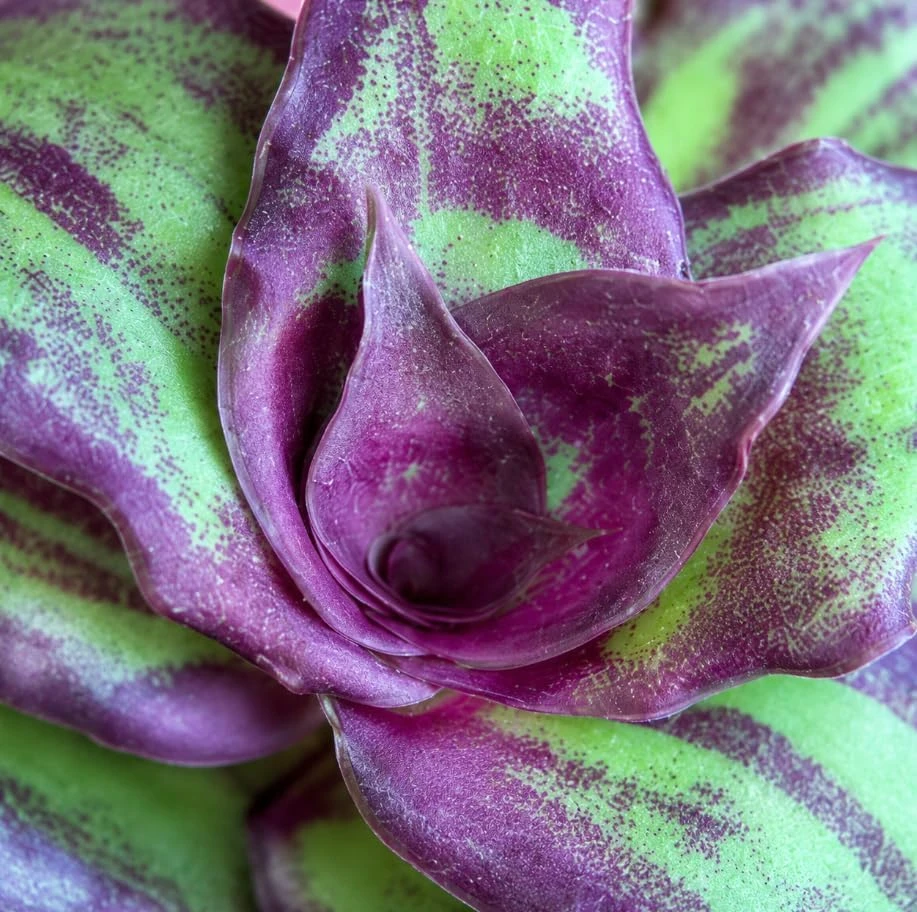
Bicolor Burgundy Callisia Live Plant – Potted Houseplant, 2 Inch Pot, Indoor Trailing Plant
Original price was: 19.98 $.10.99 $Current price is: 10.99 $.
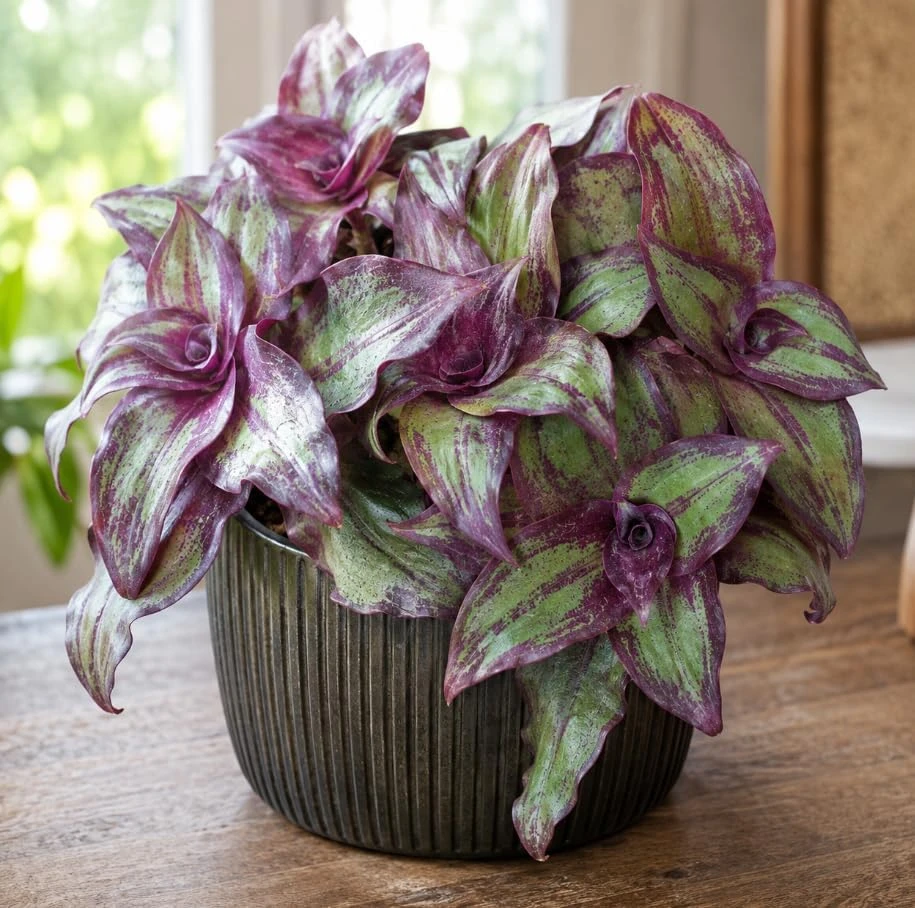
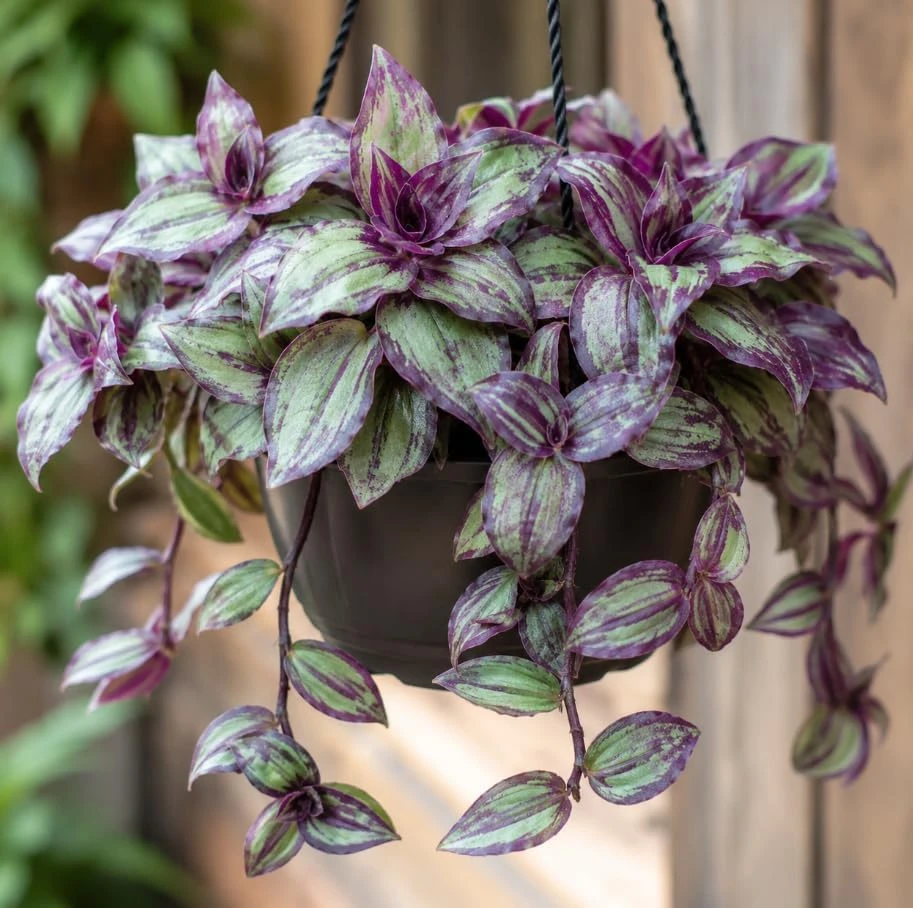
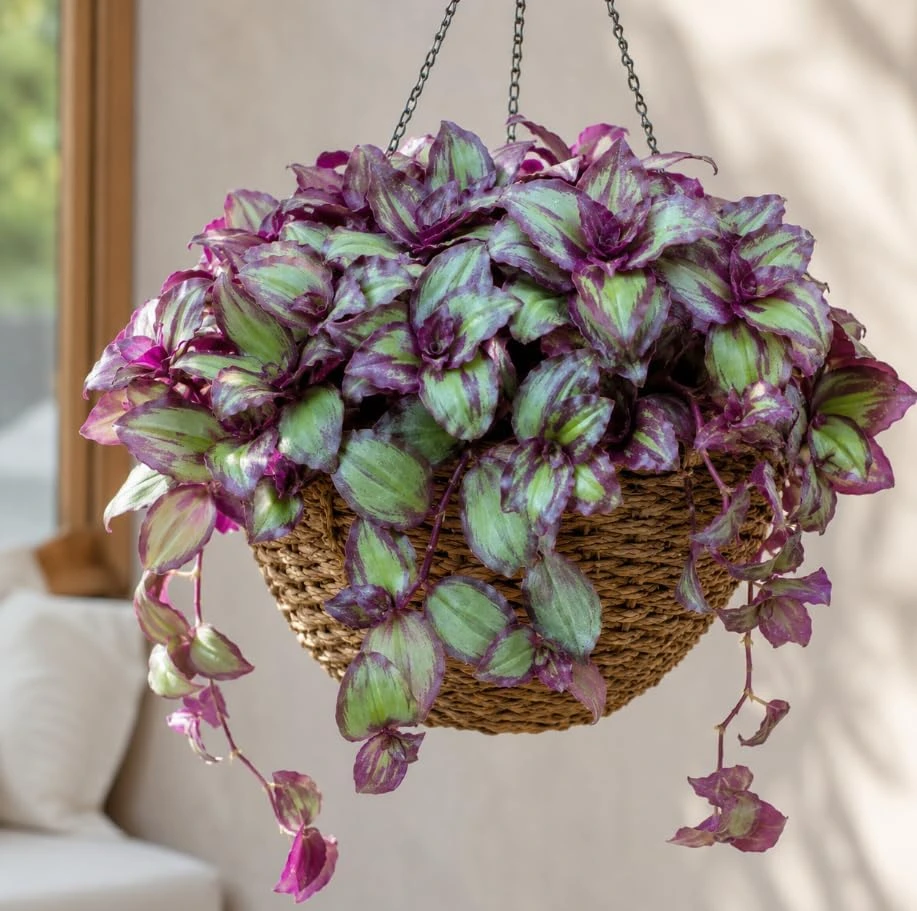
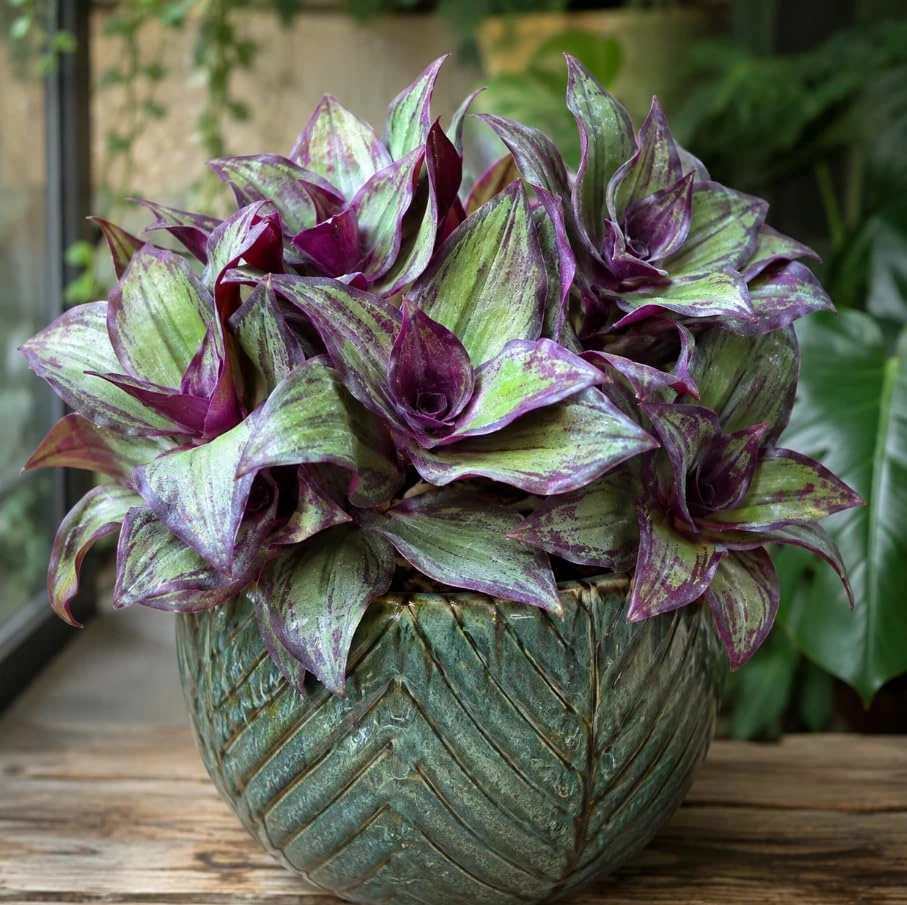
Add a touch of vibrant color to your home with the bicolor burgundy callisia live plant. This beautiful callisia indoor plant, grown in a 2-inch nursery pot, features eye-catching burgundy, purple, and green-toned leaves. Perfect as a trailing houseplant for shelves, windowsills, or hanging baskets, it’s a delightful small potted plant for any enthusiast.
Estimated arrival
Oct 16
Oct 21 - Oct 23
Oct 23 - Oct 28
See our Shipping Policy.
Get in touch with us via email, and our team will review your concerns.
Our Alive & Thrive Guarantee covers issues with your plants within the first 30 days. Read our Refund & Returns Policy.
-
USDA Hardiness Zone
year-round indoors -
Soil Type
well-draining potting mix -
Sunlight Exposure
bright indirect light -
Expected Planting Period
year-round indoors
Overview
Introduce a splash of vibrant color and elegant trailing foliage to your indoor plant collection with the bicolor burgundy callisia live plant. This captivating houseplant, often admired for its striking appearance, is known for its beautiful two-toned leaves that display a rich tapestry of burgundy, purple, and green. Originating from Central and South America, Callisia repens, commonly known as Creeping Inchplant or Turtle Vine, is a close relative of the Tradescantia family and shares its easy-care nature and vigorous growth. Our bicolor burgundy callisia live plant comes in a convenient 2-inch nursery pot, making it an ideal choice for immediate display or as a charming addition to terrariums and mixed plant arrangements. Its compact and trailing habit makes it a versatile plant that can thrive in various indoor settings, providing continuous visual interest and a lively atmosphere. This particular variety stands out with its intense coloration, offering a sophisticated aesthetic that brightens any room. Whether you’re a seasoned plant parent or just starting your green journey, the bicolor burgundy callisia live plant promises to be a rewarding and beautiful companion.
The unique coloration of this callisia indoor plant makes it a focal point wherever it’s placed. Its succulent-like leaves store water, contributing to its low-maintenance profile, while its dense, trailing growth creates a lush, full appearance. As a young plant, it arrives ready to establish itself and will quickly develop into a fuller, more extensive specimen. This makes it an excellent choice for those looking to add dynamic growth and rich hues to their home decor. The adaptability of this trailing houseplant allows it to be enjoyed in countless ways, from a delicate accent on a desk to a cascading focal point in a hanging planter.
Key Benefits
The bicolor burgundy callisia live plant offers numerous benefits, making it a popular choice for indoor gardeners. Its aesthetic appeal and ease of care contribute to a more enjoyable and vibrant living space. This charming plant not only beautifies your home but also provides a sense of tranquility and connection to nature.
- Stunning Visual Appeal: Features attractive burgundy, purple, and green-toned leaves that create a striking two-tone appearance, adding significant visual interest and a pop of color to any room. This makes the bicolor burgundy callisia live plant a standout decorative element.
- Easy to Care For: Known for being a low-maintenance houseplant, it’s perfect for beginners and busy individuals. It thrives with minimal fuss, requiring only moderate watering and bright, indirect light.
- Versatile Trailing Habit: Its dense, trailing growth makes it ideal for a variety of displays, including hanging planters, shelves, windowsills, terrariums, and small plant collections, allowing for creative placement.
- Compact Size: Grown in a 2-inch nursery pot, this small potted plant is perfectly sized for desks, small spaces, or combining with other plants in a larger arrangement.
- Air Purification Qualities: Like many houseplants, Callisia can contribute to improved indoor air quality by absorbing common pollutants, creating a healthier environment.
- Rapid Growth: This plant is a relatively fast grower, meaning you’ll quickly see it establish and develop into a fuller, more impressive specimen, providing ongoing satisfaction.
- Adaptable to Various Light Conditions: While preferring bright, indirect light, it can tolerate slightly lower light conditions, making it adaptable to different spots in your home.
Plant Care & Growing Tips
Caring for your bicolor burgundy callisia live plant is straightforward, ensuring it remains vibrant and healthy with minimal effort. Understanding its basic needs will help you cultivate a thriving specimen that enhances your indoor environment. This callisia care guide will cover all the essential aspects to keep your plant flourishing.
Sunlight Requirements: The bicolor burgundy callisia live plant thrives in bright, indirect light. Place it near a window where it can receive plenty of ambient light without direct exposure to harsh afternoon sun, which can scorch its delicate leaves. An east or north-facing window is often ideal. If you notice the colors fading, it may not be getting enough light, while crispy edges might indicate too much direct sun. Consistent, bright light is key to maintaining its vibrant burgundy hues.
Watering Schedule and Soil Moisture: Water your callisia indoor plant thoroughly when the top inch or two of the soil feels dry to the touch. It’s better to slightly underwater than overwater, as Callisia is susceptible to root rot in waterlogged conditions. Ensure the pot has drainage holes to prevent water from sitting at the bottom. Reduce watering frequency during the cooler, darker winter months when the plant’s growth slows down. Good callisia care involves checking soil moisture regularly.
Soil Type and Drainage Requirements: Use a well-draining potting mix that retains some moisture but doesn’t become soggy. A standard houseplant potting mix amended with perlite or sand for extra drainage works well. This succulent-like plant appreciates good aeration around its roots. The 2-inch nursery pot it arrives in provides a good starting point, but ensure any future repotting uses a similar well-draining medium.
Temperature Range and USDA Hardiness Zone: Callisia prefers average room temperatures, ideally between 60-75°F (15-24°C). Protect it from cold drafts and sudden temperature fluctuations, which can stress the plant. As an indoor plant, USDA hardiness zones are less relevant, but if kept outdoors in warmer climates, it would thrive in zones 9-11. It is not frost-tolerant and should be brought indoors when temperatures drop below 50°F (10°C). Proper temperature management is crucial for a happy trailing houseplant.
Fertilization Schedule and Type: Feed your bicolor burgundy callisia live plant with a balanced liquid houseplant fertilizer diluted to half strength every 2-4 weeks during its active growing season (spring and summer). Reduce or cease fertilization during fall and winter. Over-fertilization can lead to nutrient burn, so always err on the side of caution. This supports healthy growth and vibrant foliage.
Common Problems and Solutions: Watch out for pests like spider mites or mealybugs, especially in dry conditions. If detected, treat with an insecticidal soap. Yellowing leaves can indicate overwatering, while browning crispy leaves might suggest underwatering or too much direct sun. If the plant becomes leggy, it may need more light or a trim to encourage bushier growth. Regular observation is a key aspect of effective callisia care.
Size & Details
Your bicolor burgundy callisia live plant arrives as a healthy, established specimen grown in a 2 inch pot. At this stage, it is a young plant with several established branches, perfect for immediate enjoyment and ready to begin its vibrant trailing journey. The plant’s size and fullness, as well as the intensity of its coloration, may naturally vary slightly by season and specific growing conditions, reflecting the unique character of each living plant. Typically, this compact, low-growing succulent-like plant will develop a dense, trailing growth habit, with individual stems reaching lengths of 6 to 12 inches or more over time, creating a beautiful cascade. Its leaves, characterized by their striking burgundy, purple, and green tones, will continue to develop and intensify in color with adequate light.
This small potted plant is designed to be easily incorporated into various indoor displays, from small terrariums and windowsills to the edges of shelves where its trailing foliage can truly shine. It is shipped as a live plant, rooted in its nursery pot, ensuring a smooth transition to its new home. With proper care, you can expect this trailing houseplant to grow steadily, becoming fuller and more pronounced in its elegant, cascading form. It offers a relatively fast growth rate under optimal conditions, allowing you to quickly enjoy its mature beauty. No specific time to maturity or bloom is typically noted for this foliage plant, as its appeal lies in its continuous leafy growth.
Frequently Asked Questions
- Q: How big will my bicolor burgundy callisia live plant get? A: Your small potted plant arrives in a 2-inch pot. With proper care, its trailing stems can grow to lengths of 6-12 inches or more, creating a beautiful cascading effect. The plant itself will become fuller and denser over time.
- Q: Is this an indoor or outdoor plant? A: The bicolor burgundy callisia live plant is primarily grown as an indoor houseplant in most climates. It can be placed outdoors in warm, humid conditions (USDA zones 9-11) but must be protected from cold temperatures and frost.
- Q: How much sunlight does my callisia indoor plant need? A: This plant thrives in bright, indirect light. Place it near an east or north-facing window, or a few feet away from a south or west-facing window. Avoid direct, intense sunlight which can scorch its leaves.
- Q: Is this plant easy to care for? A: Yes, the bicolor burgundy callisia live plant is considered a low-maintenance houseplant, making it an excellent choice for beginners and experienced plant enthusiasts alike. Consistent watering and adequate light are its main requirements.
- Q: What condition will it arrive in? A: Your plant will arrive as a healthy, established live plant in its 2-inch nursery pot, carefully packaged to ensure its safe journey. Some slight variations in size and color are normal due to its living nature.
- Q: What kind of soil does this trailing houseplant prefer? A: It prefers a well-draining potting mix. A standard indoor potting mix amended with perlite or sand to improve drainage is ideal to prevent root rot.
- Q: Is the bicolor burgundy callisia live plant pet-safe? A: Callisia repens is generally considered non-toxic to pets, but it’s always best to discourage pets from ingesting any houseplant. If you have concerns, consult your veterinarian.
- Q: How often should I water my Callisia? A: Water when the top 1-2 inches of soil feel dry to the touch. This typically means once a week, but adjust based on your home’s humidity and temperature. Ensure excess water drains out.
- Q: Can I propagate this plant? A: Yes, Callisia is very easy to propagate from stem cuttings. Simply snip a healthy stem and place it in water or moist soil, and it will often root quickly.
- Q: Why are the colors on my plant fading? A: Fading colors usually indicate that your callisia indoor plant is not receiving enough bright, indirect light. Try moving it to a brighter location to encourage more vibrant foliage.
Be the first to review “Bicolor Burgundy Callisia Live Plant – Potted Houseplant, 2 Inch Pot, Indoor Trailing Plant”
Related products


You May Like

Hardneck vs. Softneck Garlic: Which Should You Grow?
Have you ever stood in front of a seed catalog in mid-September, staring at dozens [...]
Oct

When to Plant Music Garlic: Ultimate US Fall Guide
Have you ever spent your fall weekend placing carefully chosen garlic cloves into rich, dark [...]
1 Comment
Oct

5 Best Bulbs for Fall Planting: Brighten Your Garden This Spring
Are you dreaming of a garden full of vibrant colors in the spring? The key [...]
Aug

10 Houseplants That Will Thrive in Your Kitchen
Are you tired of your kitchen feeling dull and lifeless? Want to add a little [...]
1 Comment
Aug
Reviews
There are no reviews yet.