
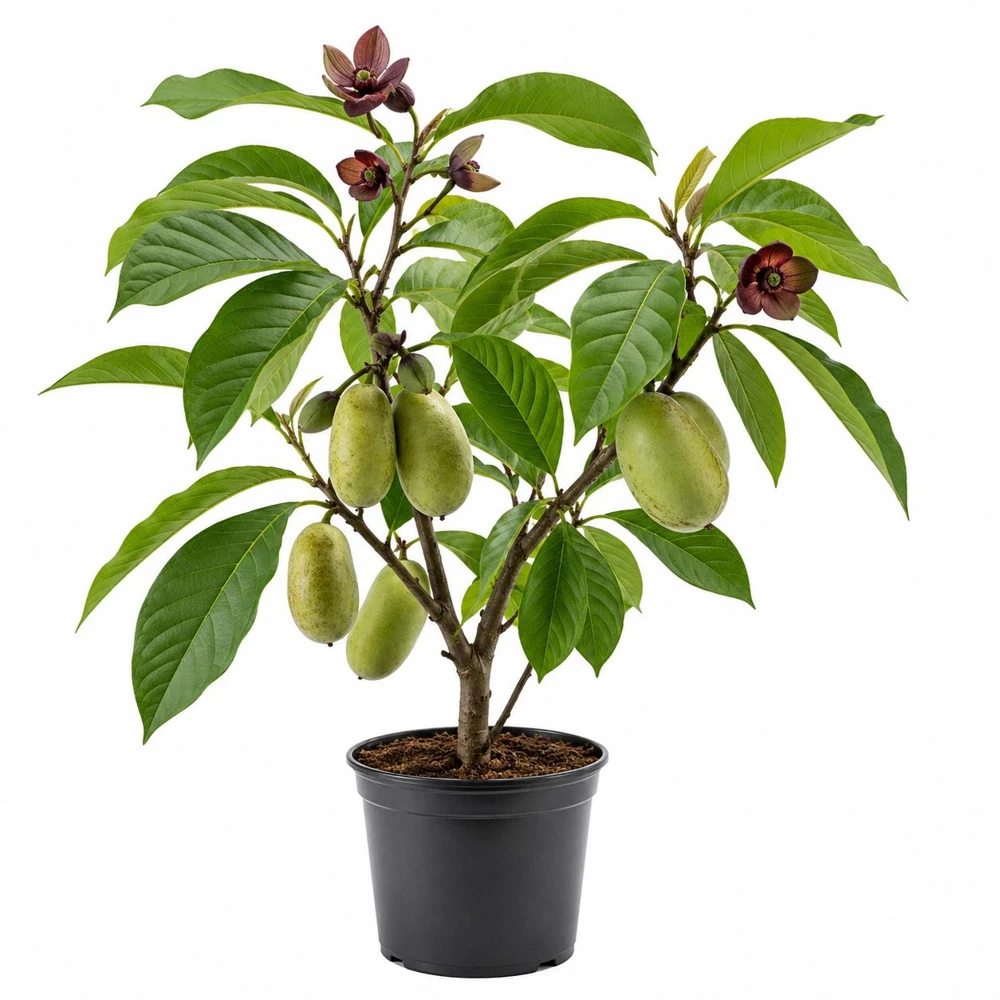
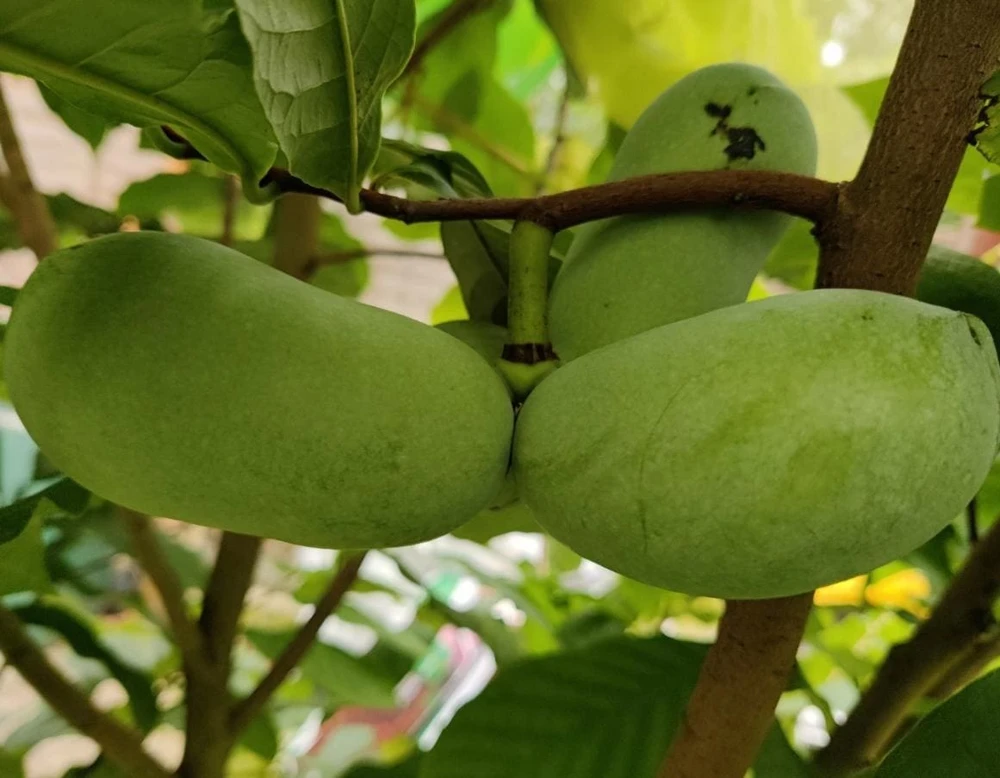
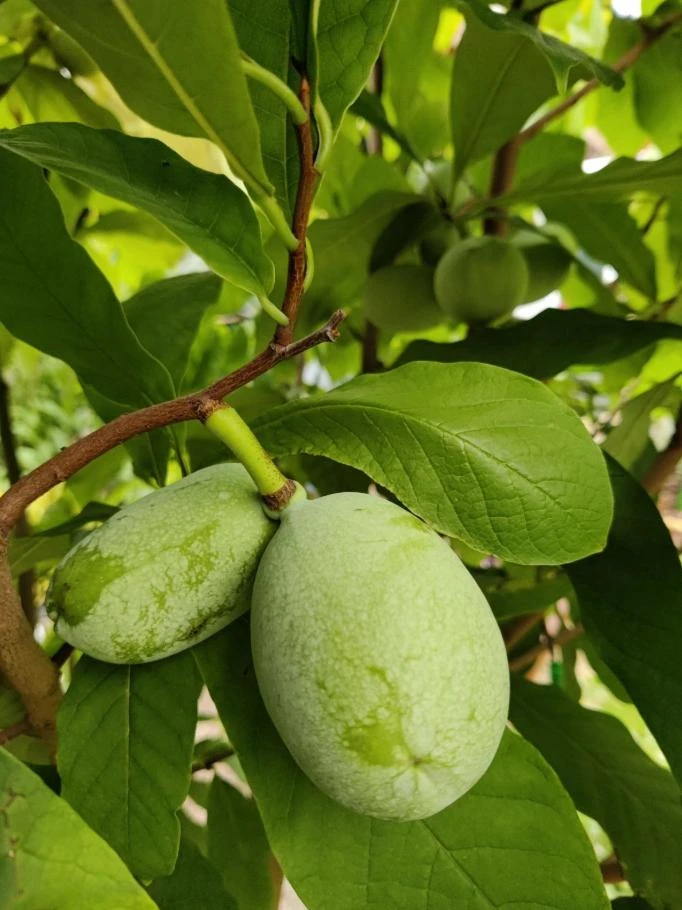
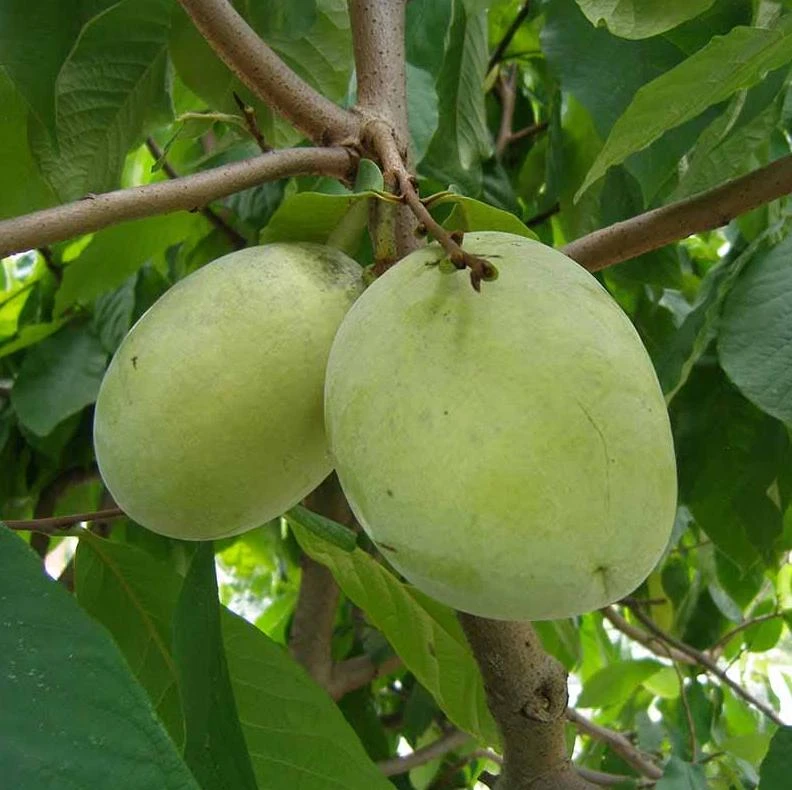
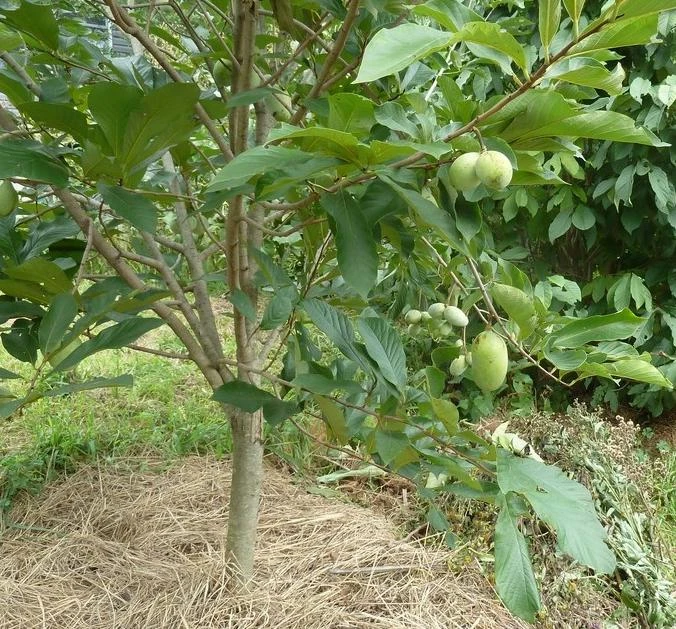
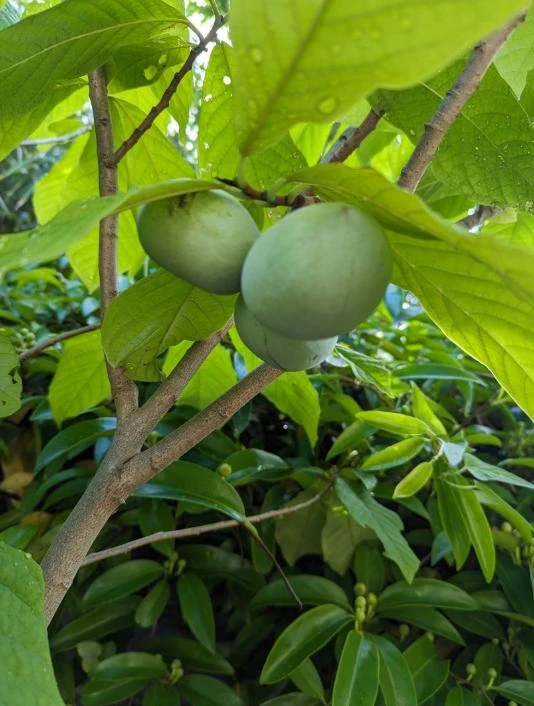
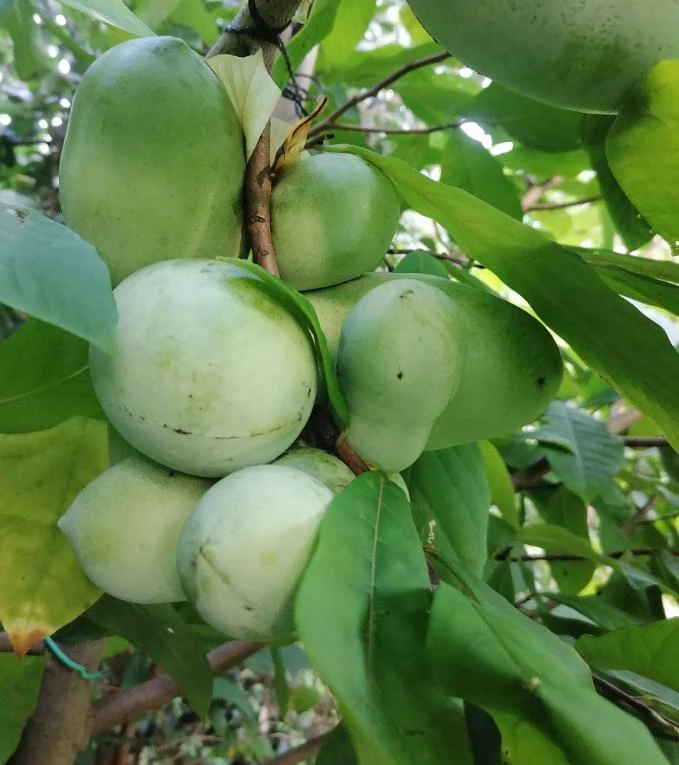
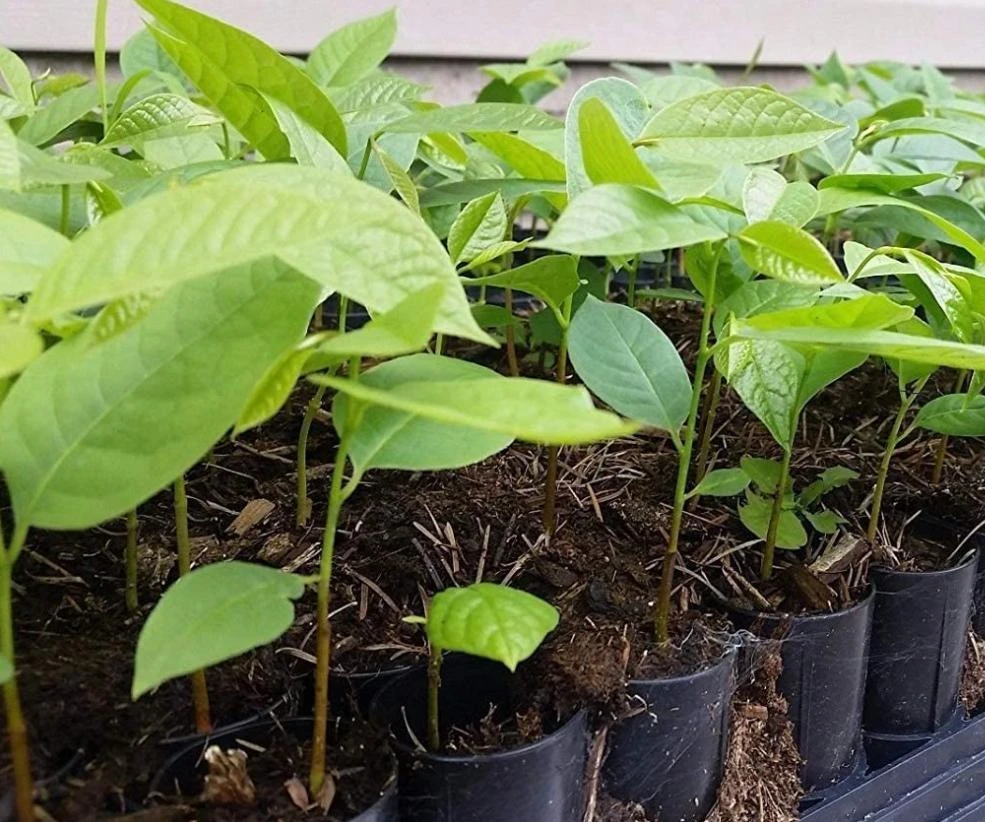
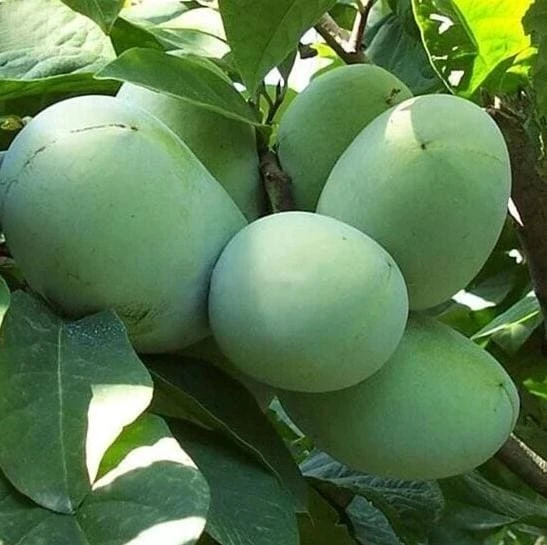
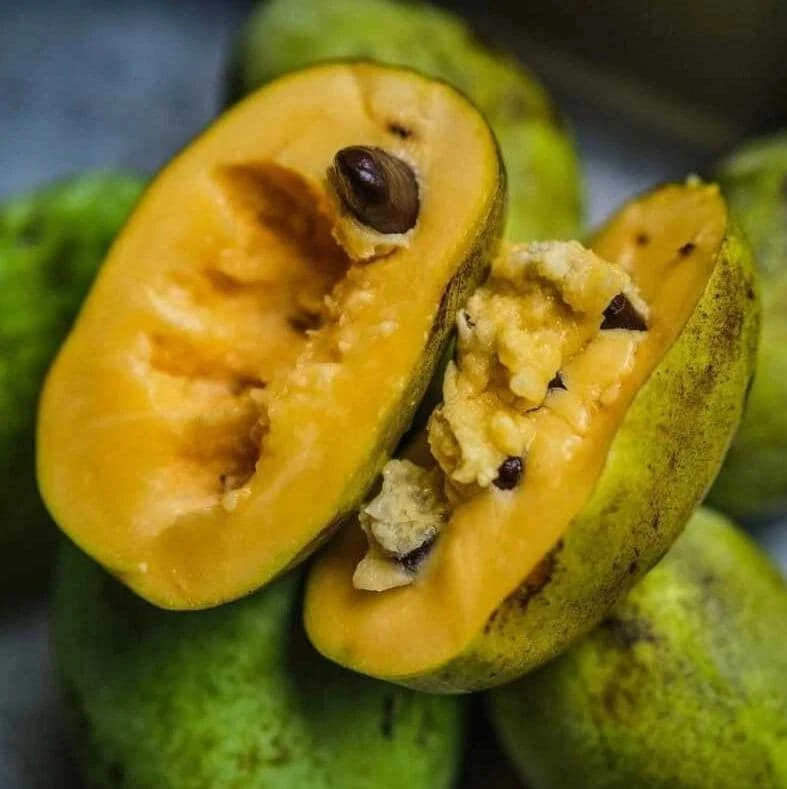
Pawpaw Tree Live Plant – 6-12″ Tall Asimina triloba Fruit Tree for Outdoor Planting
Original price was: 45.98 $.29.99 $Current price is: 29.99 $.
Cultivate your own unique fruit with a pawpaw tree live plant. This asimina triloba plant, also known as the Indian Banana, offers delicious tropical-flavored fruit and adds a distinctive touch to your landscape. Standing 6-12 inches tall in a quart pot, it’s ready for outdoor planting.
Estimated arrival
Oct 16
Oct 21 - Oct 23
Oct 23 - Oct 28
See our Shipping Policy.
Get in touch with us via email, and our team will review your concerns.
Our Alive & Thrive Guarantee covers issues with your plants within the first 30 days. Read our Refund & Returns Policy.
-
USDA Hardiness Zone
USDA Zones 5-8 -
Soil Type
Rich, well-draining soil with good organic matter -
Sunlight Exposure
Partial shade when young; more sun as it matures -
Expected Planting Period
Spring to early fall
Overview
Discover the joy of growing your own exotic fruit with this exceptional pawpaw tree live plant. Also known as the Indian Banana or asimina triloba plant, the pawpaw is a fascinating native North American fruit tree that produces sweet, custard-like fruit with a delightful banana-mango flavor. Unlike many tropical fruits, the pawpaw is remarkably hardy and well-adapted to various climates, making it an excellent choice for gardeners across the US. This young, vibrant plant, typically 6-12 inches tall and grown in a quart-sized pot, is perfectly sized for outdoor planting, ready to establish itself and eventually bear its unique, delectable fruit. Embrace sustainable gardening and add a touch of the extraordinary to your edible landscape with this resilient and rewarding tropical fruit tree.
Key Benefits
Bringing a pawpaw tree live plant into your garden offers a multitude of benefits, from its unique fruit to its ecological value. This indigenous species provides not only a delicious harvest but also contributes to local biodiversity and offers a distinctive aesthetic. Here are some of the key advantages of growing this remarkable tree:
- Unique Tropical Flavor: Enjoy the sweet, creamy, custard-like fruit with notes of banana, mango, and sometimes pineapple, a truly distinctive taste not found in typical grocery stores. Growing your own ensures the freshest, ripest fruit.
- Hardy and Adaptable: Despite its tropical-tasting fruit, the pawpaw is a native North American tree that is surprisingly cold-hardy and thrives in a wide range of climates, making it suitable for many USDA zones.
- Low Maintenance Once Established: After its initial establishment phase, the asimina triloba plant is relatively low-maintenance, requiring less intervention than many other fruit trees.
- Ecological Value: As a native species, it supports local wildlife, including various pollinators and the zebra swallowtail butterfly, which uses pawpaw leaves as a host plant for its larvae.
- Attractive Landscape Addition: With its large, lush leaves and unique growth habit, the pawpaw tree adds an interesting and beautiful element to any edible garden or landscape design.
- Self-Sustaining Food Source: Provides a natural, organic food source right in your backyard, reducing reliance on store-bought produce and offering a healthier option.
- Conversation Starter: The rarity and unique characteristics of the pawpaw fruit make it a fantastic conversation piece among fellow gardeners and friends.
Plant Care & Growing Tips
Caring for your pawpaw tree live plant is straightforward, especially once it’s established. Understanding its specific needs will ensure a healthy, productive tree. When young, pawpaws prefer partial shade; think of their natural understory habitat. As they mature, they can tolerate more direct sunlight, which is beneficial for fruit production. Aim for a location that receives morning sun and afternoon shade if possible, especially in hotter climates. The soil is crucial for the asimina triloba plant; it thrives in rich, well-draining soil with ample organic matter. Amend heavy clay soils with compost and sand to improve drainage, or sandy soils with compost to enhance water retention and nutrient availability. Consistent moisture is key, particularly during the first few years after planting. Do not let the soil dry out completely, but also avoid waterlogging, which can lead to root rot. During establishment, water deeply 2-3 times a week, reducing frequency as the tree matures. Fertilize in spring with a balanced slow-release fertilizer or a generous layer of compost around the drip line. For optimal fruit set, remember the crucial pawpaw tree care tip: plant at least two pawpaw trees for cross-pollination, as most varieties are not self-fertile. This ensures better fruit production and a bountiful harvest from your tropical fruit tree.
Size & Details
This offering is for a healthy pawpaw tree live plant, typically ranging from 6 to 12 inches tall from the top of the soil to the tip of the plant. Each plant is carefully grown and shipped in a quart-sized pot, providing a robust root system ready for transplanting into your garden. Pawpaw trees have a moderate growth rate, and with proper pawpaw tree care, they can reach mature heights of 15-20 feet, sometimes up to 30 feet, with a spread of 15-20 feet. They will typically begin to produce fruit within 3-5 years after planting, depending on growing conditions and cultivar. These plants are deciduous, meaning they will lose their leaves and go dormant during the winter months, which is a natural and healthy part of their life cycle. New growth will emerge vigorously in the spring, signaling the start of another growing season for your indian banana tree.
Frequently Asked Questions
- Q: How big does this plant get and what size pot does it come in? A: This pawpaw tree live plant typically stands 6-12 inches tall and comes in a quart-sized nursery pot. At maturity, pawpaw trees can reach heights of 15-20 feet or more, with a similar spread.
- Q: Is this an indoor or outdoor plant? How much sunlight does it need? A: This is an outdoor plant. Young pawpaw trees prefer partial shade, especially in the afternoon. As they mature, they can tolerate more sun, which encourages better fruit production.
- Q: Is this plant easy to care for? Is it good for beginners? A: Pawpaws are relatively easy to care for once established. They are a good choice for beginners interested in growing fruit trees, provided their basic needs for soil, water, and sunlight are met. Adhering to good pawpaw tree care practices is key.
- Q: What condition will it arrive in? Is it shipped in soil? A: Your asimina triloba plant will arrive as a live, healthy plant in its quart-sized pot with soil, carefully packaged to ensure its safety during transit.
- Q: Can I get fruit from just one pawpaw tree? A: For best fruit production, it is highly recommended to plant at least two pawpaw trees for cross-pollination, as most varieties are not self-fertile. This ensures you get a good harvest from your tropical fruit tree.
- Q: When is the best time to plant a pawpaw tree? A: The best time to plant pawpaw trees is typically in the spring after the last frost, or in early fall before the ground freezes, allowing the roots to establish before extreme temperatures.
- Q: Will it survive winter in my zone? What’s the minimum temperature? A: Pawpaw trees are quite hardy and are generally suited for USDA Zones 5-8. They are deciduous and can withstand significant winter cold, going dormant and losing their leaves naturally.
- Q: What kind of soil does the indian banana tree prefer? A: The indian banana tree thrives in rich, fertile, well-draining soil with plenty of organic matter. Avoid heavy clay or excessively sandy soils without amendment.
- Q: How often should I water my young pawpaw tree? A: Keep the soil consistently moist, especially during the first few years after planting. Water deeply 2-3 times a week, adjusting based on rainfall and soil moisture.
- Q: Is this a named cultivar or a seedling? A: This listing is for a seedling pawpaw tree live plant. Seedlings offer genetic diversity and can produce excellent fruit, though fruit characteristics may vary slightly.
Be the first to review “Pawpaw Tree Live Plant – 6-12″ Tall Asimina triloba Fruit Tree for Outdoor Planting”
Related products


You May Like

Hardneck vs. Softneck Garlic: Which Should You Grow?
Have you ever stood in front of a seed catalog in mid-September, staring at dozens [...]
Oct

When to Plant Music Garlic: Ultimate US Fall Guide
Have you ever spent your fall weekend placing carefully chosen garlic cloves into rich, dark [...]
1 Comment
Oct

5 Best Bulbs for Fall Planting: Brighten Your Garden This Spring
Are you dreaming of a garden full of vibrant colors in the spring? The key [...]
Aug

10 Houseplants That Will Thrive in Your Kitchen
Are you tired of your kitchen feeling dull and lifeless? Want to add a little [...]
1 Comment
Aug
Reviews
There are no reviews yet.