
Thamnochortus Spinigerus Seeds – Large Thatching Reed – 20 Seeds – Perennial
Original price was: 45.99 $.20.99 $Current price is: 20.99 $.
Cultivate the unique Thamnochortus spinigerus seeds and grow your own large thatching reed. This perennial, clumping grass is perfect for adding architectural interest to your garden. Each packet contains 20 seeds, offering a moderate cultivating difficulty for an engaging gardening project.
Estimated arrival
Oct 16
Oct 21 - Oct 23
Oct 23 - Oct 28
See our Shipping Policy.
Get in touch with us via email, and our team will review your concerns.
Our Alive & Thrive Guarantee covers issues with your plants within the first 30 days. Read our Refund & Returns Policy.
-
USDA Hardiness Zone
9 (20 to 30 °F) -
Soil Type
Well-draining, sandy or loamy soil -
Sunlight Exposure
Full sun -
Expected Planting Period
Spring
Overview
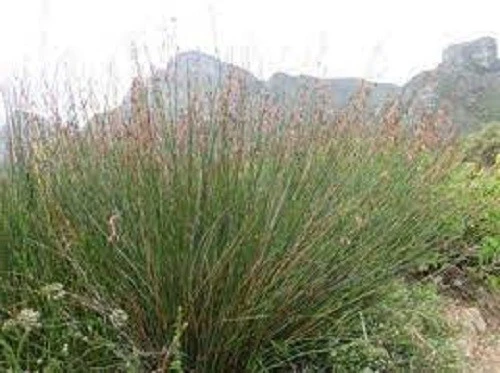
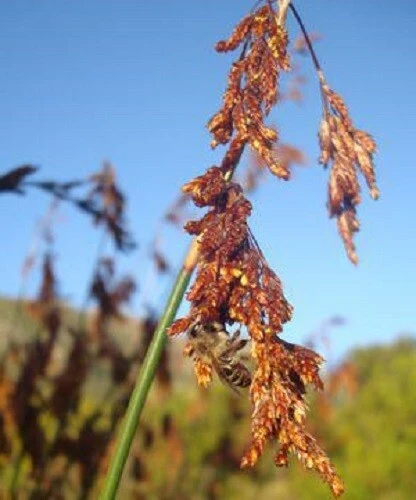
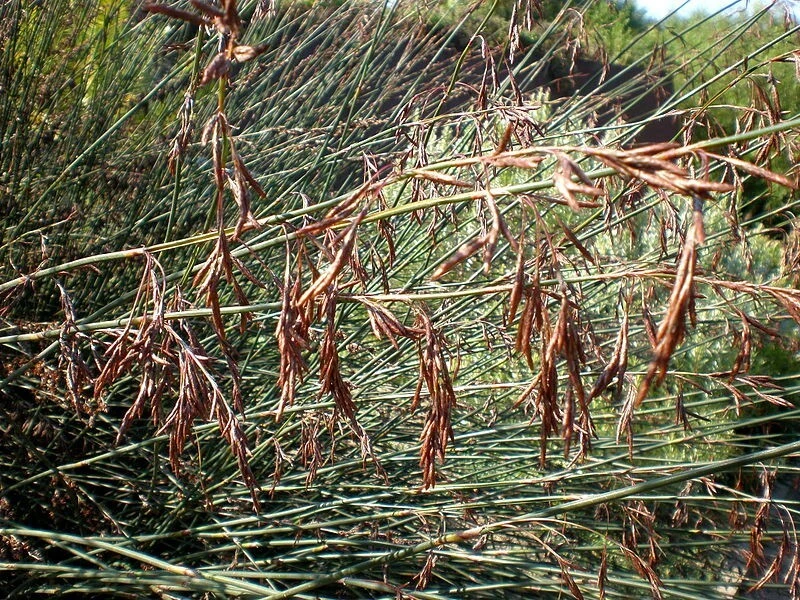
Embark on a rewarding gardening journey with our premium Thamnochortus spinigerus seeds. This offering includes 20 seeds of the distinctive Large Thatching Reed, a captivating perennial grass known for its strong, upright growth habit and elegant texture. Originating from the Cape region of South Africa, Thamnochortus spinigerus is a robust and ornamental reed that brings a unique, architectural element to various landscape designs. Whether you’re aiming to create a focal point, add a natural screen, or introduce a drought-tolerant specimen to your garden, these large thatching reed seeds provide an excellent starting point. Perfect for those who appreciate unusual and resilient plants, this clumping grass develops into a striking mature plant that can withstand various conditions once established.
The Thamnochortus spinigerus seeds are an ideal choice for gardeners seeking to cultivate a plant with both aesthetic appeal and practical benefits. As a type of restio, it offers a distinct alternative to more common ornamental grasses, providing a sophisticated and natural look. With a moderate cultivating difficulty, growing these seeds can be a fulfilling experience for both novice and experienced gardeners. Prepare to transform your garden with the unique beauty of this exceptional perennial reed.
Key Benefits
Growing Thamnochortus spinigerus from seed offers numerous advantages for your garden and gardening experience. This remarkable plant provides both visual interest and ecological benefits:
- Unique Ornamental Appeal: The large thatching reed develops into a magnificent, clumping grass with an upright growth habit, offering a distinctive architectural form that stands out in any garden setting. Its fine texture and subtle coloration add elegance and movement to your landscape.
- Drought Tolerance: Once established, Thamnochortus spinigerus is highly drought-tolerant, making it an excellent choice for xeriscaping or gardens in arid climates, significantly reducing water consumption.
- Low Maintenance: This perennial grass requires minimal care once mature, thriving with little intervention and providing long-lasting beauty without constant attention. Its resilience makes it a gardener’s favorite.
- Habitat for Wildlife: The dense clumps of this clumping grass seeds can provide shelter and nesting sites for small birds and insects, contributing to local biodiversity.
- Erosion Control: The strong root system of the perennial grass seeds helps stabilize soil, making it useful for planting on slopes or in areas prone to erosion.
- Versatile Landscaping Use: Ideal for specimen planting, mass plantings, natural screens, or as a striking addition to a mixed border, the ornamental reed seeds allow for diverse design possibilities.
- Moderate Cultivating Difficulty: Offers a satisfying challenge for gardeners, leading to a greater sense of accomplishment when the beautiful reeds emerge and flourish.
Plant Care & Growing Tips
Cultivating Thamnochortus spinigerus seeds requires attention to detail, but the results are well worth the effort. For successful germination and growth of your large thatching reed, proper environmental conditions are crucial. Start your seeds indoors 6-8 weeks before the last frost date, or sow directly outdoors in spring in warmer climates. The seeds benefit from a period of stratification or smoke treatment to improve germination rates, mimicking natural conditions. Prepare a well-draining seed-starting mix in trays or small pots. Sow the seeds shallowly, covering them with a very thin layer of soil or vermiculite, as light can aid germination.
Maintain consistent moisture in the soil, ensuring it is damp but never waterlogged. A humidity dome can help retain moisture. Provide warmth, ideally around 70-75°F (21-24°C), for optimal germination. Once seedlings emerge, provide ample bright light, either from a south-facing window or under grow lights, to prevent legginess. Gradually acclimate young plants to outdoor conditions before transplanting them into their permanent location. For established plants, Thamnochortus spinigerus thrives in full sun, requiring at least 6-8 hours of direct sunlight daily. It prefers well-draining, sandy or loamy soil and is highly adaptable to various soil types, provided drainage is excellent. Water regularly during the first growing season to establish a strong root system; after that, it is remarkably drought-tolerant and requires minimal supplemental watering. This clumping grass seeds will thrive with minimal fuss once settled.
The USDA Hardiness Zone for this plant is 9 (20 to 30 °F), indicating its preference for milder climates. In colder zones, it can be grown as an annual or overwintered indoors. Fertilization is generally not necessary, as these plants are adapted to nutrient-poor soils. Pruning is minimal, primarily to remove any old or damaged foliage to maintain a tidy appearance. Watch out for common pests like aphids or spider mites, though Thamnochortus spinigerus is generally quite resistant. Ensuring good air circulation and avoiding overwatering will help prevent fungal issues. Following these guidelines will help you cultivate healthy and vibrant perennial grass seeds into magnificent plants.
Size & Details
The Thamnochortus spinigerus seeds you receive will allow you to cultivate a striking ornamental grass. Each packet contains 20 seeds, providing a good quantity for starting a significant planting or for multiple attempts to ensure success. Once mature, the large thatching reed is known for its robust, clumping growth habit, forming dense tufts of upright stems. While exact mature dimensions can vary based on growing conditions and climate, typically this perennial grass can reach heights of 3 to 6 feet (around 90-180 cm) with a similar spread, creating a substantial presence in the landscape. The growth rate is moderate, meaning you will see steady development over a few seasons until it reaches its full majestic size.
These ornamental reed seeds are suitable for USDA Hardiness Zone 9 (20 to 30 °F), making them ideal for regions with mild winters. They are shipped as dry seeds, carefully packaged to ensure viability upon arrival. Expect the plants to establish well within the first year, with full maturity and the most impressive display typically achieved by the second or third growing season. The moderate cultivating difficulty makes it an engaging project for gardeners looking to expand their plant collection with unique and resilient species.
Frequently Asked Questions
- Q: How big does the large thatching reed get? A: Once mature, the large thatching reed (Thamnochortus spinigerus) typically grows to a height of 3 to 6 feet (90-180 cm) with a similar spread, forming a substantial clumping grass. Its size can vary slightly depending on environmental conditions and care.
- Q: Is this an indoor or outdoor plant? A: Thamnochortus spinigerus is primarily an outdoor plant, thriving in full sun in garden beds. In USDA Zone 9, it can be grown year-round outdoors. In colder zones, it can be treated as an annual or brought indoors during winter.
- Q: How much sunlight do Thamnochortus spinigerus seeds need to grow? A: For optimal growth, the mature large thatching reed requires full sun, meaning at least 6-8 hours of direct sunlight per day. Adequate sunlight is crucial for strong stem development and overall plant health.
- Q: Is this plant easy to care for? A: The cultivating difficulty for Thamnochortus spinigerus seeds is moderate. Once established, the mature plant is relatively low-maintenance, being drought-tolerant and requiring minimal fertilization. Initial care during germination and establishment is key.
- Q: What condition will the perennial grass seeds arrive in? A: The product consists of 20 Thamnochortus spinigerus seeds, which will arrive as dry, carefully packaged seeds. They are ready for planting according to the provided instructions.
- Q: When is the best time to plant clumping grass seeds? A: The best time to sow clumping grass seeds like Thamnochortus spinigerus is in early spring after the danger of frost has passed, or indoors 6-8 weeks before the last frost. This allows the seedlings ample time to establish before the peak growing season.
- Q: Will ornamental reed seeds survive winter in my zone? A: Thamnochortus spinigerus is hardy in USDA Zone 9 (20 to 30 °F). If you are in Zone 9 or warmer, it should survive winter outdoors. In colder zones, it may need protection or to be grown as an annual.
- Q: What type of soil does the large thatching reed prefer? A: This plant thrives in well-draining soil, particularly sandy or loamy types. Excellent drainage is crucial to prevent root rot, as it is adapted to drier conditions.
- Q: Do I need to fertilize my Thamnochortus spinigerus? A: Generally, Thamnochortus spinigerus does not require heavy fertilization. It is adapted to nutrient-poor soils. If your soil is extremely poor, a light, balanced slow-release fertilizer can be applied once in spring.
- Q: How long until the Thamnochortus spinigerus seeds germinate? A: Germination time for Thamnochortus spinigerus seeds can vary, but typically, with proper stratification or smoke treatment and consistent warmth, you can expect germination within 3-6 weeks. Patience is key with these unique seeds.
Be the first to review “Thamnochortus Spinigerus Seeds – Large Thatching Reed – 20 Seeds – Perennial”
Related products


Grass Seeds
Creeping Meadow Foxtail ‘Garrison’ Grass Seeds – 1000 Clay Coated Seeds, Cool Season, Moist Soil


You May Like

Hardneck vs. Softneck Garlic: Which Should You Grow?
Have you ever stood in front of a seed catalog in mid-September, staring at dozens [...]
Oct

When to Plant Music Garlic: Ultimate US Fall Guide
Have you ever spent your fall weekend placing carefully chosen garlic cloves into rich, dark [...]
1 Comment
Oct

5 Best Bulbs for Fall Planting: Brighten Your Garden This Spring
Are you dreaming of a garden full of vibrant colors in the spring? The key [...]
Aug

10 Houseplants That Will Thrive in Your Kitchen
Are you tired of your kitchen feeling dull and lifeless? Want to add a little [...]
1 Comment
Aug
Reviews
There are no reviews yet.