
St Mary Thistle Variegated Seeds – 30 Count Perennial Seed for Garden
Original price was: 45.99 $.20.99 $Current price is: 20.99 $.
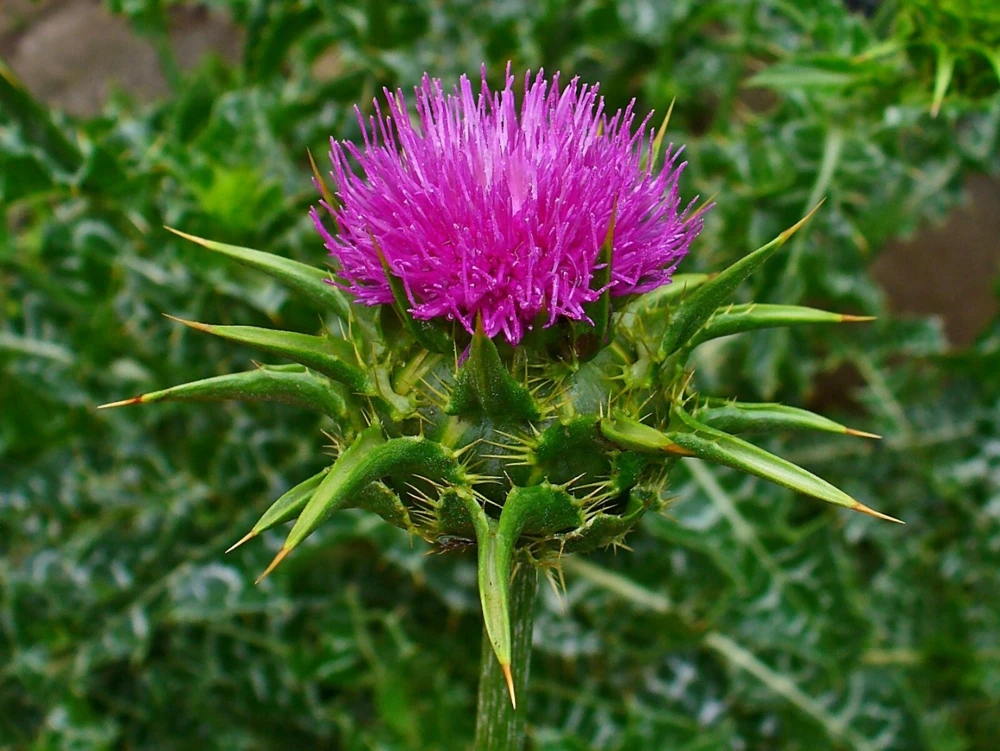
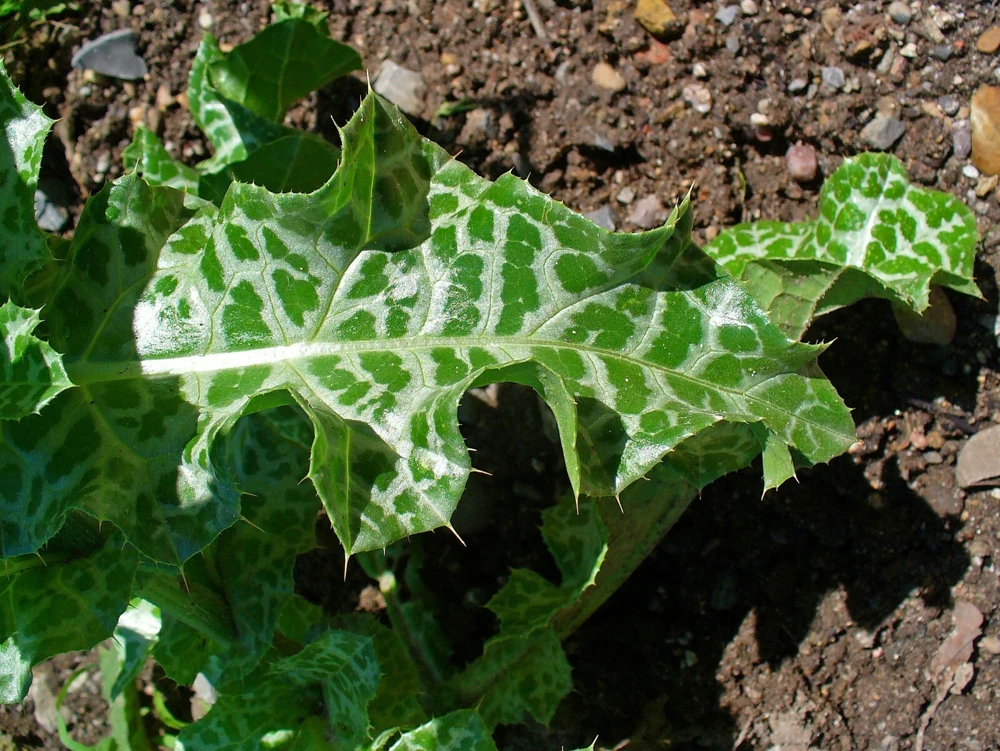
Discover the unique beauty of St Mary Thistle variegated seeds. This perennial plant is known for its striking foliage with white veins, adding exceptional visual interest to any garden. Perfect for ornamental use and easy to cultivate from seed.
Estimated arrival
Oct 16
Oct 21 - Oct 23
Oct 23 - Oct 28
See our Shipping Policy.
Get in touch with us via email, and our team will review your concerns.
Our Alive & Thrive Guarantee covers issues with your plants within the first 30 days. Read our Refund & Returns Policy.
-
USDA Hardiness Zone
USDA zones 5-9 -
Soil Type
Well-draining, moderately fertile soil -
Sunlight Exposure
Full sun -
Expected Planting Period
Early spring
Overview
Cultivate a striking display in your garden with our premium St Mary Thistle variegated seeds. This offering includes 30 high-quality seeds of the revered Silybum marianum, also commonly known as Milk Thistle. The variegated form of St Mary Thistle is highly prized for its distinctive leaves, which feature prominent white marbling or veins, creating a dramatic contrast against the green foliage. Unlike its wild counterparts, this ornamental variety brings a sophisticated touch to garden beds, borders, or even large containers. Growing your own variegated thistle seeds provides a rewarding experience, allowing you to witness the plant’s development from a tiny seed into a magnificent specimen.
The St Mary Thistle variegated seeds are an excellent choice for gardeners looking to introduce unique textures and patterns into their landscape. This perennial plant is known for its robust nature and ability to thrive in various conditions, making it a relatively low-maintenance option once established. While many thistles are considered weeds, Silybum marianum is celebrated for both its ornamental appeal and its historical significance. Our 30-count seed pack ensures you have ample opportunity to propagate these beautiful plants and enjoy their distinctive presence for seasons to come.
Key Benefits
Planting St Mary Thistle variegated seeds offers a multitude of benefits for both the enthusiastic gardener and the casual observer. This unique perennial provides more than just aesthetic appeal; it contributes to a vibrant and diverse garden ecosystem. Here are some of the standout advantages:
- Unique Ornamental Foliage: The primary draw of these seeds is the stunning variegated leaves. Each leaf boasts intricate white patterns that make it a focal point in any garden setting, standing out from more common green foliage plants. This striking appearance ensures visual interest throughout the growing season.
- Easy to Grow from Seed: These Silybum marianum seeds are known for their relatively straightforward germination and growth. Even beginner gardeners can achieve success, making it a satisfying project to watch these distinctive plants emerge and mature.
- Drought Tolerant: Once established, St Mary Thistle is remarkably resilient and can withstand periods of drought. This makes it an ideal choice for xeriscaping or gardens in regions with less consistent rainfall, reducing the need for frequent watering.
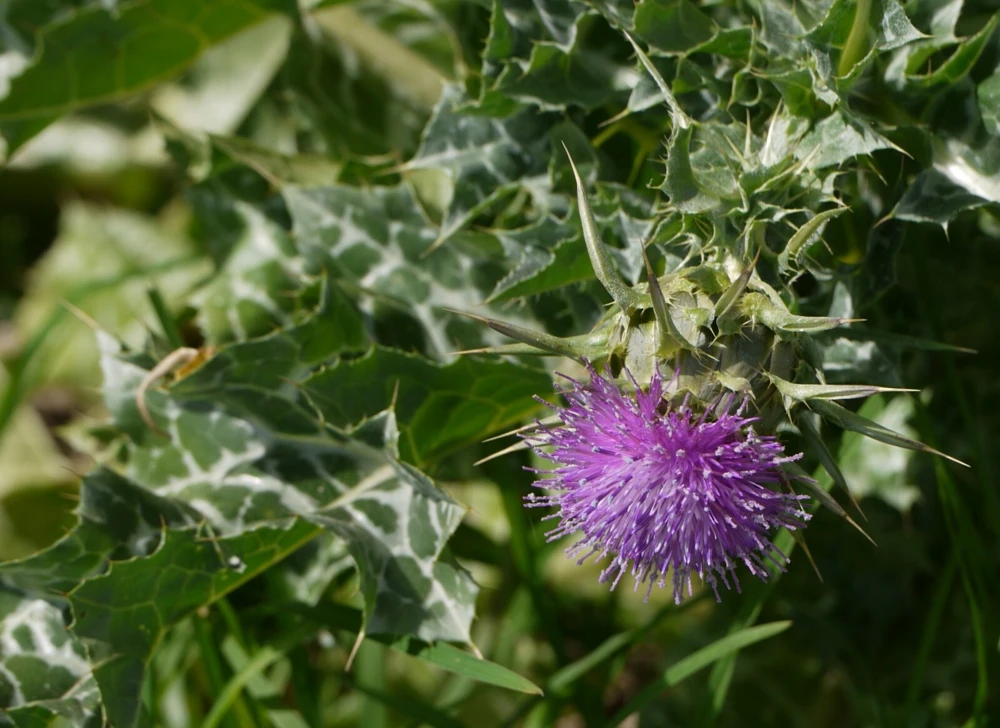
- Attracts Pollinators: While grown for its foliage, the purple-pink flowers of the St Mary Thistle are also attractive to beneficial pollinators like bees and butterflies, contributing to the health and biodiversity of your garden.
- Low Maintenance Perennial: After the initial planting and establishment phase, this plant requires minimal care. It’s a perennial, meaning it will return year after year, saving you the effort of replanting annually.
- Versatile Garden Use: The bold form and unique coloring of the ornamental thistle seeds make them suitable for various garden applications, including cottage gardens, rock gardens, mixed borders, or even as a dramatic specimen plant in a large container.
- Historical Significance: Beyond its beauty, St Mary Thistle has a rich history of traditional use, adding another layer of interest to its presence in your garden.
Plant Care & Growing Tips
Growing St Mary Thistle variegated seeds to maturity is a rewarding experience, and with the right care, your plants will flourish. These perennials are generally hardy and adaptable, but providing optimal conditions will ensure the most vibrant foliage and robust growth. Start by sowing the perennial thistle seeds directly outdoors in early spring after the last frost, or indoors 6-8 weeks before the last frost date for an earlier start. Plant seeds about 1/4 to 1/2 inch deep and space them 12-18 inches apart, as the plants can spread quite a bit. Ensure the soil remains consistently moist until germination occurs, which typically takes 10-20 days.
For sunlight requirements, St Mary Thistle thrives in full sun, meaning it needs at least 6-8 hours of direct sunlight per day to achieve its best growth and most pronounced variegation. While it can tolerate partial shade, too little sun may result in leggy growth and less vibrant leaf patterns. As for watering, once established, these plants are quite drought-tolerant. Water deeply but infrequently, allowing the top few inches of soil to dry out completely between waterings. Overwatering can lead to root rot, so good drainage is crucial. The ideal soil type is well-draining, moderately fertile, and can range from sandy to loamy. Avoid heavy, waterlogged soils.
The St Mary Thistle variegated seeds will grow into plants that are quite resilient to various temperatures. They are typically hardy in USDA zones 5-9. In colder zones, they may behave as biennials or need winter protection. Fertilization is generally not heavily required; an annual application of a balanced, slow-release fertilizer in spring can be beneficial, especially in poorer soils. Watch out for common garden pests like aphids, though St Mary Thistle is generally robust. Deadhead spent flowers to prevent excessive self-seeding if you wish to control its spread. With these tips, your Silybum marianum seeds will yield magnificent plants that enhance your garden’s beauty.
Size & Details
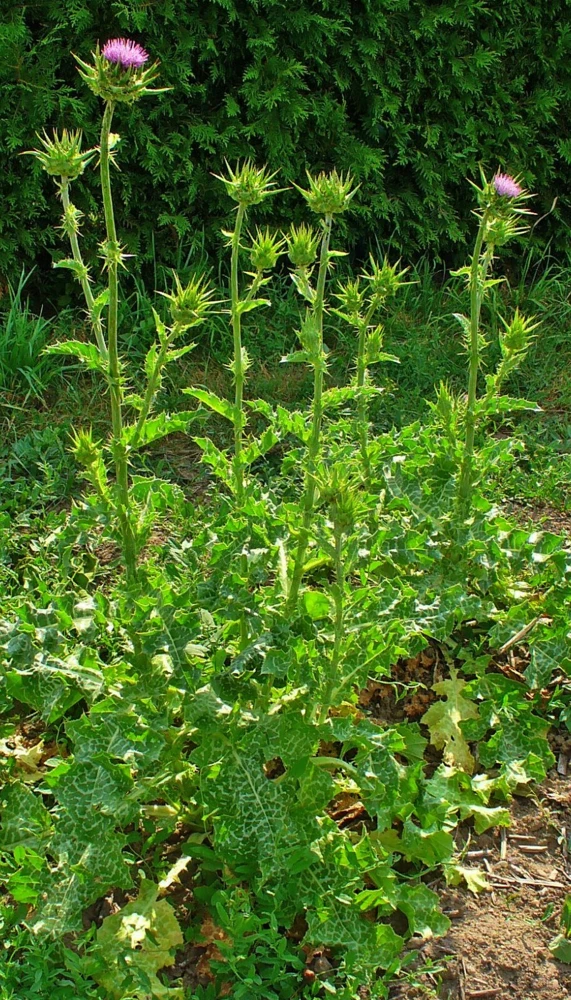
This product includes 30 individual St Mary Thistle variegated seeds, carefully selected for quality. When mature, these plants typically reach a height of 2-5 feet and can spread 1-2 feet wide, forming a robust and architectural presence in the garden. The growth rate is moderate, with plants often flowering in their second year if planted in spring. The seeds are suitable for direct sowing or starting indoors. Each seed has the potential to grow into a striking perennial, offering several years of ornamental appeal. The exact size and variegation intensity of the mature plant can vary slightly based on growing conditions, soil fertility, and sunlight exposure.
The seeds are shipped in a protective packet, ensuring their viability upon arrival. Expect a biennial or short-lived perennial growth habit depending on your climate and care. The large, deeply lobed leaves with their distinctive white marbling are the main feature, providing continuous interest. The plant will produce large, purple thistle-like flowers, typically in summer, which are attractive to pollinators. These variegated thistle seeds are an excellent investment for gardeners seeking long-term beauty and a unique botanical specimen.
Frequently Asked Questions
- Q: How big does this plant get from these St Mary Thistle variegated seeds? A: St Mary Thistle typically grows to a height of 2 to 5 feet tall and can spread about 1 to 2 feet wide. Its size can vary slightly based on growing conditions and climate.
- Q: Is this an indoor or outdoor plant? A: While it can be started indoors, St Mary Thistle is primarily an outdoor plant. It thrives in garden beds, borders, or large outdoor containers where it can receive ample sunlight.
- Q: How much sunlight does Silybum marianum seeds need? A: For optimal growth and the most vibrant variegation, St Mary Thistle requires full sun, meaning at least 6-8 hours of direct sunlight per day. It can tolerate partial shade but may have less pronounced variegation.
- Q: Is this plant easy to care for? A: Yes, once established, St Mary Thistle is considered a low-maintenance plant. It’s drought-tolerant and generally robust, making it suitable for gardeners of various experience levels.
- Q: What condition will the ornamental thistle seeds arrive in? A: The 30 seeds will arrive in a protective packet, ensuring their quality and viability for planting. They are ready to be sown upon receipt.
- Q: How long until it blooms? A: St Mary Thistle is often a biennial or short-lived perennial. If planted in spring, it typically forms foliage in the first year and produces its purple flowers in the summer of the second year.
- Q: Will it survive winter in my zone? A: This plant is generally hardy in USDA zones 5-9. In zones colder than 5, it may not survive the winter and might be grown as an annual or biennial. In warmer zones, it can be a reliable perennial.
- Q: What’s the best time to plant perennial thistle seeds? A: The best time to plant these seeds is in early spring, after the last expected frost. For an earlier start, you can sow them indoors 6-8 weeks before the last frost date.
- Q: Does this plant attract pollinators? A: Yes, the purple flowers of the St Mary Thistle are attractive to various pollinators, including bees and butterflies, contributing to the biodiversity of your garden.
- Q: Can these seeds be stored for later planting? A: Yes, if stored in a cool, dry, and dark place, these seeds can remain viable for future planting seasons.
Be the first to review “St Mary Thistle Variegated Seeds – 30 Count Perennial Seed for Garden”
Related products


Flower Seeds


You May Like

Hardneck vs. Softneck Garlic: Which Should You Grow?
Have you ever stood in front of a seed catalog in mid-September, staring at dozens [...]
Oct

When to Plant Music Garlic: Ultimate US Fall Guide
Have you ever spent your fall weekend placing carefully chosen garlic cloves into rich, dark [...]
1 Comment
Oct

5 Best Bulbs for Fall Planting: Brighten Your Garden This Spring
Are you dreaming of a garden full of vibrant colors in the spring? The key [...]
Aug

10 Houseplants That Will Thrive in Your Kitchen
Are you tired of your kitchen feeling dull and lifeless? Want to add a little [...]
1 Comment
Aug
Reviews
There are no reviews yet.