
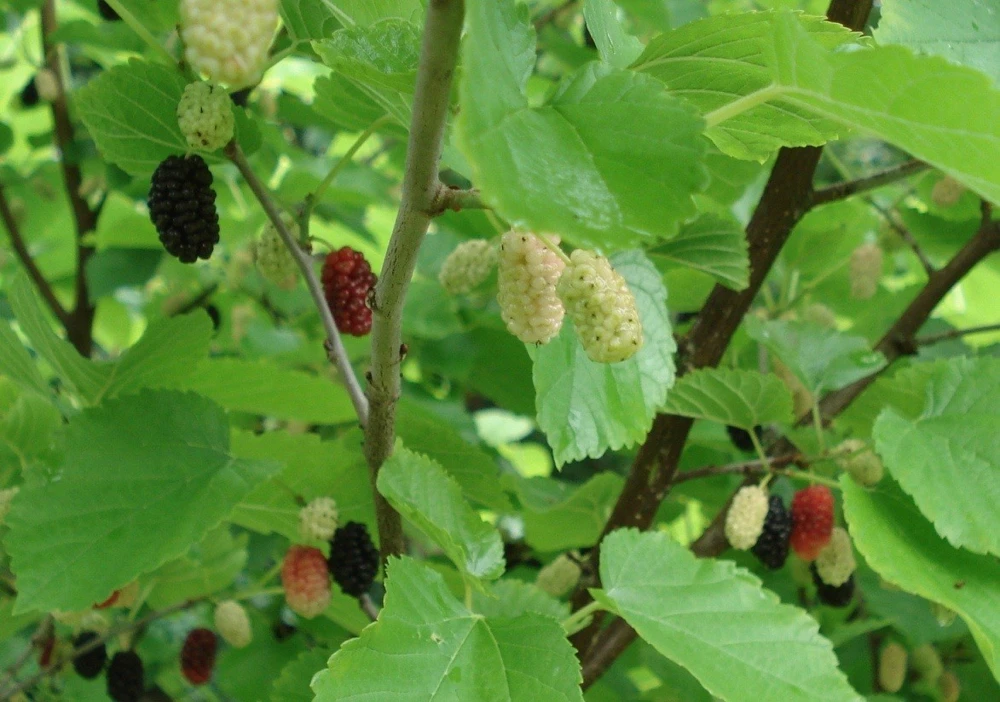
Black Mulberry Tree Seeds – Morus Nigra – 10 Seeds – Grow Your Own Fruit Tree
Original price was: 47.99 $.22.99 $Current price is: 22.99 $.
Cultivate your own fruitful garden with these black mulberry tree seeds. Start growing the delicious Morus nigra seeds, known for their sweet, dark berries. Perfect for home gardeners looking to add a unique fruit tree to their landscape.
Estimated arrival
Oct 16
Oct 21 - Oct 23
Oct 23 - Oct 28
See our Shipping Policy.
Get in touch with us via email, and our team will review your concerns.
Our Alive & Thrive Guarantee covers issues with your plants within the first 30 days. Read our Refund & Returns Policy.
-
USDA Hardiness Zone
USDA zones 5-9 -
Soil Type
Well-draining loamy soil -
Sunlight Exposure
Full sun -
Expected Planting Period
Late winter to early spring (after stratification)
Overview
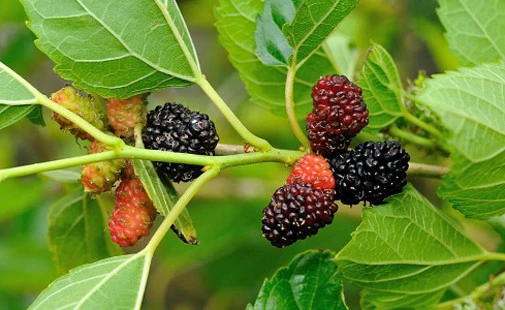
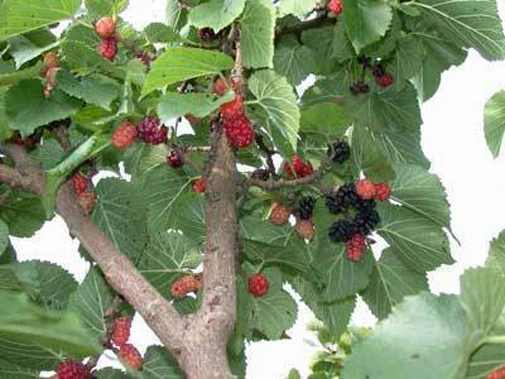
Embark on a rewarding gardening journey with our premium black mulberry tree seeds. These seeds, sourced from the revered Morus nigra species, offer you the opportunity to cultivate your very own black mulberry tree, renowned for its succulent, dark-purple fruits. The black mulberry, often considered the finest-flavored mulberry, is a deciduous tree that can grow into a beautiful, spreading specimen, providing both shade and an abundance of sweet berries. Growing a black mulberry tree from seed is a fulfilling experience, connecting you directly with nature’s bounty. These perennial seeds are an excellent choice for gardeners who appreciate the charm of growing fruit-bearing trees from their earliest stages, offering a unique addition to any edible landscape or backyard orchard. Imagine harvesting fresh, juicy mulberries directly from your own tree for pies, jams, or simply enjoying them fresh off the branch.
The Morus nigra seeds provided are a fantastic starting point for establishing a long-lived and productive fruit tree. With proper care and patience, these seeds will germinate and develop into robust trees, ready to enrich your garden for many years to come. The black mulberry is a resilient species, known for its adaptability and relatively easy care once established, making it a great project for both novice and experienced gardeners eager to expand their botanical horizons. Discover the joy of nurturing a plant from a tiny seed to a magnificent, fruit-laden tree.
Key Benefits
Growing a black mulberry tree from seed offers a multitude of benefits, from the satisfaction of cultivation to the delicious rewards of its fruit. These trees are not only productive but also add significant aesthetic value to your property.
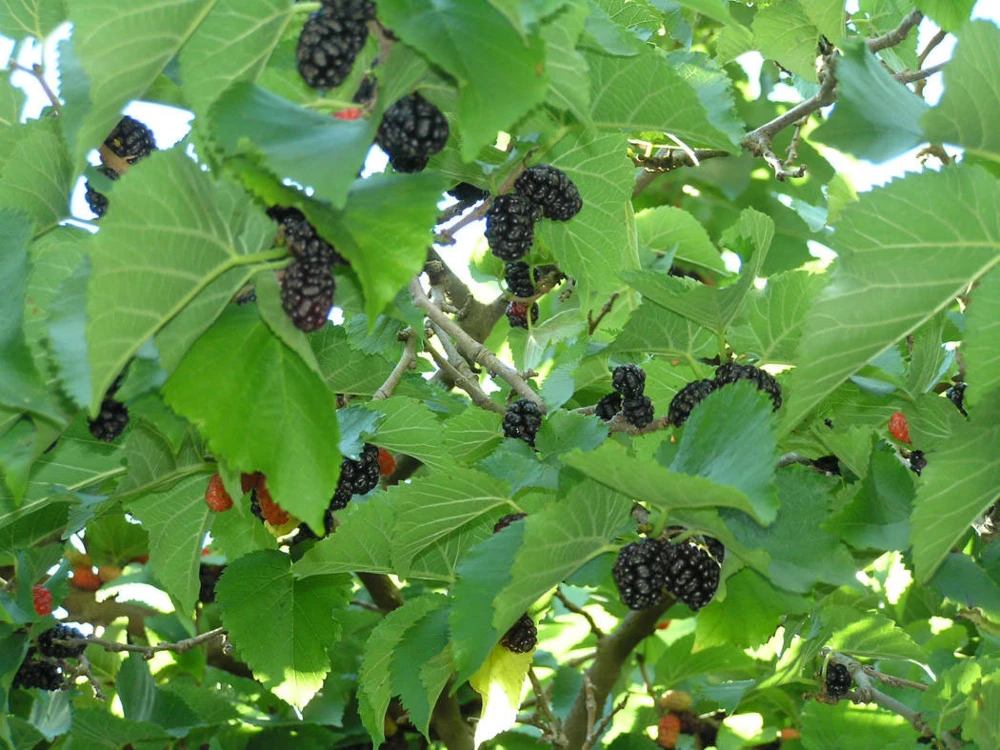
- Abundant, Delicious Fruit: Enjoy a plentiful harvest of sweet, juicy black mulberries, perfect for fresh eating, baking, preserves, and more. The flavor of homegrown mulberries is unmatched by store-bought varieties.
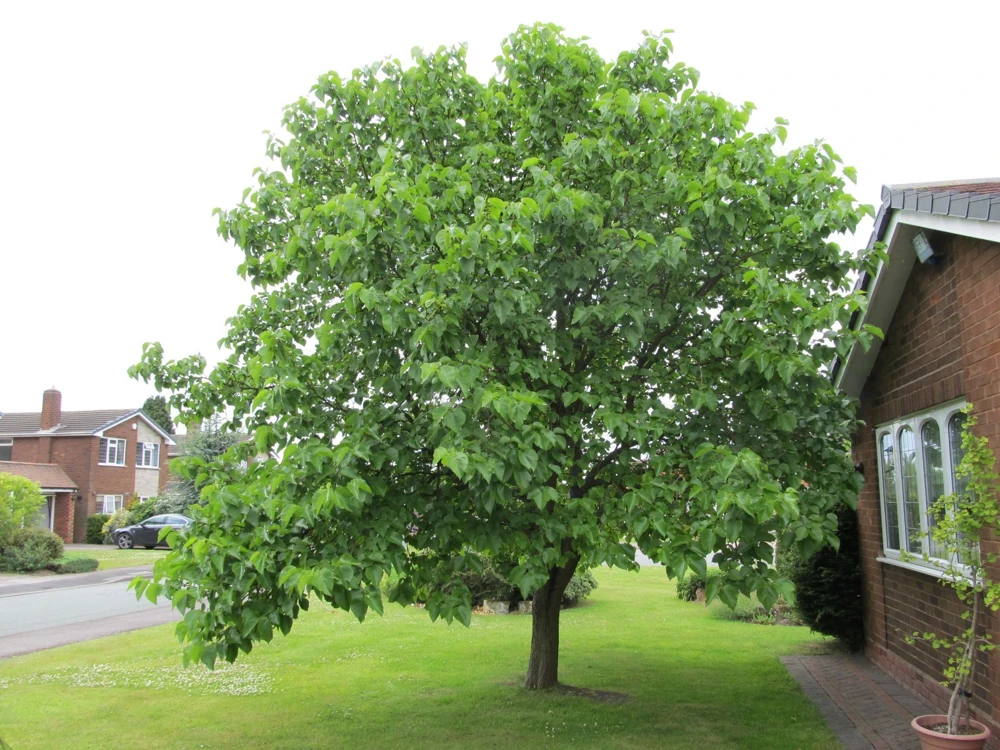
- Shade and Aesthetic Appeal: As it matures, the black mulberry tree develops a broad, attractive canopy, providing excellent shade during warm months and enhancing the beauty of your garden with its lush foliage.
- Wildlife Attraction: The berries attract various birds and other beneficial wildlife, contributing to a diverse and vibrant ecosystem in your garden. This can be a delightful aspect for nature lovers.
- Long-Lived and Resilient: Black mulberry trees are known for their longevity and hardiness, capable of thriving for many decades with minimal intervention once established. They are generally resistant to many common pests and diseases.
- Educational Experience: Cultivating a black mulberry tree from seed provides a wonderful educational experience for all ages, teaching patience, observation, and the natural cycle of growth and harvest.
- Garden Versatility: Whether grown as a standalone specimen, part of an edible hedge, or integrated into a permaculture design, these trees adapt well to various garden settings.
- Health Benefits: Mulberries are packed with vitamins, antioxidants, and dietary fiber, making them a healthy addition to your diet directly from your own garden.
Plant Care & Growing Tips
Successfully growing your morus nigra seeds into a thriving tree requires attention to specific environmental factors and consistent care. Starting from seed involves a stratification period to mimic natural winter conditions, which is crucial for germination. First, gently scarify the seeds by lightly rubbing them with sandpaper, then soak them in warm water for 24 hours. After soaking, cold stratify the seeds by placing them in a moist medium (like sand or peat moss) in a sealed bag in the refrigerator for 60-90 days. This process helps break dormancy and encourages germination.
Once stratified, plant the seeds about 1/4 inch deep in a well-draining seed starting mix. Keep the soil consistently moist but not waterlogged. Provide ample sunlight, either from a sunny windowsill or under grow lights, to encourage strong seedling development. As seedlings grow, thin them to ensure adequate space. Transplant young trees to their permanent location once they are robust enough and all danger of frost has passed. Black mulberries thrive in full sun, requiring at least 6-8 hours of direct sunlight daily for optimal fruit production. They prefer a rich, well-draining soil with a pH between 6.0 and 7.0. While relatively drought-tolerant once established, young trees benefit from regular watering, especially during dry spells. Fertilize annually in early spring with a balanced slow-release fertilizer. Pruning can be done in late winter to shape the tree and remove any dead or diseased branches. Understanding mulberry plant care ensures a healthy, productive tree.
Size & Details
These black mulberry tree seeds offer the potential for a substantial, long-lived fruit tree. Each packet contains 10 seeds, providing a good quantity to ensure successful germination and establishment. Once mature, a Morus nigra tree can reach heights of 20-30 feet with a similar spread, forming a beautiful, rounded canopy. Growth rate is moderate, and trees typically begin bearing fruit within 3-5 years from seed. The fruits are small, dark, and intensely sweet, ripening in late spring to early summer. These seeds are ideal for outdoor cultivation in suitable climates, thriving in USDA zones 5-9, though they can be grown in containers in colder regions and brought indoors during winter. The vigorous root system allows the tree to adapt to various soil types, provided there is good drainage. Plant these seeds knowing you are investing in a future of fresh, delicious mulberries directly from your garden.
Frequently Asked Questions
- Q: How big does this plant get? A: A mature black mulberry tree can reach an average height of 20-30 feet with a similar spread, developing a broad, rounded canopy. Its size will depend on growing conditions and pruning.
- Q: Is this an indoor or outdoor plant? A: The black mulberry tree is primarily an outdoor plant, thriving in garden settings. However, young seedlings can be started indoors and grown in containers for a period before transplanting.
- Q: How much sunlight does it need? A: Black mulberry trees require full sun to produce the best fruit, meaning at least 6-8 hours of direct sunlight per day.
- Q: Is this plant easy to care for? A: While starting from morus nigra seeds requires patience and proper stratification, established black mulberry trees are relatively low-maintenance and quite resilient, making mulberry plant care manageable for many gardeners.
- Q: What condition will it arrive in? A: Your order will arrive as a packet of black mulberry tree seeds, ready for you to begin the germination process.
- Q: How long until it blooms? A: Black mulberry trees grown from seed typically begin to bear fruit within 3-5 years after germination, depending on growing conditions.
- Q: Will it survive winter in my zone? A: Black mulberry trees are hardy and can survive winters in USDA Zones 5-9. In colder zones, they can be grown in large containers and overwintered indoors or in a sheltered location.
- Q: Can I grow mulberry from seed directly in the ground? A: While possible, it’s generally recommended to start morus nigra seeds indoors in controlled conditions after stratification to ensure higher germination rates and protect young seedlings from pests and harsh weather.
- Q: What is the best time to plant these seeds? A: After cold stratification, the best time to plant the seeds indoors is in late winter or early spring, so seedlings are ready for transplanting outdoors after the last frost.
- Q: Are these seeds suitable for creating a fruit tree? A: Yes, these are specifically fruit tree seeds, and with successful germination and growth, they will develop into a fruit-bearing black mulberry tree.
Be the first to review “Black Mulberry Tree Seeds – Morus Nigra – 10 Seeds – Grow Your Own Fruit Tree”
Related products


You May Like

Hardneck vs. Softneck Garlic: Which Should You Grow?
Have you ever stood in front of a seed catalog in mid-September, staring at dozens [...]
Oct

When to Plant Music Garlic: Ultimate US Fall Guide
Have you ever spent your fall weekend placing carefully chosen garlic cloves into rich, dark [...]
1 Comment
Oct

5 Best Bulbs for Fall Planting: Brighten Your Garden This Spring
Are you dreaming of a garden full of vibrant colors in the spring? The key [...]
Aug

10 Houseplants That Will Thrive in Your Kitchen
Are you tired of your kitchen feeling dull and lifeless? Want to add a little [...]
1 Comment
Aug
Reviews
There are no reviews yet.