
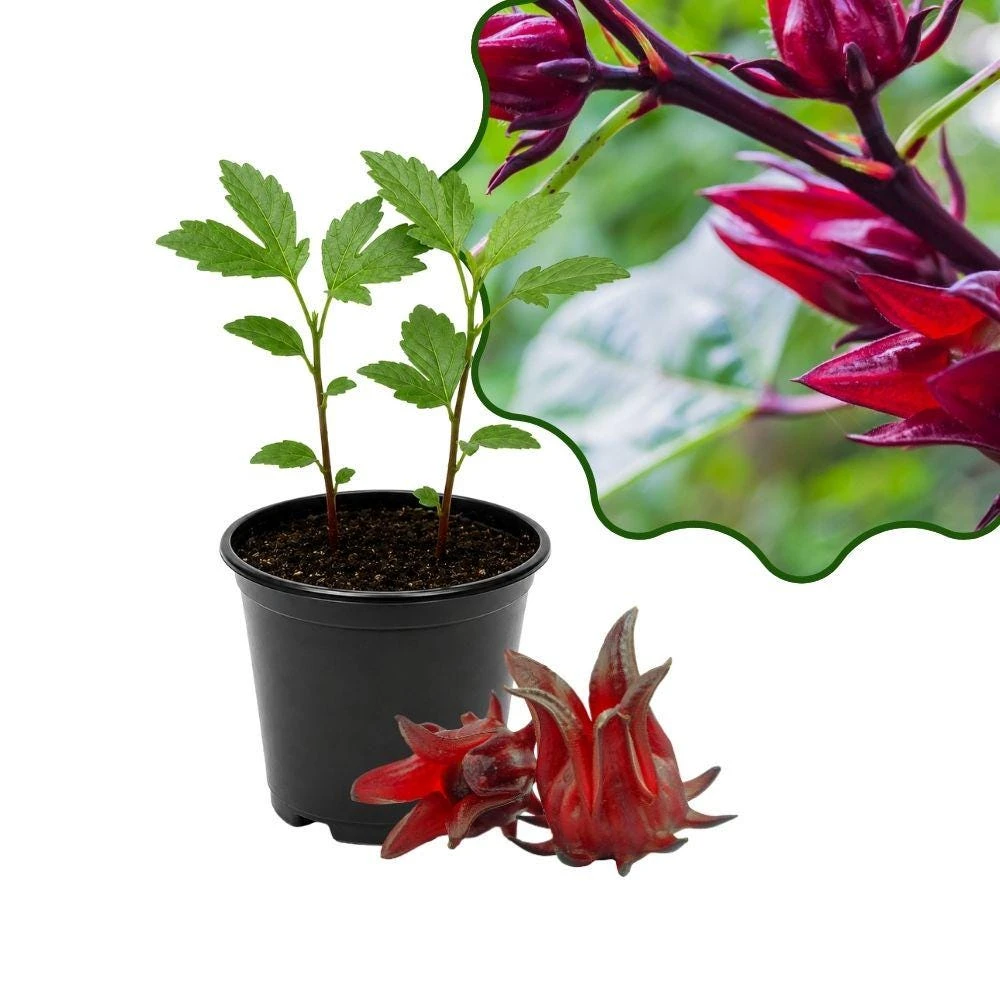
Roselle Live Plant Edible Hibiscus, 2 Plants per Pot, 4 Inch Tall, Outdoor
Original price was: 65.99 $.28.99 $Current price is: 28.99 $.
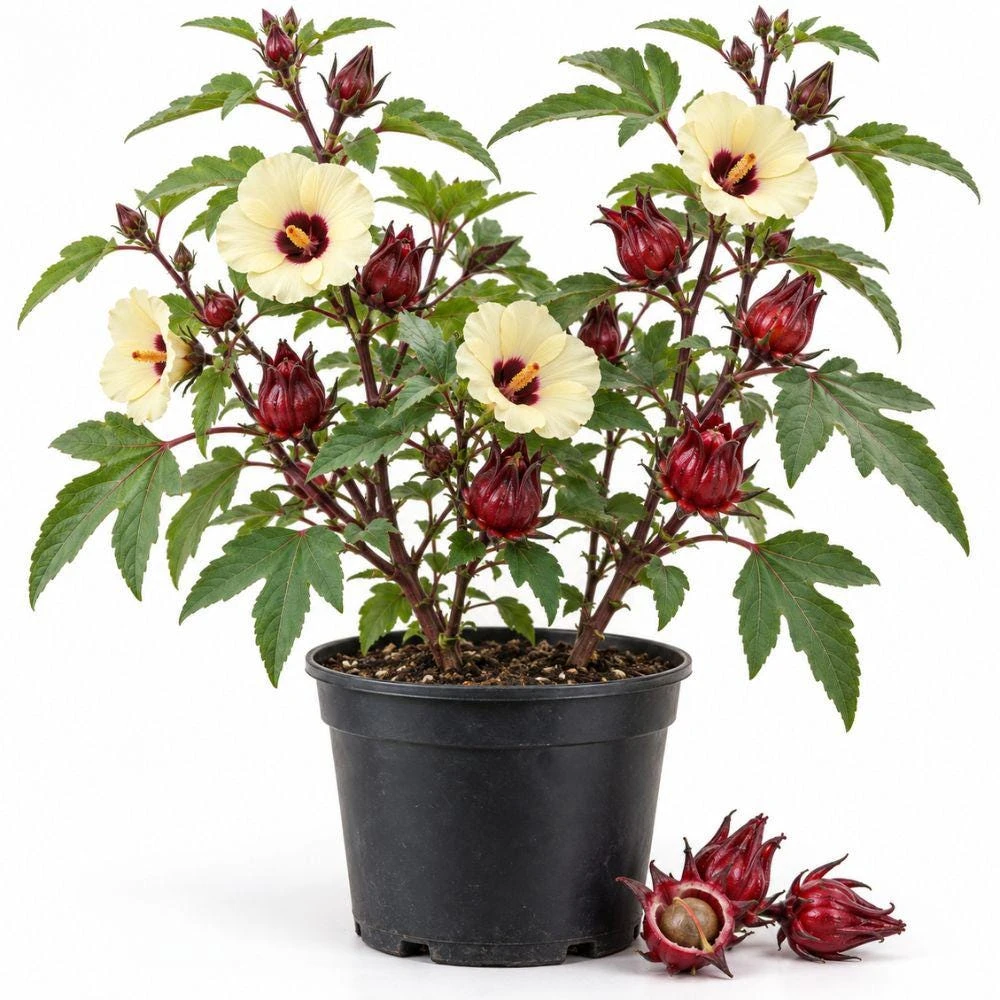
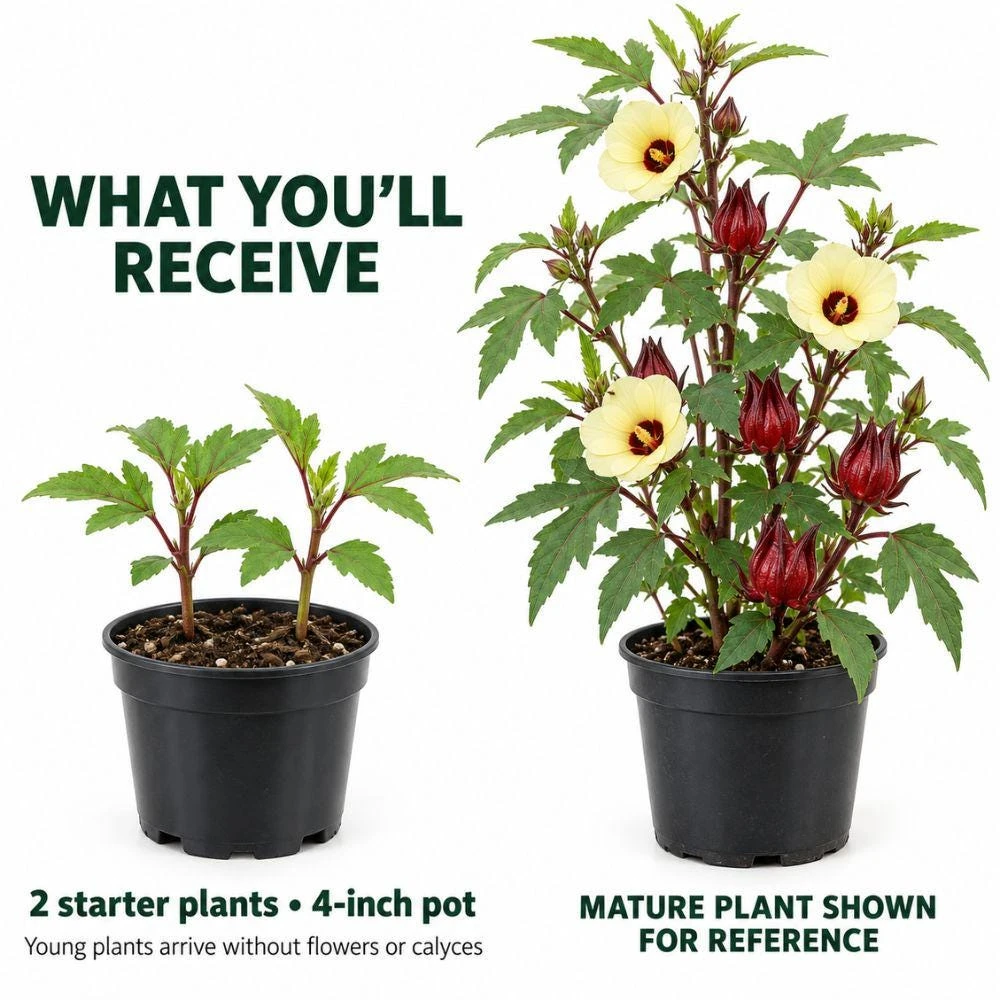
Add the vibrant and versatile roselle live plant to your garden! These edible hibiscus plant starters are perfect for warm climates and provide attractive foliage with culinary benefits. You’ll receive two plants, each approximately 4 inches tall, ready to thrive in sunny locations.
Estimated arrival
Oct 16
Oct 21 - Oct 23
Oct 23 - Oct 28
See our Shipping Policy.
Get in touch with us via email, and our team will review your concerns.
Our Alive & Thrive Guarantee covers issues with your plants within the first 30 days. Read our Refund & Returns Policy.
-
USDA Hardiness Zone
USDA zones 9-11 (as a perennial), annual in colder zones -
Soil Type
Well-draining, rich in organic matter -
Sunlight Exposure
Full sun -
Expected Planting Period
Spring to summer
Overview
Introduce a touch of tropical beauty and culinary delight to your garden with this exceptional offer for a roselle live plant. Also known as edible hibiscus plant or Hibiscus sabdariffa, Roselle is a versatile and attractive annual or perennial shrub, depending on your climate. These live starter plants are carefully cultivated to ensure a strong beginning in your garden, offering both ornamental appeal with their striking hibiscus-like foliage and practical uses for their edible calyces. Perfect for those looking to expand their edible landscape, Roselle thrives in warm conditions and is a fantastic addition to any sunny garden bed or large container. Discover the joy of growing your own Roselle, a plant celebrated for its vibrant red calyces used in teas, jams, and more.
Our roselle live plant collection provides you with healthy, ready-to-grow specimens, making it easy to establish this unique botanical in your outdoor space. Whether you’re an experienced gardener or just starting, Roselle offers a rewarding growing experience with its relatively easy care requirements and bountiful harvest potential. Get ready to enjoy the beauty and bounty of your very own edible hibiscus plant.
Key Benefits
Growing a roselle live plant brings a multitude of advantages to your garden and kitchen. This resilient and beautiful plant is much more than just an ornamental; it’s a powerhouse of culinary and visual benefits.
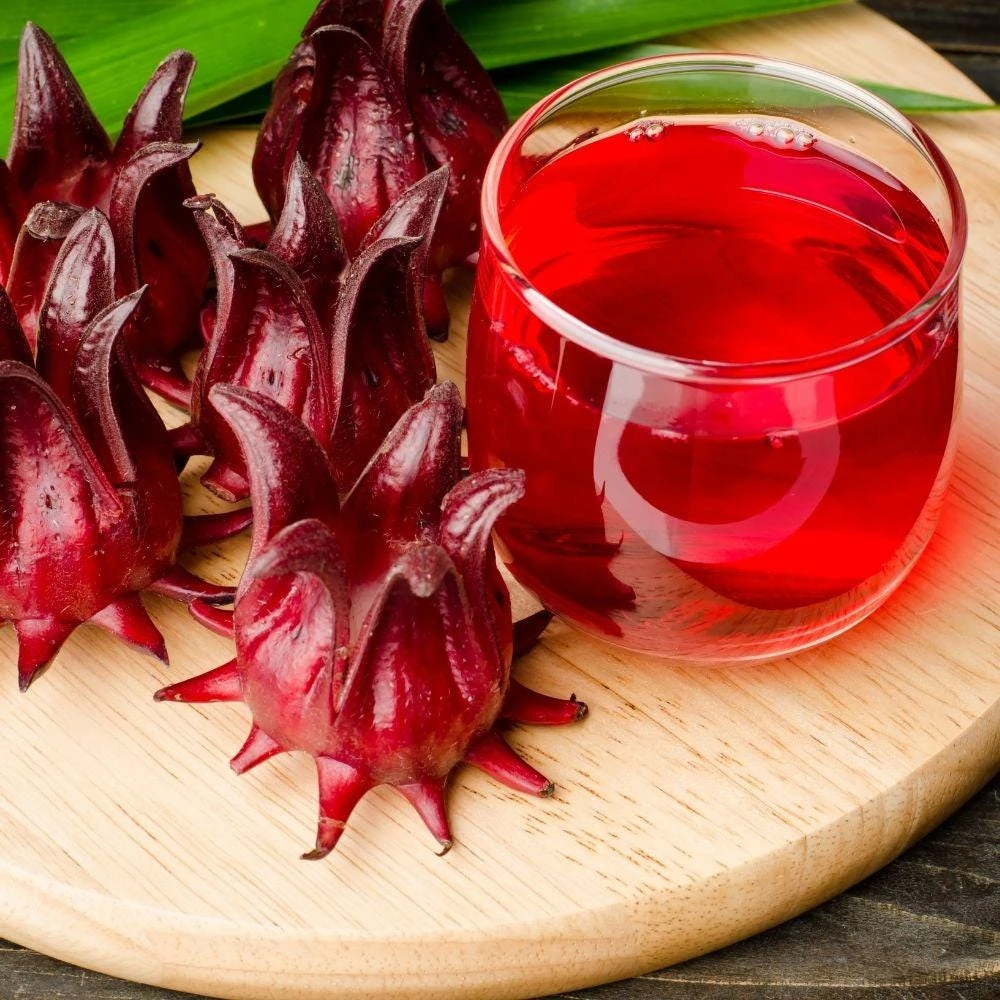
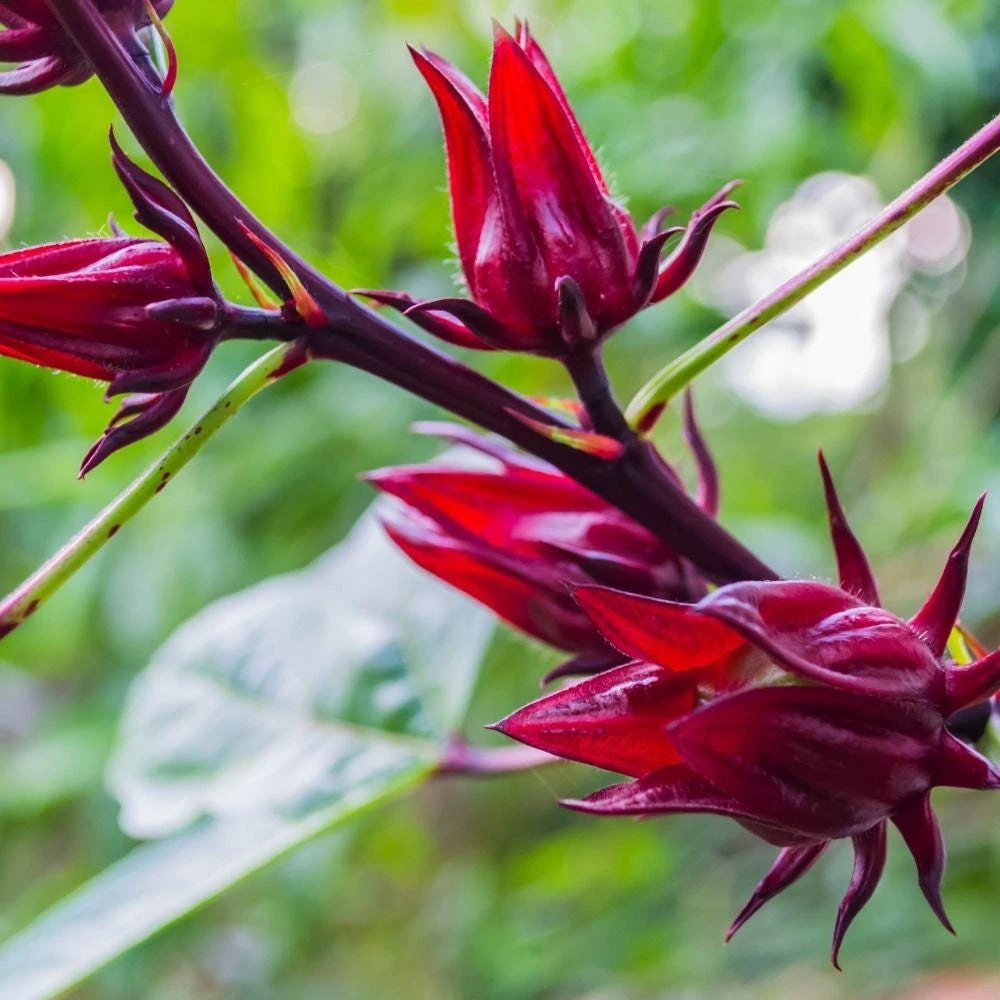
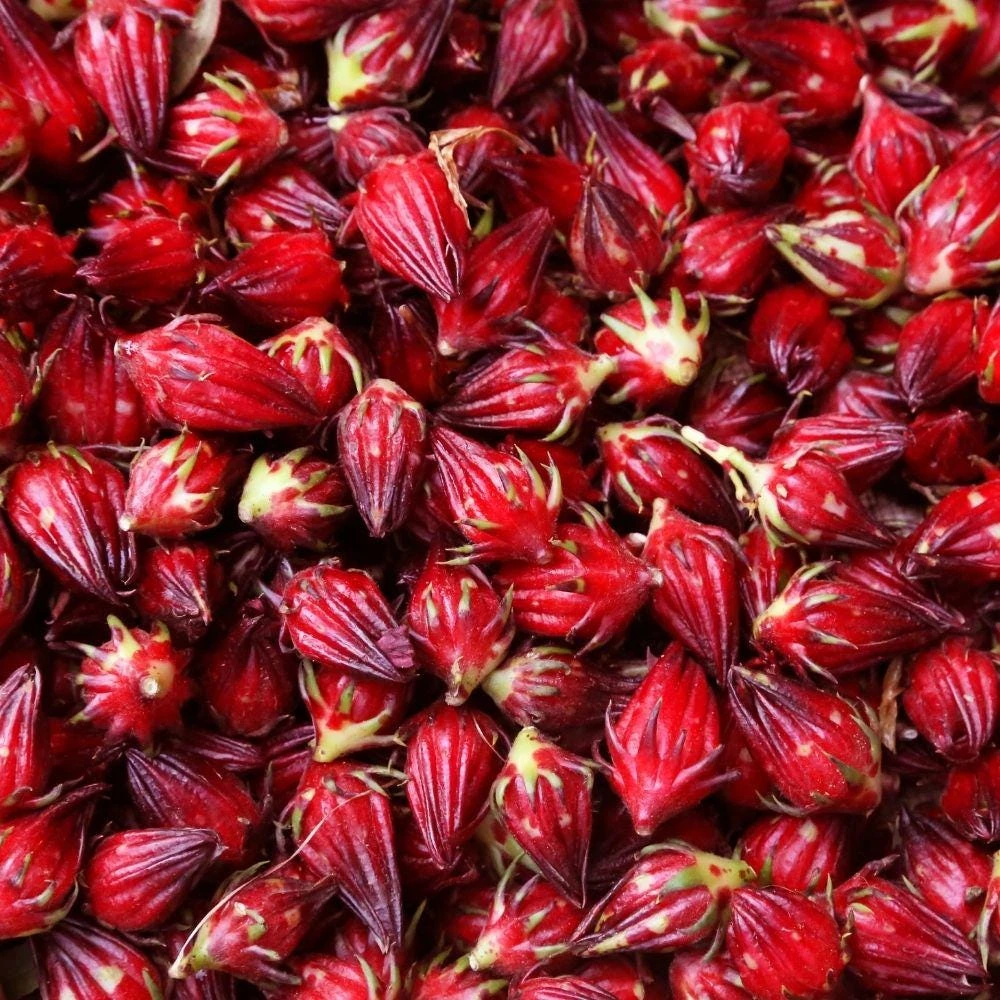
- Culinary Versatility: The most significant benefit of the roselle live plant is its edible calyces, which are the fleshy, cup-like structures that enclose the seed pod. These vibrant red calyces have a tart, cranberry-like flavor and are perfect for making refreshing teas, delicious jams, jellies, sauces, and even desserts. They are rich in vitamin C and antioxidants.
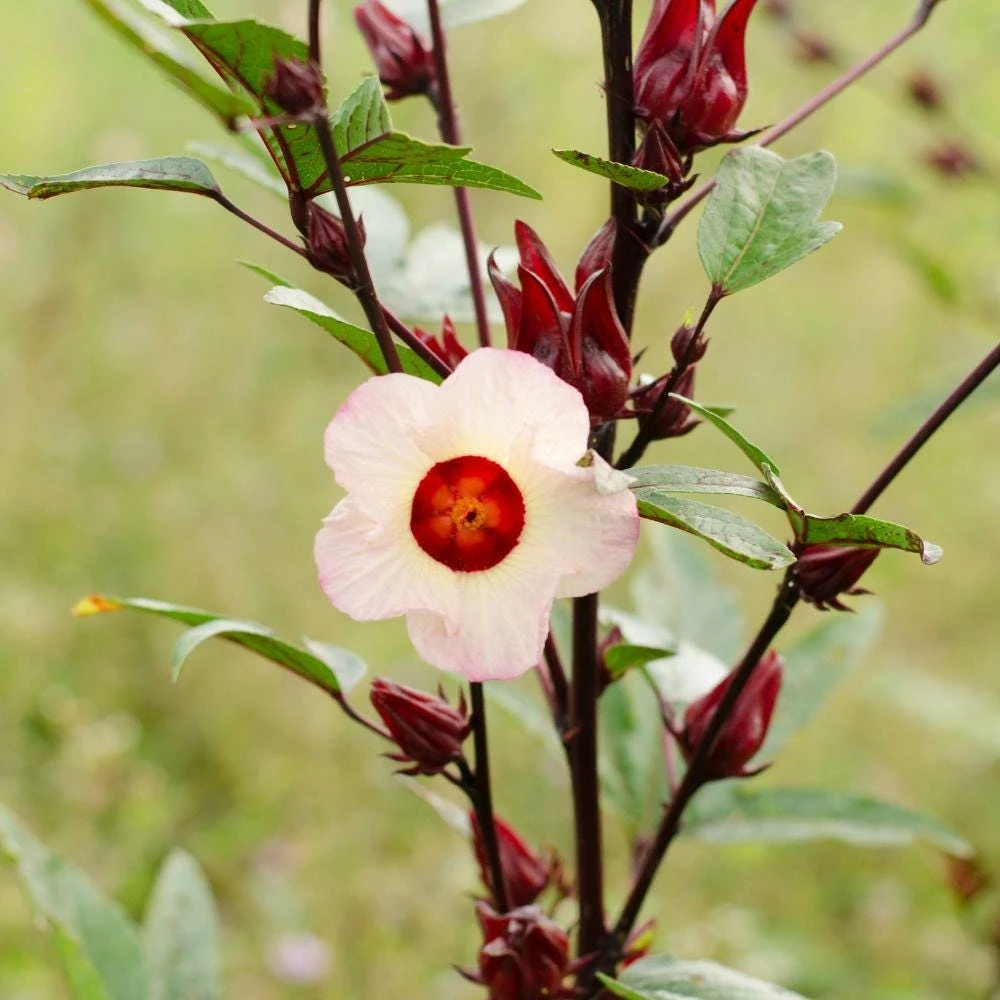
- Attractive Garden Addition: Beyond its edible parts, Roselle boasts attractive, deeply lobed green leaves and showy, pale yellow hibiscus flowers with a dark red center. This makes it a beautiful ornamental plant that adds a tropical flair to your garden or patio.
- Easy to Grow: Roselle is known for its relatively easy-care growing habit, making it suitable for gardeners of all experience levels. It’s a robust plant that, once established, requires minimal fuss, particularly in its preferred warm climates.
- Warm Climate Performer: This plant thrives in warm, sunny conditions, making it an excellent choice for gardens in USDA zones where other plants might struggle with intense summer heat. It’s a strong performer throughout the spring and summer months.
- Supports Pollinators: The beautiful flowers of the edible hibiscus plant attract pollinators like bees and butterflies to your garden, contributing to a healthy ecosystem and encouraging biodiversity.
- Container Friendly: While it can grow quite large in the ground, Roselle also adapts well to large containers, making it suitable for patios, balconies, or smaller garden spaces where space is a premium.
Plant Care & Growing Tips
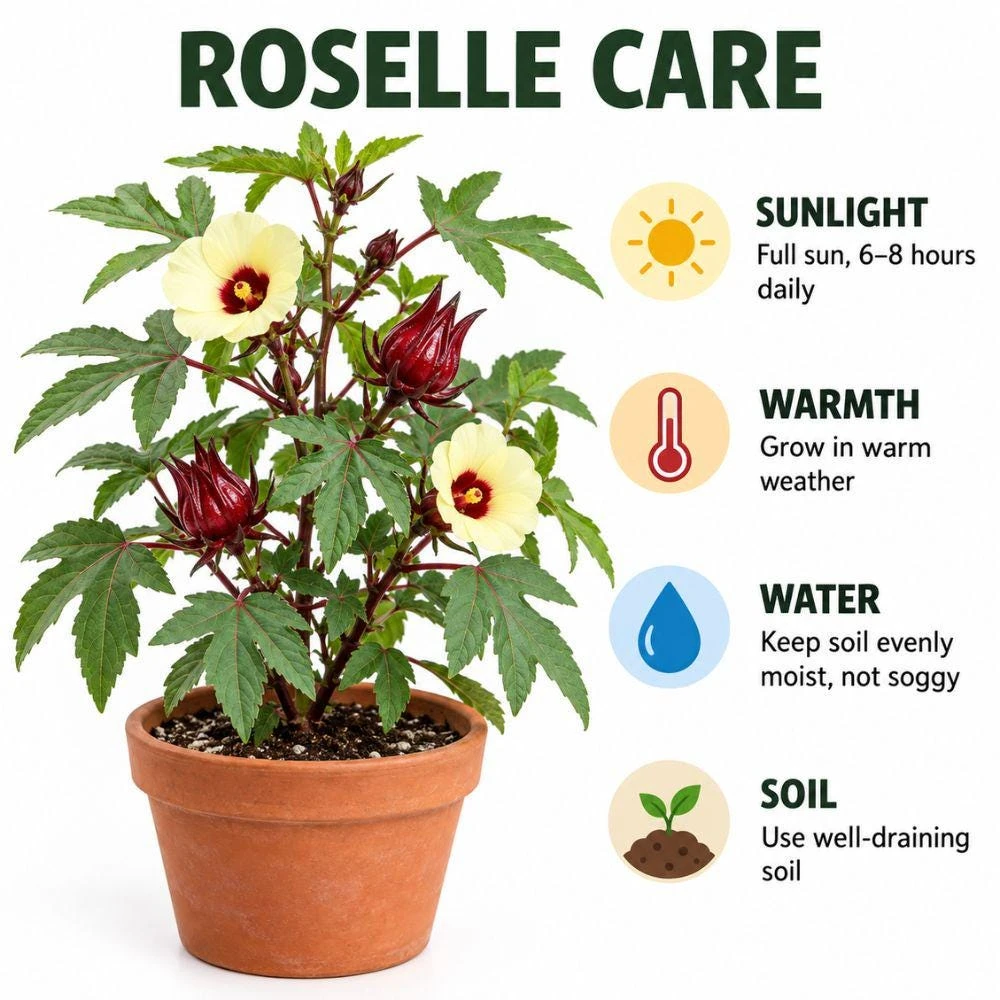
Caring for your roselle live plant is straightforward, especially when provided with the right conditions. For optimal growth and a bountiful harvest, focus on sunlight, soil, and watering. Roselle thrives in full sun, meaning it needs at least 6-8 hours of direct sunlight per day. Choose a location in your garden that receives ample sun exposure throughout the day. It’s best to plant Roselle in spring and summer when the danger of frost has passed and temperatures are consistently warm. This tropical plant is not frost-tolerant and will perform best in warmer climates.
When it comes to soil, the edible hibiscus plant prefers well-draining soil that is rich in organic matter. A slightly acidic to neutral pH (6.0-7.0) is ideal. If your soil is heavy clay, amend it with compost or sand to improve drainage. Adequate watering is crucial, especially during dry spells and when the plant is establishing. Keep the soil consistently moist but not waterlogged. Once established, Roselle is relatively drought-tolerant but will produce better yields with regular moisture. Fertilize every 4-6 weeks with a balanced organic fertilizer, especially during its active growing and flowering periods. Pests are generally not a significant problem for Roselle, but keep an eye out for aphids or spider mites, which can be managed with organic insecticidal soap. Understanding roselle plant care is key to a successful harvest.
Pruning can encourage bushier growth and more calyx production. Pinch back the growing tips when the plant is young to promote branching. For those wondering how to grow roselle successfully, remember that consistent warmth, plenty of sunshine, and good drainage are the most important factors. Protect young plants from strong winds. The hibiscus sabdariffa is a robust grower and will reward you with beautiful blooms and delicious calyces for many months.
Size & Details
This offering includes two healthy roselle live plant starters, each approximately 4 inches tall from the base of the soil to the top of the foliage. They arrive ready to be transplanted into your garden or larger containers. Roselle plants are fast growers and can reach heights of 5-7 feet with a spread of 3-5 feet in ideal outdoor conditions, though they can be kept smaller with pruning or in containers. The plants are shipped in their original nursery pots, ensuring minimal disturbance to their root systems during transit.
Expected time to harvest the edible calyces is typically 3-4 months after planting, depending on growing conditions. The plant will produce flowers first, followed by the development of the fleshy calyces. These plants are annuals in most temperate climates but can be perennial in tropical and subtropical regions. The final size and appearance of your edible hibiscus plant may vary based on environmental factors and care provided.
Frequently Asked Questions
- Q: How big does this plant get? A: A roselle live plant can typically grow to a height of 5-7 feet and spread 3-5 feet wide when planted directly in the ground. In containers, its size can be managed with pruning, often staying around 3-4 feet tall.
- Q: Is this an indoor or outdoor plant? A: Roselle is primarily an outdoor plant, thriving in warm, sunny conditions. It can be grown indoors in a very bright, sunny spot, but it will likely produce fewer calyces and may not reach its full potential.
- Q: How much sunlight does it need? A: The roselle live plant requires full sun, which means at least 6-8 hours of direct sunlight per day, for optimal growth and calyx production.
- Q: Is this plant easy to care for? A: Yes, Roselle is considered an easy-care plant, especially once established in a warm, sunny location with well-draining soil. It’s a great choice for beginner gardeners interested in edible plants.
- Q: What condition will it arrive in? A: You will receive two healthy, approximately 4-inch tall roselle live plant starters, carefully packaged to ensure safe transit. Plant size and appearance may naturally vary slightly.
- Q: Can I use Roselle in cooking? A: Absolutely! The vibrant red calyces of the edible hibiscus plant are widely used to make teas, jams, jellies, sauces, and even wine. They have a tart, cranberry-like flavor.
- Q: When is the best time to plant Roselle? A: The best time to plant Roselle is in spring or early summer, after all danger of frost has passed and soil temperatures have warmed up. This gives the plant ample time to grow and produce before cooler weather sets in.
- Q: What’s the minimum temperature this plant can tolerate? A: Roselle is a tropical plant and is very sensitive to cold. It will not tolerate frost. For best results, ensure night temperatures remain above 50°F (10°C).
- Q: How long until I can harvest the calyces? A: You can typically expect to harvest the edible calyces from your roselle live plant about 3-4 months after planting, once the flowers have bloomed and faded.
- Q: Is this plant known by any other names? A: Yes, besides Roselle, it’s also commonly known as Florida Cranberry, Sorrel, or Jamaican Sorrel. Its botanical name is hibiscus sabdariffa.
Be the first to review “Roselle Live Plant Edible Hibiscus, 2 Plants per Pot, 4 Inch Tall, Outdoor”
Related products


You May Like

Hardneck vs. Softneck Garlic: Which Should You Grow?
Have you ever stood in front of a seed catalog in mid-September, staring at dozens [...]
Oct

When to Plant Music Garlic: Ultimate US Fall Guide
Have you ever spent your fall weekend placing carefully chosen garlic cloves into rich, dark [...]
1 Comment
Oct

5 Best Bulbs for Fall Planting: Brighten Your Garden This Spring
Are you dreaming of a garden full of vibrant colors in the spring? The key [...]
Aug

10 Houseplants That Will Thrive in Your Kitchen
Are you tired of your kitchen feeling dull and lifeless? Want to add a little [...]
1 Comment
Aug
Reviews
There are no reviews yet.