
Beargrass Seeds (Xerophyllum tenax) – 10 Perennial Seeds for Outdoor Gardens
Original price was: 50.99 $.25.99 $Current price is: 25.99 $.
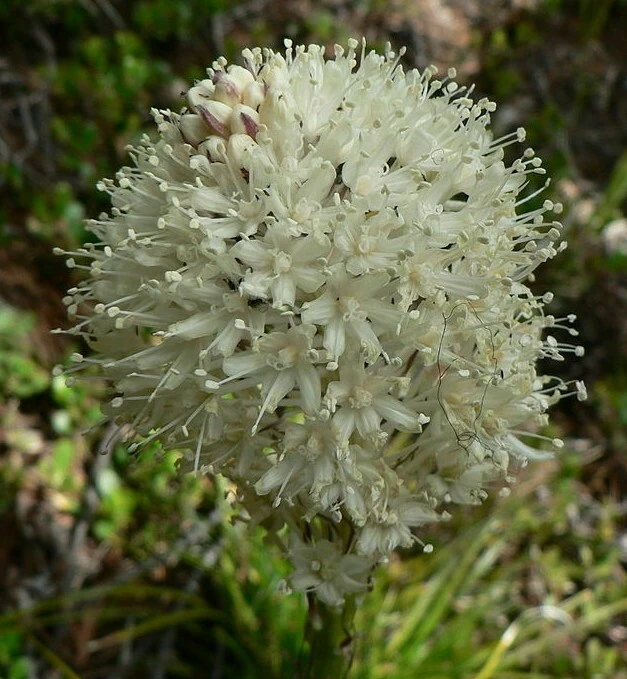
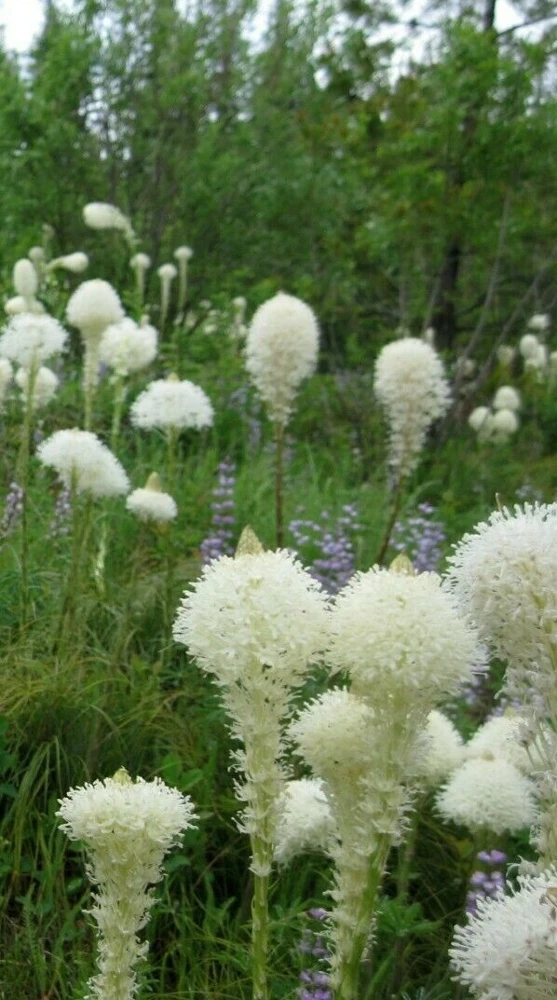
Cultivate the striking beauty of the American West with our premium pack of Beargrass seeds. Each pack contains 10 viable Xerophyllum tenax seeds, perfect for establishing a unique, drought-tolerant perennial in your landscape. Enjoy its elegant, grass-like foliage and tall, creamy white flower stalks.
Estimated arrival
Oct 15
Oct 20 - Oct 22
Oct 22 - Oct 27
See our Shipping Policy.
Get in touch with us via email, and our team will review your concerns.
Our Alive & Thrive Guarantee covers issues with your plants within the first 30 days. Read our Refund & Returns Policy.
-
USDA Hardiness Zone
5 (-20 to -10 °F) -
Soil Type
Well-draining, sandy loam -
Sunlight Exposure
Full sun to partial shade -
Expected Planting Period
Early spring after cold stratification
Overview
Discover the rugged elegance of the American wilderness with our premium Beargrass seeds. This pack contains 10 high-quality seeds of Xerophyllum tenax, a truly iconic perennial known for its distinctive appearance and resilience. Often called elk grass or soap grass, Beargrass is not a true grass but a member of the lily family, celebrated for its long, thin, grass-like leaves that form dense clumps and its spectacular tall stalks topped with creamy white, feathery flower clusters. These seeds offer a unique opportunity to cultivate a piece of the wild beauty found in the subalpine meadows and forests of western North America right in your own garden. Ideal for native plant enthusiasts, xeriscaping projects, or anyone looking to add architectural interest and texture to their landscape, growing Xerophyllum tenax seeds is a rewarding endeavor that connects you with nature’s enduring artistry.
Beargrass is a slow-growing but long-lived plant, providing years of visual interest. Its unique form makes it a focal point even when not in bloom, and its dramatic flower spikes are a breathtaking sight in late spring to early summer. These seeds are a fantastic way to introduce a low-maintenance yet high-impact plant into your garden, offering ecological benefits by attracting pollinators and providing habitat.
Key Benefits
Planting Beargrass seeds offers a multitude of benefits for both the gardener and the environment. This resilient perennial brings unique aesthetic and ecological value to any landscape. Experience the joy of watching these remarkable plants establish and thrive:
- Stunning Visual Interest:Beargrass provides exceptional texture and form with its dense rosettes of narrow, arching leaves. When in bloom, its tall, dramatic flower stalks topped with creamy white plumes create an unforgettable spectacle, adding vertical interest and a touch of wild beauty to your garden.
- Drought Tolerance: Once established, Xerophyllum tenax is remarkably drought-tolerant, making it an excellent choice for xeriscaping and water-wise gardens. It thrives in conditions where many other plants struggle, reducing the need for frequent watering.
- Low Maintenance: This hardy perennial requires minimal care once established. It is generally pest and disease resistant, making it a fuss-free addition to busy gardeners’ landscapes. Enjoy its beauty without constant attention.
- Attracts Pollinators: The impressive flower spikes of Beargrass attract a variety of beneficial insects, including bees and butterflies, contributing to the biodiversity and health of your garden ecosystem.
- Native Plant Appeal: As a native species to North America, planting Xerophyllum tenax seeds supports local ecosystems and provides suitable habitat and food sources for native wildlife, helping to restore natural balance.
- Erosion Control: The fibrous root system of Beargrass helps to stabilize soil, making it useful for erosion control on slopes or in areas prone to soil disturbance.
- Unique Cut Flower: The long-lasting flower stalks make an intriguing and architectural addition to floral arrangements, bringing a touch of the wild indoors.
Plant Care & Growing Tips
Growing Beargrass seeds requires patience, as germination can be slow, but the reward is a truly magnificent and long-lived plant. To successfully grow Xerophyllum tenax, mimic its natural habitat as closely as possible. Start by stratifying the seeds: place them in a moist medium (like sand or peat) in a sealed bag and refrigerate for 60-90 days. This cold stratification helps break dormancy and encourages germination. After stratification, sow the seeds shallowly, about 1/8 inch deep, in well-draining soil. A sandy, gravelly loam is ideal, replicating its native mountain soils. You can start them indoors in pots or sow directly outdoors in early spring after the last frost.
Beargrass thrives in full sun to partial shade. In hotter climates, some afternoon shade can be beneficial to prevent scorching. Ensure excellent drainage, as these plants are highly susceptible to root rot in waterlogged conditions. Water consistently until established, then reduce frequency, allowing the soil to dry out between waterings. Mature plants are very drought-tolerant. Fertilization is generally not necessary; Beargrass prefers lean soils. If growth appears stunted, a light application of a balanced, slow-release fertilizer in spring can be used, but avoid over-fertilizing. These plants are hardy in USDA Zones 5-9. Protect young plants from extreme winter conditions in the colder parts of their range. Once established, perennial Beargrass is a robust and resilient addition to your landscape, offering years of beauty with minimal intervention.
Size & Details
This product includes 10 viable Beargrass seeds (Xerophyllum tenax), carefully selected for germination potential. When mature, Beargrass plants typically form dense clumps of foliage that can reach 2-3 feet in height and spread. The leaves are narrow, grass-like, and evergreen, providing year-round texture. The impressive flower stalks emerge in late spring to early summer, towering significantly above the foliage, often reaching 3-6 feet tall, topped with a dense, creamy white inflorescence. Growth rate is slow, especially in the first few years, as the plant focuses on developing a strong root system. Expect several years for the plant to reach its full mature size and to begin flowering consistently. These seeds offer the opportunity to grow a robust, long-lived perennial that will become a striking feature in your garden or native landscape for decades.
Frequently Asked Questions
- Q: How big does a Beargrass plant get? A: Mature Beargrass plants typically form foliage clumps 2-3 feet tall and wide. The dramatic flower stalks can reach an impressive 3-6 feet in height, making it a prominent feature in the landscape.
- Q: Is this an indoor or outdoor plant? A: Beargrass (Xerophyllum tenax) is primarily an outdoor plant, thriving in garden settings, rockeries, and native landscapes. It is not typically grown as an indoor houseplant.
- Q: How much sunlight does it need? A: Beargrass prefers full sun to partial shade. In regions with very hot summers, providing some afternoon shade can help protect the foliage from scorching.
- Q: Is this plant easy to care for? A: Once established, Beargrass is considered a low-maintenance plant. The main challenges are ensuring proper seed germination and providing well-draining soil. It’s an excellent choice for gardeners looking for drought-tolerant and resilient perennials.
- Q: What condition will the seeds arrive in? A: Your Beargrass seeds will arrive as a pack of 10 dry, dormant seeds, ready for stratification and planting. They are carefully packaged to ensure their viability during transit.
- Q: When is the best time to plant Beargrass seeds? A: After cold stratification (60-90 days in the refrigerator), you can sow Xerophyllum tenax seeds indoors in late winter/early spring for transplanting after the last frost, or directly sow them outdoors in early spring.
- Q: What’s the minimum temperature Beargrass can tolerate? A: Beargrass is quite cold hardy, typically thriving in USDA Hardiness Zones 5-9, meaning it can tolerate winter temperatures down to -20°F (-29°C) once established.
- Q: How long until Beargrass blooms from seed? A: Beargrass is a slow-growing plant. It can take several years (typically 3-5 years) for a plant grown from seed to reach maturity and produce its first flower stalks. Patience is key with this magnificent perennial.
- Q: What kind of soil does Beargrass prefer? A: Beargrass thrives in very well-draining soil, ideally a sandy or gravelly loam. It is crucial to avoid heavy clay soils that retain too much moisture, as this can lead to root rot.
- Q: Are there any special requirements for how to grow Beargrass from seed? A: Yes, Xerophyllum tenax seeds require a period of cold stratification (60-90 days in a refrigerator) to break dormancy and improve germination rates. This mimics the natural winter conditions they would experience.
Be the first to review “Beargrass Seeds (Xerophyllum tenax) – 10 Perennial Seeds for Outdoor Gardens”
Related products

Grass Seeds
Dwarf Fountain Grass Seeds – Pennisetum Alopecuroides – 25 Seeds, White Plumes, Hardy Ornamental


Grass Seeds
Creeping Meadow Foxtail ‘Garrison’ Grass Seeds – 1000 Clay Coated Seeds, Cool Season, Moist Soil


Grass Seeds
25 Dwarf Purple Chinese Fountain Grass Seeds – Pennisetum Alopecuroides Hardy Ornamental

You May Like

Hardneck vs. Softneck Garlic: Which Should You Grow?
Have you ever stood in front of a seed catalog in mid-September, staring at dozens [...]
Oct

When to Plant Music Garlic: Ultimate US Fall Guide
Have you ever spent your fall weekend placing carefully chosen garlic cloves into rich, dark [...]
1 Comment
Oct

5 Best Bulbs for Fall Planting: Brighten Your Garden This Spring
Are you dreaming of a garden full of vibrant colors in the spring? The key [...]
Aug

10 Houseplants That Will Thrive in Your Kitchen
Are you tired of your kitchen feeling dull and lifeless? Want to add a little [...]
1 Comment
Aug
Reviews
There are no reviews yet.