
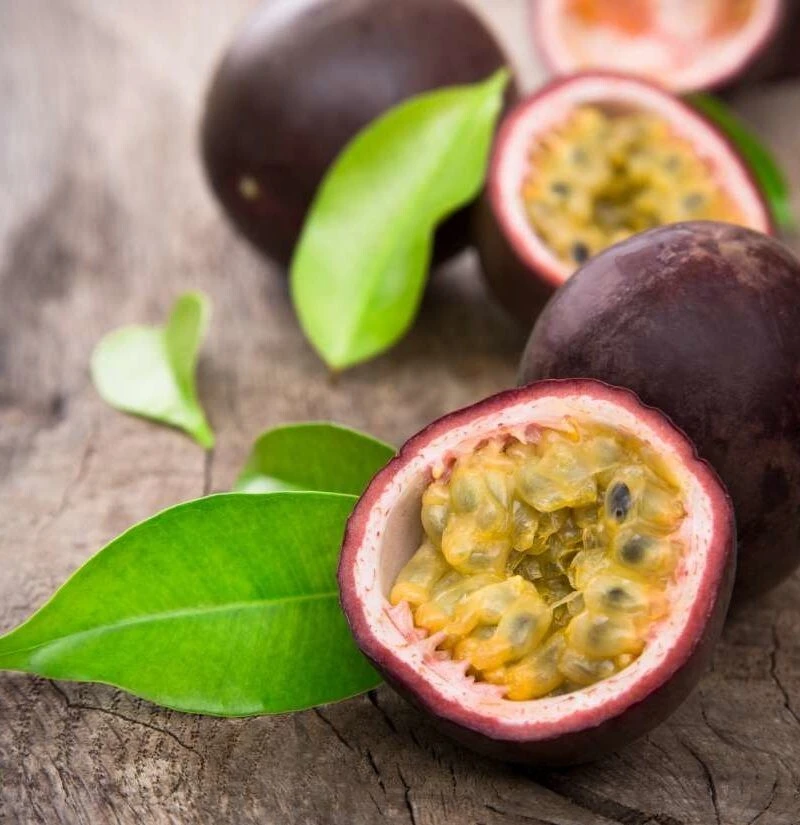
Passiflora Edulis Mixed Varieties Seeds – 30 Seeds Pack for Planting
Original price was: 44.99 $.19.99 $Current price is: 19.99 $.
Cultivate delicious passion fruit with this pack of Passiflora edulis seeds. This mix of varieties offers a chance to grow passion fruit at home, perfect for gardens or large containers. Each pack contains 30 high-quality perennial seeds, ready for planting to establish your own tropical fruit supply.
Estimated arrival
Oct 15
Oct 20 - Oct 22
Oct 22 - Oct 27
See our Shipping Policy.
Get in touch with us via email, and our team will review your concerns.
Our Alive & Thrive Guarantee covers issues with your plants within the first 30 days. Read our Refund & Returns Policy.
-
USDA Hardiness Zone
USDA zones 9-11 (can be container grown in colder zones) -
Soil Type
Well-draining, rich, slightly acidic to neutral soil -
Sunlight Exposure
Full sun (6-8 hours direct sun daily) -
Expected Planting Period
Spring to early summer
Overview
Embark on a rewarding gardening journey with our premium selection of Passiflora edulis seeds. This offering provides 30 seeds of mixed varieties, allowing you to cultivate your own vibrant and delicious passion fruit right from your garden. Commonly known as passion fruit, Passiflora edulis is celebrated for its exotic, aromatic fruits and beautiful, intricate flowers. These perennial seeds are ideal for gardeners eager to add a tropical flair to their outdoor spaces or conservatories. Growing your own passion fruit ensures a fresh supply of this versatile fruit, perfect for culinary adventures or simply enjoying its unique flavor straight from the vine. Our collection includes various genetic lines, increasing the likelihood of diverse fruit characteristics and robust plant growth, making it an exciting venture for both novice and experienced gardeners looking to grow passion fruit.
Each seed has the potential to develop into a vigorous vine, capable of producing abundant yields of the highly sought-after passion fruit. This plant is not only a source of delectable fruit but also an ornamental wonder, with its distinctive blooms attracting pollinators and adding visual interest. Whether you’re planning a lush tropical garden or looking to enjoy fresh, home-grown ingredients, these Passiflora edulis seeds are an excellent choice. They offer an opportunity to experience the full life cycle of this remarkable plant, from germination to harvest, providing a fulfilling and sustainable way to enjoy one of nature’s most exquisite fruits.
Key Benefits
Growing Passiflora edulis seeds offers a multitude of benefits, transforming your garden into a vibrant, productive oasis. These seeds promise not only the joy of cultivation but also a bounty of delicious, nutritious fruit.
- Fresh, Homegrown Produce: Enjoy the unparalleled taste of freshly picked passion fruit. Growing your own ensures you have access to fruit free from commercial pesticides and ripened naturally on the vine, offering superior flavor and nutritional value compared to store-bought options.
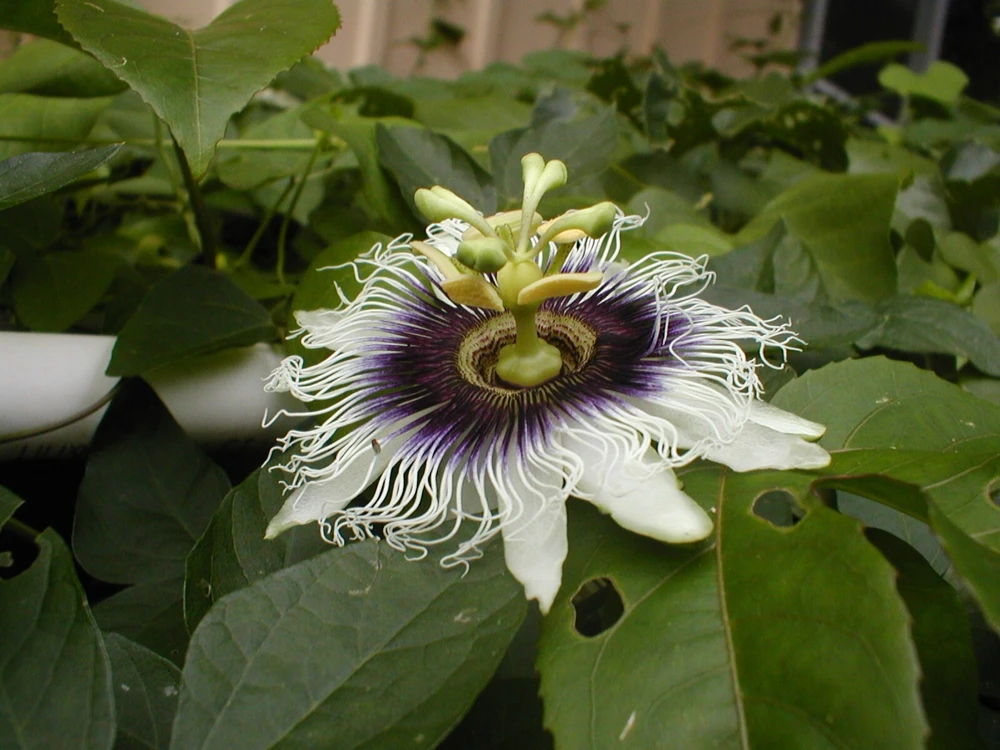
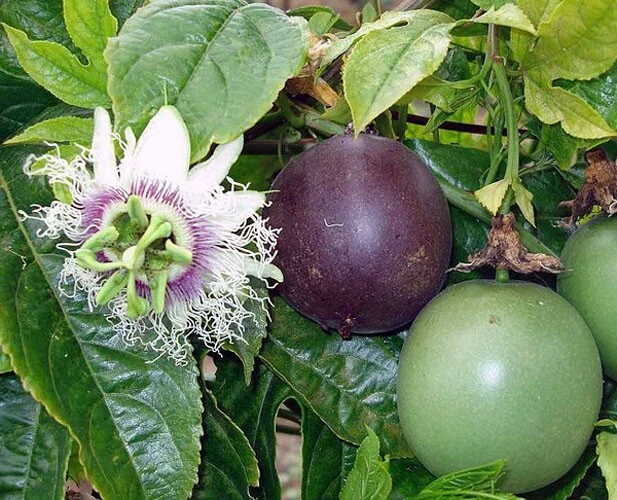
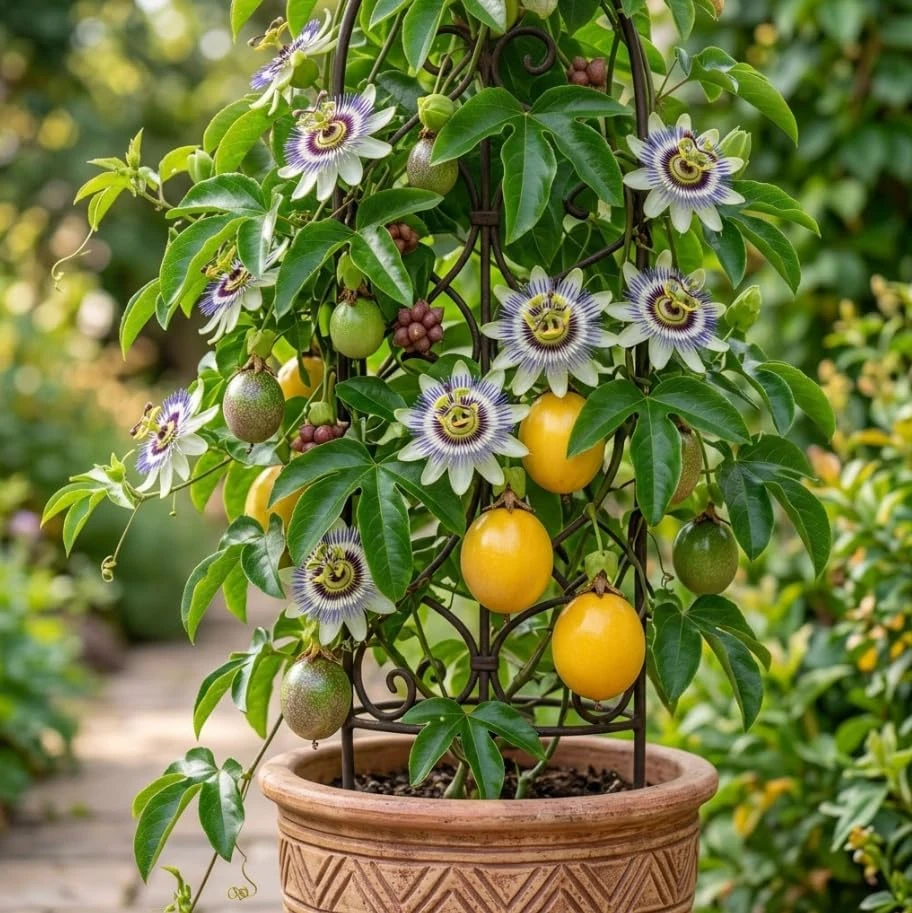
- Exotic Garden Appeal: The stunning and intricate flowers of the passion fruit vine add a dramatic tropical touch to any garden. Their unique structure and vibrant colors make them a focal point, enhancing the aesthetic beauty of your outdoor space. These vines are excellent for covering trellises, fences, or pergolas.
- High Nutritional Value: Passion fruit is rich in vitamins A and C, fiber, and antioxidants. Incorporating this fruit into your diet can boost immunity, improve digestion, and support overall health. Cultivating these tropical fruit seeds allows you to easily access these health benefits.
- Attracts Pollinators: The beautiful flowers are a magnet for bees and other beneficial pollinators, contributing to the biodiversity of your garden ecosystem. This natural interaction supports the health of your garden and the wider environment.
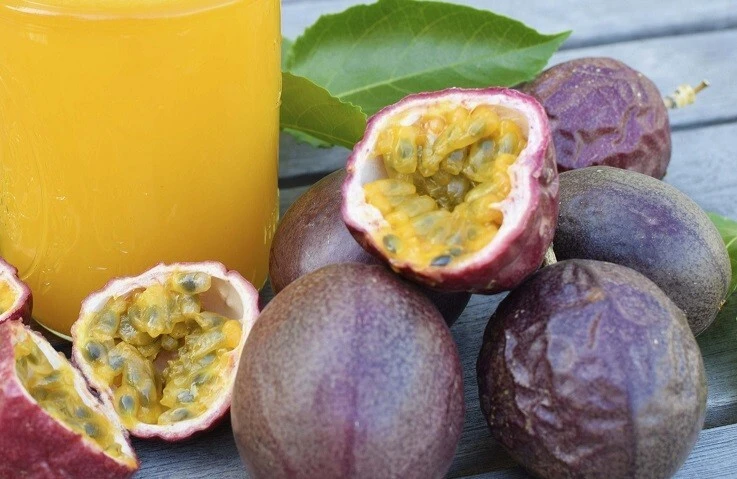
- Versatile Culinary Ingredient: The tart and sweet pulp of passion fruit is incredibly versatile. It can be used in desserts, drinks, sauces, and savory dishes, adding a unique tropical zest to your culinary creations. Learning to grow passion fruit opens up a world of gastronomic possibilities.
- Sustainable Gardening: By planting perennial seeds, you are investing in a sustainable food source that will produce fruit for many years. This reduces your reliance on commercially grown produce and promotes a more self-sufficient lifestyle.
- Rewarding Growing Experience: Watching your passion fruit vine grow from a tiny seed to a fruiting plant is incredibly satisfying. It’s a rewarding hobby that connects you with nature and provides a tangible reward for your efforts.
Plant Care & Growing Tips
Successfully growing Passiflora edulis seeds requires attention to specific environmental conditions, but the effort is well worth the reward of fresh passion fruit. These plants thrive in conditions that mimic their native tropical habitats. Begin by sowing the passion fruit seeds in a well-draining seed-starting mix, about 1/2 inch deep. Scarifying the seeds (gently scratching the hard outer coat) or soaking them in warm water for 24-48 hours prior to planting can significantly improve germination rates. Maintain a consistent soil temperature of 70-85°F (21-29°C) using a heat mat if necessary, and keep the soil consistently moist but not waterlogged. Germination can be slow and erratic, sometimes taking several weeks to a few months, so patience is key.
Once seedlings emerge and develop a few sets of true leaves, they can be transplanted into larger pots or directly into the garden, provided all danger of frost has passed. Passion fruit vines require ample sunlight, ideally 6-8 hours of direct sun per day for optimal growth and fruit production. In very hot climates, some afternoon shade can be beneficial to prevent scorching. They prefer a rich, well-draining soil with a slightly acidic to neutral pH (6.0-7.0). Amend heavy clay soils with compost or sand to improve drainage. Provide a sturdy trellis, arbor, or fence for the vine to climb, as it can grow quite vigorously. Regular watering is crucial, especially during dry spells and when the plant is fruiting. Aim to keep the soil consistently moist, but avoid overwatering which can lead to root rot. Fertilize every 4-6 weeks during the growing season with a balanced fertilizer, reducing frequency in fall and winter. Protecting young plants from frost is essential, as Passiflora edulis is not cold-hardy. For those looking to grow passion fruit in cooler climates, container growing allows the plant to be moved indoors during winter.
Size & Details
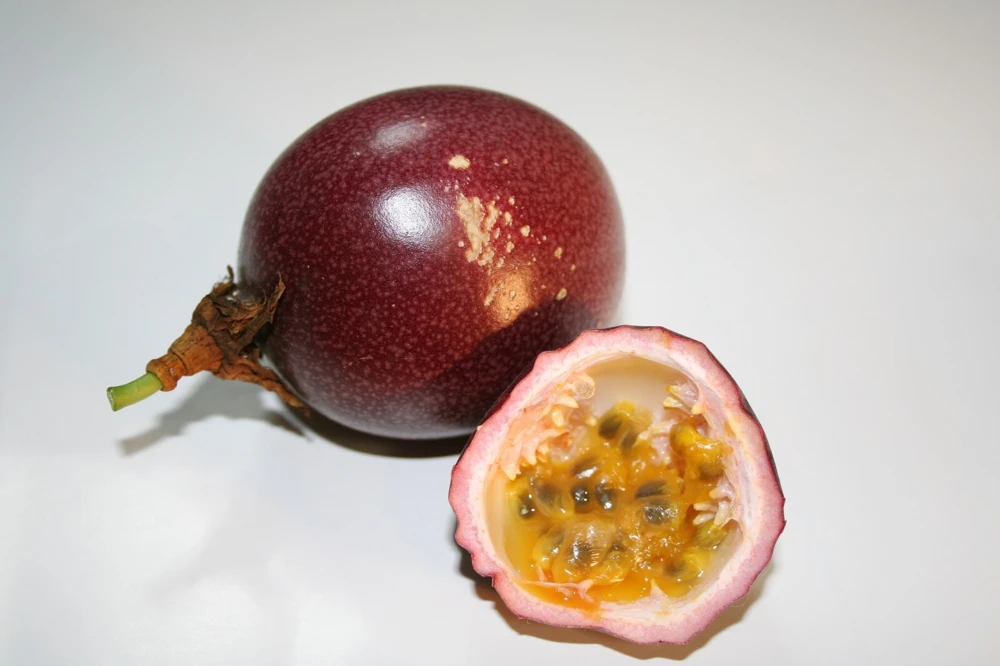
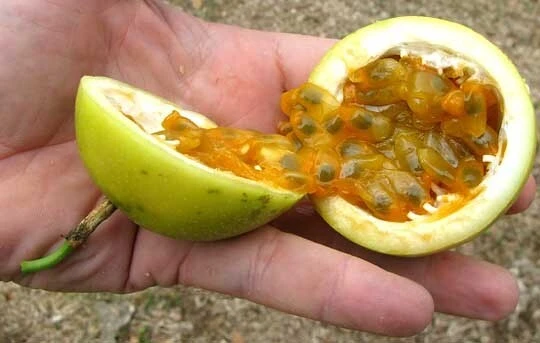
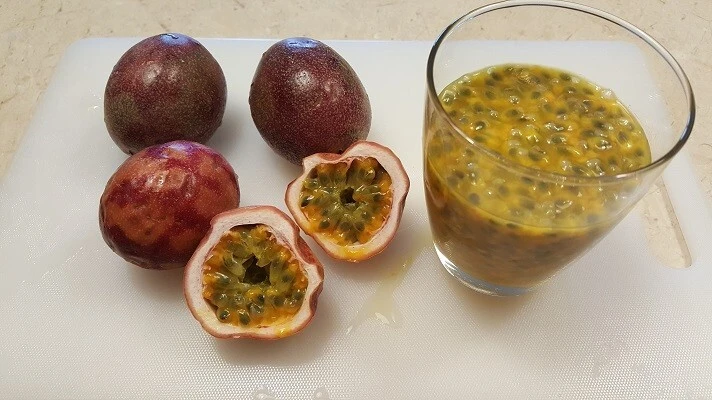
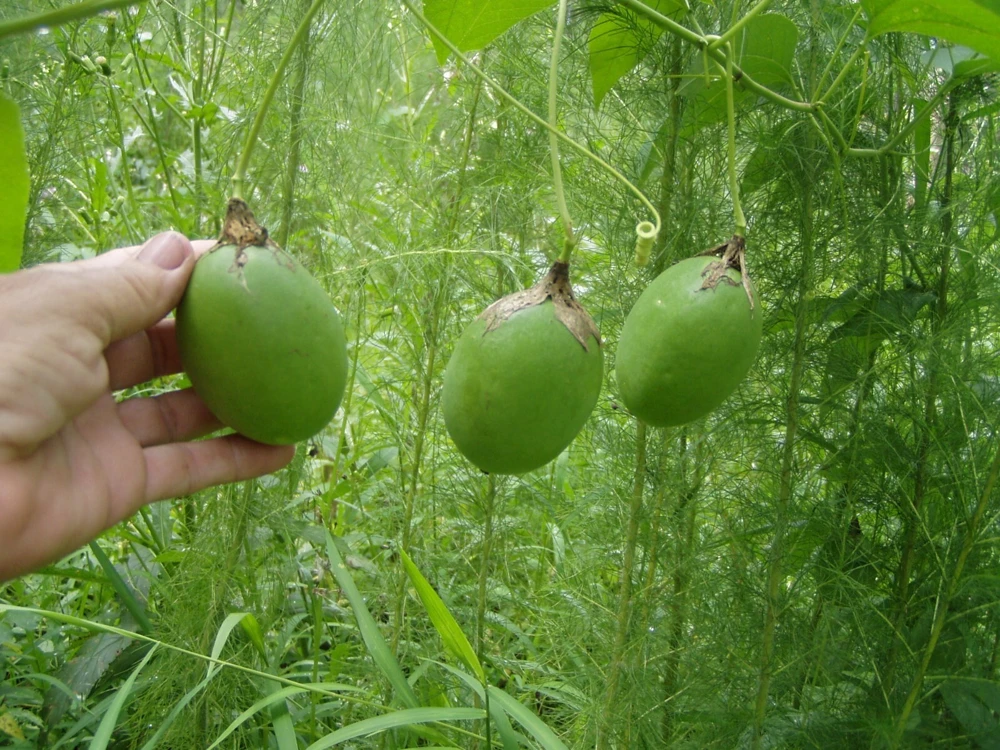
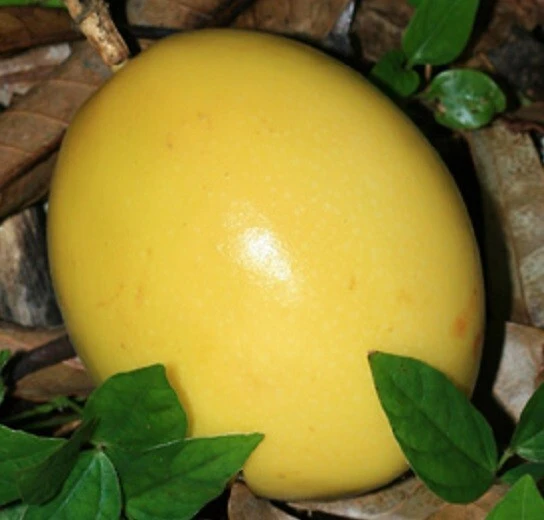
This offering includes a pack of 30 Passiflora edulis seeds, providing a generous quantity to start your passion fruit cultivation. Each seed has the potential to develop into a robust perennial vine. Mature passion fruit vines typically reach lengths of 15 to 20 feet, though they can be pruned to manage their size and shape. They are rapid growers, especially in ideal conditions, and can begin producing fruit within 1 to 2 years from planting. The individual fruits are typically round to oval, measuring about 2 to 3 inches in diameter, with a leathery rind that changes color from green to purple or yellow as it ripens. The seeds are shipped in a protective packet to ensure viability upon arrival, ready for immediate planting. Expect a vigorous growth habit, quickly covering trellises or supports to create a lush, productive display. The mixed varieties ensure a diverse genetic pool, potentially leading to variations in fruit size, color, and flavor profiles.
Frequently Asked Questions
- Q: How big does this plant get? A: Passion fruit vines are vigorous climbers and can reach lengths of 15 to 20 feet. With proper support and pruning, they can be managed to fit various garden sizes or even grown in large containers.
- Q: Is this an indoor or outdoor plant? A: Passiflora edulis is primarily an outdoor plant in USDA zones 9-11. In cooler climates, it can be grown outdoors during the warm season and brought indoors or into a greenhouse for winter protection. You can successfully grow passion fruit indoors if provided with sufficient light.
- Q: How much sunlight does it need? A: Passion fruit vines require at least 6-8 hours of direct sunlight daily for optimal growth and fruit production. In extremely hot climates, some afternoon shade can help prevent leaf scorch.
- Q: Is this plant easy to care for? A: While germinating Passiflora edulis seeds requires patience, mature plants are relatively easy to care for once established. They need consistent watering, adequate sunlight, and a sturdy support structure.
- Q: What condition will the seeds arrive in? A: The passion fruit seeds will arrive in a sealed, protective packet, ensuring their viability for planting. They are dormant and ready to be germinated according to the provided instructions.
- Q: How long until it blooms and fruits? A: From seed, passion fruit vines typically begin to bloom and produce fruit within 1 to 2 years under optimal growing conditions. The first year focuses on establishing a strong root system and vine structure.
- Q: What’s the best time to plant these perennial seeds? A: The best time to plant is in spring or early summer after the last frost, when soil temperatures are consistently warm. For indoor starting, seeds can be sown earlier to get a head start.
- Q: Can I use passion fruit in cooking? A: Absolutely! Passion fruit is a highly versatile culinary ingredient. Its tart and sweet pulp is perfect for juices, desserts, jams, sauces, and as a fresh topping for yogurts and salads. It’s a key ingredient for many tropical recipes.
- Q: Is it pet-safe? A: While the ripe fruit is generally considered safe for consumption, some parts of the passion fruit plant (especially unripe fruit and leaves) can contain cyanogenic glycosides, which are toxic if ingested by pets. It’s best to keep pets from chewing on the foliage or unripe fruit.
- Q: What type of soil is best for tropical fruit seeds? A: Passion fruit thrives in rich, well-draining soil with a slightly acidic to neutral pH (6.0-7.0). Amending with compost improves soil structure and fertility.
Be the first to review “Passiflora Edulis Mixed Varieties Seeds – 30 Seeds Pack for Planting”
Related products


You May Like

Hardneck vs. Softneck Garlic: Which Should You Grow?
Have you ever stood in front of a seed catalog in mid-September, staring at dozens [...]
Oct

When to Plant Music Garlic: Ultimate US Fall Guide
Have you ever spent your fall weekend placing carefully chosen garlic cloves into rich, dark [...]
1 Comment
Oct

5 Best Bulbs for Fall Planting: Brighten Your Garden This Spring
Are you dreaming of a garden full of vibrant colors in the spring? The key [...]
Aug

10 Houseplants That Will Thrive in Your Kitchen
Are you tired of your kitchen feeling dull and lifeless? Want to add a little [...]
1 Comment
Aug
Reviews
There are no reviews yet.