
Wild Senna Seeds – Cassia marilandica – 10 Seeds – Native Perennial
Original price was: 43.99 $.18.99 $Current price is: 18.99 $.
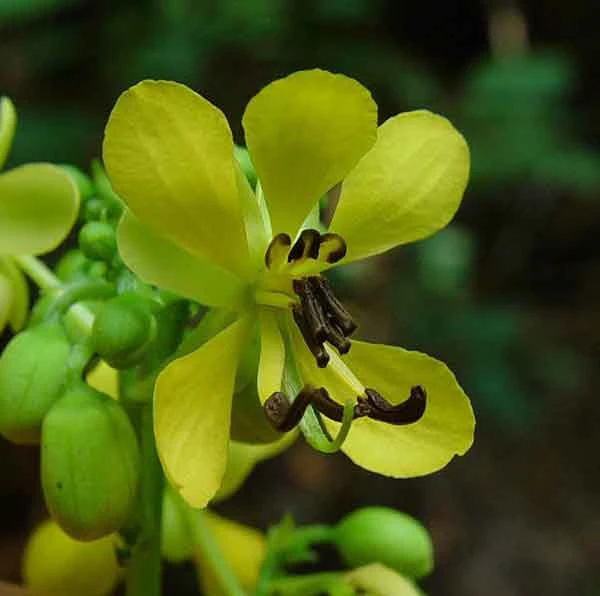
Discover the beauty of wild senna seeds (Cassia marilandica) for your garden. This native perennial is a fantastic choice for attracting pollinators, especially sulfur butterflies, and adds a vibrant touch with its bright yellow flowers. Easy to grow and drought-tolerant, these Cassia marilandica seeds are perfect for creating a biodiverse and low-maintenance landscape.
Estimated arrival
Oct 15
Oct 20 - Oct 22
Oct 22 - Oct 27
See our Shipping Policy.
Get in touch with us via email, and our team will review your concerns.
Our Alive & Thrive Guarantee covers issues with your plants within the first 30 days. Read our Refund & Returns Policy.
-
USDA Hardiness Zone
USDA zones 4-9 -
Soil Type
Well-draining soil -
Sunlight Exposure
Full sun to partial shade -
Expected Planting Period
Spring after last frost
Overview
Introduce the charm of native flora to your landscape with these premium wild senna seeds. Also known by its botanical name, Cassia marilandica, this herbaceous perennial is a robust and visually appealing plant that thrives in various conditions. Wild Senna is celebrated for its striking yellow flowers that bloom profusely in late summer, providing a vital nectar source for a multitude of pollinators. These Cassia marilandica seeds offer an excellent opportunity to cultivate a plant that is not only beautiful but also ecologically significant. As a native species to much of the eastern and central United States, it is perfectly adapted to local climates and soils, making it a low-maintenance yet high-impact addition to any garden or naturalized area. Growing native perennial seeds like Wild Senna contributes to local biodiversity, supporting beneficial insects and wildlife.
Cultivating wild senna seeds allows gardeners to create stunning displays while contributing to ecological health. Each packet contains 10 seeds, providing a great start for a new garden bed or a significant expansion to an existing one. This plant is particularly valued as a larval host plant for several species of sulfur butterflies, including Cloudless Sulfur, Clouded Sulfur, and Orange-barred Sulfur, making it an essential component of any pollinator garden seeds collection. Beyond its ecological benefits, Wild Senna offers architectural interest with its upright growth habit and attractive foliage, making it a versatile choice for borders, meadows, or naturalistic plantings.
Key Benefits
Incorporating wild senna seeds into your garden design offers a wealth of advantages, enhancing both aesthetic appeal and ecological function. This plant is a true powerhouse for supporting local ecosystems while providing a beautiful display.
- Exceptional Pollinator Attraction: The vibrant yellow flowers of Wild Senna are a magnet for bees, butterflies, and other beneficial insects. It provides a crucial late-season nectar source when many other plants have finished blooming, ensuring your garden remains a hub of activity.
- Butterfly Host Plant: Beyond nectar, Cassia marilandica seeds grow into a vital larval host plant for several sulfur butterfly species. Planting these seeds helps complete the life cycle of these beautiful insects, directly supporting local butterfly populations.
- Low Maintenance & Drought Tolerant: Once established, Wild Senna is incredibly resilient. It requires minimal care, tolerating a range of soil conditions and exhibiting excellent drought resistance. This makes it an ideal choice for busy gardeners or those looking for sustainable landscape options.
- Native & Adaptable: As a native perennial, Wild Senna is perfectly suited to the climate and soil conditions of many regions in the US. This inherent adaptability means it will thrive with less intervention, outperforming non-native species in similar settings.
- Long Blooming Period: Enjoy a prolonged display of bright yellow blooms from mid-summer through early fall. This extended flowering season ensures continuous visual interest and a sustained food source for pollinators.
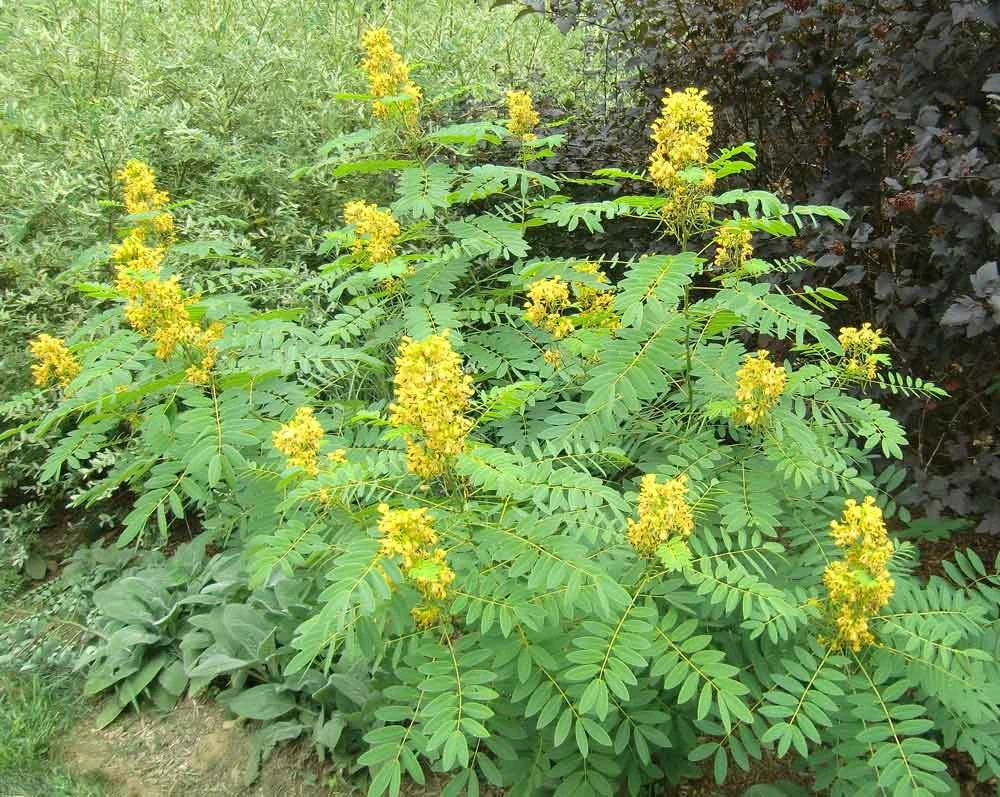
- Adds Vertical Interest: With its upright growth habit, Wild Senna can reach heights of 3-6 feet, adding structure and verticality to garden beds, borders, or meadow plantings.
- Deer Resistant: Generally, deer tend to avoid Wild Senna, making it a good option for gardens in areas where deer browsing is a concern. Enjoy its beauty without constant worry about your plants being eaten.
Plant Care & Growing Tips
Growing wild senna seeds is a rewarding experience, as this native perennial is relatively easy to establish and maintain. To ensure successful germination and robust growth, it’s important to provide the right conditions. Wild Senna thrives in full sun to partial shade, meaning it prefers at least 6 hours of direct sunlight per day, but can tolerate some afternoon shade in hotter climates. It is adaptable to a variety of soil types, but performs best in well-draining soil. While it can tolerate poor soils, amending heavy clay soils with organic matter can improve drainage and overall plant health. For optimal growth, provide consistent moisture during the establishment phase, especially during dry spells, but once mature, it is quite drought-tolerant.
For successful germination of Cassia marilandica seeds, scarification and stratification are often recommended. Scarification involves lightly scratching the hard seed coat to allow water penetration, which can be done by gently rubbing the seeds with sandpaper or nicking them with a small knife. Following scarification, cold stratification for 30-60 days can improve germination rates; this involves placing the seeds in a moist medium (like sand or peat moss) in the refrigerator. Plant the treated seeds about 1/4 inch deep in spring after the last frost. Fertilization is typically not necessary for this native plant, especially if grown in reasonably fertile soil. If your soil is very poor, a light application of a balanced, slow-release fertilizer in spring can be beneficial. Watch for common garden pests, though Wild Senna is generally quite resistant. Its robust nature makes it an excellent choice for those seeking a low-effort, high-reward plant from native perennial seeds.
Size & Details
These wild senna seeds will grow into mature plants that typically reach a height of 3 to 6 feet, with a spread of about 2 to 3 feet. The upright, bushy habit makes it an excellent choice for adding vertical interest to a garden bed or naturalized area. The plant will develop attractive compound leaves that provide a lush green backdrop for the bright yellow flowers. These Cassia marilandica seeds are packaged as a count of 10, providing a sufficient quantity to establish a small cluster or spread across a larger area. Wild Senna is a moderately fast grower, establishing itself well in its first season, with flowering typically beginning in its second year from seed. Expect a beautiful display of blooms from mid-summer through early fall, providing continuous color and support for pollinators.
As a native perennial seeds offering, Wild Senna is well-suited for a wide range of garden applications, from mixed borders to naturalistic meadows and dedicated pollinator garden seeds plantings. The seeds will arrive ready for planting, though pre-treatment (scarification and cold stratification) is recommended for best germination results. Once established, the plants are long-lived and will return year after year, often self-seeding to gradually expand their presence if conditions are favorable. The mature plants are robust and require little intervention, making them a sustainable and eco-friendly choice for the discerning gardener.
Frequently Asked Questions
- Q: How tall does Wild Senna get from these wild senna seeds? A: Wild Senna typically grows to a height of 3 to 6 feet, forming an upright, bushy plant. Its size can vary slightly depending on growing conditions and available sunlight, but it generally maintains a stately presence in the garden.
- Q: Is Wild Senna an indoor or outdoor plant? A: Wild Senna (Cassia marilandica) is an outdoor plant, a native perennial that thrives in garden beds, meadows, and naturalized areas. It is not suitable for indoor cultivation due to its size and light requirements.
- Q: How much sunlight does Wild Senna need? A: For optimal growth and flowering, Wild Senna prefers full sun, meaning at least 6 hours of direct sunlight per day. It can tolerate partial shade, especially in hotter climates, but may produce fewer flowers.
- Q: Is this plant easy to care for? Is it good for beginners? A: Yes, Wild Senna is considered an easy-to-care-for plant, especially once established. Its native resilience makes it suitable for beginners looking to grow native perennial seeds. Minimal maintenance is required, making it a great choice.
- Q: What condition will the wild senna seeds arrive in? A: The wild senna seeds will arrive as dry, viable seeds, ready for planting. They will be packaged to ensure their integrity during transit, and typically require scarification and cold stratification before sowing for best germination.
- Q: How long until Wild Senna blooms from seed? A: Wild Senna plants grown from Cassia marilandica seeds typically begin to bloom in their second year after planting. The first year is primarily focused on establishing a strong root system and foliage.
- Q: What’s the minimum temperature Wild Senna can tolerate? A: Wild Senna is hardy in USDA zones 4-9, meaning it can tolerate winter temperatures down to approximately -30°F (-34°C) once established. It is well-adapted to cold winters and will reliably return each spring.
- Q: Are these pollinator garden seeds beneficial for specific insects? A: Absolutely! These wild senna seeds are particularly beneficial for a wide range of pollinators, including various bee species. Crucially, they are a vital larval host plant for several sulfur butterflies, making them essential for supporting local butterfly populations.
- Q: Do I need to stratify these Cassia marilandica seeds? A: Yes, for best germination results, it is highly recommended to scarify and cold stratify your Cassia marilandica seeds. Scarification helps break the hard seed coat, and cold stratification mimics winter conditions, preparing the seed for spring germination.
- Q: Can I grow wild senna seeds in a container? A: While possible, Wild Senna’s mature size and deep taproot make it better suited for in-ground planting. If growing in a container, choose a very large pot (at least 15-20 gallons) to accommodate its root system and provide adequate moisture.
Be the first to review “Wild Senna Seeds – Cassia marilandica – 10 Seeds – Native Perennial”
Related products


You May Like

Hardneck vs. Softneck Garlic: Which Should You Grow?
Have you ever stood in front of a seed catalog in mid-September, staring at dozens [...]
Oct

When to Plant Music Garlic: Ultimate US Fall Guide
Have you ever spent your fall weekend placing carefully chosen garlic cloves into rich, dark [...]
1 Comment
Oct

5 Best Bulbs for Fall Planting: Brighten Your Garden This Spring
Are you dreaming of a garden full of vibrant colors in the spring? The key [...]
Aug

10 Houseplants That Will Thrive in Your Kitchen
Are you tired of your kitchen feeling dull and lifeless? Want to add a little [...]
1 Comment
Aug
Reviews
There are no reviews yet.