
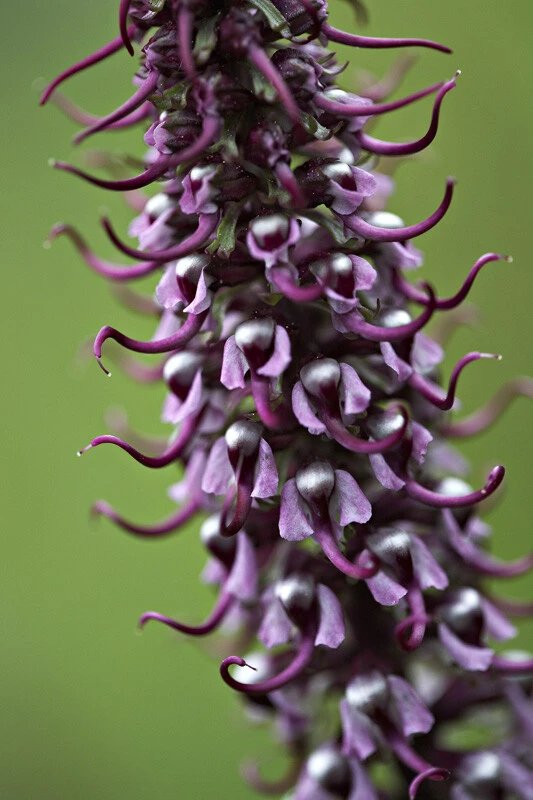
Elephant’s Head Lousewort Seeds – Pedicularis groenlandica – 10 Seeds
Original price was: 45.99 $.20.99 $Current price is: 20.99 $.
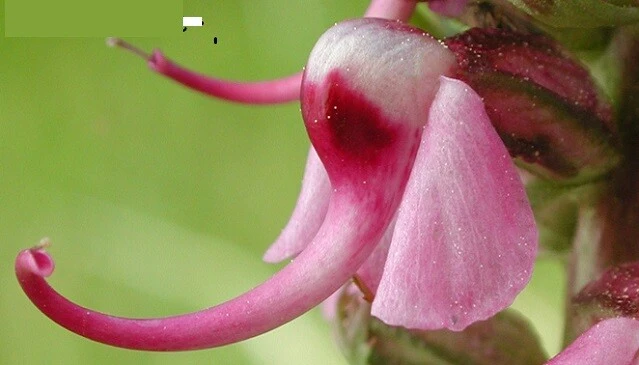
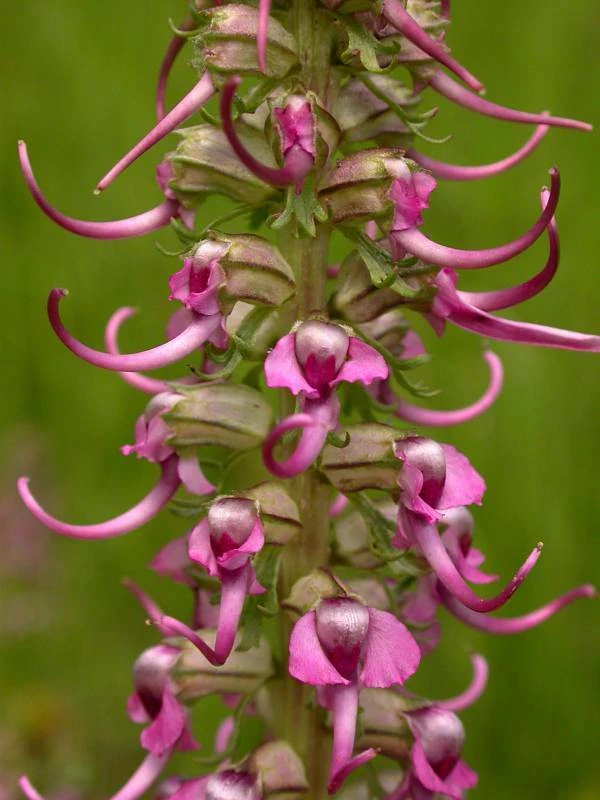
Cultivate the captivating Elephant’s Head Lousewort seeds (Pedicularis groenlandica) from seed. These unique perennial flower seeds produce striking blooms resembling miniature elephant heads, adding an exotic touch to your garden or meadow. Ideal for rock gardens or naturalized areas, they thrive in moist, well-drained soil.
Estimated arrival
Oct 15
Oct 20 - Oct 22
Oct 22 - Oct 27
See our Shipping Policy.
Get in touch with us via email, and our team will review your concerns.
Our Alive & Thrive Guarantee covers issues with your plants within the first 30 days. Read our Refund & Returns Policy.
-
USDA Hardiness Zone
USDA Zones 2-8 -
Soil Type
Consistently moist, well-draining soil -
Sunlight Exposure
Full sun to partial shade -
Expected Planting Period
Late fall or early spring (after stratification)
Overview
Embark on a botanical adventure by growing Elephant’s Head Lousewort seeds, scientifically known as Pedicularis groenlandica. This extraordinary perennial is celebrated for its truly unique flower structure, which uncannily resembles the head of an elephant, complete with trunk and ears. Native to bogs and wet meadows across North America, this fascinating plant offers a distinctive visual appeal that is sure to be a conversation starter in any garden setting. Our high-quality Pedicularis groenlandica seeds provide an excellent opportunity to introduce this unusual beauty into your landscape. Perfect for gardeners seeking something beyond the ordinary, these seeds allow you to cultivate a plant that combines whimsical charm with natural elegance. Discover the joy of nurturing this remarkable species from its humble beginnings as a seed to its full, glorious bloom.
Key Benefits
Growing Elephant’s Head Lousewort seeds offers a multitude of benefits, from enhancing garden aesthetics to supporting local ecosystems. These unique plants are not only visually stunning but also contribute to a vibrant, healthy outdoor space.
- Unique Aesthetic Appeal: The most striking feature of the Elephant’s Head Lousewort seeds is its distinctively shaped flowers. Each bloom truly resembles a tiny elephant’s head, creating an unforgettable and whimsical display that will captivate visitors and add a touch of playful artistry to your garden.
- Attracts Pollinators: These vibrant flowers are known to attract various pollinators, including bees and hummingbirds, contributing to the biodiversity and health of your garden ecosystem. By planting these seeds, you’re not just growing a beautiful plant, but also supporting vital wildlife.
- Ideal for Wet Areas:Pedicularis groenlandica thrives in moist to wet conditions, making it an excellent choice for bog gardens, stream banks, or areas with poor drainage where other plants might struggle. This adaptability ensures success in challenging garden spots.
- Perennial Growth: As a perennial, once established, the Elephant’s Head Lousewort seeds will return year after year, providing continuous beauty with minimal effort. This makes it a sustainable and rewarding addition to your perennial beds or naturalized landscapes.
- Educational Value: Cultivating this plant from seed offers a fantastic educational experience, allowing gardeners of all ages to observe the life cycle of a truly unique botanical specimen. It’s a great way to learn about plant biology and ecological interactions.
- Low Maintenance Once Established: While requiring specific moisture conditions, once established, these plants are relatively low maintenance. They generally resist pests and diseases, allowing you to enjoy their beauty without constant intervention.
- Conversation Starter: The unusual form of the Elephant’s Head Lousewort makes it an instant conversation piece. Friends and family will be intrigued by its peculiar beauty, offering a unique focal point in your garden.
Plant Care & Growing Tips
To successfully grow Elephant’s Head Lousewort seeds, understanding their specific environmental needs is crucial. These plants prefer conditions that mimic their natural wetland habitats. They are considered hemiparasitic, meaning they can get some nutrients from the roots of nearby plants, though they can also grow independently. This unique characteristic adds another layer of interest to how to grow Elephant’s Head Lousewort.
When it comes to sunlight, Pedicularis groenlandica thrives in full sun to partial shade. In hotter climates, some afternoon shade can be beneficial to prevent the soil from drying out too quickly. The most critical aspect of their care is consistent moisture. The soil should remain constantly moist, but not waterlogged, mimicking boggy conditions. Good drainage is still important to prevent root rot, so consider adding sand or grit to heavy clay soils if necessary. These plants are typically hardy in USDA zones 2-8, tolerating cold winters well. Fertilization is generally not heavily required, especially if grown near other plants from which they can draw nutrients. A light application of a balanced, slow-release fertilizer in spring can be beneficial if the soil is very poor. Keep an eye out for slugs and snails, which can be attracted to moist environments. Ensuring proper air circulation can help prevent fungal issues.
Size & Details
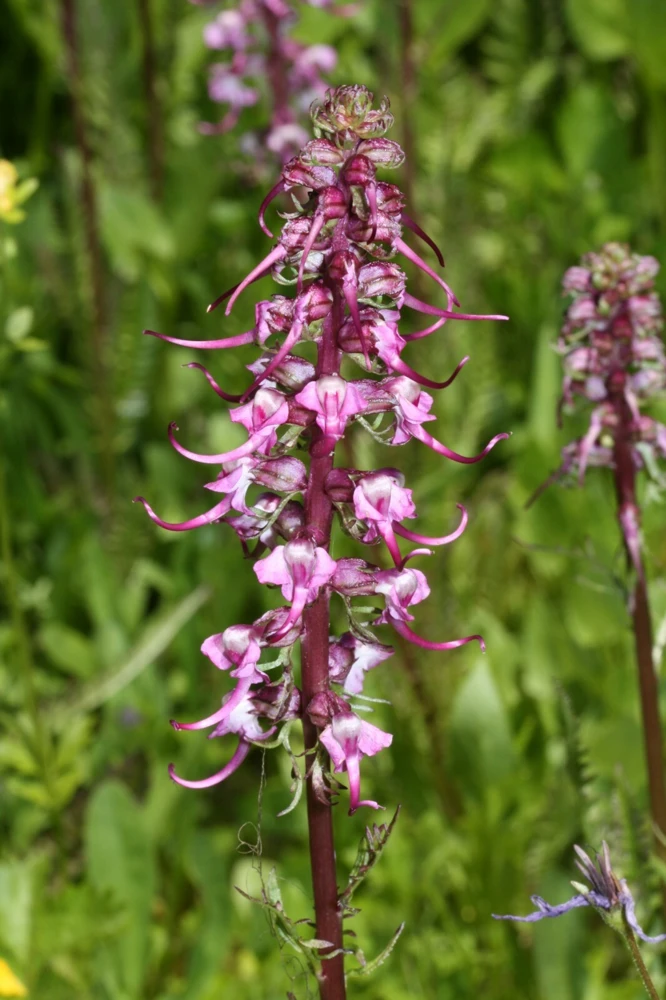
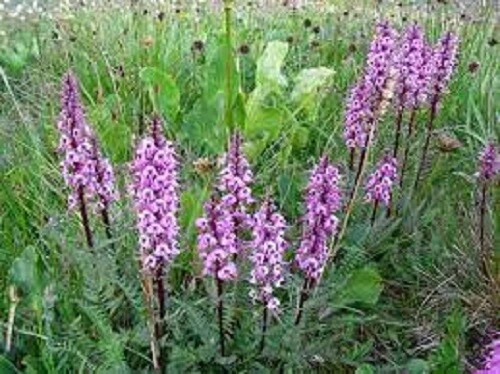
This offering includes 10 seeds of Pedicularis groenlandica, commonly known as Elephant’s Head Lousewort. When mature, these distinctive perennial flowers typically grow to a height of 12 to 24 inches (30-60 cm), forming upright spikes of blooms. The plant establishes a fibrous root system and will return each year from established crowns. Expect blooms to appear in mid to late summer, usually from July to September, depending on your climate and planting time. The seeds are provided in a protective packet, ready for planting. While germination can sometimes be slow and requires stratification, patience will be rewarded with these truly unique and beautiful perennial flower seeds. They are ideal for creating a naturalized look in damp areas of your garden, or for adding intrigue to a specialized bog garden setup. Learning how to grow Elephant’s Head Lousewort from these seeds offers a rewarding experience for any dedicated gardener.
Frequently Asked Questions
- Q: How big does this plant get? A: The Elephant’s Head Lousewort typically grows to a height of 12 to 24 inches (30-60 cm) when mature, forming attractive upright flower spikes. Its spread is usually more compact, around 6-12 inches.
- Q: Is this an indoor or outdoor plant? A: Elephant’s Head Lousewort is primarily an outdoor plant, thriving in naturalized settings like bogs, wet meadows, or moist garden areas. It is not typically grown as an indoor houseplant.
- Q: How much sunlight does it need? A: This plant prefers full sun to partial shade. In regions with intense summer heat, some afternoon shade can help prevent the soil from drying out too quickly and protect the delicate blooms.
- Q: Is this plant easy to care for? A: While not difficult, Pedicularis groenlandica seeds require specific conditions, primarily consistently moist soil. Once these conditions are met, they are relatively low maintenance. They are considered a good choice for intermediate gardeners.
- Q: What condition will the Elephant’s Head Lousewort seeds arrive in? A: The Elephant’s Head Lousewort seeds will arrive in a sealed packet, ensuring their freshness and viability for planting. They are ready for stratification and planting upon receipt.
- Q: How long until it blooms? A: Elephant’s Head Lousewort typically blooms in mid to late summer (July to September) in its second year of growth from seed. Germination can take several weeks after stratification.
- Q: When is the best time to plant these perennial flower seeds? A: The best time to plant these seeds is usually in late fall or early spring after a period of cold stratification. This mimics their natural germination cycle and helps ensure successful sprouting.
- Q: Will it survive winter in my zone? A: Yes, Elephant’s Head Lousewort is a hardy perennial, typically surviving winters in USDA Zones 2-8. It is well-adapted to cold climates, making it a reliable choice for many northern gardens.
- Q: What kind of soil does it need? A: It prefers consistently moist, well-draining soil rich in organic matter. It thrives in boggy or wet meadow conditions, so ensure the soil doesn’t dry out.
- Q: Are there any special considerations for growing these unusual plant seeds? A: Yes, these seeds benefit from cold stratification for optimal germination. Additionally, they are hemiparasitic, meaning they can benefit from growing near other plants, though they can also grow independently.
Be the first to review “Elephant’s Head Lousewort Seeds – Pedicularis groenlandica – 10 Seeds”
Related products


Flower Seeds


You May Like

Hardneck vs. Softneck Garlic: Which Should You Grow?
Have you ever stood in front of a seed catalog in mid-September, staring at dozens [...]
Oct

When to Plant Music Garlic: Ultimate US Fall Guide
Have you ever spent your fall weekend placing carefully chosen garlic cloves into rich, dark [...]
1 Comment
Oct

5 Best Bulbs for Fall Planting: Brighten Your Garden This Spring
Are you dreaming of a garden full of vibrant colors in the spring? The key [...]
Aug

10 Houseplants That Will Thrive in Your Kitchen
Are you tired of your kitchen feeling dull and lifeless? Want to add a little [...]
1 Comment
Aug
Reviews
There are no reviews yet.