
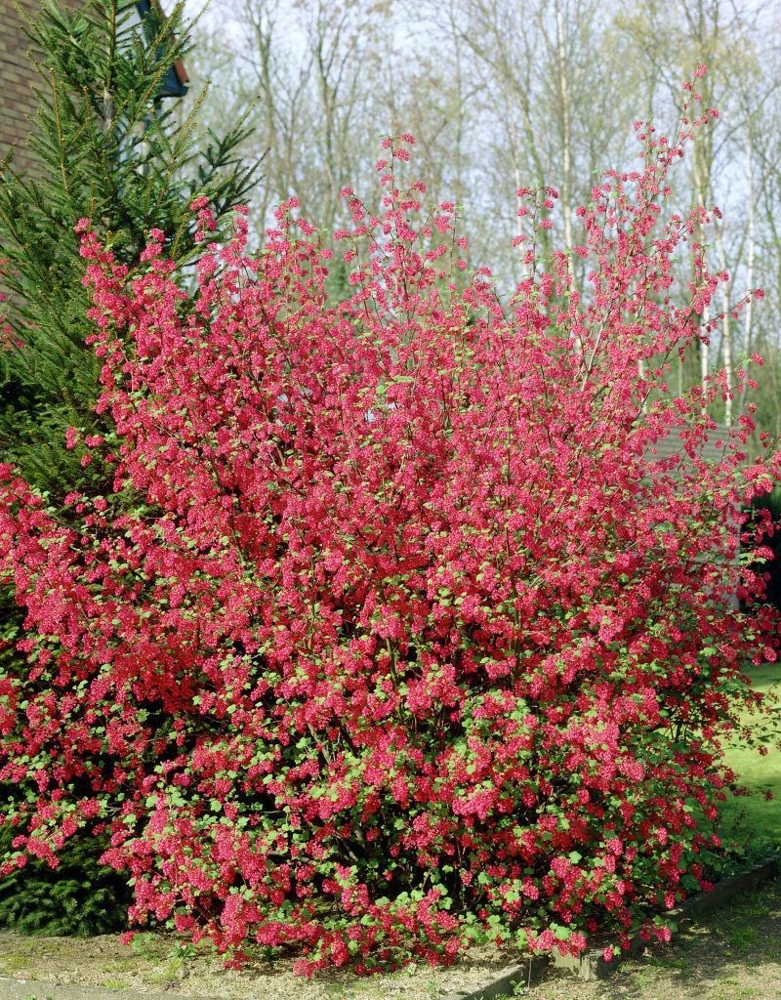
Red Flowering Currant Seeds – Ribes Sanguineum – 10 Seeds – Outdoor Shrub
Original price was: 48.99 $.23.99 $Current price is: 23.99 $.
Discover the joy of growing your own vibrant red flowering currant seeds. These Ribes sanguineum seeds promise a stunning display of crimson blossoms in early spring, making them a favorite for attracting hummingbirds and adding dramatic color to any garden. Each packet contains 10 high-quality seeds ready for planting.
Estimated arrival
Oct 15
Oct 20 - Oct 22
Oct 22 - Oct 27
See our Shipping Policy.
Get in touch with us via email, and our team will review your concerns.
Our Alive & Thrive Guarantee covers issues with your plants within the first 30 days. Read our Refund & Returns Policy.
-
USDA Hardiness Zone
USDA zones 6-9 -
Soil Type
Well-draining soil -
Sunlight Exposure
Full sun to partial shade -
Expected Planting Period
Early spring after stratification
Overview
Embark on a rewarding gardening journey with these premium red flowering currant seeds. Each packet contains 10 viable Ribes sanguineum seeds, offering you the opportunity to cultivate one of nature’s most enchanting early spring shrubs. Known for its spectacular clusters of deep red to pink flowers, the Red Flowering Currant is a deciduous shrub native to western North America, cherished for its ornamental value and its appeal to pollinators, especially hummingbirds. Growing from seed allows you to experience the full lifecycle of this beautiful plant, fostering a deeper connection with your garden. These seeds are a perfect choice for gardeners looking to establish a naturalized area, create a vibrant hedge, or simply add a burst of color to their landscape when other plants are still dormant.
The Red Flowering Currant, or Ribes sanguineum, is a hardy and adaptable species that thrives in a variety of conditions, making it an excellent choice for many different climates and garden styles. Its early bloom time provides crucial nectar for early-emerging pollinators and a stunning visual spectacle for you. Beyond its showy flowers, the plant also produces small, dark berries that are a food source for birds, adding another layer of ecological benefit to your outdoor space. Start your own flowering currant plant collection today and enjoy the beauty and wildlife it brings.
Key Benefits
Cultivating a flowering currant plant from seed offers numerous advantages for both your garden and local ecosystem. These shrubs are not only beautiful but also incredibly beneficial:
- Spectacular Spring Blooms: Enjoy an abundance of vibrant red to pink flowers in early spring, often before other plants have begun to leaf out, providing a much-needed splash of color after winter.
- Attracts Pollinators: The nectar-rich flowers are a magnet for hummingbirds, bees, and other early pollinators, contributing to biodiversity and garden health. It’s an excellent way to support local wildlife.
- Wildlife Food Source: Following the blooms, small, dark berries develop, which, while tart for human consumption, are a valuable food source for various bird species, enhancing your garden’s appeal to feathered friends.
- Low Maintenance: Once established, the Red Flowering Currant is a relatively low-maintenance shrub, requiring minimal care and proving quite resilient to common pests and diseases.
- Drought Tolerant: This species is naturally adapted to drier conditions once mature, making it a sustainable choice for water-wise gardening in appropriate climates.
- Erosion Control: Its fibrous root system can help stabilize soil on slopes and banks, making it a practical choice for challenging landscape areas.
- Versatile Landscaping: Ideal for hedges, mixed borders, native plant gardens, or as a standalone specimen, its adaptable nature allows it to fit into various garden designs.
Plant Care & Growing Tips
Growing a flowering currant plant from red flowering currant seeds requires a bit of patience and specific care, but the results are well worth the effort. For optimal germination, these seeds typically require a period of cold stratification. This process mimics natural winter conditions and breaks seed dormancy. You can achieve this by placing the seeds in a moist medium, such as peat moss or sand, in a sealed plastic bag and refrigerating them for 2-3 months at temperatures between 35-40°F (1-4°C). After stratification, sow the seeds indoors in early spring or directly outdoors after the last frost.
When sowing, plant the seeds about 1/4 inch deep in a well-draining seed-starting mix. Provide consistent moisture but avoid waterlogging, which can lead to damping-off disease. Once seedlings emerge and are large enough to handle, transplant them into individual pots. For outdoor planting, choose a location with full sun to partial shade. While the Red Flowering Currant can tolerate some shade, it will produce the most abundant blooms in a sunnier spot. Ensure the soil is well-draining, as this plant does not like wet feet. A slightly acidic to neutral soil pH is ideal. Regular watering is crucial during the plant’s first year of establishment; after that, it becomes quite drought-tolerant. Pruning can be done after flowering to maintain shape and remove any dead or weak branches. Understanding how to grow flowering currant successfully involves mimicking its natural environment and providing consistent care during its vulnerable seedling stage.
Size & Details
This offering includes 10 high-quality red flowering currant seeds (Ribes sanguineum) ready for stratification and planting. Once mature, the flowering currant plant typically grows to a height of 6-10 feet (1.8-3 meters) and can spread 4-8 feet (1.2-2.4 meters) wide, forming a dense, upright shrub. Its growth rate is moderate, allowing it to establish itself effectively within a few years. The seeds are packaged to ensure viability upon arrival, though proper stratification is key to successful germination. Expect the first blooms to appear in early to mid-spring, typically from March to May, depending on your specific climate and location. This shrub is known for its hardiness and adaptability, making it a robust addition to many garden types. For those interested in attracting wildlife, specifically a hummingbird shrub seeds option, these are an excellent choice.
Frequently Asked Questions
- Q: How big does this plant get? A: The flowering currant plant typically reaches a mature height of 6 to 10 feet and can spread 4 to 8 feet wide, forming a substantial and attractive shrub. Its size makes it suitable for hedges or as a standalone specimen.
- Q: Is this an indoor or outdoor plant? A: The Red Flowering Currant is an outdoor deciduous shrub. It thrives in temperate climates and requires outdoor conditions to complete its life cycle, including its essential cold dormancy period.
- Q: How much sunlight does it need? A: For the best flowering display, the red flowering currant seeds should be grown into plants that receive full sun (at least 6 hours of direct sunlight) to partial shade. While it tolerates some shade, ample sunlight promotes more prolific blooms.
- Q: Is this plant easy to care for? A: Once established, the Red Flowering Currant is considered low-maintenance. The initial phase of germinating the Ribes sanguineum seeds and nurturing young seedlings requires careful attention, especially regarding stratification and consistent moisture.
- Q: What condition will the seeds arrive in? A: Your red flowering currant seeds will arrive carefully packaged to maintain their viability. They will be dry and ready for you to begin the cold stratification process before planting.
- Q: How long until it blooms? A: From seed, it typically takes 2-3 years for the Red Flowering Currant to reach blooming maturity. The first blooms will appear in early to mid-spring, usually from March to May.
- Q: Will it survive winter in my zone? A: The Red Flowering Currant is hardy in USDA zones 6-9, meaning it can tolerate winter temperatures down to -10°F (-23°C). Ensure your zone falls within this range for successful overwintering.
- Q: What’s the best soil for growing these seeds? A: These Ribes sanguineum seeds and subsequent plants prefer well-draining soil. They are adaptable to a range of soil types, including sandy, loamy, or clay, as long as drainage is good.
- Q: Can I grow this plant to attract hummingbirds? A: Absolutely! The Red Flowering Currant is renowned as an excellent hummingbird shrub seeds choice. Its bright red flowers are a favorite nectar source for hummingbirds in early spring.
- Q: When is the best time to plant the seeds? A: After cold stratification, which typically lasts 2-3 months, you can sow the seeds indoors in late winter/early spring or directly outdoors after the danger of the last frost has passed.
Be the first to review “Red Flowering Currant Seeds – Ribes Sanguineum – 10 Seeds – Outdoor Shrub”
Related products


Shrub Seeds
Golden Currant Shrub Seeds – 20 Count – Edible Black Fruit, Yellow Flowers, Ribes Aureum


Shrub Seeds
Red Flowering Currant Seeds – Ribes Sanguineum Shrub Seeds – 25 Seeds – Attracts Hummingbirds


You May Like

Hardneck vs. Softneck Garlic: Which Should You Grow?
Have you ever stood in front of a seed catalog in mid-September, staring at dozens [...]
Oct

When to Plant Music Garlic: Ultimate US Fall Guide
Have you ever spent your fall weekend placing carefully chosen garlic cloves into rich, dark [...]
1 Comment
Oct

5 Best Bulbs for Fall Planting: Brighten Your Garden This Spring
Are you dreaming of a garden full of vibrant colors in the spring? The key [...]
Aug

10 Houseplants That Will Thrive in Your Kitchen
Are you tired of your kitchen feeling dull and lifeless? Want to add a little [...]
1 Comment
Aug
Reviews
There are no reviews yet.