
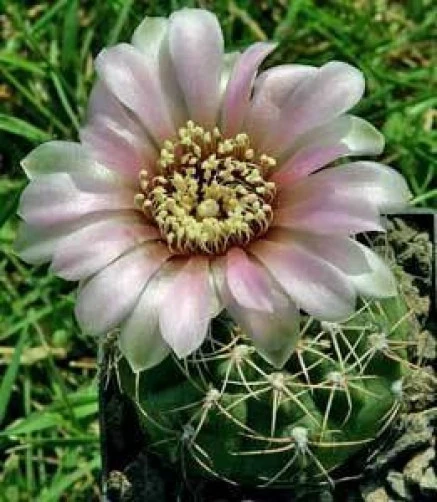
Gymnocalycium Kieslingii Heidiae Seeds – 10 Pack – Rare Cactus Seeds
Original price was: 44.99 $.19.99 $Current price is: 19.99 $.
Cultivate the unique Gymnocalycium kieslingii heidiae seeds with this convenient 10-seed pack. Ideal for cactus enthusiasts and collectors looking to expand their desert plant collection. These rare cactus seeds offer a rewarding growing experience, bringing a touch of the arid landscape to your home or garden.
Estimated arrival
Oct 15
Oct 20 - Oct 22
Oct 22 - Oct 27
See our Shipping Policy.
Get in touch with us via email, and our team will review your concerns.
Our Alive & Thrive Guarantee covers issues with your plants within the first 30 days. Read our Refund & Returns Policy.
-
USDA Hardiness Zone
USDA zones 9–11 (if planted outdoors) -
Soil Type
Well-draining cactus and succulent mix -
Sunlight Exposure
Bright direct to indirect light -
Expected Planting Period
Spring to early summer
Overview
Embark on an exciting horticultural journey with our premium Gymnocalycium kieslingii heidiae seeds. This offering includes a pack of 10 seeds, providing a fantastic opportunity for both novice and experienced growers to cultivate this distinctive cactus variety. The Gymnocalycium kieslingii, particularly the heidiae variation, is celebrated for its unique globular shape, often adorned with fascinating patterns and spines that make it a standout in any collection. Originating from arid regions, these cacti are known for their resilience and striking aesthetic appeal. Growing from Gymnocalycium kieslingii heidiae seeds allows you to observe the full life cycle of this remarkable plant, from a tiny seedling to a mature, flowering specimen. It’s a rewarding project that connects you directly with the wonders of the desert ecosystem.
The Gymnocalycium genus is highly prized among succulent and cactus aficionados for its relatively easy care and the stunning, often colorful, flowers it produces. Our 10-seed pack ensures you have multiple chances to successfully germinate and grow these beautiful plants. Whether you’re aiming to start a new collection or add a rare specimen to an existing one, these rare cactus seeds are an excellent choice. They are perfect for creating a miniature desert landscape or simply enjoying a unique potted plant indoors. Discover the joy of nurturing these resilient and captivating cacti from their very beginning.
Key Benefits
Growing Gymnocalycium kieslingii heidiae seeds offers several compelling advantages, making it a popular choice for plant enthusiasts. These benefits extend beyond just the aesthetic appeal, providing a fulfilling gardening experience.
- Unique Aesthetic Appeal: The Gymnocalycium kieslingii var. heidiae develops a distinctive spherical or slightly flattened globe shape, often featuring prominent ribs and attractive spines. This unique form makes it a focal point in any plant collection, adding an exotic touch to your indoor or outdoor space.
- Rewarding Growing Experience: Cultivating cacti from rare cactus seeds is a deeply satisfying process. Watching the tiny seedlings emerge and gradually develop into mature plants provides a sense of accomplishment and a deeper connection to nature.
- Low Maintenance: Once established, Gymnocalycium cacti are known for their drought tolerance and minimal care requirements. They thrive on neglect, making them perfect for busy individuals or those new to gardening.
- Space-Saving: These cacti typically remain relatively small, making them ideal for windowsills, desks, or small apartment living where space is at a premium. They don’t demand extensive room to flourish.
- Drought Tolerant: As desert plants, Gymnocalycium species are incredibly water-efficient. This makes them an environmentally friendly choice and reduces the frequency of watering needed, especially during drier periods.
- Collector’s Item: The ‘heidiae’ variety of Gymnocalycium kieslingii is considered a desirable specimen by cactus collectors. Growing these Gymnocalycium seeds allows you to acquire a unique plant that isn’t always readily available.
- Potential for Blooms: Mature Gymnocalycium cacti produce beautiful, often vibrant flowers, adding a burst of color and a delightful surprise to their already attractive form.
Plant Care & Growing Tips
Successfully germinating and growing Gymnocalycium kieslingii heidiae seeds requires attention to specific environmental conditions, mimicking their natural desert habitat. Start by preparing a well-draining seed-starting mix, typically a blend of peat, perlite, and coarse sand. Sterilizing the soil can prevent fungal issues. Spread the tiny Gymnocalycium seeds evenly on the surface of the moist soil, pressing them gently but not covering them, as they often require light for germination. Place the seed tray in a warm location with consistent temperatures, ideally between 70-85°F (21-29°C), and provide bright, indirect light. A humidity dome or plastic wrap can help maintain consistent moisture, but ensure good air circulation to prevent mold.
Once the seedlings emerge, which can take anywhere from a few weeks to several months, gradually acclimate them to drier conditions by slowly removing the humidity cover. Young cacti are more sensitive to overwatering than mature plants, so allow the soil to dry out almost completely between waterings. As they grow, transplant them into individual pots with a specialized cactus and succulent potting mix that ensures excellent drainage. Provide plenty of sunlight, ideally 4-6 hours of direct sun daily, especially morning sun, followed by bright indirect light. Protect them from intense afternoon sun in very hot climates to prevent scorching. Fertilize sparingly during the growing season (spring and summer) with a diluted, low-nitrogen cactus fertilizer. Understanding how to grow your own cactus from these desert plant seeds will lead to thriving specimens.
Size & Details
This product includes a pack of 10 Gymnocalycium kieslingii heidiae seeds, providing a generous quantity for germination and cultivation. Each seed is tiny, requiring careful handling during planting. Once germinated, the seedlings will initially be very small, gradually growing into mature cacti. A mature Gymnocalycium kieslingii var. heidiae typically reaches a diameter of 3-5 inches (7-12 cm) over several years, making it a compact and manageable plant for indoor cultivation or small outdoor rock gardens. The growth rate is moderate, with visible development occurring over months rather than weeks. Expect the cactus to develop its characteristic globular shape, pronounced ribs, and unique spination as it matures. The seeds are shipped dry and require proper stratification or soaking, depending on individual preference, to encourage germination.
Frequently Asked Questions
- Q: How big will a Gymnocalycium kieslingii var. heidiae cactus get? A: A mature Gymnocalycium kieslingii heidiae seeds grown cactus typically reaches a diameter of 3 to 5 inches (7-12 cm). It’s a relatively compact cactus, making it suitable for various display settings.
- Q: What is the best soil for growing these rare cactus seeds? A: The best soil for growing these rare cactus seeds is a well-draining mix specifically formulated for cacti and succulents. This usually includes a blend of potting soil, perlite, and coarse sand to ensure excellent drainage and prevent root rot.
- Q: How much light do Gymnocalycium kieslingii var. heidiae cacti need? A: These cacti thrive in bright light. Provide at least 4-6 hours of direct sunlight daily, preferably morning sun, followed by bright indirect light. Protect them from intense, scorching afternoon sun, especially in hot climates.
- Q: Is this plant easy to care for once it’s grown from seed? A: Yes, once established, Gymnocalycium cacti are considered relatively easy to care for. They are drought-tolerant and require minimal attention, making them a great choice for both beginners and experienced cactus enthusiasts. Understanding how to grow your own cactus from seed is the most challenging part.
- Q: When is the best time to plant Gymnocalycium seeds? A: The best time to sow Gymnocalycium seeds is typically in spring or early summer when temperatures are consistently warm. This provides optimal conditions for germination and initial seedling growth.
- Q: What kind of flowers do these cacti produce? A: Mature Gymnocalycium kieslingii var. heidiae cacti can produce beautiful, often vibrant flowers that emerge from the top of the plant. The colors can vary but are typically in shades of white, pink, or red.
- Q: Are these desert plant seeds suitable for outdoor planting in all zones? A: While these are desert plant seeds, the mature cacti are generally suited for outdoor planting only in USDA Hardiness Zones 9-11, where temperatures do not drop below freezing. In colder climates, they should be grown indoors or protected during winter.
- Q: How long does it take for the seeds to germinate? A: Germination time for Gymnocalycium kieslingii heidiae seeds can vary significantly, ranging from a few weeks to several months. Patience and consistent environmental conditions are key for successful germination.
- Q: What condition will the seeds arrive in? A: The seeds will arrive dry in a protective packet. They are ready for planting upon arrival, though some growers prefer to pre-soak or stratify them for improved germination rates.
Be the first to review “Gymnocalycium Kieslingii Heidiae Seeds – 10 Pack – Rare Cactus Seeds”
Related products



You May Like

Hardneck vs. Softneck Garlic: Which Should You Grow?
Have you ever stood in front of a seed catalog in mid-September, staring at dozens [...]
Oct

When to Plant Music Garlic: Ultimate US Fall Guide
Have you ever spent your fall weekend placing carefully chosen garlic cloves into rich, dark [...]
1 Comment
Oct

5 Best Bulbs for Fall Planting: Brighten Your Garden This Spring
Are you dreaming of a garden full of vibrant colors in the spring? The key [...]
Aug

10 Houseplants That Will Thrive in Your Kitchen
Are you tired of your kitchen feeling dull and lifeless? Want to add a little [...]
1 Comment
Aug
Reviews
There are no reviews yet.